Retail News CRM

Tag: most

  • Thailand’s Lunar New Year Spending to Skyrocket by 5% in 2026: Forecast Reveals Most Vibrant Celebrations in Six Years

    Thailand’s Lunar New Year Spending to Skyrocket by 5% in 2026: Forecast Reveals Most Vibrant Celebrations in Six Years

    The year 2026 is forecasted to observe a surge in market circulation during the Lunar New Year holiday in Thailand, with an estimated value of THB54.2 billion (US$1.75 billion). This anticipated figure would be the highest in six years, indicating an increase of 5% year on year.

    Consumer Spending Predictions

    According to a consumer spending survey conducted by the Centre for Economic and Business Forecasting at the University of the Thai Chamber of Commerce (UTCC), 25% of the respondents anticipate a more animated celebration this year, while others expect festivities similar to the previous year. Interestingly, 43% of the respondents have plans to pay tribute to Chinese gods and offer items of sacrifice to their ancestors.

    Among the participants, a third mentioned plans to increase their spending during the festival, mainly attributing this to escalated prices. However, 35% of the respondents anticipate the prices of products to remain unchanged.

    Perceptions of Market Prices

    Approximately 70% of the respondents believe that the prices of sacrificial offerings, such as meat and fruits, would be higher than last year. A prudent approach was noticed among one-third of the respondents who intended to buy only necessary items, whereas one-fifth planned to reduce their spending compared to the previous year.

    Travel Trends

    A noteworthy portion of the respondents, over 90%, expressed intentions to travel domestically. This indicates that a rise in local travel is expected during the Lunar New Year holiday.

    Economic Outlook

    Thanavath Phonvichai, President of the UTCC, stated that a large number of consumers are optimistic about an economic recovery after the election. This optimism stems from consumers being able to foresee who will spearhead the government’s economic team.

    Interestingly, it was found that more than half of the respondents view the current economy as worse or significantly worse than during the same period of the previous year. They anticipate economic recovery to start in the third or fourth quarter of this year.

    The respondents suggested that the new government should concentrate on enhancing infrastructure, fostering new industries for economic growth, fortifying the grassroots economy, upgrading regional infrastructure to boost tourism, attracting foreign investment, and supporting exporters. These suggestions mirror the concerns of the Thai people towards economic conditions and the necessity for a clear long-term strategy for sustainable economic growth.

    Future Government Initiatives

    The incoming government is expected to take office by May, with significant stimulus schemes projected to be initiated by the third quarter. Phonvichai urged the government to promptly eliminate corruption and crackdown on scams, as these issues significantly affect confidence in the tourism sector.

    Questions & Answers

    What is the estimated value of market circulation during the 2026 Lunar New Year holiday in Thailand?
    An estimated value of market circulation during the Lunar New Year holiday in Thailand in 2026 is THB54.2 billion (US$1.75 billion).

    What is the general outlook of the Thai people towards the economy?
    More than half of the respondents view the current economy as worse or significantly worse than during the same period of the previous year. They anticipate economic recovery to start in the third or fourth quarter of this year.

    What are the key suggestions provided by respondents for the new government?
    Respondents suggested that the new government should focus on improving infrastructure, developing new industries for economic growth, fortifying the grassroots economy, upgrading regional infrastructure to support tourism, attracting foreign investment, and supporting exporters.

  • Bangkok Tops List as World’s Most Expensive City for Renters, Reveals DWS Housing Affordability Review 2025

    Bangkok Tops List as World’s Most Expensive City for Renters, Reveals DWS Housing Affordability Review 2025

    Bangkok, Thailand’s capital city, has distinguished itself as the least affordable city in the world for renters, as per the Housing Affordability Review 2025. The report, compiled by Germany’s DWS, indicates that the average middle-class family in Bangkok spends nearly 79% of their disposable income on renting a two-bedroom apartment.

    The Root of High Rental Rates

    The city’s inflated rental prices are primarily due to a scarcity of condominiums. The second quarter saw condo availability drop to a 16-year low, a situation exacerbated by climbing construction costs and high-interest rates.

    Global Ranking of Affordability

    Following Bangkok, Mumbai and Mexico City were ranked second and third as the least affordable cities, with renters spending 66% of their disposable income on rent. Hong Kong came in fourth at just over 60%, and Johannesburg, South Africa, was in fifth place at approximately 58%. These cities are part of a group of 24 global cities with the most challenging rental markets. Other Asian cities on this list include Manila, Beijing, Hanoi, and Singapore.

    The study analyzed the rent to median disposable income ratio in 80 cities. A lower ratio signifies more affordable rent, with the worldwide average ratio standing at 38%.

    Cities with More Affordability

    On the other end of the spectrum, Salt Lake City was deemed the most affordable city, with a ratio of 20%. Leipzig and Austin followed closely, both featuring a ratio of 23%.

    Cities that ranked lower in affordability experienced a more significant decrease in affordability ratios compared to those ranking higher. Additionally, these cities saw their remaining spending power increase at a slower rate compared to cities demonstrating more economic resilience.

    Disposable Income After Rent

    The report also calculated the disposable income households have left after paying their monthly rent. Singapore topped the list globally with approximately $8,000 of leftover income, which is twice the global average. San Francisco followed with $7,650, and Abu Dhabi was third with $7,000.

    According to the report, wealthier cities typically benefit from high-income levels and balanced housing costs, which allows residents to retain robust purchasing power even after paying rent.

    Questions & Answers

    What factors contribute to Bangkok’s high rental rates?
    A lack of available condos, heightened construction costs, and high-interest rates are all factors that contribute to Bangkok’s high rental rates.

    Which city has the most affordable rental market?
    Salt Lake City is considered the most affordable city for renters, with a rent to disposable income ratio of 20%.

    Which cities have the highest disposable income after rent payments?
    Singapore, San Francisco, and Abu Dhabi lead the world in terms of disposable income after rent, with Singapore households having an average of $8,000 left over.

  • Uniqlo Ceo Yanai Warns Of Economic Fallout From U.S. Tariffs; Unveils Plans To Raise Prices

    Uniqlo Ceo Yanai Warns Of Economic Fallout From U.S. Tariffs; Unveils Plans To Raise Prices

    Tadashi Yanai, the founder of the global fashion brand Uniqlo and CEO of Fast Retailing, has expressed his concerns over the impact of tariffs on international trade, particularly the United States. Yanai, who is Japan’s wealthiest individual, has previously vocalized his apprehensions about the potential economic fallout from the extensive tariffs put in place by the U.S. administration.

    Tariffs and their Impact

    Yanai aired his views during a Uniqlo event in New York City, where the brand was showcasing its LifeWear clothing line and an art collaboration with Toray Industries of Japan and The Museum of Modern Art. Speaking through a translator, he stated, “I fear the world could go bankrupt,” before adding, “America is the one that could suffer the most.” He did not elaborate further on his statement.

    Fast Retailing, under the leadership of Yanai, has grown to become a dominant force in the Asian apparel market and is currently executing an ambitious expansion plan in Europe and North America.

    Effects on Uniqlo and its Operations

    The company announced in July that the increase in U.S. tariffs would have a significant impact on its American operations starting from the later part of the year. To counteract this, the company plans to raise prices.

    The majority of Uniqlo products sold in the U.S. are manufactured in Southeast Asia and South Asia, making the brand particularly susceptible to any shifts in the tariff landscape.

    Questions & Answers

    Who is Tadashi Yanai?
    Tadashi Yanai is the founder of global fashion brand Uniqlo and the CEO of Fast Retailing. He is also Japan’s richest man.

    What is Yanai’s viewpoint on U.S. tariffs?
    Yanai is concerned about the potential economic fallout from extensive tariffs imposed by the U.S. administration. He believes that the United States could suffer the most from these tariffs.

    How is Uniqlo planning to counteract the impact of these tariffs?
    Uniqlo plans to raise prices to mitigate the financial impact of the increased U.S. tariffs on its operations.

  • Over Half Of South Korean Consumers Foret Refunds For Counterfeit Online Purchases, Cites Complex Procedures

    Over Half Of South Korean Consumers Foret Refunds For Counterfeit Online Purchases, Cites Complex Procedures

    Over half of South Korean consumers who inadvertently buy counterfeit products online do not pursue refunds, according to a recent survey by the Korea Consumer Agency. The respondents pointed to complex refund procedures and nominal sums involved as the main reasons for not seeking recompense.

    Consumer Responses and Counterfeit Products

    The survey, which included 1,000 consumers using eight leading online platforms, revealed that 58.6% of those who unintentionally bought counterfeit goods did not request a refund. Reasons given were that the refund process was too intricate or time-consuming (60.4%), or that the purchased items were of low value or indistinguishable from genuine products.

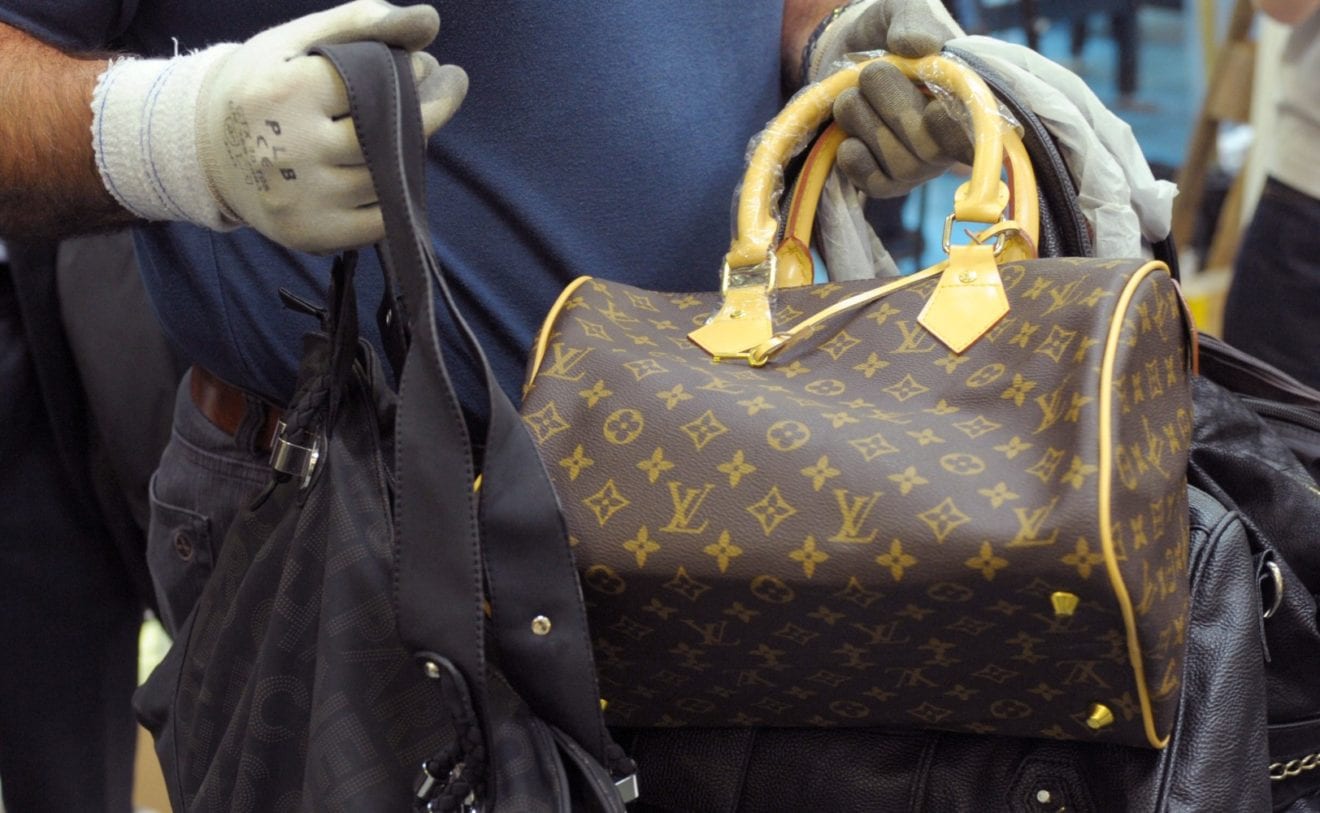
    The most frequently bought counterfeit items were bags, with 38.8% of consumers knowingly purchasing them. Shoes, however, were the most common accidental purchase, with 43.8% of consumers having inadvertently bought counterfeit footwear.

    Interestingly, many of the consumers who intentionally bought counterfeit products showed a lack of awareness about intellectual property rights. Almost half of them stated that they were unaware of, or unconcerned about, any possible issues.

    Responsibility and Complaints

    When asked who should bear the responsibility for counterfeit goods, 45.4% of the respondents blamed the sellers. Online platforms came second at 37.3%, while 17.3% of consumers held themselves accountable.

    The Korea Consumer Agency also examined 1,572 consumer complaints lodged between 2022 and February 2025. Handbags were the most frequently reported counterfeit items (21%), followed by shoes, cosmetics, audio devices, and clothing. The majority of complaints involved luxury brands, along with specific products such as Dyson hair dryers and Apple earphones.

    Price Comparisons and Seller Practices

    An analysis of price comparisons revealed further risks. On platforms like AliExpress and Temu, 72.5% of examined products were listed for less than 20% of their official market prices. Instagram and Naver Band also displayed similar steep discounts for over half of their items, with descriptors such as “mirror-grade leather” or “authentic-level” being used. Many sellers used private or external channels, which complicates monitoring efforts.

    Several platforms, including Naver Band, AliExpress, Coupang, and Temu, were criticised by the agency for their lack of clear instructions on how to report counterfeit items. Instead, they necessitated individual inquiries for each case.

    Call to Action

    The agency recommended that authorities and businesses augment their efforts to curb the sale of counterfeit goods. This includes limiting the use of misleading language on social media and enhancing transparency in reporting procedures.

    Questions & Answers

    What is the most common counterfeit item purchased intentionally in South Korea?
    Bags were the most common counterfeit items purchased on purpose, according to the survey.

    Who do consumers believe is most responsible for the sale of counterfeit goods?
    45.4% of respondents believe that sellers are the most responsible for counterfeit items.

    What measures has the Korea Consumer Agency suggested to combat counterfeit sales?
    The agency has suggested strengthening actions against counterfeit sales, restricting the use of deceptive terms on social media, and enhancing the transparency of reporting procedures.