Retail News CRM

Tag: motor

  • Vardenchi To Open New Lifestyle Garage Store In Mumbai

    Vardenchi To Open New Lifestyle Garage Store In Mumbai

    Motorcycle design company, Vardenchi, is all set to open its first ‘Lifestyle Garage’ in Goregaon, Mumbai. The flagship space will offer a wide range of bespoke motorcycle upgrade solutions and crafted biker products. Biker Products will include a range of fashion motorcycle helmets, lifestyle riding gear, a collection of apparel like t shirts hoodies and shoes. Motorcycle Upgrade products will include accessories for Safety, Utility and Style such as lights, seats, guards, luggage and more.

    A lot of motorcycle parts and materials have inspired the design of the Lifestyle Garage. Akshai Varde, MD/Founder, Vardenchi said, “The Vardenchi Lifestyle Garage is a culmination of our long standing vision of offering ‘everything motorcycle.’ The market and the timing are very well positioned for a concept like this and we are extremely excited to kick off the first of an entire network of franchise stores”

  • Kia Showcasted Three Concept Cars At The Seoul Motor Show

    Kia Showcasted Three Concept Cars At The Seoul Motor Show

    Kia Motors is all set to reveal a trio of new concepts at the 2019 Seoul Motor Show and they will preview the brand’s future design direction. Two of the three concepts make their international debut in Seoul, with the rugged Kia Masterpiece Concept which shows off a large SUV body with a luxurious, high-tech cabin. The Masterpiece is accompanied by the Kia Signature which is essentially the SP concept that the company showcased at the 2018 Auto Expo and finally the Imagine by Kia concept car which is an all-electric sports sedan which embodies Kia’s desire to create exciting low-emissions passenger cars.

    Each of the cars illustrate different elements of the brand’s future model strategy. The Kia Masterpiece concept makes its first public appearance, with a rugged and robust large SUV. The Masterpiece hints at how the brand could adapt its latest designs and features for the large off-road SUV segment. It sees sculpted bodywork and bold lines and it combines a purposeful SUV stance and raised body, and an all-wheel drive system. The front of the car features Kia’s new tiger nose grille, extended outwards across the whole front section of the concept, with no clear boundaries between grille and LED headlamps. The design of the front of the car is echoed in the rear of the car, with signature lines at both ends of the vehicle giving the car a consistent design all round.

    The Signature Concept is the made its international debut at the India’s Auto Expo 2018 in Delhi. Driven by advanced technology, the Kia SP Concept hints at the company’s plans to introduce a new small SUV for its global markets as well. The SP Concept gets a wide grille and long hood at the front, and a rear design which emphasises stability with wide rear lamps and body lines, the Signature stands out on the road. At the front, its lamps are connected to the ‘tiger nose’ grille, with integrated daytime running lamps. Its strong shoulder line, with a glasshouse which tapers towards the rear of the car, lends the compact SUV an air of understated sportiness. The exterior is completed with a series of distinct styling features, contributing to the car’s contemporary, technical design. These include thin LED lamps at the front and rear, sharp lines pressed into the bodywork, and precise metallic details. Of course the production ready version will be revealed later this year.

    Finally, it’s the Imagine by Kia concept which was revealed at the 2019 Geneva International Motor Show, but it’ll now make its Asian debut. The fully-electric sports sedan concept has been designed at Kia’s European design center in Frankfurt, Germany. This concept is Kia’s first pure electric four-door passenger car. The Imagine by Kia concept represents a more progressive Kia design language for the future, with intelligent reinterpretations of existing Kia motifs and a bodywork characterized by a blend of tautly-drawn sheet metal, crisp lines, and efficient aerodynamics.

    The design team has exploited the chassis architecture of the powertrain’s all-electric layout to maximise cabin space and create an airy and spacious interior. The concept features 21 individual ultra high-resolution screens. While not immediately destined for production, the Imagine by Kia concept hints at interior and exterior design elements that could be adapted for future production models from the brand.

  • Renault Samsung XM3 Unveiled At The Seoul Motor Show

    Renault Samsung XM3 Unveiled At The Seoul Motor Show

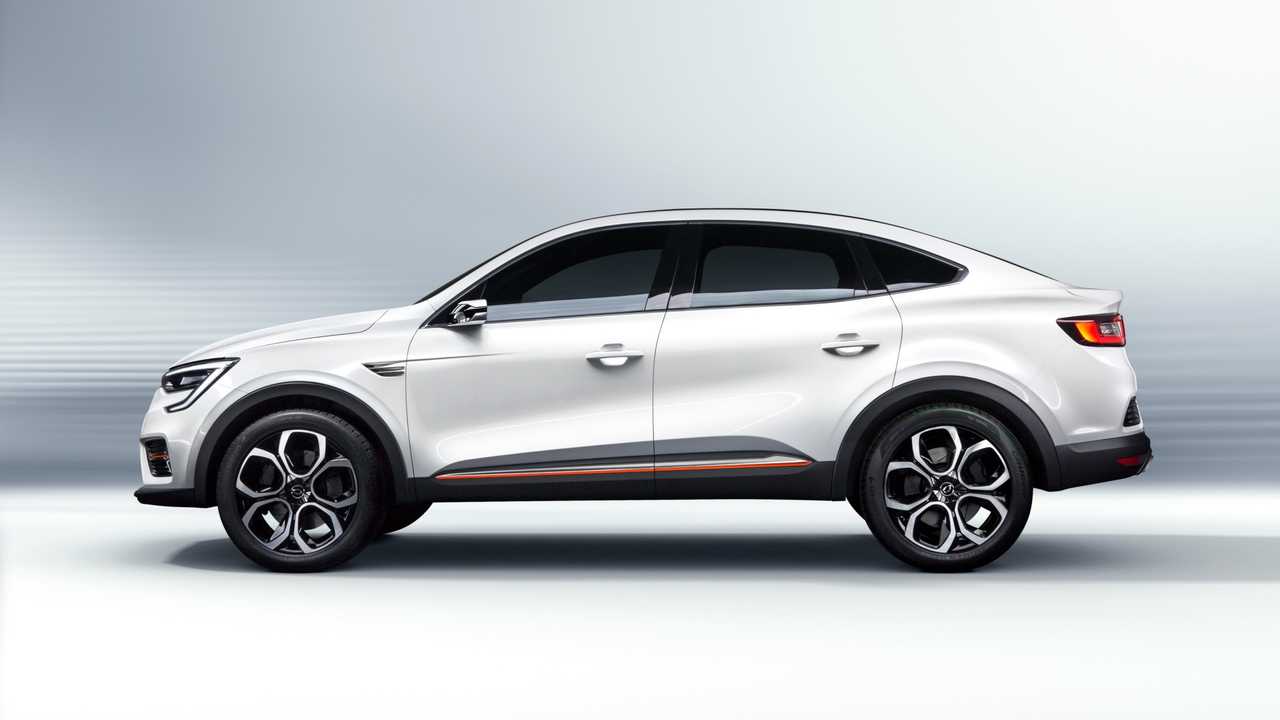
    Renault and Samsung who operate in a joint venture in the South Korean market have unveiled a new C-segment coupe SUV at the 2019 Seoul Motor Show. The Renault Samsung XM3 Inspire concept was first showcased at the Arkana concept last year at the Moscow Auto Show and has been rebadged for the South Korean market. To be specific, the second party in the JV- Samsung Motor is different from Samsung electronics which manufacture electronic goods and smartphones. The company was commissioned in 1994 and started market operations in 1998.

    The key difference between both the show cars is limited to the grille which has been tweaked and sports the Renault-Samsung logo instead of Renault’s diamond logo and is finished in white paint shade. The Renault Samsung XM3 Inspire being a coupe concept sits high up the ground wearing the top hat of a sedan. It gets a tapering roofline and a panoramic glass roof along with massive wheel arches that cover the 19-inch alloy wheels. It is also equipped with LED headlights with C-Shaped daytime running lights.

    The XM3 Inspire concept is a part of Renault Samsung Motor’s future product line up. The production model of the Renault Samsung XM3 Inspire will be launched in the South Korean Market in 2020.

  • Ducati Global Sales Slip 2.7 Per Cent Last Year

    Ducati Global Sales Slip 2.7 Per Cent Last Year

    Ducati’s global sales volumes for 2018 remains over the 50,000 level for the fourth consecutive year in 2018, despite a 2.7 per cent decrease in global sales. In all, Ducati delivered 53,004 motorcycles to customers worldwide, compared to 55,871 motorcycles in 2017. Sales in Ducai’s number one market, the US, proved to be particularly challenging, declining by nearly 9 per cent. Overall revenue in 2018 reached a figure of 699 million Euros, compared to 736 million Euros in 2017. Operating profit for 2018 was 49 million Euros, compared to 51 million Euros in 2017.

    “2018 was challenging from many points of view, but we are satisfied with our financial performance throughout a difficult year,” said Claudio Domenicali, CEO Ducati Motor Holding. “The company is generating the resources to continue funding the development of new products which is very positive for the future.”

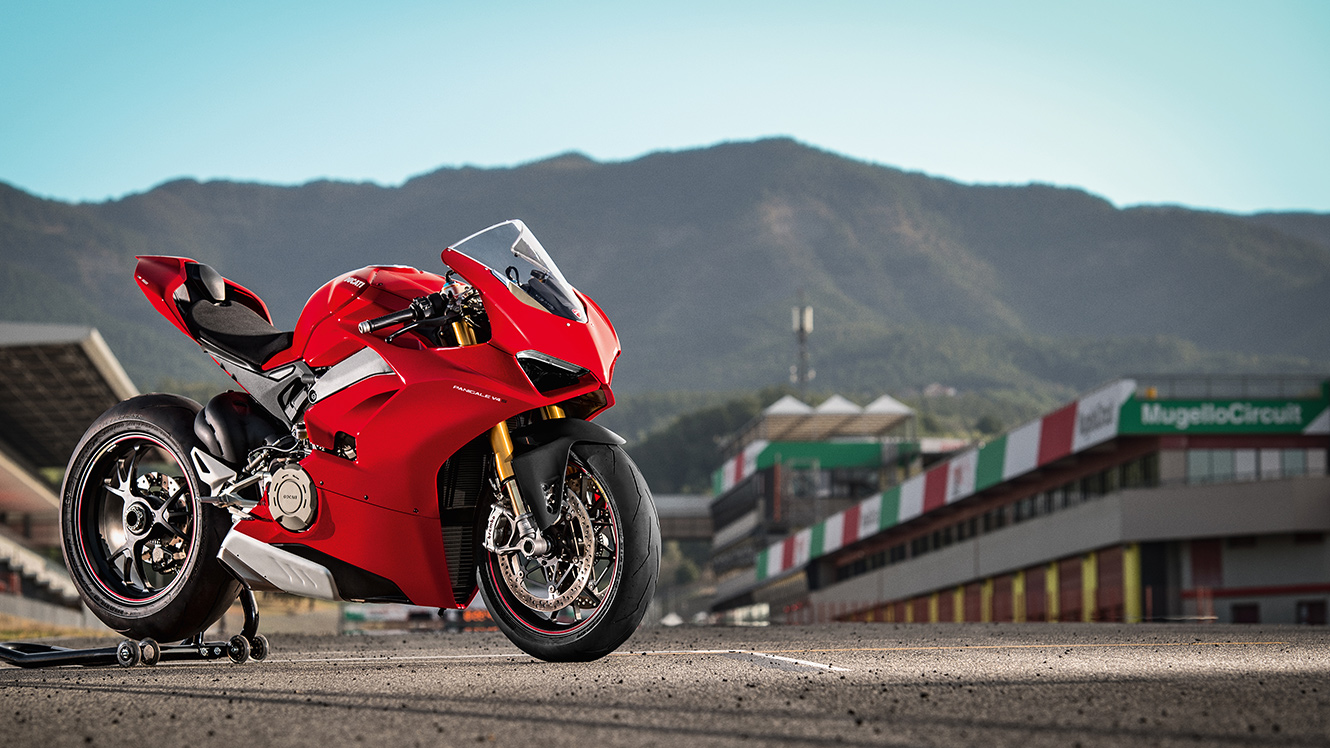
    The Bologna-based motorcycle company managed to compensate the reduction in the volume of sales, resulting from a decline in the market, with the growing interest and market success of models with higher margins, such as the Panigale, which made it possible to maintain the operating profit at the same level as the previous year. The Panigale series had had quite a successful run in 2018, with one out of every superbike sold worldwide in 2018 being a Ducati Panigale. The home market of Italy continued to be successful for Ducati with sales of over 9,000 bikes in 2018. Ducati Motor Holding currently has 1,591 employees, and the global sales network includes 720 dealerships in over 90 countries.

  • Kawasaki India To Increase Prices From April Onwards

    Kawasaki India To Increase Prices From April Onwards

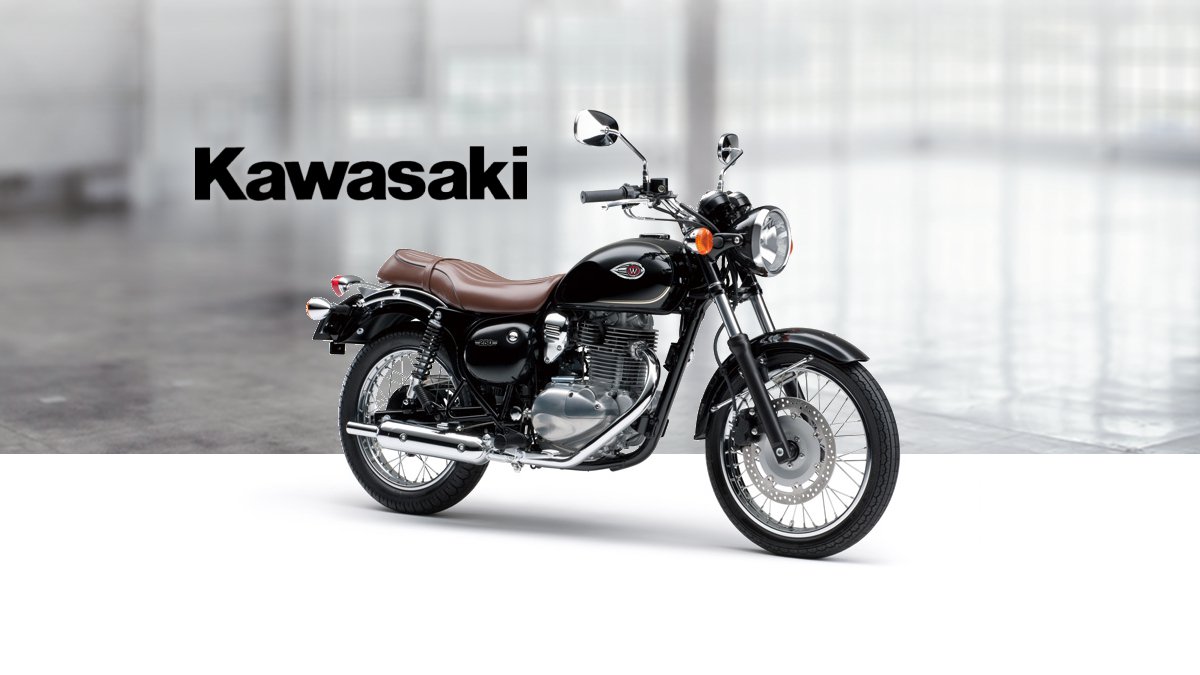
    India Kawasaki Motors (IKM) today announced that it will be increasing the prices of select models in India by up to 7 per cent. The revised prices for the motorcycles will come into effect from April 1, 2019, onwards and the new prices will be disclosed on the Kawasaki India’s official website. Stating the reason for the price hike, Kawasaki India says, “IKM strives hard to keep the price of its models very competitive in the India market. However, due to the increasing costs of raw materials and fluctuations in foreign exchange rates, IKM is compelled to change the price of our models.”

    Kawasaki hasn’t mentioned which all model will be receiving the price hike, however, we expect the India-made Kawasaki Ninja 300 to be a part of it. Mainly considering the fact that the motorcycle was launched at quite a competitive price and the company recently even slashed the prices of its spare parts by a considerable amount. Much recently, Kawasaki India also launched two models, namely Ninja ZX-6R and Versys 1000, at very competitive prices.

    In India, Kawasaki currently offers the Z250, Ninja 300, Versys-X 300, Ninja 400, Ninja 650, Z650, Versys 650, Vulcan S, Versys 1000, Ninja 1000, Ninja ZX-6R, Ninja ZX-10R and Ninja ZX-10RR, all of which are assembled at the Chakan plant. In total, however, Kawasaki offers a total of offers 29 products which include super-sports, naked, sports-tourer, cruiser and off-road variants.

  • Hyundai Motor bets 6.7 billion dollars on hydrogen cells

    Hyundai Motor bets 6.7 billion dollars on hydrogen cells

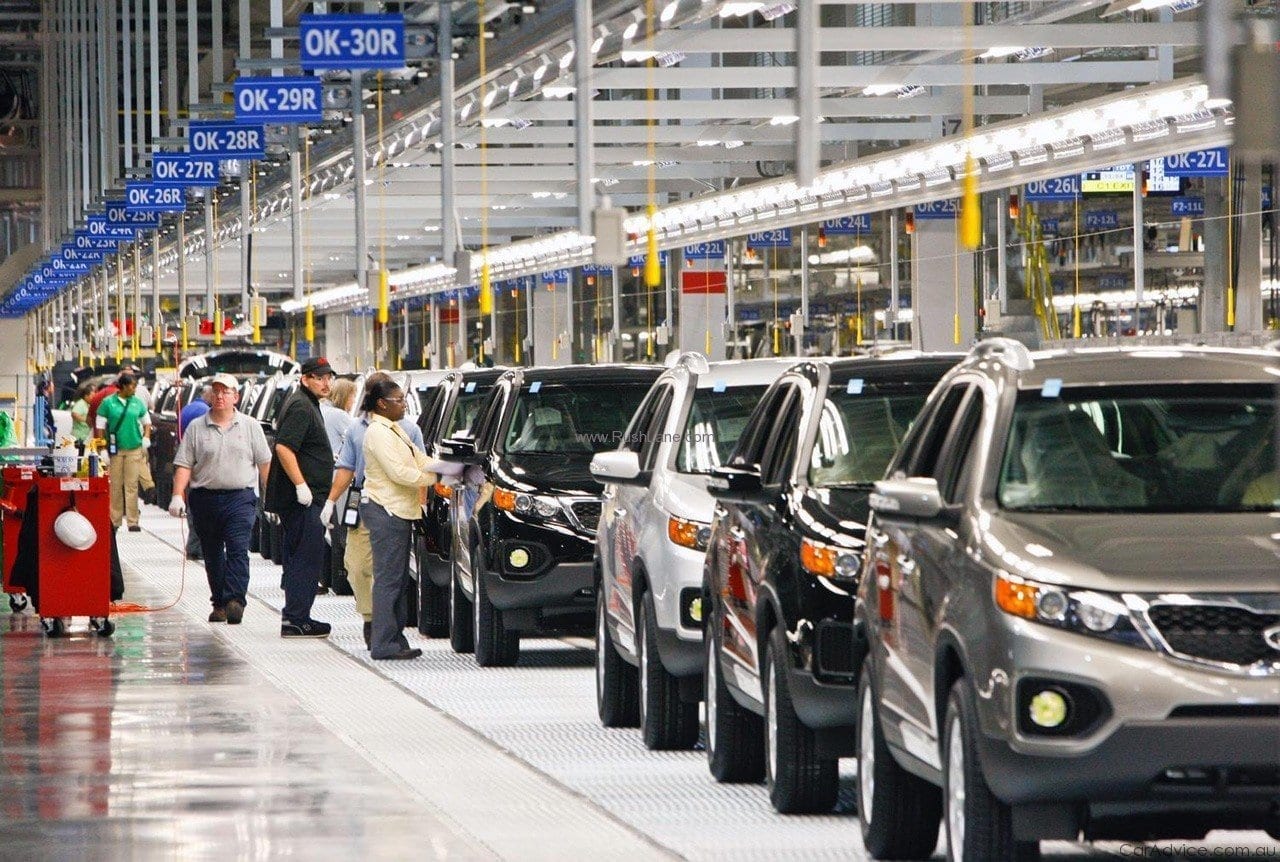
    Hyundai Motor Group said it will invest 7.6 trillion won ($6.7 billion) in fuel-cell electric vehicles (FCEV) by 2030, betting big on hydrogen as the energy source for the future. The group announced what it called its “FCEV Vision 2030” on Tuesday, promising to build production capacity of 500,000 FCEVs yearly by 2030 to take the lead in the fledgling industry. It added that the investment will generate some 51,000 new jobs by 2030.

    As a first step, Hyundai Mobis, the auto parts and software affiliate of Hyundai Motor, held a groundbreaking ceremony for its second fuel cell stack factory in Chungju, North Chungcheong, on Tuesday.

    If the factory is completed in 2022, Hyundai Motor Group’s production capacity for fuel cell stack will expand from its current 3,000 units per year to 40,000 units.

    “Hyundai Motor Group will become the first mover in the new hydrogen society that will arrive soon,” said Chung Eui-sun, Hyundai Motor Group’s executive vice chairman, in a speech at the ceremony in Chungju on Tuesday.

    “The group plans to expand the fuel cell stack production capacity to 700,000 units by 2030, including for the 500,000 FCEVs we plan to make by that year.”
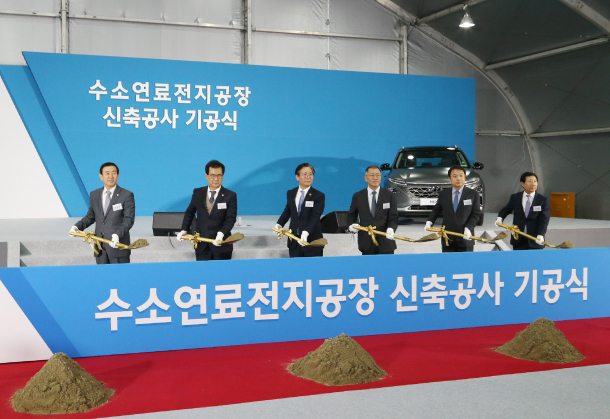
    The ceremony was attended by Minister of Trade, Industry and Energy Sung Yung-mo, Hyundai Motor President Chung Jin-haeng and Hyundai Mobis President Lim Young-deuk.

    Hyundai Mobis’ Chungju plant is focused on producing parts for eco-friendly vehicles like hybrid and electric cars.

    Last year, it constructed a new section dedicated to making fuel cell stacks with a capacity of 3,000 units per year.

    The carmaker forecasts that hydrogen will be used as an energy source in shipbuilding, railways and forklifts in the future and said it would start a business supplying fuel cell modules to other companies. The additional 200,000 units of FCEV modules that are not used in Hyundai Motor’s own FCEVs by 2030 will be sold elsewhere, the carmaker said.

    Executive Vice Chairman Chung said the FCEV industry will become a new growth engine for Korea.

    “Ninety-nine percent of auto parts in FCEVs are made domestically,” Chung said, “which is why its growth will have big ripple effects on other companies related to the industry. Through co-investment with partner companies, [Hyundai Motor] will try to build new growth engine for Korea’s future car industry.”

    Currently, some 130 partner companies are providing parts for fuel cell stacks made by Hyundai Mobis.

    Hyundai Motor has been making hefty investments in FCEVs along with rival Toyota. It was the first carmaker in the world to make a mass-produced FCEV model in 2013 called the Tucson ix35. It launched a hydrogen-powered Nexo SUV early this year.

    Since last year, the carmaker has been chairing the Hydrogen Council, a global lobbying group. Other companies represented on the council include Daimler, BMW and Air Liquide.

    The Korean government plans to supply 16,000 FCEVs and build 310 FCEV charging stations by 2022. There are currently only around 10 stations available to the public in Korea.

    China plans to supply 1 million FCEVs by 2030 and construct 1,000 charging stations. Japan plans to supply 40,000 FCEVs by 2020 and build 160 charging stations.
  • Infiniti Motor Company aims to rev up retail

    Infiniti Motor Company aims to rev up retail

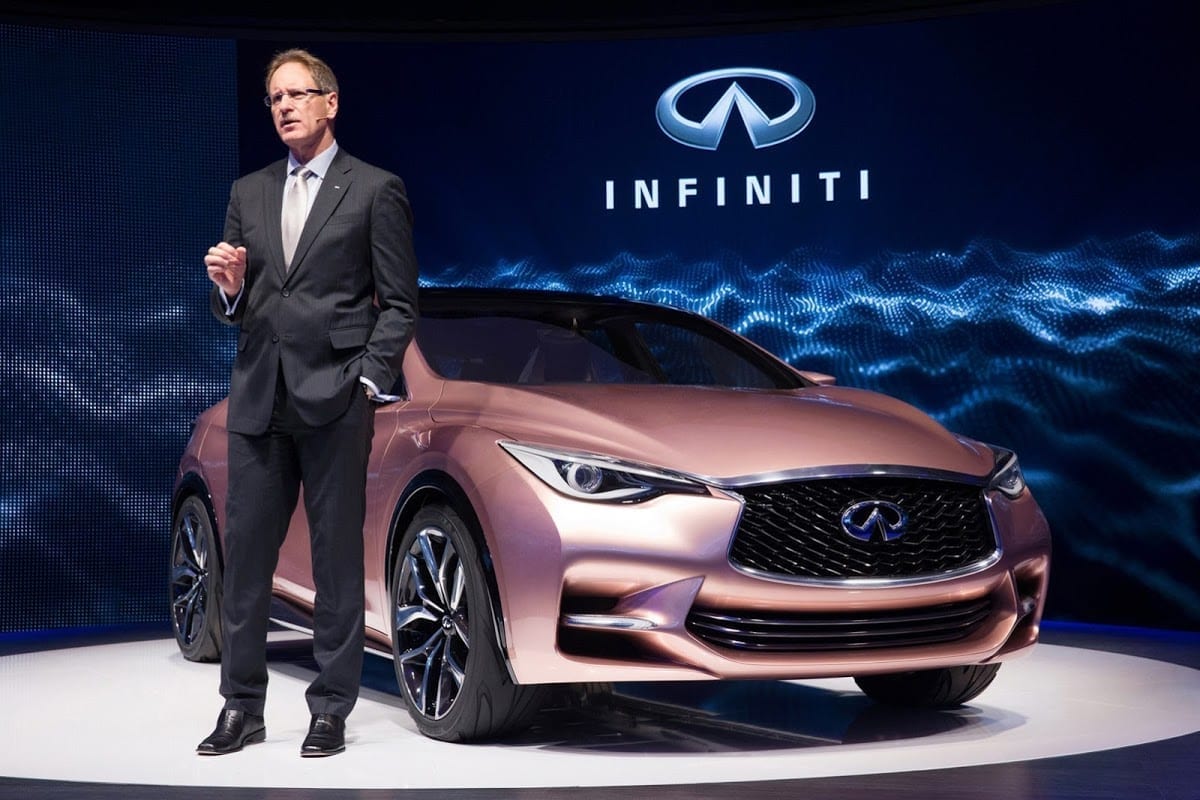
    With a chance to boost retail innovation in Hong Kong, Infiniti Motor Company has partnered with venture capital firm Nest to launch Infiniti Lab Global Accelerator 3.0 under the theme “The Future Consumer”.

    Infiniti has invited seven high-potential startups, two from Hong Kong and the others from Canada, Germany, Mexico, Sweden and the US, to its global headquarters to develop technologies to enhance the customer journey. The program will involve testing, evolving and refining their technologies to win over investors and industry leaders.

    The Hong Kong startup ventures are ActiMirror and Cove.

    “These exciting startups will have access to the Infiniti network of executives and ecosystem partners, and benefit from intensive business coaching and mentoring as well as exposure to established investors across Asia,” says Nest CEO Lawrence Morgan. “We have created a bespoke 10-week program for our startups and look forward to working with these high-potential businesses.”

    Chance to pitch

    Following the program will be Demo Day on December 13 at which the entrepreneurs will pitch their ideas to a panel of investors. They also have a chance to pitch their business cases to key decision makers from Infiniti and the Renault-Nissan Alliance.

    “We are dedicated to supporting top entrepreneurial talent around the world and helping bring their ideas to life through comprehensive startup programs and world-class partnerships,” says Infiniti Motor Company GM for global business transformation Dane Fisher.

    To launch the venture, Infiniti hosted a panel discussion about the future consumer and using emerging technologies to  improve the customer experience. As well as Fisher, Visionaries 777 head of business development David Castaneda, Bluebell Group digital director Benoit Lavaud, and Red Ant Asia regional director Elisa Harca, Regional Director, Red Ant Asia discussed how disruptive technologies such as AI, Big Data and VR will transform consumer experience.

    Headquartered in Hong Kong, Infiniti is represented in 50 international markets. Launched in 1989, it offers a range of premium automobiles built in China, Japan, the UK and the US. The brand is known for its design and innovative driver-assistance technologies. Last year it became a technical partner of the Renault Sport Formula One team.

  • Hyundai, Kia aim to grow 2017 sales to 8.25 million vehicles globally

    Hyundai, Kia aim to grow 2017 sales to 8.25 million vehicles globally

    Hyundai Motor and affiliate Kia Motors said on Monday they aim to increase their combined sales to 8.25 million vehicles globally in 2017, despite rising competition.The 2017 target is slightly higher than their 2016 goal of 8.13 million vehicles. The South Korean automakers’ final sales figures for 2016 are due out later on Monday, with analysts expecting a miss due to weak demand in emerging markets.

    “The 2017 goal is slightly higher than my projection,” said Ko Tae-bong, an auto analyst at Hi Investment & Securities, adding that the performance of new models would be the key to success after some disappointments in recent years.

    With emerging markets such as Russia stabilizing, and with Hyundai and Kia Motors gearing up to boost vehicle supply to the United States and China, sales could get a lift this year.

    But Hyundai Motor and Kia Motors – which together rank fifth in global sales – plan to add capacity in China and Mexico this year, just as those markets and the United States are seen slowing, likely pressuring margins.

    “With the global economy continuing its low growth, trade protectionism spreading and competition intensifying in the automobile industry, uncertainty is growing more than ever,” Hyundai Motor Group Chairman Chung Mong-koo said in his New Year message to employees.

    Hyundai Motor likely clocked its fourth straight annual profit decline last year, hurt by its higher exposure to weak emerging markets, and a product line-up that features more sedans than sport utility vehicles, just as SUVs have become more popular across many global markets.

    Hyundai Motor is targeting 2017 global sales of 5.08 million vehicles, while Kia Motors set its goal at 3.17 million vehicles.
    Kia Motors Vice Chairman Hank Lee told employees on Monday that the automaker hoped to revive growth this year, after falling short of its 2016 sales target.

    Hyundai Motor shares were flat in a wider market .KS11 that was down 0.4 percent in early morning trade, while Kia Motors shares were down 0.3 percent

    Hyundai Motor shares fell for a third straight year in 2016, down 2 percent versus the wider market’s 3 percent gain. Kia Motors shares slumped 25 percent last year, making them the worst-performing stock among major car makers in the world.

  • Little Vespa for the wanderlust

    Little Vespa for the wanderlust

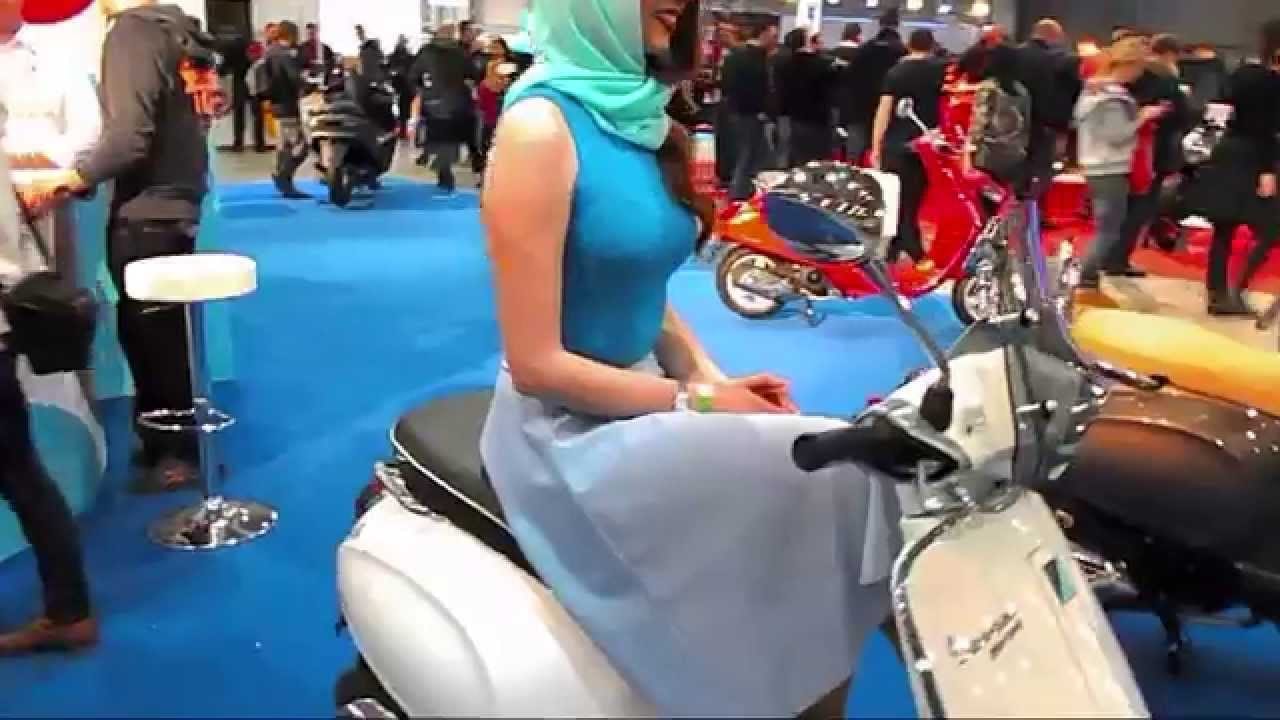
    Naza Premira Sdn Bhd, the official distributor of Vespa scooters in Malaysia, announced the arrival of the Vespa Sprint Adventure earlier this week. It is basically a customised Vespa Sprint 150cc ABS “designed with a unique adventurous look”, which probably means it is not quite ready to travel the world, but certainly looks the part.

    The Vespa Sprint Adventure is a derivative of the Vespa Sprint, which was launched by Naza last year. Among the features of the Sprint Adventure are sporty black matt details and travel accessories. Underneath the more rugged exterior is a new Piaggio i-Get 150cc single cylinder, four-stroke, air cooled engine with electronic injection. Pushing out 13hp at 7,750 rpm, and 12.8Nm of torque at 6,500 rpm, the little mill is quite efficient, giving gas mileage of up to 42 km/l (Measured by the World Motorcycle Test Cycle). The exhaust system is also a new unit, which Vespa says makes the engine quieter while at the same time giving “a more full and pleasant timbre”.

    The Sprint Adventure is also equipped with an ABS brake system. The accessories that differentiate the Vespa Sprint Adventure from the standard variation are a black front and rear carrier as well as a smoked fly screen. The accessories will be received and assembled separately at the dealership. The Sprint Adventure is available in Green Matt and Desert Sand and will retail at RM17,000, rather steep for a 150cc scooter, notwithstanding its adventure “credentials”. The standard Sprint was priced at 15k with GST at its launch last year. In conjunction with the launch of the new limited edition scooter, an adventure tour of South East Asia is being organised with a fleet of the Vespas ridden by journalists, “influencers”, celebrities, photographers and Vespa adventure lovers participating. The convoy will take them from Vietnam to Singapore.

    Malaysia will be represented by photographer Mark Teo. A social media contest will also be held. More details can be found on the official Vespa Sprint Adventure (VSA) Facebook page and Instagram profile. Fun Fact: The Guinness Book of Records states the minimum distance around the world to be 29,000km in their recognised round the world attempts.

    At 42 km/l, it would require just 690.5 litres of petrol for the Vespa Sprint Adventure to circumnavigate the earth. At the current Malaysian RON95 price of RM1.80 (which is not really possible since the scooter would be travelling around the world), it would cost just RM1,243 in fuel costs for the entire journey!

  • India becomes Honda’s biggest 2 wheeler market

    India becomes Honda’s biggest 2 wheeler market

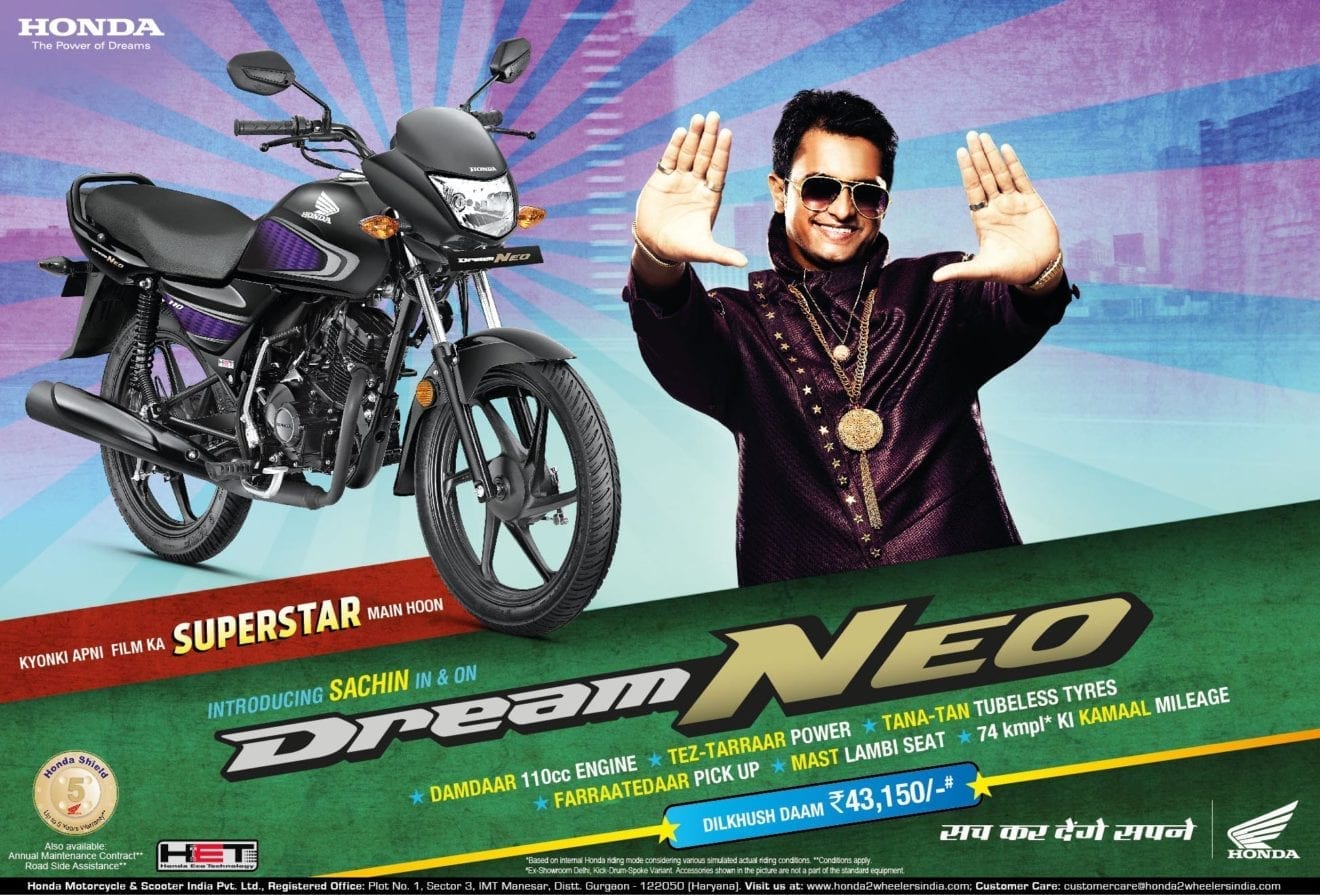
    Riding on a sustained double-digit growth in scooter volumes, Japanese auto major Honda has seen India emerge as its biggest two-wheeler market this financial year.

    Honda Motorcycle and Scooter India (HMSI) recently overtook the company’s volumes from the Indonesian market.
    Into the sixth year of the split with its Indian partner Hero, HMSI has sold 1.23 million units during the April-June quarter, 16 per cent more than the 1.06 million units sold in Indonesia.
    The corresponding volumes for India and Indonesia last year was 1.01 million and 1.03 million units, respectively. With this increased volume, India now brings 29 per cent of Honda’s global two wheeler sales compared to 25 per cent a year ago.
    In Indonesia, for instance, it commands 80 per cent share; the share in Vietnam is 70 per cent of the market.

    “Considering the low two-wheeler penetration in India, we believe that it will continue to lead the global two-wheeler market, as new demand will continue to come from rural and semi-urban areas in the future. The road infrastructure is increasing rapidly while public transport is not able to meet daily commuting needs of millions,” said Y S Guleria, senior vice-president, sales and marketing, HMSI.

    Honda is the second-biggest two-wheeler player in the Indian market.

    It is also present in the passenger vehicle market, where it is the sixth-largest player and has a five per cent share.

    In the two wheeler market, however, Honda enjoys a 28-per cent market share though Hero MotoCorp is the leader with a 37-per cent share. In the scooter segment, Honda sits on a strong 59-per cent share. It is this segment that is driving the company’s India volumes.

    Scooters account for two-thirds of HMSI’s India sales, up significantly from 54 per cent a year ago. The scooter market has grown 24 per cent this year so far on a rising base, helped by double digit growth for last two consecutive years. Motorcycles, as a segment, did not do well for last two years due to weakness in rural markets on sub normal monsoon. That is set to change this year.

    Improved sentiments in rural markets due to good rainfall and higher wages of the government employees will be positive growth triggers for the industry. Guleria said the Indian market has been showing constant growth in recent years while other big markets such as Indonesia and Brazil have been showing downtrend due to their economic slowdown.
    HMSI saw a capacity addition in June this year with the opening of its dedicated scooter plant in Gujarat that added 1.2 million unit annual production capacity. HSMI aims to end this year with total sales of 5.4 million units, up 26 per cent from last year’s 4.28 million units. Honda globally is expected to sell 18 million units this year.