Retail News CRM

Tag: motorbike

  • Vietnam’s Motorbike Market Accelerates, Topping Southeast Asia with Electric Bike Boom

    Vietnam’s Motorbike Market Accelerates, Topping Southeast Asia with Electric Bike Boom

    The Vietnamese motorcycle market experienced a significant expansion of 14.9% in the previous year, marking the most substantial growth rate within Southeast Asia. This surge was, in part, propelled by a substantial increase in sales of electric motorcycles.

    Vietnam reportedly sold 3.4 million units, positioning it as the second-largest market in the region, with Indonesia leading at 6.5 million units. This sales volume also marks Vietnam as the fourth largest global motorcycle market and the third largest market for electric motorcycles.

    Reshaping the Two-Wheeler Market

    The landscape of the motorcycle market in Vietnam is undergoing a significant transformation due to investments in electric two-wheelers. This shift is not only fueled by China’s major manufacturers but also by domestic producers.

    In parallel with this market transformation, a mature market is also experiencing growth, characterized by discerning consumer demand and steadfast brand loyalty. Honda, in particular, continues to enjoy a strong consumer base.

    Adopting Electric Vehicles Amid Environmental Policies

    The adoption of electric vehicles is accelerating in response to strict environmental policies. A notable factor expediting this shift towards electrification is the announcement by Hanoi authorities of a prohibition on internal combustion engine vehicles by July 2026.

    Pressure on Traditional Manufacturers

    Traditional motorcycle manufacturers are increasingly feeling the heat from specialists in electric scooters. Honda, a market leader for over seven decades, reported a meager growth of 1.3%. Their long-standing competitor, Yamaha, experienced a decline of 17.3%, subsequently losing its second-place standing.

    Interestingly, VinFast, a domestic electric mobility brand, has claimed the second spot, with a remarkable 532% growth. This development underscores the swift rise of domestic electric mobility.

    Several other players focused on electric models are also reporting robust growth. China’s Yadea, for example, has seen a 61.6% increase. Local manufacturers Pega and Dibao reported growth rates of 60% and 75% respectively, ranking them fourth, fifth, and sixth.

    Questions & Answers

    What was the growth rate of the Vietnamese motorcycle market last year?
    The Vietnamese motorcycle market grew by 14.9% last year, the highest growth rate in Southeast Asia.

    What are some factors that are reshaping the motorcycle market in Vietnam?
    Investments in electric two-wheelers by both domestic and Chinese manufacturers are significantly reshaping the Vietnamese motorcycle market.

    What is the impact of environmental policies on the adoption of electric vehicles in Vietnam?
    Tightening environmental policies, such as Hanoi’s ban on internal combustion engine vehicles from July 2026, are accelerating the adoption of electric vehicles in Vietnam.

  • Rev Up for the Harley Davidson X440T: Next-Gen Motorcycle Sneak Peek Ahead of Official Debut

    Rev Up for the Harley Davidson X440T: Next-Gen Motorcycle Sneak Peek Ahead of Official Debut

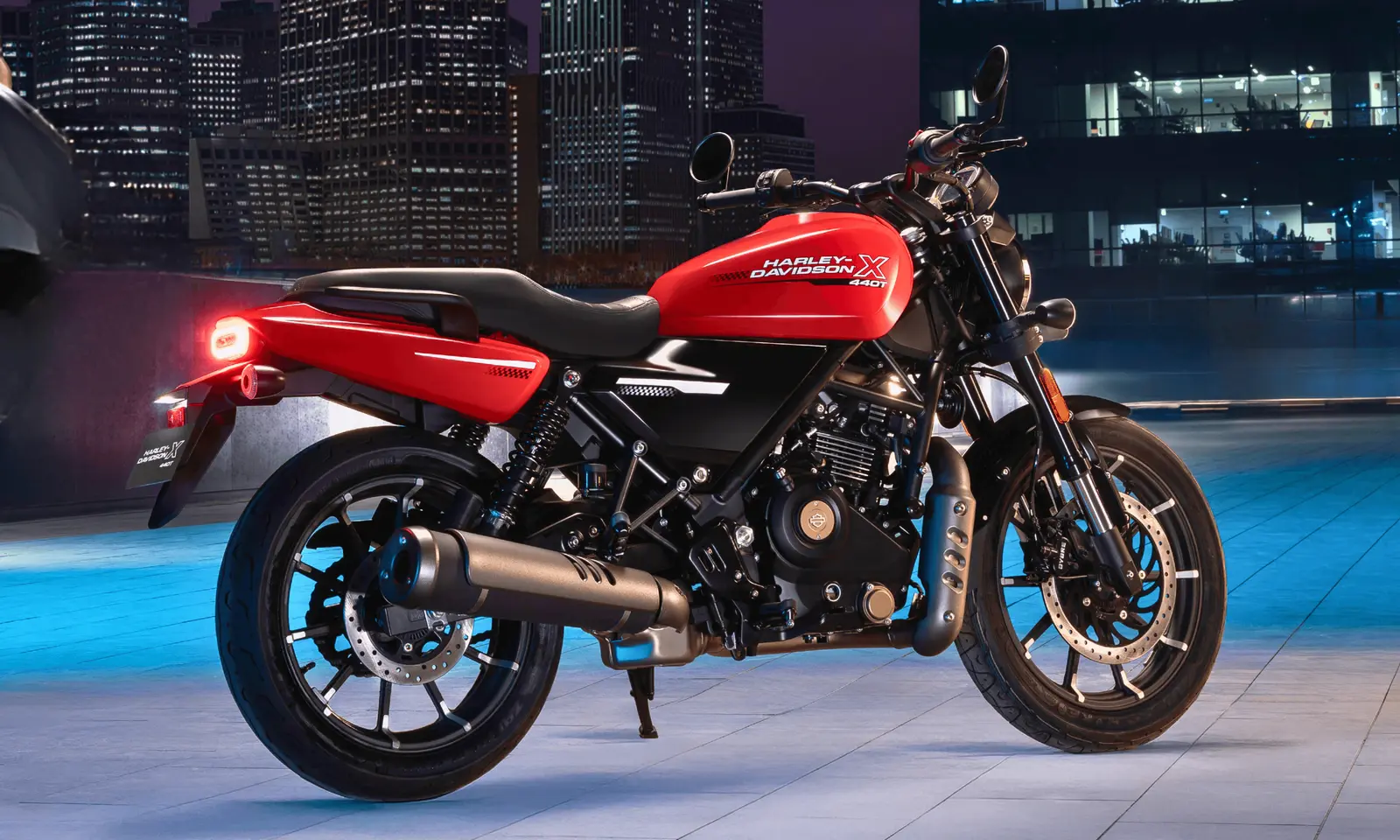
    In December 2024, Hero MotoCorp announced through a Securities and Exchange Board of India (SEBI) filing a continuation of its partnership with Harley-Davidson beyond the X440, revealing plans for new variants. Now, one year later, the first of these new additions, the X440T, is set to make its debut. This new motorcycle retains the familiar features of its X440 predecessor while introducing several key improvements.

    Design Distinctions of the New Harley-Davidson X440T

    Among the noticeable revisions on the X440T is an entirely restyled rear three-quarters section. A longer cowl graces the tail of the X440T, likening its design to that of other commuter motorcycles. While Harley-Davidson has yet to release a front-angle image of the new model, it is anticipated to bear a close resemblance to the original X440. Additional changes include bar-end mirrors and a fresh color palette featuring red, black, blue, and white options.

    Anticipated Advancements in the X440T

    Beyond the aesthetic upgrades, the X440T is expected to unveil several feature enhancements. Among these is the possibility of a ride-by-wire system, which could introduce additional riding modes and switchable traction control, among other advancements.

    As yet, further details remain undisclosed. However, it is predicted that the X440T will share much of its hardware with the X440, such as the chassis, engine, suspension, wheel sizes, and braking setup. For reference, the existing Harley-Davidson X440 is equipped with a 440 cc, oil-cooled, 2-valve SOHC single-cylinder engine that produces 27 bhp at 6,000 rpm and 38 Nm of torque at 4,000 rpm, coupled with a 6-speed transmission.

    History of the Hero-Harley Partnership

    The Hero-Harley alliance was forged in 2020 when the American motorcycle brand joined forces with Indian two-wheeler powerhouse Hero MotoCorp to manage local sales and service networks and co-develop high-end models. The first motorcycle resulting from this collaboration was the H-D X440 introduced in 2023, followed by Hero’s Maverick 440 in early 2024.

    There is yet to be a decision on whether the new X440T will replace the existing X440, or if both models will be sold concurrently. The Hero equivalent on this platform is still listed on the company’s website despite reaching the end of its production run. Currently, only selected dealerships with remaining stock are selling the Maverick 440.

    Questions & Answers

    What are the anticipated feature enhancements of the new X440T?
    The X440T is expected to introduce several feature advancements, such as a ride-by-wire system, potentially offering additional riding modes and switchable traction control.

    What is the current status of the Maverick 440?
    While the Maverick 440 has reached the end of its production run, it is still listed on the company’s website and is available at select dealerships with remaining stock.

    Will the existing X440 be replaced by the new X440T?
    It is not yet decided whether the X440T will replace the X440 or if both models will be sold concurrently.

  • Swift Strike: Vietnamese Gang Cracks Motorbike Theft in 5 Seconds Flat

    Swift Strike: Vietnamese Gang Cracks Motorbike Theft in 5 Seconds Flat

    In central Vietnam, law enforcement authorities have successfully brought down a criminal ring suspected of swiftly stealing motorbikes across the provinces of Nghe An and Ha Tinh. The official inquiry began on Friday, led by Nghe An police, focusing on Truong Hoang Hiep, 18 years old, believed to be the gang’s ringleader, along with five other suspects. The charges faced by the alleged criminals are of “property theft.”

    Method of Operation

    The police claim that the alleged thieves, under Hiep’s leadership, specifically targeted residences and motorbike shops situated in both provinces. Their modus operandi was remarkably fast, involving a technique where they would cut into the motorbike’s wiring to hot-wire it. This method enabled them to start the ignition and escape with the motorbike within an estimated five seconds.

    Their next step would be to conceal the license plates using tape, post which they would trade the stolen motorbikes for cash. As per the police, the criminals usually traveled together, wearing face masks and sun-protection clothing to hide their identities while on the lookout for potential victims.

    Investigation and Arrest

    Reports from victims ultimately led the Nghe An police to launch investigations. By mid-November, the officers had successfully tracked the suspects’ movements, which resulted in their arrest. All the suspects have reportedly confessed to their crimes.

    The police authorities have accused the gang of committing 13 motorbike thefts from May until their eventual capture. The estimated total value of the stolen motorbikes from both provinces is said to be around VND230 million (US$9,600).

    Questions & Answers

    Who are the suspects in the motorbike theft case?
    The chief suspect is Truong Hoang Hiep, an 18-year-old who is believed to be the leader of the gang. There are five other individuals involved in the case.

    How did the gang execute the thefts?
    The gang employed a quick technique to hot-wire the motorbikes by cutting into the wiring. They would then ride away with the motorbike, cover the license plates with tape, and sell the stolen vehicles for cash.

    What led to the gang’s capture?
    Reports from victims led the Nghe An police to initiate investigations. By successfully tracing the suspects’ movements, the officers were able to arrest them. All suspects have confessed to their crimes.

  • Riding on Risk: The Perilous Reality of Motorbike Travel in Vietnam

    Riding on Risk: The Perilous Reality of Motorbike Travel in Vietnam

    Motorbikes, possessing the rapidity of a car but the simplicity of a bicycle, inherently pose a high risk to safety, particularly when traversed on less than optimal roads. As an individual who has spent a significant time commuting through the city by both motorbike and car, I have come to deeply comprehend a sobering reality: motorbikes, the primary mode of transportation in Vietnam, are also the most perilous. The danger lies not only in their petite, vulnerable structure, but also in the habits and attitudes of the people and a transportation infrastructure that is inadequately equipped to provide adequate protection for riders.

    The Danger Lurking in Motorbikes

    In developed nations, cars are predominantly the preferred choice of transport. This preference is not solely attributed to the affluence of the people, but also to the inherent safety cars provide. The occupants in a car are shielded by a robust metal structure, airbags, seatbelts, anti-lock braking systems, collision sensors, rear-view cameras, and blind spot warnings. Motorbike riders, on the other hand, are left completely vulnerable to the tumult of traffic. A minor brush or an abrupt swerve can easily result in a fall, leading to grave injury or even fatality.

    In my personal observation, most roadway accidents in Vietnam invariably involve motorbikes. They occur on a daily basis, whereby a minor wobble, a sharp brake, or an inattentive pedestrian can rapidly escalate into catastrophe. Although car accidents are not unheard of, the possibility of fatal consequences is significantly less.

    A Closer Examination of the Risks

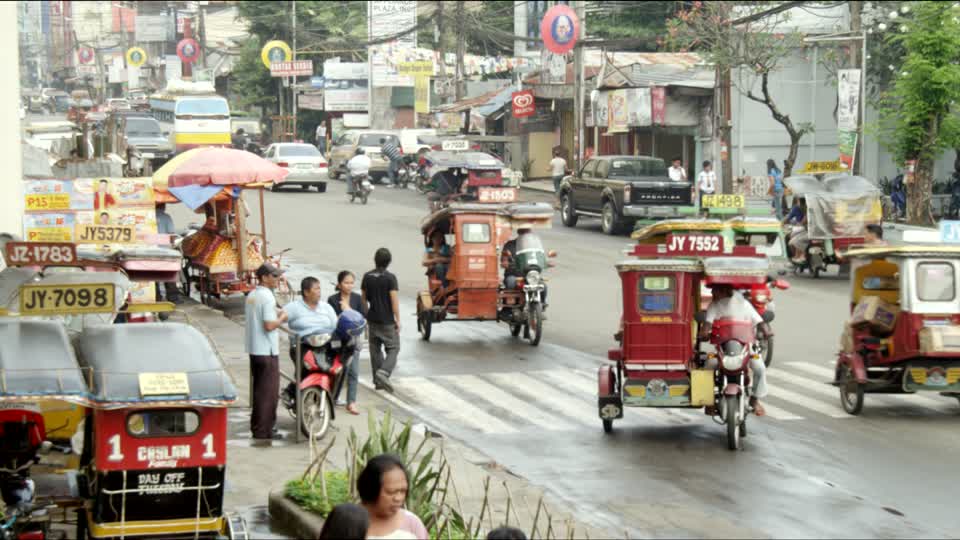
    Another factor contributing to the danger of motorbikes is their sheer volume. In major cities such as Hanoi and Ho Chi Minh City, it is commonplace for a family to own two or three motorbikes. The narrow city roads, swarming with millions of bikes, generate chaos. Riders are compelled to evade cars, dodge pedestrians, navigate around buses, and occasionally mount pavements when confronted with traffic jams. These behaviors are born out of the necessity for convenience and the habit of seeking shortcuts, yet they continually place riders in precarious situations.

    Further exacerbating the situation is the lack of traffic awareness amongst a subset of riders. Unconventional helmet use, running red lights, driving against the traffic, over-speeding, and phone usage while driving are prevalent practices. As motorbikes are compact and agile, riders often experience a sense of freedom, forgetting the grave implications one moment of negligence can bring about. Unlike car drivers, who are subjected to more stringent licensing procedures and have higher financial liabilities, many motorbike users obtain their license with minimal training. Some even resort to stand-ins for their tests or commence riding before achieving the legal age.

    The Psychological Aspect and Infrastructure Hurdles

    There is also a psychological element at play. Car drivers generally exhibit more caution as even a minor collision can result in costly repairs. Motorbike riders, conversely, often downplay minor incidents and adopt aggressive or reckless behavior to save a few minutes. This overconfidence often results in motorbike accidents that are unforeseen and frequently unavoidable.

    The infrastructure in Vietnam further exacerbates the risk. Numerous roads lack specially designated lanes for motorbikes, exhibit faded lane markings, inconsistent speed bumps, and poorly positioned traffic lights. Rain can render the roads slippery, while manhole covers and potholes, barely noticeable to cars, can easily cause a motorbike rider to lose control.

    Reassessing Motorbike Use

    Motorbikes undoubtedly play an integral role in Vietnamese life, especially in narrow lanes, rural regions, or areas with underdeveloped transport infrastructure. However, as urban areas aspire to more sophisticated transportation systems, it is imperative to alter our mindset. Rather than solely relying on motorbikes, we should consider public transport, small cars, e-bikes, or bicycles as safer and more sustainable alternatives. The authorities must also enact stronger measures: assign lanes for motorbikes, strictly enforce traffic regulations, and educate about road safety from an early age. Riders must comprehend that they are operating a high-risk vehicle and not simply indulging in convenient transportation.

    Observing from the safety of my car, as hundreds of motorbikes jostle under the rain, amid exhaust fumes and blaring horns, the realization is stark: a single wrong move or abrupt stop could swiftly result in tragedy.

    Motorbikes have been an integral part of Vietnamese life for generations, but they also present a significant risk that needs to be reconsidered. Traffic safety is not just the responsibility of the government; it is a personal choice. We can choose to decelerate, to exercise caution, and to opt for safer vehicles to safeguard ourselves and our loved ones. After all, the ultimate objective is not the speed or convenience of the journey, but to return home safely every time.

    Questions & Answers

    Why are motorbikes considered dangerous?
    Motorbikes are considered dangerous due to their small, exposed structure, the riders’ habits and mindset, and a transportation infrastructure that inadequately protects riders.

    What factors contribute to motorbike accidents in Vietnam?
    The sheer volume of motorbikes, lack of traffic awareness among some riders, psychological factors, and infrastructure issues contribute to motorbike accidents in Vietnam.

    What measures can be taken to improve safety for motorbike riders?
    To improve safety for motorbike riders, authorities can assign designated lanes for motorbikes, strictly enforce traffic regulations, and educate about road safety from an early age. Additionally, riders can choose safer vehicles and exercise more caution while driving.
  • Ho Chi Minh City’s Ambitious Plan: Complete Transition To Electric Motorcycles By 2029 Amidst Infrastructure Challenges

    Ho Chi Minh City’s Ambitious Plan: Complete Transition To Electric Motorcycles By 2029 Amidst Infrastructure Challenges

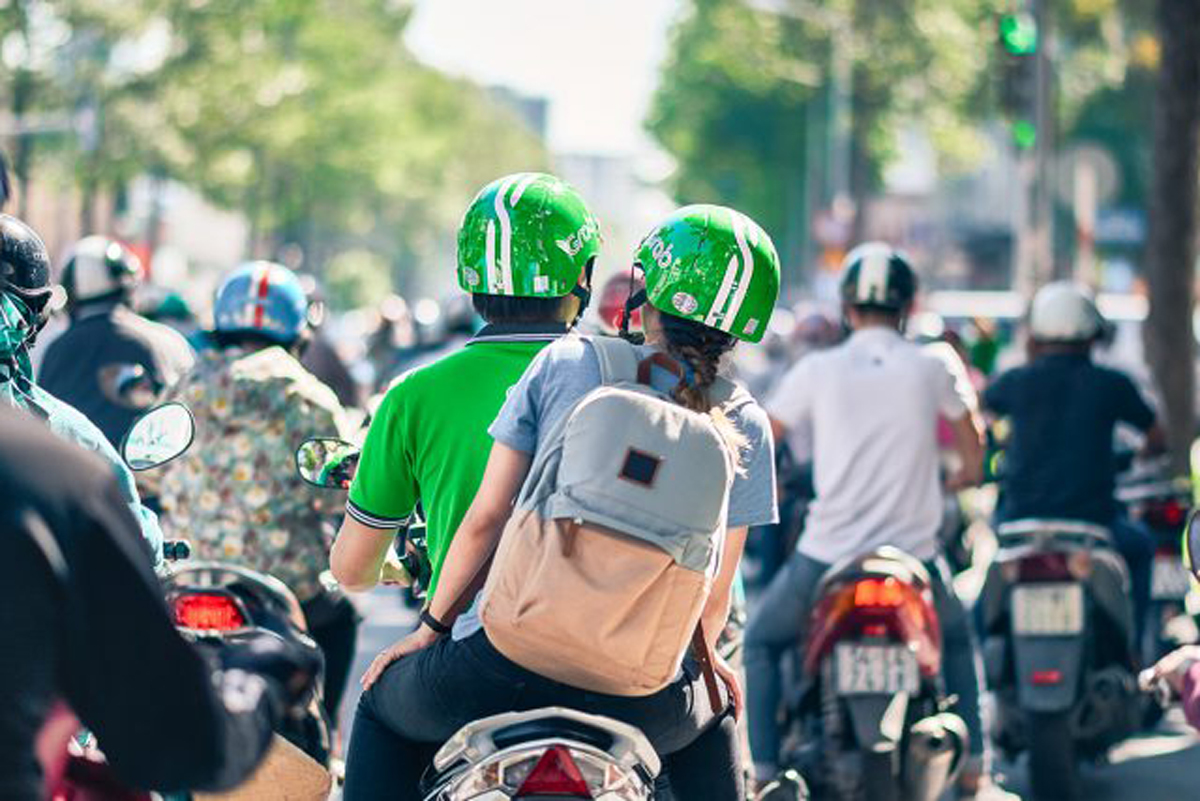
    In Ho Chi Minh City (HCMC), approximately 14,000 ride-hailing motorbike drivers have transitioned from gasoline-powered vehicles to electric versions. This represents about 3.5% of the total fleet. Ngo Hai Duong, Head of the Road Transport Management Department of the city’s Department of Construction, revealed at a recent forum that HCMC aims to completely transition its 400,000-strong ride-hailing motorbike fleet to electric vehicles (EVs) by 2029.

    Reducing Registrations for Gasoline-Powered Bikes

    The city has plans to decrease the number of registered gasoline-powered motorbikes for ride-hailing platforms starting next year. Duong revealed that out of the city’s 21,300 taxis, over 68% are now electric. He clarified that this transition was primarily driven by the businesses themselves rather than any city ordinances.

    Challenges in the Transition to Electric Vehicles

    However, one of the main obstacles to the successful transition to EVs is the limited availability of charging stations. The growing demand from electric motorbikes, cars, and buses is starkly in contrast to the city’s fewer than 1,000 charging stations with 15,000 ports. Duong acknowledged that the growth of charging infrastructure has not kept up with the rise in electric vehicle numbers.

    Hoang Anh Tuan, Director of the Transport and Traffic Safety Department of the Ministry of Construction, suggested that priority should be given to a city-wide plan for charging stations, akin to the existing network of gasoline stations. This would require setting criteria for locations and technical standards, along with a commitment to universal charging for all vehicles.

    The Vietnam Automobile, Motorcycle and Bicycle Association echoed this sentiment and urged the government to implement “non-monopoly” regulations for charging infrastructure. This means that charging stations should be open to all electric vehicles.

    Recycling Electric Vehicles and Batteries

    Analysts have proposed the establishment of a system for recycling electric vehicles and their batteries. There is also a proposal being considered by the city to give households up to VND20 million (approximately US$800) to trade their gasoline motorbikes for electric ones. This move is part of the city’s concerted efforts to reduce pollution and create low-emission zones.

    Questions & Answers

    What is the percentage of the total fleet that has transitioned to electric vehicles in HCMC?
    Approximately 3.5% of the total fleet in HCMC has transitioned to electric vehicles.

    What obstacles are being faced in the transition to electric vehicles?
    One of the main challenges is the lack of sufficient charging stations to meet the growing demand from electric motorbikes, cars, and buses.

    What initiatives are being considered to encourage the transition to electric vehicles?
    The city is considering a proposal to provide households with up to VND20 million (approximately US$800) to swap their gasoline motorbikes for electric ones. This initiative is part of the city’s broader efforts to reduce pollution and create low-emission zones.

  • Surge in Demand for Electric Motorbikes Sparks Excitement in Vietnam’s Retail Market

    Surge in Demand for Electric Motorbikes Sparks Excitement in Vietnam’s Retail Market

    Sales of electric motorbikes surged in the first eight months of the year, outpacing traditional gasoline-powered bikes and signaling a shift in consumer preference.

    A Boom in Electric Motorbike Sales

    Electric vehicles, particularly those that don’t require a driver’s license, experienced an astonishing 89% increase in sales year-on-year. For those requiring a license, the growth was even more dramatic, soaring by 197%. In contrast, traditional gasoline motorbikes saw a more modest sales increase of 14.8%, as reported by the research platform Motorcycles Data. Overall, Vietnam’s motorbike market witnessed 2.08 million units sold across all categories, marking a notable 15.2% rise.

    The Leaders of the Market

    In terms of market dominance, Honda and Yamaha remained juggernauts, closely followed by VinFast. Honda recorded a sales uptick of 6.3%, while VinFast’s sales skyrocketed by 447% compared to the previous year. Meanwhile, Yamaha faced a downturn, with an 8.6% drop in sales.

    Why the Shift Towards Electric?

    Industry analysts attribute the explosive demand for electric motorbikes to their lower operating costs, making them increasingly attractive to consumers. Additionally, government initiatives are playing a pivotal role in this shift. Hanoi is set to gradually ban internal combustion engine motorbikes starting in July 2026, and Ho Chi Minh City is exploring similar restrictions.

    Promotional Pushes Fuel Demand

    With these impending restrictions on the horizon, manufacturers are ramping up promotions to capture the attention of potential buyers. Incentives such as cash discounts, complimentary accessories, and trade-in support for those switching from gasoline bikes to electric are becoming standard practice. Notably, the back-to-school season has also contributed to the increased sales, as parents are keen on purchasing electric motorbikes that their children can ride legally without needing a license.

    VinFast Eyes Ambitious Sales Goals

    VinFast currently holds the largest market share in the electric motorbike segment. The company has set an ambitious goal of selling approximately 1.5 million electric motorbikes by 2026 through its network of over 600 distributors nationwide. For context, Honda’s sales figures in 2024 stood at around 2.14 million, illustrating the competitive landscape.

    A Growing Global Presence

    As electric motorbike sales continue to surge, Vietnam now ranks as the third-largest electric motorbike market globally, trailing only behind China and India. With brands like Yadea, Dat Bike, Selex Motors, and HK Bike also carving out significant market shares, the landscape looks poised for a vibrant future.

    Questions & Answers

    What sparked the rapid rise in electric motorbike sales in Vietnam?
    The surge in electric motorbike sales is largely due to their lower operating costs, supportive government policies, and the anticipation of restrictions on gasoline motorbikes in major cities.

    Which brands are leading the electric motorbike market?
    Honda dominates the overall motorbike market, but VinFast is now the leader in the electric segment, achieving an impressive growth of 447% in sales.

    How does Vietnam’s electric motorbike market compare globally?
    Vietnam currently stands as the third-largest electric motorbike market in the world, following China and India, highlighting the rapid adoption of electric vehicles among consumers.

  • Yamaha Motor Streamlines Global ERP and Business Data for Enhanced Operational Efficiency.

    Yamaha Motor Streamlines Global ERP and Business Data for Enhanced Operational Efficiency.

    Yamaha Motor, the Japanese titan of mobility, is embarking on an ambitious quest to harmonize its global data landscape across all regions and departments. This bold initiative aims to provide employees with reliable data access, paving the way for more agile decision-making, improved reporting, and streamlined operations in delivering enhanced services.

    At the heart of this transformation is Informatica’s AI-powered Master Data Management (MDM) Software as a Service (SaaS) solution, driven by the innovative CLAIRE AI engine. This strategic move allows Yamaha to centralize and automate its cross-domain and cross-departmental data assets, culminating in a rich, contextualized 360-degree view of its operations.

    By implementing this system, Yamaha not only enhances productivity and accelerates data discovery but also ensures the consistency and accuracy of the data that leads to trusted insights. Toyoto Ono, chief general manager at the IT Centre, emphasizes that the Informatica MDM platform will connect regional ERP systems with proprietary “scratch systems,” effectively bridging fragmented operations.

    “This will significantly improve our decision-making, forecasting, and reporting processes, while also unleashing productivity gains and cost efficiencies,” Ono explained.

    Confronting Data Challenges Head-On

    Like many corporations navigating the labyrinth of modern data environments, Yamaha Motor has grappled with extensive and complex data management issues. Compounded by siloed systems in its manufacturing and operational branches scattered around the globe, the need for standardized data frameworks across its global ERP systems became pressing.

    Data harmonization was essential, as inconsistencies in instances and content varied from region to region. The lack of unified master data across Yamaha’s ERP and business systems hampered operational efficiency—something the company was eager to rectify.

    Taito Kozawa, country manager and vice president of Informatica Japan, underscored the significance of this partnership: “We are committed to supporting Yamaha’s ambition to strengthen data-driven decision-making and accelerate AI and digital transformation. As many organizations in Japan are pursuing similar goals, we strive to help our clients unlock meaningful business value through our AI-powered platform and capabilities.”

    Questions & Answers

    How is Yamaha Motor improving its data management processes?
    Yamaha Motor is implementing Informatica’s AI-powered Master Data Management solution to centralize and harmonize its data across various ERP systems, allowing for more effective decision-making and enhanced operational efficiency.

    What challenges did Yamaha face in its data management before this initiative?
    The company struggled with extensive, complex data and siloed systems across global locations, which necessitated data harmonization due to inconsistencies in regional data instances and content.

    What benefits does Yamaha expect from the MDM implementation?
    Yamaha anticipates improved productivity, accelerated data discovery, consistent and accurate insights, and enhanced decision-making processes, all contributing to significant cost efficiencies.

  • Gasoline Prices See End to Nine-Week Rally: What It Means for Consumers

    Gasoline Prices See End to Nine-Week Rally: What It Means for Consumers

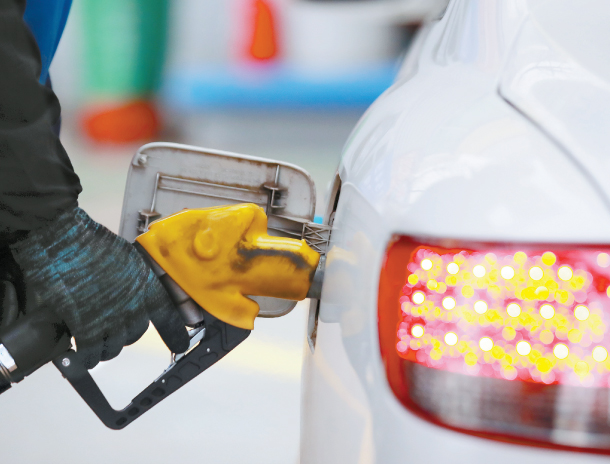
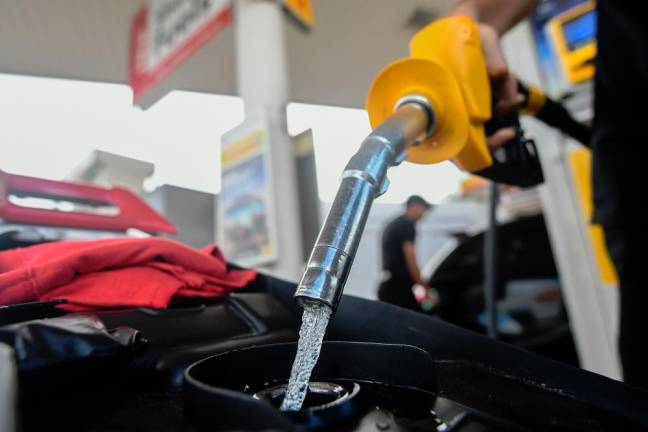
    Gasoline prices in Vietnam took a notable dip on Thursday afternoon, marking the end of a nine-week upward trajectory.

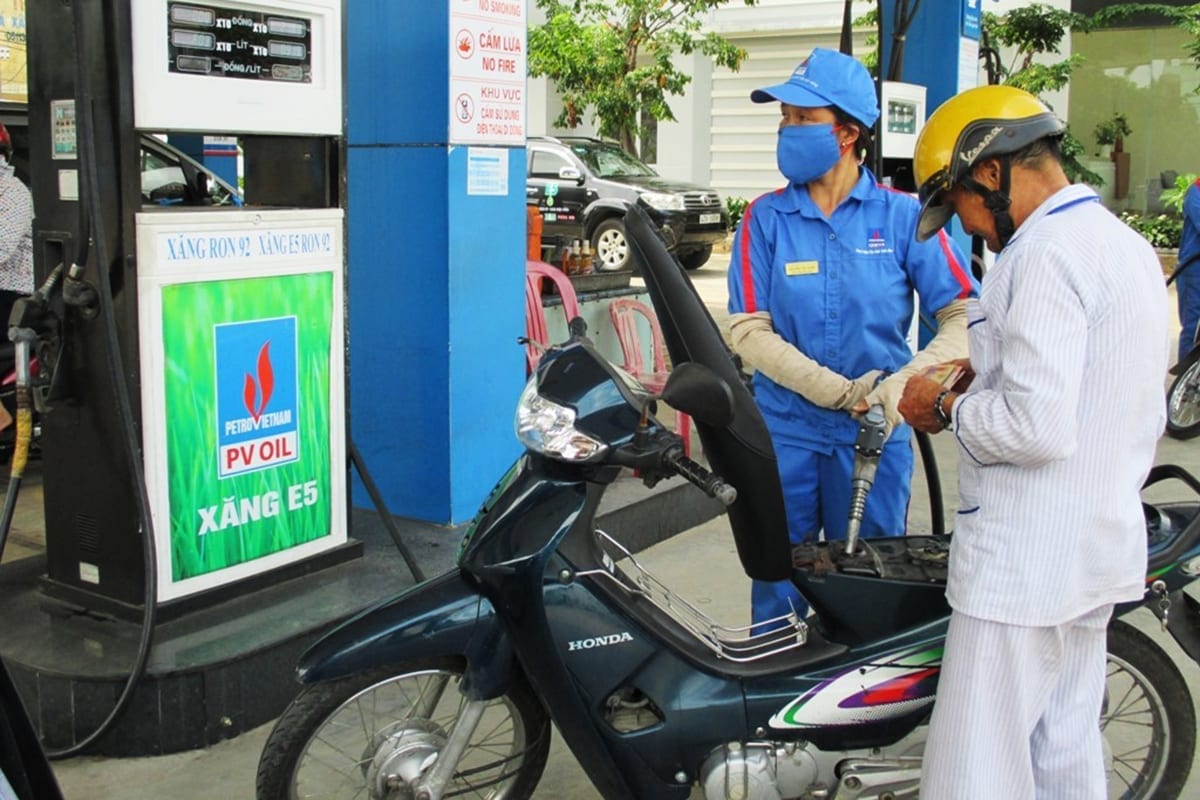
    The widely used fuel RON95 saw a slight decrease of 0.15%, settling at VND20,400 (approximately US$0.77) per liter. Similarly, biofuel E5 RON92 experienced a bigger drop of 0.50%, now priced at VND19,750. While diesel fueled a higher climb, rising by 0.92% to VND18,640.

    This adjustment reflects the recent volatility in the global oil market, influenced by a mix of geopolitical events and economic shifts. Notably, tensions escalated in the Middle East following Israel’s actions targeting Hamas leadership on Qatari territory. At the same time, OPEC+ has ramped up oil production for October, and fluctuations in the value of the US dollar have further complicated the landscape, as highlighted by the Ministry of Industry and Trade.

    In terms of global benchmarks, RON95 dropped by 0.2% to $81.5 per barrel, while diesel ticked up by 1.14%, now valued at $87.64. It’s a bit like watching a tightrope walker; one misstep can send prices plummeting or soaring.

    Questions & Answers

    What trends influenced the recent decline in gasoline prices in Vietnam?
    The decline was largely shaped by geopolitical tensions in the Middle East, OPEC+ increasing oil production, and fluctuations in the value of the US dollar.

    How much did RON95 and biofuel E5 RON92 prices change?
    RON95 fell by 0.15% to VND20,400, while E5 RON92 dropped by 0.50% to VND19,750.

    What impact do global oil prices have on local markets?
    Global oil prices significantly impact local markets, as fluctuations can directly translate into changes in consumer fuel prices, shaping both economic conditions and consumer behavior in the region.

  • Motorbike Sales Surge 6.4% in First Half of the Year: A Thriving Market Trend

    Motorbike Sales Surge 6.4% in First Half of the Year: A Thriving Market Trend


    In a promising start to 2025, members of the Vietnam Association of Motorcycle Manufacturers recorded a 6.4% year-on-year sales increase, totaling 1.28 million motorbikes sold in the first half of the year.

    Motorbike Sales Surge, But Faces Seasonal Hurdles

    Despite the optimistic overall growth, the landscape shifted in the second quarter, where sales dipped significantly by 9.2%, landing at 611,236 units. This drop contrasted with the brisk pace of 4.9 vehicles sold every minute in the first half, a slight uptick from 4.6 during the same timeframe last year.

    Industry Giants and Emerging Players in the Mix

    The sales figures were driven largely by industry stalwarts Honda, Yamaha, Piaggio, Suzuki, and SYM, who dominate the market. Notably, other manufacturers like VinFast, BMW Motorrad, Triumph, Kawasaki, and Harley-Davidson remain tight-lipped about their sales figures, leaving many wondering just how many bikes are purring on the roads. Meanwhile, VinFast, Vietnam’s own electric motorcycle producer, hit an impressive milestone with an estimated 71,000 units sold in the first half alone, matching its total output for all of 2024, according to a reliable source. The rest of the manufacturers are often considered peripheral players in this thriving market.

    Future Mobility Directions in Hanoi

    In a forward-thinking move, Hanoi’s government, under the directive of Prime Minister Pham Minh Chinh, has set ambitious targets to phase out fossil fuel-powered motorbikes by July 1, 2026. This initiative will extend further, with plans to ban personal petrol and diesel vehicles in specific urban areas by 2028 and again by 2030 for broader ring roads. This policy is anticipated to give a significant boost to electric vehicle sales, stimulating growth in a rapidly changing automotive landscape.

    Questions & Answers

    What was the total number of motorbike sales in Vietnam during the first half of 2025?
    Vietnam’s motorcycle manufacturers recorded sales of 1.28 million units in the first half of 2025, marking a 6.4% increase from the previous year.

    Which companies are leading the motorcycle market in Vietnam?
    The primary players in Vietnam’s motorcycle market include Honda, Yamaha, Piaggio, Suzuki, and SYM, who collectively make up the Vietnam Association of Motorcycle Manufacturers.

    What are Hanoi’s plans for electric vehicles?
    Hanoi aims to phase out fossil fuel motorbikes by July 1, 2026, with plans to restrict petrol and diesel cars further by the end of the decade, potentially increasing demand for electric vehicles.

  • Fuel prices drop

    Fuel prices drop

    Gasoline and diesel prices in Vietnam mostly fell Thursday afternoon.

    The popular gasoline RON95 was priced at VND20,920, down 0.38% from seven days ago.

    E5 RON92 gained 0.25% to VND20,440. Diesel fell 0.99% to VND19,050.

    Regulators said that fuel prices in the last seven days were affected by increasing U.S. crude oil reserve, President Donald Trump’s halt on slapping tax on imports from Mexico, and concerns of a new trade war between the U.S. and China.

    Analysts have said that China’s retaliation with high tariffs on U.S. oil and gas products will divert the U.S. exports to other countries.

    In another development, the U.S. President declared “maximum pressure” on Iran. In response, the Iranian President also called on members of the Organization of the Petroleum Exporting Countries (OPEC) to unite against possible U.S. sanctions.

    Analysts expressed concern that if this sanction is reinstated, supply could be disrupted, pushing oil prices up.

    In the last seven days RON95 dropped 0.7% while oils fell 0.5-1.6%. RON95 is now at $86.2 per barrel and diesel $91.8.

  • Gasoline hits 5-week low

    Gasoline hits 5-week low

    Gasoline prices on Thursday fell to the lowest since June 20 in its third consecutive week of decline.

    The popular fuel RON95 dropped 1.25% to VND22,880 ($0.90) per liter.

    Biofuel E5 RON92 declined by 1.22% to VND21,900.

    Diesel fell 1.51% to VND20,190.

    Globally fuel prices in the last seven days were affected by expectations of a ceasefire deal between Israel and Hamas, a stronger U.S. dollar, and declining oil demand in China compared to last year, according to regulators.

    Gasoline fell by 1.6-1.7% globally and oil dropped 1.8-3% in the period. RON95 is now at $95.6 per barrel and diesel at $97.5.

  • Gasoline prices move up

    Gasoline prices move up

    Gasoline prices rose for the second week in a row Thursday afternoon.

    The popular fuel RON05 went up 1.03% to VND22,460 ($0.88) per liter. Biofuel E5 RON92 rose 0.89% to VND21,500.

    Diesel increased by 3.66%.

    Globally fuel prices were affected by rising tension in the Middle East and Ukraine’s repeated attacks on Russia’s oil storage, regulators said.

    Gasoline added 1.3% while oil increased by 2.4-4.3%. RON95 is now at $92.7 per barrel and oil $98.9.

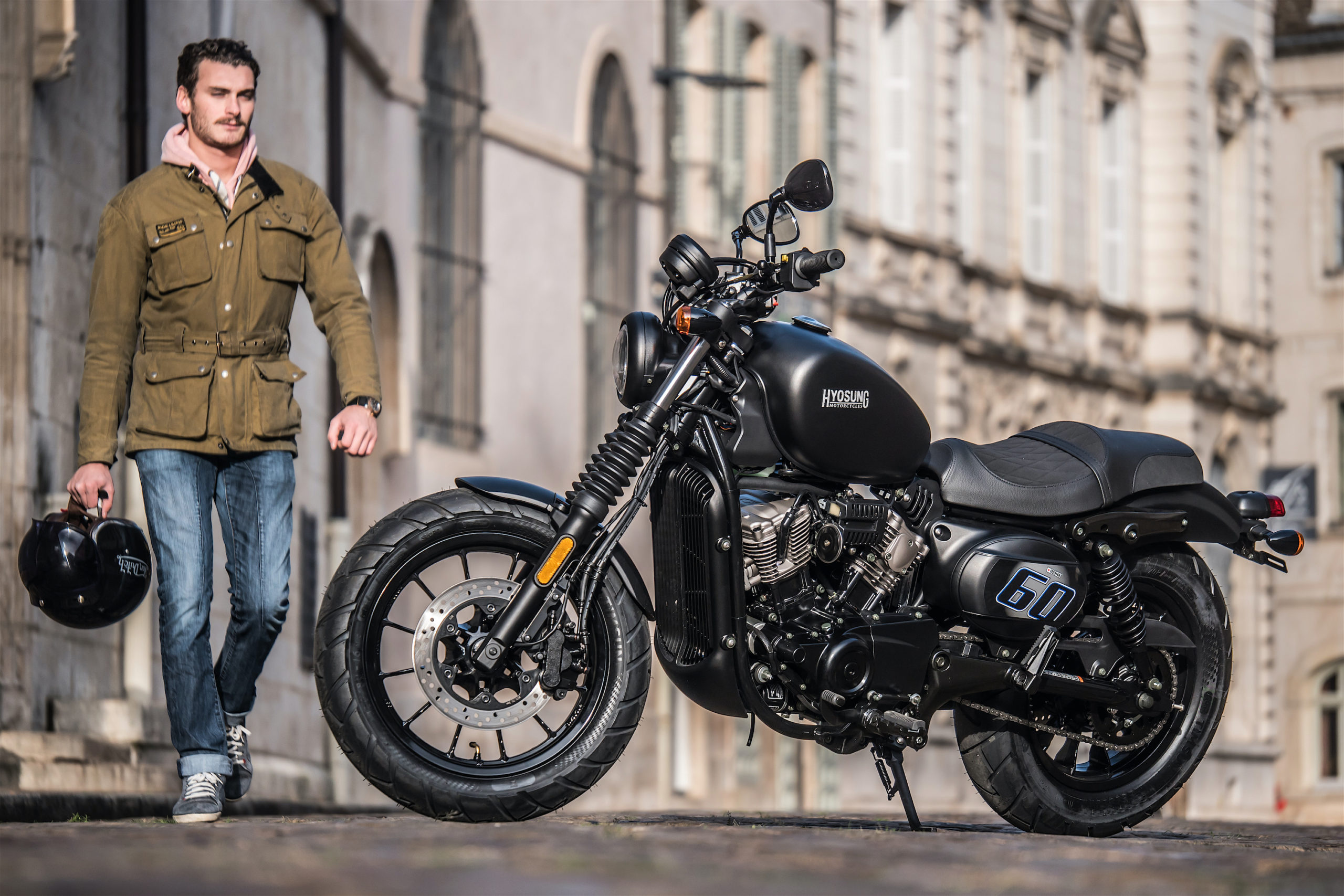
  • South Korea’s Hyosung motorbikes come to Vietnam

    South Korea’s Hyosung motorbikes come to Vietnam

    South Korean motorbike brand Hyosung has come to Vietnam with the GV300R, a 300 cc vehicle whose prices start at VND148 million (US$6,200).

    It has a 29.5-horsepower engine, a smart key, an LCD screen, and a pillion that costs around VND5 million.

    The motorbikes are manufactured in China.

    Hyosung belongs KR Motors, a company established in 1978 in South Korea.

    At first it partnered with Japan’s Suzuki and assembled the latter’s products. But it established its own research and development unit in 1986 and has since been making its own motorbikes.

  • Five motorbikes sold in Vietnam every minute

    Five motorbikes sold in Vietnam every minute

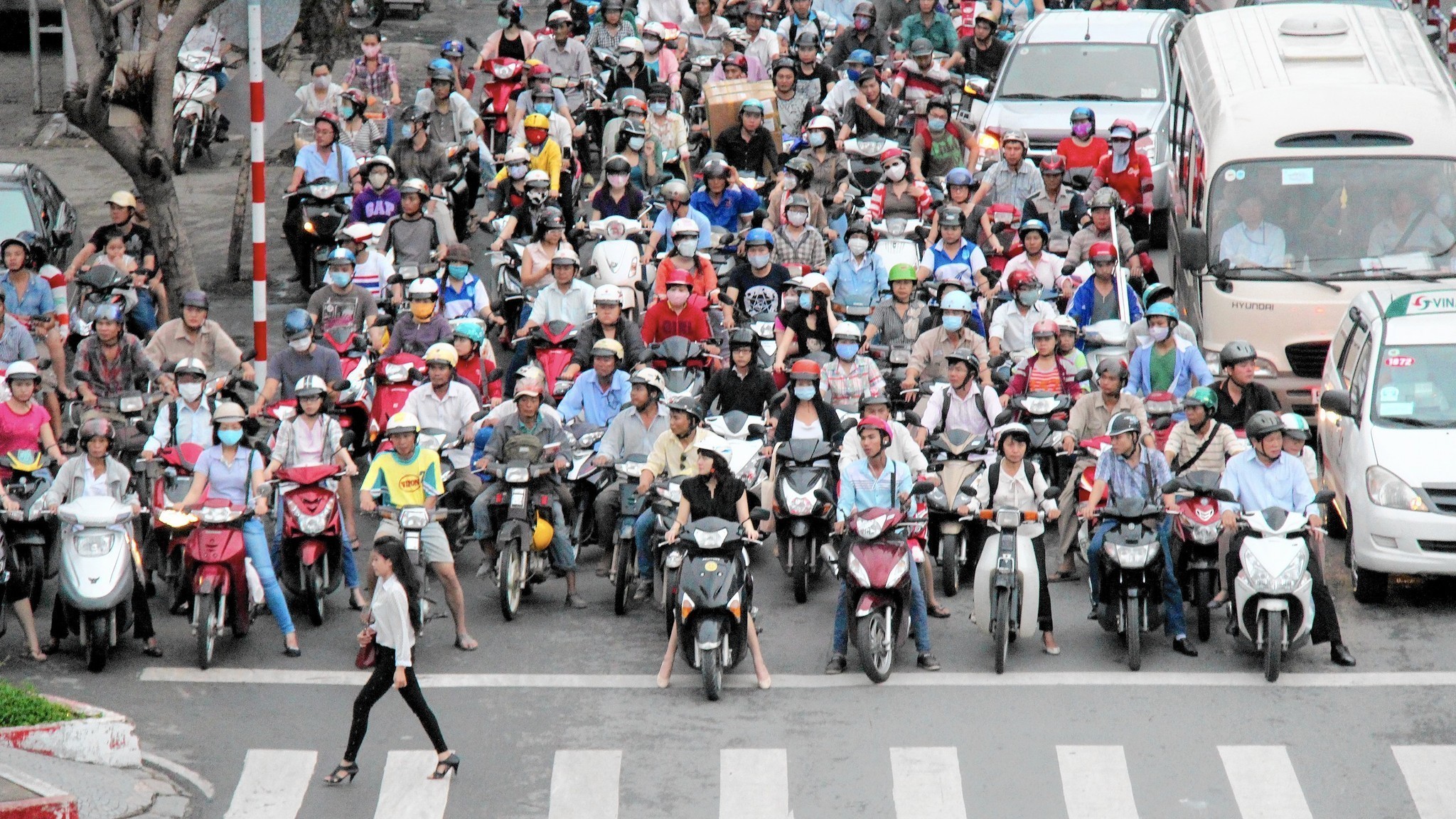
    Over 634,000 motorbikes were sold in Vietnam in the first three months, translating to almost five units every minute.

    The figure dropped by nearly 16% year-on-year, according to the Vietnam Association of Motorcycle Manufacturers, which comprises Honda, Yamaha, Piaggio, Suzuki and SYM.

    The motorbike sales figure was 7.3 times that of cars, showing that two-wheelers remain Vietnam’s dominant means of transport.

    In ASEAN, Vietnam ranks second only to Indonesia in motorbike sales with Honda accounting for roughly 80% of the market share.

    Earlier this month Honda hiked the prices of most motorbikes following an increase in costs with the biggest increase being of VND2 million ($85).

  • Honda raises motorbike prices across the board

    Honda raises motorbike prices across the board

    Honda Vietnam has hiked the prices of most motorbikes following an increase in costs, the biggest hike being of VND2 million ($85).

    The price of the Vision 110cc, its best-selling automatic model, has risen by 1.37% to VND37.09 million.

    The Air Blade 125cc, a powerful city motorbike favored by men drivers, is up 1.62% to VND43.99 million.

    The LEAD, a vehicle known for its large storage space, has seen its price go up by 1.16% to VND43.59 million.

    The SH350i, Honda’s most expensive city motorbike, is up 1.32% to VND152.49 million.

    With global economic trends affecting the parts market, costs have increased, Honda said.

    Last year Vietnam’s biggest motorbike seller saw sales grow by 20.9% to 2.4 million units, accounting for 80.7% of the market.