Retail News CRM

Tag: Motors

  • Tata Motors Restructures Into Two Entities, Aiming For Enhanced Business Focus

    Tata Motors Restructures Into Two Entities, Aiming For Enhanced Business Focus

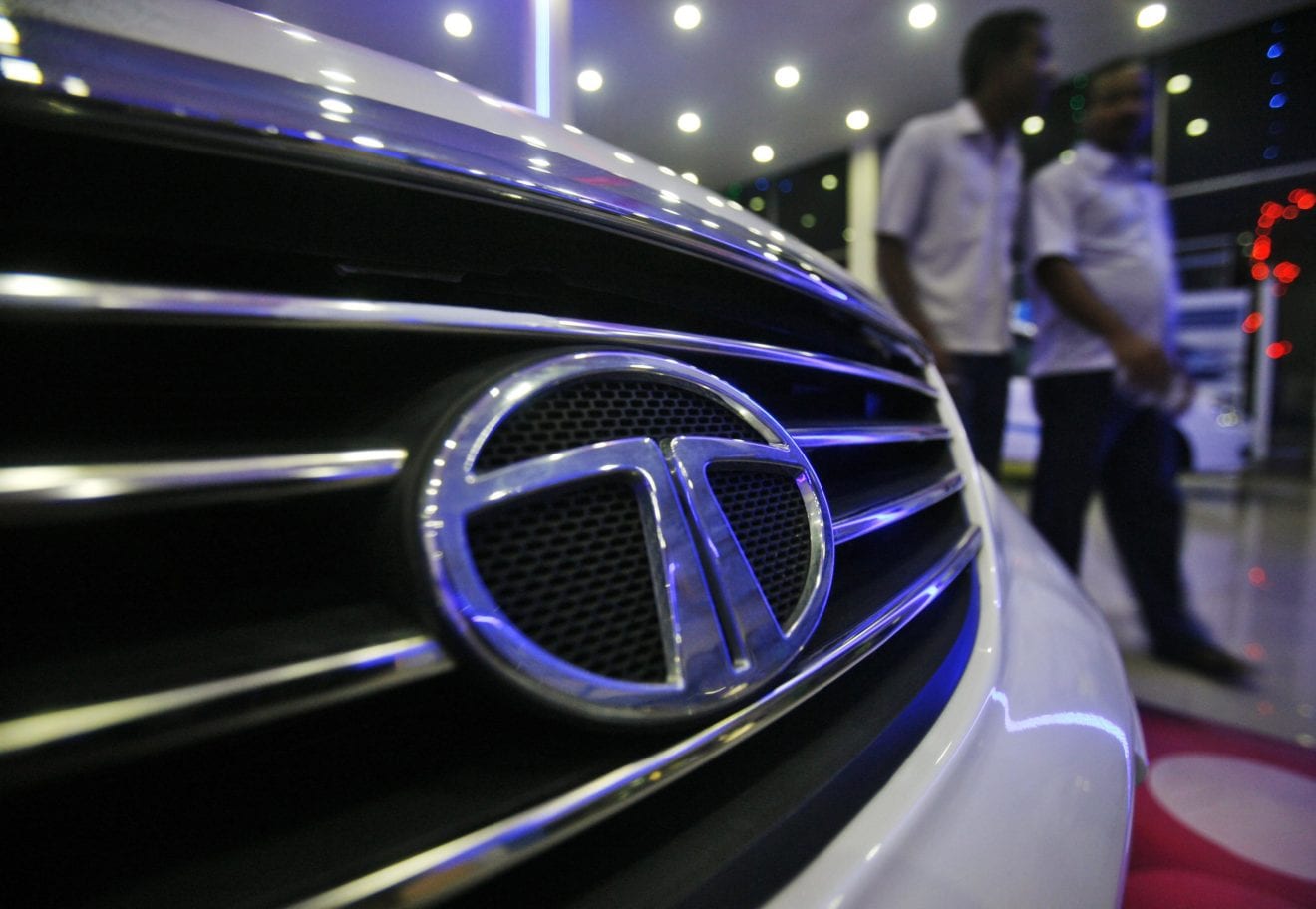
    In a major strategic move, Tata Motors has announced a significant restructuring of its company. As of October 14th, the company was divided into two separate entities – Tata Motors Passenger Vehicles and TML Commercial Vehicles. Despite the split, the passenger vehicles division remained listed on the stock exchange under the name “Tata Motors.” However, this will change as of October 24th when the name will officially become “Tata Motors Passenger Vehicles,” complete with a new logo.

    Consolidation of Commercial Vehicle Division

    Tata Motors has also unveiled plans to consolidate its Commercial Vehicle (CV) division and all associated investments under one dedicated entity. Concurrently, the Passenger Vehicle (PV) business and its related assets will be placed in a separate company. This move is intended to streamline operations and create a sharper focus on the different business segments.

    The restructuring has had a notable impact on the company’s share price, which has seen a significant drop since the division was announced. This change, however, reflects the separation of the commercial vehicle business rather than a reduction in investor value.

    Specialized Entities for Robust Operations

    The restructuring has led to the formation of two specialized entities. Tata Motors Passenger Vehicles Limited will be responsible for cars, SUVs, EVs, and the Jaguar Land Rover business. In contrast, the newly formed Tata Motors Limited will concentrate exclusively on commercial vehicles like trucks, buses, and pickups. This strategic split is intended to enhance business focus and unlock greater value in India’s vibrant automotive sector.

    The newly formed Tata Motors Commercial Vehicles Limited (TMLCV) is set to be renamed Tata Motors Limited once the necessary regulatory approvals have been secured. Until then, TMLCV shares will remain unlisted, a process that typically takes between 45 to 60 days. Meanwhile, the previous derivative contracts expired on Monday, and fresh F&O contracts for Tata Motors Passenger Vehicles Limited (TMPVL) started trading on Tuesday. However, TMLCV won’t be available for F&O trading immediately.

  • Tata Motors Expands EV Focus

    Tata Motors Expands EV Focus

    Tata Motors is placing a significant emphasis on the electric vehicle (EV) sector with a series of product launches in a bid to substantially increase its market share by 2030. According to the company’s recently published annual report for the fiscal year 2022-23 (April-March), Tata Motors anticipates that EVs will account for 25 percent of its product portfolio within five years and reach 50 percent by 2030.

    In the March quarter, Tata Motors achieved a major milestone by surpassing annual EV sales of 50,000 units, constituting 12 percent of its overall sales. Over the past three years, Tata Motors, as the leading player in India’s EV market, witnessed a remarkable surge in volumes, escalating from 1,300 units to over 50,000 units.

    The company foresees a considerable surge in EV demand as more options become available to consumers. During the fiscal year 2023-24, Tata Motors aims to focus on achieving substantial volume growth, making strategic investments, maintaining healthy underlying unit economics, and remaining competitive in the market. N Chandrasekaran, Chairman and Non-executive Director, expressed confidence in the company’s future prospects, asserting that Tata Motors is rebounding after several challenging years and remains committed to fulfilling its financial obligations while contributing to a greener future.

    Tata Motors presently boasts the widest range of EV offerings in India, encompassing hatchbacks, sedans, and sports utility vehicles (SUVs) catering to both premium and mass market segments. Moving forward, the automaker intends to capitalize on this strategic advantage by expanding its EV sales and after-sales network, as well as charging infrastructure throughout the country. By implementing these initiatives, Tata Motors aims to tap into the untapped potential and broaden its customer base.

    Jaguar Land Rover (JLR), Tata Motor’s subsidiary, is also making significant strides in the EV domain. The company has set its sights on transforming Jaguar into a fully electric luxury brand, and its strategic plan is progressing as intended. Adrian Mardell, the interim CEO, announced that the first new all-electric Jaguar vehicle will be unveiled in 2024, with customer deliveries commencing in 2025. Later this year, JLR plans to commence pre-orders for the inaugural pure electric Range Rover. Despite the challenging market conditions, JLR remains committed to delivering on its “Reimagine” strategy and is confident in the unwavering support and dedication of its skilled workforce.

  • Tata Motors Takes A Frugal Road Less Travelled

    Tata Motors Takes A Frugal Road Less Travelled

    To make its first electric vehicle for the consumer market, India’s Tata Motors Ltd repurposed an unused shop floor at its flagship plant. Here, there’s no fancy assembly line – Nexon SUV bodies designed for gasoline models are wired and fitted with battery packs by hand.

    The area, which could be mistaken for a prototype lab, initially made just eight SUVs a day. But demand has shot up over the two years since the Nexon EV’s launch. Tata now makes more than 100 a day though much of that is now handled at another plant nearby.

    Even with this humble start, which draws on India’s tradition of ‘jugaad’ – a word referring to frugal DIY innovation and workarounds, Tata dominates the country’s fledgling electric car market.

    That contrasts sharply with other major automakers which have poured billions of dollars into EV tooling and technology from the get-go, though Tata’s success also owes much to government subsidies and high tariffs that keep out imports from rivals like Tesla Inc.

    Going into India’s untried market for EVs, Tata knew it had to make an affordable car for an extremely cost-conscious population. Instead of building an EV plant or line which would be expensive and take time, it decided to pick an existing successful model and work on outfitting it with a battery pack.

    An EV plant for a nascent market would have been “a huge amount of investment sitting on the potential of emerging volumes. We didn’t want to do that,” Anand Kulkarni, vice president of product line and operations at Tata Passenger Electric Mobility, told Reuters.

    Tata also limited upfront investment by relying on Tata group companies for a range of EV components and infrastructure, and by choosing a cheaper battery chemistry type.

    That enabled it to price the Nexon EV around $19,000 – not necessarily cheap in India but affordable for the upper-middle class and not much more expensive than the top version of the Nexon gasoline model.

    With just the Nexon EV and one other model for fleet sales, Tata commands 90% of India’s electric car sales, giving it an all-important first-mover advantage even if EVs account for only 1% of the overall auto market.

    Last June, Tata outlined aggressive plans to launch 10 electric models by March 2026. This financial year alone, it wants to quadruple EV production to 80,000 cars, sources have said.

    Those ambitions attracted $1 billion in investment from U.S. private equity firm TPG, valuing its EV business at $9 billion – far below some EV startups but equivalent to 40% of Tata Motors’ market value.

    “This has definitely given us a significant head-start. It now gives us a force multiplier to aggressively move on EVs,” said Shailesh Chandra, managing director of Tata Motors Passenger Vehicles and the EV subsidiary.

    Tata has also earmarked $1 billion of its own money to fund its EV plans and by 2025 Chandra expects electric models to make up a quarter of its sales.

    Longer-term, Tata is working on an EV-specific car platform and wants its first car using that architecture to launch in 2025. The company is also evaluating the need for a dedicated EV plant, Kulkarni said.

    In the meantime, it plans to modify combustion engine platforms to build EVs with bigger batteries and longer driving ranges. Those models are likely to hit the market in about two years.

    The Nexon EV has a relatively modest real-world driving range of around 200 km per charge.

    The range is, however, sufficient for most potential Indian buyers, a Tata survey of consumers showed, prompting it to choose a 30 kilowatt hour iron-based battery from China’s Gotion High Tech Co which is cheaper than other lithium-ion batteries. Tata has also judged it safer for India’s tropical weather conditions, Kulkarni said.

    Gotion is working with Tata AutoComp Systems on assembling the battery packs and on the battery management system.

    Tata AutoComp, which sources most of the EV parts, is one of several Tata conglomerate firms that Tata Motors leans on – a huge advantage at a time when many automakers are ploughing funds into becoming more vertically integrated and less reliant on suppliers.

    Tata Power Company Ltd is setting up charging stations, Jaguar Land Rover contributes to design while Tata Chemicals Ltd has plans for battery recycling and local cell manufacturing.

    When Tata began EV production in 2020, most parts were imported. Today, Tata AutoComp produces around 50% of the components in-house, its CEO, Arvind Goel, told Reuters.

    “Our plan is to localise everything,” he said.

    All of the motor’s parts except the magnet are due to be produced locally over the next couple of years. Excluding the cells, the battery will be made in-house and the company is working on its own battery management system, Goel added.

    Tata’s EV business is, however, set to face challenges. The government wants 30% of all cars sold in the country to be electric by 2030 and while that goal may look optimistic, competition is on its way.

    South Korea’s Hyundai Motor and Kia Motors plan to start selling EVs in India this year although their models are set to be bigger and pricier. Expectations are also high for some rivals to launch gasoline-electric hybrids.

    “The major threat will come when competitors like Hyundai launch EV models in a similar price band and as Toyota and Suzuki’s hybrid cars come into the market,” said Gaurav Vangaal, associate director at S&P Global Mobility.

    And like other automakers, Tata is struggling to source semiconductors amid a global shortage that has become its biggest challenge in ramping up production and has caused a 5 month backlog in EV orders.

    That said, Tata intends to make the most of its enviable lead in India’s EV market. It has accrued a trove of data from monitoring the 25,000 EVs it has on the road – particularly relevant for developing electric cars in hot climates, says Kulkarni.

    “India has several hotspots which make it a challenge for electrification. Developing EVs in this market provides us with rich data, information which can flow back into our development process. I can’t tell you the kind of head start this gives us,” he said.
  • MG Motor India Partners With Microsoft And L&T For Data Security For New Astor SUV

    MG Motor India Partners With Microsoft And L&T For Data Security For New Astor SUV

    MG Motor India has announced a raft of features with the launch of the new compact SUV, the Astor, and one of the key aspects of the announcement has been the partnerships MG has closed with tech giants like Microsoft and L&T. Particularly with Microsoft, MG Motors has closed a deal for its Azure cloud computing service which has many local data centres in India – in cities like Mumbai and Noida. This means, MG’s cloud-connected features will not be pushing the data to its servers in China but will be localised.

    “With data playing such a critical part in enhancing the in-car experience, we are doing our best to ensure that it is safe and protected. All the data from the car systems that we are using to power these personalized services are securely stored on the Microsoft Azure cloud platform in India,” said MG Motor India MD, Rajeev Chaba.

    “MG Motors India is using our cloud computing service to store the data they collect from their customers within India itself. All customer driving data is stored on cloud servers which come with high levels of security so that you can rest easy,” said John Stenlake, Director, Automotive, Mobility and Transportation Industry, Microsoft, highlighting the security benefits.

    Apart from the obvious security benefits, this also is a performance boost for the cloud-connected features as they will be more responsive thanks to the geographic proximity of the servers as they are now in India which reduces latency.

    Microsoft Azure has the most localised cloud regions of any cloud computing service in the world. It has even more local regions than market leader and category inventor Amazon Web Services (AWS). Microsoft Azure trails AWS in overall global cloud compute market share but has been gaining market share over the last decade under the leadership of CEO Satya Nadella.

    Nadella was the man entrusted to start Azure in 2008 and its success propelled him to the top spot of the American giant when he replaced long time CEO Steve Ballmer in 2014. Nadella has made many partnerships in India with regards to Azure, including Flipkart.

    MG Motor India has also partnered with L&T Technology Services for the security and privacy of the data that’s parsed through the vehicles.  Chaba highlights that the best data privacy practices are being leveraged thanks to this partnership as the Astor generates troves of data.

    “In the connected world we live in, cybersecurity, privacy and data usage are questions that occur to each one of us. This also applies to connected cars. We at L&T Technology Services are happy and excited to collaborate with MG India to provide security auditing services for your vehicles. We also ensure that any communication that happens from and in-between, the vehicle, the network and the mobile app is secure,” said Nitin Jain, global head of digital products and services L&T Technology Services.

    Jain also highlighted that L&T technology services also ensure that MG Motor India complies with the latest security standards. The Astor gets level 2 autonomous driving capability and also gets a new virtual assistant which also leverages AI, apart from an assortment of unique services.

  • Bentley Aims To Revolutionize Sustainability Of Electric Motors

    Bentley Aims To Revolutionize Sustainability Of Electric Motors

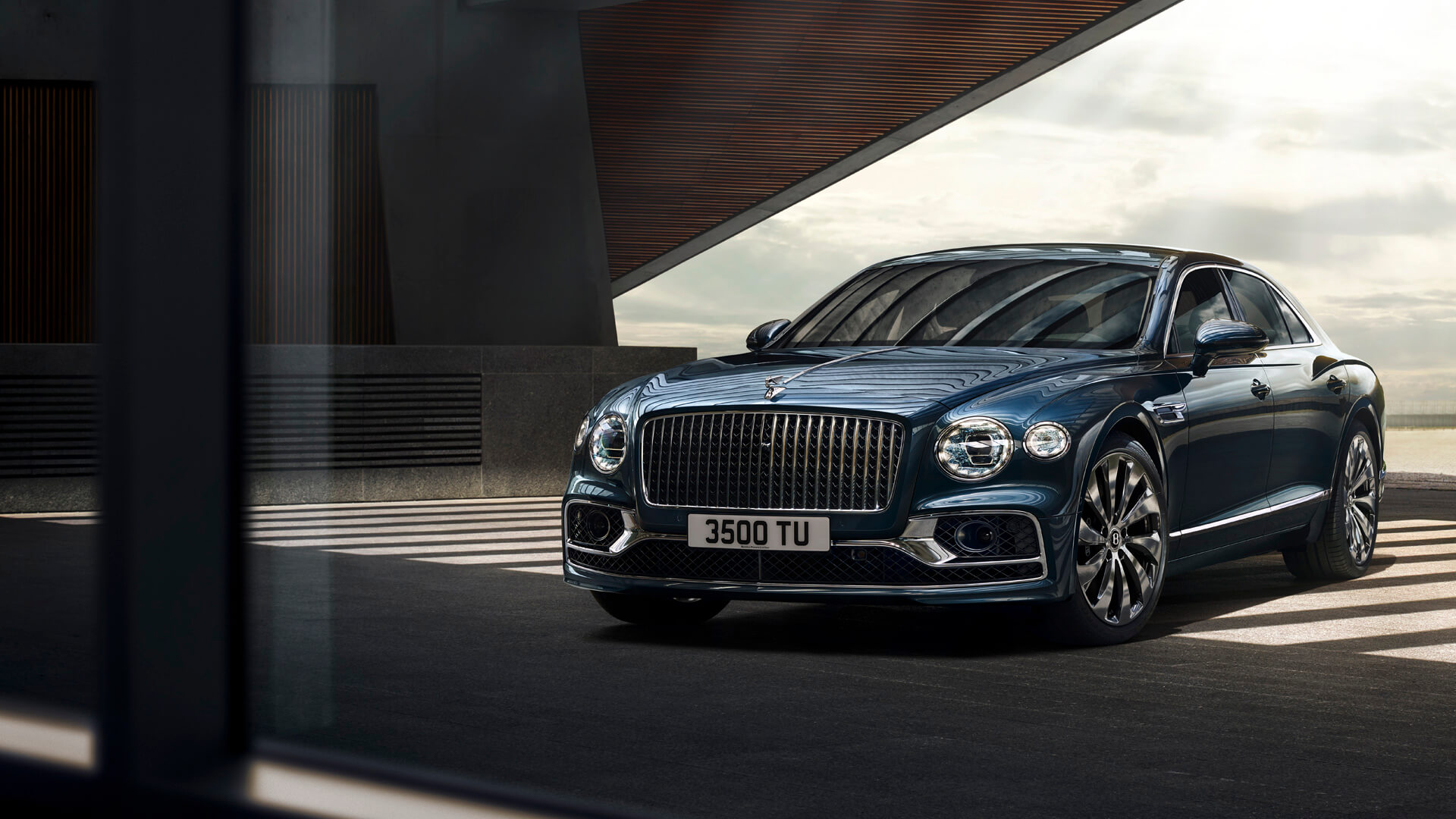
    Bentley Motors has announced a three-year research study that aims to revolutionize the sustainability of electric motors. Supporting Bentley’s commitment to offering only hybrid or electric vehicles by 2026, the result could see recycled rare-earth magnets used in selected ancillary motors for the very first time.

    The study, titled RaRE (Rare-earth Recycling for E-machines), intends to build on work completed at the University of Birmingham in devising a method of extracting magnets from waste electronics. Furthermore, the project will scale up this process and repurpose the extracted magnetic material into new recyclable magnets for use within bespoke ancillary motors.

    Adding to the sustainability benefits that RaRE will provide, the bespoke motors created through this method promise to minimize complexity through manufacture while supporting the development of the UK supply chain for both mass production and low volume components.

    Commenting on Bentley’s research ambitions, Dr. Matthias Rabe, Member of the Board for Engineering, Bentley Motors, said, “As we accelerate our journey to electrification, offering only hybrid or electric vehicles by 2026, and full electric by 2030, it is important that we focus on every aspect of vehicle sustainability, including sustainable methods of sourcing materials and components. RaRE promises a step-change in electrical recyclability, providing a source of truly bespoke, low voltage motors for a number of different applications and we are confident the results will provide a basis for fully sustainable electric drives.”

    This study will run in parallel to Bentley’s OCTOPUS research program which aims to deliver a breakthrough in e-axle electric powertrains, utilizing a fully integrated, free from rare-earth magnet e-axle that supports electric vehicle architectures. As with OCTOPUS, RaRE is an OZEV funded project delivered in partnership with Innovate UK.

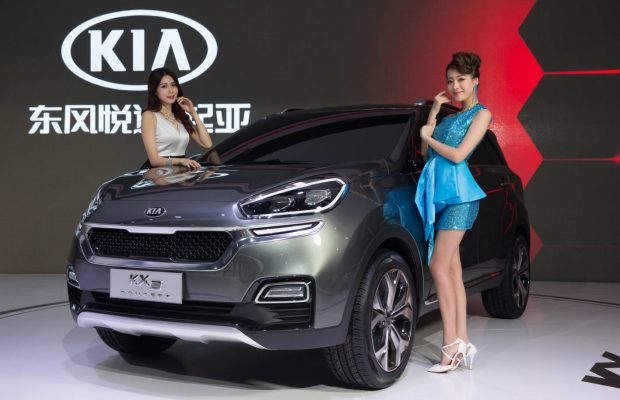
  • Kia Motors Resumes Production At Anantapur Facility

    Kia Motors Resumes Production At Anantapur Facility

    Kia Motors India has announced the resumption of production at its Anantapur manufacturing facility in Andhra Pradesh. The company is operating in a single shift at present and will resume full operations once the Coronavirus pandemic subsides. The Anantapur plant resumed operations on May 8, 2020 and has been catering to both domestic and export demand with the production of the Seltos and Carnival models. The automaker had temporarily suspended production on March 23, 2020, following the government’s decision to impose the nationwide lockdown. The company has received the necessary permissions from the Anantapur local municipal corporation.

    Commenting on restarting production, Kookhyun Shim, MD & CEO, Kia Motors India said, “These are unprecedented conditions and we are committed to adapting to the new norms of the world while we work towards normalcy. Our initial focus is to keep our employees motivated, retain a positive outlook, and deliver on our promises to our customers. Kia Motors India priorities are to clear pending orders for the best-selling Seltos and luxurious Carnival, and also to prepare the line for the eagerly anticipated compact SUV, Sonet. Our stakeholders, including suppliers and logistics partners, are all in-line with the current production and have assured us support in case we have to increase production volumes over the coming days.”

    Kia India is maintaining high health and hygiene standards. The company is conducting sanitization drives by spraying disinfectants on common computers, biometric systems, and in common areas. Social distancing is being followed in the canteen, team meeting areas, walkways, washrooms, meeting rooms, and more. The automaker is distributing masks and has made it mandatory to wear the same, while regular temperature checks and medical check-ups are being done before entering the facility. Kia is also following social distancing in company-run buses, while interstate and inter-district employees are not being called at the plant.

    Keeping up with the times during the lockdown, Kia India has commenced the online sale of its cars, while dealerships are following a detailed guideline with regards to the hygiene and distancing protocols. The South Korean auto giant has also announced several support initiatives for its dealer partners including improved cash flow and distribution of 50,000 masks. The automaker more recently also started the delivery of its vehicles at select locations.

  • Tata Motors Group’s Global Wholesales Declined By 3% In December 2019

    Tata Motors Group’s Global Wholesales Declined By 3% In December 2019

    Global wholesales for JaguarLand Rover along stood at 50,001 vehicles, which included the 5,492 vehicles wholesaled by CJLR, the joint venture between JLR and Chery Automobiles. As for the total wholesales from the Jaguar brand alone, for the month, it stood at 12,742 vehicles, while Land Rover’s contribution to the total wholesales for December 2019 was 37,259 vehicles.

    On the other hand, global wholesales of all Tata Motors’ commercial vehicles and Tata Daewoo range in December 2019 were at 34,526 units, lower by 15 percent, as against the 40,619 units wholesaled in December 2018.

    In December 2019, Tata Motors’ domestic sales stood at 44,254 units (PV + CV), a decline of 12 percent in volumes as compared to 50,440 units sold in December 2018. As for year-to-date sales, Tata’s volumes for FY2020 (April-December) stood at 347,796 units, down by 30 percent over 497,972 units sold during the same period the fiscal.

  • Hyundai and Kia Invest 80 Million Euros In Rimac

    Hyundai and Kia Invest 80 Million Euros In Rimac

    Hyundai Motor Company and Kia Motors Corporation have jointly invested 80 million Euros in Rimac Automobili – the Croatian high-performance electric vehicle technology and sportscar company. Hyundai Motor will invest 64 million euros while Kia Motors will add 16 million Euros in Rimac and will form a technical partnership to collaborate on two high-performance electric vehicles by 2020.

    The companies have announced a strategic partnership to collaborate on the development of high-performance electric vehicles. Rimac has established themselves as a leader in high-performance electric vehicle technology and as an electric sports car manufacturer. The company continues to deliver EV technology supporting many industry partners, including Hyundai Motor Group, to accelerate their way towards an electric future.

    The electric motors used in the Rimac One develop more than 1000 bhp and it is the fastest accelerating electric vehicle in the world

    Hyundai Motor, Kia Motors, and Rimac will work closely together to develop an electric version of Hyundai Motor’s N brand sports car and a high-performance fuel cell electric vehicle. Euisun Chung, Executive Vice Chairman of Hyundai Motor Group said, “Rimac is an innovative company with outstanding capabilities in high-performance electric vehicles. Its startup roots and abundant experience collaborating with automakers combined with technological prowess makes Rimac the ideal partner for us. We look forward to collaborating with Rimac on our road to Clean Mobility.”

  • Tata Motors Sales Drop By 20%

    Tata Motors Sales Drop By 20%

    These are trying time for the Indian auto industry that has been consistently witnessing drop in sales figures over the past months. April 2019 has seen a significant drop for most manufacturers with the latest being Tata Motors that saw a 20 per cent decline in volumes. The automaker sold 42,577 units last month, as against 53,511 units that were sold in April 2018. The company attributed to the drop in numbers to the weak consumer sentiment. The decline in sales is significant and the second highest reported yet, less than Toyota’s 23 per cent drop in sales, and higher than Maruti Suzuki, which reported a 19.6 per cent decline.

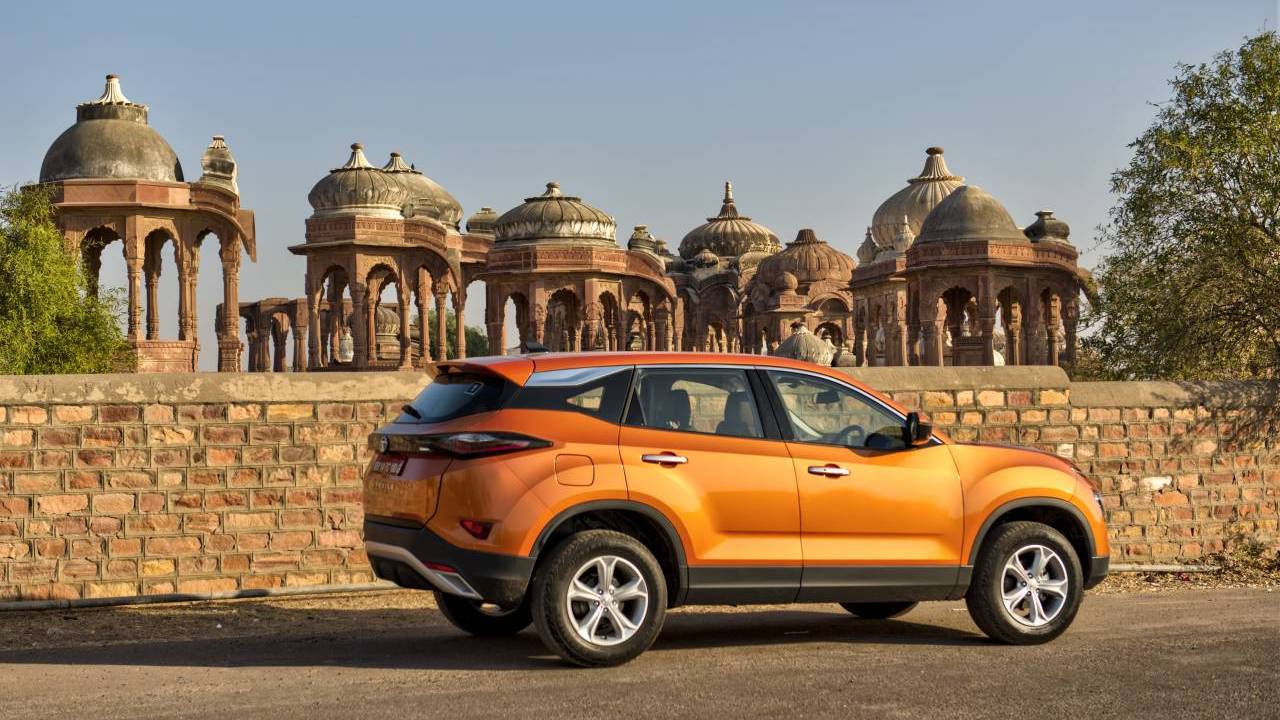
    Passenger Vehicle (PV) sales took a hit of 26 per cent in April this year as Tata Motors sold 12,694 units as opposed to 17,235 units sold during the same period last year. This, despite the company kick-starting the new calendar year with the launch of the Harrier SUV. Meanwhile, Commercial Vehicle (CV) sales in the domestic market dropped by 18 per cent, from 37,276 units in April 2018, to 29,883 units in April 2019. The manufacturer said that the on-going general elections also impacted demand generation in the market for both PV and CV sales.

    Sales for Medium and Heavy commercial vehicles (MHCV) stood at 9403 units last month, a drop of 33 per cent when compared to 14,028 units that were sold in April 2018, due to the revised axle norms. The Tipper segment showed growth as Tata sold 3428 units in April 2019, up by 1 per cent over last year, but sales were down overall with road and infrastructure projects slowing down in recent months.

    The I&LCV truck sales in April 2019 recorded a growth of 10 per cent at 3546 units as compared to 3,229 units sold in April 2018 and remained largely unaffected by the low market demand thanks to the growth of the e-commerce sector fuelling the sales. The SCV Cargo and Pickup segment witnessed a drop in sales at 13,996 units, down by 4 per cent over 14,620 units sold during the same period last year.

    In the commercial passenger carrier segment, Tata Motors sales stood at 2983 units in April this year, down by 33 per cent over the same month last year. The MCV bus segment has also seen a slowdown, while sales for school buses are expected to increase in the months to come on the school season begins. The automaker also announced that it is gearing up to supply vehicles that meet the safer AIS 153 regulations. Lastly, Tata’s Winger ambulances continue to see a strong demand of 2500 units, the new 15-seater Winger has seen good traction.

    Tata Motors exports saw a sharp decline in volumes at 53 per cent with 1402 units sold. Multiple factors like high stocks in Bangladesh because of the contraction in retails during the last quarter due of elections, security concerns in Sri Lanka and slump in Middle East have affected the overall industry volumes in these markets.

  • Tata Motors Group’s Global Wholesales Down By 5%

    Tata Motors Group’s Global Wholesales Down By 5%

    Tata Motors has officially come out with its global wholesale numbers for the month of March 2019, and the company has reported a 5 per cent de-growth. Last month, Tata Motors’ total wholesales, including Jaguar Land Rover sales, accounted for 1,45,459 vehicles, compared to the 1,53,114+ units sold by the company during the same month in 2018.

    The company’s passenger vehicle wholesales for the month stood at 88,314 units, witnessing a decline of 9 per cent, as against the 97048 vehicles sold during the same month last year. This also includes the combined global wholesales of Jaguar Land Rover and CJLR (JV between JLR and Chery Automobiles) which sold 70,171 vehicles in March 2019. CJLR contribution to this was 4,812 units. Furthermore, Jaguar wholesales for the month were 20,985 vehicles, while Land Rover wholesales for the month were 49,186 vehicles.

    On the other hand, global wholesales of all Tata Motors’ commercial vehicles and Tata Daewoo range in March 2019 reached up to 57,163 vehicles. The company bagged a marginal growth of 1 per cent in commercial vehicle sales, compared to the 57,740 vehicles sold in March 2018. As for the company’s performance in India, Tata Motors’ CV and PV sales combined, accounted for 68,709 units, witnessing a drop of 1 per cent, against the 69,409 units sold in March 2018.

  • Revolt Motors To Launch India’s First A.I Enabled Motorcycle this Year

    Revolt Motors To Launch India’s First A.I Enabled Motorcycle this Year

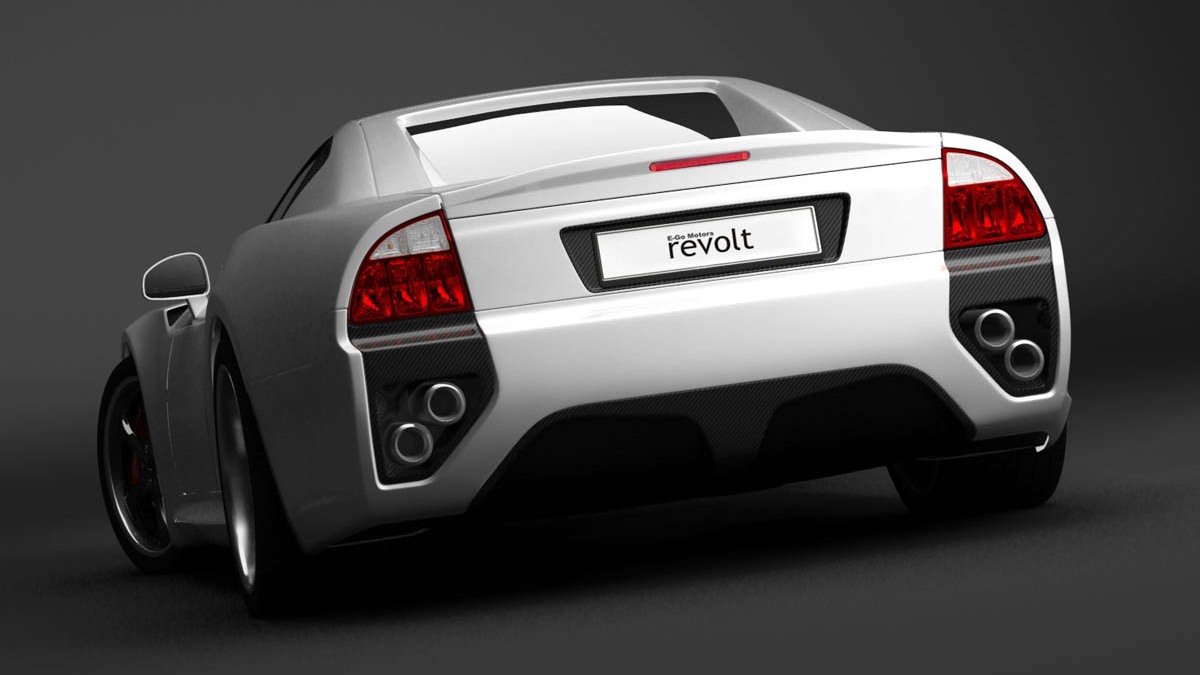
    Electric mobility is the future and with India being one of the largest two-wheeler markets in the world, it holds immense potential for electric two-wheelers. And Revolt Motors, an up and coming EV startup, founded by Rahul Sharma, who is also the co-founder of Micromax mobile phones, looks to cash on this potential. Revolt Intellicorp is wholly owned by Rahul Sharma and the company has been setup on an investment of about ₹ 400 crore to ₹ 500 crore.

    Revolt will be launching its first product, an electric and artificial intelligence enabled motorcycle in June 2019. The company is headquartered in Gurgaon; Revolt Motors has a manufacturing facility in Manesar, which has a capacity of 1.2 lakh units of electric motorcycles in the first phase, which is actually more than twice the size of the entire electric two-wheeler market. The company also has an in-house R&D team, which has worked on the new A.I enabled motorcycle for two years.

    Rahul Sharma, Founder, Revolt Intellicorp Pvt. Ltd. said, “As a mechanical engineer by qualification, I always found mobility and the expanse of opportunities it offers, very intriguing. There is a colossal need for using technology to disrupt urban commute and make it cleaner and sustainable. I’m doing my bit and I feel this is the right time for every player operating in this space to come together for the greater good of our environment. My vision is to see every household in India have access to sustainable mobility.”

    Coming to the motorcycle itself, Revolt is confident that it will be a game-changer in the Indian two-wheeler market. It will be fully electric, enabled with A.I and will have an embedded 4G LTE SIM as well. The product will have a range of about 150 kilometres on a single charge and will have a lithium-ion battery pack which can be swapped. The top-speed has been limited to 85 kmph. While the battery and the electric motor will be imported, the battery management system and the electronic control unit were designed in house.

    The company will also offer innovative charging solutions when the EV is launched in June 2019. Delhi NCR will be the first market and Revolt Motors says that it will have online sales along with on-ground dealerships and experience centres as well. The company is of the idea that it has to grab double digit market share in the first few years of its operation and it is looking at the entire two-wheeler segment and not just electric two-wheeler space as its market.

  • Pakistan To Start Proton Car Production

    Pakistan To Start Proton Car Production

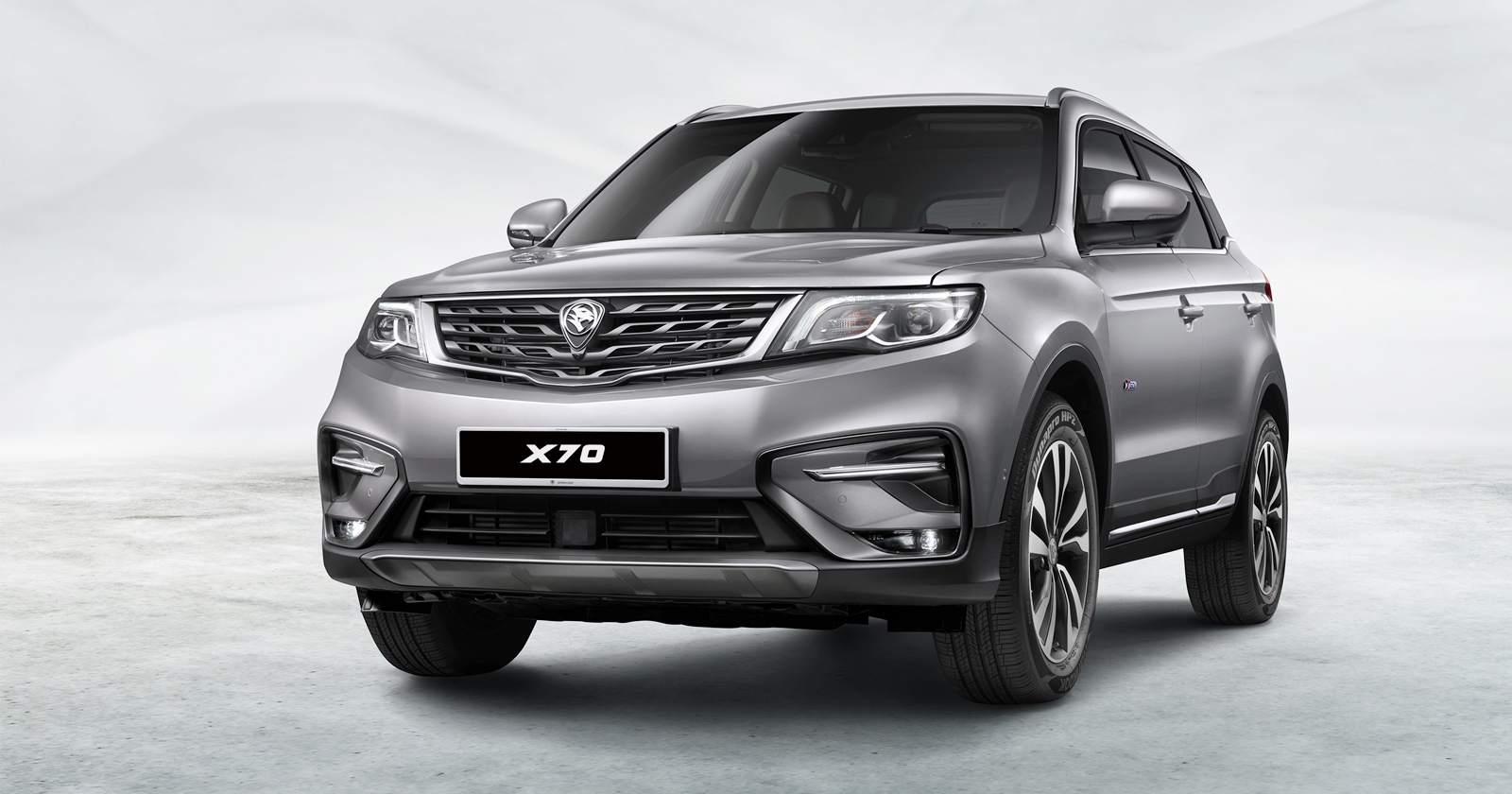
    A joint venture between Malaysia’s Proton Motors and Pakistan’s Al-Haj group will begin producing cars from June, officials said on Friday at a ceremony in Islamabad unveiling a series of business accords between the two countries.

    The Proton joint venture, first agreed last year, was the centerpiece of a series of agreements signed during a visit of Malaysian Prime Minister Mahathir Mohamad. Pakistani officials said the deals would total around $800-900 million.

    “These partnerships are just the beginning and I look forward to more and more partnerships,” Board of Investment chairman Haroon Sharif said at the signing ceremony, at which Mahathir presented Pakistani Prime Minister Imran Khan with a symbolic car key.

    The Proton plant, near the southern port city of Karachi, is the latest in a series of assembly deals set up in Pakistan by international auto makers including Volkswagen AG and Hyundai Motors.

    “We were told that the first Proton which will be assembled here will be on the roads next June in Pakistan,” Sharif said.

    The deals come as Pakistan steps up efforts to attract foreign investment. The country is struggling with a ballooning current account deficit and a balance of payments squeeze that has forced it into bailout talks with the International Monetary Fund.

    In recent months, it has signed multibillion dollar credit and investment deals with countries including Saudi Arabia and the United Arab Emirates. It is also a central part of China’s vast Belt and Road Initiative through the $60 billion China Pakistan Economic Corridor.

    As well as the Proton accord, Malaysia’s Edotco Group signed agreements in the telecoms sector with local units of China Mobile and Telenor, as well as local mobile group Jazz.

    Other deals included a halal meat agreement signed by the foods unit of Pakistan’s Fauji Foundation conglomerate and a $20 million venture capital agreement between Pakistan’s Fatima Ventures and Gobi Partners of Malaysia.

  • China’s Jiangling Motors unit awarded electric car licence

    China’s Jiangling Motors unit awarded electric car licence

    China has awarded its seventh electric vehicle production license to a unit of Jiangling Motors, according to a posting by China’s state planner, as the country accelerates approvals for green car projects.

    Jiangxi Jiangling Group New Energy Vehicle has permission to proceed with a project to make 50,000 pure electric cars, according to a notice dated Monday in a database administered by the National Development and Reform Commission (NDRC).

    The notice did not give further details. Government records separately show that Jiangling Motors is a shareholder.

    China’s government has employed a raft of policies that spurred a boom in electric and plug-in hybrid cars since 2015. It aims to cut air pollution that frequently blankets urban areas and to push its car industry to leap-frog ahead of global automakers with long experience making internal combustion engine cars.

    The country is accelerating approvals for electric vehicle-only projects under a special programme, having approved a license for Chinese auto parts supplier Wanxiang Group earlier this month, while officials say they will restrict new factories making traditional petrol cars.

  • Tesla Motors to get semiconductors from Samsung Electronics

    Tesla Motors to get semiconductors from Samsung Electronics

    Samsung Electronics will supply semiconductors to US electric car maker Tesla Motors, South Korea’s Electronic Times reported on Friday citing unnamed sources.

    Samsung would contract manufacture chips for self-driving features in Tesla vehicles, the paper reported, without putting a value on the order.

    The South Korean firm has been trying to build auto-related sales for components such as semiconductors and displays in a push to develop a new growth engine.

    Samsung in November said it would acquire Harman International Industries for $8 billion in a bid to grow quickly in the automotive market.

    Samsung did not immediately comment on the report, while Tesla could not be immediately reached for comment.

  • Japan’s Mitsubishi Motors to resume sales after latest cheating scandal

    Japan’s Mitsubishi Motors to resume sales after latest cheating scandal

    Japanese automaker Mitsubishi Motors Corp (7211.T) will resume domestic sales of eight vehicle models on Oct. 1, the company said on Friday, after correcting overstated mileage readings in its second cheating scandal this year.

    Japan’s sixth largest automaker has admitted it falsified the mileage on 12 models, including the Pajero and Outlander SUV, taking a blow to its reputation.

    The latest suspension came after a two-month suspension in sales of four minivehicle models this year, including two produced for Nissan Motor Co. (7201.T), following the initial admission of incorrect fuel economy readings.

    The market value of the company has tumbled since that scandal broke, prompting it to seek financial assistance from Nissan, which agreed to buy a controlling one-third stake for $2.2 billion.

    Japan is Mitsubishi’s fifth-largest market, following markets including Asia ex-Japan, Europe and other regions. Its home country comprised roughly 10 percent of its vehicle sales during 2015/16.