Retail News CRM

Tag: m&S

  • Marks & Spencer Reinforces Commitment to Philippines: New Franchise Partner on the Horizon

    Marks & Spencer Reinforces Commitment to Philippines: New Franchise Partner on the Horizon

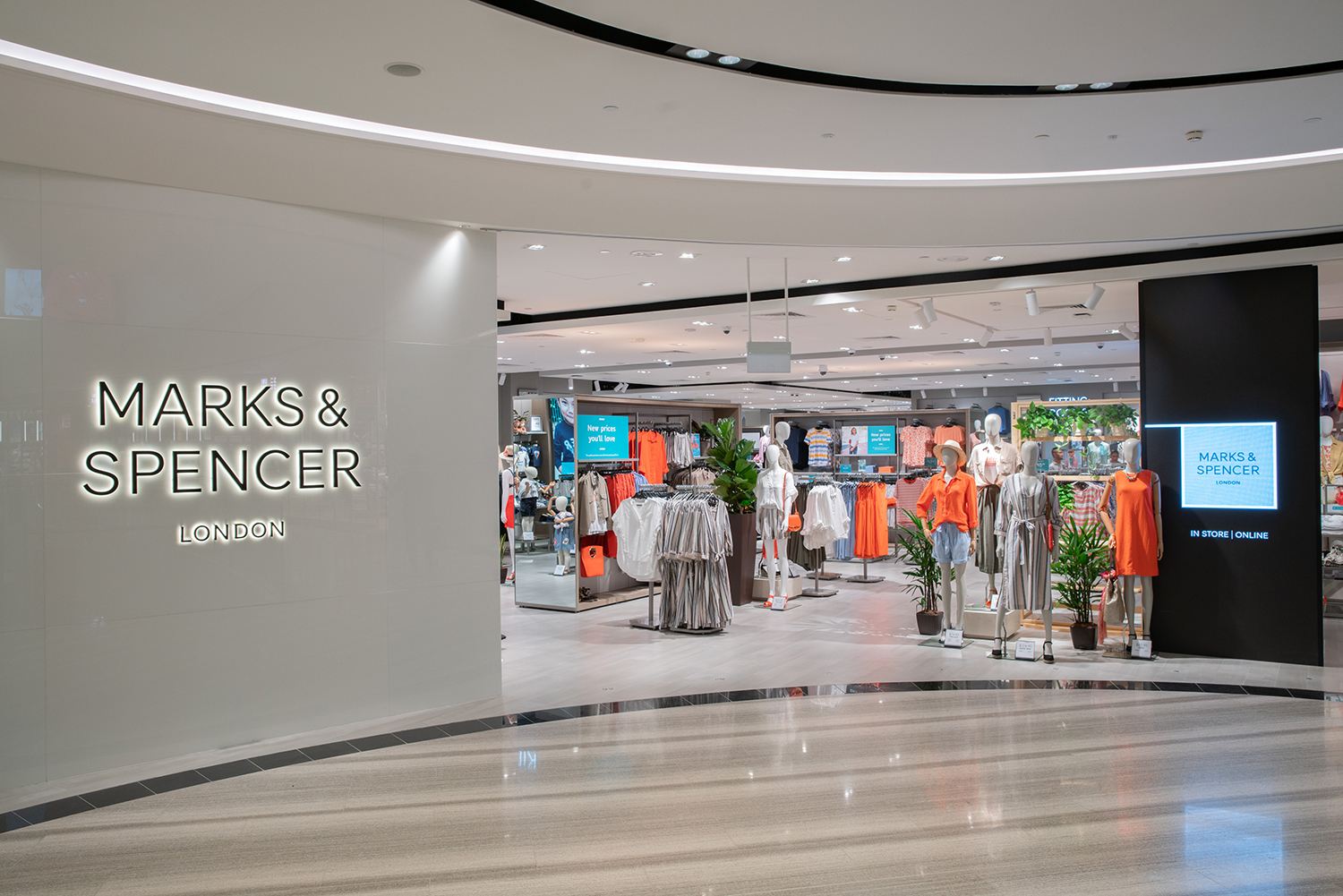
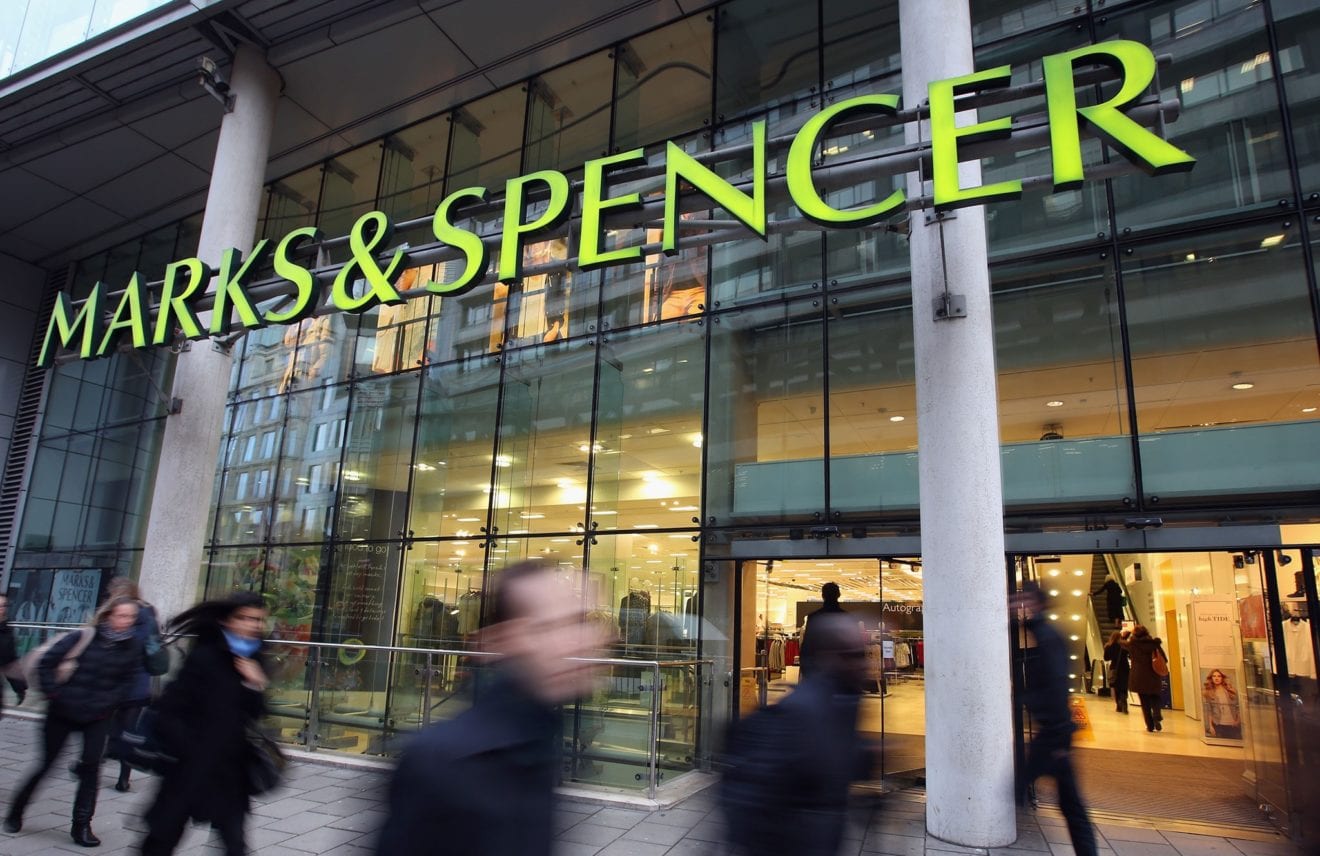
    British retailer Marks & Spencer (M&S) has reassured its commitment to the Philippine market, despite the termination of its long-standing franchise agreement with SSI Group. This comes in response to speculations that the retailer was planning to withdraw from the country after over three decades of operation.

    M&S’s New Strategy

    The retailer’s continued stay is a part of a redefined strategy to accommodate a new local franchise partner, aimed at broadening its regional growth. M&S is focused on enhancing its global reputation by delivering quality products and services to customers worldwide, including the Philippines.

    A spokesperson from M&S reaffirms the company’s commitment by stating, “Our objective is to build a trusted global brand by bringing the best of M&S to customers around the world. We remain committed to the Philippines and the growth opportunity in the region.”

    This change follows more than two decades of partnership with the SSI Group. M&S decided to switch to a new franchise partner to buttress its ambitious growth plans in the region and announced the contract with SSI would conclude in May. The company expressed its gratitude to SSI for their years of collaboration.

    Upcoming Plans

    While M&S has not revealed details regarding the new partner or future plans for stores, it has promised that further announcements will be made in due time.

    M&S has been operating in the Philippines since the late 1980s, initially under the Rustan’s Group of Companies, which SSI Group acquired last year.

    SSI disclosed in a February 25 Facebook post that it would cease operations of M&S stores in the country, with May 2 earmarked as the last day of trading.

    Dubai-based Al-Futtaim Group, which manages the M&S franchise in Hong Kong and Singapore, also distributes footwear brands such as Reebok, Rockport, and Umbro in the Philippines through a subsidiary.

    Questions & Answers

    Why is M&S ending its contract with SSI Group in the Philippines? M&S is ending its 20-year contract with SSI Group as part of its regional growth strategy, which includes transitioning to a new local franchise partner.

    Who will be the new franchise partner for M&S in the Philippines? M&S has not disclosed details about its new franchise partner but has assured that announcements will be made in due course.

    What is M&S’s future plan for its business in the Philippines? While M&S has not detailed its future plans, it has affirmed its commitment to the Philippine market as part of its broader regional growth strategy.
  • Marks & Spencer Philippines on the Brink: Store Closures & Deep Discounts Signal Potential Exit

    Marks & Spencer Philippines on the Brink: Store Closures & Deep Discounts Signal Potential Exit

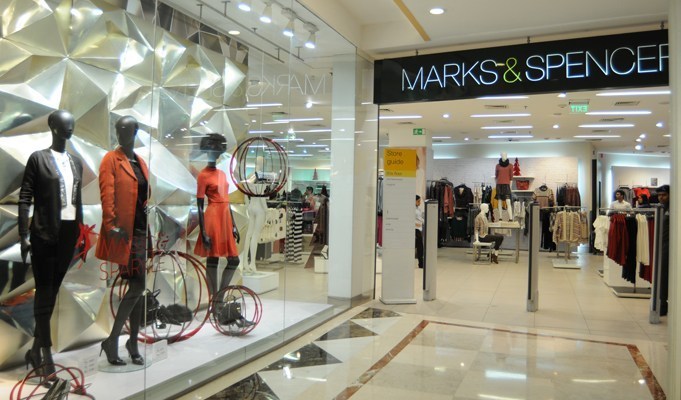
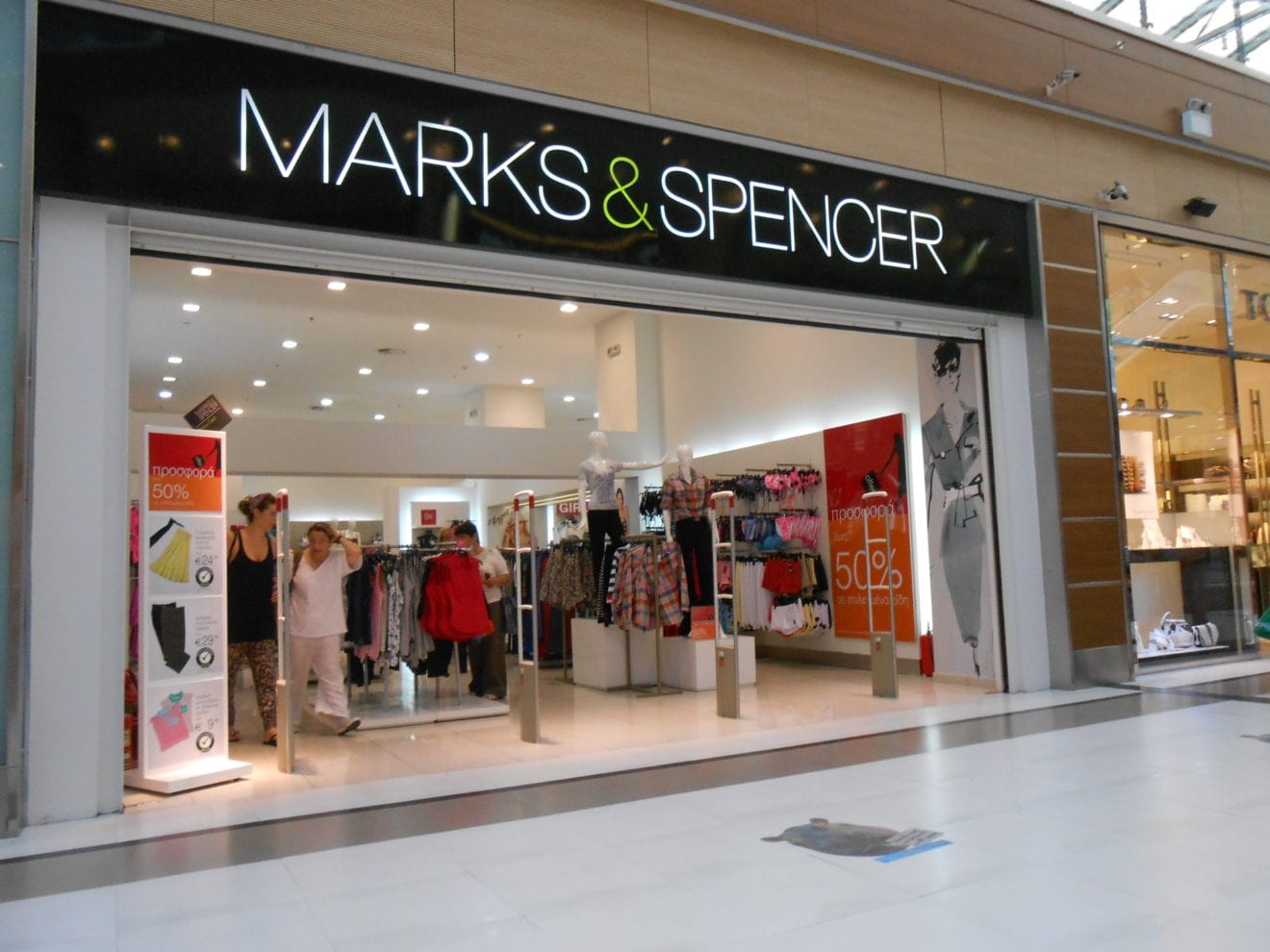
    The continued closure of stores and generous discounts across the Philippines have led to speculation about the sustainability of Marks & Spencer’s (M&S) local operations. This comes as the brand’s long-time franchise partner starts to shut down several outlets in the region.

    M&S has enjoyed a presence in the country for over thirty years through a partnership with the Rustan’s Group of Companies, which was bought by SSI Group last year. In recent times, several key M&S stores including those located at TriNoma, Robinsons Manila, Marquee Mall, and Ayala Center Cebu have ceased operations. Rumors also abound about the possible closure of the brand’s outlet at the SM Mall of Asia.

    The remaining outlets have resorted to hefty discounts of up to 60% and ‘buy-one-get-one-free’ deals as they attempt to clear stock. Specifically, at the Rockwell and Greenbelt stores, the variety of food for sale has dwindled, with empty refrigerators and shelves filled with repetitive products.

    The M&S Philippines website still promotes 13 branches across the country, which includes outlets in Davao and Laguna. This is a significant reduction from the over 20 stores that were operating at the height of the brand’s popularity in the country.

    This pattern of store closures and heavy discounting has led to conjecture from both customers and industry experts that M&S may be contemplating an exit from the Philippine market. Customer reactions, particularly online, have been largely negative, with many expressing disappointment over the potential loss of extended-size clothing ranges that are less commonly available in the local market.

    Meanwhile, M&S is in the process of revamping its international operations. In the UK, the retailer is planning to cut the number of its full-line stores from 229 to 180 via closures, conversion to food outlets, and relocation to other full-line stores.

    “We’re focusing on bigger, better partnerships, which enable us to bring the best of M&S to the world,” Mark Lemming, MD for international markets at M&S, noted. “As we continue to progress with our strategy, I remain confident in the medium and long-term opportunity for M&S to drive global growth.”

    Still, it’s unclear whether the Philippine store closures signal a decision from the franchise partner, the parent company, or both. SSI Group has yet to issue a public comment on the situation.

    Questions & Answers

    What has led to speculation about the future of M&S in the Philippines?
    Store closures and heavy discounting have sparked speculation about the sustainability of M&S’s operations in the country.

    What changes are being made to M&S’s international operations?
    The company is focusing on establishing larger, more effective partnerships to drive worldwide growth, alongside reducing the number of full-line stores in the UK.

    Who is responsible for the decision to close M&S stores in the Philippines?
    It is currently unclear whether the decision to close stores comes from the franchise partner, the parent company, or both. SSI Group, the franchise partner, has not yet publicly commented on the matter.

  • M&S halal range destined for Asi

    M&S halal range destined for Asi

    A new M&S halal range announced in the UK has been confirmed as destined for Asia. The launch of halal-certified ready-meals will make the retailer the first major English supplier in the category.

    The firm’s franchise partner in Singapore, Hong Kong and Dubai, Al-Futtaim, has confirmed it will offer the M&S halal range in its markets, although it is unclear if the arrangement will include Hong Kong.

    The growing Muslim population in the UK has prompted the move, with six chicken-based products going on shelves from tomorrow in 36 Marks & Spencer locations across Britain.

    M&S Food is changing to become more relevant, more often to families across Britain,” said M&S Food MD Stuart Machin. “Our new Halal meal range is a great example of how we are broadening appeal so that more customers can enjoy our delicious, quality food.”

    Whilst some major retailers are starting to stock halal meat, there are still very few opportunities to eat different flavor foods,” said one M&S store manager Simon Pollitt Khan, “such as Italian or more traditional British dishes – in a convenient halal format.”

    The move follows M&S earlier stocking Shazans halal chicken items, which have proved successful in some outlets.

    In the UK the M&S halal range and pricing is as follows:

    • Chicken Arrabbiata – £2.50
    • Chicken & Roasted Mushroom Tagliatelle – £2.50
    • Chicken, Leek and Potato Bake – £3.50
    • Chicken and Vegetable Hotpot – £3.50
    • Chicken Jalfrezi and Rice – £3.50
    • Chicken Tikka Masala and Rice – £3.50
  • Marks & Spencer Singapore store opens at Jewel Changi

    Marks & Spencer Singapore store opens at Jewel Changi

    Marks & Spencer Singapore will open its Jewel Changi store this Wednesday.

    The 13,000sqft space offers M&S’s clothing and accessories across womenswear, menswear, lingerie and kidswear.

    The store also features Food Hall which will include nearly 3000 lines of food and drinks, including international award-winning wines.

    Customers can expect a variety of chilled food and drinks including fresh sandwiches, prepared salads, fruit and vegetables, meat and dairy, prepared meals, inspired by world cuisines.

    The new store also features an M&S in-store bakery, selling coffee-to-go and patisserie goods.

    “Our new store at Jewel Changi Airport will combine the best of our clothing collections and high-quality food with an inspiring shopping environment and exceptional customer service, offering a truly special experience,” said Christine Choi, Marks & Spencer Asia CEO.

    A new feature of the Jewel Changi store will be unique name badges for staff which bear ‘Singlish’ taglines such as ‘I am Stylo Milo, ‘I am Tok Kong’, and a few other variations embracing local culture.

    From April 17 to June 11, shoppers can enjoy special offers including lucky draws and free M&S cooler bags.

  • Marks & Spencer concept store opens in VivoCity Singapore

    Marks & Spencer concept store opens in VivoCity Singapore

    Marks & Spencer Singapore has opened a full-scale concept store in VivoCity bringing a vast array of its own-brand fresh foods and beverages to the city, some for the first time. The 15,500sqft store offers a broader range of fashion, a new food hall and fresh zone similar to the style of larger Marks & Spencer Hong Kong stores, a broader range of wines and the chain’s third coffee-to-go cafe in the city.

    The foodhall features nearly 3000 products selected from the UK department store’s range building on what the retailer describes as a growing demand in Singapore for M&S’s convenience food.

    Marks & Spencer Singapore has added a range of chilled foods and beverages, including perishables. The new store sells fruits, vegetables, yogurts, a selection of cheeses, fresh milk and ready-made salads and meals. Some products are new-to-market for the brand, including raw meat and pre-packed sandwiches, all air freighted from the UK daily.


    The coffee-to-go cafe offers speciality coffee and beverages along with patisserie foods including cakes and fresh pastry. An in-store bakery produces a selection of breads, scones and cookies daily.

    Fashion has not been left out in the VivoCity store’s revamp. Each fashion label is now clearly segmented, with distinct identities that allow customers to see which label best meets their personal style preferences. The brands are identified by different branding, visual merchandising and props. The VivoCity store will also be the sixth Marks & Spencer Singapore outlet to stock a kidswear range.

    “Customers are at the heart of everything we do at Marks & Spencer and we’re delighted to be bringing our exciting new shopping experience to customers in Singapore,” said Christine Choi, CEO at Marks & Spencer Asia.

    “Combining the best of our latest collections, together with our inspiring store environment and exceptional customer service, our store at VivoCity is truly special.”

  • Marks and Spencer set to close 40 more stores

    Marks and Spencer set to close 40 more stores

    British department store retailer Marks & Spencer will close a further 40 stores in its home market as it struggles to improve its bottom line.

    According to reports, M&S will announce which of its 140-strong full-store network will close on Wednesday UK time, adding to the 20 already shuttered. The full stores stock both fashion and food.

    Rationalising the store network was a key plank of a turnaround program announced 18 months ago by CEO Steve Rowe, which also included retrenching from overseas markets. Since then, the company’s Mainland China operations have been closed down and its profitable Hong Kong business divested to Middle East-based Al-Futtaim under a franchise arrangement.

    The decision to accelerate the closure program was prompted by early results from the closure of a store in Warrington town centre which led to increased sales in a newer off-high-street store nearby.

    “We have been clear about our plans to accelerate our store closure program and the action we must take to build a business with sustainable, profitable growth,” an M&S spokesperson said.

    On Wednesday, M&S is expected to report further under performance in its food arm, with analysts projecting a drop in sales, but an improved bottom line.

  • M&S sells Hong Kong business to Dubai conglomerate Al-Futtaim

    M&S sells Hong Kong business to Dubai conglomerate Al-Futtaim

    Marks & Spencer has confirmed the sale and franchise of its retail business in Hong Kong and Macau to its long-established franchise partner Al-Futtaim.

    The two companies all but confirmed the sale in August  and settlement took place on December 30.

    Al-Futtaim is now the sole franchisee for Marks & Spencer Hong Kong and Macau, but the deal does not extend to the mainland where M&S has a presence on Tmall, having closed its department stores there.

    The two companies have a partnership dating back to 1998 when Al-Futtaim opened Dubai’s first M&S store in the UAE.

    The addition of 27 Marks & Spencer Hong Kong and Macau stores takes Al-Futtaim’s M&S network to 72 shops in 11 markets in Asia and the Middle East.

    “We have substantially reshaped our International business, which has improved profitability and positioned us for growth,” observed Paul Friston, Marks & Spencer’s international director in a statement confirming the sale.

    “As one of the world’s leading retail operators, with strong logistics capabilities and local expertise, Al-Futtaim is the ideal partner for us to develop and grow our business in Hong Kong and Macau.”

    Stephen Rayfield, VP of M&S and sports & lifestyle with Al-Futtaim said the company is looking forward to “enriching our customers’ lives and aspirations through the provision of quality products and services in Hong Kong and Macau”.

    Pascal Martin, partner with OC&C Strategy Consultants, said the decision to sell and franchise the Marks & Spencer Hong Kong business is consistent with the shift to an asset-light business model that the UK company has adopted for its international business.

    “It did not make sense to support only Hong-Kong and Macau as directly operated international businesses after having pulled out from all other direct markets, such as China and France. By selling its Hong Kong and Macau business to Al-Futtaim, M&S can also raise cash to continue to invest in its core, including product quality, the UK market and e-commerce.”

    At the same time, Al-Futtaim has a strong track record in operating M&S stores in many other markets and a solid investment capacity to continue to expand the M&S international store network, said Martin.

    “Another key factor is that Al-Futtaim’s M&S business is led by ex-M&S’ senior executive, Stephen Rayfield, who knows the business inside-out and can fully optimise daily operations between Al-Futtaim and M&S.”

    M&S now has a simple homogeneous international business: all wholesale to local partners, with the exception of a joint venture in India with Reliance.

    “The brand will be able to leverage Al-Futtaim’s strong investment capacity to accelerate the International expansion. Al-Futtaim can benefit from adding a strong profitable business (HK and Macau) to its already strong international M&S portfolio. They may be able to exert more control on M&S Asia logistics network to achieve better integration across Singapore, Malaysia, Hong Kong and Macau. Al-Futtaim will likely have increased negotiation power with M&S on product, store format, pricing and more,” said Martin.

  • Marks & Spencer Hong Kong may be sold off

    Marks & Spencer Hong Kong may be sold off

    The Marks & Spencer Hong Kong and Macau business is expected to be sold to the UK department store’s long-established Middle Easter franchise partner Al-Futtaim.

    M&S issued a statement overnight confirming the two parties were in talks over a deal where the existing business would be sold to Al-Futtaim which would then become a franchisee.

    “A successful conclusion to these discussions would see Al-Futtaim become the new sole franchisee for M&S in Hong Kong and Macau,” the London-headquartered company said.

    Al-Futtaim has partnered with M&S since 1998 when it opened the first MS store in Dubai. Today, Al-Futtaim operates 43 Marks & Spencer stores across seven markets in the Middle East, as well as in Singapore and Malaysia.

    Most recently Al-Futtaim has extended the reach of M&S’s popular chilled food to three markets, and will shortly be opening the first standalone M&S Food store in the Middle East.

    Marks & Spencer Hong Kong launched in 1988 and currently operates 27 stores, a mix of department stores and standalone food stores. It has three in Macau, two of them located in Sands properties.

    The fact that M&S has issued a statement confirming the talks are underway suggests a deal is effectively complete.

    M&S said the discussions follow a strategic review of the company’s international business last November, where the company proposed to have a greater focus on its established franchise and joint venture partnerships and operate with fewer wholly-owned markets.

    “M&S and Al-Futtaim have now entered into discussions on the potential purchase and franchise which includes commencing a period of due diligence, which is expected to take several months to complete. M&S employees will be kept informed of any developments throughout the process and M&S stores in Hong Kong and Macau will continue to trade as normal,” the statement said.

    Paul Friston, M&S’ international director, described Al-Futtaim as a key partner of M&S in Asia and the Middle East.

    “We are both committed to putting the customer at the heart of everything we do. With significant scale and retail expertise in the region, we are looking forward to discussing the potential extension of our partnership to Hong Kong and Macau as we continue to grow and develop our business together.”

    Stephen Rayfield, senior MD of fashion & lifestyle division with Al-Futtaim said the company was delighted to be working with M&S to explore the potential expansion of their partnership to Hong Kong and Macau.

    “M&S and Al-Futtaim share values, and an approach that focuses the customer at the heart of our businesses. Al-Futtaim looks forward to building on our solid foundations as we continue to enrich our customers’ lives and aspirations through the provision of quality products and services in Hong Kong and Macau – these are among Marks & Spencer’s most successful and important international markets,” he said.

  • M&S launches boutique concept in Malaysia

    M&S launches boutique concept in Malaysia

    Marks & Spencer (M&S) has launched a premium boutique concept in Kuala Lumpur, in Sunway Velocity Mall.

    M&S Malaysia

    Covering more than 10,600 sqft (985 sqm), the M&S boutique concept – the first of its kind in Malaysia – features large mirrors and seasonal imagery. A welcome zone at the entrance showcases the season’s trends, and boutique displays allow customers to see the range of styles, fits and outfit ideas available.

    M&S Malaysia 3

    As well as offering the UK retailer’s clothing and accessories across womenswear, menswear, childrenswear, lingerie and toiletries, the boutique has a food hall featuring more than 800 lines plus an in-store bakery with Coffee-To-Go, offering coffee and tea alongside breads and pastries baked on-site.

  • John Lewis fashion sales soar

    John Lewis fashion sales soar

    John Lewis fashion sales rose a tremendous 7.2 per cent over Christmas – eclipsing the UK department store’s rivals, even robust performances by Debenhams, M&S and House of Fraser.

    Own brand collections continued to strengthen throughout 2016, with the inclusion of Modern Rarity filling a gap in its private label brand portfolio by appealing to a stylish, design-led shopper and taking Cos on as a direct rival. John Lewis should consider taking this brand into menswear, given the outperformance of menswear in 2017 versus other clothing sectors, and the current gaps in the market for brands targeting the 30-45 year old male shopper.

    Its Electricals Home & Technology division was up against the strongest comparative, rising 4.8 per cent against a 9.6 per cent rise last Christmas. The department faced huge discounting pressure from rivals Amazon, Argos and Dixons Carphone, particularly over Black Friday when promotions were offered over a week ahead of the main event. However, John Lewis’ strategy of selling the latest models across technology categories will have limited its exposure to the breadth of discounts available elsewhere.

    As one of the leading players in selling affordable smart home technology, John Lewis can expect to see a greater uptake in demand in 2017 following its significant investment in the department during 2016 and increasing consumer awareness.

    Home reported the slowest sales growth at 2.7 per cent against a 5.1 per cent rise last year, though this is outperforming both the home and furniture markets and is resilient given the fall in housing transactions.

    Paula Nickolds takes over the reins this month from Andy Street, marking the start of a new era for the department store. Nickolds’ understanding of the business will ensure Street’s legacy and strategy will be carried forward, but her new appointment begins at the start of what will be a challenging and unpredictable three year (at least) period, so new initiatives will be important to stimulate demand.

    -Honor Strachan

  • Lingerie startup Boux Avenue surges into top 15

    Lingerie startup Boux Avenue surges into top 15

    In just five years, British lingerie retail startup Boux Avenue has made it into the top 15 brands in women’s underwear.

    Despite facing growing pressure from Primark and H&M, following significant range expansion and improved design and quality in their underwear and nightwear collections, Boux Avenue continues to build a loyal customer following and differentiate its proposition from the value segment of the market.

    As a result, full year 2015/16 UK sales reached £44.4million – entering the lingerie specialist into the women’s underwear Top 15 with a market share of 1.3 per cent in 2016.

    boux-avenue-store

    Despite pressures on the high street to discount, Boux Avenue has maintained a strict stance on full-price trading and strategic promotions, which has been essential in justifying its mid-market prices and encouraging consumers to buy into the brand all year round rather than wait for sale periods. While midmarket rival M&S remains the UK market leader, it is losing share and traction among a younger shopper base. This provides Boux Avenue with a ripe opportunity to lure M&S’s customers in the 16-30 age bracket away, via investment in trend influenced designs, specialist customer service, and enhanced product fit and innovation – particularly in shapewear where M&S continues to excel in.

    For a young retailer, Boux Avenue has approached physical expansion cautiously, operating 28 UK stores after five years of trading. This has allowed it to build consumer awareness on the high street, but ensures that it is not overexposed during periods of restricted discretionary spending and as consumer spend continues to shift online.

    Improving brand accessibility via selling through third party online channels including Asos and Very will fuel further sales growth and win the appeal of new customers in 2017.

  • Fashion chain Next faces crossroads

    Fashion chain Next faces crossroads

    Fashion chain Next needs to carefully rethink who its customers are and how best to attract them to avoid falling into the same trap as M&S, says a retail analyst.

    The UK-based retailer has released its fourth quarter results for 2016, described by Emily Stella, analyst with Verdict Retail, as “poor” against a weak comparative.

    “The retailer admits it expected more from its Christmas sales. Next’s underwhelming performance was not isolated to the fourth quarter: 2016 has been a difficult year for the retailer, with full price sales for the year to date down 1.1 per cent on last year.”

    The company said it expected profits to fall in its 2017-18 financial year by between 2 per cent and 14 per cent due to “tougher times” ahead. A 0.4 per cent quarterly increase in total sales was achieved purely through discounting, which means narrower margins. Price rises, already flagged, may reduce revenue in the year ahead by a further 0.5 per cent.

    “Next has long been a retail star, seemingly unable to do wrong,” observed Stella. “However, the retailer acknowledges that 2017 could be a challenging year as consumers continue to restrict spending and a devalued pound forces price rises.”

    She said the recent results may mark the start of a difficult period for the retailer.

    “As it stands, Next’s current shoppers aren’t buying into its proposition – perhaps an indication that Next is failing to identify with its target market. To avoid falling into the same trap as M&S, Next will need to carefully rethink who its customer is and how to best attract them.”

    Next’s share price fell by 14 per cent after its gloomy projections.

  • M&S profit to take a hit

    M&S profit to take a hit

    After poor quarterly performances from Marks & Spencer’s general merchandise division, the full year results come as no surprise, with UK full-year like-for-like sales falling 1.1 per cent.

    That followed a drop of 1 per cent the previous year.

    Today sees the new CEO take to the stand to reveal his strategy to return M&S profit to growth and regain its position in the market, a tall challenge given the retailer’s share of the UK clothing market has been eroded year on year, falling from 10.5 per cent to 8.7 per cent between 2010 and 2015.

    The announcement that incoming CEO Steve Rowe is willing to take a short term hit on profitability in an effort to restore turnover growth is an essential action, which his predecessor was unprepared to implement. Investment in price, product quality, availability and customer service is a message we have heard before from M&S, but the sacrifice of profitability signals a stronger commitment this time round.

    As well as focus on price positioning and style authority to improve its clothing business, both of which are essential in driving footfall back into stores and online, M&S has put a large emphasis on the importance of customer experience. It hopes to slim down its clothing offer further and reduce duplication across ranges to remove shopper confusion.

    Again, this was addressed a few years ago but under Rowe’s new management structure and shift in its buying strategy (buying by product category, not by sub brand), issues of repetitiveness across collections should be prevented – though communication between product buying teams is vital to ensure final ranges are coherent and the sub brands target their core customer segments.

    Despite facing a tough economic climate and a potential weakening in consumer confidence in 2016, expect to see initial sales improvements filter through in M&S’ half year results in November.

  • M&S, Debenhams stand most to gain from BHS breakup

    M&S, Debenhams stand most to gain from BHS breakup

    Only the very bravest of investor should consider retaining BHS in its current dilapidated state. But if such a buyer cannot be found, and a BHS breakup ensues, with the store estate sold to other retailers, Marks & Spencer and Debenhams would be the main beneficiaries.

    As the deadline for bids for BHS looms, hopes are rising that a buyer can be found for the entire store estate and that its 11,000 employees can be protected. Even if such a buyer is found, it is likely to have to conduct major surgery to revive the moribund brand. Verdict data shows that it has consistently lost market share to its competitors in all its key sectors, and its weak multichannel offer, dated brand and underinvested store environment mean any buyer would have to think seriously about retaining the BHS name.

    BHS’ clothing proposition has become ever more irrelevant over the years, and many of its clothing shoppers have already defected to more agile competitors, leading to its market share more than halving in the 10 years to 2015.

    BHS clothing market share 2010-15

    BHS’ predominantly 45+ shopper base enjoy the convenience of shopping for a disparate variety of products under one roof, which means that department store rivals such as Debenhams and M&S would be first in line to benefit from its fallout. The grocers should also receive a much-needed boost given the similarity of their clothing proposition to BHS in terms of design and affordability.

    This is backed up by looking at where BHS clothing shoppers also tend to shop (from Verdict’s March 2016 How Britain Shops survey of 10,000 consumers) – M&S is the clear leader, and should be able to translate this into an increase in market share.

    Where BHS clothing shoppers also shop for clothing

    Clothing specialists at the value end of the market, such as Matalan, Primark and New Look are also likely to benefit; as are online pureplays such as Amazon – albeit to a lesser extent.  It is, however, those retailers that make a concerted effort to draw in BHS shoppers, through customer acquisition initiatives such as targeted promotions or local marketing campaigns that will see the maximum gains.

    BHS homewares market share 2010-15

    BHS’ unopposed trudge toward mediocrity has had a significant impact on where its remaining shoppers are likely to now go for homewares purchases. The retailer’s brand positioning means its shoppers will have also shopped at the ever growing homewares discounter set, like B&M and Home Bargains. However, it is Amazon and Argos, both value focused retailers with modern and extensive delivery/channel offers that have been the main beneficiaries of disaffected BHS shoppers in the past and will undoubtedly be so in the future.

    High street retailers M&S and Debenhams are also in line to see a marginal upswing as high street focused customers seek out alternatives. The former has the most similar customer profile to BHS and hence is more likely to be a first choice. However, M&S has made some strategic moves to appeal to younger, more fashion-conscious homewares shoppers in recent years, therefore BHS’ customers may be a little surprised about what is on offer when they visit, aside from its core bedding and bathroom offer.

    Living room textiles: Home Retail Series market share 2015

    BHS is currently strongest in softer, more aesthetic categories, such as living room textiles and lighting, as opposed to functional products such as cookware. Therefore its demise would be unlikely to have a significant impact on the grocers. Conversely, Dunelm and Next share a similar emphasis on textiles and design-led categories, and as such, their already strong performance in the homewares category is likely to be bolstered further should BHS disappear altogether.


  • M&S China restructure

    M&S China restructure

    UK department store Marks & Spencer (M&S) will close five stores in Shanghai.

    But the company says it remains committed to China as a market and will still proceed with opening new stores in Beijing and Guangzhou between now and the end of 2016.

    “As announced in April 2014, Marks & Spencer has reviewed the shape of its existing store portfolio to ensure its best aligned with its strategic growth plans,” the company said in a statement.

    “As a result, Marks & Spencer has taken the decision to close five of its supporting stores in the greater Shanghai region by August 2015. It has also reviewed its head office resource structure in line with growth plans.”

    M&S Changzhou Wanda Plaza, Changzhou and M&S Wuxi Jiangyin Wanda Plaza, Wuxi, will close next Monday, March 9. M&S Jiangqiao Wanda Plaza, Jiading, M&S Wenzhou, and M&S Changzhou InJoy City, Changzhou will close between March and August this year.

    Meanwhile, M&S China will continue with plans to modernise its flagship store on Shanghai’s West Nanjing Rd during the coming autumn.

    The company will also beef up its eCommerce business in China to strengthen its brand awareness and reach across the country.

    “Following the popularity of our online stores on China’s leading websites, which during the last quarter saw sales on TMall.com increase by 200 per cent over last year, Marks & Spencer launched a new dedicated kidswear store on TMall.com and a new clothing store on JD.com in January.”

    The company said it continues to search for a potential partner in China, as initially heralded back in April 2014.

    In Macau, M&S will open a new 1000 sqm store at the Venetian Macau in November, its second in the city. In Hong Kong, it will continue with plans to modernise its stores during the next two calendar years.

    “Marks & Spencer will expand its food store portfolio at convenient travel and city locations in Hong Kong during 2015-16. Since our update last year, Marks & Spencer has opened three food standalone stores in Hong Kong during 2014-15, which have seen sales per square foot in line with its best performing food stores in the UK.”

    Marks & Spencer opened its first Hong Kong store at the Ocean Centre shopping mall in May 1988 and now has 18 wholly-owned stores in Hong Kong. It opened its first Marks & Spencer Food store in Wanchai, Hong Kong, in 2010.

    Patrick Bousquet-Chavanne, Marks & Spencer’s executive director, marketing & international, set a positive tone to the announcement despite the revelation of store closures: “Last year, we reaffirmed our commitment to our Greater Chinese business and set out clear strategic plans. Today we can share more details of our continued investment across our priority markets of China, Hong Kong and Macau. This includes the modernisation of our flagship stores, entering new key cities, growing our Hong Kong Food store portfolio and expanding our reach across China through new sites on TMall.com and JD.com.”

    The British retailer entered China in 2008.