Tag: Musang King

  • Vietnam Fruit Traders Pay 5% Finder Fee for Scarce Musang King Durian

    Vietnam Fruit Traders Pay 5% Finder Fee for Scarce Musang King Durian

    Vietnamese fruit brokers are offering commissions of up to VND6,000 per kilogram to spotters who can locate harvest-ready Musang King durian orchards across the country.

    The sourcing fee represents nearly 5 percent of the fruit’s farm-gate price of VND130,000 ($4.95) per kilogram, triple the standard VND2,000 fee paid for common domestic cultivars like Ri6.

    Sourcing Brokers Battle Supermarket Buyers

    Mekong Delta trader Manh Khuong pays spotters VND6,000 per kilogram to secure volume across orchards in Dong Thap and Vinh Long provinces. Most growers told him their trees require at least 10 more days before harvesting can begin.

    Procurement friction has intensified because supermarket chains and specialty fruit retailers from Hanoi and Ho Chi Minh City bypass regional intermediaries entirely. Retail purchasing teams now send buyers directly to farm gates, bidding up scarce tonnage on the tree.

    Another merchant operating in Dong Thap offers VND5,000 per kilogram in finder fees. Despite the cash incentive, his operation secures only one ton of fruit every two to three days.

    Cultivation Hurdles and Crop Timing

    Musang King originated in Malaysia and requires exacting soil and climate conditions that make it difficult to cultivate in Vietnam. Plantings remain scattered in small pockets across the Mekong Delta and the Central Highlands.

    Dong Thap Durian Association Chairman Vo Tan Loi said the primary harvest cycle in the province concluded two months ago. Most commercial growers in the region have turned to pruning, fertilizing, and preparing their trees for the next crop cycle.

    Central Highlands orchards offer limited off-season availability, but weather disruptions have hit yields. Dak Lak-based trader Hang collects roughly 500 kilograms a day from smallholder plots, down from seven to 10 tons daily during the August peak, with poor weather causing quality defects in five to 10 percent of the fruit.

    Export Demand Squeezes Regional Inventory

    The domestic scramble coincides with a seasonal supply void across Southeast Asia. Malaysia has concluded its primary harvest, leaving Chinese importers looking to Vietnamese packing houses to fill distribution pipelines.

    Vietnam durian shipments to China surged 62 percent year-on-year to $956 million in August, according to customs data. That export pull lifted farm-gate rates across all major commercial varieties between August and mid-September.

    Ri6 durian traded up to VND70,000 per kilogram, Monthong reached VND90,000, Musang King climbed to VND130,000, and Black Thorn commanded VND150,000 at the farm gate. In Ho Chi Minh City wholesale channels, distributors priced Musang King to city retailers at VND140,000 per kilogram.

    Price Floor to Hold Through Late October

    For cross-border traders and urban food retailers, the margin squeeze will persist until secondary off-season harvests begin late in October. Exporters operating on fixed forward contracts with mainland Chinese buyers must either absorb finder commissions or risk defaulting on delivery schedules.

    Vietnamese agricultural authorities are working through trade clearance procedures to push total durian export revenue to between $3.85 billion and $4 billion for the full calendar year. Packing houses in Dak Lak and Dong Thap are watching the late-October harvest turn to determine whether volume can meet those targets before winter trade slowdowns take hold.
  • Malaysia Anticipates 20% Surge in Durian Exports to China, Led by Musang King

    Malaysia Anticipates 20% Surge in Durian Exports to China, Led by Musang King

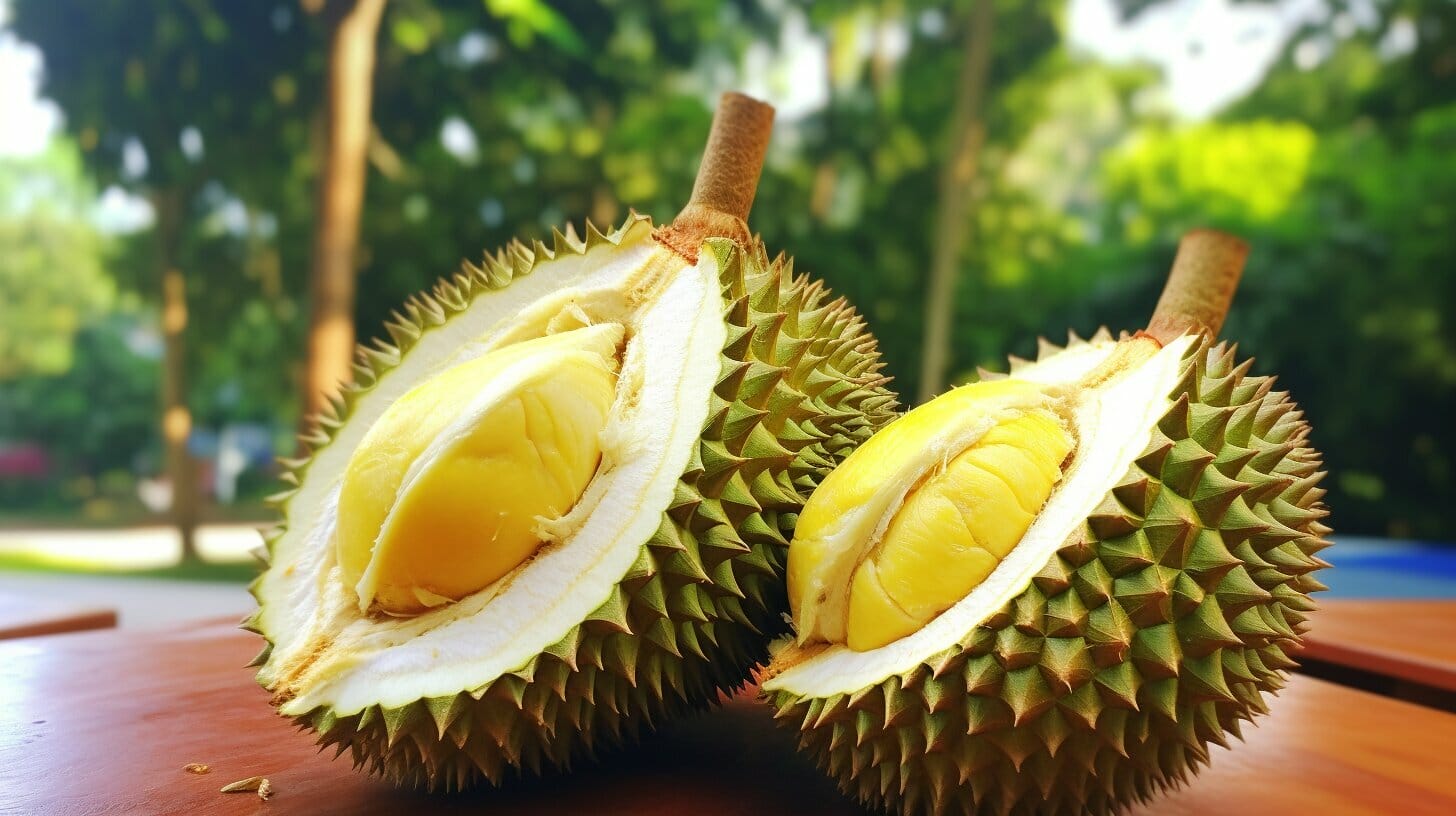
    As consumer demand for premium durian varieties surges in China, Malaysia projects a significant increase in its durian exports this year. Loh Wee Keng, chairman of the Malaysia Chamber of Commerce and Industry in China, shared insights on the growing market, setting the stage for brand expansion amidst shifting global consumer trends.

    Strong Demand for Premium Varieties
    The allure of Malaysia’s premium durian varieties, particularly Musang King and D24, continues to captivate Chinese consumers. Loh noted that despite recent heavy rains in Malaysia leading to some premature fruit drop, he anticipates total export volumes to rise by 15% to 20% compared to last year. “Even with challenges, we see robust growth ahead,” he remarked in an interview with state-owned news outlet Bernama.

    Market Pricing Dynamics
    In terms of market pricing, Grade A Musang King currently commands $7.12 per kilogram at Malaysian farms—a price that can more than double during off-seasons, enhancing its appeal as a luxury fruit. Last year alone, China imported $212 million worth of durians from Malaysia, marking a strong foothold since the two nations signed a special protocol on durian imports in 2022.

    Navigating Competition
    While Thailand remains the historical leader in durian exports to China, Loh clarified that Malaysia is not in a race to surpass its neighbor. “We are not competing on the same playing field,” he emphasized, highlighting the fundamental differences in pricing and quality between Thai Monthong durian and the more premium Musang King.

    Maintaining Authenticity and Consumer Education
    A critical focus of Malaysia’s export strategy involves preserving the authenticity of the Musang King brand. Loh expressed concern over practices where traders mislabel lower-grade durians as Musang King to maximize profits. Educating Chinese consumers about the distinctions between these varieties is essential to maintaining the brand’s integrity.

    Challenges in Cultivation Abroad
    Loh also addressed the initiatives to cultivate Musang King on China’s Hainan Island, which, despite initial excitement, have not met Malaysian standards. “The taste and quality remain unmatchable due to differences in soil and climate,” he added, reinforcing that Hainan-grown durians cannot replicate the original Malaysian experience.

    Conclusion
    The projected growth in Malaysian durian exports highlights the evolving consumer trends within the premium fruit market, particularly among Chinese buyers. As Malaysia seeks to solidify its position, the focus on brand authenticity and consumer education may reshape the dynamics of the retail sector.

    Questions & Answers

    1. What growth rate is expected for Malaysian durian exports this year? Loh Wee Keng anticipates a 15% to 20% increase in overall export volume compared to last year.
    2. How does the Musang King durian compare to Thai varieties like Monthong? Musang King is a premium variety with higher prices and quality, while Thai Monthong durians are generally lower in price and quality.
    3. What measures are being taken to preserve the authenticity of Musang King durians? Educating consumers about the differences between Musang King and other durian varieties is crucial to maintaining brand integrity and preventing mislabeling.
  • Musang King durian moon cake prices up 10%

    Musang King durian moon cake prices up 10%

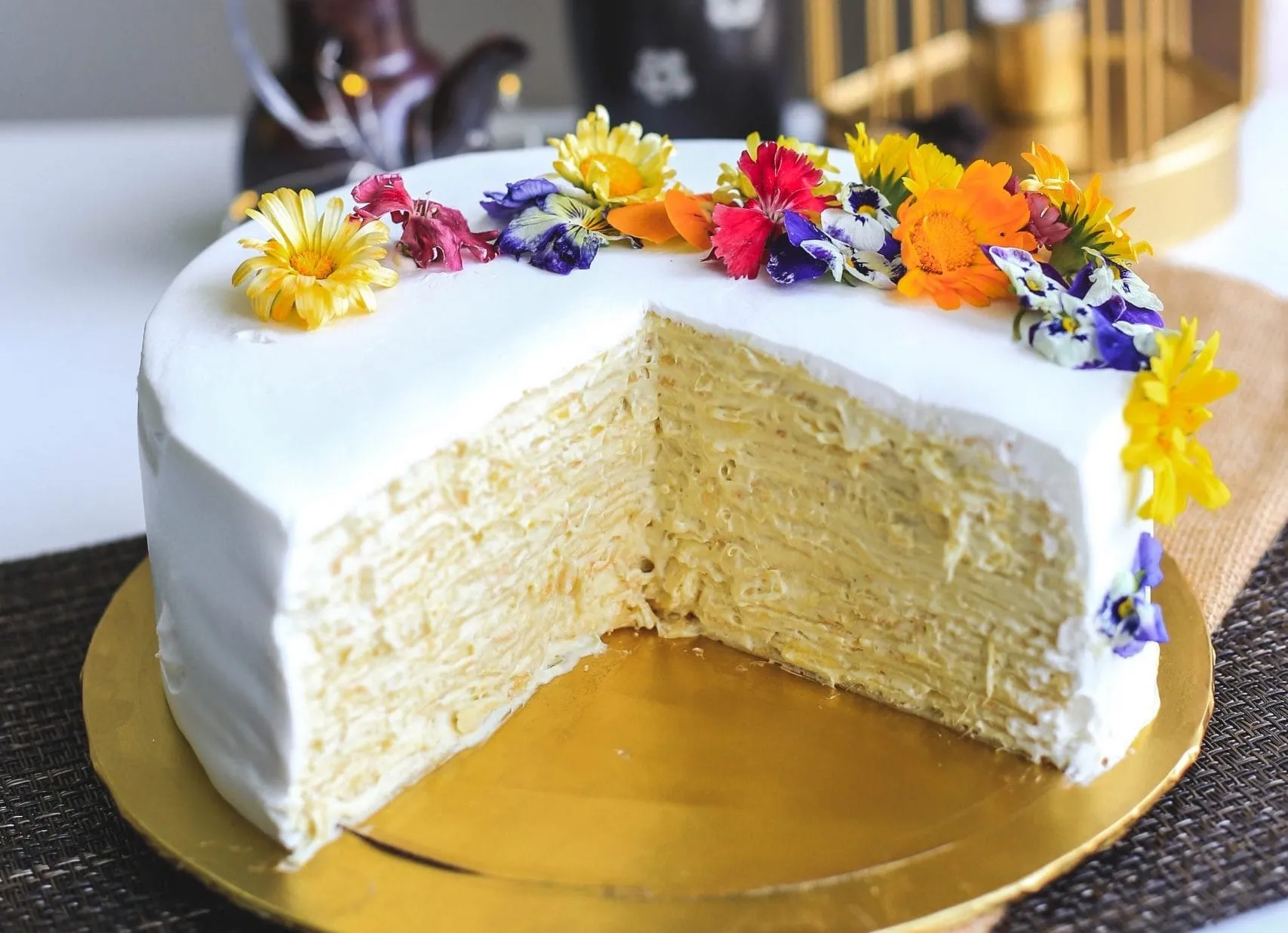
    Musang King durian moon cake prices, made with the popular durian variety originally from Malaysia, have increased by 2-10% year-on-year in Vietnam.

    Their cost ranges between VND900,000 ($37.90) to VND1.7 million per box. Last year, the most expensive product sold for around VND1.5 million.

    Hoang Anh, a moon cake vendor in Ho Chi Minh City’s District 3, sold out 500 boxes of Musang King and Black Thorn moon cakes in two weeks last year.

    She has doubled her imports this year.

    “We have to order five months in advance as the manufacturer needs to prepare durian beforehand.”

    A major distributor in HCMC plans to sell nearly 30,000 cakes this year, triple the amount last year.

    The cakes are mostly imported from Malaysia. Other markets that also sell them are Singapore and Hong Kong.

    Industry insiders say prices have gone up due to rising ingredient costs.

    Moon cake is a popular type of desert in Asian countries. It is often enjoyed during the Mid-Autumn Festival in the middle of Lunar August, which falls on Sep 29 this year.