Tag: music

  • Spotify restores free lyrics access

    Spotify restores free lyrics access

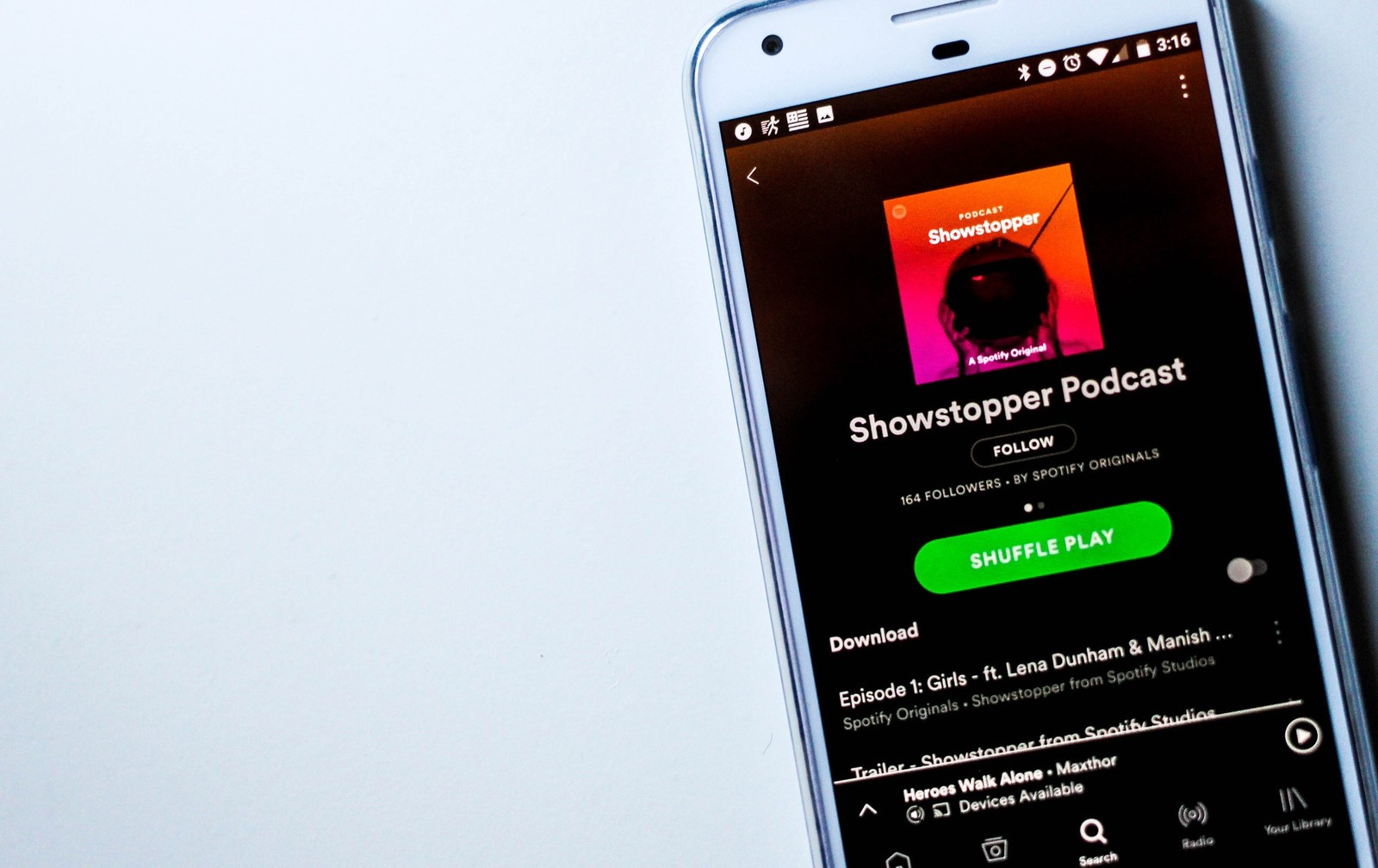
    Free Spotify users are now able to view song lyrics for all songs again, after being restricted earlier this year. The company previously limited free users to viewing lyrics for only three songs a month, pushing a paid subscription to access lyrics for any song. However, Spotify has now reversed this decision, allowing free users to enjoy unlimited access to lyrics once more.

    Spotify’s decision to limit lyric access for free users in May was met with negative feedback. It was viewed by some as an attempt to incentivize users to upgrade to their paid subscription tiers, which start at $11 per month. However, the company seems to have shifted its strategy, prioritizing improvements to the free user experience. This change aligns with CEO Daniel Ek’s recent statements about enhancing the free product pipeline based on performance in certain markets.

    While the exact reasons behind Spotify’s change of heart remain unclear, it’s evident that the company is constantly experimenting and iterating on its features. The spokesperson’s statement emphasizes this, stating that feature availability can vary across different tiers, markets, and devices.

    During a recent earnings call, CEO Daniel Ek mentioned ongoing plans to integrate additional enhancements into the free experience in the coming months. These improvements aim to make the free tier more appealing and valuable for users, potentially attracting a wider audience to the platform.

    It’s worth noting that Spotify’s commitment to enhancing the free experience goes beyond lyrics access. The company is likely exploring various avenues to make the free tier more attractive and engaging for users. This could involve introducing new features, improving the user interface, or even experimenting with different advertising formats.

    Although Spotify is still testing and refining its features, the company appears to be actively listening to user preferences and making necessary adjustments to cater to both free and paid users. The recent reversal of the lyrics restriction suggests that Spotify is open to adapting its strategies based on user response and market trends. It will be interesting to see how this change impacts user engagement and satisfaction on the platform in the long run.

  • Spotify expands its library with audiobooks from over 100 publishers

    Spotify expands its library with audiobooks from over 100 publishers

    After introducing a tier specifically dedicated to audiobooks, Spotify is now expanding its library to offer potential customers a reason to pay the expensive subscription price. The world’s biggest music streaming service announced a huge deal to add audiobooks from over 100 Ingram-distributed publishers to its library. Spotify is bringing audiobooks from Europa Editions, Milkweed Editions, G&D Media, Bard Press, New Society Publishers, and more to its customers.

    Spotify has already revealed some of the titles that audiobook fans will be able to listen to if they decide to join its service, such as The Hurting Kind, Mo Bunnell’s forthcoming Give to Grow, and bestselling author Bob Proctor’s Born Rich. Listeners in the United States can also dive into Damon Galgut’s Booker Prize-winning novel The Promise and Anne Berest’s international bestseller The Postcard.

    According to Spotify, since launching audiobooks in its Premium offering last year, more people have joined the service trying new and different books, with hundreds of thousands of unique titles streamed.

    The streaming service says that not only bestsellers are popular among listeners, but back catalog titles are also gaining popularity. Of the top 10 audiobooks on Spotify, nine are backlist titles, and six of those were released over five years ago.

    This is the second major audiobooks announcement from Spotify, after the streaming company revealed back in May a deal with Bonnier Books UK and Blackstone Publishing to have their libraries of audio titles added to its Audiobooks offer.

  • YouTube’s weaker than expected Q2 performance hurts Google parent Alphabet

    YouTube’s weaker than expected Q2 performance hurts Google parent Alphabet

    A 13% year-over-year increase in revenue from YouTube ads during the second quarter of 2024 and a 13.8% annual increase in revenue from Google Search ads helped lead Alphabet subsidiary Google to report an 11% annual gain in advertising for Q2 of 2024. Google Search ad revenue rose from $42.63 billion to $48.51 billion year-over-year and YouTube ad revenue amounted to $8.66 billion up from the $7.67 billion that was generated during the same quarter last year.
    Google said that for the three months ended in June 2024, total Google advertising revenue came to $64.62 billion compared to the $58.14 billion in advertising revenue that came into Google’s coffers during the second quarter of 2023. Traffic acquisition costs rose 6.8% to $13.39 billion which was well worth it to Google thanks to the aforementioned 11% annual hike in Q2 advertising revenue.
    The business unit which includes Pixel devices, Google subscriptions, platforms, and devices, saw top-line growth of 14.4% to $9.31 billion from $8.14 billion. That could indicate growing demand for Pixel phones, tablets, smartwatches, and earbuds. Google’s Cloud business was very strong with the top-line rising 28.8% to $10.35 billion compared to the $8.03 billion that this business generated during the same quarter last year. This was the first time that Google’s Cloud business topped $10 billion in revenue and $1 billion in operating profit during a single quarter.
    Alphabet’s total revenue of $84.74 billion during the second quarter was up from the $74.60 billion reported during the 2023 second quarter. This was a 13.6% increase and helped Alphabet report a 28.6% gain in net income to $23.62 billion for the second quarter of 2024. During the same quarter last year, Alphabet had net income of $18.37 billion. Diluted earnings per share, which assumes the conversion to equity of all convertible debt, was reported by Alphabet to be $1.89 for  Q2 of 2024, up 31.3% from the $1.44 reported for the same quarter in 2023.
    The report did not sit well with Alphabet investors; the shares rose 12 cents during the regular trading session to $181.79 but plunged $3.96 or 2.18% to $177.83 in after-hours trading after the earnings were released. While Alphabet’s earnings and revenue were higher than expected, YouTube’s performance disappointed investors, explaining the subsequent stock sell-off during the extra trading session.
  • YouTube’s latest experiment adds Shorts to Smart Downloads

    YouTube’s latest experiment adds Shorts to Smart Downloads

    YouTube Premium users are now able to automatically download recommended Shorts for offline viewing through a limited-time experiment. The feature, called “Smart Downloads” has been around for some time for regular long-form videos. Now, it is also available for Shorts.

    The feature is currently being tested with YouTube Premium users and allows them to download recommended Shorts to their devices automatically. Users can enable the feature by going to the Your Premium benefits section in the YouTube app and selecting the Try experimental new features option. Once enabled, the feature will automatically download recommended Shorts based on the user’s recent viewing history.

    It’s important to note that currently you can only have one YouTube Experiment active at a time. For example, I currently have the YouTube Redesigned Watch Page experiment active until July 8th, which means that me signing up to try out the new Smart Downloads for Shorts would automatically remove me from the other experiment.

    This new feature appears to have been available to some users as early as April, but it has now been rolled out to a wider audience. YouTube Premium members can try out the feature until July 15.

    Smart Downloads has been available for regular YouTube videos for some time, and it allows users to automatically download recommended videos for offline viewing. The feature is designed to help users save data and watch videos when they don’t have an internet connection.

    YouTube is constantly experimenting with new features and ways to improve the user experience. Smart Downloads for Shorts is just one of the many new features that the company is testing, and whether it becomes a permanent feature or not likely depends on user feedback. This means that if you are interested in having a feature like this available for Shorts, make sure to sign up for it to make it known to the powers that it’s worth keeping.

  • Spotify Premium prices jump again in the US

    Spotify Premium prices jump again in the US

    Spotify raised its subscription prices in the US last July, increasing the Premium individual plan by $1 to $10.99. This was just two years after a similar price hike for the Family plan in 2021. Now, a year later, Spotify is bumping up prices again. This time, all plans, including Premium Duo and Family, are affected.

    Beginning in July 2024, Spotify Premium will see a $1 increase, bringing its price to $11.99. Meanwhile, the Premium Duo plan will experience a $2 hike, raising its cost to $16.99. The Family plan will undergo the biggest increase, jumping $3 from $16.99 to $19.99.

    New users trying out Spotify will pay the current rate for the first month of their trial. After that, they will start getting charged at the higher price from their next billing cycle. Wondering why Spotify is hiking its premium plan prices again? Well, the company says:

    We’re increasing the price of Premium Individual plan so that we can continue to invest in and innovate on our product offerings and features, and bring you the best experience.

    Spotify dropped the news about the price hike in a blog post and plans to send emails to its current users. This bump in the US comes hot on the heels of a similar move in key global markets like the UK and Australia, announced just recently.

    However, the increase in prices probably won’t slow down Spotify’s expansion. Despite the hike last year, the Swedish company managed to reel in a whopping 113 million free users and 31 million paid ones in 2023. Along with some layoffs, this move helped the company bounce back, reaching more than 600 million users and almost $4 billion in revenue in Q4 2023.

  • Update to Shazam allows users to multitask while the app does its thing

    Update to Shazam allows users to multitask while the app does its thing

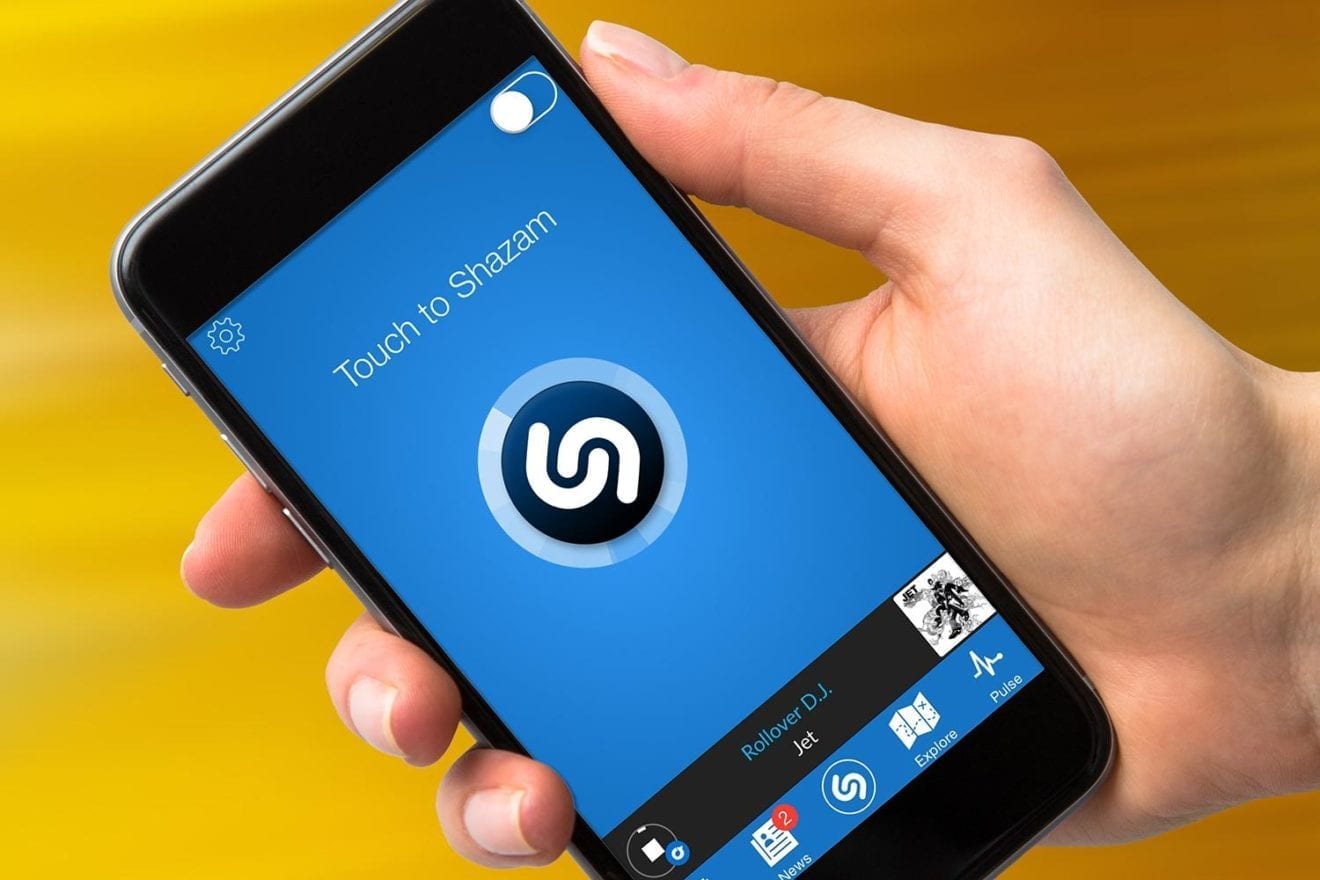
    Music discovery app Shazam has been updated to version 17.11 today for the Apple iPhone and Apple iPad Shazam apps. Thanks to the update, Shazam will now continue to multitask and run even if you’re using another app. In other words, Shazam will continue to work in the background finding information about a song even while you’re running another app. You can even use Shazam to identify a song playing on another app.

    While Shazam is listening in the background, you’ll see the Shazam icon appear in the Dynamic Island and the results will be displayed via Live Activities on the iPhone. Among other improvements, Shazam now will listen longer before it decides that it cannot name a specific tune, and, with the update, Shazam can now identify classical music. The new features are available for iPhones running iOS 15 or later, and iPads running iPadOS 15 or later. The Apple Vision Pro spatial computer uses the iPad version of the app.

    The Shazam app is available for free from the App Store. You might not have realized that the app is owned by Apple which announced a $400 million deal to buy it in December 2017 although the deal did not close for another nine months. At the time it announced the transaction, Apple said that it had “exciting plans in store” for Shazam. For the most part, iPhone users are still waiting.

    To make sure that your Shazam app is toggled on for Live Activities, go to Settings > Shazam (you must have the app installed first!) and toggle on Live Activities. When you get a notification about a song via Shazam’s Live Activities, tap on the notification and you’ll get the full Shazam page for the song which shows you the name of the album the tune is on, allows you to listen to the full song, view videos related to the song, and hear audio of songs that are similar to the one you had Shazam discover.

    Here’s how this works. Let’s say you hear a tune you want to know more about, but you’re also in the middle of reading an important story for work on a news app. You open the Shazam app, tap on the Shazam icon, and return to the app for work. The Dynamic Island will alert you that Shazam is on the job and will notify you via Live Activities when it has come up with the name of the song.

  • Amazon Music takes on Spotify with Maestro, an AI-powered playlist generator

    Amazon Music takes on Spotify with Maestro, an AI-powered playlist generator

    Spotify’s AI DJ raised the bar for music streaming, and now Amazon Music is throwing its hat into the ring with Maestro. This new AI-powered playlist feature is currently rolling out in beta to select Amazon Music users in the US on iOS and Android.

    If you’re part of the rollout, you’ll spot Maestro either on your home screen after updating the app, or by hitting the plus button to create a new playlist. However, where things get interesting is how you create them. Maestro uses natural language, meaning you don’t need technical terms to build your playlists.

    With Maestro, everything starts with a simple prompt telling it what you want to hear. Want a playlist bursting with energy? Type “songs to get me pumped!” or maybe “upbeat summer jams”. Maestro even understands emojis, in case you’re struggling to find the words to describe your mood best.

    However, Amazon is clear: this is a beta feature. Maestro, like any new AI tool, will probably have some hits and misses as it learns what you like. They’ve even built-in safeguards to try to block offensive language or prompts that are just too inappropriate.

    As a brand-new feature, Maestro is currently accessible to a limited number of Amazon Music users across Free, Prime, and Unlimited tiers. If you’re in the beta, you’ll see the option front-and-center in the app. While Unlimited subscribers can instantly listen to and save their generated playlists, Prime and free-tier users get 30-second previews to help them decide if the playlist is a good fit.

    The battle for your ears is getting interesting. Spotify jumped ahead with its AI DJ, but Amazon’s Maestro signals that the competition isn’t far behind. Soon, generating playlists based on moods, vibes, or even bizarrely specific requests might become the standard way we listen to music.

  • Your Spotify subscription may be about to go up in price

    Your Spotify subscription may be about to go up in price

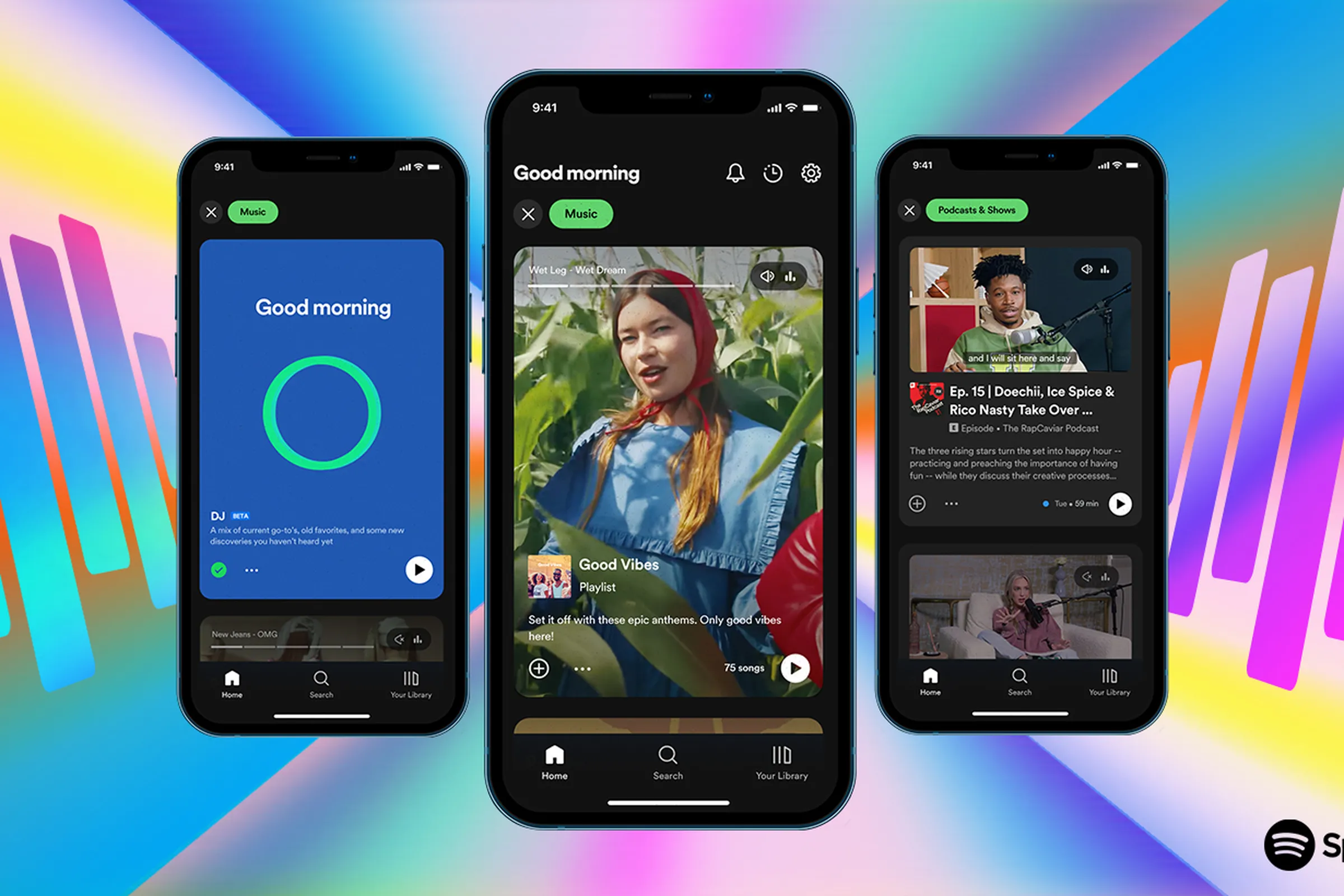
    Spotify, the music streaming giant, is shaking things up with price hikes and a new subscription plan. If you love Spotify but hate ads, get ready to dig a little deeper into those pockets.

    Bloomberg reports that Spotify will raise prices soon. By the end of April, those premium subscriptions in places like the UK, Australia, and Pakistan will go Spotify, the music streaming giant, is shaking things up with price hikes and a new subscription plan. If you love Spotify but hate ads, get ready to dig a little deeper into those pockets.

    Bloomberg reports that Spotify will raise prices soon. By the end of April, those premium subscriptions in places like the UK, Australia, and Pakistan will go up – $1 more for individuals and $2 for couples and families. The U.S. will not be an exception to this, only the price hike will be coming later in the year.

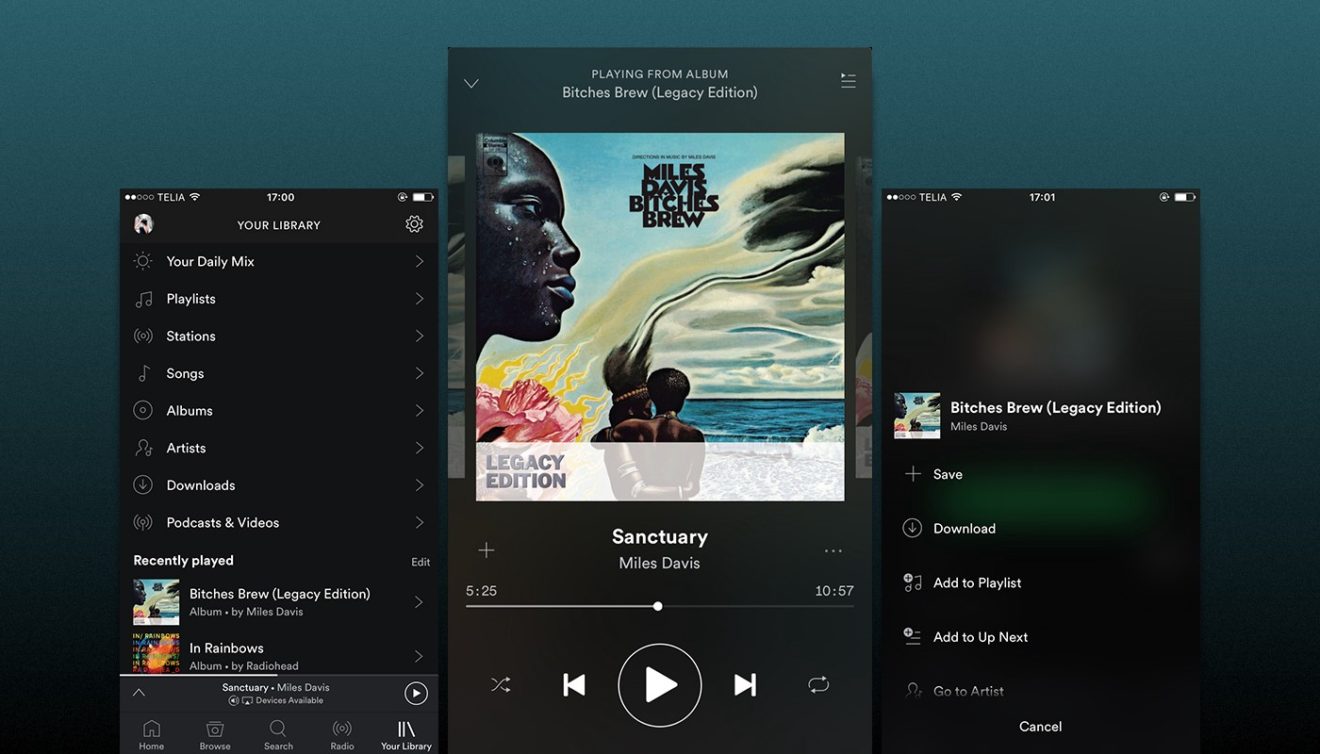
    Here’s where it gets interesting: Spotify is reportedly adding a new $11/month tier – the same price as the current Premium plan. This one gets you ad-free music and podcasts, but audiobooks are off the table. Simply, if you want audiobooks, you’ll have to pay extra.

    This is intriguing considering that Spotify just launched its $9.99 audiobooks plan last month. In addition, it bundled in 15 free hours of audiobook content to the premium plan in the U.S. Spotify has been pretty consistent with prices until last year’s hike. So why are they enacting a price hike now? There are two big reasons I can think of:

    Audiobooks cost money: Adding audiobooks meant making deals with publishers. Spotify needs cash to cover those costs on top of what they already pay for music.
    Record labels want their cut: Spotify hoped audiobooks would lessen their dependence on music deals. But record labels weren’t happy about potentially getting paid less, so they pushed for higher prices to make up for it.

    The question now is whether users will consider having audiobooks a good enough reason to warrant a $1/month price hike, or if they will switch plans to stay at the same price point as before. It’s also hard to say if people will jump ship over this.

    Last year’s hike didn’t scare away users, considering that Spotify actually gained subscriptions afterward. However, only time will tell how this latest round will impact their loyal listeners.up – $1 more for individuals and $2 for couples and families. The U.S. will not be an exception to this, only the price hike will be coming later in the year.

    Here’s where it gets interesting: Spotify is reportedly adding a new $11/month tier – the same price as the current Premium plan. This one gets you ad-free music and podcasts, but audiobooks are off the table. Simply, if you want audiobooks, you’ll have to pay extra.

    This is intriguing considering that Spotify just launched its $9.99 audiobooks plan last month. In addition, it bundled in 15 free hours of audiobook content to the premium plan in the U.S. Spotify has been pretty consistent with prices until last year’s hike. So why are they enacting a price hike now? There are two big reasons I can think of:

    Audiobooks cost money: Adding audiobooks meant making deals with publishers. Spotify needs cash to cover those costs on top of what they already pay for music.
    Record labels want their cut: Spotify hoped audiobooks would lessen their dependence on music deals. But record labels weren’t happy about potentially getting paid less, so they pushed for higher prices to make up for it.

    Your Spotify subscription may be about to go up in price
    Credit: Spotify

    The question now is whether users will consider having audiobooks a good enough reason to warrant a $1/month price hike, or if they will switch plans to stay at the same price point as before. It’s also hard to say if people will jump ship over this.

    Last year’s hike didn’t scare away users, considering that Spotify actually gained subscriptions afterward. However, only time will tell how this latest round will impact their loyal listeners.
  • Spotify launches video course trial in the UK

    Spotify launches video course trial in the UK

    Spotify, the audio streaming giant, is diving into a whole new realm of content – educational video courses. In an announcement today, the company is revealing a launch that begins today for U.K. users, offering a variety of engaging courses to choose from.

    This move signals a shift in Spotify’s approach to content. No longer just about music, podcasts, or audiobooks, the platform is now catering to those seeking personal and professional development. They’ve teamed up with renowned educational tech companies, including BBC Maestro, PLAYvirtuoso, Skillshare, and Thinkific, to offer a curated selection of high-quality video courses.

    Spotify’s initial video course offerings span four key areas:

    1. Make Music: Dive into the world of music production and instrument mastery.
    2. Get Creative: Unleash your artistic potential with courses in photography, design, or writing.
    3. Learn Business: Gain valuable skills for entrepreneurship and career advancement.
    4. Healthy Living: Discover techniques for mindfulness, fitness, and wellness.

    Babar Zafar, VP Product Development at Spotify, spoke of this U.K.-based test as an opportunity to explore how to serve the Spotify community better and give them what they are actively interested in by stating: “Many of our users engage with podcasts and audiobooks on a daily basis for their learning needs, and we believe this highly engaged community will be interested in accessing and purchasing quality content from video course creators.” This recognizes a growing trend: many users already enjoy podcasts and audiobooks for self-improvement, and educational video courses are a natural extension of this.

    Spotify is encouraging its U.K. free and premium subscribers to take advantage of this new feature, as they will be able to try out for free for a couple of lessons before having to make a purchasing decision. These courses will be available on the Home and Browse tabs in the mobile app as well as on the web. However, once registered for a course, it will be available on both mobile and the desktop.

    It is unclear if there are plans to bring this feature to users outside the U.K. if this test proves successful. However, the company does state that should this occur, it could pave the way for a more expansive video-based learning experience directly on the Spotify platform.

  • Spotify to launch new Audiobooks feature in April

    Spotify to launch new Audiobooks feature in April

    After bringing music videos to Premium users in select markets, Spotify announced a brand-new feature coming to Audiobooks in April: Countdown Pages.

    This is the same feature that’s been successful for music releases. It allows Spotify users to “pre-save” audiobooks prior to a book’s release date, while authors and publishers can promote their new titles ahead of launch.

    Once an audiobook is pre-saved, a timer countdown will be visible above it until its launch. When the book is actually released, Spotify will notify users so they know they can start listening to it.

    Thanks to Countdown Pages, Spotify users can search for titles on the streaming service as soon as they’re announced. After next month’s update, a “Pre-save” CTA on pages of the books that haven’t been released yet. Additionally, a “More like this” tab will show users similar released book that they can start listening to straight away.

    Countdown Pages for Spotify will be available in all markets where Audiobooks are available beginning in mid-April.

    Since it was released back in 2023, users have played more than 150,000 unique titles through Spotify’s premium service. With a catalog of over 200,000 titles, Spotify believes that there’s room for improvement when it comes to the number of listeners engaging with audiobooks, especially considering that the streaming service has a user base of over 600 million.

  • TIDAL launches Circles, a safe space dedicated to artists

    TIDAL launches Circles, a safe space dedicated to artists

    TIDAL is trying to turn itself into a comfy home for artists. Circles is the latest new feature introduced by the music service, an artist-to-artist forum that allows artists to discuss their career experiences and connect with their peers on how to navigate the music industry.

    Although it’s not available to everyone, TIDAL announced that it’s giving select artists early access to use Circles, which is available in TIDAL Artist Home.

    According TIDAL, Circles is secure and safe, so if you’re an artist seeking guidance or insight from peers who may have gone through similar career experiences, this might be the right space for you.

    As artists, we have a tendency to feel like we’re on an island, which is why I love having artist friends because hearing about another artist experiencing this niche thing.

    If you’re interested in Circles, you can start using it directly within TIDAL Artist Home where you can also browse discussions on the home feed, as well as dive deeper into key topics using the search feature.

    TIDAL also confirmed that only verified artists on TIDAL Artist Home will be allowed to participate in conversations. Moreover, artists who can access TIDAL Circles have the option to post publicly in forums or anonymously to encourage a safe space for artists.

  • Tidal lowers pricing of its HiFi lossless music subscription to match Spotify

    Tidal lowers pricing of its HiFi lossless music subscription to match Spotify

    While every other video and audio streaming company is either battling it out or raising its subscription costs sans ads, Tidal today made a surprising move: slashing the price of its high-quality lossless audio plan. This bold change positions Tidal as a truly compelling option alongside streaming giants like Spotify and Apple Music.

    Previously, Tidal’s HiFi lossless subscription cost $20 per month—almost double the price of Spotify’s popular $10.99 plan. Now, Tidal is dropping the price to match Spotify’s exact cost. With the HiFi and HiFi Plus tiers gone and combined into one TIDAL tier, the service will now cost you $10.99 USD a month for an individual subscription.

    Families will be transitioned to the new TIDAL Family plan, which will cost $16.99 USD a month. Additionally, Tidal will offer its DJ Extension as an add-on for individual plans, which will cost an additional $9 USD a month and allow users to access, stream, and mix music from the service’s DJ partners.

    But it’s not all great news, particularly for those that were on TIDAL’s free tier, which will no longer exist. As per the company announcement, anyone on the free tier will now need to sign up for a paid plan in order to continue using the service. You gain some. You lose some.

    It is important to note that, while both TIDAL and Spotify now share a price point, their offerings differ. Spotify boasts a huge music catalog and excellent music discovery features. It’s a crowd favorite, especially for casual listeners who love finding new tunes. However, Tidal’s edge lies in its superior lossless audio quality, making it irresistible for serious audiophiles with high-end equipment.

    Until recently, music lovers wanting lossless quality had a clear choice: Tidal or Apple Music. Spotify’s continued delays in rolling out their promised lossless tier have left users frustrated. Tidal’s pricing shift, effective April 10th, puts serious pressure on Spotify to step up.

  • TikTok starts to rub out Universal Music Group content, no new deal has been reached

    TikTok starts to rub out Universal Music Group content, no new deal has been reached

    TikTok starts to remove Universal Music Publishing Group content from the pest-like short video app, as no new licensing agreement with the music label has been reached, the social media firm said.

    TikTok has also started to mute videos on its platform that feature songs written by any songwriter signed on to UMPG (Universal Music Publishing Group), after removing the songs from Universal Music Group (UMG), as the licensing deal expired on January 31.

    The report cites a person familiar with the matter, who says TikTok is likely to remove “all the UMPG content before the end of February”, considering the legality of the matter. TikTok, however, has reached out to UMG and is still open to negotiate a new deal, the source added.

    Back in the end of January 2024, Universal Music Group stated that it couldn’t reach new deal terms with TikTok. The disagreements were mainly about how artists are paid and how TikTok uses AI. Universal Music accused TikTok of trying to push for a deal that was less favorable than before.

    UMG is the parent company of UMPG that represents an expansive roster of artists such as Taylor Swift, Bad Bunny, Sting, The Weeknd, Alicia Keys, Steve Lacy, Drake, Billie Eilish, Kendrick Lamar, Rosalía, Harry Styles, Ariana Grande, Justin Bieber, Adele, U2, Elton John, Brandi Carlile, Coldplay, Pearl Jam, and Bob Dylan. Although I can’t recall any TikTok videos with Bob Dylan…

    The music label had reached a deal with TikTok in February 2021, which allowed users on the video app to add clips from UMG’s catalog to their videos.

    UMG, the world’s largest music company, had said TikTok accounts for only about 1% of its total revenue.
    TikTok said UMG and UMPG catalog represents around 20% to 30% of popular songs, that vary depending on the region

  • Apple Podcast bug means no new episodes for some titles although there is a simple workaround

    Apple Podcast bug means no new episodes for some titles although there is a simple workaround

    Remember Apple’s television ads for the iPhone 3G? The ad would tell you, regardless of any problem you need a solution for, “There’s an app for that.” When you think about it, for any subject matter that you have an interest in, there’s a podcast for that. And if you are an iPhone user, you probably use the Apple Podcasts app. But until recently, the app had a serious problem that was preventing users from listening to the latest episodes of certain Podcasts stored in the user’s library.

    The bug prevents the latest episodes for affected podcasts from showing up as these episodes will not automatically be downloaded. This means that these podcasts won’t appear in the Up Next queue. If the user knows that a new episode for a podcast he/she follows has dropped, the episode can be discovered by looking for the new episode in the app’s search tab. But many podcast app users rely on getting alerted by the app whenever a new episode is ready and thanks to the bug, this is not happening.

    It’s unknown exactly how many podcasts are affected by the bug but complaints on social media seem to indicate that the problem is widespread. And there is the aforementioned workaround. Open the Apple Podcasts app and after tapping the Search tab on the bottom right of the screen type in the name of the podcast you want to hear the latest episode of and tap the blue “search” bar next to the space bar on the virtual QWERTY keyboard. Press the Episodes filter above the search results (which is also below the search bar) and the latest episode will be on the top of the list. Just press the play button on the right of the listing to hear it.

    You might not have to do this much longer because some users say that they are now getting new episodes automatically sent to their Apple Podcasts app. If so, that’s good news. If not, try the workaround until your Podcast app is working perfectly again. By the way, if you don’t have the app on your iPhone, click on this link to download it from the App Store.

  • The delayed collaborative Apple Music playlist surfaces in iOS 17.3 beta 1

    The delayed collaborative Apple Music playlist surfaces in iOS 17.3 beta 1

    Worried about abuse and spam, Apple removed the collaborative Apple Music playlist feature from iOS 17.2. With the collaborative playlist, friends and family members can make changes to your playlist including the addition/deletion of songs, and the reordering of the list. In “Now Playing,” the same friends and family members can react to a particular song using an emoji. Apple reportedly pushed back the release of the feature to an unknown date next year.

    The collaborative Apple Music playlist still might not be available to all iPhone users with an eligible device until 2024 when the final version of iOS 17.3 is released. But for those who install iOS 17.3 beta 1, the feature is available now. Whether Apple keeps the collaborative Apple Music playlist on the final version of the update is unknown. Heck, Apple could even decide to remove it from iOS 17.3 beta 2.

    By default, only the person who created the playlist, which is the device owner, will be able to add songs to the playlist. However, the feature will allow the device owner to make a change in settings that will allow others to decide what the tunes on the playlist should be and in which order they should play. And if someone out there is sick of a particular tune on the playlist, it can be removed.

    Still, if you’d like to check it out while you can now, you can join the Apple Beta Program by going to beta.apple.com, or by clicking on this link. Sign up for the Beta program and once you do, go to Settings > General > Software Update and you’ll see a line on top of the screen for Beta Updates. Tap on that line and press on iOS 17 public beta to receive the update.

    Keep in mind that beta releases are not stable and if a feature you need every day is affected, you might have to erase the beta which will wipe your phone. If you have a backup saved, you can get your data back by installing the backup. Frankly, if having the collaborative Apple Music playlist is not important to you, you might as well wait to see if it survives to the final version of iOS 17.3 which will probably be sometime next month.