Retail News CRM

Tag: Muslim

  • FamilyMart Malaysia to open 300 halal-certified stores

    FamilyMart Malaysia to open 300 halal-certified stores

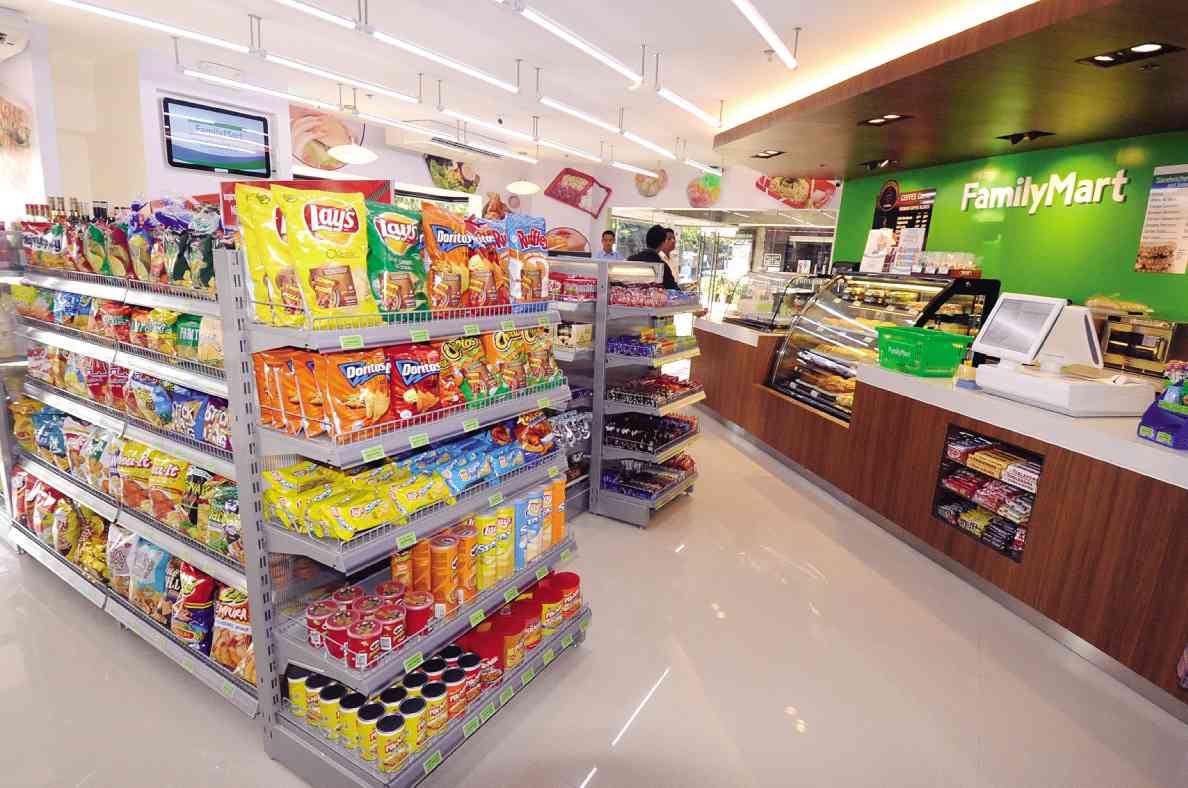
    In a statement shared today (May 10) by FamilyMart Malaysia, the convenience store chain announced that its FamiCafé in Menara U, Shah Alam, has obtained halal certification from Jabatan Kemajuan Islam Malaysia (JAKIM).

    This makes it the first convenience store café in Malaysia to receive this certification. Based on a check on the Halal Malaysia Official Portal, other convenience store cafés such as 7 Café and emart24, are not halal-certified by JAKIM.

    According to the statement, the halal certification aligns with FamilyMart Malaysia’s ongoing effort to ensure that its customers have total peace of mind while shopping and dining at its premises.

    It also added that other FamilyMart Malaysia stores will undergo halal audits in stages as guided by JAKIM, and that the process has already begun at two other stores.

    Subsequently, as a result of the certification, it stated that all new FamiCafés will automatically adopt the layout guided by JAKIM while existing ones will be converted to incorporate the changes required.

    The company aims to have the FamiCafés in 300 stores halal-certified by 2025 with the halal-certified concept serving café beverages and ready-to-eat food prepared in-store.

    There are currently 16 FamiCafés in Malaysia, with an overall target of 50 planned by the end of 2023.

    “We are very excited to be the first convenience store café in Malaysia to be halal-certified as part of our continuous improvement to enhance customer experience and provide value to them.”

    “Our journey to obtain halal certification in our stores is the next step in providing greater assurance and confidence for customers to shop and dine with us,” it shared.

    FamilyMart Malaysia’s central kitchen, operated by QL Kitchen, has been certified halal by JAKIM since 2019. As of April 30, 2023, 172 FamilyMart branded food products have been registered halal on JAKIM’s official halal portal.

    Meanwhile, in alignment with the announcement, FamilyMart Malaysia has also shared that it has stopped the sale of alcohol from all stores to provide an added assurance for all Muslim customers.

    In addition to the halal certification, FamilyMart stated that the team is expanding to the east coast of Peninsular Malaysia and that the company is currently securing identified locations to meet the demands of its fans in the region.

    It plans to open 20 stores by the end of 2023 and expansion is already underway in various parts of Kuantan, Pahang.
  • Hong Kong designers showcased at Arab Fashion Week

    Hong Kong designers showcased at Arab Fashion Week

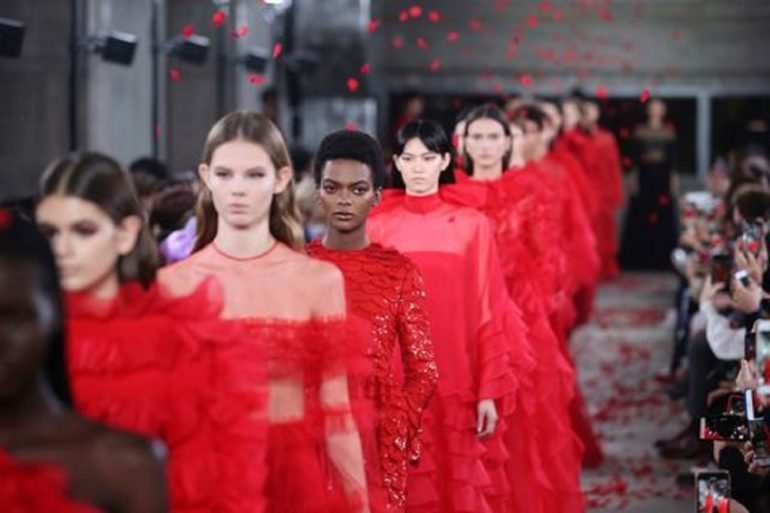
    Fashion Farm Foundation present international program at Dubai. Fashion Farm Foundation has showcased Hong Kong designers in international fashion program HKFG Dubai AW19 during Arab Fashion Week.

    Two Hong Kong local brands, Car|2ie and YLYstudio, presented their latest collections to showcase their works to the fashion media, buyer, insider and fashionistas. A cocktail reception was also arranged to feature eight Hong Kong local brands, introducing their designs to the invited guests.

    While the theme of the Car|2ie AW19 collection “The Proud Rose” is inspired by the Hong Kong movie “Lost Romance” and the main character Rose’s curiosity about love, the YLYstudio collection “Project” attempts a timeless and classic design without the frame of time.

    Famous Arab actor Ali Alketbi, Italian influencer Marco Parrino and singer Ghazal Sadat showed up at the event to show support for Hong Kong’s fashion design.

  • Ramadan an opportunity for E-Commerce Retailers

    Ramadan an opportunity for E-Commerce Retailers

    Online sales in Malaysia and Indonesia are set to boom in the lead up to – and during – Ramadan, according to an analysis by advertising platform Criteo. Based on data from last year’s festival – which ran from May 15 to June 14, consumer activity typically slowed at the start and end of the period.

    However, while this could be a result of consumers focusing more on the actual festivities during those times, online retail sales surged 10 days into Ramadan and lasted through the two weeks before Eid al-Fitr on 15 June.

    A 57 per cent uplift in online retail sales was observed on June 4, Criteo revealed.

    By comparison, shoppers in the Middle East typically shop early into the season and slow down closer to Eid al-Fitr to focus on celebrations. Online retail sales surged early, reaching a 106 per cent uplift on May 26. The shopping behaviour during Ramadan in Turkey mirrored that in Malaysia and Indonesia, with online retail sales reaching a peak at 50 per cent uplift a week before Eid al-Fitr.

    “Ramadan represents a notable cultural shift in consumer behaviour, with the Middle East and Southeast Asia being key regions,” said Criteo SEA-Pacific MD said Alban Villani. “Moreover, the global Islamic economy is also growing year-on-year, estimated to reach US$3 trillion by 2023.

    “Given the growth potential of the halal industry, retailers should leverage Ramadan to engage Muslim shoppers,” continued Villani. “They should start reaching out to shoppers early with the relevant messaging two weeks earlier, especially when shoppers are thinking of buying gifts for family and friends. As some shoppers might purchase later into the festive season, retailers should continue engaging them with special offers and personalised content throughout Ramadan to optimise their campaign efforts. By doing so, it is easier for retailers to stay top-of-mind when shoppers are ready to buy gifts to share the festive joy.”

  • Engagement opportunities with Muslim consumers in Southeast Asia

    Engagement opportunities with Muslim consumers in Southeast Asia

    According to the “State of the Global Islamic Economy Report” by DinarStandard, Muslim consumers spent an estimated US$243 billion on apparel in 2015.

    Modest fashion purchases by Muslim women, estimated at US$44 billion that year, accounted for 18 percent of that total. Muslim consumer spending on apparel is expected to reach US$368 billion by 2021 – a 51 percent increase from 2015.

    The rise of modest fashion

    What is modest fashion? It generally refers to looking stylish while remaining relatively covered. Most importantly, the modest fashion movement is more mainstream and multi-brand than ever before. It is not reserved just for those who follow religious customs when it comes to apparel.

    Modest fashion is gaining momentum, driven by eCommerce and social media. Mass market retailers and designers are taking notice of the market potential and joining the modest mix. Prominent eCommerce players like Zalora and Lazada are already offering more than 3,077 and 13,310 pieces of modest fashion respectively. Brands like Nike, Zara and Mango have also introduced special collections for the Ramadan season.

    The Asia-Pacific region is home to 63 percent of the world’s Muslim population, or nearly one billion people. It is therefore no surprise that we see retail spikes during Ramadan, especially in Indonesia, Malaysia and Singapore.

    Based on an analysis of more than 8 million transactions across Southeast Asia, Criteo observed a 67 percent increase in retail eCommerce sales during this period in 2016. This trend is expected to continue during this year’s fasting month, which commenced on 26 May 2017 and will be followed by Eid al-Fitr from 25 to 27 June 2017.

    The Eid festival is the biggest holiday in Indonesia and amongst the most widely celebrated in Singapore and Malaysia. During this period, families customarily visit the homes of their relatives and friends, and households would be decorated lavishly and stocked with an abundance of food and snacks to welcome their guests. Naturally, they would also have bought new clothes to mark the beginning of the festivities.

    Overall, this represents a great opportunity for retailers, if they take note of the following seasonal shopping trends.

    Engaging consumers at the right time

    The third week of Ramadan represent the biggest opportunity for retailers to engage consumers when they are actively browsing and purchasing items for upcoming celebrations. During this period in 2016, there was a 67 percent uplift in online retail sales, especially on mobile devices. To reach mobile shoppers, apart from promoting their offers on mobile just before the start of Ramadan, eCommerce players must also intensify their digital marketing efforts towards the season’s end.

    One of the hallmarks of Ramadan is dawn-to-dusk fasting, which ends once the sun goes down. That means that throughout the 30-day period, daytime quiet gives way to night time buzz when people can eat and drink, giving retailers more opportunities for incremental sales increases at night.

    In Southeast Asia, nearly a third (29 percent) of retail sales happens between 9pm and 5am during the Ramadan period – a 21 percent increase as compared to the pre-Ramadan period. This means that eCommerce players should optimise marketing efforts for the time of day (or night) when Muslim consumers are most likely to shop online.

    Engaging consumers on the right device

    In Southeast Asia, 46 percent of Ramadan retail buyers use multiple devices prior to purchase, while one in four shoppers switched devices at least three times during their purchasing journey. No matter where your shoppers are, one thing is clear – they are browsing and toggling between mobile devices, desktops and various applications before making the actual purchase. During this season, eCommerce players must ensure that their digital storefronts are optimised for differing consumer paths to purchase.

    The success of eCommerce businesses in Southeast Asia will depend on their ability to enable or encourage users to complete purchases on their web, mobile web or app storefronts. To do so, these businesses can turn to machine learning based performance marketing technology that automatically understands customers’ shopping behaviour across devices, browsers and apps, and delivers personalised and compelling advertising content based an individual’s online habits and preferences.

    Modesty is both a fashion choice and a lifestyle. Today’s modest fashion buyers select pieces based on style and takes inspiration from many sources – they are no longer just relying on larger mainstream brands, but also turning to smaller players with niche interests and products. Social media platforms also allow individuals who dress modestly to share styles, experiences and views.

    Whether it is festive season or beyond, Muslim and modest fashion is still a relatively untapped market, but with massive growth potential. There is therefore no better time than now for eCommerce players to respond to and maximise the opportunities presented by this unique market, by leveraging mobile and cross-device strategies and technology.

  • The Ramadan Productivity Drop And How To Overcome It

    The Ramadan Productivity Drop And How To Overcome It

    The holy fasting month of Ramadan is a special time in Indonesia, with nightly celebrations and long days of devout reflection for Muslims and discrete respect from non-Muslim expats and locals. Although for bosses and managers, the month can be a time of frustration with productivity seemingly grinding to a halt.

    “The productivity of workers declines in the holy month by 35 to 50 percent as a result of shorter working hours and the change in behaviour during this month,” Samer Sunnuqrot, an economist based in the Jordanian capital Amman told.

    Unlike Muslims practicing in Muslim-minority countries, like the United Kingdom or Australia, the specific needs of fasting can be taken into account by business and government in Muslim-majority countries like Indonesia or Jordan.

    “Decisions and meetings will be postponed until the period of Ramadan is over, especially in governmental institutions. This causes lower productivity and performance and might incur losses for business people because of the postponing of decisions and processing of government transactions,” Sunnuqrot said.

    While productivity dips during the fasting month, Sunnuqrot notes consumption tends to rise.

    “The positive side of Ramadan for business people is a higher demand for goods and services and higher consumption.

    “That often means higher prices, which translates into higher profit margins for merchants, retail stores, restaurants and cafes – especially those which arrange amusement programmes for after iftar (the breaking of the fast),” he said.

    Rumy Hasan, a lecturer at the University of Sussex, investigated the economic impact of lost productivity during Ramadan. His research found Ramadan creates a loss of 42 working hours per fasting participant each year, representing an overall 2.5 percent reduction in output annually.

    “Productivity declines not only from the physical strain of fasting but from the disruption to the flow and organization of work. It is reasonable to assume that a decline in productivity would further reduce economic output by at least 3 percent each year, which represents a significant annual recessionary impact of Ramadan,” he said.

    This decline is due largely to the physical effects of fasting.

    “Occupational health researchers have highlighted various adverse health consequences from severe dehydration, including headaches, dizziness and nausea,” Hasan found.

    For Muslim-minority countries this loss can be absorbed by the non-fasting majority of the labour force, but in Indonesia, where almost 88 percent of the population identifies as Muslim, this represents a massive issue.

    But all hope is not lost for managers and bosses hoping to boost productivity in the office until the Idul Fitri long weekend. While fasting, early mornings and late nights leave workers lethargic and struggling to focus so making the workplace flexible can help overcome some productivity issues.

    Beginning work earlier for an earlier finish will ensure workers maximize their energy from the pre-dawn morning meal, or suhoor, while also helping employees make it home in time to break the fast, or iftar, while dodging crippling traffic.

    Business consultant Mohammed Faris suggest non-Muslim managers and bosses take part in their own three-day fasting challenge in an effort to demonstrate both solidarity and to better understand the experiences of fasting colleagues.

    “If you want to engage with your staff on the challenges of fasting in Ramadan and work productivity, the best way is to actually talk about it and empathize with them. Start a conversation by asking your fasting employees how they consider work would be affected in Ramadan and what could be done about it,” he told.

    United Kingdom news portal Metro recommends tailoring traditional productivity tips for the month, such as goal setting and creating daily lists of tasks. This ensures Ramadan is treated as the special time that it is, while also maintaining good work habits.

    Additionally, while it may be tempting to gorge on the traditional treats and meals of the season, keeping healthy during the working week at least will go a long way to maintaining functionality. Lots of fresh fruit and proteins during the morning meals will help keep any participant in great health for a long, productive day ahead. Likewise, avoiding overly sugary and fried snacks in the evening and staying hydrated will keep the body healthy.

  • AirAsia partners hijab brand to create exclusive headscarf for female pilots

    AirAsia partners hijab brand to create exclusive headscarf for female pilots

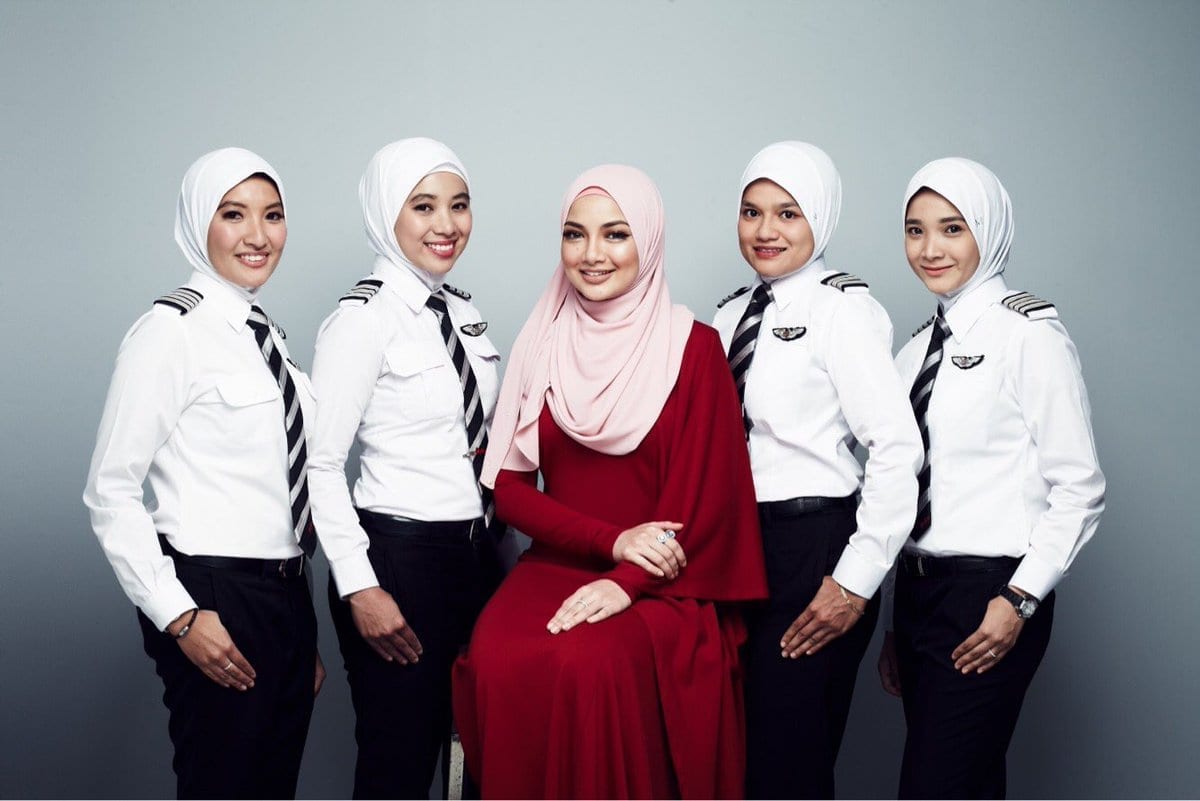
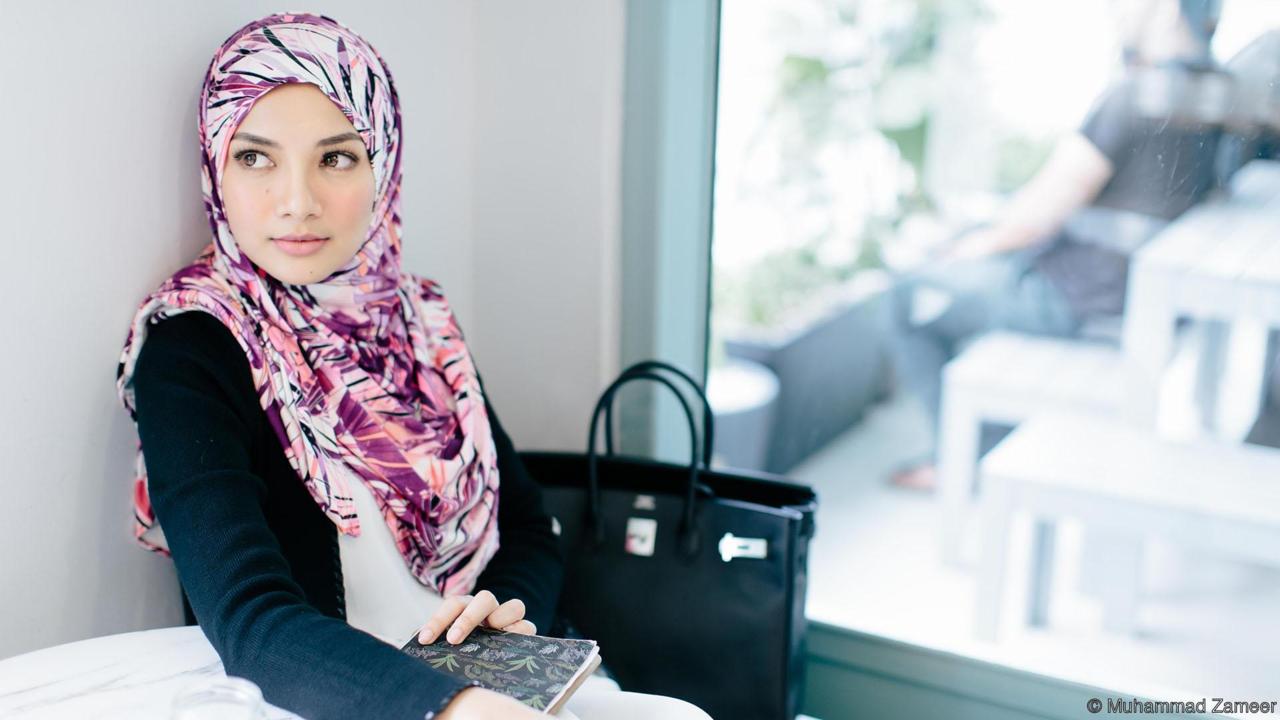
    AirAsia has partnered with Naelofar Hijab to unveil an exclusively designed hijab for the airline’s female pilots.

    Starting from June 2017, Muslim female pilots from AirAsia and AirAsia X will don the white Naelofar Hijab that is specifically tailored to meet their workday needs.

    Rudy Khaw, regional head of branding for AirAsia, said this is the first time ever for the airline to collaborate with a designer in producing hijab wear for its female pilots, “We are happy to work with Naelofar Hijab to create a piece that complements our female pilots’ look while providing enhanced comfort as they perform their duty.”

    “We are currently looking into revamping hijab designs for our ground staff as well,” Khaw added.

    AirAsia female pilots were involved throughout the design process where they worked closely with Naelofar Hijab designers. The prototypes had undergone multiple wear testing by members of the airline’s pilots as well.

    “Being given the opportunity to redesign the female hijab was very exciting and it gave us the opportunity to create a special piece that is comfortable, functional and stylish,” Neelofa, founder of Naelofar Hijab added.

    Using fabric materials with enhancement properties, AirAsia said, the new hijab allows great stretch and recovery for easy movement along with adornment of the signature Naelofar Hijab symbol in Swarovski crystals for a finishing touch.

  • Muslim Indonesia Joins Global Craft Beer Revolution

    Muslim Indonesia Joins Global Craft Beer Revolution

    Defying an escalating anti-alcohol movement and conservative bureaucrats in the world’s most populous Muslim-majority country, Indonesia’s only craft brewer is tapping into demand for better quality booze among the country’s small number of drinkers.

    Despite the fact about 90% of Indonesia’s population is Muslim, and in theory banned from drinking, most practise a moderate form of Islam and alcohol is available in cities and holiday destinations, with local brewers producing mostly Pilsner lagers.

    Unimpressed by the generic, mass-produced drinks on offer, local businessman Bona Budhisurya and his brother-in-law Jacob Suryanata decided to come up with an alternative, and in 2011 introduced Stark craft beer with a wheat and dark wheat variety.

    “We had been abroad and drank a lot of good quality beer,” said Budhisurya, a member of Indonesia’s Christian and ethnic Chinese minorities, adding that on his return to Indonesia he found that “there was no quality beer here”.

    By producing such brews – generally defined as beverages created in small, independent breweries – they have made Indonesia an unlikely new addition to the global craft beer revolution.

    The trend has seen micro-breweries spring up worldwide as consumers sick of flat, flavourless ales and gassy lagers seek out something with more character. Major beer-consuming countries – such as Britain and the United States – have seen explosive growth in the sector.

    Since its launch, Stark has expanded to include six varieties, including lychee- and mango-flavoured beers and an Indonesian Pale Ale, a less bitter alternative to Indian Pale Ale. But setting up a brewery is a risky move nowadays in Indonesia.

    Although most Indonesians are moderate Muslims and alcohol has long been available, growing opposition from politicians pushing a more conservative brand of Islam has created an uncertain climate.

    The government banned beer sales in the country’s ubiquitous minimarts in 2015, leading to sharp profit falls for major brewers, and Muslim political parties have proposed legislation to prohibit booze consumption entirely, although it seems unlikely this will pass.

    Trouble brewing

    It is hard to get permission to brew alcohol and only a handful of companies – such as Multi Bintang which produces popular local lager Bintang, and is majority-controlled by Dutch brewer Heineken – possess licences that they have had for decades.

    Budhisurya – who studied in the US for several years – eventually managed to obtain a licence in Hindu-majority Bali, a popular holiday island where drinking is more common, and Stark set up its brewery near the town of Singaraja.

    The site has a staff of about 50, including a head brewer hired from Australian beer maker Little Creatures. The company says brewing in Bali gives them an edge as they have easy access to clean water, unlike some other brewers whose operations are near Jakarta where water is often polluted and must undergo a long filtering process.

    “We have a principle – if the water is not good, we can’t make the beer,” told Albert Kurniawan, operations manager at Stark’s brewery,  from the red-brick building.

    Budhisurya said that the biggest challenge has been dealing with the official Food and Drug Monitoring Agency, which must approve alcoholic beverages before their release. He said the official time to get approval from the agency, which is staffed by conservative bureaucrats, is about four months, but in reality it takes six months to a year.

    Still, Stark has persevered and carved out a small niche by mainly selling to bars and some supermarkets favoured by a growing number of Indonesian consumers. Stark says its beers offer a quality alternative to pricey imported ales. It is so far proving a modest success, with about 3,000 to 5,000, 24-bottle cases sold every month, mostly in Jakarta and Bali.

    Due to religious considerations and high taxes that push up prices, relatively few Indonesians drink – alcohol consumption in 2015 was an average of just 1.4 litres per person, according to BMI Research. But the market is still potentially huge in a country of 255 million people, and Stark sees a bright future.

    “It does not matter whether it is local or imported – we are a craft beer, which means quality,” Budhisurya said.

  • Indonesian Muslim fashion brand penetrates British market

    Indonesian Muslim fashion brand penetrates British market

    Indonesian Muslim fashion brand Elzatta Dauky by Elhijab successfully penetrated the UK market at the Muslim Lifestyle Expo in Manchester city over the weekend.

    “Elzatta Dauky is participating in this exhibition for the second time, having appeared previously at the Indonesian Weekend,” the companys Head of Brand Strategy Ina Binandari said here on Tuesday. In addition to exhibiting Muslim fashion products, Elzatta Dauky also showcased 10 designs at a fashion show themed “Gloomessence.”

    The Muslim Lifestyle Expo, one of the biggest Muslim-focused fairs in the world, saw participation from over a hundred exhibitors from various countries, including the United States, Turkey, Germany, Russia, Austria and Malaysia.

    Elzatta Dauky was the only Indonesian participant.

    The organizers said more than 10,000 people from across the city had visited the exhibition.

    Speaking of the brands future plans, Binandari explained that Elzatta Dauky by Elhijab was gearing up to launch an online store in the United Kingdom.

    “Hopefully, with the online store, we will be able to meet the fashion demands of the Muslim community here,” Binandari stated.

    Reports from Thomson Reuters suggested Muslim consumer spending on food, lifestyle products, and services will reach an estimated 1.9 billion pounds sterling in 2020, up from the 1.3 billion pounds sterling seen in 2014.

    Data from the Office for National Statistics, released in late January 2016, show that the number of Muslims in the United Kingdom has, for the first time, exceeded three million, amounting to 3,114,992 people in 2014, equivalent to 5.4 percent of the total population of the country.

  • Indonesia ranked 2nd in top destinations for Muslims

    Indonesia ranked 2nd in top destinations for Muslims

    Indonesia has been ranked second in the list of “Top 20 Destinations for Muslim Travelers in Ramadan 2016,” in the Mastercard-Crescent Rating Ramadan Travel Report.

    The deputy for overseas tourism marketing of the Ministry of Tourism, I Gde Pitana on Monday hailed the achievement which showed that Indonesia has become a more favorite destination for Muslim travelers.

    In the survey carried out by CrescentRating, Malaysia was ranked first.

    The survey was carried out to know the 20 favorite destinations for travelers during the 2016 Ramadhan holiday.

    The ten top destinations for Muslim travelers, according to the survey, are Malaysia, Indonesia, Singapore, Turkey, Brunei Darussalam, South Africa, Maldives, United Arab Emirates, Iran and Oman.

    Pitana said in the past few years, a number of countries have focused on Muslim majority markets and have thus become his offices focus of attention with regard to tapping their potential to boost foreign visitors to Indonesia.

    With the recognition, he said, it is hoped Indonesia will be better known among Muslim travelers across the world.

    “This is a potential segment that, we hope, will contribute much to achieving the target of foreign tourist arrivals this year,” he said.

  • Indonesia’s Muslim cyber warriors take on IS

    Indonesia’s Muslim cyber warriors take on IS

    A group of Indonesian “cyber warriors” sit glued to screens, as they send out messages promoting a moderate form of Islam in the world’s most populous Muslim-majority country.

    Armed with laptops and smartphones, some 500 members of the Nahdlatul Ulama (NU) – one of the world’s biggest Muslim organisations – are seeking to counter the Islamic State group’s extremist messages.

    “We’ll never let Islam be hijacked by fools who embrace hate in their heart,” tweeted Syafi’ Ali, a prominent member of the NU’s online army, a typical message to his tens of thousands of followers.

    They are trying to hit back at IS’s sophisticated Internet operations, which have been credited with attracting huge numbers from around the world to their cause.

    Internet propaganda is believed to have played a key role in drawing some 500 Indonesians to the Middle East to join IS, particularly among those living in cities where it is easier to get online.

    The dangers of the growing IS influence in Indonesia were starkly illustrated in January when militants linked to the jihadists launched a gun and suicide bombing attack in Jakarta, leaving four assailants and four civilians dead.

    It was the first major attack in Indonesia for seven years, following a string of Islamic militant bombings in the early 2000s that killed hundreds.

    As well as firing off tweets, the NU members have sought to dominate cyberspace by establishing websites promoting the group’s moderate views, an Android app and web-based TV channels, whose broadcasts include sermons by moderate preachers.

    The initiative has been building momentum for a while but started to pick up pace a few months ago. A handful of cyber warriors operate from a small office in Jakarta, while the rest work remotely, and the group mostly communicate with one another over the web.

    But it will be an uphill battle and the NU, which has been promoting moderate Islam for decades, conceded they have previously struggled to take on IS’s hate-filled messages.

    “NU has for a while wrestled with this radical propaganda,” said Yahya Cholil Staquf, secretary general of the NU, which claims at least 40 million followers.

    “Every time we defeated them, it didn’t take long for them to regain their strength.”

    The online drive comes as the NU is set to take its campaign to promote their tolerant form of Islam onto the international stage this week, with a two-day meeting from tomorrow of moderate religious leaders from around the world.

    They aim to showcase their particular brand of the Muslim faith, known as “Islam Nusantara”, to counter the IS jihadists’ radical interpretation of Islam.

    Meaning “Islam of the Archipelago” – Indonesia is the world’s biggest archipelago, comprising over 17,000 islands – it is accepting of diversity and stresses non-violence.

  • Indonesia’s Muslim women hail female-only motorbike taxis

    Indonesia’s Muslim women hail female-only motorbike taxis

    Female motorbike taxi drivers in headscarves zig-zag through heavy traffic in the Indonesian capital Jakarta, the latest two-wheeled transport service for women making a dent in the male-dominated world of ride-hailing apps in the Muslim nation.

    A flurry of new motorbike taxi options have in the past year appeared in the metropolis of 10 million, led by popular service Go-Jek, giving Indonesia’s growing middle class a greater choice of transport to get through some of the world’s worst traffic jams.

    The services — many inspired by ride-sharing app Uber and accessible on smartphones — are a challenge to traditional motorbike taxis in Indonesia, known as “ojeks”, which are ubiquitous but have drawn criticism with their dishevelled, dangerous drivers and unpredictable pricing.

    Several services with women drivers entered the market in 2015 after years of growing piety in Indonesia, which has the world’s biggest Muslim population, and amid heightened safety concerns following reports of attacks on women by male motorbike taxi drivers.

    Popularly known by its nickname “Ojesy”, it is the service that aims most clearly at devout female passengers, requiring its drivers to be Muslim women wearing headscarves and loose-fitting clothes.

    Ojesy drivers can currently only be hailed by a phone call or through mobile messaging service WhatsApp, but the service is also developing an app that was being tested out this month.

    The service, which began in Indonesia’s second-biggest city Surabaya in March before expanding across the main island of Java, only accepts female passengers or children.

    Calls have been growing for heightened security after reports of women being stalked and harassed by male motorbike taxi drivers, while the rape of a young woman in India by an Uber driver last year also added to safety concerns about ride-hailing services.

  • Uniqlo ‘modest wear range’ targets Muslims

    Uniqlo ‘modest wear range’ targets Muslims

    A new Uniqlo modest wear range designed in partnership with UK designer and blogger Hana Tajima has gone on sale in Malaysia and Singapore.

    The Uniqlo X Hana Tajima Collection is launched today, July 3, at Uniqlo’s 313@Somerset store on Singapore’s Orchard Rd, and online at www.uniqlo.com/sg.

    A promotional campaign is fronted by Malaysian singer Yuna and the range is expected to be launched in Asian markets with large Muslim populations, such as Malaysia and Indonesia.

    Uniqlo says in line with its ‘LifeWear concept’, the collection is designed to meet the needs of women who value comfortable and relaxed wear. This inaugural collection takes inspiration from an international approach in appreciation of diverse culture and style.

    “Although Uniqlo X Hana Tajima caters to ladies who embrace modest fashion, this collection has been carefully designed to suit contemporary tastes and is versatile to complement a fashionista’s wardrobe easily,” the company said in a statement.

    The collection features pants (SG$49.90), skirts ($49.90), rayon blouses ($49.90) and long dresses ($49.90-$59.90) with a comfortable, relaxed fit which Uniqlo says makes them appropriate for an office and perfect as casual outfits.

    “Our conservative customers will certainly delight at the variety of stylish hijab headscarves ($24.90-$29.90), as well as inner AIRism hijab headscarves ($4.90) and headbands ($14.90). AIRism is a Uniqlo patented material that is thin, light and absorbs moisture for extraordinary comfort especially in tropical climates.

    Taku Morikawa, CEO of Uniqlo Singapore, said the Hana Tajima collection illustrates Uniqlo’s ambition of making fashionable, high quality products for all to wear, while enhancing their lifestyle at the same time.

    “We worked with Hana to determine what would be internationally appealing while keeping to the concept of modest wear. We are thrilled with the results of this unique collaboration which produced a desirable collection that does not sacrifice style for utmost comfort.”

    Hana Tajima, who oversaw the design of every piece in this collection, said: “We want to create a collection that not only appeals to modern ladies who prefer to dress modestly, but also an international audience who desire clothes that fit comfortably and look contemporary. My collection is specially designed to allow effortless mix and match for the today’s women to express their own style.”