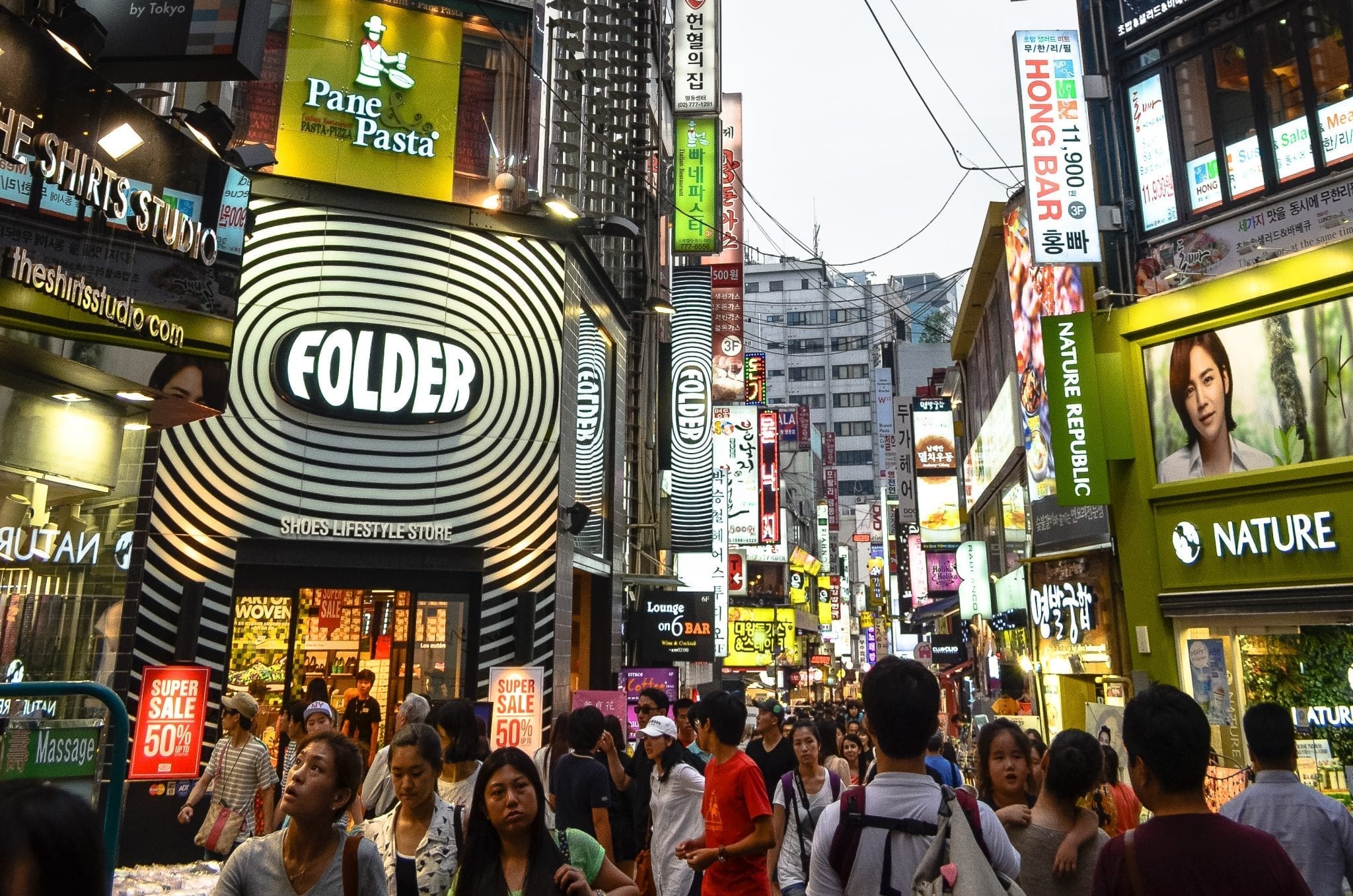
In the backstreets of Seoul, hipster culture is flourishing, and specialist cafés and eateries are jostling with big brand names to gain exposure in so-called “hot” neighborhoods. And as the crowds grow, so too do the retail rents.
Just 10 years ago, Seoul wouldn’t have been the first city that came to mind as hip. As its economy picked up, a new class of Korean consumer has emerged and many are well travelled, knowledgeable and have discerning tastes, reports JLL Retail Views.
Nick Kim, head of retail advisory & marketing in JLL’s Seoul offices, attributes the popularity of backstreet food and beverage (F&B) outlets to the fact that locals are always looking for “new, trendy, different places”.
“They enjoy the blending of Korean and international cultures,” he says, and find cultural innovation on the backstreets, where prices are cheaper and the atmosphere is more casual.
The rapid rise of artisan eateries and stylish bakeries in these alleyways was aided by the gentrification of districts such as Hongdae and Itaewon – formally avoided because of their association with crimes and drunkenness. F&B entrepreneurs typically set up shop on the back streets for good reason: real estate is far cheaper in the alleys than on the main roads.
The pull of South Korean cool
Thanks to promotional efforts by the government and the huge international success of South Korean pop music and television shows, the country’s cultural exports have gone beyond Kimchi and Psy’s global hit Gangham Style.
According to Food Industry Asia, ‘Seoul Food’ is enjoying an international renaissance. Korean food tops the list of foods purchased at foreign specialty stores in China, is the most prominent emerging style of restaurant and cuisine in Singapore and is among the most popular cuisines for Australian consumers in 2014. his proliferation of modern Korean culture has led to a surge in the number of visitors to South Korea, from the region, notably from mainland China.
As retail sales growth averaged about 2 per cent in recent years, a rising number of local fashion brands and F&B outlets have contributed to the steady rise of retail rents in Seoul’s prime submarkets.
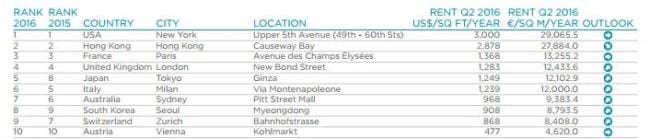
One example is Garosugil, one of Gangnam district’s most renowned enclaves, where rents have almost doubled over the past five years. The high street shops in Myeong-dong, the city’s prime shopping district, command the highest rents in South Korea at $6,244 per square meter per annum. Myeong-dong ranked third in Asia Pacific’s high street rents in the second quarter of this year, behind Hong Kong’s Russell St and Tokyo’s Ginza.
However, when a backstreet turns into a main street, often following the entry of big brand names or retail chains, some diners move on. This sometimes leads to the creation of other alleyways, which is what happened in Garosugil, once known for its unique eateries. After big names such as H&M and Starbucks moved onto the street, newer, authentic outlets started to spread along many vertical roads nearby, says Kim. This has given Serosugil, a series of small alleyways near Garosugil, a new lease of life.
In recent years, Seoul’s food culture has not only spilled over from its backstreets to Asia’s retail malls but has also hit the streets of London and New York. Following in the footsteps of K-pop, K-beauty and K-movies, K-food is increasingly gaining prominence in Western markets.
There are already signs of a growing trend towards Korean fusion restaurants such as the American-Italian-Korean cuisine offered at Piora in New York City’s West Village and Jin Jiu in London. Key to the success of K-food culture overseas is the strong advocacy by the country’s Ministry of Agriculture, Food and Rural Affairs, which has been actively organizing food fairs in Indonesia and Malaysia and has even opened Korean culinary classes in universities in Vietnam and China.
So far it’s been a winning strategy – and the appetite for all things Korean is far from sated.