Tag: Myeongdong

  • Uniqlo Unveils Mega-Store in Seoul: New Shopping Landmark in Koreas Myeongdong District

    Uniqlo Unveils Mega-Store in Seoul: New Shopping Landmark in Koreas Myeongdong District

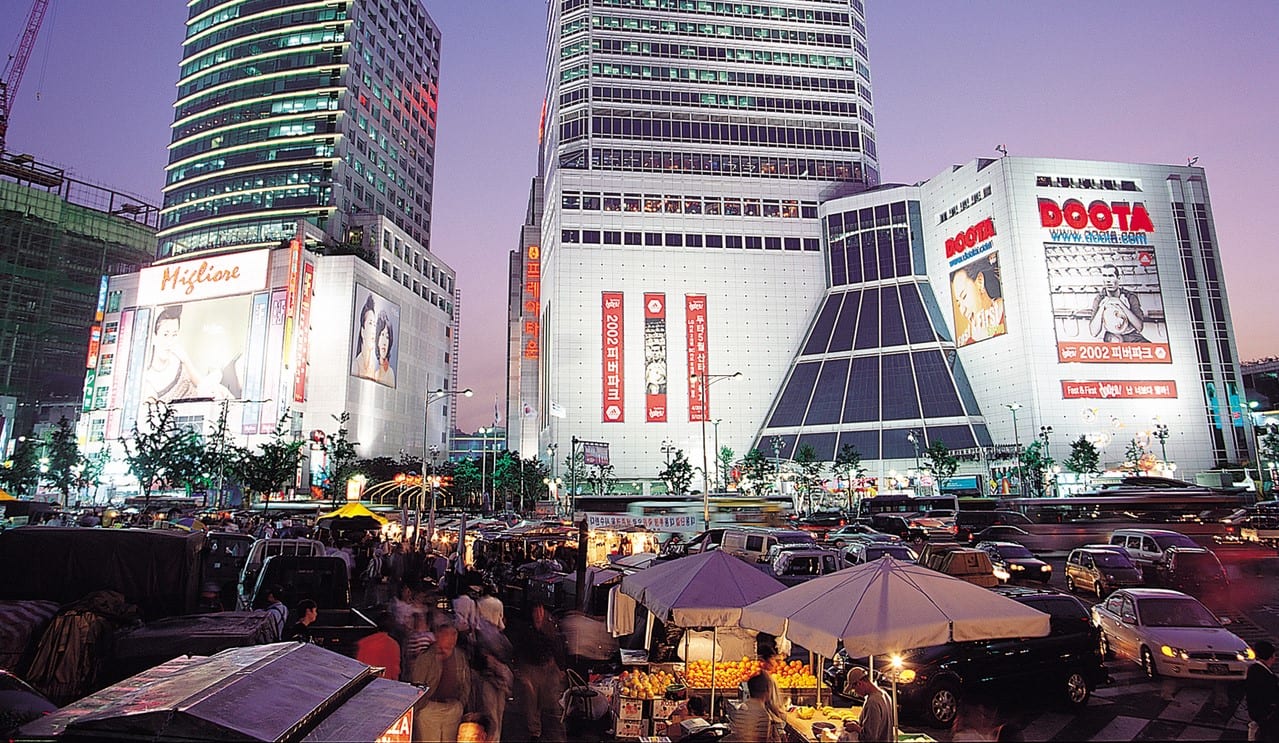
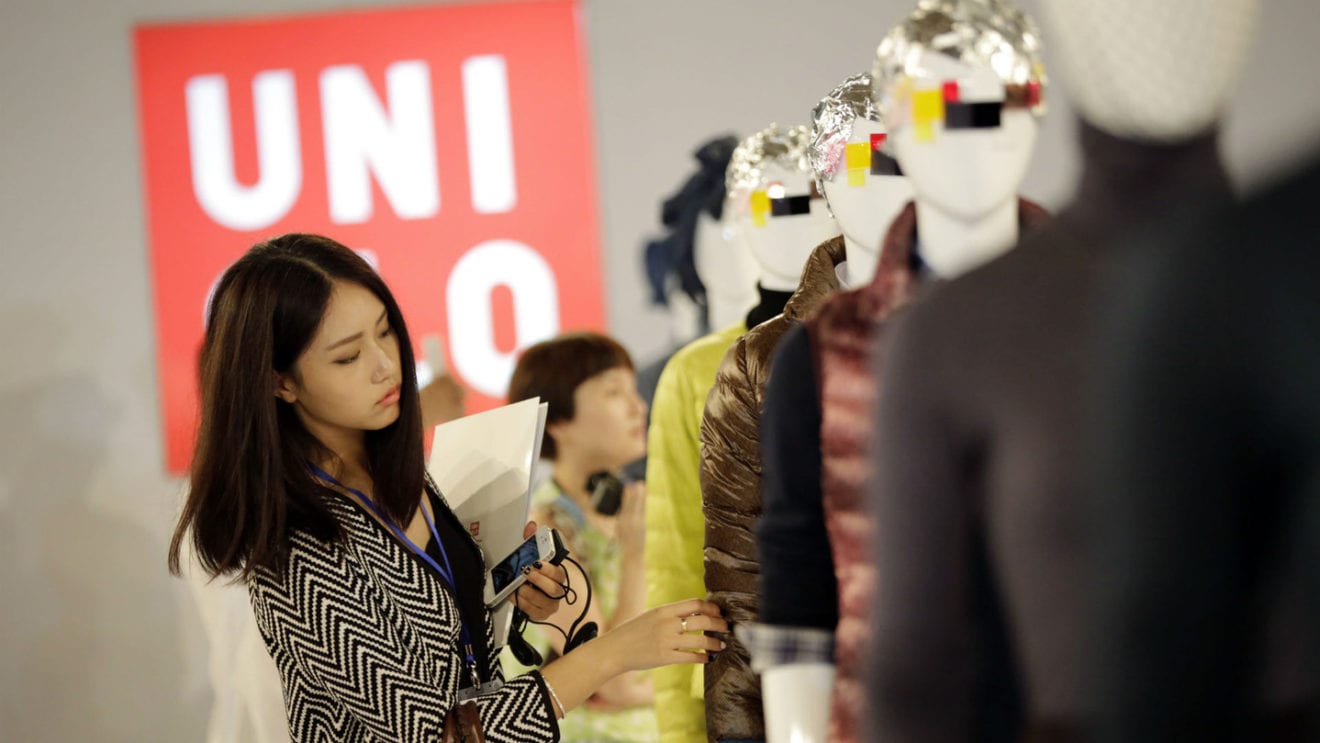
    Uniqlo, a leading Japanese clothing retailer, has recently launched its most expansive store yet in South Korea. The new flagship location, situated in the Myeongdong shopping district in Seoul, marks the brand’s renewed commitment to experiential retail and targeting growth driven by tourism in the country.

    The Uniqlo Myeongdong store, comprised of three floors, covers an approximate area of 3200 square meters. The expansive space offers shoppers an exhaustive selection of the brand’s LifeWear products, including womenswear, menswear, childrenswear, and babywear.

    Personalised Shopping Experience

    The flagship store also includes distinctive UT and UTme! sections, where customers have the opportunity to design custom T-shirts and tote bags. These designs are exclusively inspired by the Myeongdong district, allowing customers to carry a piece of the area with them.

    Popular among both locals and tourists, Myeongdong is a prime shopping destination. The reopening of Uniqlo in this district comes approximately five years after the brand shuttered its previous flagship store due to the Covid-19 pandemic.

    Takao Kuwahara, co-CEO of FRL Korea, expressed that the new flagship store was envisioned as more than just a shopping destination. “Our goal is for this store to become an iconic landmark in Myeongdong. While it will cater to Korean customers, we also envision welcoming numerous international visitors,” said Kuwahara.

    Experiential Elements and Community Engagement

    The store goes beyond retail, integrating several experiential features to enhance customer engagement and strengthen community relations. The third floor is home to a ‘ReUniqlo Studio’ where customers can mend, alter, and personalize garments, extending their lifespan as part of the company’s sustainability efforts.

    Another highlight of the flagship store is a series of exhibitions showcasing Myeongdong’s rich history and culture. This initiative reflects Uniqlo’s intentions to foster a deeper connection with the local community and pay tribute to the district’s heritage.

    Earlier this year, Uniqlo’s parent company raised its full-year forecast. The anticipation of a new record year comes on the back of robust international growth and an unexpected surge in quarterly profit.

    Questions & Answers

    What does the new Uniqlo store offer to customers?
    The new Uniqlo flagship store in Myeongdong offers a comprehensive range of the brand’s LifeWear products, a personalized shopping experience through UT and UTme! zones, and a repair and customization studio called ‘ReUniqlo Studio’.

    How does the Uniqlo store aim to engage with the local community?
    Uniqlo aims to foster community ties through several experiential features, including a ‘ReUniqlo Studio’ for garment repair and customization and exhibitions that highlight Myeongdong’s history and culture.

    What are the expectations for Uniqlo’s growth?
    Following a stronger-than-expected boost in quarterly profit, the parent company of Uniqlo raised its full-year forecast, indicating the anticipation of another record year driven by strong international growth.
  • Seoul’s largest shopping district shrouded in uncertainty

    Seoul’s largest shopping district shrouded in uncertainty

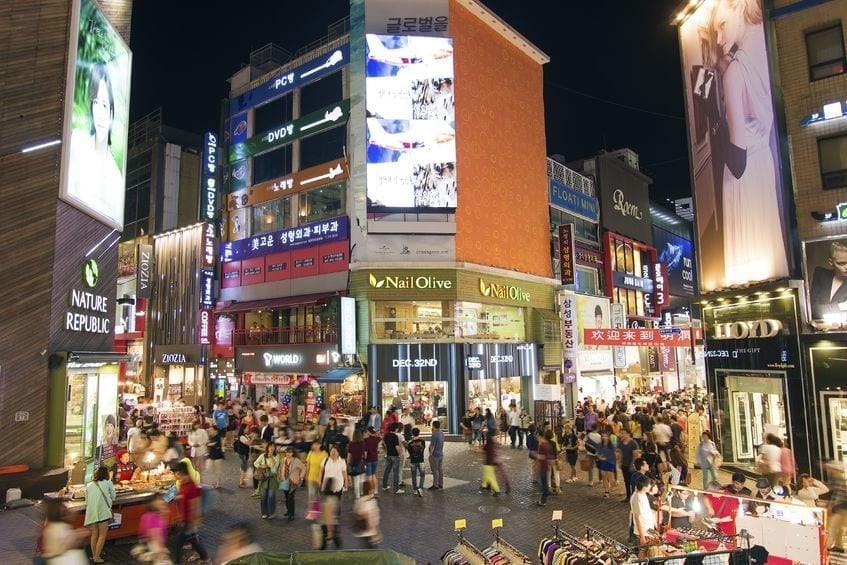
    Hit by the absence of Chinese tourists over South Korea’s deployment of a politically charged THAAD missile defense system, the future of Seoul’s largest shopping district Myeongdong is shrouded in uncertainty.

    Reports of the economic damage caused by the lack of Chinese tourists on Myeongdong, a busy shopping precinct in downtown Seoul, continue to dominate the headlines of the South Korean media.

    As the ongoing political tension takes its toll on retailers, an increasing number of shops that are falling behind on rent in the pricey neighborhood are pulling out, particularly South Korean cosmetics stores that used to rely heavily on Chinese and Japanese tourists, including It’s Skin, Holika Holika, and Orchid Skin.

    According to data released earlier this year by the Ministry of Land, Infrastructure and Transport, nine out of the 10 most expensive rental properties were in Myeongdong, with the flagship store of South Korean cosmetics chain Nature Republic sitting on the most expensive real estate in the country for the 14th consecutive year.

    What stands out amid these troubled times is the lack of sympathy for the struggling retailers and a smug sense of poetic justice felt by many South Koreans.

    Locals “unwelcome”

    Prior to talks of the highly political THAAD system, reports continued to come out in the South Korean media that a significant number of South Koreans felt they weren’t welcome in Myeongdong, as what was once the country’s busiest shopping district rapidly became a mere cash cow for cosmetics giants and fast-fashion retailers.

    It has been a very common sight for years in Myeongdong to see cosmetics chain stores focusing on luring Chinese and Japanese tourists with staff members prowling the sidewalks incessantly touting their wares in both Chinese and Japanese.

    With the tempting bonanza of foreign tourists, things began to get out of control.

    Some cosmetics stores in Myeongdong began hiring staff members who weren’t capable of communicating sufficiently with Korean customers, while others reportedly offered special deals to foreign tourists, a controversial marketing policy that bordered on casual racism, leaving a sour taste in the mouths of many South Korean shoppers.

    After years of feeling neglected by Myeongdong retailers, the sentiment that ‘it serves them right’, with ‘them’ being the shops that focused far too much on foreign tourists for years, is loud and clear in numerous comments found on major online portals like Naver.

    “Karma serves them right. I knew this was coming when (shops in Myeongdong) neglected South Koreans. Chinese tourists won’t keep coming for centuries and they can suddenly stop coming the next day because of political relations,” said one online post, among the many that reflect the feelings of a significant number of South Korean shoppers who somehow feel avenged, relishing the sense of revenge, even if at the cost of their own economy.

    Other comments shed light on more serious issues that need to be dealt with, such as dishonest taxi drivers and far too prevalent rip-offs targeting foreigners, while some raise the issue of the lack of attractions compared to almost universally popular holiday destinations like Thailand.

    “Would you want to come to Korea when they charge you 10,000 won for gimbap and taxi drivers rip you off?” one comment left on Naver read.

    “Plagued with complaints”

    Long before political discord saw the number of Chinese tourists visiting Korea plunge, Myeongdong was plagued with complaints of disorganisation, an absence of trash cans, and most importantly, a lack of character that makes the area come across as ‘bland’ and ‘far too busy’, leaving those other than Korean pop culture fans with no compelling reason to visit the district.

    In a survey conducted with Chinese tourists earlier this year by Pengtai, Cheil’s marketing affiliate, Myeongdong was even knocked out of the top 10 most popular spots in Seoul by the likes of emerging places like Hongdae and Yeouido Hangang Park, down 10 places from last year.

    With all the flaws and challenges facing Myeongdong, it’s worth acknowledging that the void left by Chinese tourists is beginning to be filled by South Koreans and a growing number of Southeast Asian tourists, with many of them ironically coming back because the area is no longer packed like sardines with foreign tourist groups, which put many locals off coming to the area.

    As tourism authorities and business operators contemplate a new direction for the shopping district during these trying times, Myeongdong must learn a lesson from the past, open its arms once again to local consumers, and remember that putting all of one’s eggs in the same basket is never a good idea.

  • Boots to open the largest flagship store in Myeongdong

    Boots to open the largest flagship store in Myeongdong

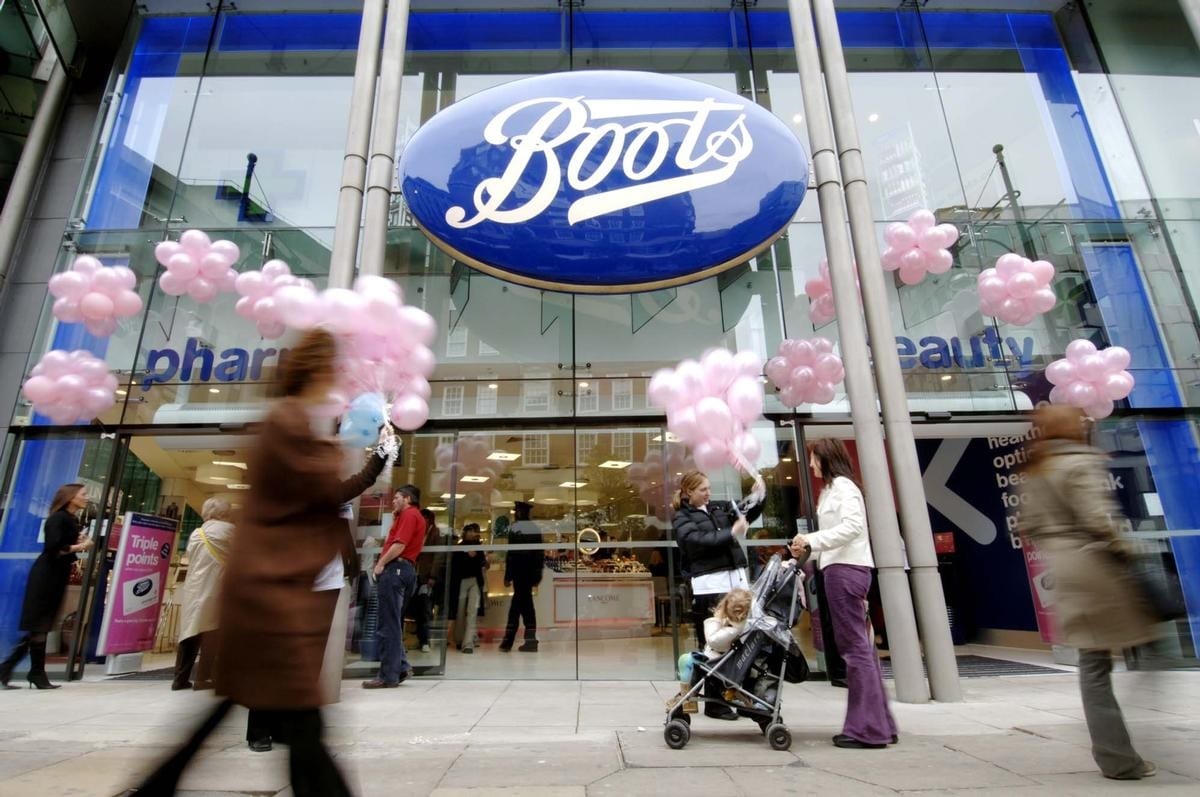
    E-Mart opened its booth flagship store in Shinhan Financial Center building in Myeongdong on July 28. Boots is the UK’s no.1 drugstore brand, with more than 13,300 stores in 11 countries around the world.

    The booth store is the largest of domestic H & B stores with a size of 1284 square meters (about 388 pyeong). The store consists of four floors ranging from floors 1 to 4 on the ground. Currently, only three floors are partially open.

    The first to third floors are operated as H & B sales spaces. The 4th floor plans to create a K-pop studio and a cafe. Considering the characteristics of Myeong-dong commercial area, many foreign tourists will be able to buy products related to Korean entertainers and it will be opened at the end of next month.

    The first floor is composed of color cosmetics brands such as Mac, Shuuemura, and Benefit. On the second floor are hair and body care products such as Aveda and Renefurterer, and on the third floor are skin and health care brands such as Biotherm, Darphin and Dermalogica.

    Each floor sells its own brand of boots (PL) products for each Kategori such as No. 7 and Soap & Glory. This large boots store was located on where is only 50 meter away from the Olive Young Myeongdong store, which is the largest store.

    In Myeong-dong, where there is much demand for tourists, it is anticipated that Korean version of H & B Olive Young and Boots, with high recognition by foreigners will fight a fierce battle. Especially, it is easy to compare merchandising and price while shops are located side by side.

    Olive Young is the number one player in the market with annual sales of KRW 1.127 trillion as of last year. There are more than 800 stores nationwide. Boots opened Starfield Hanam in May, and it also introduced a small store at express terminal.

    The number of stores nationwide is three including Myungdong-dong, which opened this time.

  • Korean department stores trigger restaurant battle

    Korean department stores trigger restaurant battle

    Korean department stores have become the new battleground for Korean restaurant chains.

    Restaurants have long been a lucrative business for department store operators – accommodating hundreds of weary shoppers every day, they have sometimes been referred to as a ‘goose that lays a golden egg’.

    However, until now, opening such a restaurant had been a near-impossible task without deep connections to the store’s higher-ups.

    According to retail industry sources, several new restaurants are set to open next month in the food court section of Lotte’s flagship department store in Myeongdong, which is currently being renovated. Of note, the new owners didn’t have to lobby Lotte management or be a member of a Lotte family to open their establishments.

    Lotte faced significant criticism in June when the media spotlighted Seo Mi-kyung, Lotte founder Shin Kyuk Ho’s third wife, and her company Yuki Co, which operates a bibimbap restaurant (Yukyung),  naengmyeon restaurant (Yuwonjeong) and coffeehouse (Margaret) at the Lotte’s Myeongdong store.

    “We’re in the middle of clearing up our business with Seo’s company,” said the department store official. “We plan to operate our food court based on the popularity of restaurants and their competitive advantage.”

    A high-end sushi restaurant, Sushi Chohi, Chinese restaurant Luii, and European casual restaurant Elbon Grand Cafe operated by chef Choi Hyun-seok are among the new eateries that will open in mid-September.

    Hyundai Department Store, once criticised for giving favors to its subsidiary Hyundai Green Food, is also rearranging the food courts at its stores to accommodate popular restaurants from across Korea. And although it still operates Hyundai Green Food-owned restaurants like Bonga Sushi and Hansol Naengmyeon at its branches, it’s now focusing its efforts on attracting other popular restaurants.

    “Bonga Sushi and Hansol Naengmyeon have made a name for themselves, and their inclusion is not necessarily due to the Hyundai family relationship,” said a Hyundai Department Store official. “We’re concentrating more on attracting well-known restaurants to our food courts, because restaurants with no competitive edge aren’t likely to survive.”

    Italian restaurants Le Jiu and Signature Lab opened their latest locations at the Samseong-dong branch, while Amorino, an Italian gelato franchise, opened a new eatery at Hyundai’s Apgujeong branch.

    Shinsegae Department Store also introduced new restaurants this year. Youth-driven restaurants from Gangnam and Hongdae, including Chinese cuisine franchise Choma, steakhouse restaurant Fukuoka Hambageu, and premium tteokbokki restaurant Villa de Spicy, according to Shinsegae, were met with high acclaim.

    Shinsegae also said that new restaurants tend to attract more customers to its stores.

    “Department stores are no longer solely a place for shopping. They’re transforming into one integrated living space for consumers to spend their free time,” said a retail industry official. “Given the circumstances, the stores will continue with their efforts to accommodate more popular and competitive restaurants.”