Tag: nagoya

  • Asian Games Revenue Jumps 20% in Nagoya as Digital Viewership Surges

    Asian Games Revenue Jumps 20% in Nagoya as Digital Viewership Surges

    The Olympic Council of Asia posted a near 20 per cent revenue increase for the Aichi-Nagoya Asian Games on October 4. Strong digital viewership and high broadcast demand drove the gain. Returns beat the previous total recorded in Hangzhou three years earlier.

    Those financial gains arrived alongside severe logistical strain across central Japan. Participant numbers swelled to 17,000. Late entries added 2,000 more athletes and officials than organisers had planned for.

    Digital Viewership and Commercial Returns

    Streaming platforms and television networks across key regional markets drove commercial growth. High-profile cricket and hockey fixtures between India and Pakistan generated massive broadcast spikes. That surge helped the Olympic Council of Asia outpace its Hangzhou baseline.

    Networks and sponsors captured higher viewership without the host prefecture committing to heavy new construction. Athletes still delivered. The council pointed to 54 world records, 11 junior world records, and 89 continental records set across venues as proof that operational friction did not hurt performance.

    Scrambling for Beds and Transport

    Organisers decided against building a dedicated Athletes’ Village. Instead, they placed teams across private hotels, modular container units, and a chartered cruise ship. Bottlenecks hit immediately once athlete numbers passed 15,000 in the final entry window.

    Satoshi Murate, secretary general of the organising committee, apologised after local transit lines and room allocations stalled. The delays drew complaints over cramped quarters and undersized beds. Tayyab Ikram, chairman of the Games Coordination Committee and head of the International Hockey Federation, stated that future events require sustainable innovation without degrading basic standards for participants.

    Avoiding Permanent Venue Debts

    City and prefectural leaders in Aichi and Nagoya mapped the tournament footprint to prevent debt and unused venues. Moving aquatic events to the Tokyo Aquatics Centre and relying on temporary housing kept local balance sheets clear of structural deficits.

    Husain Al-Musallam, director general of the Olympic Council of Asia, defended the decentralised model during a news conference on the closing day of competition.

    “We are happy to see that there is no big financial burden in the organizing committee, and there is no white elephant staying in Nagoya or any place.”

    Broadcast Markets and Regional Reach

    Digital rights and regional broadcast reach in South and East Asia now drive the commercial value of multi-sport Asian tournaments. Physical operations buckled under capacity spikes, but advertiser demand for marquee fixtures held firm.

    Attention turns to the final financial accounting from the Aichi-Nagoya organising committee to determine whether operational cost overruns cut into the headline revenue gain.
  • Hermès Unveils Culturally-Inspired Boutique at The Landmark Nagoya Sakae

    Hermès Unveils Culturally-Inspired Boutique at The Landmark Nagoya Sakae

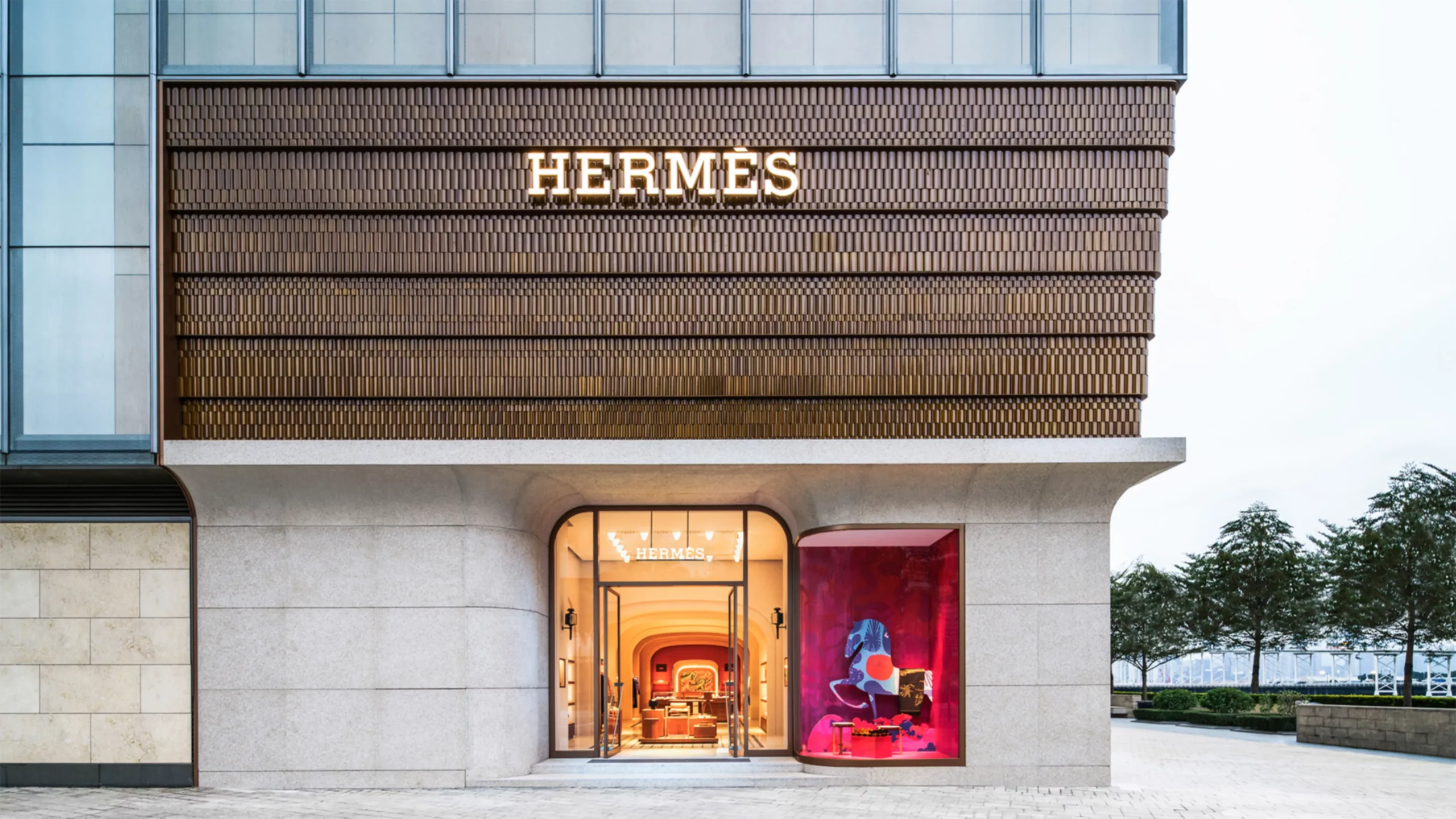
    Hermes, the high-end retail brand, recently established a new outlet in The Landmark Nagoya Sakae, Japan. The store design was inspired by the locale’s rich culture and long-standing textile customs.

    This new store, envisioned by the renowned architectural firm RDAI based in Paris, exhibits the brand’s sixteen merchant categories beautifully. The design is a blend of naturally illuminated spaces accentuated by varying textiles and vibrant colours.

    Store Design and Features

    The store’s entrance is adorned with towering windows that feature molded glass panels. A unique curtain, made from almost a thousand hand-woven cotton threads, hangs like the strands of a loom. The glass panes provide a backdrop for the reflection of two horses in mid-gallop, a sight to behold for visitors.

    The boutique’s layout is harmoniously connected by a central stone staircase, linking the various levels and departments effortlessly. The menswear section is located on the lower level, displaying an interior decor inspired by the traditional Japanese hakama, characterized by pleated gray silk walls.

    The womenswear section, situated on the second floor, employs a warm colour palette of plum and blush tones. It is elegantly finished with stucco and boasts yuzen-inspired floral elements. A dedicated jewellery section is demarcated by rich purple carpeting. The top floor houses the equestrian and homeware collections, incorporating design elements reminiscent of traditional shibori dyeing techniques. This is paired with neutral finishings and a distinctive ceiling light fixture.

    Questions & Answers

    What was the inspiration behind the design of the new Hermes store in Japan?
    The store was inspired by the local culture and textile traditions of Nagoya, Japan.

    What unique features can be found in the new Hermes store?
    The store showcases a variety of unique features such as a curtain made from nearly a thousand hand-woven cotton threads, a central stone staircase, and design elements that reference traditional Japanese shibori dyeing techniques.

    What collections does the Hermes store in Nagoya house?
    The store houses the menswear, womenswear, jewellery, equestrian, and home collections of Hermes.

  • Cosme Unveils Largest Flagship Store In Nagoya, Bolsters Presence In Japan’s Tokai Region

    Cosme Unveils Largest Flagship Store In Nagoya, Bolsters Presence In Japan’s Tokai Region

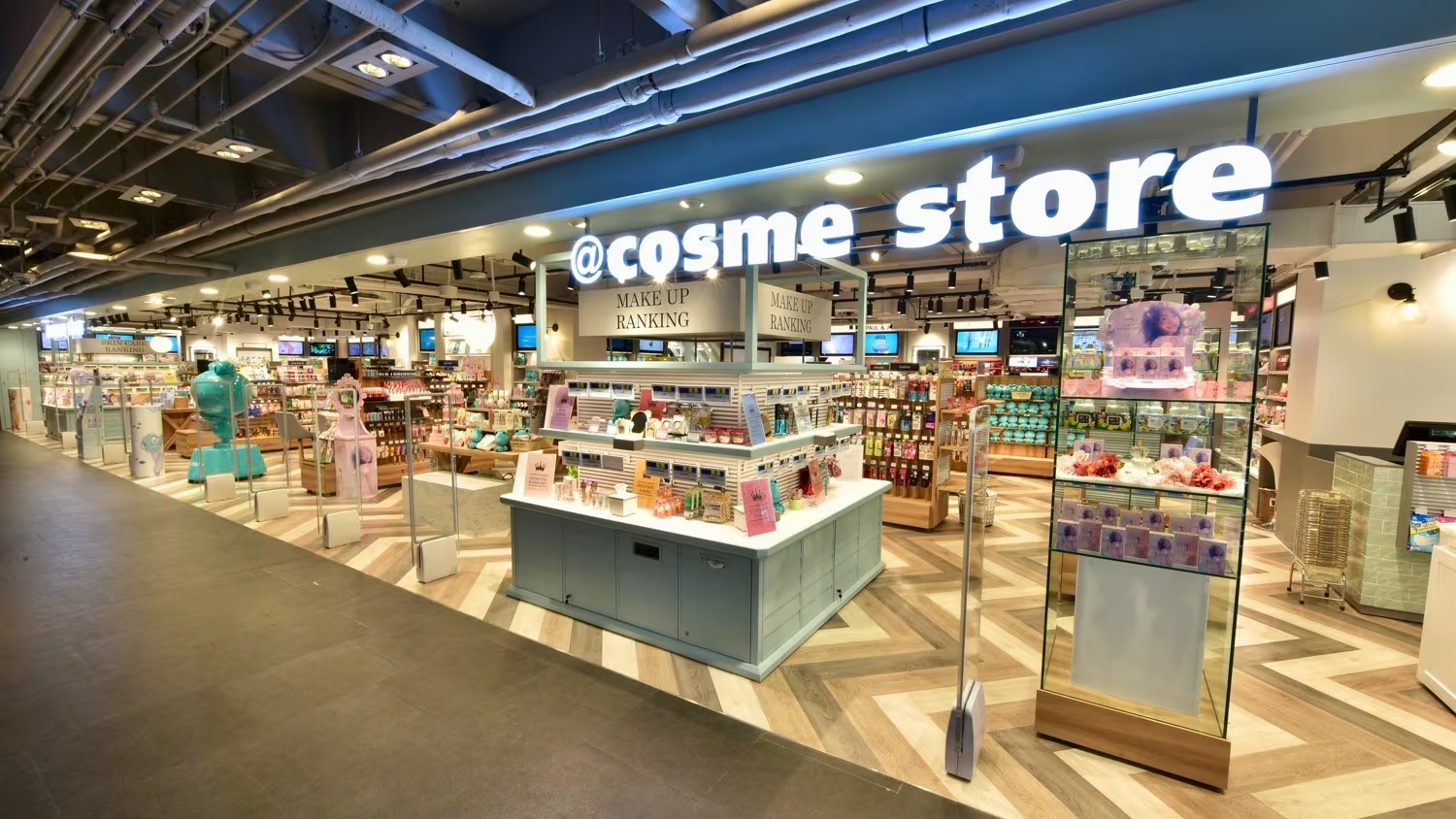
    The Japanese cosmetics label, Cosme, has recently announced the opening of its largest flagship store yet, located in Nagoya. This marks the third prominent store opening for the brand, following the successful launches in Osaka and Tokyo. The addition of this new location bolsters Cosme’s footprint in the Tokai region.

    Perfectly situated on the fifth floor of the Takashimaya Gate Tower Mall, the expansive 810-square-meter store houses an extensive range of products. Customers can browse through offerings from nearly 500 brands, with popular names such as Gucci Beauty, Dior, and Cle de Peau Beaute taking pride of place.

    One of the unique features of this new location is the ‘Sale Ranking Tower.’ This dedicated area houses award-winning and best-selling products from Cosme’s selection, providing consumers with an easy way to identify and purchase top-rated cosmetics. The store also offers a variety of limited-edition mini-sized products from multiple sectors such as skincare, makeup, and hair care.

    In addition to its wide product range, the Nagoya flagship provides an interactive area called the ‘Sample Gacha.’ Here, customers can try out product samples from 15 different brands, including Innisfree, Excel, and Fancl, offering a hands-on experience for shoppers before they commit to a purchase.

    The Nagoya store launch follows Cosme’s recent reopening of its Tokyo flagship, which had undergone a significant makeover in March.

    Questions & Answers

    What is Cosme and what does it sell?
    Cosme is a Japanese cosmetics label that sells a wide variety of products from nearly 500 brands. Its offerings include makeup, skincare, and hair care products.

    Where is Cosme’s largest flagship store located?
    Cosme’s largest flagship store is located in Nagoya, on the fifth floor of the Takashimaya Gate Tower Mall.

    What is the ‘Sale Ranking Tower’ in the Nagoya store?
    The ‘Sale Ranking Tower’ is a unique feature in the Nagoya store that showcases award-winning and best-selling products.

  • Department store in Nagoya ends 400-year history

    Department store in Nagoya ends 400-year history

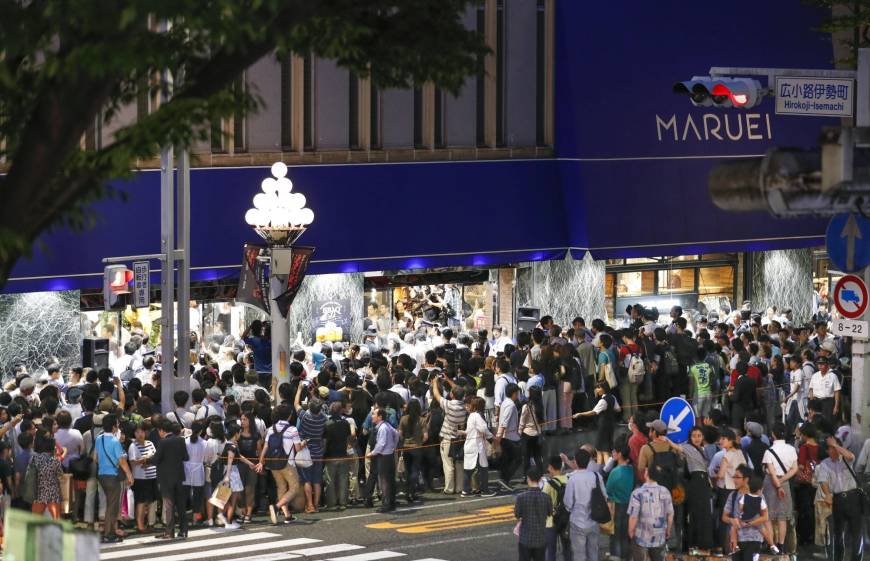
    A 400-year-old department store in Nagoya has closed.

    Maruei Department Store, which opened as Juichiya kimono shop in 1615 and was renamed in 1943 when it merged with another retailer, was once the largest stores of its kind in Western Japan. It was hit by hard economic times in the early 1990s but was kept operational until sales dropped to an all-time low last year.

    Under new ownership since being acquired by Nagoya pharmaceuticals firm Kowa in 2010, the store failed to overcome the rise of e-commerce and became obsolete, with some observers noting a base inconsistency in its various product lineups. Kowa is planning to reopen a commercial facility on the same site several years from now.

    Yoshimitsu Hamajima, the president of Maruei Department Store, thanked the crowds of well-wishers who showed up for the grand closing ceremony.