Tag: Nanjing

  • Chinese Luxury Gold Jeweler Lamchiu Generates 10 Million Yuan on Nanjing Debut

    Chinese Luxury Gold Jeweler Lamchiu Generates 10 Million Yuan on Nanjing Debut

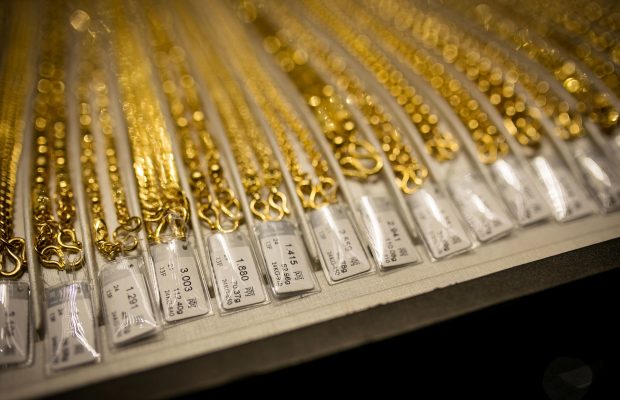
    Lanzhou gold jeweler Lamchiu generated over 10 million yuan during the first day of its soft launch at Nanjing Deji Plaza on Sept. 25.

    It is the third-generation family business’s first retail store outside its home city in northwestern China. The jeweler generated more than 500 million yuan in sales from its sole Lanzhou location in 2025.

    Handmade Production and Delayed Rollouts

    Lamchiu pushed back the Nanjing opening twice from its initial July target to finish handcrafted architectural elements. The basement space in Deji Plaza features handmade Suzhou floor bricks alongside interior walling of Quyang marble and Jingdezhen ceramics. Workers spent twelve months assembling a barrel-vaulted ceiling from mother-of-pearl scales.

    Handcrafted techniques account for more than 90 percent of the brand’s output, spanning filigree, chasing, and fine carving across original designs. Production bottlenecks forced the company to halt order intake twice in 2024. Lamchiu raised retail prices by 10 to 20 percent in 2025 as lead times stretched to twelve months. Customer orders still outpaced workshop capacity.

    Rethinking Expansion Models for Chinese Luxury

    High-end shopping center operators see slow-craft domestic jewelers shifting the leasing equation away from fast-turnover international fashion. Landlords such as Deji Plaza now place domestic fine gold houses including Lamchiu, Laopu Gold, and Junpei directly beside European legacy labels on premium concourses. These brands secure strong sales densities and demand lower marketing allowances from property managers. Affluent domestic shoppers readily place prepaid orders months in advance.

    Institutional investors face clear trade-offs between pricing power and operational scaling. Handcrafted gold items cannot scale on automated manufacturing lines, creating a hard ceiling on quarterly unit volume. The investment thesis hinges on margin retention, bespoke ticket sizes, and cultural resonance among high-net-worth buyers rather than physical footprint growth.

    Cultural Commerce Across Eastern Hubs

    A parallel shift toward low-velocity, heritage-driven commerce is surfacing across eastern Chinese retail districts. In Hangzhou’s Xihu district, municipal developer West Lake Construction Investment Group curated the Liuxia 1129 historical zone around Song Dynasty cultural activities rather than standard retail tenancies. Chinese incense house Kongshan Shi staged a multi-month series of private literati gatherings and tea banquets in the district through autumn, avoiding overt point-of-sale promotions.

    Hangzhou reported a gross domestic product exceeding 2.3 trillion yuan in 2025, yielding a per-capita GDP of approximately $24,000. That regional wealth gives commercial operators room to trade rapid lease turnover for distinctive heritage positioning.

    The most extreme beauty in this world is kindness, and business is the same. Growth and revenue matter, of course. But we are willing to give patience and space, so in choosing tenants we have made the trade-offs we should.

    Capital Follows Heritage Craft

    Venture funds and private equity firms poured capital into heritage-focused luxury operators over the past twelve months. Lamchiu closed a strategic funding round of more than 100 million yuan at the end of 2025 to finance store construction and workshop expansion. Hangzhou-based gold label Baolan secured a Series A round exceeding 100 million yuan led by Challenger Ventures, with backing from Kering and Shunwei Capital.

    Store designs are now underway for Lamchiu’s planned openings in Shanghai and Shenzhen, testing whether bespoke regional flagships can sustain order backlogs as store counts rise.

  • Mazda Adds Hesai LiDAR to Updated EZ-60 in China Starting at 113,900 Yuan

    Mazda Adds Hesai LiDAR to Updated EZ-60 in China Starting at 113,900 Yuan

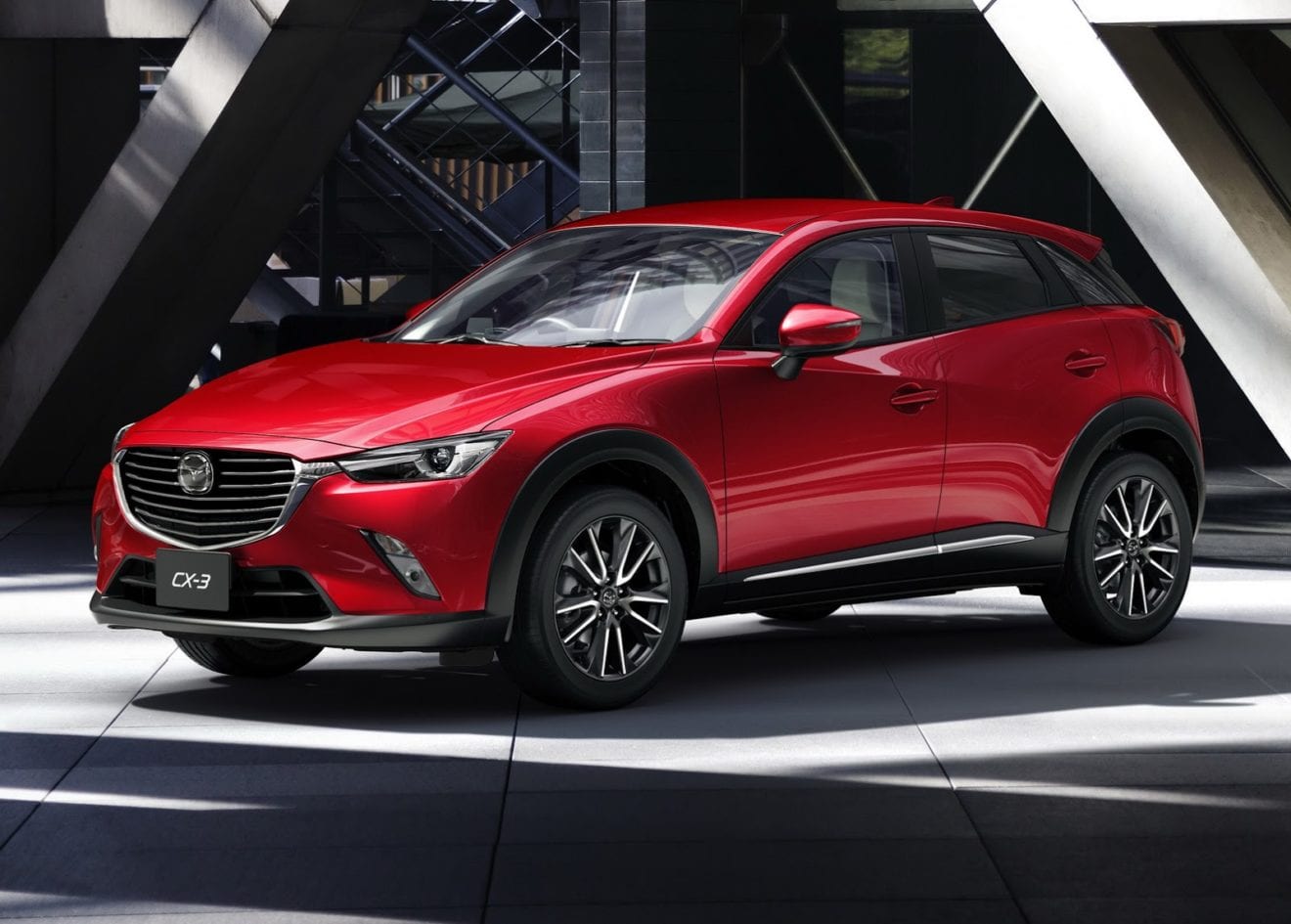
    Changan Mazda launched its updated 2027 EZ-60 electric SUV in China on Saturday. Pricing starts at 113,900 yuan ($16,880) across four new LiDAR-equipped variants.

    The roof-mounted sensor package sits on upper trims, lifting the top of the nine-model range to 172,900 yuan before a promotional 6,000 yuan discount across all configurations. The baseline official guide price holds steady at 119,900 yuan. That matches the entry level from the model’s debut.

    Buyers pay a 12,000 yuan premium for the LiDAR options. The extended-range electric vehicle (EREV) Pro LiDAR variant costs 151,900 yuan, while the battery electric (BEV) Max LiDAR edition tops the lineup at 172,900 yuan. Dimensions stay unchanged. The SUV measures 4,850 mm long, 1,935 mm wide, and 1,620 mm tall on a 2,902 mm wheelbase.

    Sensor Package and Driver Assistance Architecture

    A single Hesai ATX LiDAR mounted on the roof line drives the driver assistance suite. The optical unit delivers a detection range of 200 meters. It works alongside three millimeter-wave radars, 11 high-definition cameras, and 12 ultrasonic sensors to scan forward past 250 meters.

    Software runs on an end-to-end architecture that handles highway navigation assistance between 0 and 130 km/h. Urban navigation assist operates between 0 and 80 km/h. Automated parking supports more than 300 bay geometries. Features like memory parking will arrive via over-the-air updates alongside 25 active safety functions.

    Powertrain Options and Battery Capacities

    Powertrains carry over unchanged. EREV trims pair a 70 kW 1.5-liter range extender with a rear electric drive motor producing 190 kW (255 hp) and 290 Nm of torque. A 31.73-kWh battery pack provides 200 kilometers of pure electric driving range under the CLTC cycle.

    Pure electric trims use a 77.94-kWh lithium iron phosphate pack with the same 190 kW rear-wheel-drive motor. That setup delivers a CLTC driving range of 600 kilometers per charge.

    Joint-Venture Rivalry in China’s Electric Market

    Legacy joint ventures face intense pricing pressure in China as domestic automakers make semi-autonomous driving standard in mass-market brackets. International brands have largely avoided putting LiDAR on mid-tier models to protect profit margins. That left their products exposed against high-specification Chinese rivals.

    Putting Hesai LiDAR and end-to-end software below 180,000 yuan takes direct aim at rivals like the Buick Electra E7 and the Nissan NX8. Japanese and American joint ventures need this equipment bundling to protect showroom share in China’s tier-two and tier-three cities.

    Global Export Track and Deployment Plans

    The EZ-60 anchors Mazda’s electrification export program developed with Changan Automobile. It serves as the production base for the CX-6e, which debuted at the Brussels Motor Show in January. Retail shipments to European distributors are already underway.

    Changan Mazda launched the original EZ-60 on September 26, 2025, bringing this refresh 12 months into the lifecycle. Other Japanese carmakers are also expanding electrified lineups in China. Nissan recently updated its N7 sedan, and Toyota plans to introduce localized extended-range models in April 2027.

    Deliveries of the LiDAR-equipped EZ-60 trims begin at dealerships across China next month. The 6,000 yuan launch subsidy will run through the initial intake window.

  • Converse Opens 2 Next-Generation Stores in Nanjing and Shanghai

    Converse Opens 2 Next-Generation Stores in Nanjing and Shanghai

    Converse opened two concept stores in Nanjing and Shanghai in September 2026 as part of an experiential retail push across mainland China. The footwear brand already distributes through more than 700 locations across the country. Those operations are led by its Star Concept and X-Ing shop formats.

    In Nanjing, the store follows the Converse Star Concept design. It pairs localized city storytelling with premium product allocations. There is also a dedicated Converse Select zone built for early-access releases and top-tier merchandise. The site served as the debut platform for the Chuck 70 X, an updated edition of the core sneaker with an altered structural fit and cushioned insoles.

    Community Formats on Yuyuan Road

    On Yuyuan Road in Shanghai, the brand launched a Converse X-Ing store. The location functions as an interactive hub rather than a transactional shop. It incorporates customisation workshops, art displays, rotating pop-ups, and collaborative workspaces for local designers.

    Converse said in an announcement detailing the Shanghai site that the store invites creators and consumers to connect through community programming.

    Shifting Floor Space to High-Touch Retail

    Sportswear brands in China face heavy margin pressure from domestic e-commerce channels and local rivals. Footwear labels are responding by reallocating capital into prime street locations and major mall units. These spaces serve as marketing assets rather than simple stock rooms. By splitting tiers between core Star Concept stores and creative X-Ing outposts, Converse aims to defend its pricing power and cultural cachet with younger urban shoppers.

    Higher overhead creates real risk for operators. Prime rents on strips like Yuyuan Road add up quickly alongside event production and staffing costs. If programming fails to drive repeat visits and full-price sales, concept spaces turn into costly marketing drains rather than profitable channels.

    Building Out the Asia Network

    These mainland openings follow the rollout of larger formats across Asia, including the launch of the brand’s largest flagship store in India in June 2026. Across the region, the company continues to refine its direct retail tiers. This separates basic wholesale distribution from high-margin specialty releases.

    Market watchers will track how the Chuck 70 X and Select zone lines perform across the wider 700-door mainland network before Converse takes the Star Concept format into secondary Chinese retail hubs.

  • Hermes Expands in Nanjing as Luxury Industry Bets on Chinese Return

    Hermes Expands in Nanjing as Luxury Industry Bets on Chinese Return

    Birkin bag maker Hermes is opening a new, enlarged store in China’s Nanjing city, signalling the luxury industry’s confidence in a strong return of Chinese shoppers after three years of tough COVID-19 restrictions.

    Hermes, which first opened a store in the city in 2010, has now relocated to the upscale mall Deji Plaza, with a wider product selection spread across two floors, from silk scarves to leather goods, as well as home decor, jewellery and clothing.

    European luxury houses have continued to invest in China, expected to become the sector’s largest market by 2025, despite a turbulent year marked by disruptions as the country imposed strict curbs to contain the spread of the coronavirus.

    News in late December that the country was relaxing travel rules pushed up the share prices of global luxury companies including the world’s largest, LVMH.

    Hermes and LVMH both generated around 30% of annual sales in China in 2020, according to UBS.

    Mainland China, where Hermes counts 27 stores, has been a strong focus for the leather goods specialist. Last year, Hermes opened a larger store in Wuhan, and set up its first shop in Zhengzhou, in Henan province.

    China is expected to serve as an important source of growth in the coming months as Europe faces an energy crisis and the U.S. economy cools. Bernstein analyst Luca Solca forecasts luxury sales could grow between 25% and 35% in the country this year while in the West they are expected around 5% to 10%.

  • China’s Future Mobility plans $1.7 bln electric car plant in Nanjing

    China’s Future Mobility plans $1.7 bln electric car plant in Nanjing

    Chinese electric car venture Future Mobility plans to build an 11.64 billion yuan ($1.7 billion) factory in Nanjing, aiming to capitalise on rising demand for electric cars in the world’s second-largest economy and elsewhere.

    The investment announced on Thursday comes despite a delay to planned funding from technology giant Tencent Holdings and Taiwan manufacturing heavyweight Foxconn , with Hong Kong-registered Future Mobility citing stricter implementation of China’s capital flow controls.

    China has ratcheted up controls on money leaving the mainland since last year in an effort to bolster a weakening yuan and prevent capital flight as the pace of economic growth slows.

    Future Mobility said it is in “close communication” with relevant parties, while a source with direct knowledge of the matter told Reuters that the company has been able to find ample funding from other investors.

    Tencent and Foxconn did not respond to requests for comment outside of business hours.

    The Tencent and Foxconn money currently sits in a China-based fund established before the tightening of capital controls and Future Mobility is working with lawyers to devise mulitiple options to “find a smart way” to complete the investment, the source said.

    The source added that Foxconn and Tencent remain as backers despite the hiccup.

    “We didn’t (initially) find a way to get the funds to come from China to the company outside of China,” the source said. “The money is there.”

    The new factory will eventually have capacity to produce 300,000 cars a year. The company did not give an indication of when it expects to reach that output but said that the first phase of the plant’s construction will be completed by 2019.

    After that initial phase, the factory should be able to produce 150,000 vehicles a year, it said.

    China, struggling with high pollution levels in major cities, is aggressively pushing plug-in vehicles. Its carrot-and-stick approach combines heavy investment and research funding with subsidies, as well as regulations designed to discourage the driving of fossil-fueled cars in big cities.

    Future Mobility said the first product it plans to produce is expected to be a pure-electric medium-sized smart SUV and that vehicles produced at Nanjing will be sold globally.

    A company spokeswoman said that the first car is likely to have a price tag of about 300,000 yuan ($43,700) and is expected to hit the Chinese market in 2019.

  • C.Banner Announces Hamleys First Flagship Store Open in Nanjing

    C.Banner Announces Hamleys First Flagship Store Open in Nanjing

    C.banner International Holdings Limited (“C.banner” or the “Company”, together with its subsidiaries, the “Group”, HK:1028), a leading international integrated retailer and second largest retailer of mid-to-premium women’s formal and leisure footwear in the PRC, yesterday announced the grand opening of the first Hamleys (a centuries old British toy brand) China flagship store in Nanjing.

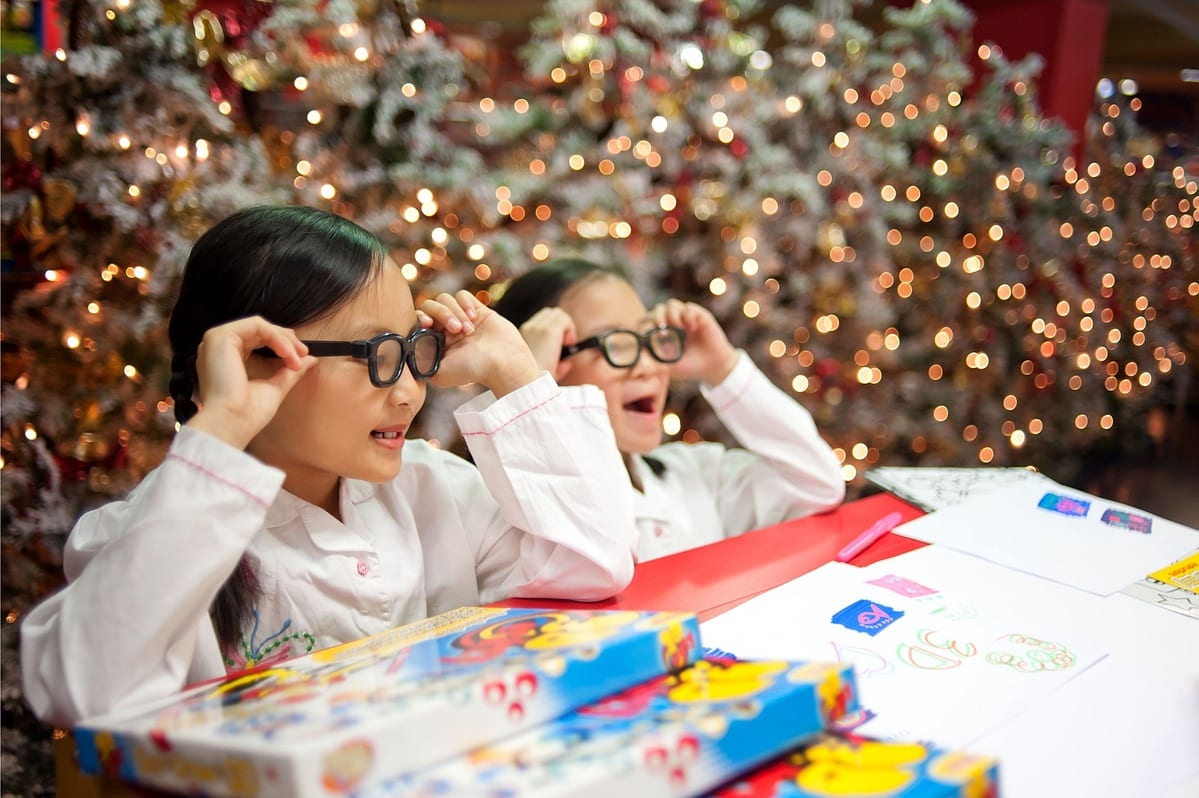
    The nearly 7,000 sq.m. store is located at Xinjiekou Sanpower Plaza (Nanjing International Finance Center), providing thousands of high quality traditional to high-tech educational items for children of all ages. In addition to the adorable iconic teddy bears from Hamleys, there are also other toy brand collections. Moreover, Hamleys partners with many world-renowned toy brands, such as Hasbro, Mattel, Lego, and others in this “Toy Museum” outlet.

    While providing high quality toys for children’s playtime fun, Hamleys cares a great deal about children’s mental development. Two special party houses have also been designed and built inside Hamleys’ Nanjing flagship store with a host of different themes to choose from. Their professional team is responsible as well for organising distinctive birthday party events for children, providing games, toys, food, and exclusive birthday cakes and birthday gifts. There are also more than 10 entertainment facilities located from the first to the fourth floor, providing interactive games for children of different ages.

    Facilities like remote car racing and shooting games enhance children’s response sensitivity while augmented reality (AR) games utilising technology and magic let children interact with the latest in virtual reality in areas like the “Water Game Zone”, Creative D.I.Y Workshop and Baby Aesthesia Zone. Hamleys uses the finest quality equipment to stimulate children’s sensory responses, allowing them to experience fun and providing memorable interactive games.

    In 2015, C.banner successfully acquired Hamleys, the centuries old British toy shop. Established in 1760, Hamleys is the oldest toy brand in the UK with a glorious history, well-known brand philosophy and high quality toys. It is a veritable “Magic Kingdom” for kids and adults of all ages. Hamleys now embarks on a new journey in Nanjing, China, with a diversified product range and services provided by creative concepts. Based on the Hamleys brand, the Group will design and build a consumer complex comprising various sections, including children’s entertainment, education, clothing, daily necessities, culture and catering.

    Mr. Chen Yixi, Chairman of C.banner said, “The addition of the Hamleys brand will provide a great boost to continuously enhance our Company’s brand value and realise a strong synergy with our existing business operations allowing us to achieve our global development strategy. The store is intended to serve as a template for future store openings as the Company seeks to replicate the unique Hamleys in-store experience with interactive playtime, events and special demonstrations in other populous cities over the PRC.

    “Next year, the Company plans to roll out more stores in core cities with high populations across China, such as Beijing, Shanghai, Xuzhou, Hangzhou and others. We will also continue to take full advantage of C.banner’s experience in China’s retailing industry and long-term retail network contacts to rapidly expand Hamleys’ business across the mainland. The Group has full confidence in Hamleys’ development in China, and we feel that we are now on the ground floor of greater opportunities ahead. We look forward with great anticipation to achieving strong business growth.”

  • C. Banner details plans to open first flagship Hamleys store in Nanjing, China

    C. Banner details plans to open first flagship Hamleys store in Nanjing, China

    C. Banner International has detailed its plans to open its first Hamleys flagship store in Nanjing, China this October.

    The announcement follows the retail group’s latest 2016 interim results in which it saw revenue and gross profit increase 6.1 per cent and 2.2 per cent respectively.

    C. Banner acquired the iconic toy brand Hamleys last year in a bid to maintain its lead of competitors to become the leading international integrated retailer and the second largest retailer in the world.

    The firm believes that the expansion plans for Hamleys will help the retailer enhance its overall brand value, image and exposure.

    Chen Yixi, chairman of C. Banner, said: “Although the global economy and retail industry remained weak in the first half of 2016, china still recorded a GDP growth of 6.7 per cent.

    “To gain a head start over competitors, we had acquired the Hamleys brand last year, which is one of the most famous toy brands in the world.

    “We are planning to open its first Hamleys flagship store in Nanjing this October and expect the addition of Hamleys brand will provide a great boost to enhance the company’s overall brand value, image and exposure.”

  • Apple To Launch Retail Stores In China, Italy And Belgium By September End

    Apple To Launch Retail Stores In China, Italy And Belgium By September End

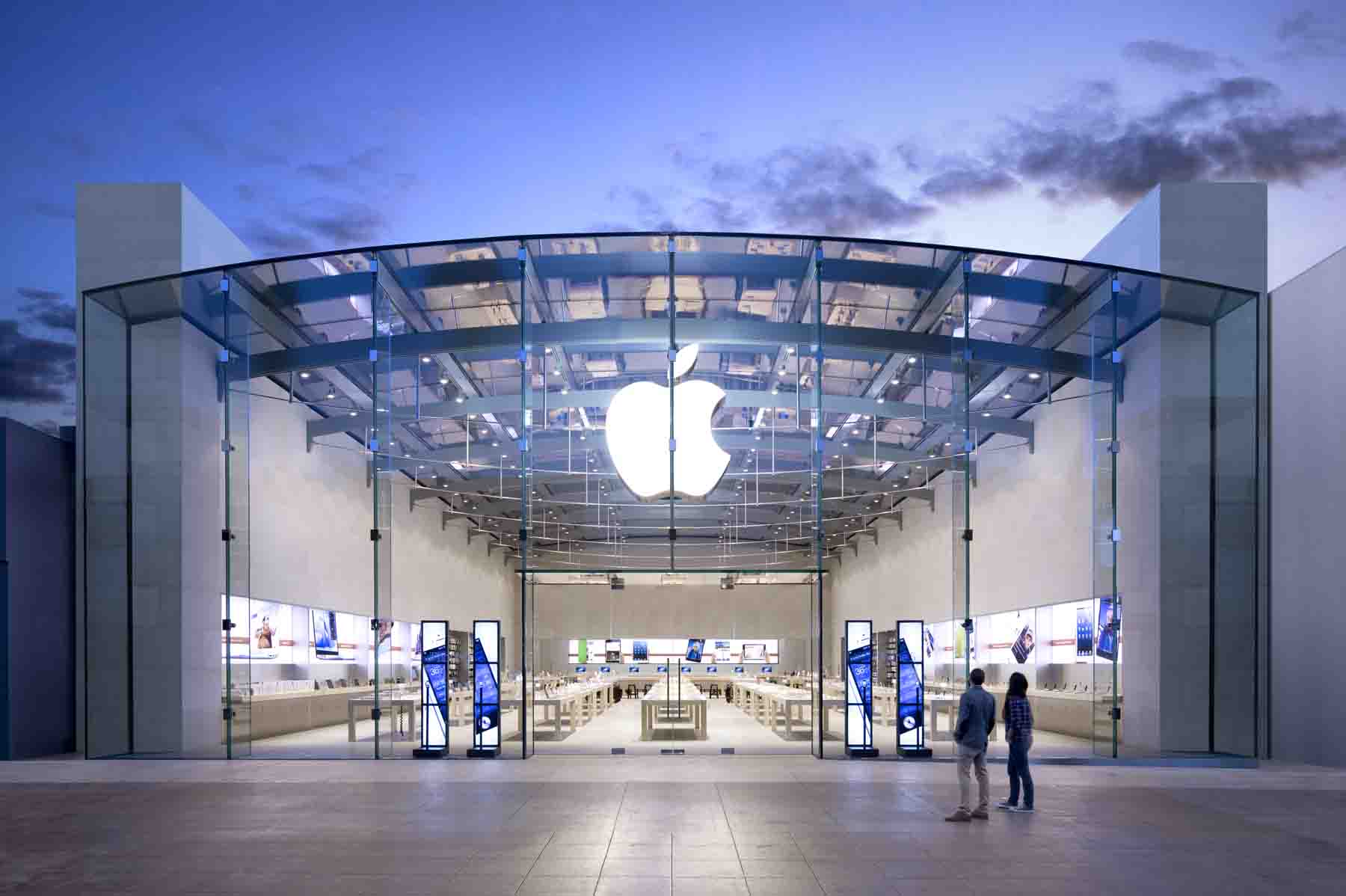
    Apple Inc.  announced that by September end, it will open two new stores in Italy and China. The announcement was made on September 9, at its long-awaited annual event in San Francisco, where it also launched a range of its new products.

    According to the company, the Chinese outlet in Nanjing will launch on September 19, while the Florence outlet will debut on September 26; both stores will open at 10 AM. Moreover, Apple unofficially confirmed its plans to launch a new store in Brussels on September 19, which would the company’s first-ever retail store in Belgium.

    The Brussels branch will be located at Avenue de la Toison d’O, the Florence outlet at Republic Square, and Nanjing outlet at Rainbow Joy Shopping Mall. Currently, the Belgium branch sports a board that states: “Creativity, to be continued,” with paintings surrounding the barricade.

    It is evident that Apple’s plan to open three new stores in different countries will help the company expand its product line to a wider customer base. With the event’s worldwide coverage, Apple’s efforts to attract a larger audience may prove successful.

    With the debut of iPhone 6s, iPad Pro, an upgraded Apple TV, and the Watch leather bands, Apple has successfully launched a diverse category of products that will help the company attract clients globally. Customers may be inclined to check the new Apple Stores after the immense hype about the new products.

    With the gradual product shipments, the company has smartly kept its users hooked for updates. Furthermore, with the three new stores scheduled to open in September, Apple has made a conscious effort to place them in central locations, which will help attract larger crowds.

    The new Apple Stores will create new job opportunities for local people, and help recruit potential employees in the respective regions. Through this expansion plan, the tech giant will not only help expand its services to other countries, but also establish improved and reliable relations for future ventures.

    The launch of the new stores, along with subtle hints for a potential store in Antwerp later, may push excited customers get a head start to plan their preorders.

  • Chinese bookstores rank among ‘world’s coolest’

    Chinese bookstores rank among ‘world’s coolest’

    Three Greater Chinese bookstores have been ranked amongst ‘the world’s coolest’ by US-based global news organisation CNN.

    In a newly-released selection posted online CNN observes that old or new, all of the stores round the world its editors selected for the “World’s Coolest” list have fascinating stories, serving as “historic sites, sanctuaries, salons of culture and must-visit entries in any travel itinerary”.

    The three Asian stores making the list are Eslite Bookstore in Taipei, Librairie Avant-Garde in Nanjing, China and 1200 Bookshop in Guangzhou, China.

    The 17,000 sqm Eslite store, which opened in 1999, trades 24-seven and stocks books and magazines in a multitude of languages. Its success has been followed with more stores in Taipei and another in Hong Kong’s Hysan Place.

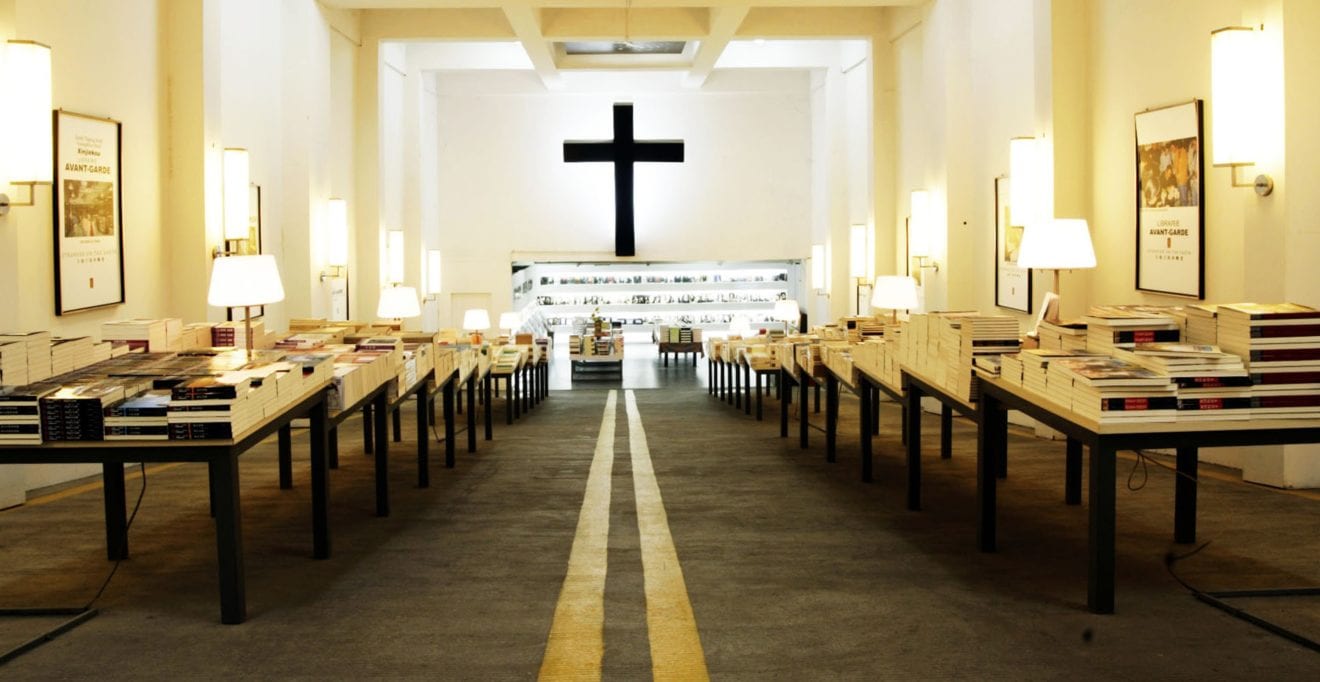
    The Librairie Avant-Garde is described by CNN as “China’s most beautiful bookstore”, located in a massive underground parking lot once used as a bomb shelter.

    “The 4000 sqm store’s unusual features include large crosses, a copy of Rodin’s ‘The Thinker’ and a checkout counter built out of thousands of old books,” writes CNN.

    “A good bookshop should provide space, vision and nurture the city with its humanitarian spirit,” owner Qian Xiaohua told CNN. “It’s a place for people to have dreams in the city.”

    And the 1200 Bookshop, which also trades around the clock, has earned a reputation for great books and coffee as well as a haven for travellers, with backpackers invited to stay in a private room in-store.

    “We are doing business at the store during daytime but making friends at night,” says founder Liu Erxi.