Tag: Nars

  • Top 10 Asian brands to keep an eye on in 2019

    Top 10 Asian brands to keep an eye on in 2019

    Last year, a rank report is released the #10 Best Performing Brands of 2017. The ranking gathered a mix of brands, which stood up from the crowd for incredible brand activities throughout the year.

    This year, the ranking focuses on Asian brands, which have registered a rapid growth in 2018 in terms of POS, distribution channels, global expansion; among them digital native brands that quickly captured a conspicuous pie of the market by conquering Millennials and GEN Z with their Intagrammable moods. From Korea to Japan, from cosmetics to accessories, the list covers the main trends to keep an eye on in 2019.

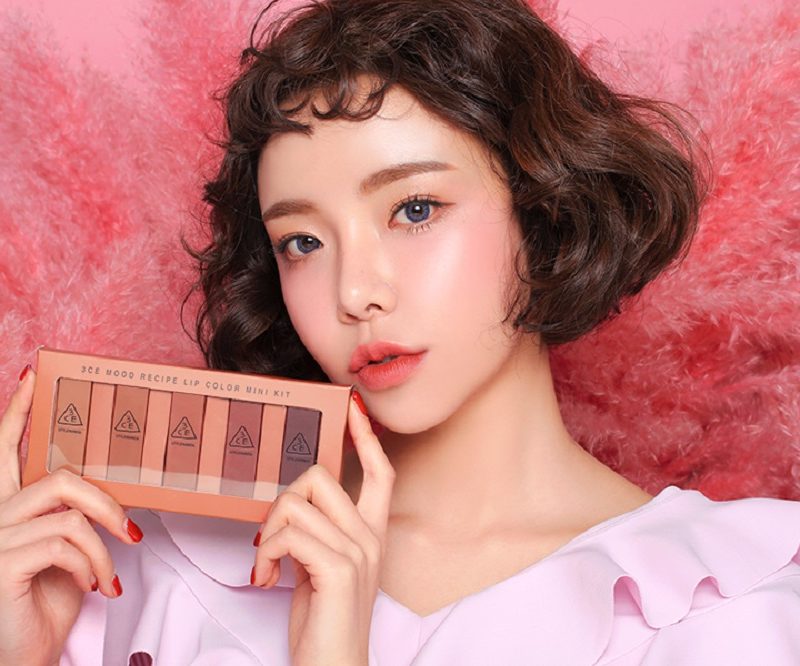
    3CE – The most Instagrammable cosmetics brand

    Launched in 2009, 3 Concept Eyes (3CE)  is the popular Korean cosmetics label of Stylenanda and is one of the youngest and most playful brand on the block.

    Founded by Kim So-Hee, the cosmetics label with mid-end price points was ranked No. 1 as the most preferred K-beauty brand by Chinese consumers in multiple surveys.

    The secret behind the success of the brand is the strong appeal it draws from Millennials and Gen Z. From product design to distribution, each facet of 3CE is thought to be Instagrammable.

    Living proof is the brand’s movie-themed flagship store in Gangnam-gu, Seoul, which turns its clients into stars getting ready to go on stage in make-up booths with colorful lighting and props in cute baby pink colors.

    Among the Instagrammable products, the brand’s jewel-like tubes of lip gloss have become a status symbol for Millennials and Gen Z, being featured in famous K-drama “Missing You” and now blanketing stores all over Asia.

    To keep it trendy, 3CE collaborated for the second year in a row with Maison Kitsuné to launch a second make-up range offering the perfect French x Korean beauty fusion with girly packaging.

    Available offline and online, 3CE’s products are distributed through its parent’s company, Stylenanda, multi-channel distribution model which includes e-commerce, speciality retailers, and point of sales in department and duty free stores.

    In less than a decade, 3CE has managed to become the fundamental pillar of Stylenanda and today represents more than 70% of the business with a 127 million euro turnover in 2017 and nearly 400 employees.

    It was actually 3CE which drove L’Oreal’s acquisition of Stylenanda earlier this June, the group’s first investment in a K-beauty brand (the exact amount was not disclosed but industry sources estimate the company was sold for between 570 billion and 600 billion won.)

    A Bathing Ape – BAPE  -The Asian streetwear brand

    BAPE is one of the most hyped brands in streetwear defined by its young audience’s appetite for anything on offer.

    Founded by Nigo in 1993, it started as a hole-in-the-wall T-shirt shop in Tokyo’s Harajuku district but in the 2000s, the brand catapulted cult streetwear into the mainstream, and was co-signed by everyone from streetwear devotees to celebrities like the Clipse, Pharrell, Kid Cudi, and Jay Z.

    In 2010, Nigo stepped down from the company as CEO, but stayed on to assist with the transition after it was sold in 2011 to Hong Kong fashion conglomerate I.T for $2.8 million.

    The hype around BAPE is still as vivid today with its unique designs appearing on everything from apparel to luxury items as celebrities from all industries like The Weeknd or American rapper Pusha T can be seen rocking the label. BAPE also takes part in collaboration as we have recently seen the exclusive line launched with the French capital’s iconic football club, PSG (Paris Saint Germain).

    BAPE was the creator of the fundamental streetwear formula of hype, scarcity and public spectacle – the brand’s recipe for success. It managed to find the right balance between exclusivity and mass appeal with prices ranging from HKD$699 to HKD$3799.

    A Bathing Ape has a very powerful brand DNA defined by its strong aesthetics: to have the BAPE look, you must go to BAPE as no substitute will do the trick. More than a clothing line, the label is a lifestyle in itself. The brand has a particular approach to collaborations, taking a lifestyle based approach as seen with the Pepsi can and MAC makeup campaigns.

    As of today, A Bathing Ape has 33 stores opened around the globe which are sitting in Japan, France, the UK, China, Hong Kong, Korea, Taiwan and Singapore. Selected dealers around the globe also offer the brands’ products. Online, the brand has 3 official website and it is also available on Zozotown.

    Owndays– The fast fashion eyewear disruptive concept

    OWNDAYS is an international optical retail concept founded in Tokyo, Japan.

    It currently has more than 120 stores in Japan and has successfully established stores in 11 overseas countries in Asia Pacific with 43 stores in Taiwan, 36 in Philippines, 27 in Singapore, 20 in Thailand, 6 in Hong Kong and 17 more spread across Indonesia (5), Malaysia (4), Vietnam (3), Cambodia (3) and Australia (2).

    Shuji Tanaka, current president and CEO, took over OWNDAYS in 2008 and has transformed it into a retail chain operation that sells over 2 million pairs of glasses annually.

    Owndays’ 3 key success factors? Simple price, Quick Service and Good Value.

    Offering a simple price system to its customers with sets ranging from HKD$480 to HKD$1280, there are no hidden costs, a refreshing touch in the industry. Customers are also seduced by the brand’s wide portfolio of products which delights both Asians and Westerns, from children to elderlies, and which is delivered in an impeccable and rapid service – essential today as we all know that time is money!

    OWNDAYS is keen on working with different platforms from different industries, including participation in one of the largest fashion shows in Japan – ‘Tokyo Girls Collection’ in 2010, and as one of the official sponsors of the world’s first large scale fashion tournament for top stylists – ‘World Runway Premiere’ in 2011. OWNDAYS also sponsored the 4th Okinawa International Movie Festival in 2012.

    The brand has its designers, but they also do great collaborations such as that with Japanese designer, Jun Hashimoto or Fashion Designer Kansai Yamamoto

    With the recent investment this November from L Catterton Asia and Mitsui & Co., I believe there is so much more to come.

    Other two similar retail concepts also rapidly expanding all over Asia are  Zoff and Jins, which increase the number of Japanese companies targeting overseas markets; and therefore, worth mentioning in this ranking.

    Charles & Keith – The affordable women’s accessory brand

    Charles & Keith is a fast fashion retailer that specialises in women’s footwear and accessories and has achieved much international success over the years.

    Homegrown on Singapore shores, Charles & Keith was founded in 1996 by the two Wong brothers. Since its establishment, the brand has expanded to more than 450 outlets worldwide and went beyond brick-and-mortar stores by offering online shopping on its website to offer its stylish and trend-focused designs in Asia Pacific, the Middle East, Europe and the United States of America.

    Known for its high quality footwear and accessories inspired by runway styles and trends for the masses the brand is constantly reinventing fashion with its curated collections.

    Charles & Keith is the answer for the trend-conscious medium high-income consumers. Indeed with its affordable price tags (from HKD$69 to HKD$1,199) and constantly reinvented inventories (it produces an average of 1,000 new designs each year, with about 15-20 new designs being introduced into stores each week), its medium-high income customers do not give it a second thought before ravishing themselves into the beauty of shopping.

    The brand has built itself a loyal customer base resting on a relationship of trust from Charles & Keith to always provide them with the latest in affordable fashion.

    Celebrities and influencers also support the brand, sharing their looks on social media platforms such as Instagram to inspire their audience. The latest Charles & Keith Holiday party, held earlier this month, featured K-pop star Yura, South Korean celebrity Lee Harin, Hong Kong actresses Grace Chan, Angela Yuen, Hedwig Tam and Ashley Lam and actor Carlos Chan or Taiwanese fashion influencer Molly Chiang, all wearing the brand’s line.

    Charles & Keith is not short of creative designs as it continuously engages in collaborations with the likes of Tokyo-based illustrator WALNUT or Disney for an Alice in Wonderland collection.

    The brand already has stores in North Africa and as it is expanding in Asia. We have also seen it opening its London offices along with logistic center in the region to serve the European market this year. Would this be the beginning of its physical expansion to the West side of the world?

    Lady M- An international triumph of sweetness

    Originally opened in Japan in 2001 by Emy Wada, Lady M is a bakery and retail cake business globally known for its elegant, handmade Mille-Crepes Cake. Bought by Ken Romaniszyn family in the early 2000s, the entrepreneur was confident of Lady M’s potential and eager to expand the brand’s presence to the US. As he began opening Lady M’s first New York boutiques, the number of them steadily increased over the following decade as the brand gained ren

    In 17 years, the New-York based bakery has grown to 26 boutiques spread over the American and Asian continent where it is present in, Singapore, Macau, Taipei, Shanghai, Beijing, Nanjing and Hangzhou. In 2018, 5 boutiques popped up in Hong Kong, including 1 at the airport, which enables visitors to take cakes home to their beloved ones.

    Lady M’s global success can be attributed to its branding inside out. Inside – the quality and beauty of cakes is all we can hear about with people queuing up outside the famous bakery; outside – its iconic logo and sleek storefront design with marble and glass displays are simply hard to miss.

    Its key success factor is the distinctive texture given by its secret recipe, which pleases palates internationally.

    Gentle Monster – Still the best store experience

    Founded in Korea in 2011, Gentle Monster, which sells oversized and low bridge sunglasses with Asian fit at premium prices (from $200 to $500), has become one of the fastest trendy fashion eyewear brands in Asia and has over the year spread its reach globally. It is a good case study of an Asian brand that was able to adapt a mature product to the local Asian demands and trends.

    Gentle Monster is being sold in over 450 selected shops in over 30 countries including South Korea, France, Spain, Italy, Portugal, UK, and opened a branch office inNY, USA.

    In terms of revenues, the year 2017 registered 250 million USD, 70 percent of which is coming from direct sales. With last year’s investment by L Catterton (60 million USD for a 7% stake), the brand opened more markets with one of a kind concept stores suchs as a kung-fu fighting boutique in London or New-York’s new flagship space while cleaning part of their wholesale distribution. The Seoul-based firm is now resuming its delayed plans for an initial public offering while expanding its business portfolio by launching its own cosmetics brand.

    Gentle Monster’s success rests on 3 key pillars: Newness, Strange Aesthetics & Celebrities.

    Hankook Kim, CEO and Founder of Gentle Monster said that consumers are not paying for his products, but rather the feeling of experiencing something new and fresh. To keep appealing to unpredictable customers, he changes store displays every 21 days and curates them as he would an art-exhibition.

    Nevertheless, having the perfect product with a unique store design is not enough today.

    It was not until 2014, three years after it was established, that Gentle Monster suddenly became known by all of Asia as South Korean actress Gianna Jun was wearing Gentle Monster sunglasses when she appeared on the hit show My Love from the Star. Following her apparition, more Chinese celebrities were photographed wearing Gentle Monster such as Li Yifeng, Yang Yang, and Kris Wu. The fame also reached the West as models like Kendall Jenner and Gigi Hadid also wore the brand.

    As the brand is now expanding globally, it is trying to reduce its link to the K-pop culture. In that spirit, Gentle Monster recently collaborated with lauded Canadian retailer SSENSE on a Matrix-esque capsule, American fashion designer Alexander Wang or London photography collective-turned-streetwear purveyor Places+Faces.

    When it comes to its expansion, the new stores in Taiwan opening this coming January and K11 Musea in Hong Kong are full of promises.

    Pomelo – The fastest growing fashion digital native concept

    Pomelo Fashion, the Bangkok-based digital native fashion concept, is one of the fastest growing ASEAN brand.

    Launched in 2013 by former Lazada Thailand managing director David Jou, Pomelo positions itself as a digital native fashion brand that is vertically integrated, delivering to over 50 countries globally.

    At the roots of its model rests New Retail.

    The principle? Enabling shoppers to narrow down their choices online to then send their favorites to physical stores for trying on for fit. This model has been the key to Pomelo’s success as it can be done in a small space, saving on rent, while giving customers the opportunity to marry the convenience of online commerce and offline service.

    With currently 6 stores in Thailand, Pomelo is now looking to open a physical location in Singapore.

    In a 6 month time span, Pomelo has in the past actively launched new products across almost 20 product categories. Those high frequency and consistent launches ensures the newness of the assortment and keep customers coming back. And as quantity does not mean everything, Pomelo hires its designers locally to ensure it fits local tastes. Cherry on the top is the brand’s price points which are about half those of Western fashion brands like Zara and H&M.

    Its success has been noticed by many, attracting investors such as JD.com which led a US$19 million investment round last year or the likes of 500 Startups, Hong Leong Group and Jungle Ventures.

    Sulwhasoo – The holistic luxury South Korean beauty brand 

    Sulwhasoo is a holistic luxury South Korean beauty brand manufactured by Amorepacific Group. It all started in 1966 when Suh Sung-whan introduced his ginseng cream to the world, without ever suspecting it was just one of many he would later on develop under the Sulwhasoo brand, created in 1997.

    Revenue leader since 2005 in its domestic market and best-selling cosmetics brands at Incheon International Airport’s duty-free shops, Sulwhasoo was the first Korean beauty brand to make 1 trillion won ($921.8 million) in sales in one year. Starting from HKD$250, the brand’s signature products average HKD$1,500.

    The success of the brand comes from its high-quality product development, which combines traditional ingredients like ginseng, Sulwhasoo’s star ingredient, with advanced sciences (the brand owns a team of over 500 researchers focused on nature-driven formulas).

    Earlier this year, Sulwhasoo has appointed hallyu star Song Hye Ko as its global brand ambassador, the first face of the company since its creation.

    Other contributor to the brand’s success is its distribution as Sulwhasoo has extended its reach beyond Korea, starting in Hong Kong in 2004. It has since entered 11 more markets including China, Singapore, Taiwan, Indonesia, Malaysia, Thailand, Vietnam, the United States, Canada and France. It is now present in over 358 locations worldwide.

    In-store experience is toda a key element of a store success and the Korean beauty brand strives everyday to bring customers its experience of the five senses offering them a luxury experience through services such as gift wrapping and hand massage.

    This year, the company aimed at increasing its store openings in second and third tier cities while expanding into four tier cities. It also expanded touchpoint in online retail by offering its products on major e-commerce sites such as VIP.com and JD.com.

    Miniso – The Japanese-based variety store mushrooming worldwide

    Miniso is a low-cost retailer and variety store chain Japanese-based design brand and if it might be barely known in the West, the success of this company is not negligible.

    It has opened over 2600 stores in less than four years, with USD1.8 billion sales volume in 2017. At present, MINISO has reached strategic cooperation agreements with more than 70 countries and regions including the United States, Canada, Russia, Singapore, the United Arab Emirates, Korea, Malaysia, Hong Kong (China) and Macau (China), with an average monthly growth rate of 80 – 100 stores.

    Established in Japan in 2013, the brand was born from a co-founding between Japanese designer Miyake Junya and the young Chinese entrepreneur Ye Guofu, a former designer.

    Miniso’s success rests on its wide variety of high quality products which boast a modern design but a very low price, ranging on average from US$1 to US$30.

    Its in-house product development also contributed to the success as over 200 procurement managers are constantly scanning the global market to spot trends and allow the brand to launch new products every week. Miniso also employs more than 500 product designers from various countries, including China, Japan, South Korea, Sweden and Denmark to satisfy all tastes.

    I am looking forward to see if Miniso will reach the challenge it has set itself of opening 10,000 stores in 100 economies, including 7,000 stores overseas, and generating 100 billion yuan ($14.52 billion) in annual revenue by 2022.

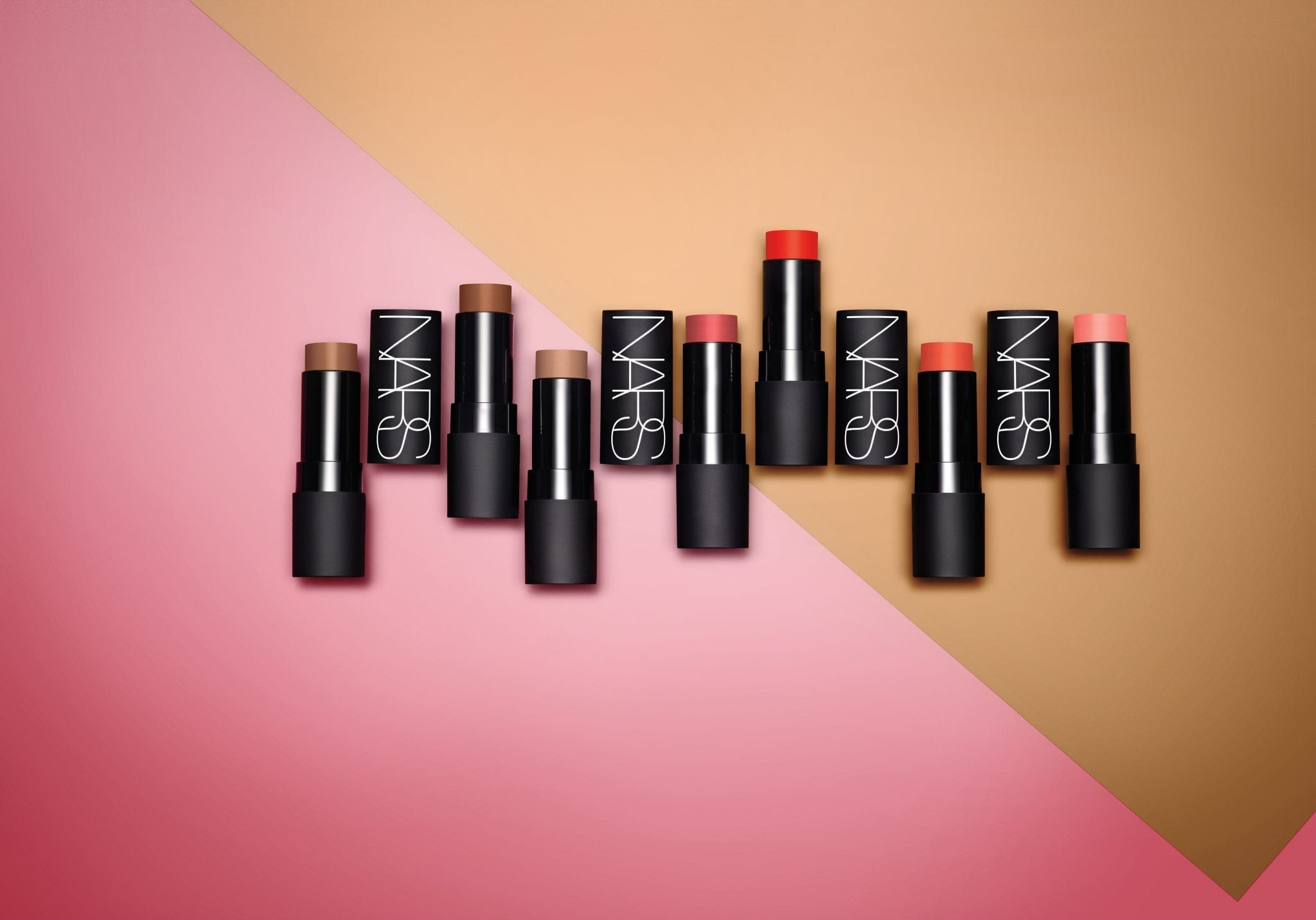
    NARS –  Shiseido family’s rising brand

    Cosmetics brand NARS, launched in 1994 by French make-up artist François Nars, quickly became one of the most sought-after in the market.

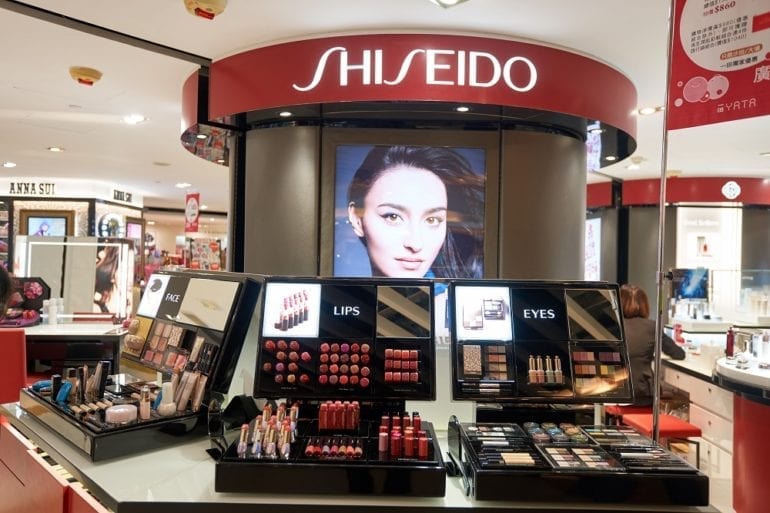
    Acquired in 2000 by Shiseido Group, it has been leading  the growth in Shiseido Travel Retail’s make-up portfolio, particularly in Asia Pacific, where sales of NARS more than doubled in 2017 over the previous year.

    The two pillars behind NARS’ strategy? Product innovation and enhanced brand animation.

    NARS offers its customers a fully comprehensive range covering all bases which has successfully seduced them.

    Addressing Chinese Millennials, Nars has built its O2O strategy around the traveller journey, creating digital and physical touchpoints pre-, during, and post-trip encouraging customer interaction at all times. The brand creates a “virtuous circle” that enhances the consumer experience and amplifies the buzz in the source market of China to drive awareness and demand.

    Key to NARS’ positioning was the accurate selection of distribution channels. At the end of 2016, the brand was available at selected retailers in France, UK, Russia, Spain, Italy, Czech Republic, Poland, Switzerland, Sweden, Denmark, Turkey, UAE, Qatar, Kuwait, Saudi Arabia, Bahrain and in 4 Travel Retail locations. In total, 511 doors. In 2017, NARS launched in Portugal and The Netherlands.

    Recent collaboration include the collection NARS developed with Charlotte Gainsbourg – ultimate Parisian hip girl.

    NARS is part of the Shiseido’s family, and like all the other brands, has greatly benefited from Shiseido’s successes collected in 2018. The Japanese cosmetics giant has been an active protagonist of 2018 beauty narrative with the release of its sustainability campaigns touching upon environmental and social pillars. Additionally strong campaigns to support its social responsible identity, new appointments, and focus on research have been the main initiatives of this year.
  • Is it the end of cosmetics testing on animals for China?

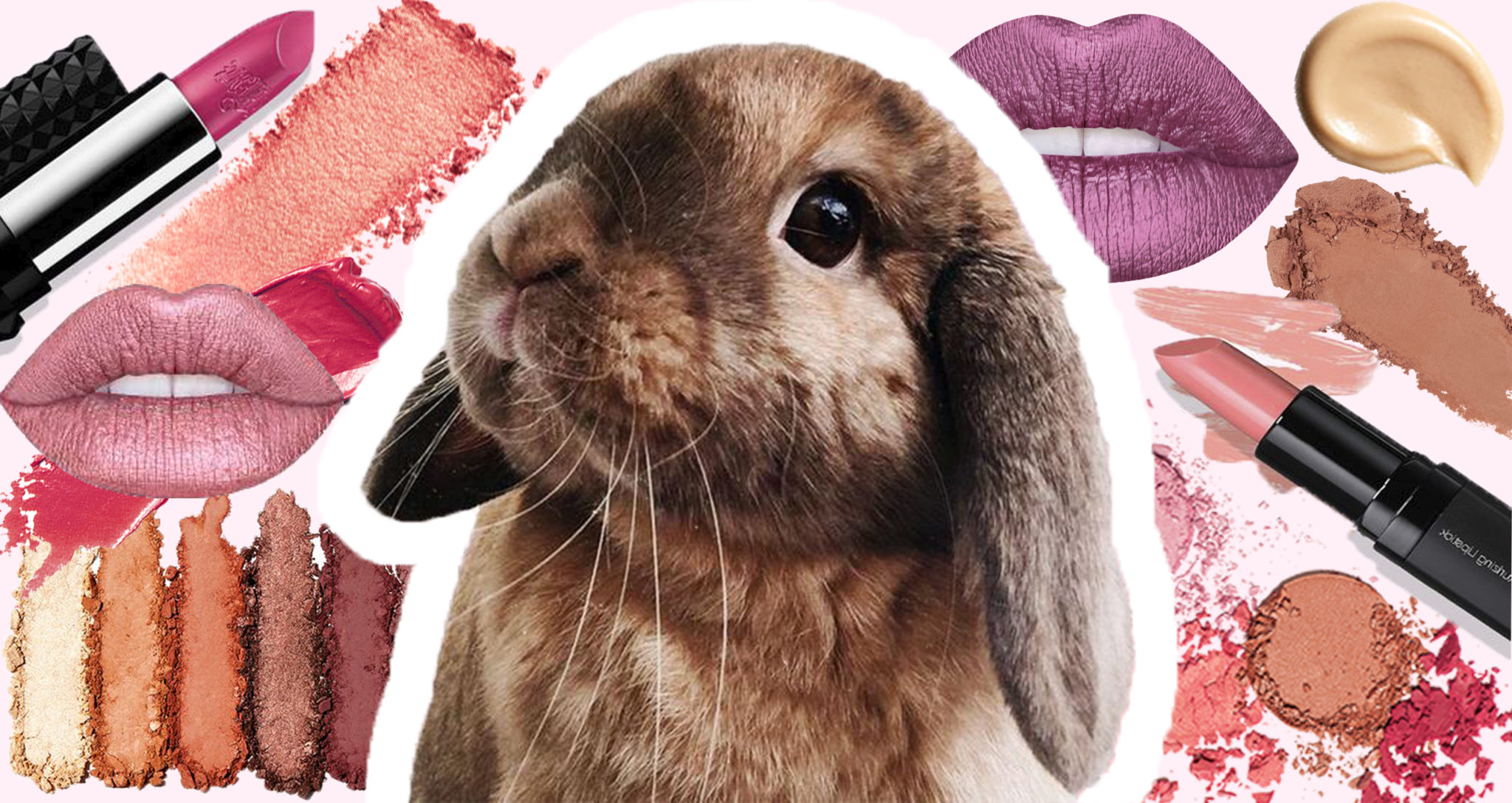
    Is it the end of cosmetics testing on animals for China?

    It has been little more than a year since French cosmetics firm NARS’ controversial decision to sell its make-up in China caused a major rift in the global cruelty-free beauty scene.

    Fans of the brand and animal-lovers may soon be able to make peace. China is mooting a change in its policy of testing cosmetics on animals which could pave the way for cruelty-free brands to tap into the country’s US$33 billion cosmetics market.

    China’s National Institute for Food and Drug Control (NIFDC) recently issued a statement about its commitment to overhauling testing in the cosmetics industry and exploring viable alternatives to animal tests that are commonly used in countries where the practice is banned. The NIFDC emphasised that research, development, and the standardisation of testing methods that don’t use animals are its top priorities.

    Animal-protection organisations have been working closely with Chinese stakeholders to replace animal testing – which, for cosmetics alone, requires the use of an estimated 500,000 animals per year around the world – with more modern and predictive technologies.

    Notable progress has been made in recent months.

    Troy Seidle, vice-president of research and toxicology for Humane Society International, said that the recent NIFDC statement, published on its official WeChat account last week, is particularly promising.

    “It would be the first time the authority has publicised its view towards cosmetic alternatives with a future strategy so clearly articulated,” Seidle says. “Chinese authorities and stakeholders are actively working to embrace validated alternatives to strengthen international regulatory alignment and trade in the cosmetic sector.”

    China’s cosmetics testing laws require all foreign cosmetics products to be tested on animals before they can be sold in the country. In 2014, China began to soften its stance, allowing domestic cosmetic brands to sell products not for “special use” (make-up, skincare, and fragrances) without the need to test them on animals, but only so long as they adhered to strict standards and a list of pre-approved and tested ingredients. This also applied to foreign cosmetics brand that chose to manufacture products in China for sale locally.

    However, the 2014 rule change was not enough to convince organisations campaigning for cruelty-free cosmetics that selling in China was acceptable. They objected because companies that manufacture in China still face a risk that animals could be harmed via post-market testing – under which brands can have products taken off the shelves and tested on animals.

    In 2017, Nudestix was taken off the cruelty-free brands list of animal welfare website Cruelty-Free Kitty after the UK brand announced it would be producing its products domestically and selling in China.

    “Even though Nudestix does not test on animals, and has successfully bypassed any required pre-market animal testing in China, this is not enough for a “cruelty-free” claim,” Cruelty-Free Kitty author Suzana Rose wrote in a blog post last month. “Any brand that sells cosmetics in physical stores in China can potentially have their products taken down from the shelves and tested on animals.”

    Mette Knudsen, CEO of KnudsenCRC, a Shanghai-based consultancy that helps companies seeking to sell in China, wanted to help brands understand just how serious the risk was of cosmetics companies encountering these post-market tests, as they remain the “biggest barrier” to receiving cruelty-free certification.

    Usually, the post-market tests take place in response to a consumer complaint, though research commissioned by consultants Reach24H found that some Chinese municipal governments would sometimes implement mandatory post-market testing.

    Through research and talks with Chinese officials, laboratories, and UK charity Cruelty-Free International, KnudsenCRC determined that post-market testing rarely involved animals. This is because animal testing is expensive – it costs five to 10 times more than other safety assessments – and also time-consuming, taking about three months to complete.

    “If you have a product with a safety risk on the shelves, you obviously don’t have three months to see if it poses a safety risk or not; you have to react immediately,” Knudsen said.

    SEE ALSO : Makeup brand Nudestix enters China

    KnudsenCRC is teaming up with Cruelty-Free International on a pilot project designed to help cosmetics brands ensure no animal testing has occurred throughout their supply chain, and is working closely with authorities in Shanghai to eliminate the risk of post-market tests.

    “Although we have a lot of assurance from the Shanghai authorities,” Knudsen says, “it’s important to have the pilot because we need to be able to say this is a route we can recommend.” Knudsen says that many brands have already expressed interest and sent in applications for the pilot. Five brands will take part in the first stage of the project, due for completion in early spring 2019.

    It could take years to implement a complete shift away from cosmetics testing using animals. But some milestones towards ending the practice have already been attained.

    The Institute for In Vitro Sciences, a globally recognised organisation working to advance non-animal testing methods in China, announced this year that a lab it was working with in Hangzhou had officially adopted a test on artificial skin. The NIFDC has also adopted alternative tests for skin corrosion and eye irritation, as well as phytotoxicity (testing on plants), with more alternative methods to be introduced in the near future.

    “A crucial first step toward transitioning to non-animal testing approaches for cosmetics in China is for the national authority responsible for this sector to officially recognise the validated test methods as acceptable,” Seidle says. “Until this happens, companies and labs have little incentive to invest money or time to establish the infrastructures and competency necessary to carry out these tests on a regular basis, or for the industry as a whole to commission such tests within China.”

    There is pressure to move quickly. The 28-nation European Union became the first region to ban cosmetic testing on animals in 2013, prompting other countries to follow suit; and the California State Assembly has just passed a bill that will make it illegal for make-up or personal care brands tested on animals, or including ingredients that have been tested on animals, to be sold in the state. If the California governor signs the bill, the law could go into effect as soon as 2020.

    China faces a juggling act on consumer safety. Given numerous food and drug scandals in recent years, safety clearly remains the government’s top priority.

    “To balance consumer safety at a time when the market is developing at 500 kilometres an hour is a very difficult task. Getting the industry up to cruelty-free standards is not something they do overnight,” Knudsen says. “I’d say the minute they can make absolutely sure that consumer safety is not in danger, obviously they would allow these alternative methods.”

    It’s not just the government that is showing movement on the matter. A new generation of Chinese consumers is demanding higher levels of social responsibility from brands – the same consumers who lavish cash on their pets as if they were their children.

    “This is where the speed at which China is moving is a very good illustration because in just 10 years, pets are everywhere. It’s a completely new mindset,” Knudsen says. “Pets have definitely spurred an interest in everything in regards to cruelty-free. This is where you see a deeper and sincere interest in not harming animals.”

    Animal-rights organisations and beauty brands such as Lush have taken the opportunity to educate consumers about cruelty-free practices to inspire more ethical choices. Humane Society International provided funding to the Dalian Vshine Animal Protection Association in China to carry out an extensive public awareness campaign, as part of the organisation’s global #BeCrueltyFree effort. Its initiatives included a lecture tour of 50 universities in 34 provinces, awareness videos on animal testing and alternative technologies screened at shopping centres.

    While there are no official channels for purchasing cruelty-free products in China, such brands already have a presence on direct-to-consumer commerce platforms like Taobao and WeChat.

    There’s also little doubt that there are conscious Chinese shoppers seeking out animal-friendly beauty products through travel abroad as they become more educated about their options.

  • Shiseido sales fueled by travel retail

    Shiseido sales fueled by travel retail

    Japanese beauty giant Shiseido Group has revealed strong sales revenue boosted by travel retail in its mid-year results.

    Shiseido sales reached ¥532.6 billion (US$4.8 billion), with ¥47.66 billion ($430.56 million) net income attributable to the business owners, 153.5 per cent above figures for the same period last year.

    A major influence on the group’s performance this year has been the 40.3 per cent increase in sales across the firm’s travel retail business.

    “In the travel retail business, the benefits derived from active investment in marketing, which included further increase of advertising and promotion in airports around the world, led to continued growth in sales of Shiseido, Cle de Peau Beaute, Nars, and Anessa that far outperformed last year, mainly in Asia,” the company reported.

    The company’s sales performance during this period has encouraged management to expect to achieve its “Vision 2020” goal of ¥100 billion ($904 million) in operating income and an operating margin of 10 per cent two years ahead of schedule.

  • Nars comes to Vietnam

    Nars comes to Vietnam

    Japanese cosmetic brand Nars has landed in Vietnam, opening a brand new store in Ho Chi Minh City. Located on Dong Khoi Street inside Vincom Center mall, Nars’ debut store offers Vietnamese customers all of the makeup brand’s newest and most popular items.

    According to Nars’ brand president, Barbara Calcagni, the new store signals the local market’s growth, and therefore, readiness for a fresh cosmetics entrant such as Nars.
    “Vietnam is a potential market for growth thanks to the rapid development of the country,” Calcagni said.

    With more than 250 shops, Vincom Center is Ho Chi Minh City’s biggest shopping mall. It is split into two separate buildings, Vincom Center A and Center B, as houses the largest array of international luxury brands and retailers.

    Nars is on an Asian retail rollout. The latest Vietnam store succeeds a new retail venture for Nars in Malaysia. Earlier this month, Shiseido Travel Retail partnered with Colours & Fragrances to open a Nars cosmetics stand-alone boutique at Kuala Lumpur International Airport (KLIA).

    The boutique is Nars’ first travel retail location in Malaysia.

    Founded in 1994 by French make-up artist and photographer Francois Nars, Nars was acquired by Japanese cosmetics giant Shiseido in 2000.

  • NARS Cosmetics makes Malaysian travel retail debut

    NARS Cosmetics makes Malaysian travel retail debut

    Shiseido Travel Retail has partnered with Colours & Fragrances to open a NARS Cosmetics stand-alone boutique at Kuala Lumpur International Airport (KLIA) on 1 June.

    The 16.5sq m boutique, which marks NARS Cosmetics’ introduction to Malaysian travel retail, is located in KLIA’s Satellite Building outside the Colours & Fragrances store.

    The boutique, said to be an expression of the brand’s “audacious and modern” DNA, is designed to guide travellers on their colour journey through a number of in-store concepts. These include the High Five Tower, showcasing the five most popular product sub-categories (concealer, foundation, lipstick, cheeks and eyes); and the Full Power Pout display which sorts NARS’ range of lip products into different shade ‘families’.

    A make-up station will offer the complete NARS assortment, including seasonal launches and travel retail exclusives. A dedicated Traveler’s Exclusive wall will highlight NARS’ first Traveler’s Exclusive collection, NARSissist #Jetsetter, which has been refreshed for 2017.

    To celebrate the opening of the new boutique, a number of promotional activities will take place from 1 to 4 June. These include complimentary make-over services by NARS make-up specialist Roland Choong, who will show travellers how to create a full beauty look using the new NARSissist #Jetsetter collection and other key products in the NARS portfolio.

    Shiseido Travel Retail General Manager – Asia Pacific Kenji Calméjane commented: “The introduction of NARS at KLIA marks a strategic new step for us in the dynamic Malaysian travel retail market as the brand continues to go from strength to strength in the Asia Pacific region. With three successful NARS boutiques in the Kuala Lumpur domestic market, the brand already has a tremendous fanbase of ‘NARSissists’ who eagerly await every new release and limited-edition collection.

    “We believe the new Traveler’s Exclusive NARSissist #Jetsetter will have significant appeal here, and with the support of Colours & Fragrances we are able to offer an exceptional environment to experience the brand’s extensive assortment.”

    Colours & Fragrances Operations Director Datin Azah Bazid said: “With its bold colours, luxurious textures and edgy style, NARS Cosmetics is a refreshing addition to our portfolio of colour cosmetics brands. The opening of the stunning new boutique underlines our commitment to becoming a luxury beauty destination at KLIA and delivering a world-class airport shopping experience to the 52.6 million international passengers passing through KLIA annually.”

  • Yoyo Cao plans pop-up for Tang Plaza

    Yoyo Cao plans pop-up for Tang Plaza

    Womenswear label Exhibit, established by Singapore designer/street-style star Yoyo Cao, plans to open a month-long pop-up store.

    At Tang Plaza from February 2, it features items from the brand’s latest collection, including exclusive pieces from S/S ’17.

    Cao’s signature boyish style includes tops with oversized sleeves and bell-bottom trousers.

    Buyers will receive Nars beauty products with every purchase.

  • How to grow for Luxury brands

    How to grow for Luxury brands

    Luxury brands need to use new technologies and offer experiences for their customers, the second Luxury Society keynote event in Shanghai has been told.

    UCO Cosmetics CEO Arthur Zhang told the event that the early-stage eCommerce model of simply providing a platform for selling products online is dead.

    He said key technologies being experimented and improved upon in China include augmented reality, virtual reality and live-streaming.

    “The millennial generation in China, which already numbers about 300 million people, seeks experiences and emotional connection – they are not just bystanders,” DLG China partner/MD Pablo Mauron told the audience of more than 150 luxury-industry brand executives. “As a result, live-streaming has become a medium for them to express themselves.”

    He told how brands such as Maybelline, Montblanc and Swarovski are taking advantage of these new opportunities.

    Underlining the key message of the event that eCommerce is changing, CEO Thibault Villet of luxury fashion eCommerce platform Mei.com told how a live-streamed show in collaboration with TMall resulted in 65 per cent of the products featured quickly selling out.

    Meaningful data

    Social customer-relationship management (CRM) makes highly targeted messaging and engagement possible, the event was told by Four Seasons Hotels Asia Pacific director of marketing communications John Hamilton. He said the luxury hotel chain has been gaining meaningful data about its customers, which in turn has driven growth. In the past year, through trial-and-error and optimisation, the group has defined a CRM-led content strategy on WeChat.

    Celebrity and key-opinion-leader partnerships can make a big impact in China, said East Entertainment commercial director Qing Dai, who spoke of her experience of partnering luxury brands with appropriate celebrities. One of Easy Entertainment’s most successful was in linking up Cartier with singer/actor Lu Han.

    Baidu GM for East China Wan (Grace) Zhang said Cartier was the most-searched luxury watch brand among the generation born between 1990 and 2000, linked to Cartier’s collaboration with Lu Han.

    Other speakers at the event included Four Seasons Hotel Pudong (Shanghai) GM Arthur Ho, writer Casey Hall of Women’s Wear Daily, Digital Luxury Group founder/CEO David Sadigh and MD for China Pablo Mauron, Baidu senior project manager Di Fu and Sephora China digital manager Vanessa Qian.

    Attendees included representatives of Alexandre de Paris, Baume & Mercier, Bottega Veneta, Bulgari, Cartier, Chanel, Chaumet, Conde Nast, De Beers, Dior, Hublot, Loewe, LVMH, Marc Jacobs, Massimo Dutti, Michael Kors, Montblanc, Nars, Net-a-Porter, Nike, Sephora, Shiseido, Swarovski, TAG Heuer, Tiffany & Co and Vacheron Constantin.

    Luxury Society, published by Digital Luxury Group, is an online destination for luxury-brand executives covering digital and technology matters and with more than 40,000 members across 150 countries.

  • Shiseido perfume ambition revealed

    Shiseido perfume ambition revealed

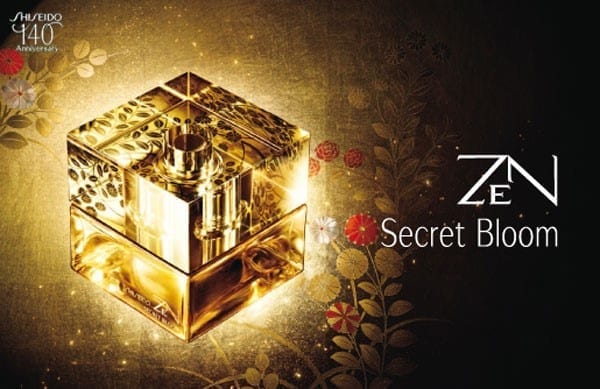
    Japanese cosmetics group Shiseido is aiming to become one of the world’s top five perfume makers in five years, up from its current seventh spot.

    New acquisitions will help Shiseido perfume market share grow – along with a step-up in marketing, especially online.

    Shiseido has beaten Spain’s Puig to win Procter & Gamble‘s Dolce & Gabbana perfume (D&G) licence, which generates 400 million euros ($445 million) in annual revenue. It aims to grow this to 1 billion euros in 10 years.
    Shiseido group chief executive for Europe, Middle East and Africa Louis Desazars, who was previously US head of Shiseido’s Nars make-up brand, says there is a new mindset and energy in the group.

    The D&G licence business will compensate for Shiseido’s loss this year of the Jean-Paul Gaultier perfume licence as part of an agreement with Puig when it bought the French brand in 2011.

    Shiseido says the D&G perfume business helped it more than double its market share instantly to 5.8 per cent from 2.2 per cent. It is aiming to reach 9 per cent in five years.

    On top of its own skincare lines, Shiseido makes perfume under licence for fashion brands Azzedine Alaia, Elie Saab, Issey Miyake and Narciso Rodriguez. The group has created a separate branch for niche brands it has acquired such as Serge Lutens last year, and the skincare and cosmetics brands Laura Mercier and ReVive in July.

    The global perfume market grew 2.9 per cent last year, while niche perfume brands saw their sales surge 15 per cent.

    Estee Lauder has also placed niche perfume brands it has bought, such as Editions de Parfums Frederic Malle and Le Labo, in a separate division.
    Including perfume, skincare and makeup, Shiseido ranks fifth globally behind L’Oreal, Coty, LVMH and Chanel, and is bigger than Clarins. In skincare alone, Shiseido says it aims to join the top three globally, up from its current fifth spot.

  • BeautyFresh has bold Asian ambitions

    BeautyFresh has bold Asian ambitions

    Singapore cosmetics startup BeautyFresh is eyeing the eCommerce potential in its home market and broader Asia.

    Stocking more than 70 international brands including Chanel, Dior, Jo Malone and Nars, the company ensures authenticity of its products by scanning them with ultraviolet light to check for defects. Employees also check to ensure products are not near expiry dates.

    Director Jack Wong has a background in online security, so is using his expertise to ensure that client data is secure. The web developments and encryption of the BeautyFresh site are similar to those of online banking (signified by a green lock in the URL).

    Meanwhile, market research firm Mintel says that a growing number of Chinese consumers are going online to buy international beauty products.

    Jo Malone_BeautyFresh.com (1)

    Its research shows that 58 per cent of Chinese consumers bought foreign products online from a domestic shopping website in the six months to the end of November last year. The top three countries buying beauty products were South Korea (47 per cent), Japan (29 per cent) and France (27 per cent).

    According to the report, cross­-border eCommerce grew more than digital retail generally last year, a trend that is expected to continue.

    While cross-border eCommerce is increasingly competitive and provides great sales opportunities, the report warns that brands need to be increasingly responsive to consumer demand.

    Quality of products (63 per cent) and prices (38 per cent) are the top concerns for Chinese online buyers.

    BeautyFresh offers free delivery on orders worth US$40 or more, and offers a 30-day money back guarantee.