Retail News CRM

Tag: National Bureau of Statistics

  • Mainland China retail sales growth slows in July

    Mainland China retail sales growth slows in July

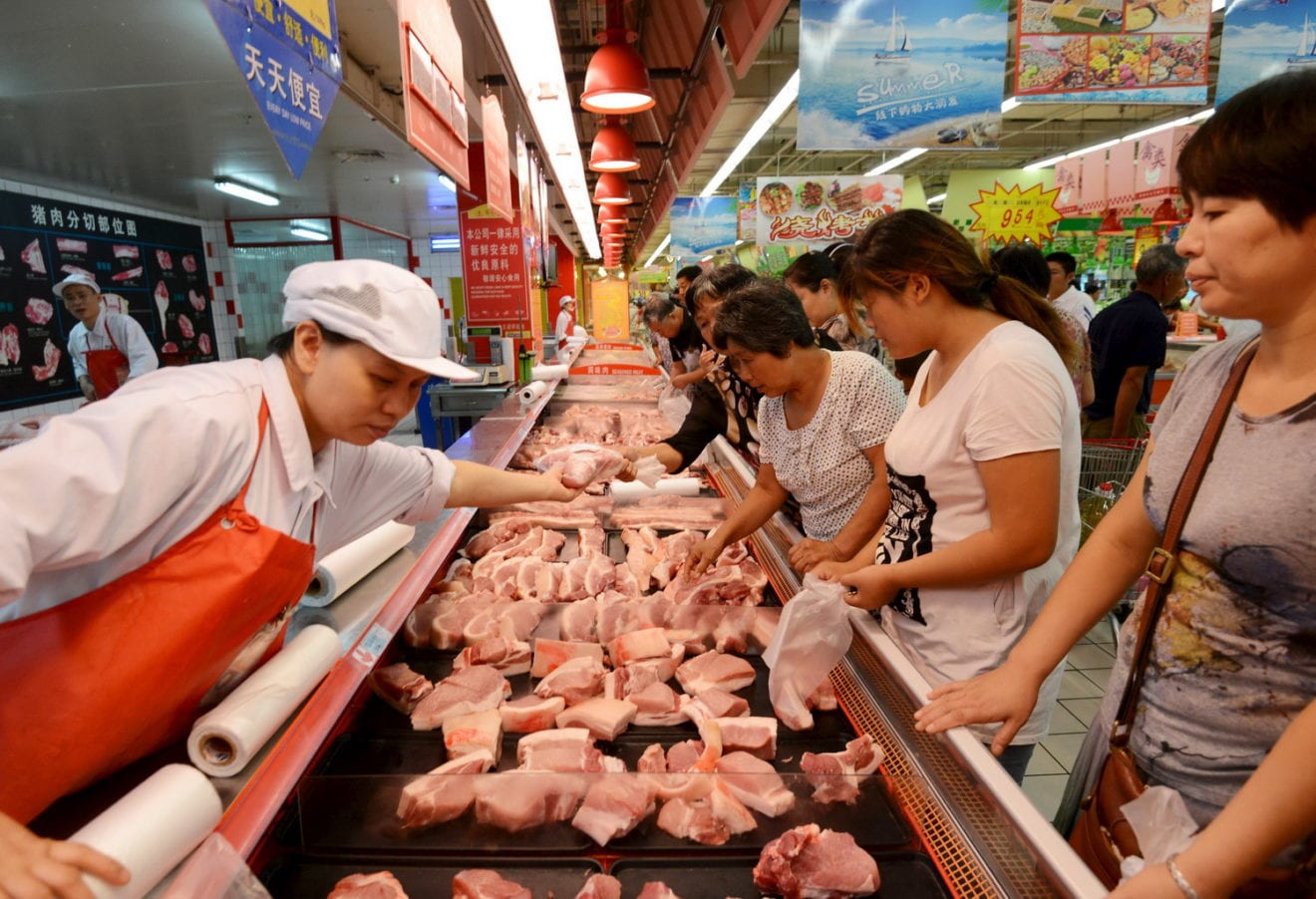
    Mainland China’s retail sales growth slowed sharply in July, statistics showed Friday, missing expectations in a disappointing sign for the world’s second-largest economy as the mainland China authorities look to consumer demand to push growth.

    Retail sales rose 10.2 percent in the month, the National Bureau of Statistics (NBS) said, a marked slowdown from June’s 10.6 percent increase and below the median forecast of 10.5 percent in a Bloomberg News poll of economists.

    Beijing is looking to retool the economy from a reliance on investment spending and exports to one driven more by consumer demand, but the transition is proving bumpy and gross domestic product growth is slowing.

    China is a key driver of the world economy but grew at its slowest rate in a quarter of a century last year, and has decelerated further since then.

    Industrial output in the Asian giant rose 6.0 percent in July over the year before, the NBS said, while fixed asset investment (FAI), a gauge of infrastructure spending, rose 8.1 percent in the first seven months of the year.

    Those figures also missed expectations of 6.2 percent and 8.9 percent respectively.

    Analysts were disappointed. Zhao Yang of Nomura called the figures an “across-the-board slowdown” that showed more weakness than expected. The investment figures were consistent with a deep contraction in imports that “points to sluggish domestic investment demand.”

    Looking ahead, factory output will face further downward pressures due to efforts to cut overcapacity, analysts with ANZ Research said in a note.

    Industrial production “may further dampen” this quarter, they added, as a result of flooding around the Yangtze River and suspended factory production in Zhejiang province, one of China’s most developed areas, due to a forthcoming G-20 summit in Hangzhou.

    Unswervingly Advance

    The NBS said in a statement China’s economy was “basically steady” in July but said that “serious disasters” from flooding and high temperatures in some parts of the country caused some indicators to slow.

    “However, overall economic development kept performing in a proper range with steady pace, as a result of stable employment and prices, deepened supply-side structural reform and accumulated new impetus,” it said.

    China should “unswervingly advance” supply-side structural reform and expand aggregate demand, it added.

    NBS spokesman Sheng Laiyun said it was “reasonable” for FAI growth to fall long-term as the economy shifts away from traditional heavy industries toward the service sector, which does not require as intensive investment.

    “The trend is good,” Sheng told a news conference. “Even though economic growth dropped slightly, the economy is stable and making steady progress, and the steady trend toward improvement has not changed.”

    Sheng acknowledged, however, that China faces “downward pressure” from weak global demand as Beijing carries out a marathon effort to nurture consumer-driven growth and reduce reliance on trade and investment.
  • China’s shopping mall operators struggle against e-commerce

    China’s shopping mall operators struggle against e-commerce

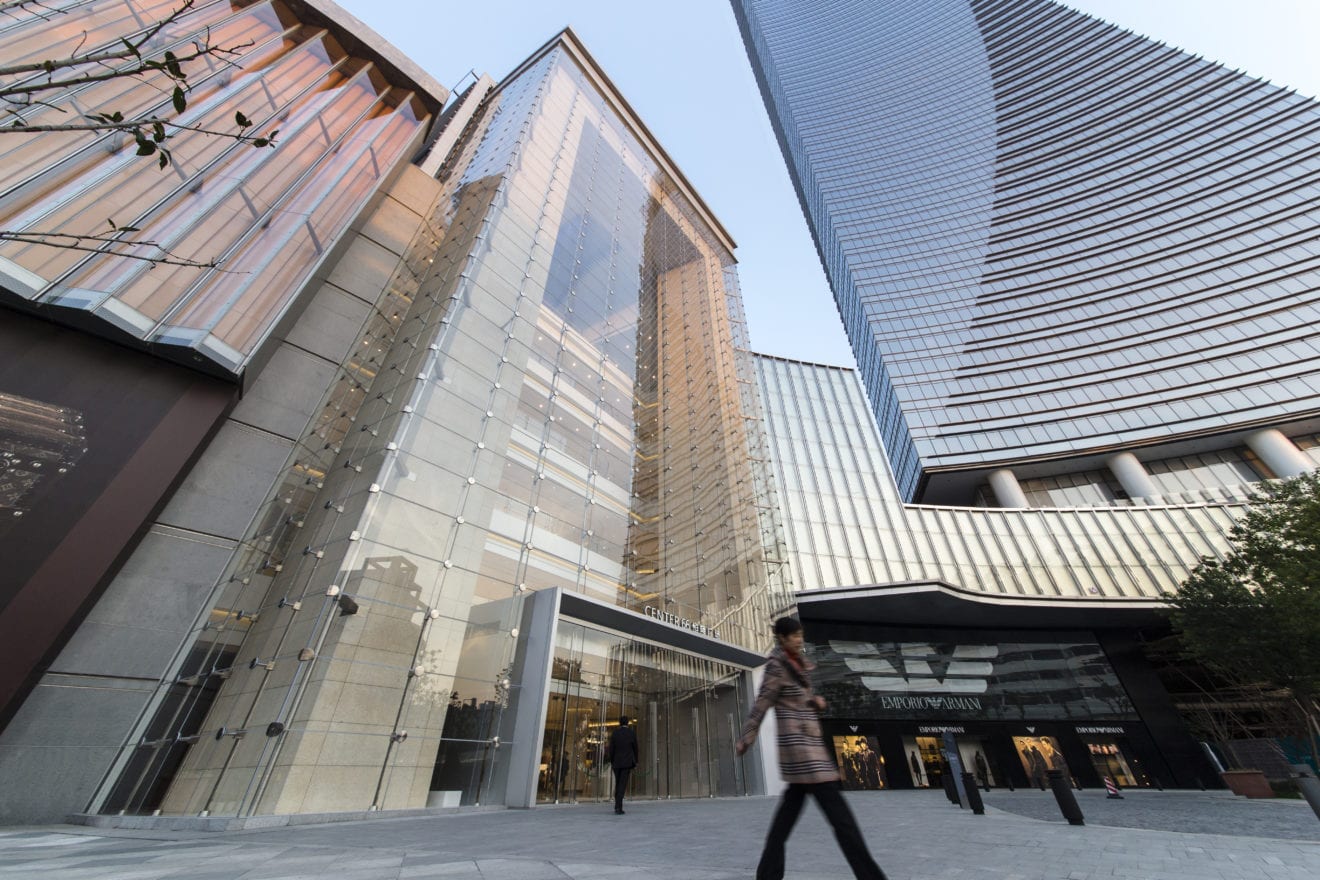
    “The supply of mall space in China is outpacing demand, as growth in retail sales slows because of the country’s lower GDP growth, and in cities where mall space is abundant, vacancy rates have risen substantially,” Marie Lam, an associate managing director with ratings agency Moody’s, said in a report.

    A raft of figures pointed to waning demand at home. China’s retail sales for the first half of the year grew by just 10.4 per cent from a year earlier, the lowest rate since 2004, data released by the National Bureau of Statistics showed.

    Although acknowledging that the outlook will continue to be murky for China’s traditional retailers, Bank of China International analysts led by Tang Jiarui noted consolidation may sweep across some of the major players in the sector, discarding the weak players and leaving the stronger ones as the survivors. “The distress, on the other hand, may give birth to a mergers-and-acquisitions boom. We see some of the leading regional shopping mall operators, including Wuhan-based Zhongbai Holdings, the potential buying targets of industrial powerhouses eyeing expansion,” she said.

    Unfazed by a flagging economy, Chinese developers’ headlong rush to branch out and build more shopping malls show no signs of dying down.

    China made up of 44 per cent of total global shopping mall completions in 2014, data from real estate consultancy CBRE said. The amount of mall-space in the pipeline is even more massive, representing 60 per cent of the total worldwide.

    In 2014, the retail space under construction in China soared by more than 50 per cent year-on-year, compared with a 21.8 per cent rise of the global total for the same period.

    “Demand for mall space from retailers in China is not catching up with supply,” Lam said.

    Adding to the burden on those brick and mortar retailers are their e-commerce rivals that managed to post robust results even as the economy grew at its slowest pace in a quarter century. Online retail sales registered a 48.7 per cent jump in the first six months of 2015 from a year earlier, according to the China e-Business Research Centre.

    A study by Fung Business Intelligence Centre found department stores in China were the worst performers among all retail formats last year with many forced to close shop.

    “Fragile global and domestic economies …competition from speciality stores and online retailers were major reasons for stores’ weak performances,” the Fung report said.

    Many of traditional retailers have been shifting to asset-light business models or exploring the online-to-offline business mode to get by.

    But a transformation can be painful for any company with more uncertainty the rule going forward.

    “Success also depends on whether the changed mall can differentiate itself from other malls that have also undergone facelifts,” said Lam, who saw rising difficulty for some shopping mall property developers in refinancing the loans they took out to shift gears.

  • China retail sales up 10.8 pct in August

    China retail sales up 10.8 pct in August

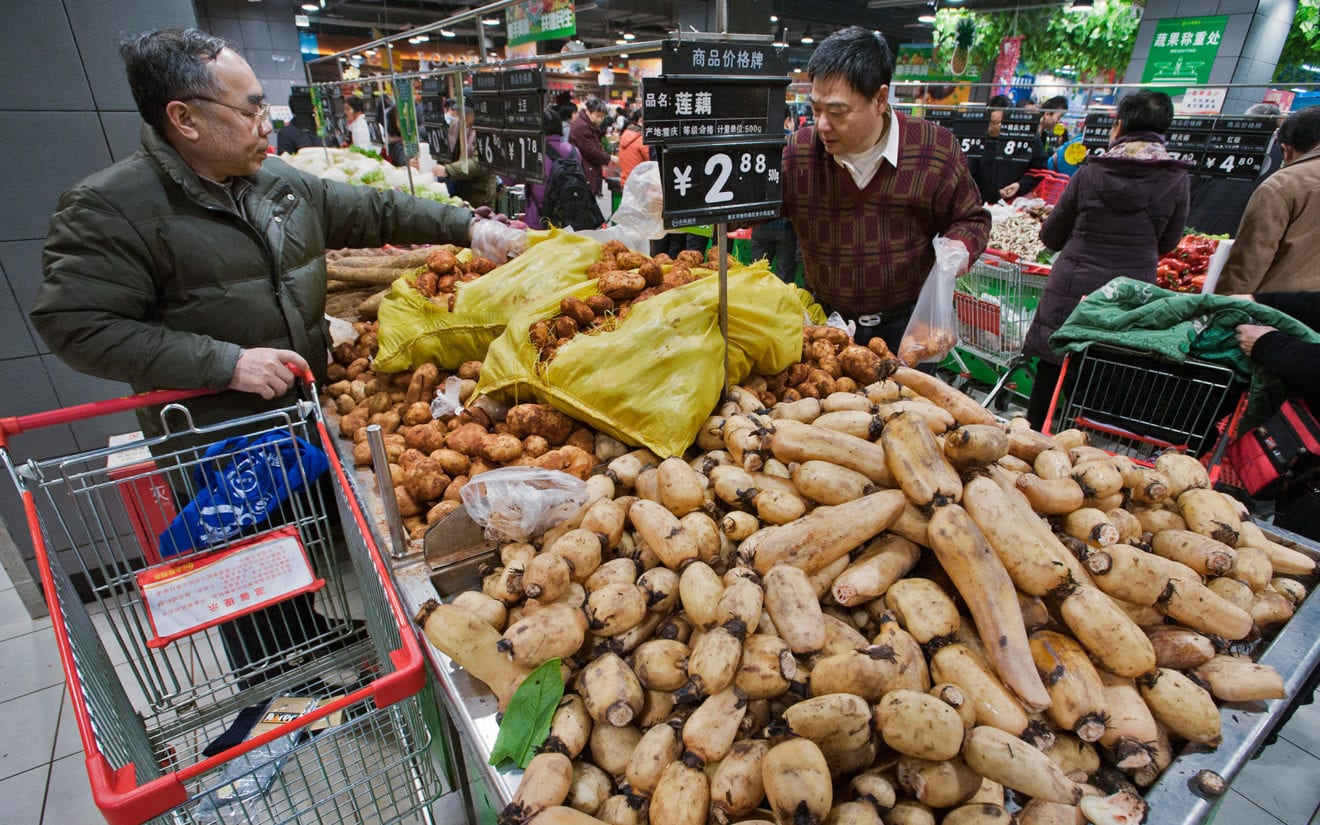
    China’s retail sales grew 10.8 percent year on year to 2.49 trillion yuan (390.89 billion U.S. dollars) in August, the National Bureau of Statistics (NBS) said Sunday.

    The growth rate picked up slightly from 10.5 percent in July.

    A key reason for the month-on-month rise in retail sales was rising retail prices, and the August retail sales growth rate is almost the same as in July if one deducts the price factor, said NBS statistician Lin Tao.

    In the first eight months, retail sales grew 10.5 percent.

    Growth in rural areas continued to outpace that in cities.

    Sales in rural areas rose 11.9 percent in August and 11.7 percent in the January-August period, in contrast to the 10.6-percent and 10.3-percent growth seen in urban areas.

    Earnings for catering services in August grew 12.4 percent, 0.2 percentage points higher than July.

    Chinese consumers increasingly favored online shopping. In the first eight months, online sales rose 36.5 percent year on year to 2.24 trillion yuan.