Tag: nepal

  • Nepal Airlines extends partnership with Unilode

    Nepal Airlines extends partnership with Unilode

    Unilode Aviation Solutions and Nepal Airlines have extended their full-service ULD management partnership for another three-year term.

    Nepal Airlines awarded the management of its containers and pallets to Unilode in 2018 and has since benefitted from the operational efficiencies provided by Unilode’s digital ULD pool of more than 160,000 units.

    Nepal Airlines currently operates two widebody aircraft to 12 international destinations and will further expand its network in the Asia Pacific region.

  • UniTeller Grows Remittance Network Across APAC

    UniTeller Grows Remittance Network Across APAC

    The U.S. based cross-border and remittance payments processor is extending its remittance services to more customers in the Asia Pacific under a partnership with Tranglo.

    UniTeller has announced a partnership with Tranglo to further expand its services in 13 Asia Pacific markets, including Bangladesh, India, Indonesia and Nepal.

    The partnership will add more than 58,000 cash pick-up points, more than 1,100 account deposit banks, and nine e-wallet platforms to its existing paying network of 90,000 paying locations in the region, according to an announcement on Thursday.

    UniTeller CEO Alberto Guerra said the partnership is a great step forward in the company’s expansion plan for the Asia Pacific this year.

    Founded in Malaysia in 2008, Tranglo operates a cross-border payment hub that provides smart services for mobile airtime top-ups, as well as foreign remittance and business payments.

    Earlier this year, Ripple acquired a 40-percent stake in Tranglo, to allow the blockchain payments company to meet growing customer demand in APAC, one of the fastest-growing regions for RippleNet. As such, UniTeller’s partnership with Tranglo also gives it access to RippleNet.

  • Nepal to debut Internet and telecom services on international airlines

    Nepal to debut Internet and telecom services on international airlines

    The Nepal Telecommunications Authority (NTA), an autonomous telecommunications regulatory body, together with the Civil Aviation Authority of Nepal has approved international airlines to use Nepal’s Internet and telecom services for its passengers.

    Airlines would need to apply to NTA, on top of obtaining permission from the International Civil Aviation  Organisation to tap into internet and telecom services above 10,000 feet in Nepal.

    Nepal is the latest country in South Asia to allow such services to passengers, following the footsteps of India and Afghanistan. Last September, Vistara was India’s first airline to offer in-flight Wi-Fi Internet connectivity onboard international flights.

  • Nepal selects frequency to embark on 5G services

    Nepal selects frequency to embark on 5G services

    Nepal’s National Telecommunication Authority (NTA) has determined its 5G frequency as the country prepares to deploy 5G service. NTA will follow the recommendations set out by the National Frequency Management Forum, a body initiated by the NTA, the Ministry of Communications & Information Technology (MoCIT) and telecommunications operators.

    According to NTA’s spokesperson, Meen Prasad Aryal, the National Radio Frequency Policy Determination Committee has received a proposal with recommendations using 700 MHz, 900 MHz, 2300 MHz and 2600 MHz for the low-band spectrum, 3300 MHz, 3400 MHz, 3600 MHz and 4100 MHz for the mid-band spectrum, and 26 GHz for the high-band spectrum.

    Established to manage existing and new spectrums, the National Frequency Management Forum performed studies for 5G spectrums before recommending a suitable spectrum for allocation. The National Radio Frequency Policy Determination Committee must now approve NTA’s proposed frequencies before spectrums will be allocated to operators.

  • Nepal’s Per-Capita Income Projected

    Nepal’s Per-Capita Income Projected

    Due to constant changes in the political scene, Nepal’s economic development has always been complicated. From being ruled by a monarchy to being under the leadership of the communist party last year, this country’s economic state has been tough. The isolated agrarian society entered the modern era in 1951, with no hospitals, roads, electric power, civil service, industry, or schools. However, the country has made significant progress in achieving sustainable economic growth.

    According to the Central Bureau of Statistics, Nepal will have a 2.27% annual economic growth in 2020 due to the impact of the ongoing pandemic. The CBS also projects that the growth rate of the nation’s GDP (gross domestic product) will be around a quarter of what the government projected. That has been caused by the ongoing lockdown in most countries, which has hindered travel and tourism in fascinating sites like Mount Everest and other scenic areas.

    The hospitality industry is also going through a major hit, leading to a significant loss of income as people continue to adhere to social distancing advice. While releasing their report, CBS, which is Nepal’s central agency for collecting, analyzing, processing, consolidating, and publishing statistics, projected the country’s per capita income to be Rs 126,018 for the year 2076.

    The CBS also corrected the projected per capita income for this fiscal year. The organization announced a per capita income of USD 1039, after projecting it to remain at USD 1034. As a result, Nepal’s annual GDP is expected to grow at a rate of 2.27% compared to the current price.

    Comparing the statistics of the last three years, the report concludes that the contribution of tertiary and primary sectors has been increasing gradually. However, secondary sectors have been decreasing their contribution to the economy to some extent.

    Nepal’s main economic activity remains agriculture, employing about 65% of the country’s population and contributing 31.7% GDP. That’s quite impressive, considering that only 20% of the country’s total area is arable, while 40.7% is covered by pastureland, forest and shrubs. The rest of the country is covered by mountainous regions.

    The main crops grown in the country are fruits and vegetables like potatoes, tomatoes, apples, peach, pears nectarine, and various salads.  Nepal also grows wheat and rice, with the lowland Terai region producing agricultural surplus that feeds food-deficient hill areas. However, the country’s GDP heavily depends on foreign workers, who contribute 9.1%.

    While analyzing this year’s statistical data, CBS divided the industrial sector into three sections. That includes Tertiary, secondary and primary sectors. The primary sector features agriculture and fishery, mining & quarrying and forestry, all contributing a total of 28.20% to the GDP. Manufacturing, construction, water, gas, and electricity were categorized in the secondary sector, contributing 13.72% to the GDP.

    The CBS also projected that the tertiary sector’s contribution to the country’s GDP would be 58.08%. This sector includes retail and wholesale trade, restaurant and hotel, communication and storage, social work, health, education, defense, financial inter-mediation, transportation, and other community services.


  • Nepal to shut down CDMA from 2022

    Nepal to shut down CDMA from 2022

    The Nepal Telecommunications Authority (NTA) has reportedly decided to switch off CDMA services in Nepal from 2022.

    The regulator’s Radiofrequency Policy Determination Committee has decided on a policy of CDMA network shutdowns in order to pave the way for refarming spectrum in the 800-MHz band.

    Currently only Nepal Telecom operates an active CDMA service, under the brand Sky. The service is currently available in most areas of the country, but the user base is low due to the preference for GSM services in the market.

    Nepal Telecom had decided in 2017 to stop investing further in both CDMA and Wimax, but has not currently set a date for the network shutdown.

    The operator plans to return its 6 MHz of 800-MHz spectrum to the regulator after the network shutdown.

  • Kutchina opens second store in Nepal

    Kutchina opens second store in Nepal

    Kutchina has opened its second store in Kathmandu spanning across 500 sq.ft. Targeting middle and higher income group customers, the store offers complete kitchen solutions including entire range of big appliances and modular kitchen. Look and feel of the store is a mixture of Kutchina’s modern concept with a traditional touch of Nepal’s rich culture. The walls of the store are given a look of Brick Mounting which resembles traditional houses of Nepal and adds that wow factor to the store.

    Designed by in-house designers, the store highlights all the elements of the products with the use of LED and Track lights. At present, the brand has 20 stores in India and 2 in Nepal.

  • JD stores open in Beijing and Mongolia

    JD stores open in Beijing and Mongolia

    Chinese online retail giant JD has opened two new innovative stores at Beijing Capital International Airport (BCIA) and Hohhot East Railway Station in Inner Mongolia. In a move to further expand the firm’s “boundaryless retail” strategy, the JD travel retail stores use the e-commerce company’s latest retail technology in order to make it easier and more enjoyable for travellers to purchase on the go. The openings add airports and railway stations to JD’s offline retail offerings, which already include convenience stores, supermarkets, and partnerships with hotels.

    Located in the departure lounge of Terminal 3 at BCIA for the next three months, JD’s pop-up store will offer popular travel items such as daily necessities, clothing, mobile accessories, beauty products, and bags and suitcases. The store uses JD’s smart store technology to understand how customers interact with products as well as which products to offer them. The integrated JD Zu Chongzhi platform can analyse customer behaviour and traffic flow, such as generating heat maps, in order to assist with product selection and inventory management, ensuring smooth store operations.

    “[Stocked] with items popular among travellers, the new shop will not only offer the products they want to buy most on their journeys – it will also allow them to personally experience what shopping of the future will be like, brought to them by China’s largest and most innovative retailer,” a spokesperson for BCIA said.

    The 100sqm unmanned Hohhot East Railway Station JD travel retail store opened in partnership with China Railway Express. It also makes the most of JD’s technological capabilities, with features such as facial-recognition payment and smart vending machines. Later, the store will make use of a Mini Program in WeChat so that customers can choose to buy on the spot and take their purchases with them, or shop online and have them delivered to a convenient location.

    JD Logistics and China Railway Express have been cooperating in logistics transportation since 2014, and have worked together to help facilitate the JD Luxury Express “white glove” delivery service as well as fresh food delivery via high-speed rail.

    “Many of our customers enjoy shopping while traveling and we’re determined to make sure they benefit from the convenience of JD wherever they are,” JD’s GM of social e-commerce and retail innovation, Bing Zhang, said.

    The new JD travel retail stores in Beijing and Inner Mongolia will provide them with a truly seamless experience that is unrivalled anywhere”.

  • Ncell Axiata expands LTE network

    Ncell Axiata expands LTE network

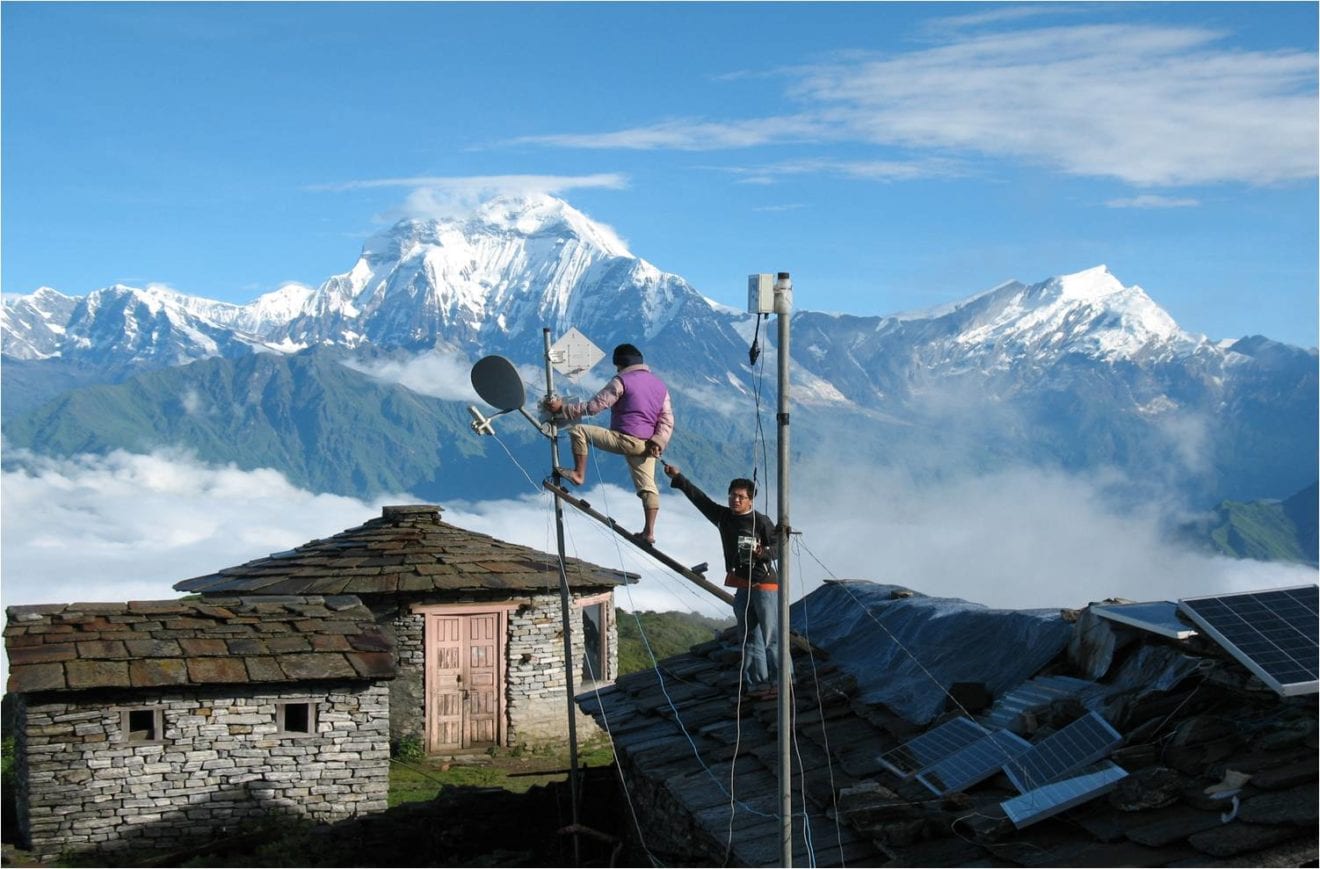
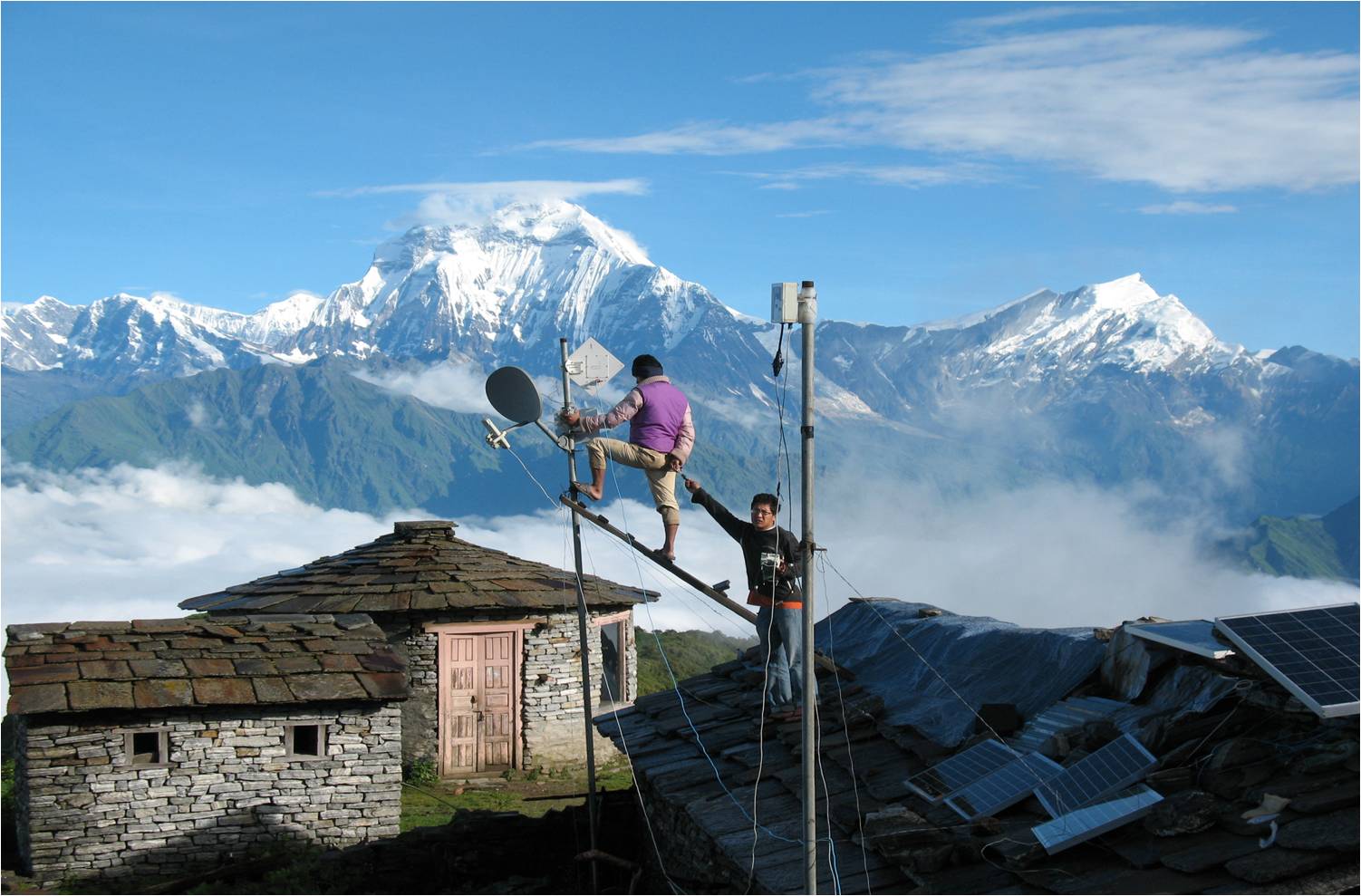
    Nepal’s Ncell Axiata has revealed it has expanded its LTE network to cover two more cities – Lahan and Dhangadhi.

    The operator’s 4G network now spans 21 cities, giving Ncell the widest 4G coverage in the market at more than 15% of the population.

    Ncell launched 4G mobile broadband in the 21 cities last week. The company is giving customers the ability to acquire a 4G SIM with the same mobile number for just 1 rupee ($0.0098).

    The new SIM will be bundled with 1GB of 4G data valid for three days, as well as a buy 1 get 1 free offer providing the equivalent of double the 4G data for any data packs. The offer will also be bundled with a 30 day subscription to the Yonder Music digital music library.

    As well as the two new cities, Ncell’s 4G network covers Nagarkot, Banepa, Dhulikhel, Pokhara, Damauli, Biratnagar, Birtamode, Damak, Dharan, Bharatpur, Hetauda, Birjung, Bhairahawa, Butwal and Nepalgunj, Kolhpur and Birendranagar.

    “We are very much delighted to announce introduction of 4G service in Lahan and Dhangadhi, bringing more people into access of new technology based high speed mobile connectivity,” Ncell corporate services director Pranay Acharya said.

    “By making the 4G service accessible to more than 15% of population, we have been able to swiftly deliver on what we have committed, contributing towards the goals of National Broadband Policy and Digital Nepal.”

    Expansion to other parts of the country is already underway.

  • WorldLink to build Nepal’s first 100G OTN

    WorldLink to build Nepal’s first 100G OTN

    Nepal’s WorldLink has engaged Nokia to deploy the nation’s first 100G optical network.

    WorldLink, Nepal’s largest fixed broadband operator, is upgrading its 650km backbone network with Nokia’s PSS DWDM technology.

    The backbone network spans from capital Kathmandu to the cities of Bhairahawa and Birgunj, and provides international connectivity between Nepal and countries including India.

    WorldLink has an estimated 120,000 residential broadband subscribers and 5,000 enterprise broadband circuits. The operator is currently connecting 10,000 residential FTTH subscribers per month, and is conducting the upgrade to help meet the fast-growing demand for network capacity.

    “WorldLink has a commitment to Nepal to transform the communications landscape so that our people and enterprises thrive,” the operator’s CTO Samit Jana said.

    “This is our largest project to date and it will allow us to provide ultra-fast broadband services for our mobile and fixed network subscribers in cities as well as rural areas across the country.”

    Nokia head of India Sanjay Malik added that the company is “proud to be part of WorldLink’s vision to transform Nepal’s communications architecture by providing the first 100G transport network. Nokia’s highly scalable optical platform will ensure low latency and high resiliency, and allow WorldLink to cost-effectively increase network capacity as needed.”

  • Ncell taps ZTE for network virtualization

    Ncell taps ZTE for network virtualization

    Nepal’s Ncell Axiata has contracted ZTE to provide network virrtualization technologies for a new virtual subscriber data management (vSDM) platform.

    The operator’s vSDM platform will use advanced virtualization, advanced distributed architecture, hierarchical storage, multi-level protection and cloud technologies, ZTE said.

    Ncell is conducting the project in a bid to establish a more intelligent and flexible telecoms network while increasing cost savings on hardware investment and operations.

    Malaysia-based Axiata Group completed the acquisition of an 80% stake in Ncell in April 2016 for 5.9 billion ringgit ($1.37 billion). Ncell is competing with state-owned Nepal Telecom to be the market’s top operator by market share.

    Ncell has meanwhile announced it has expanded its LTE service to the Pokhara and Damauli areas as part of its plan to make 4G accessible to 15% of the population by the end of the year.

    The operator launched initial 4G services in Kathmandu Valley including in Nagarkot, and Banepa and Dhulikhel on June 1 after securing permission to deploy services over its existing spectrum under Nepal’s technology neutrality principles.

    Ncell aims to make 4G service available in 40 cities nationwide by 2018. Nepal’s National Broadband Policy aims to make broadband connections available to 45% households within 2018 and connect all village development committees with broadband by 2020.

  • Nepal’s Smart Telecom secures 4G license

    Nepal’s Smart Telecom secures 4G license

    Nepal’s Smart Telecom has become the market’s third mobile operator to secure a 4G license from the Nepal Telecommunications Authority (NTA).

    The regulator has authorized Smart Telecom to launch 4G over its existing 1800-MHz spectrum holdings from July 30.

    The license has been granted based on Nepal’s technology neutral spectrum principle, but has the condition that Smart Telecom must pay all unpaid spectrum, renewal and frequency fees by the July 30 deadline.

    Smart will also be required to submit 4G operation reports to the regulator every three months, the report adds.

    With the approval, three operators have now been cleared to launch 4G services. Nepal Telecom secured a license in October, while Ncell’s application was approved earlier this month.

    Smart Telecom has announced plans to commence its 4G rollout in major cities including Kathmandu, Lalitpur, Bhaktapur, Pokhara, Birgunj and Bhairahawa. The operator is Nepal’s smallest mobile player by subscribers, with a market share of less than 1%.

    Of the market’s six mobile operators, only United Telecom has also expressed an interest in launching 4G. But the regulator has yet to decide whether to grant a 4G license to the operator.

  • Nepal Telecom Authority clears Ncell to launch 4G services

    Nepal Telecom Authority clears Ncell to launch 4G services

    The Nepal Telecommunications Authority (NTA) has cleared operator Ncell to launch 4G services over its existing 900-MHz and 1800-MHz spectrum holdings, paving the way for the operator to compete with Nepal Telecom.

    The telecoms regulator has informed Ncell it is clear to launch 4G services using its spectrum holdings from June 1.

    But the move goes against the decision of Nepalese parliament’s Public Accounts Committee (PAC) not to allow Ncell to launch 4G services until it pays a capital gains tax the government has been demanding from the operator.

    According to the report, the committee had approached the regulator asking why Ncell had been permitted to roll out 4G services despite the tax dispute. The NTA responded that it had given the directive in the spirit of the technology neutrality spectrum policy.

    Nepal’s Development Committee had also directed NTA to allow a launch on the grounds that consumers have been negatively affected by the decision to delay providing approval, undermining the committee’s authority.

    In light of the PAC’s concerns, the regulator noted that while Nepal Telecom has been granted new spectrum to support its 4G foray, Ncell so far has not.

    The tax dispute centers on Ncell’s former shareholder TeliaSonera’s decision to exit the Nepalese market. The Sweden-headquartered operator sold its indirect majority stake in Ncell to Malaysia’s Axiata Group for $1.36 billion during a deal announced in April last year.

    The Nepalese government has demanded that capital gains tax be paid on the transaction, but because TeliaSonera had already exited the market and had disputed the assertion that the transaction is taxable, it has been leaning on Ncell to resolve the issue and potentially pay the tax on TeliaSonera’s behalf. But Ncell has resisted this pressure.

  • Nepal telcos told to adopt 10-second billing next week

    Nepal telcos told to adopt 10-second billing next week

    Nepal’s mobile operators will need to implement 10-second billing from next week and per-second billing from October under a new regulatory directive.

    The Nepal Telecommunications Authority (NTA) has instructed operators to reduce billing durations for domestic calls from the current 20 seconds to 10 seconds from April 14.

    The reduction to per-second billing will subsequently need to be implemented from October 18 to coincide with the Nepali new year.

    The minimum billing unit for landline calls has meanwhile been fixed at 60 seconds. International calls will be reduced to 30 second billing from the April date and to 10 seconds from October.

    According to the report, the NTA implemented the reductions following consultations with the industry, but the regulator still plans to conduct checks to make sure the nation’s six operators follow the directive.

    The directive will need to be implemented by Nepal Telecom, Ncell, UTL, Smart Telecom, Nepal Satellite Telecom and STM Telecom.

  • Nepal Telecom reaches 500,000 4G subscribers

    Nepal Telecom reaches 500,000 4G subscribers

    Nepal Telecom has revealed that its 4G subscriber base has passed 500,000 less than three months after launching the services.

    The operator, currently Nepal’s only 4G provider, announced that it now has over 524,000 subscribers. Nepal Telecom launched 4G services at the start of January, initially in the Kathmandu and Pokhara areas.

    But of the operator’s total 4G subscriber base, only around 67,500 are postpaid, whereas the remainder are prepaid. Nepal Telecom launched prepaid LTE services in February.

    The total 4G base also currently only makes up a small portion of Nepal Telecom’s roughly 8.1 million mobile internet users, the report indicates.

    Nepal Telecom is also currently limited to providing 4G using a mere 5 MHz of 1800-MHz spectrum, capping peak data rates at 32.4Mbps, but is currently seeking more spectrum from the government to offer faster services.

    To mark the occasion of this year’s Holi spring festival in Nepal, the operator has meanwhile introduced new data and SMS offers for subscribers, including 200MB of bonus data for GSMA/CDMA prepaid users on a top up of 200 rupees ($1.88).