Tag: Netherlands

  • ASML Warns AI Chip Tool Demand Will Outstrip Capacity Through 2028

    ASML Warns AI Chip Tool Demand Will Outstrip Capacity Through 2028

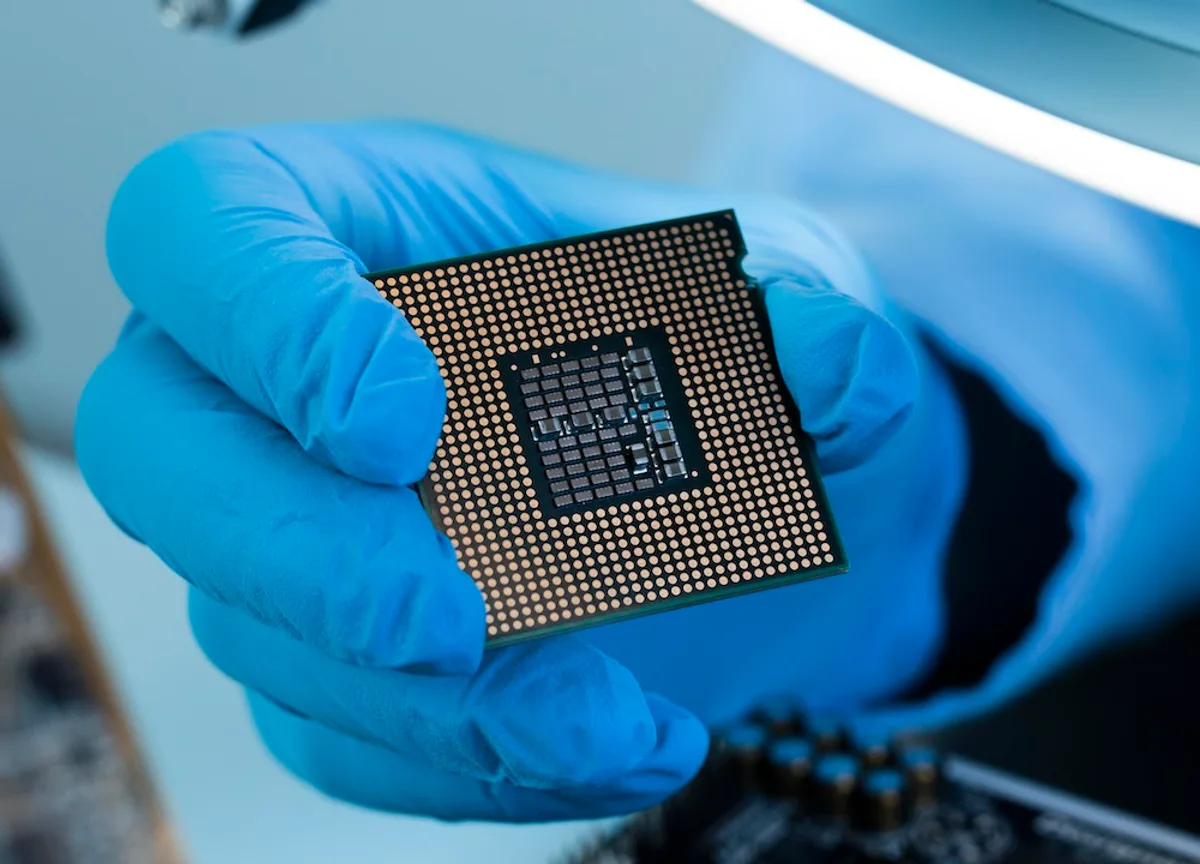
    ASML will fail to satisfy customer demand for its chipmaking machinery in 2027 and 2028 as orders for artificial intelligence hardware exceed manufacturing capacity.

    The Dutch equipment maker projected fourth-quarter sales between €14.2 billion and €15.2 billion, beating average market forecasts of €14.19 billion compiled by LSEG.

    Gross margins for the final quarter are projected at around 57 per cent. Extreme demand for advanced lithography systems has stretched delivery schedules well past normal lead times, pushing commercial negotiations into the next decade.

    Delivery Bottlenecks Hit Advanced Fabs

    Chief executive Christophe Fouquet confirmed that order discussions with key chipmakers now routinely bypass near-term delivery slots. Demand has outpaced every planned production adjustment across the company’s assembly facilities.

    “A lot of our discussions with our customers now are shifting in fact beyond 2027,” CEO Christophe Fouquet said in a statement.

    Fouquet noted that tool buyers are placing firm bookings for 2028 delivery while opening formal negotiations for 2029 and 2030 production slots. Foundries across Asia building capacity for artificial intelligence processors face extended wait times for critical extreme ultraviolet scanners.

    Asian Foundry Expansion Pressures

    For semiconductor manufacturers in Taiwan, South Korea and Japan, machinery shortfalls limit how fast new wafer fabrication plants can ramp output. Tool allocations dictate foundry expansion schedules, consumer hardware production runs and memory delivery timelines.

    The equipment shortage concentrates operational risk among contract chipmakers competing for identical production slots. Commercial foundries that secured earlier delivery positions will hold output advantages over rivals waiting on delayed tool shipments.

    Capacity Expansions Fall Short

    Production limits persist despite aggressive factory investments announced earlier this year. In July, the toolmaker outlined plans to raise equipment output by 30 per cent in 2027 and add another 30 per cent capacity increase in 2028.

    Those production increases will still leave the manufacturer short of customer requirements. Management is reviewing additional manufacturing options to widen assembly bottlenecks before 2028 delivery commitments close.

    Production Timelines to Watch

    Tool buyers now face strict ordering windows to secure production slots for 2029. Equipment allocations and any revision to the planned 30 per cent annual capacity increases will determine delivery timelines for global semiconductor plants.
  • Li Auto Delays European Debut to First Quarter 2027 with Norway and Netherlands Rollout

    Li Auto Delays European Debut to First Quarter 2027 with Norway and Netherlands Rollout

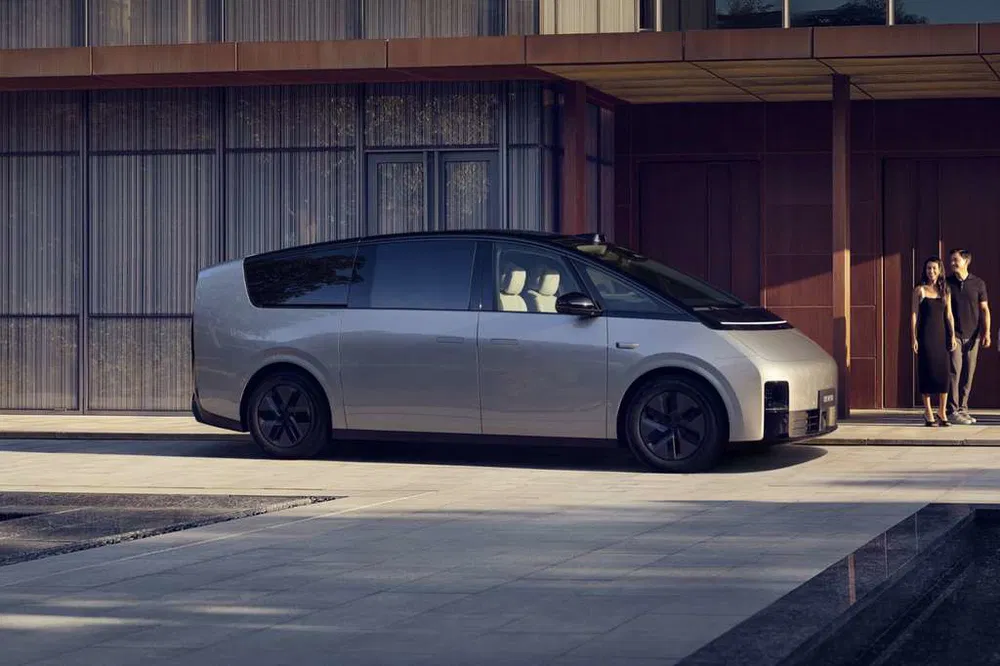
    Li Auto pushed its European market debut to the first quarter of 2027 on Monday. The company revealed the battery-electric Li 6 SUV in Paris ahead of initial sales in Norway and the Netherlands.

    That timeline delays European showroom arrivals from late 2026. Management previously gave a fourth-quarter 2026 target during an August earnings call.

    Benjamin Baum, senior exterior design director at Li Auto, presented the vehicle on October 12 during the opening day of the Paris Motor Show. Known as the i6 in China, the export model carries the shorter Li 6 badge for European buyers. Deliveries will focus first on Norway and the Netherlands before expanding across other European markets. Localized versions of the brand’s extended-range hybrid models will arrive at an unannounced date.

    European Target Selection and Vehicle Architecture

    Norway and the Netherlands serve as proving grounds for Chinese electric carmakers entering Europe. Both countries offer dense charging networks and high EV adoption rates. Li Auto chose pure electric drivetrains for Western Europe while prioritizing extended-range hybrids in Central Asia and the Middle East to match local charging infrastructure. In July, it introduced the L9 extended-range SUV in Kazakhstan and Uzbekistan. That rollout drew technical support from an engineering center established in Munich in January 2025.

    Engineers built the European specification to meet Euro NCAP five-star crash test standards. Formal safety assessments will follow once local market deliveries begin. Under the floor sits a 96 kilowatt-hour fast-charging battery pack. It delivers an operating range of up to 780 kilometers under China Light-Duty Test Cycle standards. Li Auto designs the battery cells internally and outsources cell fabrication to suppliers CALB and Sunwoda, though it builds the completed packs in-house.

    Domestic Pressure Drives Overseas Export Push

    Selling abroad has become a commercial necessity for Chinese carmakers facing brutal price competition and slowing domestic volume growth. Li Auto delivered 31,817 vehicles in September. That was a 6.29 per cent drop from the same month last year and a 15.56 per cent slide from August. Total deliveries across the first nine months of the year reached 293,436 units, down 1.25 per cent compared to the identical period in 2025.

    Rivals like Nio and Xpeng have already built retail distribution channels across Northern Europe. They found that building brand recognition is expensive and sales accumulate slowly. Li Auto must now set up physical showrooms, service centers, and software localization across multiple languages while fighting established European premium marques. CEO Li Xiang stated on Weibo that the company will adapt to local conditions and enter when ready. He pointed to compact vehicle dimensions suited to European urban street layouts.

    Model Refresh Precedes Export Program

    In China, the i6 remains Li Auto’s primary volume driver. Cumulative domestic sales have exceeded 190,000 units since its debut. In August alone, the vehicle accounted for 16,979 deliveries, representing roughly 45 per cent of the manufacturer’s total monthly output. Order books for the initial model generation closed on September 11 to clear assembly lines for an updated 2026 edition.

    Dealerships across China began displaying static models of the refreshed 2026 i6 at 485 locations on October 11. The updated variant adds adaptive beam matrix headlights and twin 150-degree reclining zero-gravity front seats. It also includes a 29-inch panoramic front display, Li Auto’s proprietary Mach M100 driving assistance processor, and Qualcomm Snapdragon silicon.

    Customer test drives and official retail sales for the 2026 i6 begin across China on October 28. Initial customer handovers follow in early November ahead of planned European export shipments.

  • Asia-Pacific Expands Market Share in Netherlands Apparel Imports

    Asia-Pacific Expands Market Share in Netherlands Apparel Imports

    Asia-Pacific manufacturers captured a larger share of the Netherlands’ apparel imports during the first seven months of 2026, outperforming European suppliers despite falling overall trade values.

    Sourcing intelligence data from TexPro shows Asian suppliers retained the top position in Dutch garment procurement between January and July 2026, extending a multi-year market share gain over regional European competitors.

    Europe held the second-largest share of Dutch clothing procurement over the same period. While European regional shipments also edged higher in percentage terms, the wider multi-year shift continues to favour Asian manufacturing hubs across South and Southeast Asia.

    Cotton and Trouser Shipments Anchor Volume

    Cotton garments remained the largest product category by value entering Dutch ports during the seven-month period. Trousers and shorts led specific product categories, confirming that core high-volume basic lines continue to dominate retail order books.

    European fashion buyers have concentrated purchase orders into core everyday categories rather than expanding speculative fashion inventory. For Asian fabric mills and garment factories, volume resilience in woven and knit trousers provides steady production runs even when retailer demand softens in value terms.

    Pressure on European Garment Sourcing

    The steady shift toward Asia-Pacific production highlights cost advantages that nearshore European suppliers struggle to match under current retail pricing pressures. Dutch retailers and cross-border e-commerce hubs operating out of Amsterdam and Rotterdam continue to route base volume through Asian supply chains.

    Nearshore suppliers in Southern and Eastern Europe retain speed advantages for short-cycle replenishment. However, Asian producers have steadily upgraded logistics links and compliance standards, narrowing the operational gap for standard seasonal collections.

    Shifting Trade Policy and Regional Flow

    The import pattern across the Netherlands reflects wider European retail adjustments ahead of prospective changes to low-value parcel duties across the European Union. Similar procurement shifts toward Asian production hubs have appeared in neighbouring markets including Austria.

    For Asian apparel associations in markets such as Bangladesh, Vietnam, India, and China, maintaining Dutch market share provides critical stability. The Netherlands acts as a primary logistics gateway for re-exporting fashion goods into Germany, Belgium, and Northern Europe.

    Order Books for the Final Quarter

    Garment exporters across Asia now face the critical fourth-quarter delivery window for winter stock and preliminary manufacturing runs for spring 2027 collections.

    Trade desks will track Dutch full-year customs filings and European retail sell-through rates through December to gauge whether Asian volume gains translate into margin recovery for supplier factories.

  • Corona Buoys Superyacht Boom

    Corona Buoys Superyacht Boom

    A bridge too far? In Rotterdam a bridge is set to be demolished so that Amazon founder Jeff Bezos’ ship superyacht has free passage.

    What the mountain chalet is to the merely well-to-do, the superyacht is to billionaires. Sales of extra-large luxury yachts have risen by 77 percent in 2021 compared to the previous year, the German Manager Magazin writes.

    Costing hundreds of millions of dollars and whose maintenance consumes millions more each year, 887 of these floating palaces were sold last year.

    Prices for superyachts rose last year by about 5 to 8 percent in line with high demand.

    Oligarchs like Roman Abramovich, sheikhs from the Middle East, and tech founders, including Jeff Bezos, are lovers of such status symbols and compete in terms of size and extravagance.

    The Eclipse, Abramovich’s yacht, has two helipads because you never know how many guests are on approach. Swimming pools and jet skis are standard equipment of a sensible boat anyway, and well, money is no object.

    In Holland, the Rotterdam city council plans to remove a historic bridge so that Bezos’ new yacht can glide unhindered into the sea. Bezos and the shipyard, Oceano, plan to share the cost of removing and then rebuilding the De Hef bridge.

    Compared with the price of the yacht, 430 million euros, the cost of the conversion is likely to fall under the category of “petty cash”. That the free ride for billionaires does not suit everyone, on the other hand, is hardly surprising.

    The Rotterdam Historical Society promptly made its displeasure known about the demolition of the bridge.

    In times of Corona, perhaps this is the best way for billionaires to self-isolate.

  • Revolut Expands as a Bank

    Revolut Expands as a Bank

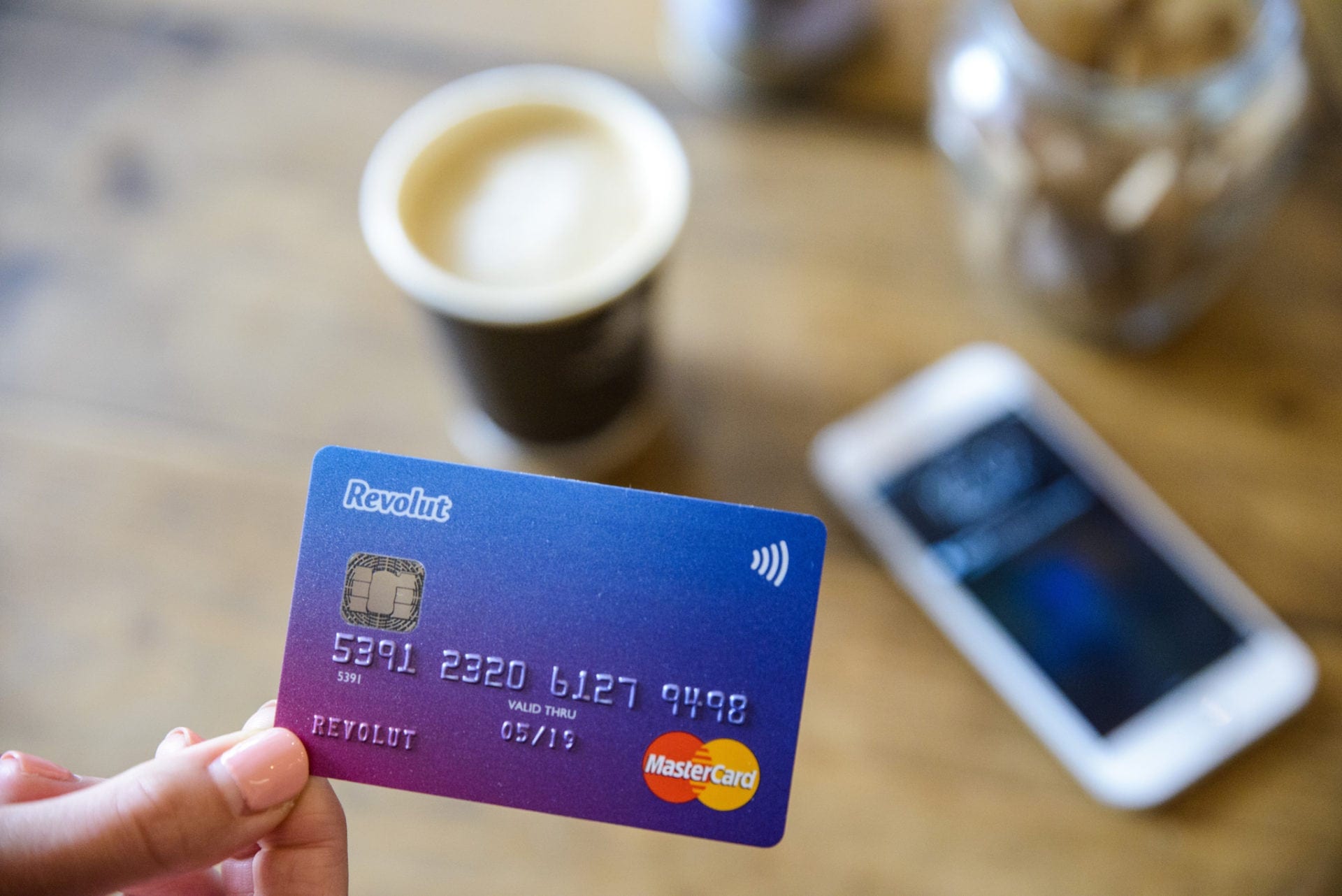
    Europe’s most valuable fintech has already amassed 18 million app users worldwide. Some of those are about to become bank customers.

    The London-headquartered neobank is launching as a bank in ten additional European markets, lifting the number of countries it operates in to 28, it said in a statement. The challenger bank can now protect client deposits up to 100,000 euros in Belgium, Denmark, Finland, Germany, Iceland, Lichtenstein, Luxembourg, Netherlands, Spain, and Sweden, using its European specialized banking license.

    In a few clicks clients from these countries will be able to upgrade to Revolut Bank from within the app, it said.

    Deposits will be secured by the Lithuanian State company deposit and investment insurance, it added.

    Over the past few years, Revolut’s rapid level of growth has added pressure on Swiss banks to boost their digital services. Since its inception in 2015 the company has attracted more than 18 million customers globally, it says on its website.

  • Pork imports nearly triple

    Pork imports nearly triple

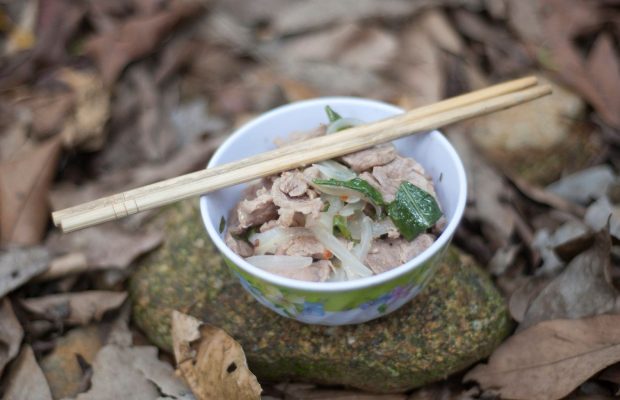
    Frozen pork imports nearly tripled in the first 10 months of this year to 332,000 tons, according to the General Department of Vietnam Customs.

    Also imported were 350,000 pigs on the hoof from Thailand, a 50 percent increase year on year.

    Together they cost US$617 million. Its five biggest pork suppliers were Russia, Germany, Brazil, the Netherlands, and Canada.

    Vietnam also imported 50,000 tons of beef worth $220 million, half of it from Australia, the department added.

    Over 800 enterprises from 19 markets have been allowed to export pork to Vietnam, according to the Ministry of Agriculture and Rural Development.

  • Collins Foods strengthens foothold in the Netherlands with KFC

    Collins Foods strengthens foothold in the Netherlands with KFC

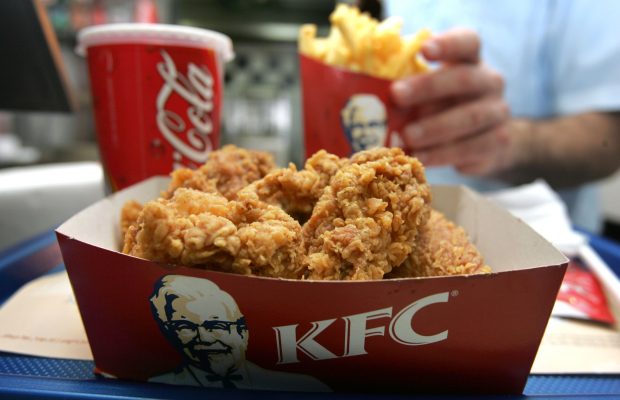
    Collins Foods Netherlands B.V. has entered into a share purchase agreement with RDK Holding B.V. and MDK Holding B.V. to acquire nine KFC restaurants in the Netherlands.

    The sellers are the second-largest KFC franchisee in the Netherlands after Collins Foods’ 35 restaurants.

    Once completed, this acquisition will increase the Collins Foods KFC network in the Netherlands to 44 restaurants, or 55% of this market.

    Last week, Collins Foods announced the signing of a Corporate Franchise Agreement (CFA), entered into with a subsidiary of Yum! Brands Inc. (Yum!) for KFC Netherlands. That agreement will allow Collins Foods to fully leverage its experience and operational capabilities for the benefit of both Collins Foods and the KFC brand in the Netherlands.

    This latest acquisition complements the overall direction of the CFA. As existing restaurants, the nine restaurants to be acquired will not count towards the CFA’s target of up to 130 net new KFC restaurants over the next 10 years.

    However, the acquisition provides further scale for Collins Foods in the Netherlands and supports the rollout of new restaurants under the CFA by streamlining the Netherlands’ franchisee structure and enabling access to additional development trade zones for Collins Foods.

    The acquisition consideration of €10.25 million is subject to various adjustments to be made at completion and will be funded from Collins Foods’ existing debt facilities. Completion is expected to be in or around December 2021, and is subject to satisfaction of various conditions precedent including obtaining all relevant government permits to operate the restaurants, and obtaining the consent of Yum! Restaurants International Ltd. and Co. KG as a franchisor of the KFC restaurants.

    The acquisition price was based on pre-COVID revenue of €15.9 million and EBITDA of €1.8 million during the calendar year 2019. Having successfully integrated the eight restaurants acquired in late second half of FY21, Collins Foods is confident of implementing a similar integration for the sellers’ restaurants.

    Commenting on the acquisition, Collins Foods’ Managing Director & CEO Drew O’Malley said: “Today’s acquisition marks another exciting step forward for Collins Foods’ European growth strategy.

    The restaurants we are acquiring are from one of Netherlands’ top KFC operators. It provides us with an opportunity to bring an additional quality network of restaurants into our European business and adds further capability to our team and increased scale to our operations in the Netherlands.

    The acquisition of these nine restaurants increases our presence to 44 KFC restaurants in the Netherlands and going forward, facilitates further growth opportunities.

  • Wehkamp Plots Double-Digit Growth Trajectory with Manhattan Associates

    Wehkamp Plots Double-Digit Growth Trajectory with Manhattan Associates

    Manhattan Associates today announced that leading Dutch online retailer Wehkamp has selected Manhattan’s Warehouse Management System (WMS) to manage its new distribution centre (DC) in Zwolle, Netherlands. The project, part of a €40 million investment Wehkamp is making in expanding and modernising this DC, will eventually extend to Wehkamp’s other DCs in the country. Wehkamp chose Manhattan’s WMS because of its industry-leading functionality, because it can orchestrate and maximise the performance of both human and automated resources, and because it will allow the retailer to scale order line volumes at a 20 percent growth clip.

    With 2.7 million regular customers and more than 11 million orders processed annually, Wehkamp is the Netherlands’ online market leader in fashion, lifestyle, beauty and baby/childrenswear. Its Zwolle DC, already one of the world’s largest automated DCs for online retail at 360,000 sq. ft. is being extended to 650,000 sq. ft. Once this expansion is completed, Wehkamp will have almost 1.5 million sq. ft. of warehousing capacity in the Netherlands and is able to process more than 250,000 orderlines per day.

    Once it began this DC expansion and modernisation project, Wehkamp executives concluded that their incumbent WMS would not be able to keep up with the company’s rapid growth or the additional associated complexity. The company set out to find a single, future-proof solution that could be deployed across its DCs, could efficiently orchestrate workflow across both automated and manual resources, and could maximise product flow-through velocity.

    Manhattan’s state-of-the-art WMS will provide Wehkamp with more flexibility in terms of how it processes orders and returns, maximise asset utilisation and support mobile workflows within its DCs. The solution’s order streaming capabilities will allow the retailer to simultaneously process wave, waveless and flow-through orders, whilst its embedded Warehouse Execution System (WES) capabilities will orchestrate workflow between its human workforce and its various automated technologies, which include 550 shuttle robots.

    “Wehkamp has grown rapidly because we have made ‘offering the ultimate customer experience’ our number one priority,” said Maarten Tibosch, Chief Operations Officer at Wehkamp. “Manhattan’s WMS will help us develop a supply chain that is effective, efficient, flexible and scalable to support our customers’ evolving needs. This solution will maximise asset utilisation, accelerate inventory flows and get goods to consumers faster.”

    Pieter Van den Broecke, Managing Director, Benelux and Germany, Manhattan Associates commented, “Manhattan currently works with the top brands and retailers across the globe to help them navigate the complexities of omnichannel fulfilment. With Manhattan’s WMS, Wehkamp can be confident it will be able to deliver on its growth and efficiency improvement goals so that it can make the lives of all families in the Netherlands ‘easier and more beautiful’.”

  • China’s Trendy Group buys the Denham Group

    China’s Trendy Group buys the Denham Group

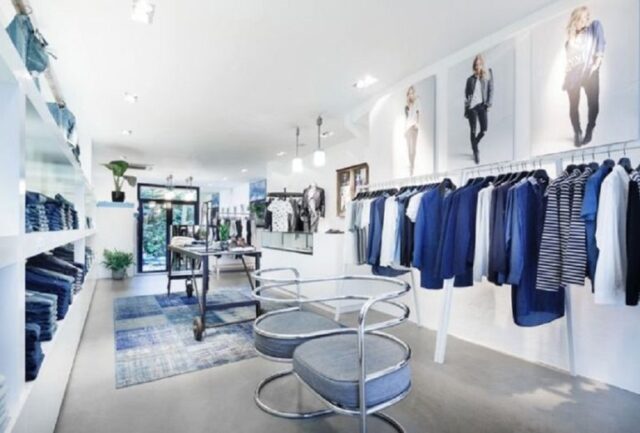
    Dutch denim company Denham Group has a new major shareholder, according to reports in the Netherlands, with China’s Trendy Group named the official buyer. The parent company of denim label Denham the Jeanmaker, Denham Group was snapped up by Trendy from Amsterdam-based investment firm Amlon Capital for an undisclosed amount.

    Denham’s current chief creative officer Jason Denham will remain in the top design spot, following the acquisition, and will remain a shareholder, Trendy said in a press release.

    However, Ludo Onnink, CEO at Denham Group, will depart the company his post, with Andre Chen, senior vice president at Trendy Group, to succeed him.

    Denham Group

    Trendy views the Denham Group acquisition as an opportunity to nurture and expand the Denham brand in current markets such as China, via the production of new items.

    Denham Group and Trendy are familiar allies. Back in March 2017, the companies announced a joint venture to further expand the European denim brand in China, resulting in the opening of 16 retail stores in key cities in Chin. Now, there are plans to further grow the business in the coming years as a result of the acquisition.

    “We see many opportunities to grow the Denham business in the existing markets but also as the most influential denim player in the future,” said Chen.

    “This will not only be achieved by extending our jeans business, but also by adding additional product categories.”

    Founded in 2008 in Amsterdam by Jason Denham, Denham retails in some 20 cities including its local Amsterdam, as well as nearby Antwerp and Hamburg. As for Asia, it is present in Tokyo, Osaka, Shanghai and Seoul.

    In wholesale terms, the label is has global partners and is available for purchase via its namesake online store. The Denham is also headquartered in Amsterdam, with sub-offices in Düsseldorf, Shanghai and Tokyo.

    Launching in 1999, China’s Trendy Group is today a global fashion and denim mecca with a stable that includes fashion brands form the Italian house Sixty Group: Miss Sixty, Killah and Energie.

  • Indonesia, Netherlands to strengthen economic ties

    Indonesia, Netherlands to strengthen economic ties

    Indonesia and the Netherlands have pledged to strengthen economic cooperation in the future, boosted by a number of new business deals inked by the two governments and businesses.

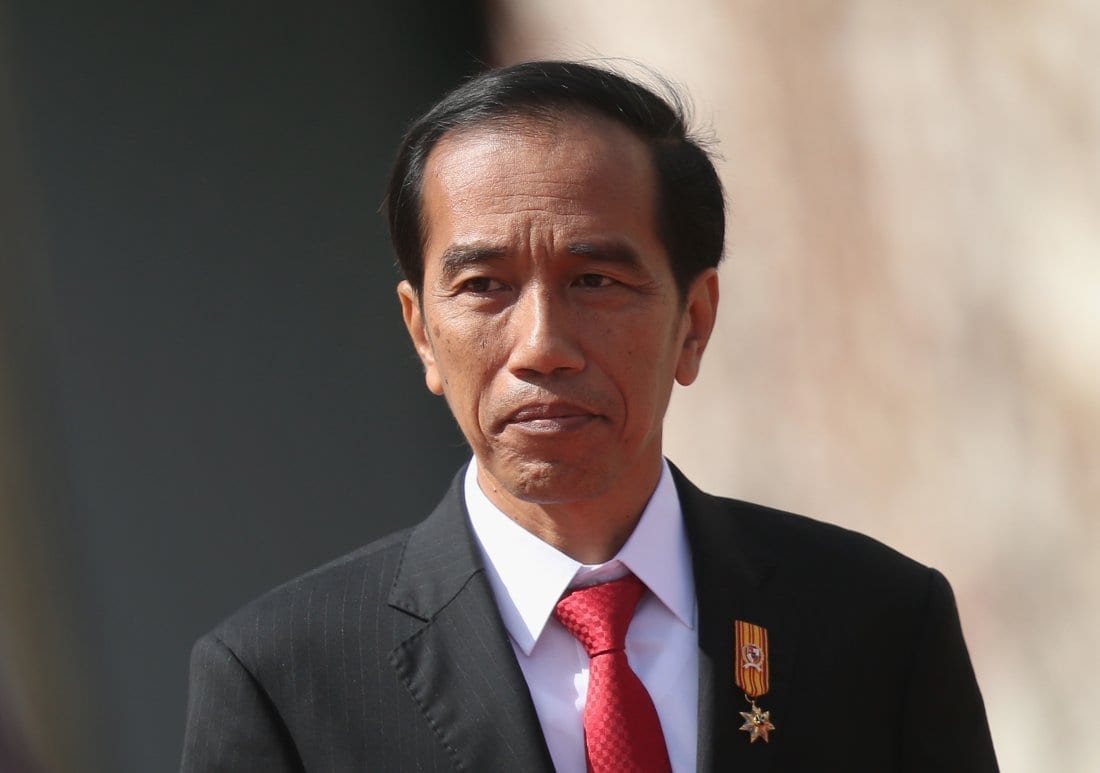
    The partnership will involve various areas including agriculture and infrastructure development as stated during the three-day visit by Dutch Prime Minister Mark Rutte, which concluded on Wednesday.

    Rutte underlined Indonesia’s role as Netherlands’ strategic partner, saying that both countries had a lot to offer in the economic field, especially owing to the former’s status as Southeast Asia’s biggest economy.

    “Indonesia plays a big role in the region. It is one of the central players in ASEAN and Indonesia’s leadership in this region is highly valued,” Rutte said in a limited press briefing. “The country will contribute to maintaining stability in the world, particularly in this region.”

    The importance of the two countries’ economic ties is highlighted by an already robust bilateral trade, which amounted to €3.2 billion (US$3.4 billion) last year, according to figures released by the prime minister. Netherlands is now the main market for Indonesian exports to Europe.

    Dutch businesses invested a total of $1.3 billion in 2015, down 24.4 percent from 2014, in 421 projects, according to data from the Investment Coordinating Board (BKPM).

    During his visit, Rutte led a Dutch delegation comprising ministers, including Infrastructure and Environment Minister Melanie Schultz van Haegen, business leaders from 110 companies, educational institutions and NGOs.

    Rutte’s second state visit to the former Dutch colony in three years followed a similar visit by President Joko “Jokowi” Widodo to the Netherlands in April.

    The delegates signed 38 memorandums of understanding (MoUs) and letters of intent (LoIs) covering economic and non-economic issues, such as water management, flood protection, climate change and health care, with their Indonesian counterparts, further intensifying ties between the two countries.

    On the occasion, Rutte also said the Netherlands was keen to enhance its bilateral relationship as business prospects in Indonesia had improved due to extensive reforms, particularly on the ease of doing business.

    “[Dutch] businesspeople find it is increasingly easier to do business here. But still, there is more room for improvement,” he said, adding that the 14 economic reform packages issued by Jokowi’s administration would boost the business climate, although they still depended on implementation.

    Indonesia climbed 15 places to 91st on the World Bank’s Ease of Doing Business Index for 2017 as its deregulation moves have attracted the attention of global investors.

    The Netherlands has reasserted its commitment to helping Indonesia develop its infrastructure, particularly in port construction and the National Capital Integrated Coastal Development (NCICD), popularly known as the Giant Seawall.

    Another major interest for the Dutch delegation is seaport management, according to Rutte. This follows an agreement signed last year by Indonesia’s state-owned port operator Pelindo I and the Port of Rotterdam Authority to develop a nationally strategic port at Kuala Tanjung, North Sumatra.

  • Indonesia promotes specialty coffee in the Netherlands

    Indonesia promotes specialty coffee in the Netherlands

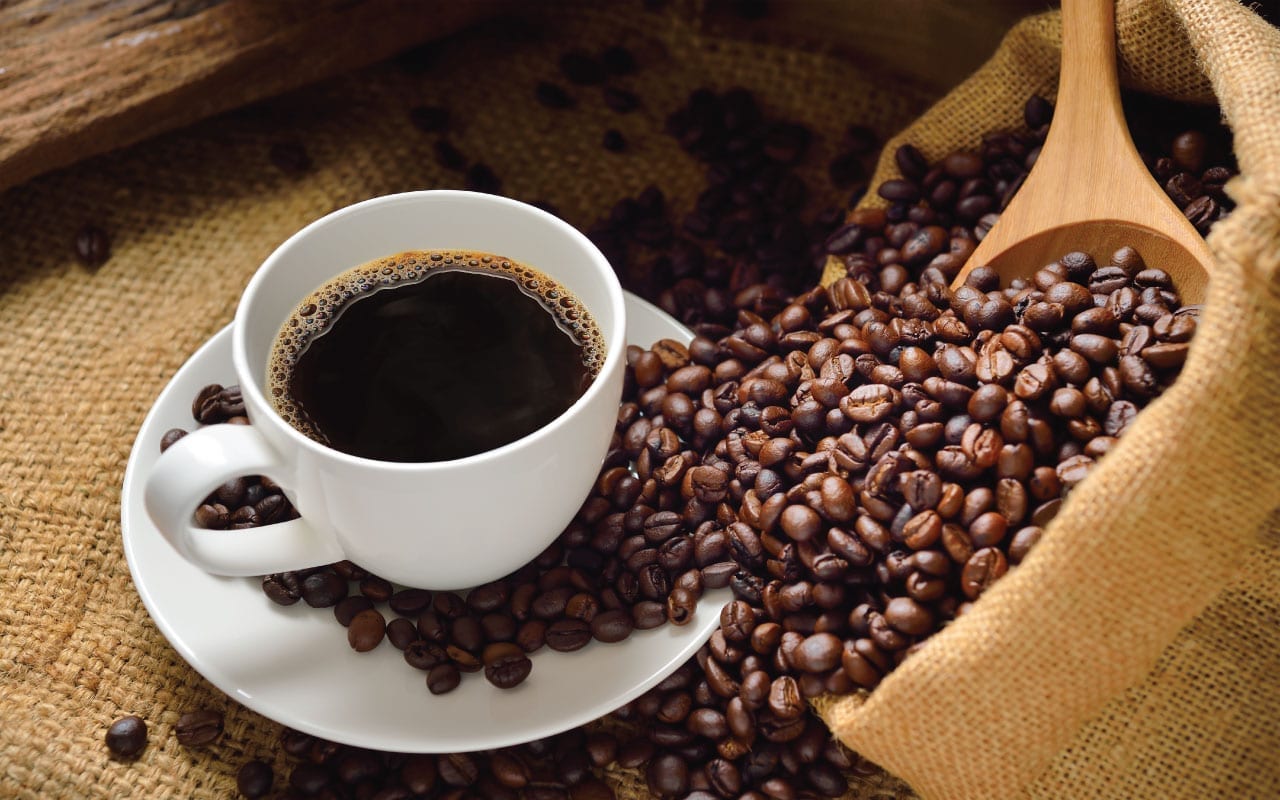
    Indonesia has again promoted its specialty coffee in the Netherlands to draw the attention of several people in The Hague.

    The promotional activity, being conducted through the Indonesia Coffee Festival, complied with the Indonesian governments policy to conduct economic diplomacy in the Netherlands.

    The promotion at the New Babylon Meeting Center was organized by the Indonesian Embassy in The Hague along with the Indonesian Students Association (PPI) in the Netherlands and PPI in The Hague, Minister Counsellor of Information, Social, and Cultural Affairs for the Indonesian Embassy in The Hague Azis Nurwahyudi informed Antara here on Monday.

    In his remarks, Indonesian Ambassador to the Kingdom of the Netherlands Wesaka Puja stated that coffee was one of Indonesias leading export commodities as the country was the fourth-largest coffee producer in the world.

    The Indonesian government has continued to expand its overseas markets, especially in Europe, he remarked.

    Chairman of the Committee on The Hagues PPI Priska Astasari stated that the joint activity was also aimed at promoting economic development in Indonesia.

    Some seven companies from Indonesia were invited to participate in the festival: Adena Coffee, Javanusa, De Ngokow Coffee, Ephraim Coffee, Asasta Power, Mr O, and Blanco Coffee and Book.

    During the festival, some talk shows were organized to hold discussions on the various traits of Indonesian coffee.

    For instance, Charis Christian Julianto from the Ephraim Coffee Company disseminated information on coffee farming in Indonesia, including the history of the emergence of coffee beans in Indonesia and the concept of sustainable coffee production adopted by the Indonesian coffee farmers and entrepreneurs.

    Thereafter, Sara Datuk from the Javanusa Company provided information on the different flavors of coffee from various regions in Indonesia, such as the provinces of Aceh, West Java, and Papua.

    Aki Baihaki noted that fair trade in coffee should be profitable for entrepreneurs and the coffee farmers.

    Barista Yakup Aydin also demonstrated the ways of making espresso and latte art.

    Bimo Pramana from the Blanco Coffee and Book Company in Yogyakarta Province stated that by attending the Indonesia Coffee Festival in The Hague, he had gained a new experience and had increase his knowledge regarding the demand in the European market, especially in the Netherlands.

    The event also offered an opportunity to build a network among coffee entrepreneurs in both countries.

  • Kerry Logistics Appoints New Managing Director

    Kerry Logistics Appoints New Managing Director

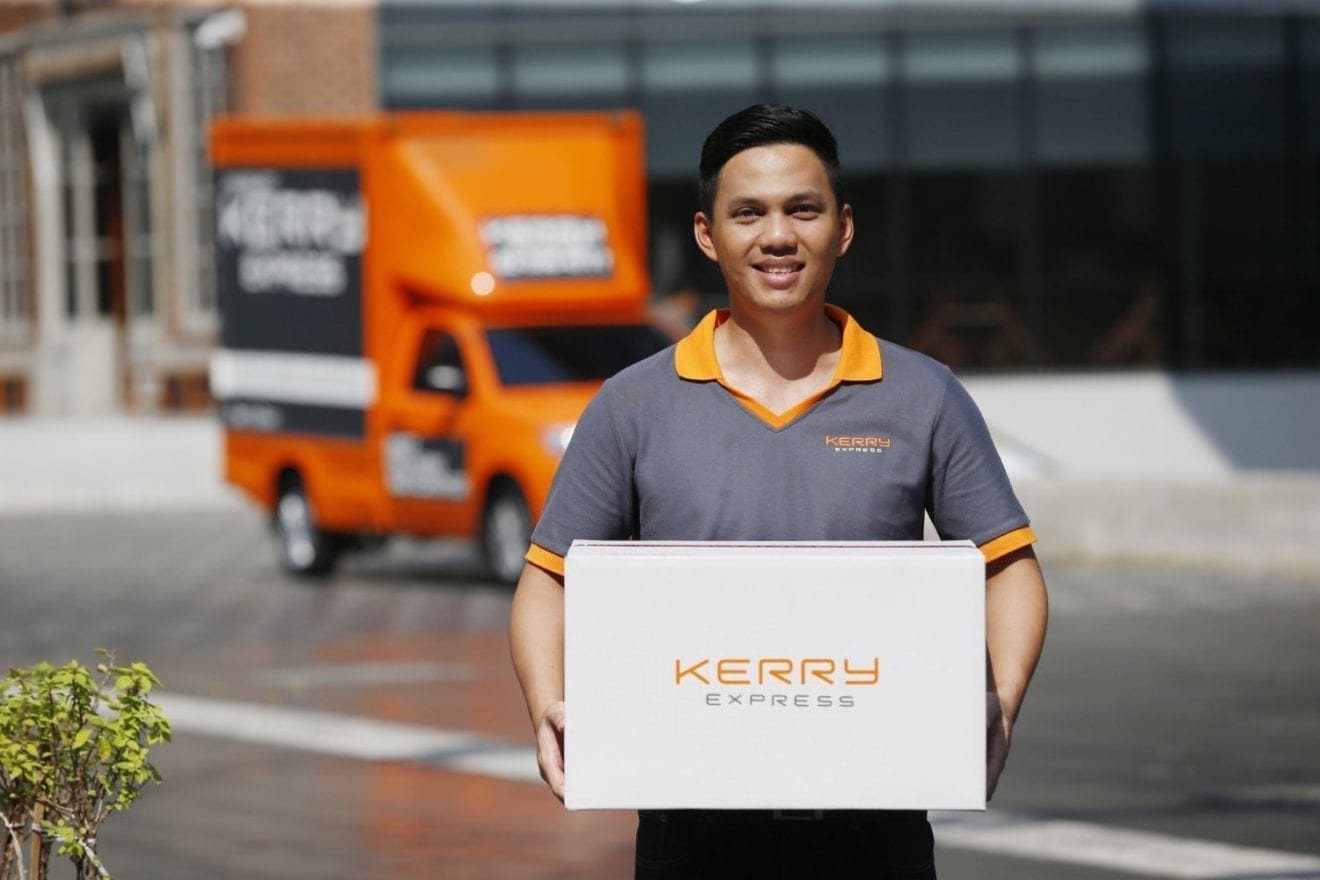
    Kerry Logistics Network Limited has appointed Daniel Hegwein as the new Managing Director for Belgium and the Netherlands.

    Effective immediately, Hegwein will oversee the company’s activities in the Benelux region from the Kerry Logistics office at Brussels Airport in Zavantem.

    Hegwein has more than 30 years of experience in the logistics sector, having previously worked for a number of international logistics providers in Hong Kong, Germany, Australia, Switzerland, Taiwan and most recently Belgium.

    The main business fields for Kerry Logistics in Belgium and the Netherlands are air and ocean freight logistics as well as warehousing services and fiscal representation.

    As the Managing Director for both countries, Hegwein will focus on streamlining the operations and sales activities for Kerry Logistics in the Benelux region.

  • Dutch purchase into China mall proprietor

    Dutch purchase into China mall proprietor

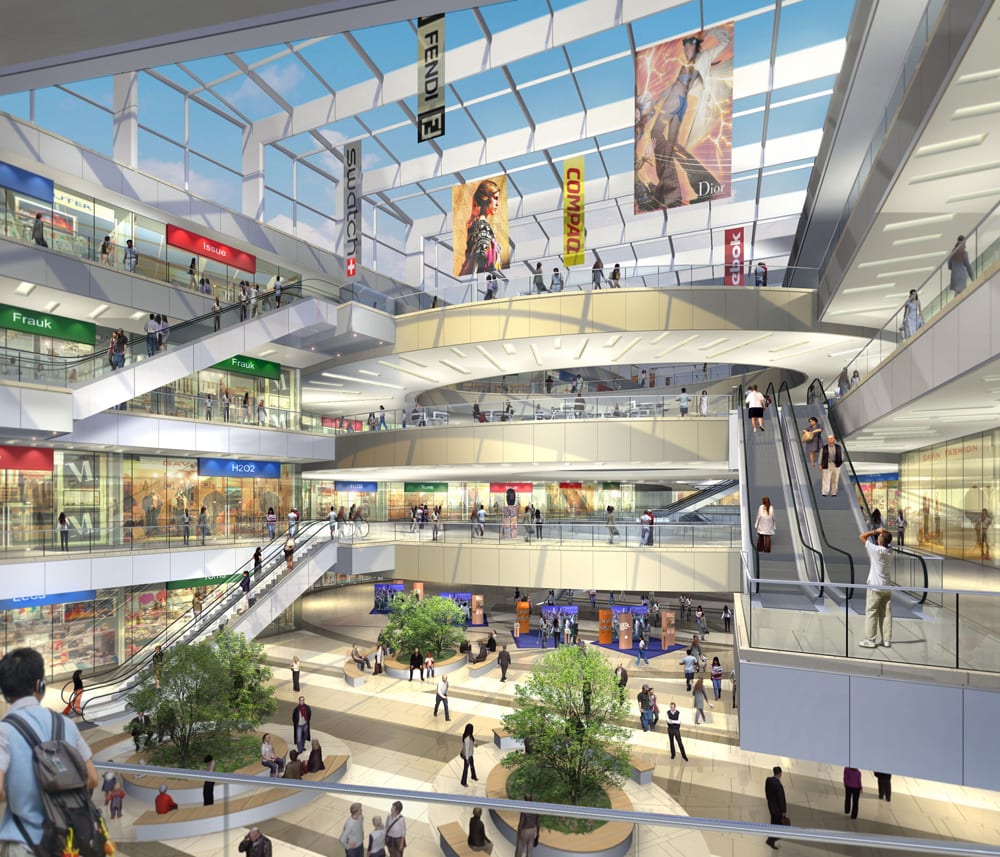
    Dutch civil service pension fund subsidiary APG has invested euro 311 million in Chinese language mall proprietor and operator Chongbang.

    Canadian property investor Ivanhoe Cambridge has taken a euro 445 million stake within the Chinese language enterprise on the similar time. The 2 corporations will be a part of Singapore sovereign wealth fund GIC on the shareholder register.

    APG’s head of personal actual property investments in Asia-Pacific area, Sachin Doshi, stated the funding fitted with the fund’s technique of investing in “city-specific platforms in key gateway city centres around the globe” and dealing with locally-based companions with native market experience.

    “Speedy urbanisation, rising disposable incomes and continued rebalancing in the direction of home consumption are recurring themes in China, and Shanghai will lead this consumption story,” he stated.

    “We like Chongbang’s deep understanding of shopper preferences and the robust way of life themed retail complexes they’ve constructed and operated efficiently underneath the Life Hub model.”

    Chongbang, based mostly in Shanghai, was based in 2003 by a gaggle of Hong Kong and Singapore buyers led by Henry Cheng, the corporate’s CEO, and Stephen Wong. The corporate now owns 428,000 sqm of combined use retail and residential belongings and business area in Shanghai. It was an extra 417,000 sqm underneath improvement.

    Cheng says Chongbang goals to greater than double its portfolio in coming years, cementing its place as a most popular landlord for top grade retail and way of life tenants in Shanghai.