Tag: new look

  • New Look to expand China network

    New Look to expand China network

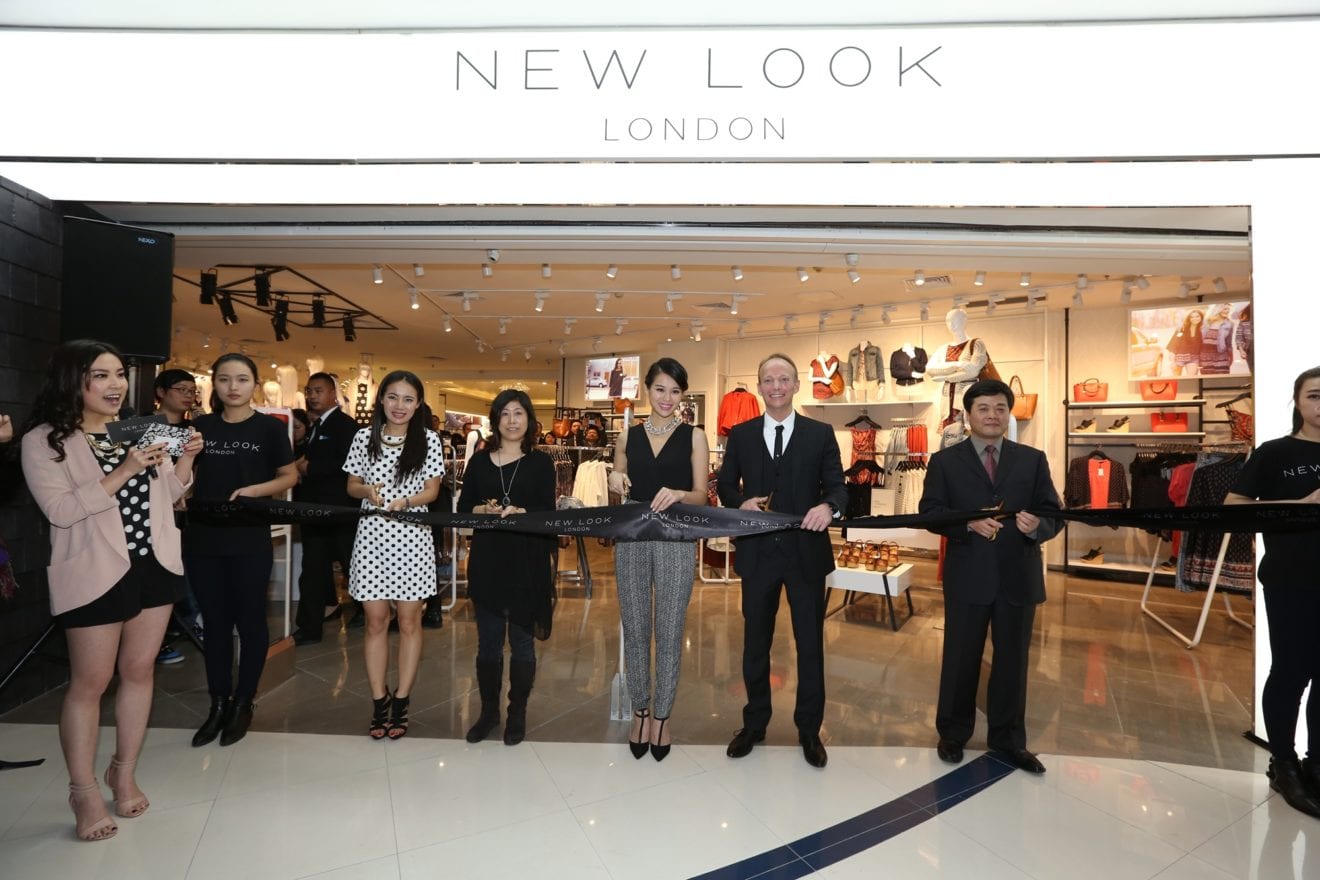
    Fast fashion retailer New Look is to expand its China store network.

    And while the UK retailer has modest aspirations in terms of store numbers – just 25 globally over five years – it is increasing its focus on menswear. Some of the new stores slated to open in China and France within the next 12 months will stock only men’s clothing.

    New Look is experiencing “exceptional growth” in China, since its debut there early in 2015, according to UK news channel Retail Gazette.

    The first standalone menswear store opened less than a year ago and customers of the previously womenswear brand have taken to its style and range.

    New Look has not broken down the figures by market as to where the new stores will open.

  • Another close shut down in Singapore

    Another close shut down in Singapore

    Streetwear chain 77th Street is about to become another victim of Singapore’s struggling retail scene.

    The home-grown clothing company will close the doors of its last outlet, in Ang Mo Kio, by the end of this month, according to Channel NewsAsia.

    Founder Elim Chew says high rents have forced the closure, with the present rate of $35 a square foot having risen from $9 when she started the business at Far East Plaza in 1988.

    At one point, 77th Street had 16 outlets around Singapore, and was the first Singaporean retailer to set up a shopping mall in China in the early 2000s by opening 77th Street Plaza. This has since closed.

    Chew has now ventured into the logistics industry, setting up the app Fastfast along with Adrian Ng of mobile app and retail technology developer Codigo. The app allows people in between jobs or retirees to become document or package couriers. About 4500 people have signed up to be FastFast drivers, according to The Straits Times.

    Meanwhile, the first six months of this year have seen several retail brands exit Singapore, including Britain’s New Look, French menswear chain Celio, and local label M)Phosis.

  • M&S, Debenhams stand most to gain from BHS breakup

    M&S, Debenhams stand most to gain from BHS breakup

    Only the very bravest of investor should consider retaining BHS in its current dilapidated state. But if such a buyer cannot be found, and a BHS breakup ensues, with the store estate sold to other retailers, Marks & Spencer and Debenhams would be the main beneficiaries.

    As the deadline for bids for BHS looms, hopes are rising that a buyer can be found for the entire store estate and that its 11,000 employees can be protected. Even if such a buyer is found, it is likely to have to conduct major surgery to revive the moribund brand. Verdict data shows that it has consistently lost market share to its competitors in all its key sectors, and its weak multichannel offer, dated brand and underinvested store environment mean any buyer would have to think seriously about retaining the BHS name.

    BHS’ clothing proposition has become ever more irrelevant over the years, and many of its clothing shoppers have already defected to more agile competitors, leading to its market share more than halving in the 10 years to 2015.

    BHS clothing market share 2010-15

    BHS’ predominantly 45+ shopper base enjoy the convenience of shopping for a disparate variety of products under one roof, which means that department store rivals such as Debenhams and M&S would be first in line to benefit from its fallout. The grocers should also receive a much-needed boost given the similarity of their clothing proposition to BHS in terms of design and affordability.

    This is backed up by looking at where BHS clothing shoppers also tend to shop (from Verdict’s March 2016 How Britain Shops survey of 10,000 consumers) – M&S is the clear leader, and should be able to translate this into an increase in market share.

    Where BHS clothing shoppers also shop for clothing

    Clothing specialists at the value end of the market, such as Matalan, Primark and New Look are also likely to benefit; as are online pureplays such as Amazon – albeit to a lesser extent.  It is, however, those retailers that make a concerted effort to draw in BHS shoppers, through customer acquisition initiatives such as targeted promotions or local marketing campaigns that will see the maximum gains.

    BHS homewares market share 2010-15

    BHS’ unopposed trudge toward mediocrity has had a significant impact on where its remaining shoppers are likely to now go for homewares purchases. The retailer’s brand positioning means its shoppers will have also shopped at the ever growing homewares discounter set, like B&M and Home Bargains. However, it is Amazon and Argos, both value focused retailers with modern and extensive delivery/channel offers that have been the main beneficiaries of disaffected BHS shoppers in the past and will undoubtedly be so in the future.

    High street retailers M&S and Debenhams are also in line to see a marginal upswing as high street focused customers seek out alternatives. The former has the most similar customer profile to BHS and hence is more likely to be a first choice. However, M&S has made some strategic moves to appeal to younger, more fashion-conscious homewares shoppers in recent years, therefore BHS’ customers may be a little surprised about what is on offer when they visit, aside from its core bedding and bathroom offer.

    Living room textiles: Home Retail Series market share 2015

    BHS is currently strongest in softer, more aesthetic categories, such as living room textiles and lighting, as opposed to functional products such as cookware. Therefore its demise would be unlikely to have a significant impact on the grocers. Conversely, Dunelm and Next share a similar emphasis on textiles and design-led categories, and as such, their already strong performance in the homewares category is likely to be bolstered further should BHS disappear altogether.


  • New Look and Celio to exit Singapore market

    New Look and Celio to exit Singapore market

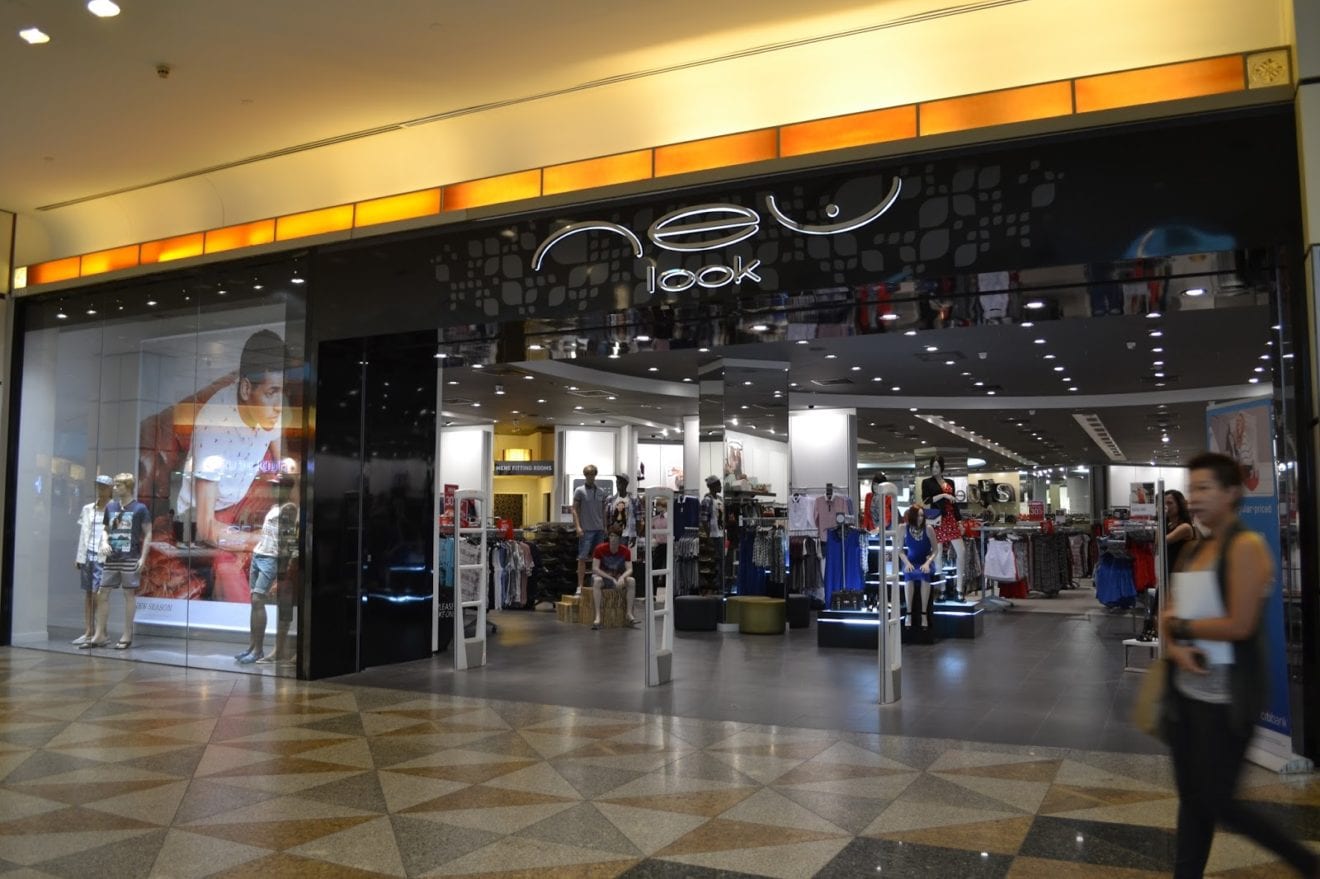
    Two fashion brands will bow out of the challenging retail scene here before the year is out.

    Eight stores in various malls showcasing the British brand New Look and French menswear chain Celio will close in the second half of the year, said distributor Jay Gee Melwani Group.

    “The sales are not there and the costs are too high. We are consolidating and re-strategising which ones can work, which ones can’t,” Jay Gee Melwani Group managing director R Dhinakaran said.

    The other brands Jay Gee distributes include Aldo, Levi’s, Dockers, Aeropostale, Converse and health supplement chain Holland & Barrett. Affected staff will have the option of being redeployed to other stores in the group.

    Last week, conglomerate Al-Futtaim Group announced that it will shut 10 loss-making outlets here under its distribution and retailing arm RSH later this year.

    Competition from e-commerce, weak consumer sentiment and rising business costs have dogged retailers in recent years, with no sign of a let-up.

    Colliers International’s senior associate director of research and advisory, Ms Anthea To, said: “With both the domestic and international economies experiencing some headwind, consumers are likely to stay cautious and prudent in their discretionary spending.”

    Property consultancy JLL said vacancy rates in malls in Orchard, Marina and the suburban areas are still rising. Said Ms Lee Siew Ling, director of retail at JLL: “Retailers are now focusing on key locations with proven footfall and are more risk-averse and tend to refrain from investing in new locations.”

    The Marina retail submarket – which includes malls such as Marina Square and Suntec City – has the highest vacancy at 6.1 per cent, according to JLL data, followed by Orchard with 3.1 per cent and the suburban submarket with under 2 per cent.

    Ms Lee said the net take-up of retail space islandwide last year came in at minus 86,379 sq ft.

    This means more space was given up compared with retail premises being occupied by replacement retailers and new entrants.

    Shaw Centre, at the junction of Scotts Road and Orchard Road, appears to have trouble filling its units. About 25 units were still behind hoardings at the five-storey mall, including two on the ground floor facing Scotts Road, when The Straits Times visited last week.

    About nine units were vacant on level four, where Seasons Nail Bar is located. The shop’s general manager, Mr Roy Fong, said: “Sometimes I have one walk-in customer a week.

    “There is no shopper traffic. I have to spend $2,000 to $3,000 every month to do marketing. The management gave us a rental rebate, but that won’t help to improve sales.”

    Mr Jeremy Low said his Fox Studio hair salon is “still surviving” as it relies mostly on regular customers.

    “They should fill up the mall quickly, perhaps with an education centre or health spa or yoga studio, to get people to visit,” he added.

    “Maybe they can have a different theme on each floor.”

    Shaw Centre declined to comment on the occupancy rate.

    Marina Square Shopping Mall, which also has many unoccupied units, said it is working with tenants on advertising and promotions and holding events to drive shopper traffic. Its operator, Marina Centre Holdings, said the overall leasing outlook in Singapore will remain “difficult over the next 12 months as existing chain stores are expected to continue consolidating”. It expects to see more “pop-up” stores and new retail concepts.

    Pop-up shop Excluniqueeee leased 1,000 sq ft at the mall at a “very low rate” recently to showcase its apparel and street art.

    Store director Jason Wang said: “In good times, when the malls are doing well, there is no way for us to get retail space.”

    Knight Frank Singapore retail head Wendy Low said pop-up stores are becoming more common as they “help landlords in filling up vacancy and also act as a test bed” for new retail concepts. Analysts said landlords could also offer more flexible tenancy periods and rental structures, review the tenant mix and step up marketing efforts.
  • New Look China powers ahead

    New Look China powers ahead

    New Look China sales are soaring on the back of a rapid mainland rollout of the UK fashion brand.

    Globally, New Look recorded a stellar rise in both sales and profits in the first half of this financial year – driven by fast growth in China and the successful launch of the fast fashion brand’s first standalone menswear stores

    New Look was bought by South African investment company Brait in June, which said at the time a focus on Chinese expansion was a priority. In the last six months it has opened 52 stores in China and has signed leases for a further 33 stores scheduled to open by next March.

    Sales for the 26 weeks to September 26 climbed 5.9 per cent to £756 million. Pre-tax profit climbed 40.6 per cent, despite a whopping  £93.2 million bill for costs relating to the takeover of the business.

    “Our Chinese stores continue to perform well as customers continue to react favourably to our fashion-forward offer,” CEO Anders Kristiansen said in the company’s results statement. “We remain on target to have 85 stores open in the country by [financial] year end.

    “With the support of our new owners, Brait, we are planning to increase investment in our strategic initiatives to accelerate our growth,” he said.

    Globally, New Look has 385 stores, and it plans to continue to open more in its home market. It also plans to continue to grow its online business. Some 31 per cent of New Look customers buying online use the ‘click and collect’ service – collecting their purchases in a physical store rather than waiting for delivery.

  • Chinese in bid for New Look

    Chinese in bid for New Look

    Chinese buyers are circling high profile UK fashion brand New Look.

    UK news media are reporting negotiations are underway between a business linked with former Tesco CEO turned retail investor Sir Terry Leahy and a Chinese private equity group. The plan is to mount a joint venture bid for the business.

    New Look is currently owned by founder Tom Singh and private equity groups Permira and Apax Partners. The reports suggest a bid of £2 billion for New Look, which has more than 1000 stores internationally and a staff of more than 30,000.

    The US partner is Clayton, Dubilier & Rice, a private equity firm which owns 60 per cent of Luxembourg-based B&M. The Chinese partner is identified as CDH, another private equity group.
    Sir Terry reportedly has a shareholding in CD&R through a Cayman Islands based fund and is an advisor to the group on its retail investments.

    New Look has stores in Thailand, Korea, Singapore, Indonesia, China, Malaysia, Europe and the Middle East.