Tag: #new

  • New Shazam Wear OS update gives the app independence from your phone

    New Shazam Wear OS update gives the app independence from your phone

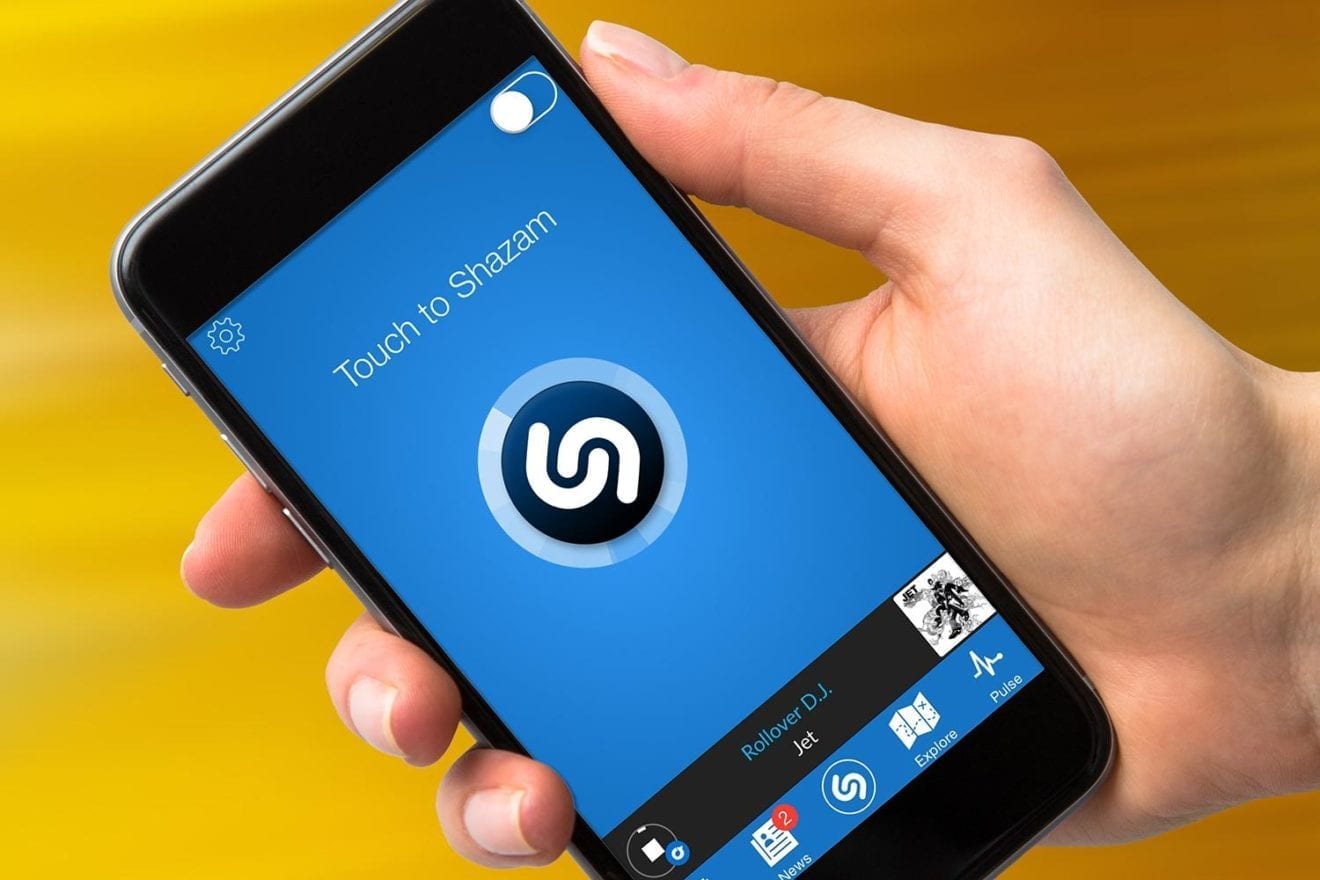
    Music lovers who are also the owners of a Wear OS watch will be pleased to know that there is a new version of Shazam for you. Shazam for Wear OS just got a major upgrade that will pretty much make the app independent of your phone and work completely on its own on your smartwatch. This means you can now identify songs directly from your wrist without needing to have your phone nearby.

    With this update (version 14.18) of Shazam, you won’t need to fumble around to connect with your phone app. In fact, you won’t even need the Shazam app installed on your Android phone anymore. Even offline, your smartwatch Shazam will now record a snippet, and then once you’re back online, it’ll work its magic and tell you the song’s name. This will make it so much easier to identify songs on the go.

    Furthermore, if you happen to have more than one device, songs you Shazam on your smartwatch will now instantly sync to your other devices. This functionality does require you to be logged into the app in order to work, though.

    This new feature will make it even more convenient for users to quickly identify songs on the go without having to rely on their phone. It also adds a seamless experience for those who use multiple devices within the Shazam ecosystem.

    This new version of Shazam for Wear OS is widely available now via the Google Play Store. Apple acquired Shazam back in 2017, so it is good to see the app continue to be supported on Android and Wear OS devices. This update shows that Shazam is committed to providing a user-friendly experience across various platforms, as users can now easily access the app’s features on their smartwatches, regardless of the operating system they use.

  • New Apple patents hint at a better pressure sensor technology

    New Apple patents hint at a better pressure sensor technology

    Force Touch, also called 3D Touch, was a technology that Apple used for some years but then suddenly replaced with Haptic Touch. With 3D Touch, iPhone users had the ability to access more menus by simply applying different pressures to their iPhone display.

    Although it’s a tiny possibility, it appears that Apple might again introduce a newer and improved version of its previous 3D Touch technology. The US Patent & Trademark Office published a few new patents from Apple for various future Apple devices, and all of them are for new force-pressure sensors.

    One of these patents is for force-pressure sensors built into the Apple Watch and small form factor devices such as the AirPods. According to the patent,  Apple’s new pressure-sensitive surface would utilize microelectromechanical fluid pressure sensors. These sensors would be smaller, have better force sensitivity, and be more durable than conventional pressure sensors.

    To get a better idea of how the new pressure sensor technology could be implemented into the Apple Watch, Apple has shown in its patent a picture of an Apple Watch with a pressure-sensitive side instead of a physical button.

    Another Apple patent shows how Apple’s new pressure sensor technology could be utilized in Apple Watch bands, creating so-called smart bands. Thanks to the new technology, these smart bands would be able to detect blood pressure, heart rate, and pulse wave velocity.

    Apple’s patents show that Apple’s new sensor tech could be utilized in the iPhone. The image below, for example, shows how Apple could put multiple small pressure sensor modules in the iPhone instead of a single component.

    Now, it should be noted that companies often patent technologies that they never implement into real consumer products. But if Apple decides to use this new pressure sensor technology, it could mean that we may just receive 3D Touch 2.0 in some future iPhone generation.

  • McLaren Denies Being Acquired By Audi

    McLaren Denies Being Acquired By Audi

    Earlier in the day, reports had emerged that Audi had closed a deal to acquire the entire McLaren group. Audi had been exploring an acquisition of the McLaren Formula 1 team to facilitate its entry into the pinnacle of motorsport in 2026 when the new engine formula come into the sport. It had been open to the full acquisition of the entire McLaren Group that gives it access to the McLaren supercar brand. Audi, of course, already has a controlling stake in Lamborghini and the Volkswagen Group has been looking to enter the world of Formula 1 with its Audi and Porsche brands. Due to the pandemic, McLaren had faced many losses and was forced to lay off 1,200 workers.

    Even though its F1 team has been on a revival and its financials have improved with external funding, last month the supercar maker also lost its longtime CEO Mike Flewitt who ran the main motorcar brand while its Applied sciences division was already sold.

    Volkswagen Group has been looking to enter the world of Formula 1 with its Audi and Porsche brands

    While Audi seems keen, McLaren has come out and rubbished all these claims. “McLaren Group is aware of a news media report stating it has been sold to Audi. This is wholly inaccurate and McLaren is seeking to have the story removed. McLaren’s technology strategy has always involved ongoing discussions and collaboration with relevant partners and suppliers, including other carmakers, however, there has been no change in the ownership structure of the McLaren Group,” the company said in an official statement.

    ly denied the report which originated from Autocar. “As part of our strategic considerations, we are constantly looking at various cooperation ideas,” said an Audi spokesperson in response to the Autocar report. Porsche is looking at a partnership with Red Bull for its powertrains division while Audi had been planning to acquire a team and McLaren was the one on top of its list. If it can’t get McLaren, it will be looking at either Sauber or Williams which are now the last of the three independent teams left in the sport.

    For Audi, McLaren is very attractive. Apart from being the third most successful F1 team in history, it is a storied supercar brand. Its team is also now back on the upswing with a great set of drivers in Lando Norris and Daniel Ricciardo. What’s interesting is if an acquisition were to happen what will happen to the McLaren brand which counts F1 core to its identity?

  • BMW X1 Faceflift Makes World Debut In Munich

    BMW X1 Faceflift Makes World Debut In Munich

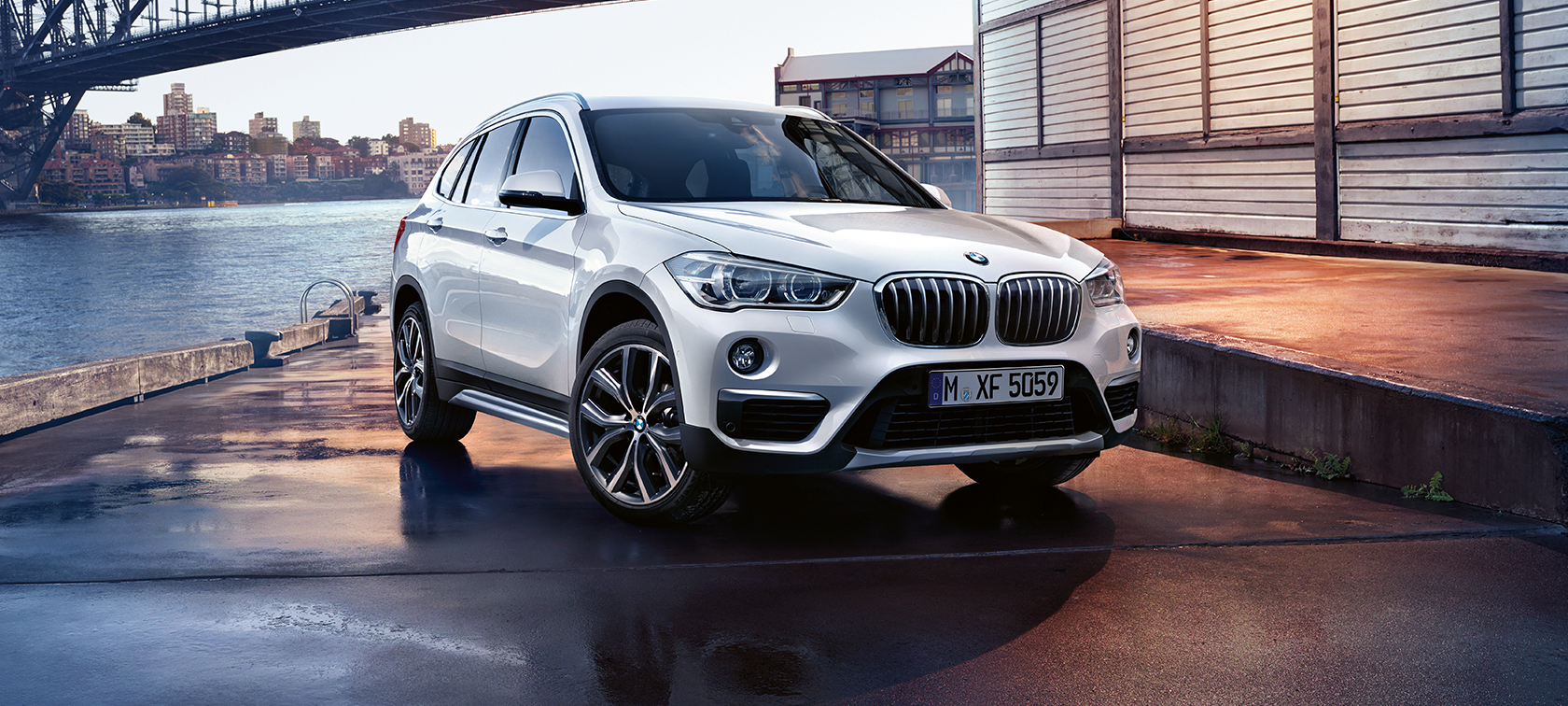
    The youngest SUV in the BMW family has received a comprehensive update and despite being the smallest, it doesn’t look like one. The current generation BMW X1 surprised us with its grown proportions and bold styling and even car enthusiasts confused it with the X3. The new 2020 facelift model builds upon that with clear and prominent revisions made to its face and rear. It looks more dominant sporting larger kidney grilles which merge in the center. The new Adaptive LED headlamps to include sharper light iconography and the bumper along with integrated LED foglamps also houses larger air intakes. The rear end of the X1 also looks stylish. For instance, the new inlay in the body-color rear apron adopts the car’s main body color.

    The driver side wing mirror projects two-tone LED X1 image when the car is unlocked. The new BMW X1 also gets three new body colors- Jucaro Beige metallic, Misano Blue metallic (exclusively for the M Sport model) and the ultra-exclusive BMW Individual Storm Bay metallic along with four new wheel designs. The 2020 BMW X1 Facelift will be offered in three variants- the base X Line, Sport Line and M Sport. The BMW X1 M Sport gets lowered stance, thanks to the M Sport suspension and BMW Individual High-gloss Shadow Line trim gets additional features along with the M Aerodynamics package.

    On the inside, the cabin is finished in high-quality materials and it continues to get contrast stitching on the instrument panel which is finished in black on its upper section and adopts the color of the interior upholstery lower down. The contrast stitching is available for the xLine, Sport Line and M Sport models only. Moreover, the floor mats also gain colored edging and contrast stitching for the edging and customers will get a choice of three upholstery options. There is also a 6.5-inch screen which is standard while customers can also opt for an 8.8-inch or 10.25-inch touch screen which can be operated using the BMW iDrive Controller or voice control and gets built-in navigation. The latest version of BMW’s connected drive is also standard on the new X1. Moreover, the rear seats can be folded down in three sections (40:20:40) and can slide forward by up to 13 cm, however, that is optional. Features such as automatic tailgate operation and Comfort Access are optional as well.

    The new BMW X1 line up will get 16 engine and transmission options globally which will include a range of three-cylinder and four-cylinder engine options. The BMW X1 sDrive16d which is powered by the 1.5-liter three-cylinder engine will be available with either a manual six-speed gearbox or a seven-speed dual-clutch transmission and will develop 114 bhp and 270 Nm of peak torque. The xDrive 25d diesel will get the 2.o-litre, four-cylinder engine which puts out 228 bhp and 450 Nm of peak torque will be mated to an eight-speed auto transmission as standard and will clock triple-digit speed in 6.6 seconds. Finally, the petrol BMW X5 xDrive 25i will use the 2.0-liter, four-cylinder engine which puts out 228 bhp and 350 nm of peak torque and is also mated to an eight-speed auto transmission as standard. It’s 0.1 seconds quicker to 100 kmph than its diesel counterpart and clocks triple-digit speed in 6.5 seconds.

  • BMW X7 And BMW 7 Series Facelift Launch Date Revealed

    BMW X7 And BMW 7 Series Facelift Launch Date Revealed

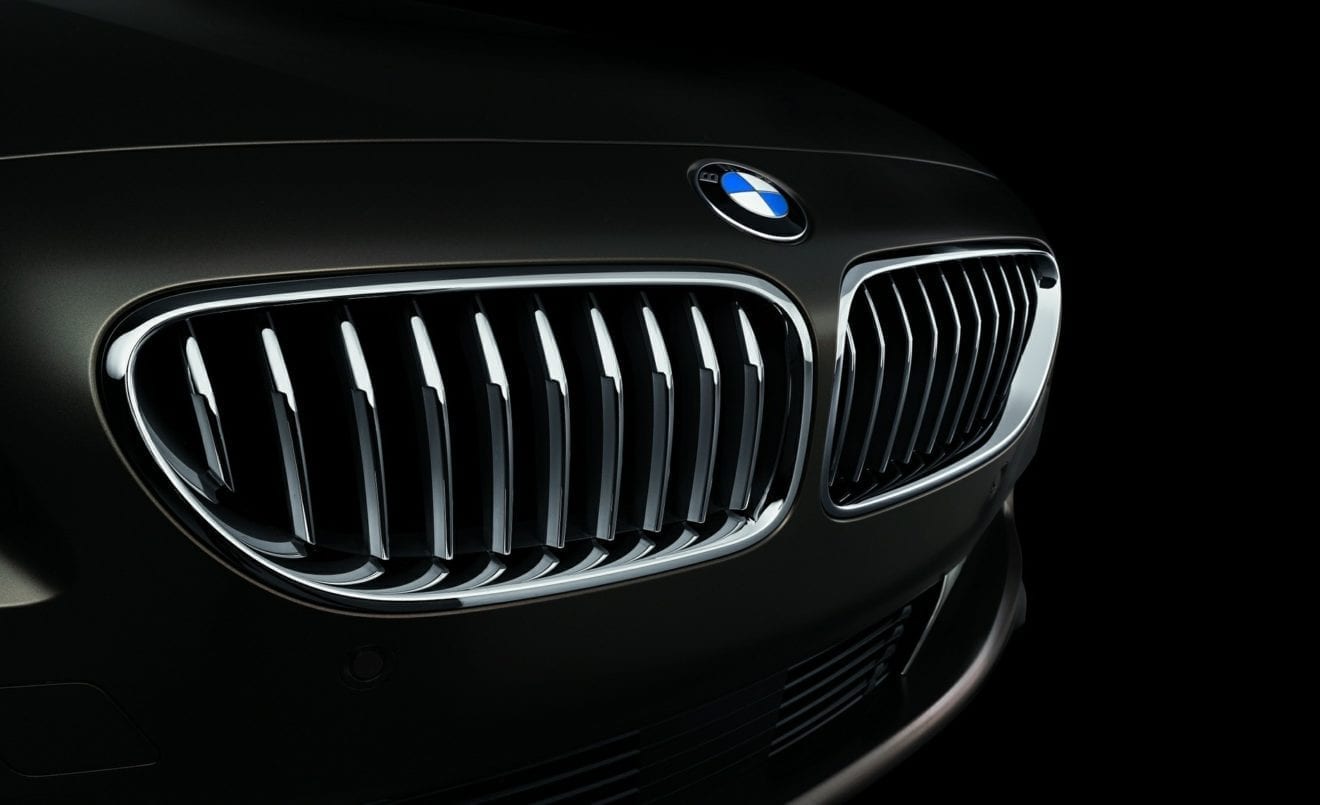
    BMW has announced that it will be launching the new 7 Series facelift and the all-new X7 SUV in India on July 25, 2019. Talking about the new 7 Series facelift, the most apparent of all the design changes is the massive kidney grille which is 40 percent larger than the one on the outgoing model. The headlights still look sleek and go well with the long bonnet which now looks more sculpted and has even gained muscle along with the fenders. The profile looks almost similar to the outgoing model and there have been subtle changes in the design at the rear.

    The new BMW 7 Series will also get a range of engine options including a new 6.0-liter, V12 motor which churns out 592 bhp and 850 Nm of peak torque and will make its way under the hood of the top-end M760 variant. Then there is the 4.4-liter, V8 motor which produces 516 bhp (up 78 bhp) and 750 Nm of peak torque (100 Nm up) and propels the car to 100 kmph in 3.9 seconds. Finally, the most in-demand of the lot will be the 740L which will now be a plug-in hybrid variant. It will get the same 3.0-liter, in-line six-cylinder engine which produces 276 bhp and 450 Nm of peak torque but will be coupled with an electric motor which will add 111 horses more taking the combined power output to 384 bhp.

    The BMW X7 is an all-new model and it will be the new flagship SUV for BMW, positioned above the X5. The BMW X7 is based on the CLAR platform which also underpins its sedan counterpart- the 7 Series and several other BMW models like the 5 Series and new generation X3. BMW is also developing the next-generation X5 on the same platform. Visually, the new X7 takes design quotient a notch higher with that massive kidney grille, slim LED headlamps and muscular bumper with wheel arches.

    Petrol engine options on the 2019 BMW X7 include the 3.0-liter, in-line six-cylinder petrol with 335 bhp and a 4.4-liter, twin-turbo V8 petrol with 456 bhp. There will also be the 3.0-liter six-cylinder diesel with 256 bhp, along with a more powerful 400 bhp version. A plug-in hybrid version is also said to be in the works, while an M badged model is the one we look forward to. All engines use the 8-speed automatic transmission and get all-wheel drive as standard. The system does come with the option to send power only to the rear wheels, while you get BMW’s Dynamic Handling Package and the Off-Road Package. Upon launch, the BMW X7 will be going up against the Mercedes-Benz GLS, Range Rover Sport and the Audi Q7.

  • AirAsia Goes Big And Converts 253 A320neo Orders To A321neos

    AirAsia Goes Big And Converts 253 A320neo Orders To A321neos

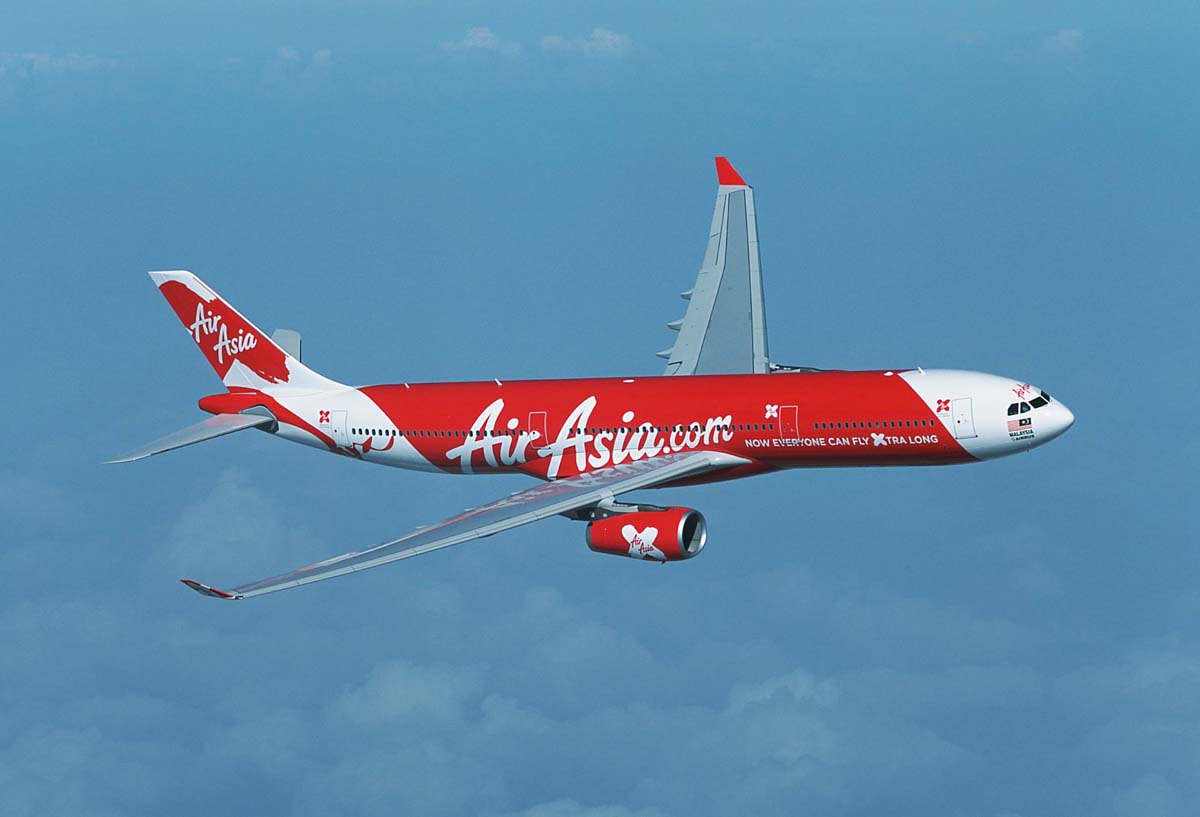
    AirAsia bosses chose the second day of the 2019 Paris Air Show to announce that they are converting an order for 253 A320-200neos to the larger A321-200neo.

    Malaysia’s largest low cost carrier, AirAsia Berhad, today decided to ramp up the type it has on order in response, a spokesperson said, to “ongoing strong demand across its network.” One of Asia’s largest budget airlines, AirAsia intends to convert 253 A320neo on order to A321neos. The move will make the AirAsia Group the world’s largest customer of the type.

    AirAsia’s Executive Chairman Datuk Kamarudin Meranun said in a statement, “We have spent a number of years reviewing what the future of our operations will look like and today, we’re proud to become the world’s largest customer for the A321neo.

    The change will be applied to almost 90% of the Group’s current order of A320neos. Previously, the order was for 304 A320neos of which 37 had been delivered.

    The Group says it expects deliveries of the A321neo in the latter part of this year. The first four aircraft of the new type will be brought into play with AirAsia and jointly-owned Thai AirAsia.

    Following its up-sizing (and the purchase of its first A321neo at the start of 2019), AirAsia will become the world’s largest customer of Airbus’ New Engine Option jetliner.

    The Malaysian LCC intends to use the A321neo on its high-frequency routes. It is believed the alteration will result in the augmentation of overall seat capacity by almost a third without adding flights to an already packed manifest, according to CAPA.

    AirAsia currently has 230 A320 aircraft in service. The Group’s primary hub is at Kuala Lumpur International Airport. The Group’s subsidiaries (of which there are eight) have hubs in various parts of the world including India, the Philippines and Japan.

    The A321neo is a member of Airbus’s best-selling A320 family, the first of which was launched in 1984. In 2006 the type underwent extensive remodeling. Changes of the original design included measures intended to make the A320 more economically viable.

    Sharklets, aerodynamic refinements and weight reduction made the plane 15% more fuel-efficient. Airbus hopes to capitalize on this with a further 5% rise in operating efficiency by 2020.

    The family has since been further enhanced under the “neo” programme of changes.

    The A321neo’s extra capacity is due to Airbus’s optimizing its use of the cabin space. The “cabin-flex” option allows the manufacturer the ability to produce a narrow-body jet with a capacity of 244 seats compared with the A320neo’s 150 to 180.

    As reported by ch-aviation AirAsia’s Chairman Meranun said,

    We have spent a number of years reviewing what the future of our operations will look like and today, we’re proud to become the world’s largest customer for the A321neo.

    With its numerous efficiency benefits and the operational flexibility this aircraft brings, the A321neo will be the new backbone of our operations as we continue to expand to meet growing air travel demand across Asia.”

    We previously reported that AirAsia’s sister company AirAsia X last year ordered 34 A330neo wide bodies ; an order it has yet to execute. Some industry insiders believe it may be the next type to be replaced with Airbus’s expansive narrow body neo.

  • BMW Motorrad Files Patent For Electric Front Wheel Drive

    BMW Motorrad Files Patent For Electric Front Wheel Drive

    BMW Motorrad has filed patents for an electrically-driven front wheel that is likely to be featured in future generation adventure bikes. The patent drawings are ostensibly of an electric front wheel drive system, which will be able to supply drive force in combination with the conventional rear-wheel drive on motorcycles. The drawings show what is an all-in-one unit mounted around a front wheel hub, which will offer drive to the front wheel when needed in particularly steep inclines or slippery surfaces. The system isn’t a full-time two-wheel drive, but can be engaged only when the rider wishes to use it.

    The accompanying patent description does not say much about how it works, or what goes behind the front wheel drive concept, but BMW Motorrad states that it can be applied to motorcycles, as well as other vehicles, including three-wheelers and four-wheel vehicles. A patent application doesn’t always mean that such technologies will be introduced, or neither are these a sure-shot guarantee that BMW Motorrad will in fact introduce an electric two-wheel drive system.

    In fact, more than two years ago, there were reports of BMW Motorrad’s all-wheel drive system as well, on what was to be the world’s first series-production all-wheel drive travel enduro motorcycle with hybrid drive. Called the xDrive Hybrid, that system is similar to the one filed in the new patent application, but two years hence, it is yet to see something of a production form.

    If BMW Motorrad is indeed working on such an all-wheel drive system for motorcycles, with an electric front-wheel drive system, two years is a long time to be working on it, and about time we saw something, at least in concept form. Our guess is, something may be shown at the EICMA show in Milan, in November this year. But then again, who knows? Either ways, it will be interesting to see what the next generation motorcycle technology will be showcased at the world’s most popular motorcycle show in November 2019.

  • Toyota Sells Electric Vehicle Technology To Chinese Startup Singulato

    Toyota Sells Electric Vehicle Technology To Chinese Startup Singulato

    Toyota Motor Corp has agreed to sell electric car technology to Singulato, its first deal with a Chinese electric vehicle startup, allowing the fledgling firm to speed up development of a planned mini EV.

    In return, Toyota will have preferential rights to purchase green-car credits that Singulato will generate under China’s new quota system for all-electric and plug-in hybrid vehicles.

    It will also gain a bird’s-eye view into how Chinese EV startups operate and the strategies they pursue in a fast-changing marketplace, said Singulato Chief Executive Shen Haiyin and two sources at the Japanese automaker.

    “With electrification, autonomous driving and car-sharing shaking up the industry, old ways need to be re-examined,” one of the Toyota sources said, declining to be identified as he was not authorized to speak on the matter.

    “We have a century’s lead in automotive technology, but we also need to be humble enough to learn from newcomers.”

    Singulato will acquire a license to use the design of Toyota’s eQ – a battery electric microcar. The deal is due to be announced on Tuesday at the Shanghai auto show, where Singulato will unveil a concept car based on the eQ.

    Singulato plans to redesign the car, tailoring it to local tastes to come up with a model by early 2021 that is more affordable and offers a longer driving range.

    “This deal gives us a way to save on time and costs to develop a reliable car and focus on what we excel in,” Shen told Reuters.

    Financial terms are not expected to be disclosed. A Singulato source said the startup agreed to pay “several tens of millions of dollars” for eQ’s design.

    Toyota said it was taking various measures to accelerate its business in China, a key market, but it would not comment on specific steps.

    The agreement is a vote of confidence by Toyota in Singulato’s prospects, said Shen. Founded in 2014 and backed by Intel Corp and Japanese trading house Itochu Corp, Singulato is one of at least 50 Chinese EV startups seeking to survive in a competitive market.

    It plans to sell its first self-developed battery electric car called the iS6 this year, competing with models from rival startups like Nio and WM Motor as well as those from global automakers.

    Singulato’s version of the eQ will be a so-called connected car offering young buyers a host of entertainment, safety and navigation features. The car, which will be called the iC3, will also feature some self-driving technology.

    Toyota sold about 100 eQ cars in 2012 and then discontinued it due to concerns over the limits of EVs, including their high price tags, short driving range and long charge time. But Singulato believes technological advances, especially in batteries, have made the car much more marketable.

    Shen said the iC3 should be able to go as far as 250-300 km (160-190 miles) on a single full charge and will be priced around 100,000 yuan ($15,000). Singulato aims to sell 200,000 units over five years.

    According to the two Toyota sources, the deal is part of efforts to share more technology with China as the Japanese automaker seeks more growth in the world’s largest auto market by beefing up manufacturing capacity and distribution channels.

    The green-car credits will also come in handy.

    Keen to combat smog, jump-start its own auto industry and lower reliance on imported oil, China is aggressively pursuing the adoption of electric cars. Under a production quota system taking effect this year, automakers are required to produce and sell a certain number of new-energy vehicles in proportion to their overall sales volume.

    A carmaker that fails to achieve its quotas will have to acquire NEV points from an automaker with surplus credits or face penalties.

    Toyota has said that initially it won’t be able to meet its quotas without buying credits from others. It has also agreed to produce and help sell a car for GAC Motor, a joint venture partner, to generate credits.

    According to the Toyota sources, the deal with Singulato has already yielded intriguing glimpses into the thinking of Chinese EV startups and their non-traditional approach to engineering.

    One such example was Singulato’s idea to look at linking headlights with satellite, cellular network location data and the driver’s planned trip. That could help turn the headlights along the driver’s route for enhanced visibility and driving safety.

    It might not something Toyota would consider but as an idea, “it was eye-opening,” one of the sources said.
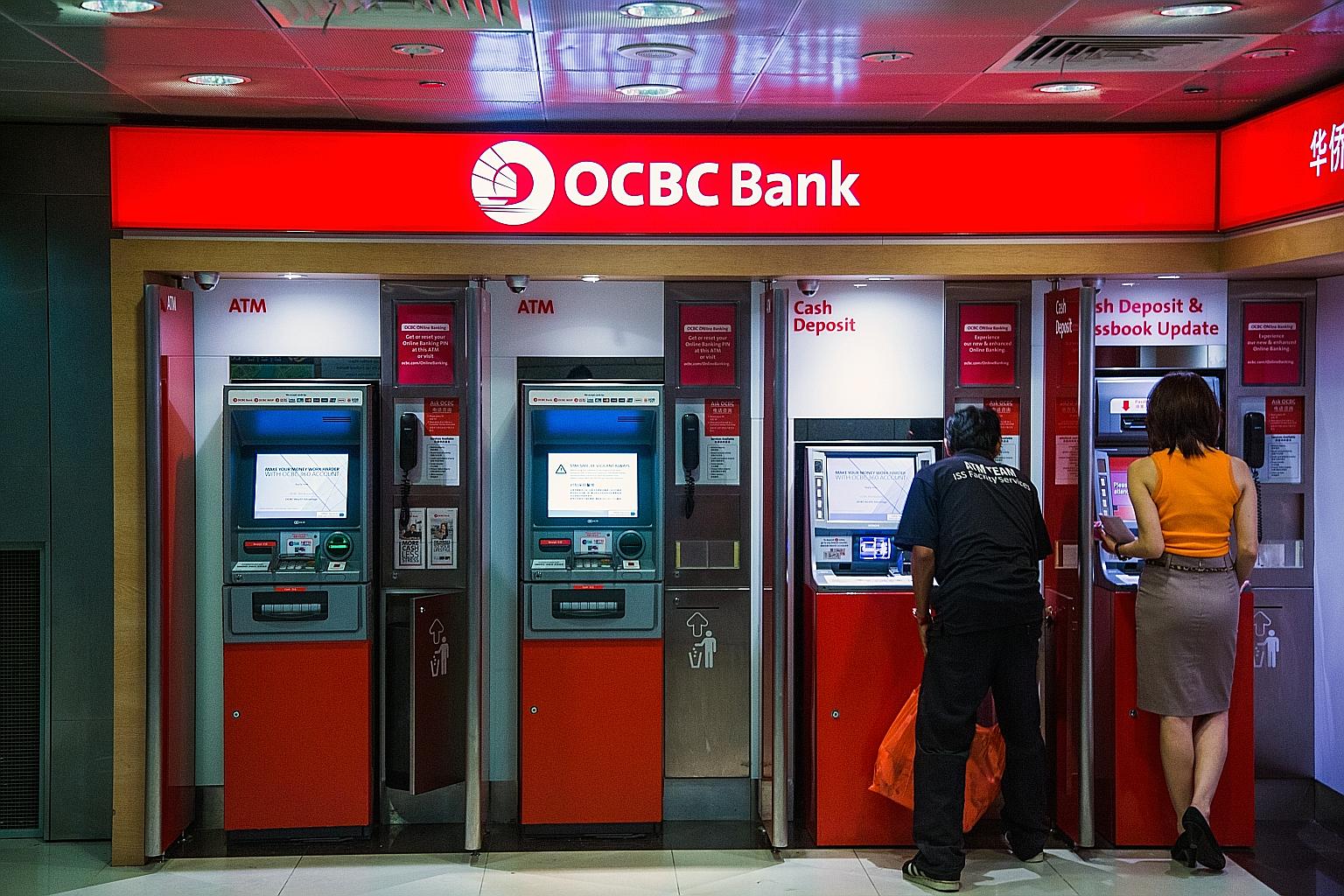
  • OCBC Forms Committee to Ensure Responsible Banking

    OCBC Forms Committee to Ensure Responsible Banking

    The bank’s new ethics and conduct board committee wants to ensure that the group’s core values of trust and integrity continue to anchor the way it conducts its business.

    OCBC Bank has formed an ethics and conduct board committee, which is chaired by OCBC chairman Ooi Sang Kuang and includes directors Lee Tih Shih and Christina Ong, according to a news release on Thursday.

    While the industry is seeing ethics and compliance as an area of greater concern, the committee, which provides oversight of the group’s policies, guidelines, and programmes, is a first among Singapore banks.

    Laying Out Standards

    It held its first meeting on Wednesday, laying out expectations and standards for the group’s 29,000 employees as it aims to «sustain and grow a strong culture of responsible banking and fair dealing» and ensure that responsible banking is rigorously enforced across the whole OCBC group, the bank said.

    In the last decade, there have been several high-profile examples of questionable conduct by financial institutions. These examples span the globe and the misconduct ranges from extreme over-leveraging to violating international sanctions, tax fraud, and money laundering. The misconduct stems mostly from an imbalance between the pursuit of financial goals and responsible banking, Ooi said.

    Transforming Rapidly

    The banking industry is transforming rapidly due to technological advancements, and customers’ expectations have also changed. However, what has not changed is that our customers still expect us to be utterly worthy of their trust. That is why amid so much change in the banking industry, our underlying values of integrity and honesty must never change, Ooi added.

    The ethics committee also oversees a new culture and conduct committee, chaired by group chief executive Samuel Tsien. The committee will implement initiatives to enhance existing policies and programmes on ethics and conduct, as well as roll out new ones to strengthen these values among all the group’s employees.

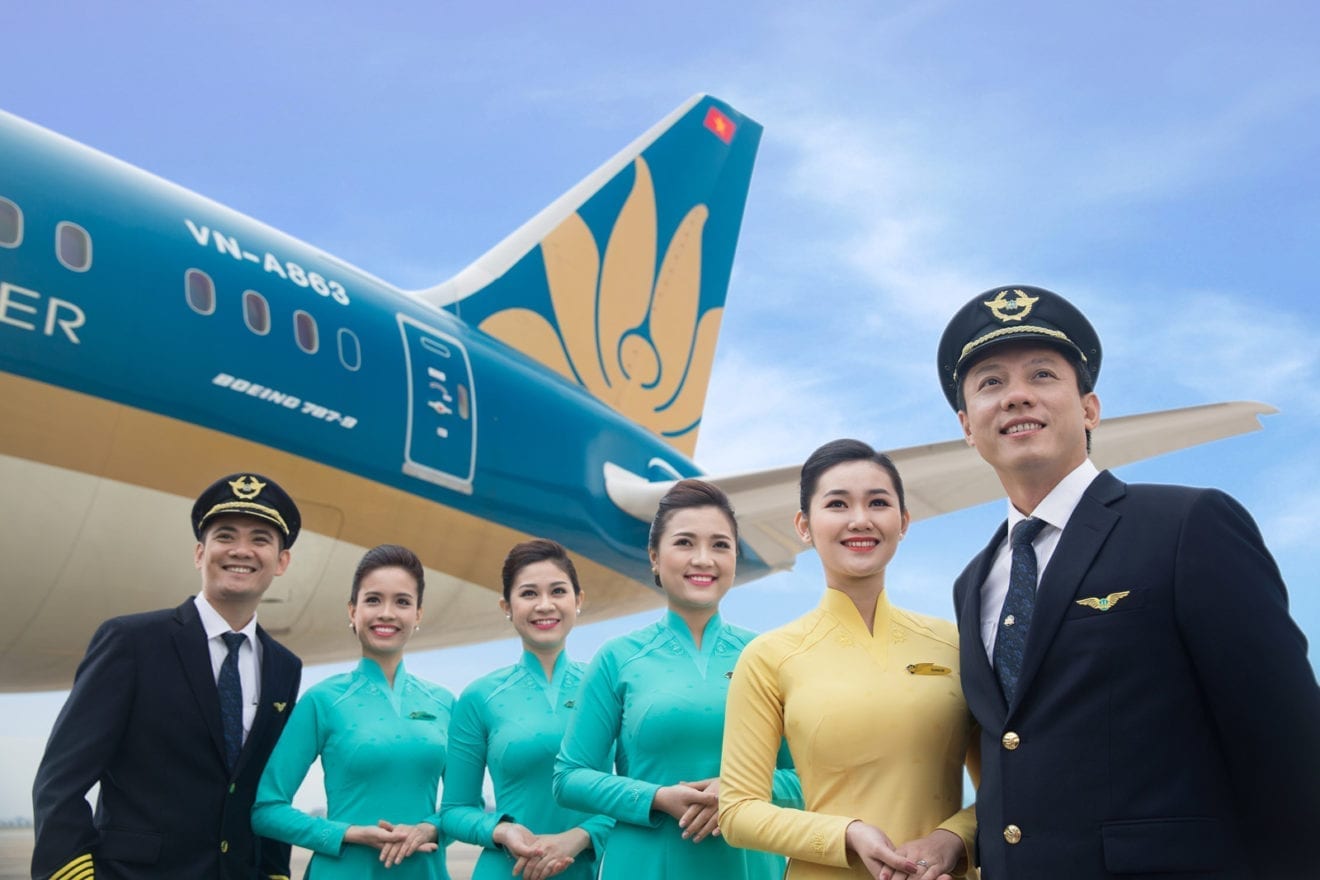
  • Vietnam Airlines prepares for Czech launch

    Vietnam Airlines prepares for Czech launch

    Vietnam Airlines has appointed a new General Sales Agent (GSA) in Prague, ahead of the launch of its first ever flights to the Czech Republic.

    A ceremony was held on 14 December 2016 to mark the occasion, attended by Vietnam’s Ambassador to the Czech Republic, Truong Manh Son. While details of the national carrier’s planned Prague services have not been confirmed, they are likely to make use of Vietnam Airlines’ new fleet of long-haul aircraft, including the Airbus A350 and Boeing 787 Dreamliner.

    These modern jets have already been deployed on routes to several European cities, including London, Paris and Frankfurt.

    The new route, which would likely be served from Hanoi, would mark the first direct connection between the Czech Republic and Southeast Asia. The only other Asian carriers operating to Prague’s Václav Havel Airport at present are China Eastern Airlines, Hainan Airlines, Korean Air and Sichuan Airlines.

    Vietnam Airlines and Czech Airlines are partners in the SkyTeam alliance and the new flights could also open up codeshare opportunities.

  • Money transfer firm WorldRemit eyes new markets, growth

    Money transfer firm WorldRemit eyes new markets, growth

    WorldRemit, an online service for overseas money transfers, is looking to expand into new markets and add services like direct payments for bills and school fees, its president said on Friday.

    The UK-based financial technology start-up, which has raised $192.7 million since its founding in 2010, also wants to grow in Canada and is open to taking the company public, Andrew Lee said in an interview.
    “We think about it, we think about other options as well,” he said. “It’s not on the radar at the moment. We’ve got plenty to do before we worry about that.”

    WorldRemit, which caters to migrants and people with no bank accounts, allows money transfers to over 100 countries. Growth is fastest in mobile transfers, though bank deposit and cash pick-up options are also available.
    Online payment service providers are shaking up the remittance industry and retail-based operations like Western Union Co by offering fast, secure service with lower fees, saving recipients travel time to pick up deposits.

    Over 2 billion people in the world do not use banks or are unlikely to have access to retail banking, said Lee, but the vast majority have mobile phones, allowing them to receive and store money, or pay bills.
    WorldRemit, which has partnerships with 34 mobile companies in 26 countries, also lets senders add air time to the prepaid phones of family members, for example.

    WorldRemit is seeking to add domestic transfers and primary banking, Lee said, and is applying for licenses in areas like Singapore, where foreign workers send a lot of money to their home countries.
    WorldRemit expects in the coming months to secure licenses for a few U.S. states that it does not already serve, Lee said. The United States is WorldRemit’s fastest growing market, and is soon expected to account for at least 10 percent of its revenue, he added.

    Canada, with 20 percent of its population born overseas, is WorldRemit’s third-largest market after Australia and Britain. That proportion is the highest among the Group of Eight industrialized countries, according to Statistics Canada.
    Canada has great growth potential, Richard Meseko, the company’s Canadian director, said in the joint interview. About 60,000 WorldRemit overseas transfers are made from Canada each month, but the 55,000 users over the last 12 months is a small number for the size of the immigrant population, he noted.