Retail News CRM

Tag: NFT

  • Vietnam ranks 5th globally in NFT users

    Vietnam ranks 5th globally in NFT users

    Vietnam ranks fifth globally in the number of non-fungible token users at over two million as of last year, a study has found.

    The country had 2.19 million users last year, behind Thailand, Brazil, the U.S. and China, according to the Digital Economy Compass 2022 study by Germany-based data portal Statista.

    In terms NFT penetration rate, it also ranked fifth at 2.24 percent, behind Thailand, Canada, Australia and Brazil.

    The penetration rate is the share of active paying customers (or accounts) from the total population last year.

    Another recent survey by Australian data research company Finder revealed Vietnam ranks fifth globally in the ratio of non-fungible token game players.

    Twenty-three percent of respondents in Vietnam said they play NFT games, according to the survey conducted between March and May.

    It was ranked behind India, Hong Kong, the United Arab Emirates and the Philippines.

    Vietnam has made headlines in the non-fungible token world in recent years with Axie Infinity, one of the most popular NFT games globally.

  • Vietnamese NFT game big in Japan

    Vietnamese NFT game big in Japan

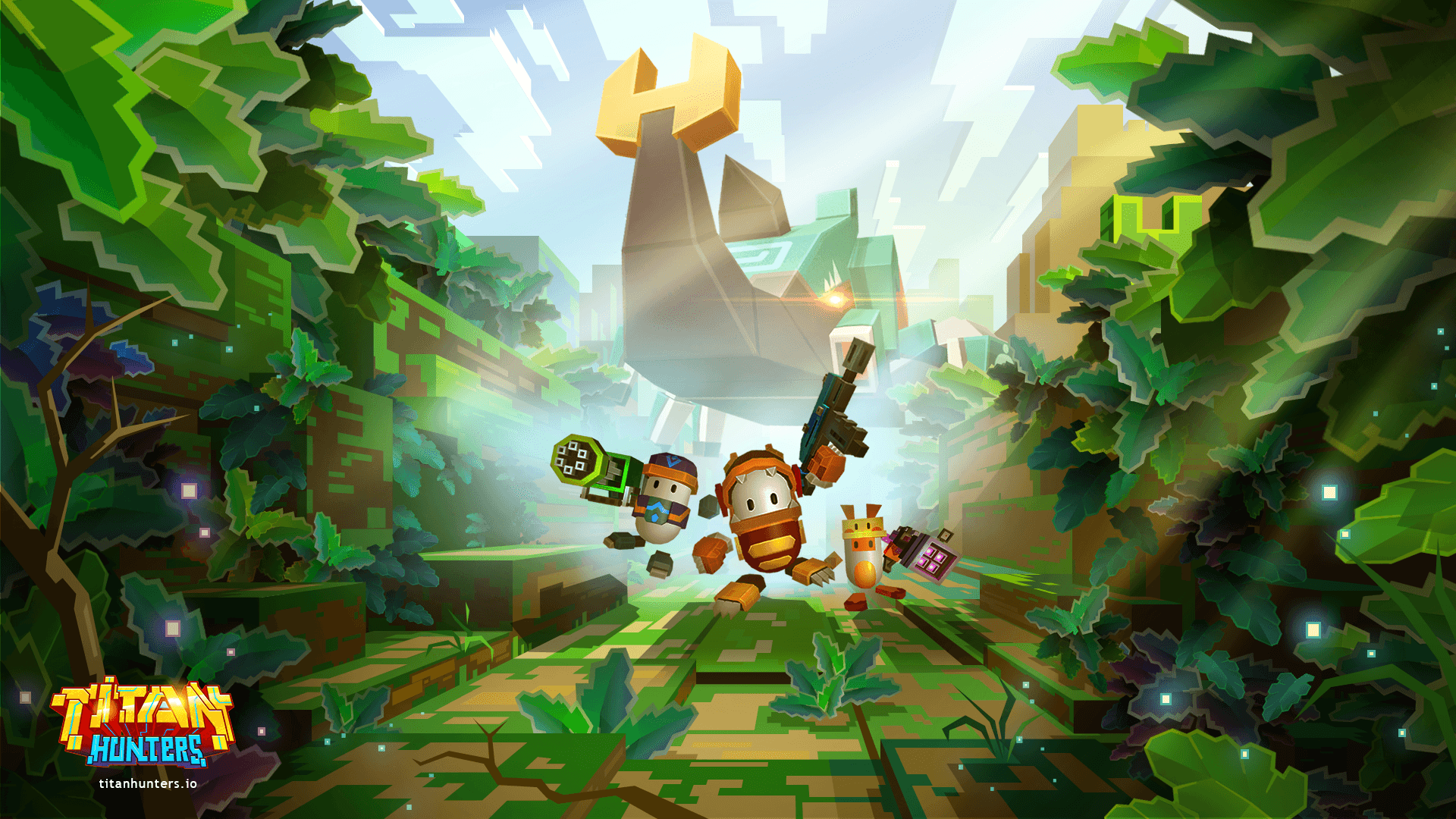
    Titan Hunters, a non-fungible token game developed in Vietnam, is currently the 21st most downloaded adventure game on iOS in Japan. It has been downloaded over 100,000 times on Android devices.

    It has also gained social media attention and was among the top mentioned topics on Twitter at the end of last month and early this month. Popular Japanese gamer Lucian said it attracts players because of its ease of access. Titan Hunters was launched at the end of March.

    Unlike other NFT games, it is free, and those who want to play to earn need to link the game with their e-wallet. Japan has among the largest number of players and developers of electronic games globally. At 70 million players, the game has a quarter of the numbers Sony, Nintendo and Sega do.

    Titan Hunters CEO Vu Duy Tiep said Japan is a market with high competition and players there are “pretty picky.” The game has been downloaded 150,000 times across all platforms with around 50,000 active players daily, 75 percent of them in Japan, he said.

    “We aim to reach the European and U.S. markets next.”

    In Vietnam, some players have been complaining that the game has bugs and their gameplay experience is not “smooth.”

    Axie Infinity was the first NFT game developed in Vietnam to become internationally popular.

  • Fashion Brands Turn to NFTs for Latest Marketing Campaigns

    Fashion Brands Turn to NFTs for Latest Marketing Campaigns

    What exactly are NFTs?

    More and more brands are turning to digital trends to reach out to their audiences. Where many businesses are innovating how consumers experience their brand in the metaverse, others are dipping their toes into the uncharted world of NFTs.

    Before diving into tech-savvy terminology, let’s talk about what an NFT is exactly. An NFT is a digital format artists and businesses use to create all sorts of digital art, including pictures, GIFs, videos, music, games, and in some cases, virtual land. Often, people write off NFTs as something anyone can have just by downloading the art.

    While it may be true that art enthusiasts can download a piece of art, it’s important to remember it’s not the NFT itself. That’s to say, it is a copy of the NFT, but it is not the original. To demonstrate ownership of a piece of original art, owners can consult the blockchain technology that proves their connection to the artist and the piece.

    To give a real-life example, owning an NFT is like owning Michelangelo’s David. While anyone can make an exact copy of it or take pictures of it, there is only one owner. In the case of the famous marble statue, that owner would be the Italian government, which has the corresponding documents needed to prove its ownership. The same principle applies to NFTs.

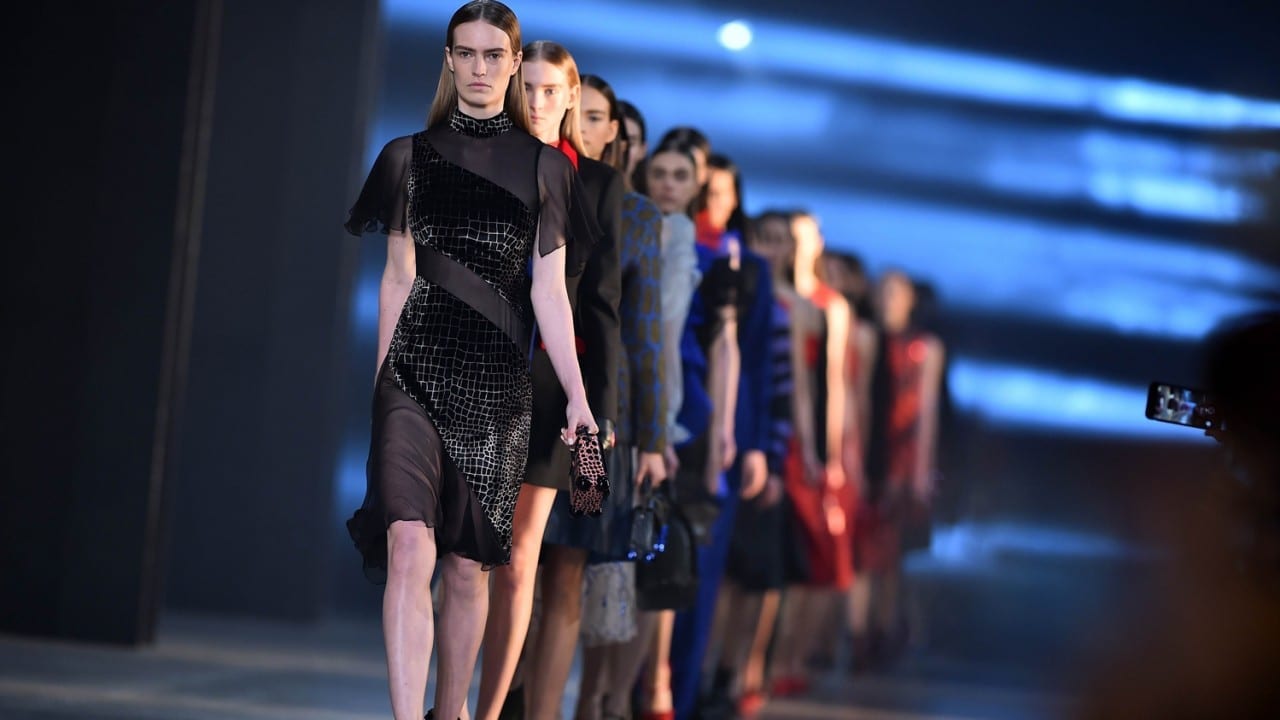
    Similarly, in the fashion industry, owning original or limited edition pieces is part and parcel of what makes big brands like Louis Vuitton, Gucci, Burberry, and Hugo Boss as in demand as they are. The logical next step in their marketing strategy would be diving into NFTs, which favour and exude exclusivity.

    Louis Vuitton Releases Video Game

    To celebrate Louis Vuitton’s 200th birthday last summer, the emblematic brand released a mobile game app where players could learn about its rich history, play mini-games, and earn the chance to win Louis Vuitton NFTs, including postcards and avatars.

    The luxury fashion house has announced that players who reach a certain amount of points will be given the opportunity to enter a raffle, which will end on August 4th of this year. Ten random winners will be awarded Louis Vuitton NFTs of the game’s main character, Vivienne, the company’s logo fashioned into an adorable mini humanoid figure.

    Creating video games, which provide consumers with an intimate and interactive way to engage with the brand’s history and values, also puts the brand in favour of increasingly popular digital platforms and experiences like the Metaverse. Louis Vuitton appears to be taking the digital market and Metaverse by the reigns, its marketing strategy paving the way for other fashion houses.

    Top Fashion Brands Embrace NFTs

    Among many high fashion brands rushing to use NFTs in their marketing strategies, Burberry was one of the first to collaborate with the gaming industry. Joining forces with Mythical Games, Burberry created NFTs for Blankos Block Party, an online multiplayer shooter game. The NFTs feature a cute, human-shark hybrid surrounded by liquid silver and sporting Burberry logo print on its fins.

    Another brand that has taken to the thriving world of digital art is Hugo Boss. Like Burberry, Hugo Boss collaborated with Boss Beauties to create an NFT in an effort to help young, marginalized women succeed in the workplace. The NFT depicts a classic white t-shirt, with a confident young woman in the centre. Both brands intend to auction the NFT online and with the earnings, fund their Dream Like A Boss programme, which will provide young women with the resources they need to succeed in professional environments.

    IMAGE HERE>>>>>>https://images.unsplash.com/photo-1642525027649-00d7397a6d4a?ixlib=rb-1.2.1&ixid=MnwxMjA3fDB8MHxzZWFyY2h8NHx8bmZ0fGVufDB8fDB8fA%3D%3D&auto=format&fit=crop&w=600&q=60 >>> Photo

    The Future of NFTs in Fashion

    As experts, artists, and brands learn more about the Metaverse and the digital marketplace at large, it is still too early to tell in what direction NFTs will take art and fashion. In any case, it’s safe to say that in the few short years that NFTs have been accessible to the public, they have taken the market by storm.

    Considering the incredible advancements Bitcoin has reached in under fifteen years, NFTs seem to be following a similar path, gaining more and more relevance at an accelerated rate. Whether they might seem like an outlandish idea that’s too difficult and intangible to imagine its practical use, there’s no arguing that the new digital format is here to stay. Especially for their valuable assets for marketing and PR strategies, NFTs have built a niche tailor-made for the fashion industry.
  • Startups pin high hopes on blockchain, NFT technologies

    Startups pin high hopes on blockchain, NFT technologies

    Vietnamese startups have great expectations of the blockchain technology, envisaging practical e-commerce and entertainment impacts as the country pursues digital transformation.

    “We dream of becoming a billion-dollar company,” said Nguyen Tuan Quynh, chairman of book distributor Saigon Books, as he talked about a new project which uses blockchain in podcast and audiobook production.

    He said he wanted to create a blockchain-based platform for users, including celebrities, to produce audio content and make money. The audios will be distributed as non-fungible tokens (NFT), which are digital assets that represent objects like art, music, in-game items and videos, and have unique identifying codes. They are bought and sold online, frequently with cryptocurrency.

    “It will be a long run but we have taken the first steps. We also aim to have foreign-language to take this platform overseas,” Quynh said.

    Nguyen Tran Phi Yen, communications director of online event hosting platform Fan8.Club, is working on a project in collaboration with a hospitality partner that will create one million booking NFTs at premium hotels in Vietnam.

    “Blockchain is no longer something of the future. It has real products now.”

    Vietnamese startups have made headlines since last year with their use of the blockchain technology. Blockchain games like Axie Infinity and finance apps like Coin98 Finance have raised millions of dollars.

    Vietnam’s blockchain market is set to enjoy double-digit growth in the 2023-2027 period as 5G development across the country facilitates the formation of smart cities, according to a report by TechSci Research.

    Nguyen Thanh Nam, chairman of blockchain solutions provider OneBlock Labs, said that the technology could be used to trace origins of agriculture products, develop web browsers with better privacy protection and facilitate e-governance.

    “The government has made many efforts to create a national database using technology. With blockchain, more potentials can be reached,” he said.

    In 2020, the Vietnamese government listed blockchain a top tech research priority for application in the Fourth Industrial Revolution era.

    The Ministry of Science and Technology plans to let some blockchain companies to use the technology to try out some of their ideas for social benefits this year. Startups say they are aware of the challenges in developing the blockchain technology, high programmer salaries being one of them.

    “Hiring programmers to build a blockchain app costs four to five times that of a normal app,” said Quynh of Saigon Books said.

    Finding a team of experienced blockchain techies who understand the market is very difficult, said Nam of OneBlock Labs.

    “It is therefore crucial to start developing blockchain human resources.”

    Yen of Fan8.Club said that the world will soon have pre-established blockchain platforms for businesses to use and create their own products, and Vietnamese firms can take advantage of these instead of building everything from scratch.

    Some industry insiders have also warned about the potential to misuse blockchain.

    Pham Phuoc Nguyen, digital operations head at Coin98 Finance, said: “Not everything needs blockchain. Some can be done the traditional way.”

  • Instagram brings parental controls to the US, confirms NFTs are coming soon

    Instagram brings parental controls to the US, confirms NFTs are coming soon

    Instagram’s parent company, Meta announced back in December it will bring new parental controls to the social network at some point this year. Starting today, these parental controls are rolling out to Instagram users in the United States, Head of Instagram Adam Mosseri confirmed this week.

    First off, a new Family Center is making its way to Instagram users in the US, which will act as a hub to access supervision tools and other related resources. These tools are available on Instagram today, and will be rolling out in VR in May.

    Additionally, Family Center includes a new education hub where parents can access resources like articles from experts, videos and tips on topics like how to talk to teens about social media. Video tutorials will also be available through the hub on how to make use of the new supervision tools.

    The first set of parental supervision tools available today on Instagram will allow parents to view how much time their teens spend on the social network and set time limits, be notified when their teen shares they’ve reported someone, as well as view and receive updates on what accounts their teens follow and the accounts that follow their teens.

    More features will be added to parental supervision tools over the next few months, including the option to set hours during which teens can use Instagram and the ability for more than one parent to supervise a teen’s account.

    In other news, Mark Zuckerberg confirmed that NFTs (non-fungible tokens) will be coming to Instagram. During his speech at SXSW, Meta’s Zuckerberg revealed the information but didn’t exactly detail how the company plans to implement the digital collectible. However, he did say that “over the next several months, the ability to bring some of your NFTs in, hopefully over time be able to mint things within that environment.”

  • Nike cries foul over virtual shoes, suing retailer that sells sneaker NFTs

    Nike cries foul over virtual shoes, suing retailer that sells sneaker NFTs

    Sneaker giant Nike sued online reseller StockX in New York federal court on Thursday for selling unauthorized images of Nike shoes, marking the latest lawsuit over digital assets known as non-fungible tokens.

    Nike said StockX’s NFTs infringe its trademarks and are likely to confuse consumers. Its lawsuit asked for unspecified money damages and an order blocking their sales.

    Detroit-based StockX, a platform for reselling sneakers, handbags, and other goods, was valued at more than $3.8 billion last year.

    A representative for the company did not respond to a request for comment, nor did Nike or its attorneys.

    Nike said StockX last month began selling unauthorized NFTs of its sneakers, telling buyers they would be able to redeem the tokens for physical versions of the shoes “in the near future.”

    The complaint said StockX has sold over 500 Nike-branded NFTs.

    The lawsuit said complaints about the NFTs’ “inflated prices and murky terms of purchase and ownership” and buyers’ doubts about the legitimacy of StockX’s model have hurt Nike’s business reputation.

    Nike said it will release “a number of virtual products” later this month in conjunction with the digital art studio RTFKT, which it acquired in December.

    NFTs have recently exploded in popularity, and lawsuits over them have begun to hit U.S. courts. Miramax sued director Quentin Tarantino in November over his plans to auction NFTs related to the 1994 film “Pulp Fiction,” which he directed and the studio distributed.

    Last month, Hermes sued artist Mason Rothschild over his “MetaBirkin” NFTs of the French company’s Birkin bags.