Tag: nomad

  • Nomad Brewing and Darrell Lea create liquorice Stout

    Nomad Brewing and Darrell Lea create liquorice Stout

    Liquorice-loving dads have a lot to look forward to this Father’s Day.

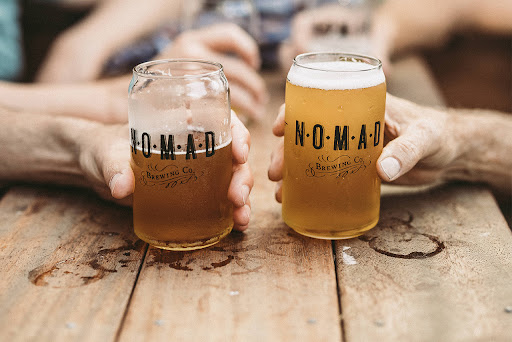
    Aussie chocolatier Darrell Lea has teamed up with Nomad Brewing Co in Sydney’s Northern Beaches to create a new brew distilled from chocolate bullets.

    The limited-edition dark chocolate licorice stout is described as tasting “rich and creamy” and  “beautifully bitter”.

    “We know people who love our liquorice are passionate advocates for the flavor which some may consider being controversial, so we wanted to breathe some new life into it with the Batch 37 Dark Chocolate Liquorice Milk Stout which has real Milk Chocolate Bullets and Batch 37 Liquorice in the brew,” Darrell Lea’s general manager of marketing, Johanna Campbell said.

    “Many dads are big fans of our licorice products, and what better way to say cheers to our dads than combining two of their favorite things?”

    The limited-edition Darrell Lea Batch 37 Dark Chocolate Liquorice Stout is available to purchase online at nomadbrewingco.com.au for $11 per can or $45 per 4-pack, plus you’ll also receive a free bag of Darrell Lea Batch 37 Licorice gift with every purchase.

  • StanChart Explores Second Digital-Only Bank

    StanChart Explores Second Digital-Only Bank

    Standard Chartered said that it was considering another digital-only bank based in Singapore – similar to MOX in Hong Kong – after receiving recognition by local regulators to receive preferential treatment as a foreign lender earlier this year.

    Standard Chartered could acquire an additional Singapore banking license under the Significantly Rooted Foreign Bank (SRFB), according to a report, in a move that would mirror its Hong Kong digital-only bank, Mox.

    We are naturally interested in qualifying for the recently-announced enhanced SRFB framework to further deepen our presence here, according to a spokesperson for the bank.

    This will give us the option to explore an additional banking license. Under this construct, we would look to leverage on the technology and experience gained from MOX, our digital bank in Hong Kong, to operate a similar platform in Singapore together with a strong ecosystem partner.

    Standard Chartered was the first foreign bank to be named an SFRB in August this year and the new status gives it significant advantages such as the ability to set up a digital-only unit, lower amounts in paid-up capital and a greater number of places of businesses (POBs) allowed (from 25 to 50), of which 35 may be branches.

    We have a very robust record in digitalization and digital banking, and we will continue to invest and explore the best digital model for our clients in Singapore, the spokesperson said.

    Earlier this year, reports claimed that the bank was already considering the launch of another digital-only bank through a joint venture with the National Trade Union Congress (NTUC) Enterprise. The latest comments about the plans were made on the same day that the city-state announced the four winners of the much anticipated digital banking license race.

  • Havaianas invests $US50 million in Asian expansion plan

    Havaianas invests $US50 million in Asian expansion plan

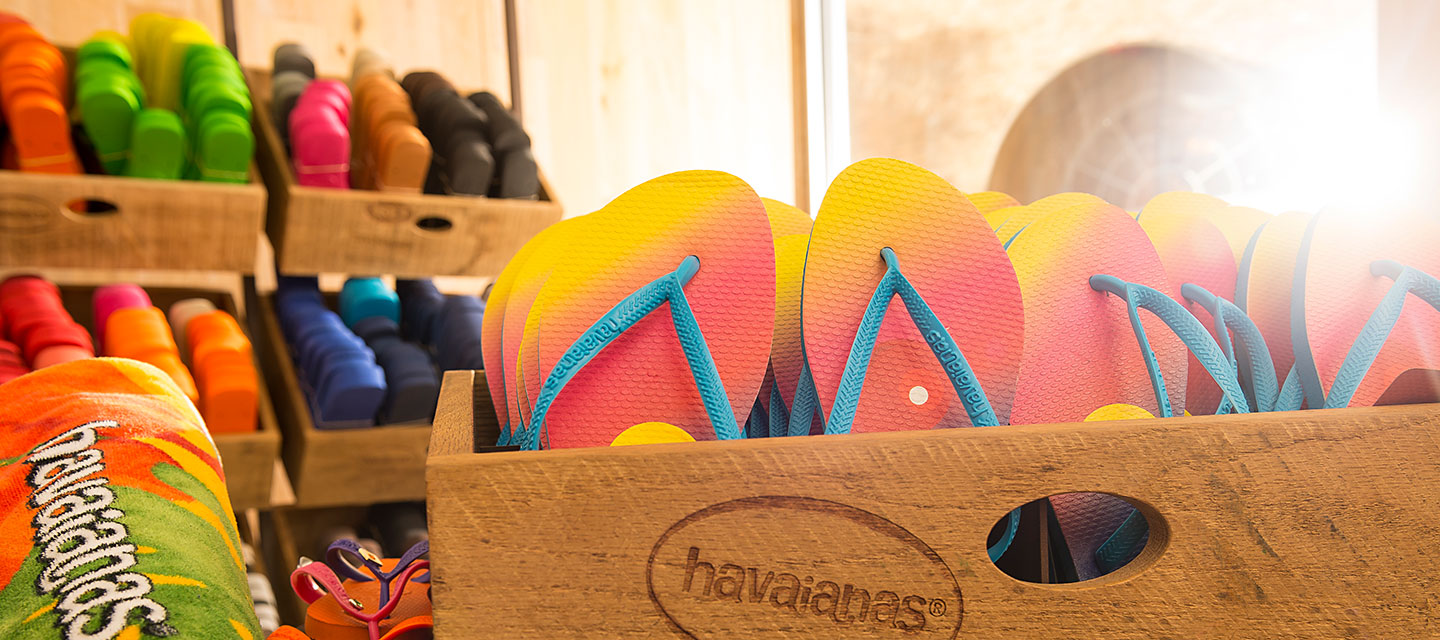
    Undeterred by the advent of Covid-19, Brazilian flip-flop brand Havaianas is investing US$50 million into the expansion of its retail footprint across Asia-Pacific between now and 2024.

    Havaianas – which sells about 1 million pairs of footwear a day worldwide – was until 2017 represented by a small group of licensed distributors in Asia, overseen by an export manager in Brazil who also had responsibility for Africa, South America, and the Middle East. However, in 2018 the company opened a regional office in Hong Kong and appointed an Asia regional president, experienced retailer Robert Esser, to build a team managing expansion from Greater China down to Australia and New Zealand.

    Esser has since built a team of around 30 staff and opened a sub-office in Mainland China to accelerate the push there.

    New distributors have been appointed in multiple markets and the network has since grown from 35 to about 135 stores, augmented by another 25 or so short-term pop-up stores in regional areas where cold winter weather is not conducive to wearing flip flops all year round. Flagships have opened in Manila in the Philippines, and at Sydney’s iconic Bondi Beach in Australia, and the brand has established virtual stores on Chinese marketplaces including JD and Tmall.

    “In Asia Pacific today, our biggest potential markets are China, Indonesia, Thailand, and Malaysia,” explains Esser. “We now plan to reach more local consumers and deliver a change in the way they perceive and wear flip-flops. Havaianas wants to enchant Asian consumers and build a strong emotional connection and affective memory, occupying a unique space where attributes like functionality, style, and accessibility meet.”

    Esser believes the expansion reflects a great opportunity to introduce consumers to “a whole new concept in flip-flops”: not just functional footwear, but a combination of comfort and style and “a true fashion accessory”.

    “Apac is diverse but consumers are looking for authenticity, high quality, and fashionable products so Havaianas can be perfect for them,” said Esser.

    With Covid-19 leading to the closure of many of Havaianas and its partners’ stores across Asia for varying amounts of time, the company invested “disproportionately” into online channels, he says, setting out to achieve “find-ability and visibility”.

    “We set up stronger social-commerce platforms and built a relevant influencer strategy with local brand ambassadors, like Luna Maya in Indonesia and Nelydia Nik Sen in Malaysia. This has already delivered promising results with online business growing three-fold during the first quarter and six-fold during April.”

  • GoJek and Deliveroo join forces in Singapore

    GoJek and Deliveroo join forces in Singapore

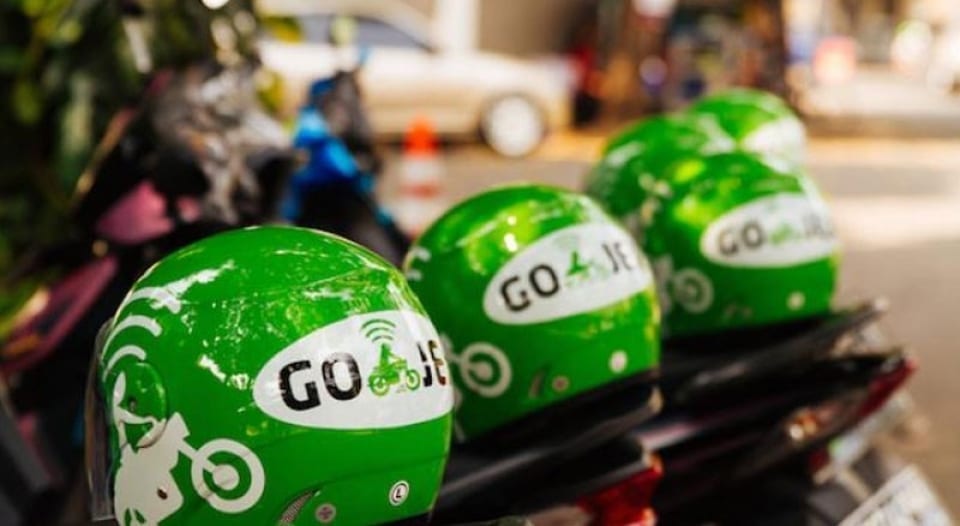
    Indonesian ride-hailing operator Gojek and Deliveroo, the food-delivery service, have joined forces in Singapore.

    Following a change in law allowing taxis to provide food and grocery deliveries – in response to increased demand during the Covid-19 lockdown – drivers will now have the option of making food deliveries around central Singaporean locations as a way to supplement their income, reports Channel News Asia.

    Many drivers on the platform have reported an income drop of up to 70 percent during the lockdown period, with some subsisting on grocery vouchers provided by a support fund established by the firm. Now they will be able to help ends meet by serving both GoJek and Deliveroo.

    “By strengthening Deliveroo’s supply of delivery riders, the company can better cater to the increased demand for food delivery during the current ‘circuit breaker’ period, when more people are eating at home,” said Gojek.

    The firm is also participating in a charitable effort to provide meals to vulnerable single-parent homes in the territory.

    Several competing ride hailers and taxi services are already providing food delivery solutions, with arch-rival Grab offering its own food platform. Gojek has its own food delivery platform in Indonesia.

    Gojek will “continue to find ways to look after our driver-partners and support the wider Singapore community,” said Singapore GM Lien Choong Luen.

  • Nok Air launched direct flights to Hiroshima, Japan

    Nok Air launched direct flights to Hiroshima, Japan

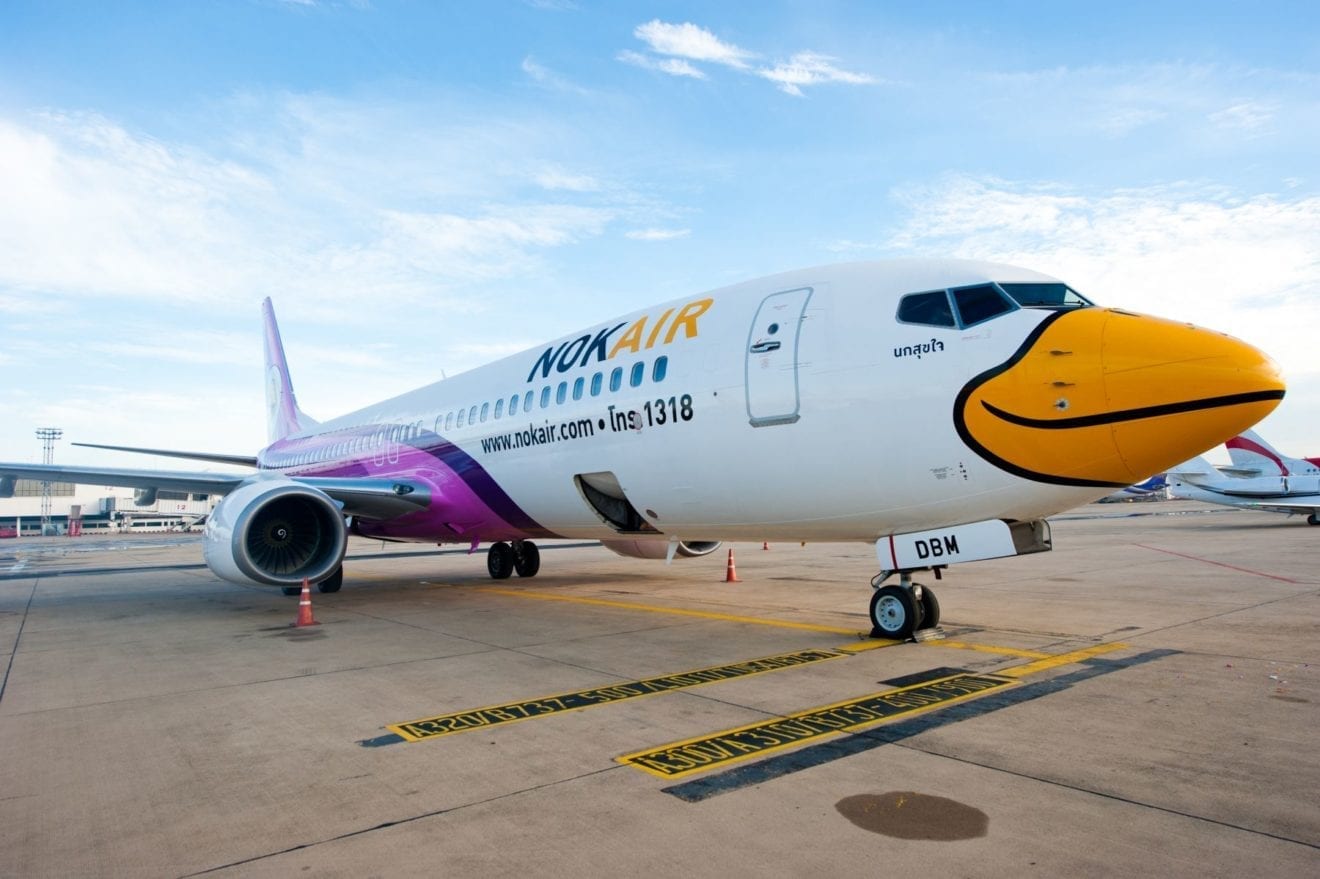
    The first phase is charter flights which have begun on 1st and 5th May 2019. This route is one of the many of the Nok Air’s turnaround plan by looking for the potential routes. Now, Nok Air is available and intend to create an impressive experience for the passengers.