Tag: Nomura Securities

  • Ministop South Korea is for sale, rivals compete

    Ministop South Korea is for sale, rivals compete

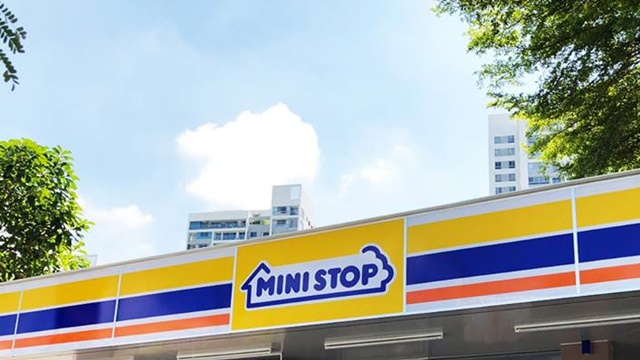
    South Korean retail operators Lotte and Shinsegae are competing to buy the 21-year-old local subsidiary of Japanese convenience-store operator Ministop.

    Shinsegae and Lotte respectively own rival chains Emart24 and 7-Eleven and are both reportedly seeking to take full ownership of Ministop South Korea. Both companies see the deal as a means to grow their respective businesses in a market where convenience-store penetration has reached saturation point, limiting opportunities for organic network growth.

    7-Eleven currently operates 9535 stores across South Korea and Emart24 3413. The Ministop network numbers just 2535.

    Japan’s Aeon, which owns the Ministop brand, owns a majority 76 per cent of the South Korean business.

    Daesang group owns 20 per cent and Mitsubishi the balance. Aeon has appointed Nomura Securities to find a buyer for the business as it sees little future for the convenience store brand in South Korea, a highly competitive market. Instead, Aeon is looking to Southeast Asian markets for growth, including Vietnam, Thailand and Cambodia.

    Last year, Ministop South Korea sales totalled 1.18 trillion won (US$1 billion), ranking it fourth in revenue terms behind GS25, CU and 7-Eleven.

  • South Korea worries about growing economic risks, amid impeachment push for President Park

    South Korea worries about growing economic risks, amid impeachment push for President Park

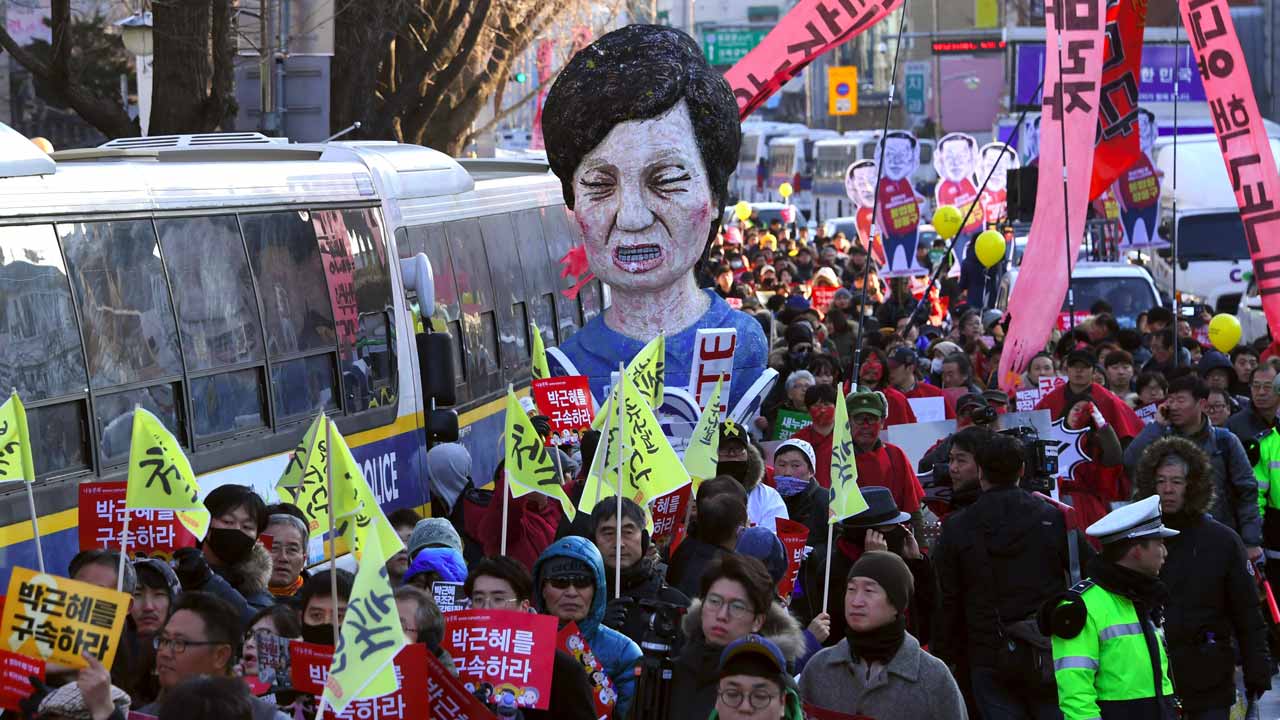
    South Korea’ finance ministry said on Thursday it is concerned about further risks to the economy from “domestic issues”, as parliament prepares to hold an impeachment vote on South Korean President Park Geun-hye.

    The ministry did not explicitly point to the deepening political scandal surrounding Park in its monthly assessment of the economy, but said it was concerned domestic issues may result in weaker consumption and investment at a time when many global uncertainties persist.

    That would put more pressure on an economy that is grappling with record household debt, dozens of zombie companies under restructuring and weak exports, which have been further dampened by Samsung Electronics Co’s decision to scrap its fire-prone flagship smartphone Galaxy Note 7 and a strike at Hyundai Motor Co.

    South Korea is bracing for another possible hit to trade if President-elect Donald Trump follows through on his protectionism rhetoric once he takes office in January, while its financial markets – like other emerging economies – have been roiled by expectations of more U.S. interest rate hikes starting as soon as next week.

    South Korea’s manufacturing activity shrank for the fourth straight month in November and export orders also fell, albeit at a slower pace than in October, a private survey showed last week.

    “We’re seeing a pause in investment and policymaking in general due to political uncertainties,” said Jung Kyu-chul, an economist at state-run Korea Development Institute.

    While the think tank forecasts the economy will grow 2.4 percent next year, down from 2.6 percent estimated for 2016, “it could easily be cut to just above 2 percent in 2017 if this scandal drags on and takes steam out of everything from consumption to investment to job market,” he said.

    The ministry report came a day after Finance Minister Yoo Il-ho cited the uncertain outlook for leadership in Asia’s fourth-largest economy as a risk to growth.

    Consumers already have turned the glummest since the global financial crisis.

    A Bank of Korea survey showed consumer sentiment last month fell to its lowest since April 2009, on the same week that Park’s approval rating sank to an all-time low of 4 percent.

    Park’s embattled presidency faces a critical juncture, with parliament expected to hold an impeachment vote on Friday.

    But even if the motion is passed, it must be upheld by the Constitutional Court, a process that could mean the political crisis will drag on for months.

    Park is accused of colluding with a friend and a former aide to pressure big business owners to pay into two foundations set up to back policy initiatives. She has denied wrongdoing but apologized for carelessness in her ties with the friend, Choi Soon-sil.

    Kwon Young-sun, a Hong Kong-based economist with Nomura Securities, sees the Bank of Korea cutting interest rates only once in 2017 if an early election is held.

    “We now expect only one 25 basis point policy rate cut to 1 percent in the fourth quarter of 2017, after a likely early presidential election in the first half of 2017,” Kwon said in a report released on Thursday.

    Previously, he had expected the bank to make two cuts to 0.75 percent, but said the country isn’t likely to see “any significant macro policy changes in the first half of 2017 until after the election,” he said.

    The ministry said private consumption has rebounded in recent months but largely due to government-led retail promotions.
  • Why Should Alibaba Be A China Macro Play? Nomura Sees 30% Upside

    Why Should Alibaba Be A China Macro Play? Nomura Sees 30% Upside

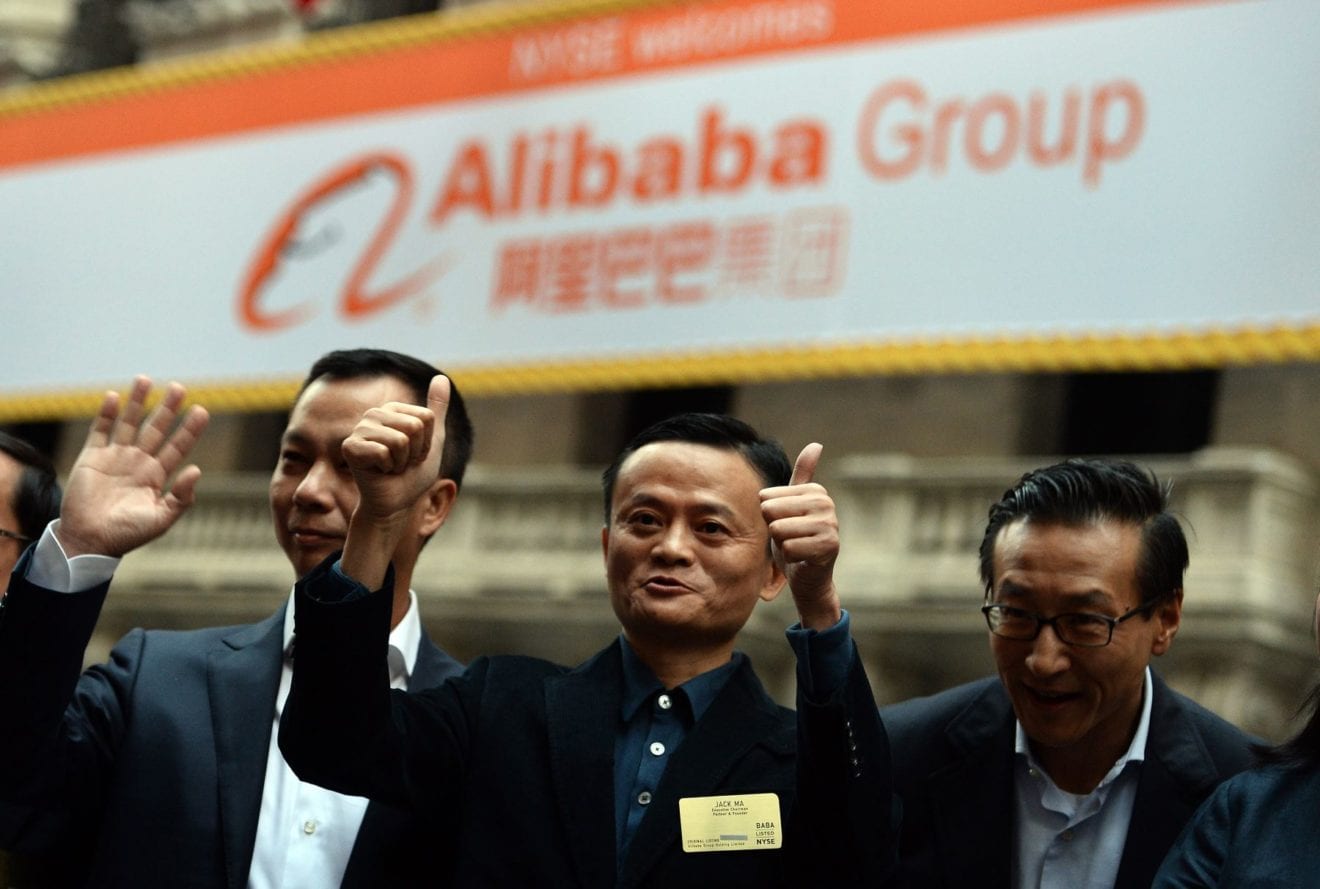
    Alibaba Group lost about a third of its value in the last year mainly because it is “deemed as a China proxy due to its size and high profile,” according to Nomura Securities in a new China Internet anchor report.
    But Alibaba is by no means Bank of China. Nomura sees China’s e-commerce to grow at an impressive annualized 33% over the next two years, far outpacing China’s sub-7% “crawl.”

    First, China’s retail sector is a lot resilient thanks to the growing middle class. Consulting firm BCG estimates China’s domestic consumption will grow by an annualized 9% through 2020.

    Second, and more importantly, e-commerce will grow a lot faster than physical retail, thanks to China’s vast rural population coming online. Currently, China’s online shoppers are still concentrated in the more affluent tier-1 and tier-2 cities, accounting for more than 80% of the 500 million online shoppers.

    But the rural population is huge. As of June last year, China’s rural population was 619 million, or 45% of the total. Just imagine them starting to shop on Taobao! And the rural population is getting richer, especially now that Beijing allows them to sell their land. Rural consumption expenditure rose from 32.5% of the urban total in 2013 to 42% in 2015.

    Alibaba Group knows where the growth is:

    Ali’s rural e-commerce solution is a two-way model, ie, selling to and by farmers. On the one hand, farmers are also selling local produce or handmade crafts via Taobao to customer nationwide.

    The Taobao-based entrepreneurship is thriving in some rural areas. The number of socalled “Taobao Villages” or clusters of rural online entrepreneurs who have opened shops on Taobao Marketplace has increased from three in 2009 to 211 by end- 2014, according to Alibaba.

    Alibaba will report its December quarter earnings next week, before the US market opens on January 28. Nomura’s Jialong Shi is more bullish than the street, expecting the e-commerce to report 30% revenue growth, versus the street consensus of 26%. It has a price target of $91, implying 28.7% upside to yesterday’s close.