Retail News CRM

Tag: noodle

  • ThongSmith: Thailand’s Premium Boat Noodle Brand Sets Sail in Hong Kong’s Dining Scene

    ThongSmith: Thailand’s Premium Boat Noodle Brand Sets Sail in Hong Kong’s Dining Scene

    Bangkok-based noodle brand, ThongSmith, has taken a step onto the international stage by launching its first overseas venture in Wan Chai, Hong Kong. With a reputation in Thailand for its upscale approach to traditional boat noodles, ThongSmith is bringing a touch of Thai street cuisine with a lavish twist to Hong Kong.

    Reimagining Street Food

    ThongSmith has carved a niche for itself in Thailand by enhancing traditional boat noodles. This reinvention involves slow-simmering broths and the inclusion of high-grade proteins such as Wagyu beef and Kurobuta pork, setting ThongSmith apart from the usual inexpensive vendors.

    Menu Adaptation

    The menu in Hong Kong follows the same pattern as in Bangkok, providing noodle dishes in addition to rice meals, grilled meats, and desserts. However, these offerings are subtly modified to cater to local tastes.

    ThongSmith’s latest venture represents its inaugural foray beyond Thailand’s boundaries. This move indicates the burgeoning interest of Southeast Asian F&B entrepreneurs in penetrating the fiercely competitive casual dining scene in Hong Kong.

    Brand Growth

    ThongSmith, which was established in 2018, now runs over 20 outlets across Bangkok.

    Questions & Answers

    What is ThongSmith known for in Thailand?
    In Thailand, ThongSmith is renowned for its upscale twist on traditional boat noodles, featuring slow-simmered broths and premium proteins like Wagyu beef and Kurobuta pork.

    How does ThongSmith cater to Hong Kong’s local tastes?
    ThongSmith modifies its Bangkok menu to suit local preferences in Hong Kong, while maintaining its signature noodle dishes, rice meals, grilled meats, and desserts.

    What does ThongSmith’s expansion into Hong Kong signify?
    ThongSmith’s expansion into Hong Kong reflects the growing interest of Southeast Asian F&B operators in entering Hong Kong’s competitive casual dining market.
  • Suimin is turning up the heat in the instant noodle category with K-Pow

    Suimin is turning up the heat in the instant noodle category with K-Pow

    Research reveals a growing preference for spicy foods among Australians and New Zealanders. In response to this trend, Suimin, a popular convenience food brand, has unveiled a new range of super spicy, Korean-style instant noodle bowls. The products, which fall under the brand name K-Pow!, are set to cater to this increasing demand for heat-infused foods.

    Spice and Heat: Key Market Trends

    Hugh McIntosh, the Marketing Manager at Suimin, states that the company’s market research in Australia and New Zealand supports the idea of spice and heat as emerging, high-growth trends. He remarks that the consumer inclination towards extra spicy noodles, a trend previously predominant in parts of Asia, has now firmly rooted itself in the Australian market.

    Moreover, the popularity of Korean cuisine has fueled the creation of this new locally adapted, spice-driven instant noodle range. Suimin will initially launch this product in Australia, with plans to expand to New Zealand in the near future.

    Targeting a Broad Audience

    Designed to appeal to a wide demographic, K-Pow! is especially aimed at younger customers seeking novel and intriguing flavors in their meals. According to McIntosh, the new range aligns with Suimin’s long-standing reputation of providing convenient access to Asian-inspired dishes.

    Despite a highly competitive instant noodle market, McIntosh is confident that the K-Pow! range will make its mark. The unique blend of chicken and beef broth bases with traditional Korean flavors ensures a distinctive taste.

    Appeal of the K-Wave

    The increasing popularity of Korean culture, known as the K-Wave, has been instrumental in Suimin’s decision to release a Korean-inspired range. The K-Wave, which began with the hit song “Gangnam Style” in 2012, has since expanded to include K-Pop and K-Drama, making Korean culture increasingly appealing worldwide.

    McIntosh cites recent survey data indicating that 37% of Australian respondents have consumed Korean food in the past three months, with an additional 41% expressing interest despite not having tried the cuisine recently.

    The K-Pow! Range

    The K-Pow! range is not solely targeted at fans of Korean culture. Younger shoppers, in particular, are purchasing spicy noodles at a significantly higher rate than other households, making them a key demographic for Suimin.

    The K-Pow! range comprises three flavors: Flaming Cheesy Chicken, Flaming Chicken, and Flaming Beef. Each 105gm bowl is priced at $4 and is available at Coles, Woolworths, and independent retailers nationwide.

    In order to promote the launch, Suimin plans to collaborate with influencers to generate brand awareness and encourage product trials. McIntosh reveals plans to engage with numerous influencers, including two with over 100,000 followers, to create engaging content on platforms like TikTok and Instagram.

    Questions & Answers

    What is the K-Pow! range?
    The K-Pow! range is a new line of super spicy, Korean-style instant noodle bowls from Suimin.

    Who is the target audience for the K-Pow! range?
    While the K-Pow! range aims to appeal to a broad demographic, it specifically targets younger consumers who are seeking unique and exciting flavors.

    How will Suimin promote the K-Pow! range?
    Suimin plans to partner with influencers to generate awareness for the new range and to encourage consumers to trial the product. The promotion will involve creating engaging content on social media platforms like TikTok and Instagram.

  • Instant noodle store an unlikely hit with Thai youth

    Instant noodle store an unlikely hit with Thai youth

    In Thailand, a country famous for its flavourful, spicy cuisine and street food, instant noodles may seem an unlikely culinary hit.

    But for teenagers like Ratchadaporn Krongngam, a store that stocks more than 70 types of instant noodles from across Asia and allows you to cook and eat them immediately is an experience worth savouring.

    Since Good Noodle opened in Union Mall in Chatuchak district of Bangkok last October, it has seen thousands of young customers browse its bright orange shelves for noodles from Indonesia, South Korea, China, Taiwan and Hong Kong.

    “This is my third visit. I love it here because I wanted to try out new and different kinds of instant noodles as I want to know how all of them taste,” said Ratchadaporn, 18.

    Customers often dine in the store, where they can cook their own three-minute meal, which costs between 6 and 250 baht.

    Customer Sirayakorn Charoenthat, 18, said the prices were reasonable for students compared to eating at restaurants.

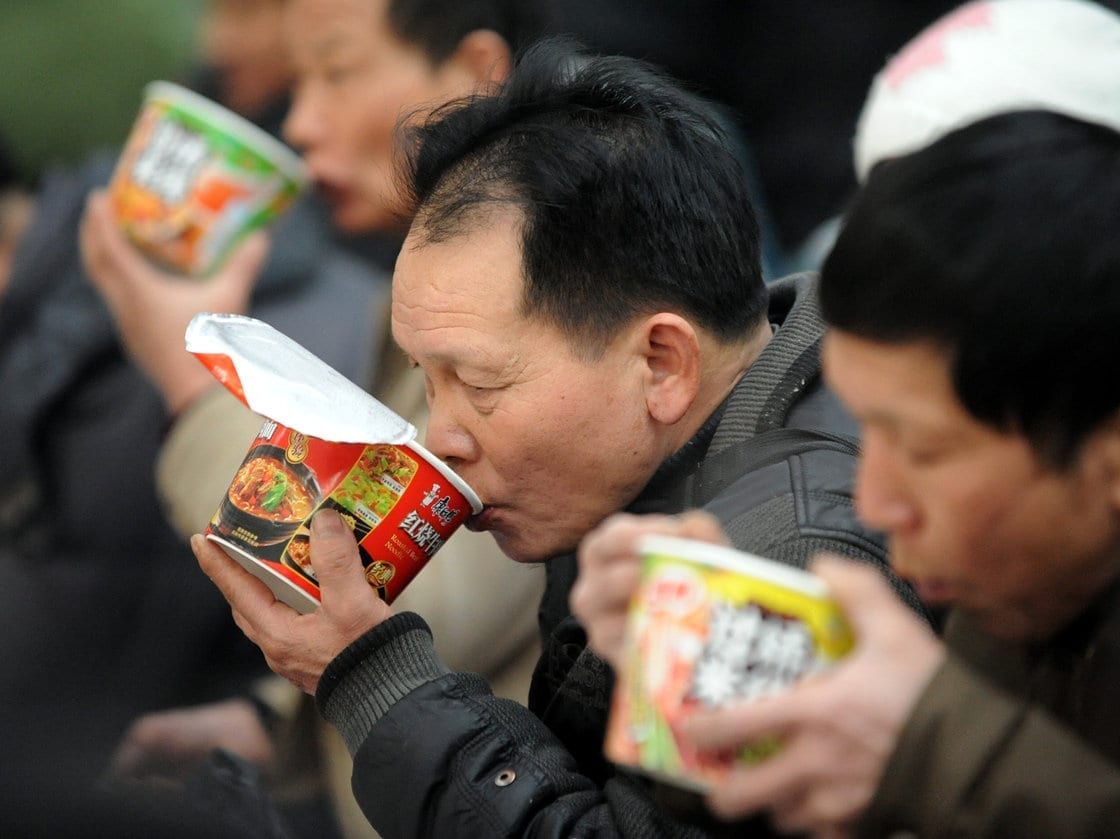
    Instant noodles are hugely popular in several Asian countries because of their taste, versatility, convenience, and low price. But health experts warn against consuming too much highly processed food because it lacks key nutrients.

    Instant noodles are cooked from a self-automated machine at Good Noodle. (Photo: Reuters)

    Store’s managing director Ungkool Wongkolthoot said he scoured Bangkok’s convenience stores and supermarkets during the pandemic for all the different types of instant noodles he could find, which turned out to be more than 350.

    With this, he saw a business opportunity.

    “I wanted to give the customers an instant experience with the noodles. Not just buying the noodles from other convenience stores or supermarkets, then forgetting about them at home,” he said.

  • Malaysia’s Go Noodle House opens first Singapore restaurant

    Malaysia’s Go Noodle House opens first Singapore restaurant

    Malaysian restaurant brand Go Noodle House has launched in Singapore – and is now preparing to enter five other Asia-Pacific markets.

    The new Somerset outlet is the brand’s second overseas location and is a step forward in its plans to expand throughout the region to New Zealand, Vietnam, South Korea, Indonesia, and the Philippines. It already operates a restaurant in Melbourne.

    Co-founder Lee Hon Wai based the business on a yellow rice wine noodle soup broth traditionally prepared by fellow co-founder Alvin Tan Kok Meng’s mother.

    The franchise has since seen extensive queues at all its locations in Malaysia, where it sells 18,000 bowls daily since opening in Kuala Lumpur in 2014.

  • Japanese gluten-free cafe Kobeya opens in the UAE

    Japanese gluten-free cafe Kobeya opens in the UAE

    The first Japanese and Far Eastern gluten-free cafe Kobeya has opened its doors at the Wasl Vita Mall, Dubai.

    The cafe concept is inspired by the founder’s difficulties in finding gluten-free options in restaurants for her gluten-intolerant son.

    “Kobeya is my inspiration to create that option in the UAE. Our focus is on promoting healthy eating habits by serving only an all ingredient gluten-free menu with more than 50 vegetarian, vegan, non-vegetarian and lactose-free varieties that include salads, burgers, healthy meals and desserts,” said Leiko H, a founding member of Kobeya.

    The Kobeya menu features a selection of gluten-free food including exclusive Japanese Kobe beef burger and Vietnamese spring rolls. The cafe also offers cooking classes on creating gluten-free lunch boxes for kids with products from Japan, Thailand, the Far East, and Europe.

    Leiko said: “My experiences in many Asian countries have given me the vision to offer unique gluten-free dishes created by an expert team of nutritionists at Kobeya. We get to know our suppliers by visiting farms and talking with farmers. We show our dedication to our customers by choosing carefully only high-quality five-star products and ingredients”.

  • Tokyo restaurant Kikanbo opens first Hong Kong Outlet

    Tokyo restaurant Kikanbo opens first Hong Kong Outlet

    Tokyo restaurant brand Kikanbo is to open its first Hong Kong restaurant in Causeway Bay, its third international market.

    From today, Hong Kong customers can enjoy a taste of the restaurant known as Tokyo’s “perennial long queue store”, and which sells 27,000 bowls of ramen each month

    Kikanbo, described as a karabishi miso ramen restaurant, features a dark ornamented restaurant design with red lighting and a counter seat from which guests can witness the entire ramen-making process closely.

    Multiple tables for two or four diners are available inside, with 29 seats overall.

    The brand’s president Masakazu Miura trained at a ramen restaurant for more than 10 years before establishing the first Kikanbo in Tokyo’s Kanda district. The brand is known for its five levels of spiciness and numbness for its miso soup with 25 soup base varieties.

    Kikanbo has opened at 530 Jaffe Road, its eye-catching shop front guarded by a painting of Aka Oni (red demon) and Ao Oni (blue demon) on either side of the entrance along with the gigantic Kanabo (oni stick).

    Established in Kanda in 2009, Kikanbo has three domestic branches in Tokyo, Kanda and Ikebukuro in Japan and two international branches in Taiwan.

  • Taiwan’s Crowd-pleasing KiKi Noodle Bar Launching in Hong Kong at IFC Mall

    Taiwan’s Crowd-pleasing KiKi Noodle Bar Launching in Hong Kong at IFC Mall

    Taiwan’s famed KiKi Noodle Bar (KiKi Tea) is launching in Hong Kong in late-July at ifc Mall in Central. In collaboration with renowned Hong Kong hospitality group Lai Sun Dining, the brand expands internationally to Hong Kong following last year’s phenomenal successful debut in Taipei – endorsed by celebrities including superstar actress Shu Qi.

    The Hong Kong flagship also opens hot-on-the-heels of a Shanghai branch last month.

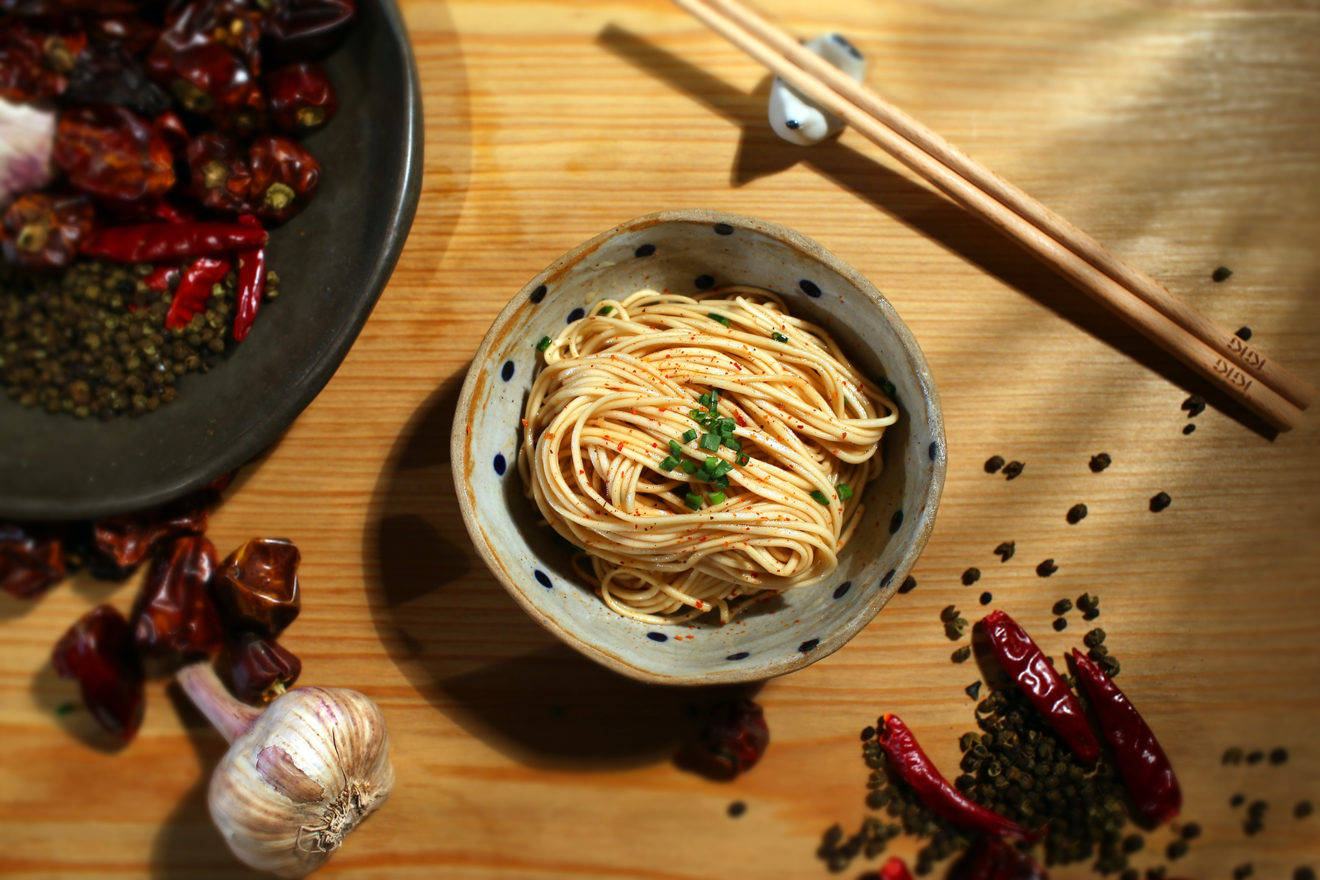
    International expansion of dedicated KiKi Noodle Bar (KiKi Tea)branches builds on the Hong Kong success story of the brand’s iconic sun-dried KiKi Noodles, handmade from just flour and water, popular for being 100% natural and healthy, and authentic Taiwanese tea and bubbles sensation KiKi Tea.

    To celebrate the Hong Kong launch, Michelin three-starred Chef Albert Au Kwok Keung has created two exclusive KiKi noodle dishes complementing the brand’s menu of signature dishes and KiKi teas.

    Chef Au’s adaptation of KiKi’s popular sun-dried, handmade noodles is showcased with KiKi Meat Dumpling Mixed Noodles, Scallion Oil; and classic Chinese favourite, Abalone and Fish Maw Noodles in Chicken Soup.

    Signature dishes at KiKi Noodle Bar (KiKi Tea) meanwhile include ‘instagrammable’ crowd-pleaser Stir-fried Minced Pork Mixed Noodles with Chive Flowers and Fermented Black Bean, with black beans sprinkled atop to mimic fly heads, mixed with crunching chive flowers, chili and savoury stir-fried minced pork; Sichuan Spicy Tofu Noodles in Soup, Duck Blood and Sliced Pork packing a punch of spice; and comforting classic KiKi Dan Dan Noodles.

    Complementing dishes is a KiKi Tea menu of bubble-teas brewed from a traditional Taiwanese recipe, headlined by classic favourites such as refreshing Pineapple Green Teapresso; and Winter Melon Tea, pairing with Sichuan-pepper-flavoured “pearls” and fluffy cream mousse.

    To celebrate the ifc Mall opening, new tea specialties to beat the summer heat are also to be unveiled. Peach Oolong Tea topped with Mango Cream Mousse and Coconut Jelly is made with signature Taiwanese Irwin mango, for distinct sweetness and refreshing taste; and Winter Melon Tea, Aiyu Jelly and Coconut Jelly  is inspired by Taiwan’s favourite summer cooler, winter melon tea.

    The sweet craze extends to classic tea-style desserts including Earl Grey Chiffon Cake with Brown Sugar Pearls and Chestnut Mont Blanc. 

    KiKi Noodle Bar (KiKi Tea) seats 32 over around 700 sq ft on Podium Level Two of ifc Mall. Interior design is in neutral and rustic colour for a sense of Zen courtyard minimalism as a restful haven in the heart of Central.  Communal oak tables foster a sense of warmth encouraging customer interaction.

    A pre-opening promotion is launched at KiKi Tea @ Sun’s Bazaar at Pacific Place mall offers diners spending at least HK$500 vouchers worth HK$50 to spend at the new KiKi Noodle Bar (KiKi Tea) at ifc Mall.

  • Ajisen China sales on the up

    Ajisen China sales on the up

    Ajisen China has reported a 4.8 per cent improvement in same-store sales for the June quarter.

    The Hong Kong-listed fast-casual restaurant operator combined sales in its local operations with those in the mainland and did not comment on the respective markets this reporting period.

    Overall sales for the restaurant business rose by 6.4 per cent, reflecting network expansion.

    The sales growth is a marked turnaround from the same period a year ago, when it reported a 10.8 per cent sales decline in Hong Kong and 1.8 per cent drop on the mainland, citing stiff competition in the restaurant and catering sector, especially in Mainland China.

    Ajisen China operates Ajisen Ramen restaurants under licence to the Japanese brand owner.

  • Noodle firm earnings plunge

    Noodle firm earnings plunge

    Colusa-Miliket Foodstuff Joint Stock Company’s (Miliket) audited financial report for 2016 showed a 40 per cent drop in pre-tax earnings compared with the previous year, indicating a loss of market share.

    The report showed revenue of VNĐ461 billion (US$20.7 million) and pre-tax earnings of VNĐ25 billion ($1.12 million), declining by 3.5 per cent and 39 per cent, respectively, from 2015, and currently the lowest since 2012.

    The noodle company’s market share reduced to only 2-4 per cent in total.

    In 2016, despite the company’s effort to introduce a new line of products with better packaging and another line with flavour diversity, it failed to attract customers and accumulated 15 per cent more inactive stock compared with 2015.

    The stock of VNĐ23.3 billion ($1.04 million) caused the company’s liabilities to increase from VNĐ61.1 billion ($2.74 million) to VNĐ72.8 billion ($3.27 million).

    In total, Miliket’s total capital in 2016 was VNĐ196 billion ($8.8 million), with cash flow of VNĐ122.3 billion ($5.5 million).

    According to financial experts, the company will soon be depleted of cash if it fails to increase quantity consumed.

    At present, Miliket’s instant noodles is in the lowest price bracket on the market, at VNĐ3,000 ($0.13) per package. This allows the company to focus on low income customers and cheap restaurant chains, both market segments neglected by larger companies.

    Miliket is one among several large noodle producers on the scene in Việt Nam today facing challenges. Other brands such as Acecook, Masan and Asia Food are also facing problems generating revenue.

    Although Acecook holds nearly 50 per cent of domestic market share, it experienced continuous drop in earnings between 2013 and 2015, whereas Masan’s 2016 revenue dropped by 20 per cent from the previous year.

    According to the World Instant Noodles Association, the amount of instant noodles consumed annually in Việt Nam has gradually declined since 2013, from 5.2 billion packages to 4.8 billion in 2015. The country has the fourth largest quantity of instant noodles consumed per annum.
    Read more at https://vietnamnews.vn/economy/373605/noodle-firm-earnings-plunge.html#ZMULl4oFsddSQVRI.99

  • Indofood commissions instant noodle factory in Serbia

    Indofood commissions instant noodle factory in Serbia

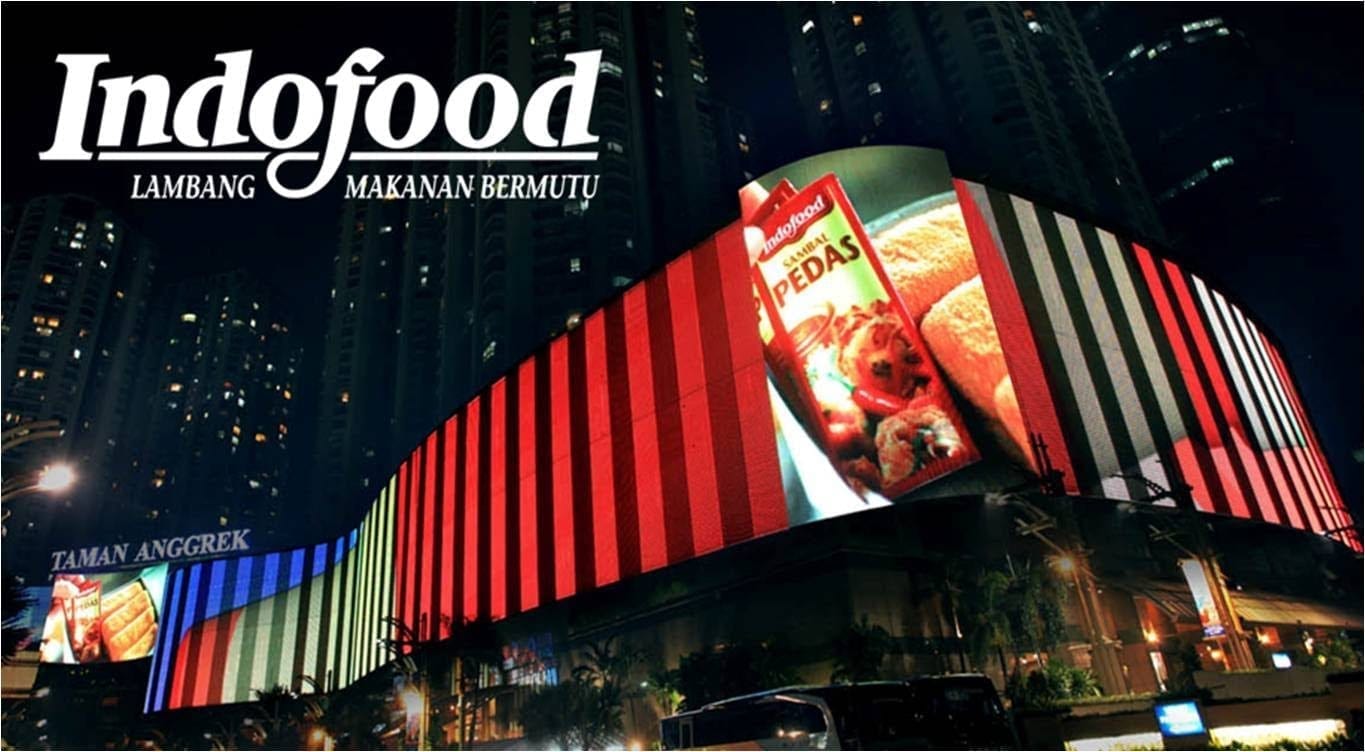
    PT. Indofood Sukses Makmur, the largest instant noodle producer in Southeast Asia has expanded operation to Europe setting into operation its factory in Serbia.

    Serbian President Tomislav Nikolic officially commissioned the factory in Indjija, around 80 kilometers from Beograd on Friday, the Indonesian embassy in the Serbian capital city said.

    The factory, which produces ready for consumption Indomie noodles, was already operational in August opening hundreds of jobs for the Serbians .

    Construction of the factory in Serbia, would be the first step of the company in market expansion in Europe, an embassy official said.

    The factory, occupying a five hectare plot of lands was built with an investment of 11 million euro. It has a production capacity of 500,000 carton boxes per month for distribution not only in Serbia but also to other countries Europe.

    Free trade adopted by Serbia with various other countries in Europe would facilitate the company in market expansion giving it greater optimism in its ambition to dominate the European market of instant noodle.

    The official commissioning ceremony was attended by other Serbian leaders, members of the diplomatic Corps , business leaders and local journalists.

    Support shown by the Serbian government is a big factor in the success of the Indofood investment in that country.

    President Tomislav Nikolic said he appreciated and supported the Indonesian investment in Serbia as a concrete step to expand economic cooperation between the two countries.

    Indonesian Ambassador Harry R.J. Kandou said the presence of Indofood in Serbia constituted a concrete proof of Indonesian initiative in strengthening economic cooperation between the two countries.

    Anthony Salim, the Executive Director of the Salim Group, which owns Indofood, said he hoped that factory would provide gateway for the Indofood to reach the rest of Europe.