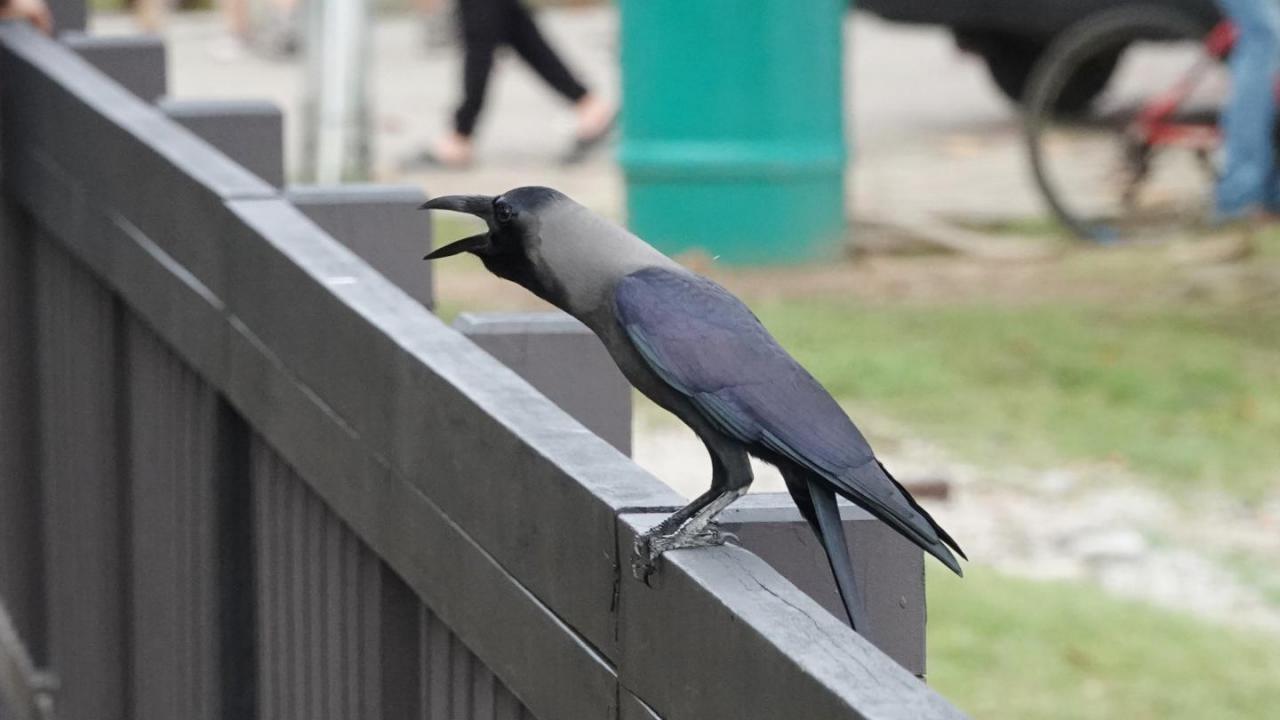
Singapore resumed shooting house crows across urban estates after contractors removed nearly 9,000 nests in 2025 without curbing bird attacks on pedestrians and cyclists.
National Development Minister Chee Hong Tat said trapping, tree pruning and nest clearances proved insufficient to control crow numbers across residential precincts.
Why Nest Clearances Failed
How Choon Beng, director of wildlife management at the National Parks Board, stated that targeted shooting alongside physical removals aims to achieve a gradual and sustained reduction in the bird population. The city-state previously relied heavily on physical nest removals, but the birds adapted quickly to dense residential architecture.
Ecologists point out that the boom in house crows, Javan mynas and pigeons stems directly from the built environment. Crows nest in yellow flame trees along roadside corridors, while pigeons and mynas roost on air-conditioning ledges and beneath sheltered walkways in public housing estates.
Food Waste at Dining Centres
Hawker centres and open-air food courts provide steady access to food scraps, compounded by illegal bird feeding among residents. Nature Society Singapore conservation official Albert Liu noted that lethal culling functions primarily as a reactive measure that treats symptoms rather than the root cause of abundant food sources.
For municipal property managers and outdoor dining operators across Southeast Asian cities, wildlife conflicts remain inseparable from waste management protocols. Without tighter containment of food refuse and architectural modifications to sheltered eating areas, culling campaigns typically deliver short-term relief before bird counts rebound.
Forest clearance for planned public housing projects will expand urban habitats further, leaving municipal teams focused on enforcement against food waste disposal as culling operations continue across affected estates.