Tag: nursery

  • Baby Bunting Lifts Australasian Sales as Store Upgrades Drive 20% Growth

    Baby Bunting Lifts Australasian Sales as Store Upgrades Drive 20% Growth

    Baby Bunting lifted sales across Australia and New Zealand between August 15 and October 4, driven by a 20 per cent cumulative revenue rise across its newly refurbished locations.

    Australian store sales rose 2 per cent during the period, while New Zealand operations jumped 8.7 per cent following capital investments in redesigned shop floors.

    Store of the Future rollout gathers pace

    The specialty nursery retailer poured $44.5 million into its Store of the Future program during fiscal 2026. Management plans to refurbish or open 120 locations across both markets before the overhaul finishes.

    Seven stores entered fiscal 2027 closed for renovations. The redesign swaps traditional category aisles for activity-based displays organised around nursery setup, feeding, travel and play routines.

    “The new format moves our stores from a category-led layout to an activity-led layout, designed around how parents actually shop, and the results speak for themselves,” Chief Executive Officer Mark Teperson said.

    Divergence between new and old formats

    Older stores without the redesign lagged internal sales targets as broader discretionary retail spending softened. The upgraded footprint carried total revenue higher instead.

    That divide mirrors challenges across specialty retail in Australasia. Big-box specialty chains face higher wage rates, utility bills and cautious consumer budgets, forcing operators to extract higher sales density from existing square metres rather than purely opening new doors.

    Landlords face increased scrutiny over tenant allowances and lease terms. Retailers willing to invest capital into physical experiential formats hold stronger use in lease renegotiations across key suburban homemaker centres.

    Margin targets and consumer headwinds

    The capital expenditure follows a fiscal 2026 recovery after inventory corrections and discount pressures weighed on earnings across the baby goods sector. The company disclosed the early fiscal 2027 figures in an ASX filing ahead of its annual general meeting.

    Teperson told shareholders the executive team is tracking interest rates and cost-of-living pressure on young households ahead of the peak year-end holiday shopping cycle.

    Baby Bunting aims to lift its earnings before interest, tax, depreciation and amortisation margin back above 10 per cent as the network refurbishment scales toward its 120-store target.
  • Chinese mall opens ‘nursery’ room for husbands

    Chinese mall opens ‘nursery’ room for husbands

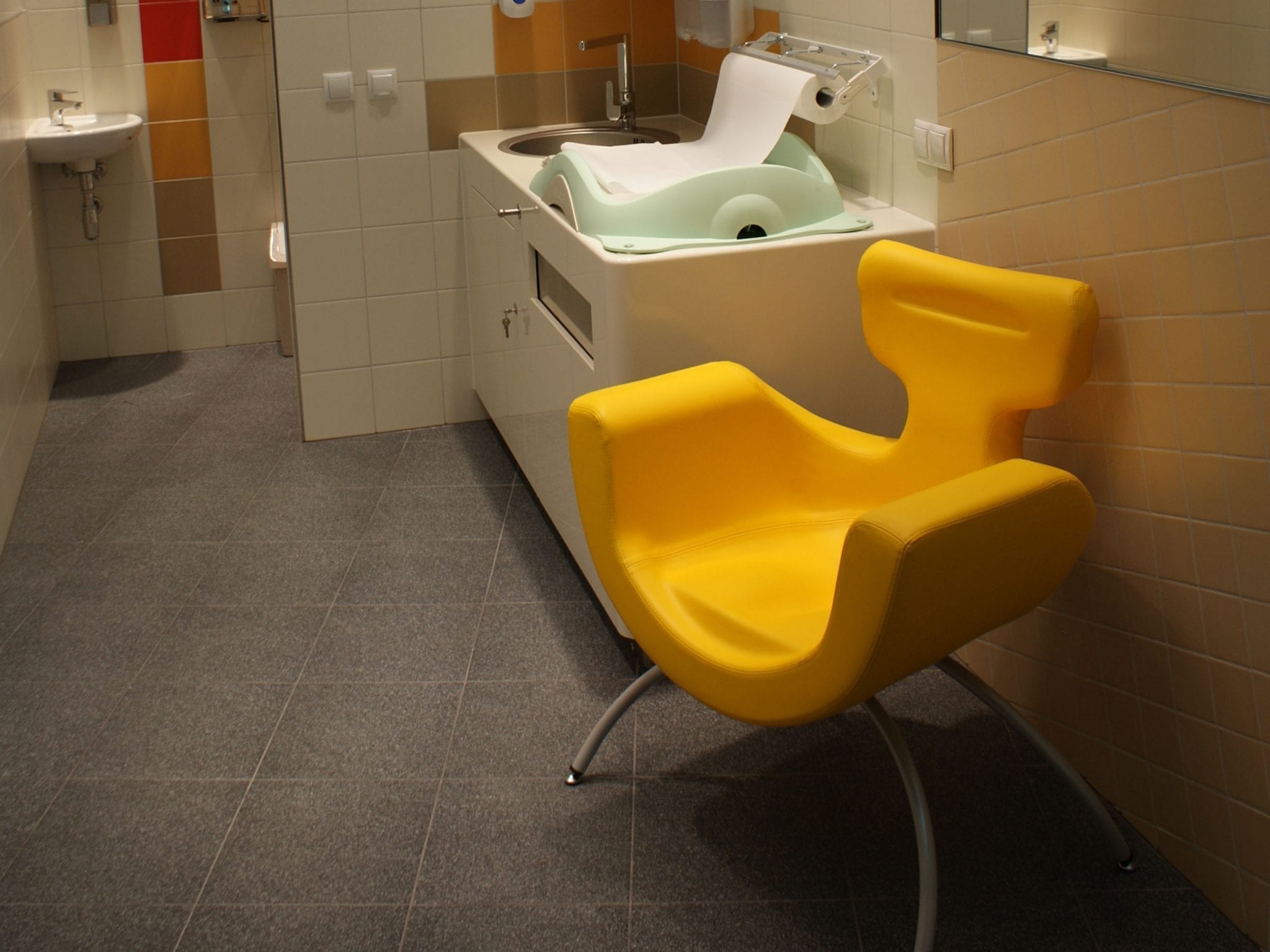
    A new mall in Shanghai has set aside a space for what it is calling a ‘husbands nursery’, where it hopes bored spouses will hang out while their wives are shopping in the mall, China Central Television (CCTV) reported.

    This ‘husbands nursery’, on the third floor of a shopping mall in Shanghai which opened on October 30, “is equipped with multiple leisure facilities, including magazines in its reading area, and a television,” supposedly for men to relax, CCTV said. But what those running the mall may not know is that Chinese men – the mainland’s biggest online shoppers – will likely be racking up credit card debt sitting in the ‘husbands nursery’ and splurging on themselves.

    “Mainland men are more likely to splurge on themselves when making purchases over the internet than women – who focus more on buying daily necessities,” according to a May 2016 survey.

    The survey was conducted by Ant Financial Services, an affiliate of the Alibaba Group that owns the South China Morning Post. Its findings are contrary to popular perception that it is women who go on shopping sprees, buying cosmetics and clothes. And, the study also found that women are buying more daily household necessities, while men are splurging on personal-care products and leisure goods.

    “Male online shoppers prove to be more hedonistic and the level of online spending by men is higher than women,” Ant Financial said in its report published in May.

    The survey said that women still bought a greater number of goods and services on the internet, but that they were buying more daily necessities for household use. Men’s online spending on entertainment, sports, dining and travel was 26 percent higher than the spending of women, and that women’s online purchases were aimed at running more efficient households.

    Ant Financial conducted the survey in partnership with the China Academy of New Supply Side Economics. The survey was based on data collected by Alipay, China’s online payment giant operated by Ant Financial, which has 450 million users.