Tag: OECD

  • Hawala Networks Tap Asian Fintech Platforms and Crypto to Move Funds

    Hawala Networks Tap Asian Fintech Platforms and Crypto to Move Funds

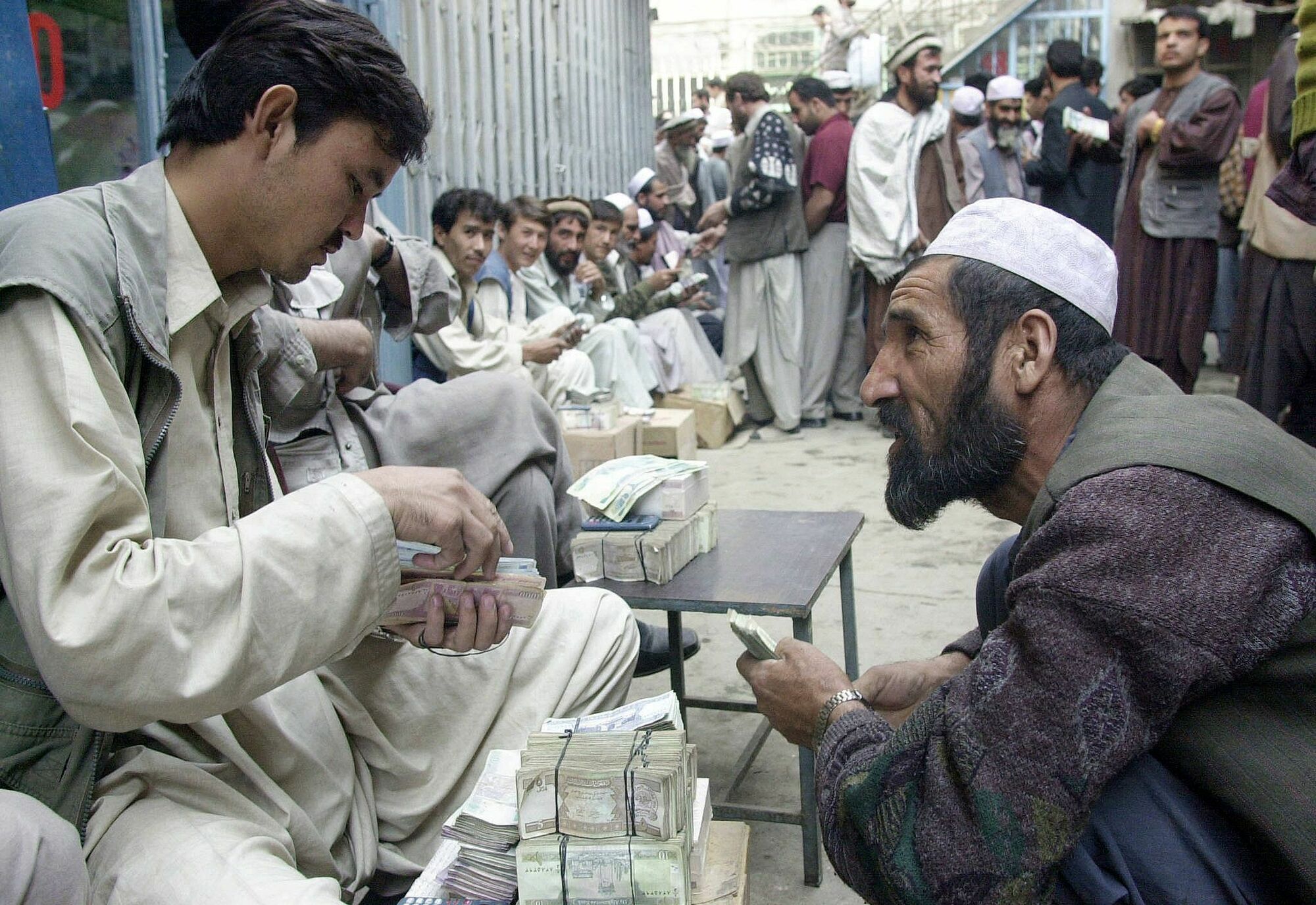
    Underground hawala networks are tapping instant payment rails, digital wallets and crypto assets to launder funds across Asia, a joint FATF and OECD study shows. More than 80 per cent of surveyed jurisdictions identified these unlicensed services as primary conduits for professional money laundering, with single operations clearing upwards of €500 million within months.

    The study, compiled with data from 45 jurisdictions including India and Pakistan, details how informal value transfer systems have shifted into commercial, scalable operations. Operators increasingly rely on encrypted messaging apps, digital banking logins and stablecoins to settle balances across borders without physical cash.

    Digital Wallets and Cross-Border Corridors

    Nearly 70 per cent of responding jurisdictions reported a sharp transition toward digital hawala. Hawaladars advertise currency exchange and transfer services in private groups on WhatsApp, Telegram and Signal, offering lower transaction fees than regulated money transfer operators.

    In one case cited by the Central Bank of Oman, an unlicensed ring moved money to Pakistan by having expatriates transfer funds via cash or mobile services. The operators then used payment apps and domestic instant payment systems such as Raast in Pakistan to settle the recipient side, capturing profits through currency differentials while running $72,293 in tracked flows over 12 months.

    Operators also deploy purpose-built mobile applications, virtual international bank account numbers (IBANs) and artificial intelligence tools to coordinate complex payment flows across multiple countries.

    Gambling Rings and Shadow Rails

    In India, investigators identified an illegal online wagering ring that used an extensive network of panel operators to process player deposits and withdrawals. The scheme routed transactions through the Unified Payments Interface (UPI), online bank accounts and digital wallets opened with stolen identities or run by money mules.

    Organisers converted portions of the proceeds into cash and routed them through underground hawala channels to the United Arab Emirates. The money was subsequently funneled back into India disguised as legitimate foreign investment.

    For legitimate fintech operators and digital banks across Asia, the findings signal heightened regulatory pressure to monitor micro-transactions and peer-to-peer flows on retail payment rails. National regulators and standard-setters are preparing stricter registration requirements and oversight rules for digital wallet providers and payment service intermediaries.
  • Alibaba joins forces with counterfeited brands

    Alibaba joins forces with counterfeited brands

    Chinese eCommerce giant Alibaba has teamed up with some of the world’s most-counterfeited brands to fight against copycats.

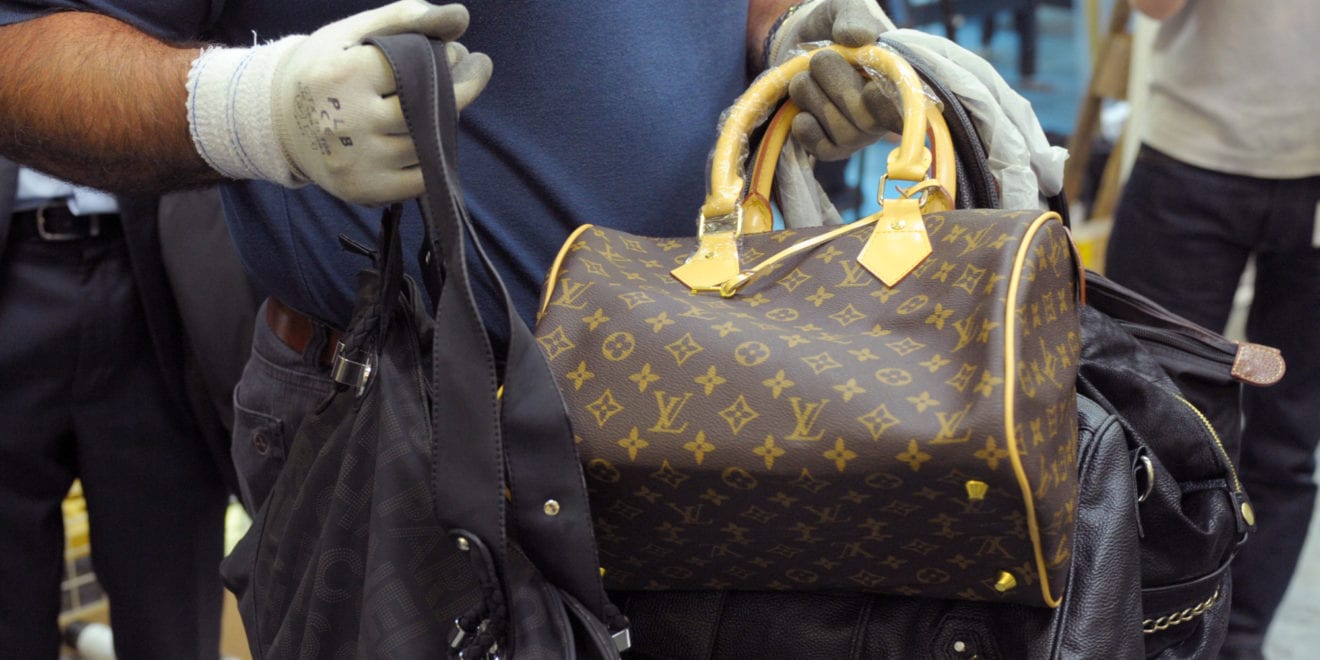
    Collaborating with such global brands as Louis Vuitton, Samsung and Swarovski, Alibaba will provide its members with big data and other support to help them block, identify and even take down listings from its marketplaces such as Taobao and Tmall. Those two sites boast 1 billion product listings at any given time.

    In return, the brands have committed to share their anti-counterfeiting data with Alibaba.

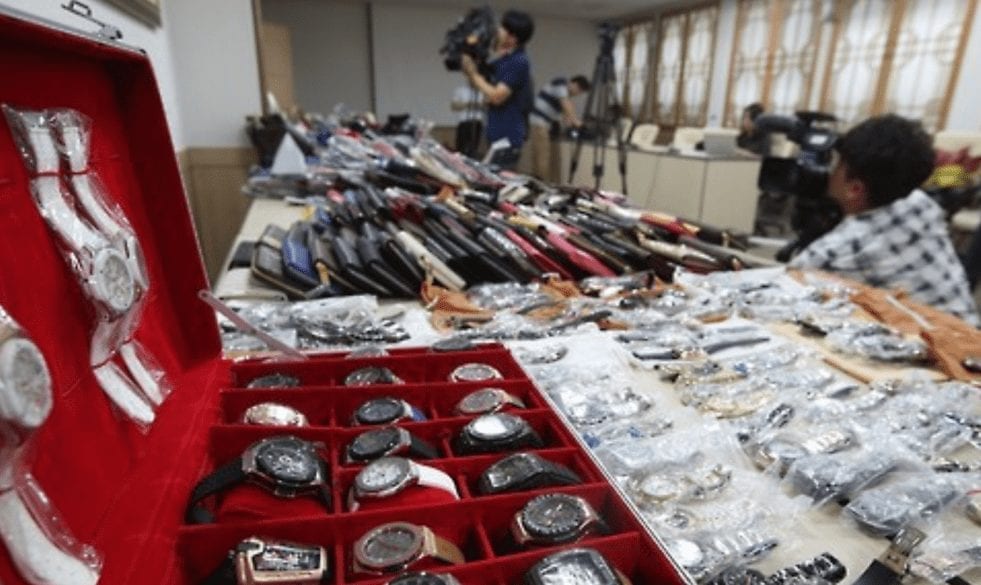
    The move follows a lawsuit filed by the internet powerhouse against two vendors selling knock-off Swarovski watches from their online shopping bazaars on Taobao, claiming 1.4 million yuan (US$202,950) in losses. Taobao is the retail platform for smaller merchants.

    “The most powerful weapon against counterfeiting today is data and analytics, and the only way we can win this war is to unite,” says Alibaba’s chief platform governance officer Jessie Zheng.

    “Alibaba welcomes brands and other organisations to join us in what we believe is the world’s first ‘big-data anti-counterfeiting alliance’.”

    Taobao was returned to the US government blacklist of “notorious markets” last month for hosting fake items, four years after Alibaba lobbied American trade officials to drop the platform from the list.

    Listings removed

    Alibaba says it is disappointed by the decision, noting it has “proactively removed more than double the number of infringing product listings than in 2015”. The company employs 2000 permanent staff and 5000 volunteers devoted to spotting fake goods.

    According to the International Anti-Counterfeiting Coalition, a nonprofit watchdog overseeing piracy concerns, China is the biggest market for knockoffs globally with handbags, footwear, watches and iPhones topping the list of most-faked items.

    Louis Vuitton, Nike, Ray Ban and Rolex are among the labels that seem to be more intensely targeted by counterfeiters, says a report by the Organisation for Economic Co-operation and Development (OECD).

    Domestic brands also have fallen victim. Chinese liquor maker Kweichou Moutai has confiscated 300 tonnes of fake Moutai in a three-year drive against bootleggers, whose products can feature packaging identical to genuine products.

    Chinese authorities have also stepped up efforts to root out people involved in marketing fake goods, staging raids and arresting thousands of suspected offenders.

  • Alibaba and Kodak team up to fight fakes

    Alibaba and Kodak team up to fight fakes

    Alibaba and Kodak have teamed up in a new business venture using high technology to fight fake goods being traded online.

    The cameras and film that helped build the Eastman Kodak empire, launched in 1888, are long gone, but the company has found new life authenticating products.

    With a history of research and hundreds of patents, Kodak is behind a startup working to combat counterfeiting with a technology that places an invisible, digitally traceable marker on products to ensure they are authentic.

    Targeting eCommerce, the new company is named eApeiron, which comes from the Greek word for everlasting.

    Fake and pirated products globally accounted for almost a half-trillion dollars in 2013, according to a report this year by the Organisation for Economic Cooperation and Development (OECD), with 84 per cent of seized goods originating in China and Hong Kong. As well as losses and brand erosion for companies, counterfeiting can mean lost tax revenue for governments. It also discourages innovation.

    “If you’re in charge of brand protection or you’re a security officer of a major brand, this means you have a new tool,” says Kodak CEO Jeff Clarke.

    Miami-based eApeiron will set up its research, engineering and manufacturing arms within Kodak’s business park in Rochester, New York. Some research will also take place in Shanghai and Tel Aviv.

    With China’s largest eCommerce company Alibaba Group an investor, its president Michael Evans will sit on eApeiron’s board along with Clarke. Its CEO is Charles Fernandez.

    Invisible ink

    Meanwhile, invisible-ink security products are already available, including VerifyMe, which signed a memo of understanding in May with HP’s Israel-based Indigo division, part of its HP Graphics business.

    One of VerifyMe’s anti-counterfeiting pigment technologies lets consumers see visible markings on a product while manufacturers can use devices to see invisible markings to support their supply and distribution-chain security.

    YPB Group in Australia makes scannable markers that are invisible to the eye because they blend into the material of the product they are marking.

    While luxury-goods companies are often targeted by counterfeiters, the OECD report says there are also potentially dangerous faked goods such as drugs, toys and spare parts. Tracing these items through the supply chain could ensure they are not expired or forgeries, Clarke says.

    Beaten by the digital revolution, Kodak filed for bankruptcy in 2012, emerging the following year as a commercial printing business. Kodak has continued to team with young companies on technology research, and its labs have more than 50 scientists and 4000 patents.