Tag: Oil Prices

  • Philippine Factory Activity Slips to 49.6 in September

    Philippine Factory Activity Slips to 49.6 in September

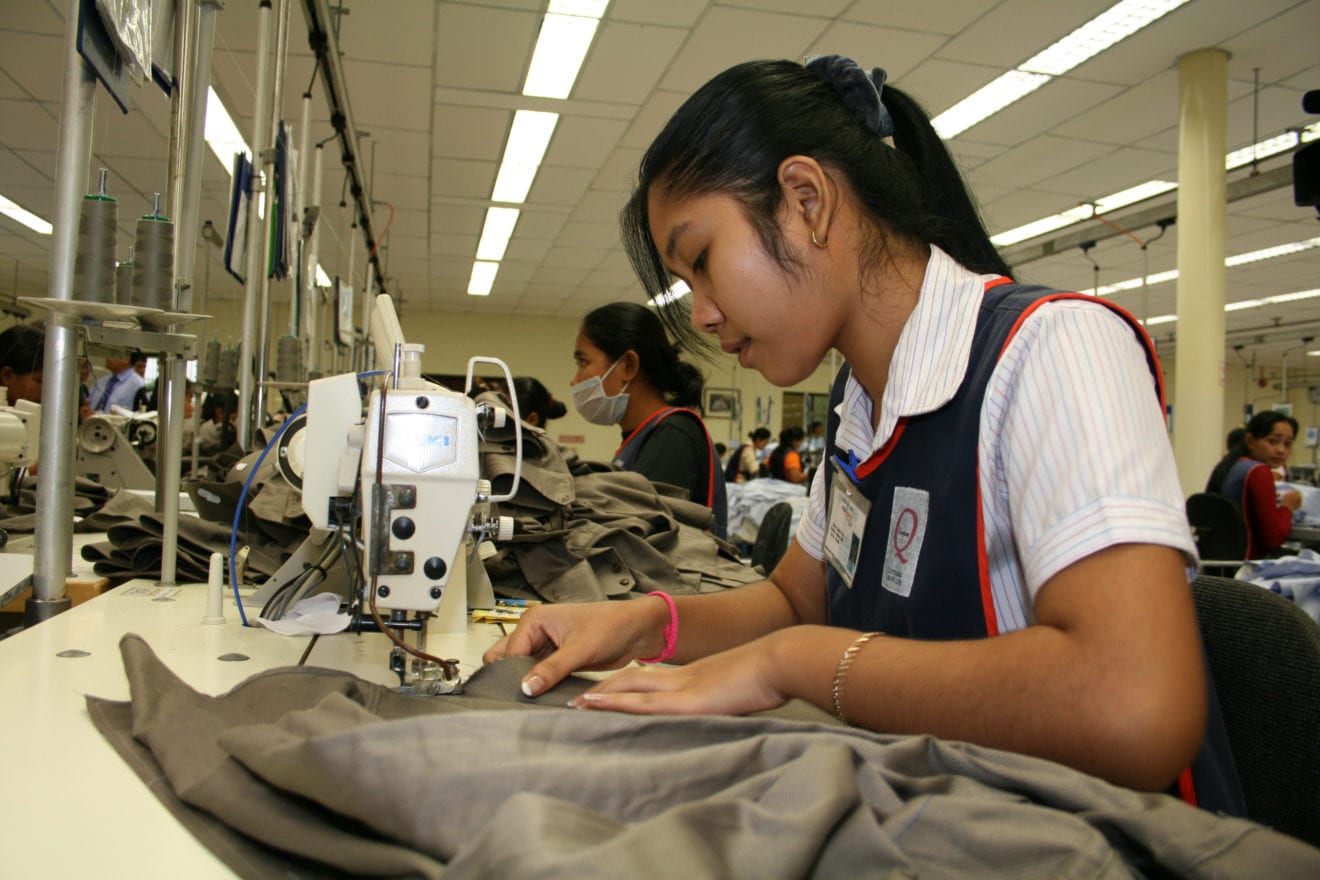
    Philippine factory activity contracted in September as the Purchasing Managers’ Index fell to 49.6 from 54.9 in August, according to survey data from S&P Global.

    The drop below the 50-point line separating growth from contraction marks the sector’s first downturn since April.

    Sharp Drop Across Output and Orders

    Data from roughly 400 manufacturing companies across the Philippines showed simultaneous declines across production, new business, export sales, and factory payrolls. Production volumes registered their steepest fall since November 2025, halting a sustained summer run of operational growth.

    Higher input expenses squeezed producers throughout the month. Rising global crude oil prices, spurred by heightened geopolitical friction between the United States and Iran, drove fuel and transportation costs upward and quickly eroded manufacturing margins.

    “Filipino manufacturers reported a notable impact from high oil prices, strong international competition and weak demand during September. Output, new orders and employment all dropped into contractionary territory,” said Siân Jones, principal economist at S&P.

    Inventory Run-Downs and Slower Buying

    Factory operators responded to cooling client demand by slashing their purchasing activity and depleting existing warehouse inventories rather than placing fresh component orders. That shift into defensive retrenchment creates immediate headcounts and volume challenges for industrial suppliers across Southeast Asia that feed Philippine assembly lines.

    For retailers and consumer brands relying on domestic finished goods, production cuts threaten inventory availability ahead of the fourth-quarter holiday sales rush. Consumer goods firms face a dual squeeze: paying more for freight while encountering price resistance from households managing broader inflationary pressures.

    Reversal of Peak Expansion

    The sudden slump reverses a period of rapid industrial growth that lifted the Philippine PMI to near decade highs in August. Factory output expanded steadily through the middle of the year after an earlier soft patch in April, supported by domestic order books before overseas competition and energy shocks altered buying patterns.

    Industrial buyers across Metro Manila and surrounding manufacturing hubs now track fourth-quarter export bookings and regional energy price movements to gauge whether output stabilizes before year-end.

  • Japan Caps Gasoline at ¥170 as Middle East Tensions Drain Subsidy Fund

    Japan Caps Gasoline at ¥170 as Middle East Tensions Drain Subsidy Fund

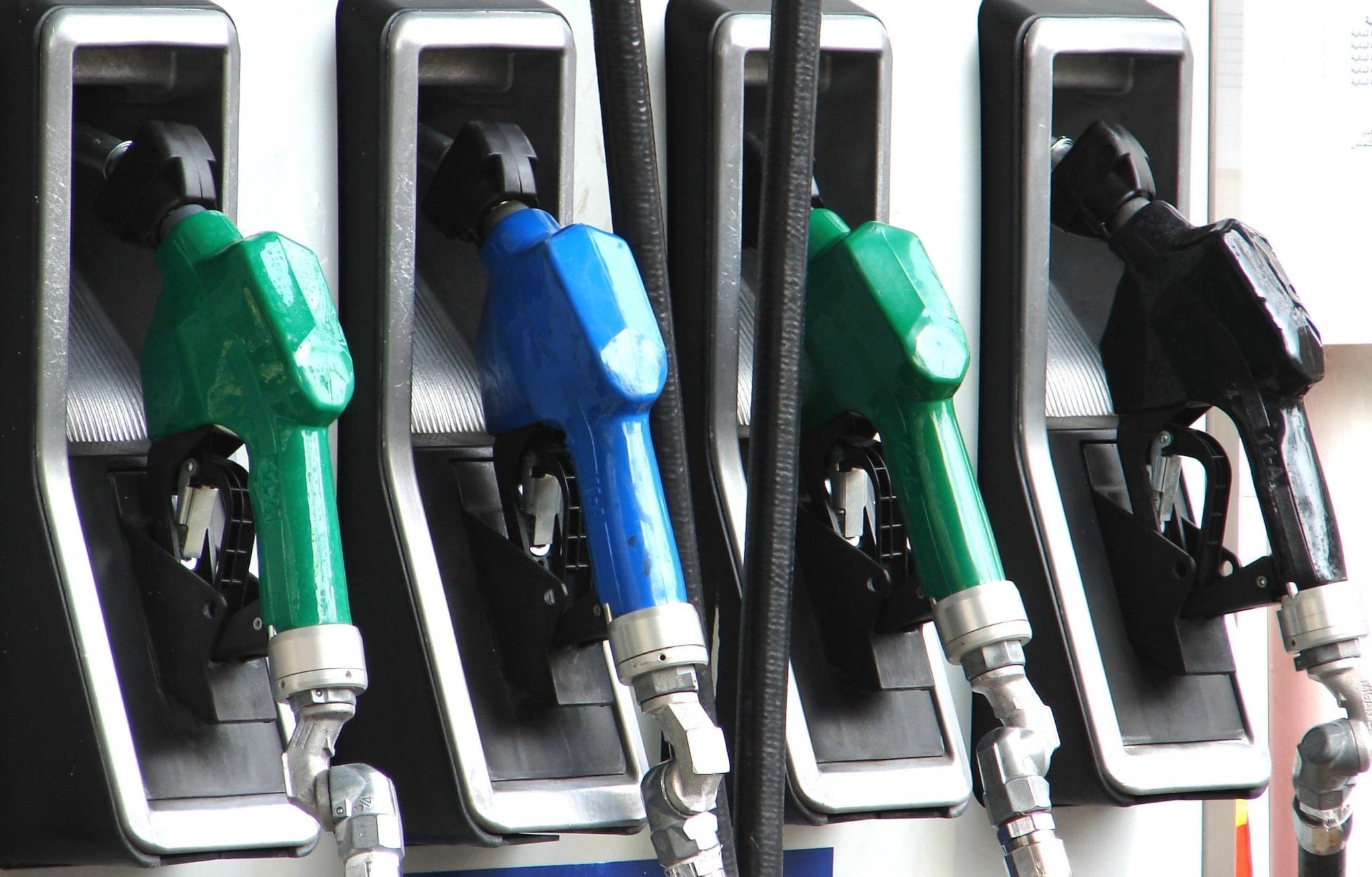
    Japan will keep regular gasoline pump prices capped at around ¥170 per liter to shield household spending and transport operators from Middle East oil disruptions, Prime Minister Sanae Takaichi said on Tuesday.

    The decision freezes an earlier plan to raise the price ceiling, committing the government to fund fuel market interventions that have already cost ¥9 trillion since January 2022.

    Tapping the emergency reserve

    Takaichi instructed Industry Minister Ryosei Akazawa to negotiate funding with Finance Minister Satsuki Katayama. Tokyo plans to draw money from a ¥2.5 trillion reserve fund created under the fiscal 2026 supplementary budget enacted in June.

    Fresh money is required quickly. The existing subsidy balance fell to approximately ¥210 billion at the end of July, leaving little room to absorb crude price swings without direct state cash.

    The program has proved difficult to unwind. Tokyo paused the subsidy at the end of December following the abolition of the provisional gasoline tax rate, only to reinstate pump relief in March as global oil markets tightened.

    Pressure on freight and fleet operators

    For retailers, logistics fleets and consumer delivery networks across Japan, the cap provides short-term pricing certainty on last-mile freight. Fuel surcharges remain a persistent drag on supply chain margins throughout the domestic retail sector.

    Akazawa and Katayama will now finalize the exact allocation from the June reserve fund before the current ¥210 billion balance runs out.

  • Asian EV Sales Surge Amidst Global Oil Price Hike and Policy Shifts

    Asian EV Sales Surge Amidst Global Oil Price Hike and Policy Shifts

    Electric vehicle (EV) sales are seeing a significant boost globally, with a record 29 percent of all new cars sold worldwide this year expected to be electric, including battery-powered models and plug-in hybrids. This marks a sharp increase from just 4 percent in 2020. The surge is largely attributed to spiking oil and gasoline prices, exacerbated by the U.S. Conflict with Iran and the closure of the Strait of Hormuz, which began in February 2026. Brent crude prices have climbed over 25 percent since the conflict started.

    While traditional internal combustion engine cars face a steady decline, with sales projected to hit their lowest level since the early 2000s this year, the shift towards EVs presents both opportunities and challenges across various markets, including Asia-Pacific. Analysts suggest that while short-term factors like oil prices play a role, the long-term economic benefits of EVs, such as falling battery costs and lower operational expenses, will continue to drive adoption.

    Asia-Pacific Markets See Accelerated Adoption

    Several Asia-Pacific nations are at the forefront of this EV acceleration. South Korea, Australia, and New Zealand have nearly doubled their EV share of total new car sales since the conflict in Iran began. Laos is experiencing a dramatic increase in battery-powered vehicle imports from China, while Indonesia, Malaysia, and Taiwan are also recording notable gains in EV market share between 2025 and 2026.

    Other Asian markets, including India, Singapore, and Thailand, have also witnessed a substantial rise in EV sales since the Iran war started. Singapore, for instance, saw its EV market share jump from 31 percent in July 2024 to 65 percent in July 2026. This rapid growth indicates a clear consumer response to fuel price volatility and a growing preference for electric alternatives.

    China’s Pivotal Role and Policy Impacts

    Despite China accounting for roughly half of global EV sales, its domestic purchases fell this year due to a weakening economy and reduced government subsidies. Nonetheless, China remains a dominant force in the global EV supply chain, with Chinese companies exporting approximately 2.4 million electric vehicles in the first half of this year, nearly matching their total 2025 exports. These low-cost Chinese EVs are increasingly welcomed in markets such as Argentina, Australia, Indonesia, New Zealand, and South Africa, where they constitute over 80 percent of electric car sales.

    Several Asian governments have introduced new policies to encourage EV adoption. Cambodia and Kenya have temporarily slashed tariffs on imported electric vehicles, while Laos went a step further by barring imports of gasoline-powered cars for the remainder of 2026 and cutting taxes on EVs, leading to a significant influx of Chinese models. These policy shifts demonstrate a concerted effort by regional governments to curb reliance on expensive oil imports and accelerate the transition to electric mobility. Retailers and distributors across the Asia-Pacific region are closely watching these developments, adapting their inventory and sales strategies to meet evolving consumer demand and capitalize on the growing EV market.