Tag: olympics

  • Tokyo 2020 Olympics Updates: Spectators May Not Be Allowed

    Tokyo 2020 Olympics Updates: Spectators May Not Be Allowed

    The 2020 Tokyo Olympics was set to take place in July of last year but the pandemic has caused the postponement of this major sports event. This year, however, Tokyo 2020 president Seiko Hashimoto said that he is 100 percent certain that the Games will be able to push through even if a state of emergency is raised in the city.

    The 2020 Olympics is scheduled to take place in the capital of Japan from July 23 until August 8. The Paralympic Games will then take place from August 24 until September 5. While there are people who are looking forward to these sports events and are already checking sites like 10CRIC India to check where they can place their bets, many are questioning why the Olympics is still taking place despite the pandemic risks.

    Well, many are sure that the Olympics proceeding has something to do with how much money the IOC will lose for another postponement. Based on reports, there are billions of dollars at stake here. Japan has declared that they have spent over 15.4 billion USD on the said sports events but government audits suggest it’s even bigger than that.

    It is estimated that if the Olympics will be canceled once again, the IOC could lose as around 3 to 4 billion USD in broadcast rights and income which is already 91 percent of their total income. Reports also suggest that at least 40 percent of the IOC’s total income is coming from the American network, NBCUniversal.

    And so, there is a lot at stake here and it will be hard to once again cancel the sports events. A political scientist from Sophia University spoke about the situation and said, “It’s a bit like a gambler who already has lost too much. Pulling out of it now will only confirm the huge losses made, but carrying on you can still cling to the hope of winning big and taking it all back. Public opinion is indeed unlikely to be kind even if Suga decides to cancel at the last minute.

    He might as well take the chance and hope for the best by going ahead with it. At least there is some chance that he can claim the games to be a success — just by doing it — and saturating the media with pride and glory might help him turn the negative opinion around.”

    Many are questioning this including The Lancet, a medical journal, and The New England Journal of Medicine. The second-largest selling newspaper in Japan is also saying that the Olympics should be canceled instead and this is supported by the other regional newspapers.

    Will Spectators Be Allowed?

    Despite the criticism, the Olympics is still pushing through and no official announcements are announced just yet about the banning of live audiences. However, the Japanese medical experts led by top health adviser Shigeru Omi issued a statement last week that the least risky option and desirable one regarding this matter are to hold the Games without spectators.

    This is something that Hashimoto is agreeing with. She said, ”Earlier today, chairman Omi gave us his opinion about the risk of novel coronavirus infection in the Games. Based on Chairman Omi’s proposal, I’d like you to actively discuss how to realize ‘security and safety from the expert’s point of view.”

    She also explained how the Tokyo Games will be managed and said, “The Prime Minister announced the lifting of the state of emergency and the government’s basic policy on holding events from now on. As we have been saying, the Tokyo Games will be managed under these government policies.”

    She did say that the approach of allowing no fans in the stadium would reduce the infections. However, she still said that they would like to explore ways to allow spectators. What’s sure right now is that international spectators will be banned and only the locals will be able to watch the games live if they will be allowed. The final decision regarding this matter is set to be released this week.

    If spectators will be allowed to watch the games live, experts advise that they should go straight to the venues and straight home after watching the live events. They are also urged to keep a safe distance away from everyone except, of course, from their family members and close friends. No group drinking and eating shall be allowed in the venues too.



  • How to watch the Tokyo Olympics this summer on your smartphone

    How to watch the Tokyo Olympics this summer on your smartphone

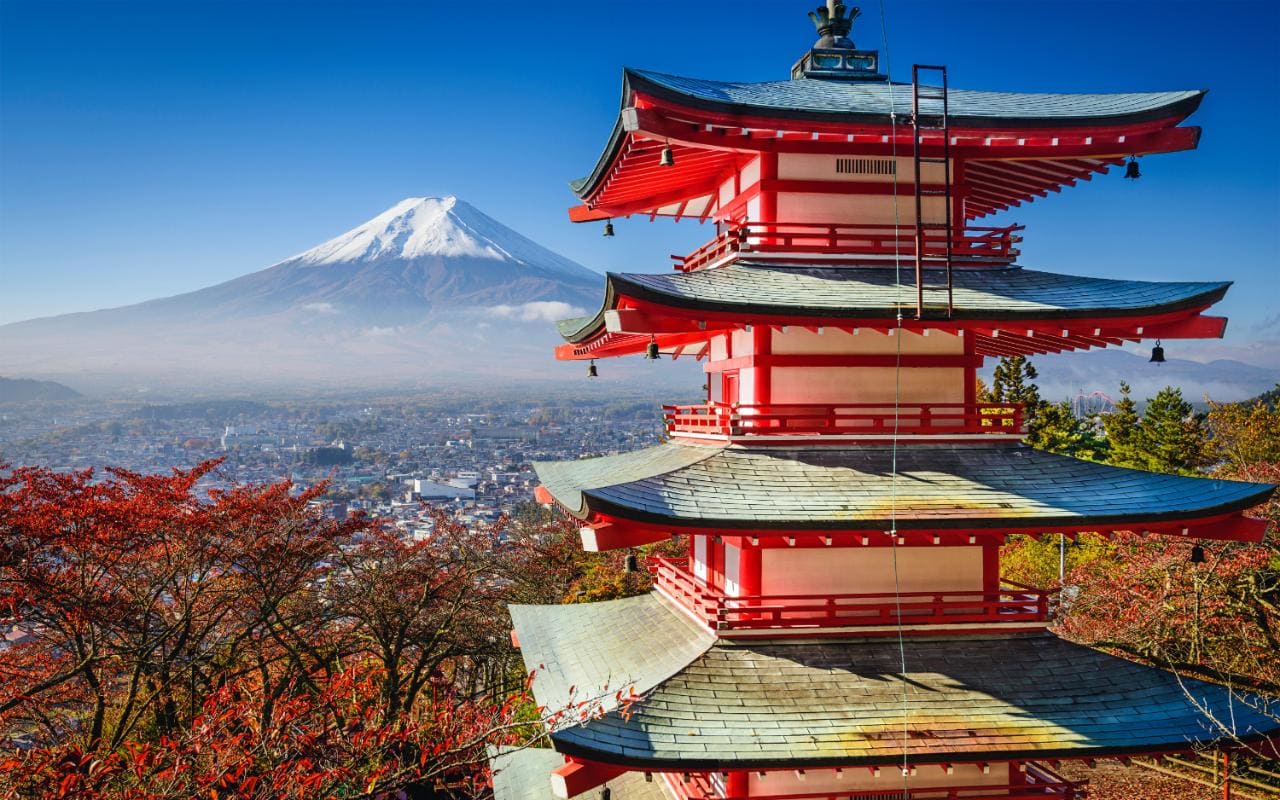
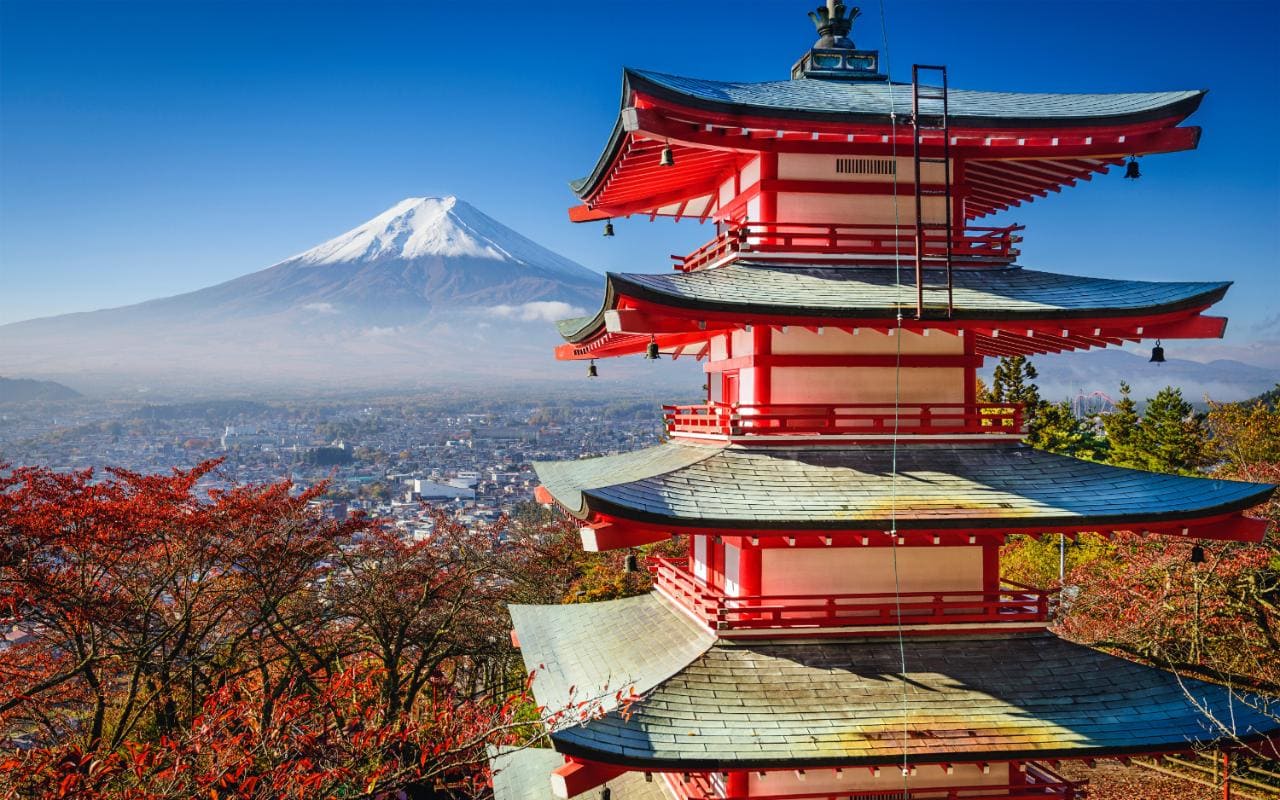
    The rearranged 2020 summer Olympic games are scheduled to begin in Tokyo in July. Postponed 12 months due to the coronavirus epidemic and resulting lockdowns, the opening ceremony will be staged on 23 July, with the closing ceremony bringing the curtain down on 8 August.

    This has been one of the most talked-about summer Olympics in living memory. For much of last year, it was feared the event would make unwanted history by being cancelled. Thankfully for all concerned, including more than 11,000 athletes involved, the show goes on. Fans will be in attendance at most of the events, but overseas spectators are barred. That should make for a strong home crowd advantage for the Japanese athletes.

    That means the only way to cheer home your favourite athletes is on television or a live stream. We explain how to place bets on Tokyo 2020 at onlinesportsbetting.net, then watch the action for free on your smartphone or tablet device.

    Never miss an event with live streaming

    All major international sports betting companies offer members odds on the outcome of every event at this summer’s games. This allows you to spice up your viewing by having a financial interest in 100m, pole vault and long jump. The Olympics is an exciting watch, but it’s even better when you have the opportunity to land a profit from the results.

    Not only do leading sportsbooks offer several eye-catching betting markets on your favourite events, but they also grant members access to their modern, reliable and HD quality live streaming feeds. This means you can bet on the sport and follow the action live from anywhere in the country on the app, providing you have a strong Wi-Fi connection.

    There’s even better news for those eager to ensure they don’t miss the Olympic games after being forced to wait an extra 12 months. The live streaming service offered by betting sites is free to view if you have a registered account with a bookmaker and place a bet on the result or have funds available in your balance to make an in-play bet.

    Below we walk you through the basic steps to register for a betting account, place a wager on the Tokyo 2020 and watch the live stream for free.

    Create an online betting account

    To bet on and watch Tokyo 2020, you must have a registered online betting account with a licensed, regulated bookmaker legal in your region. Do your research and find a sportsbook that appeals to you and check out the welcome bonus offered to new customers. Most betting apps give new players a free bet when they sign up.

    Registering for a betting account and landing the welcome bonus is easy, taking just a few minutes to complete.

    Here’s how to register today;

    1. Choose your preferred sportsbook and visit their website or mobile app
    2. Click the sign-up button at the top of the homepage
    3. Fill in the registration form, providing name, age and address
    4. Create a username and password
    5. Make your first deposit and bet on sports
    6. Your free bet welcome bonus will be added

    Place a bet on Tokyo 2020

    To be eligible to watch the live streaming free of charge, most betting sites ask that you first make a bet on the outcome. This can be for as little as a 0.50 stake. When your bet is live, you can then watch the sports feed on your chosen device.

    Placing a bet on an event from Tokyo 2020 is hassle-free, taking less than 60 seconds in most cases. You can do this from home on your desktop computer or on the move by downloading the sportsbook’s mobile app.

    Here’s how to place a bet on the Olympic games;

    1. Deposit funds to your betting account from your debit or e-wallet account
    2. Click the Tokyo 2020 tab and browse the available markets
    3. Select the event you wish to bet on and make your prediction
    4. Your pick will be added to your bet slip. Input your stake
    5. Your bet will be live, and Olympic now watch the live stream at no extra cost

    Watch Tokyo 2020 on your mobile

    When your bet is live, you should click the live streaming tab. There you will find all sports events available to view. Choose the one you have placed a bet on and click the live stream link. The stream will begin just before the advertised start time.

    Sit back and enjoy the show.

  • McDonald’s shuts up shop on Olympic support

    McDonald’s shuts up shop on Olympic support

    McDonald’s has ended its longtime Olympic sponsorship dating back to 1976, the International Olympic Committee announced today. The fast food giant has supported the Olympics since the Montreal Games and although the split takes place with immediate effect they will continue to be a sponsor at the 2018 Winter Games in Pyeongchang.

    “The IOC and McDonald’s have announced that they have mutually agreed to bring their worldwide partnership to an end,” an IOC statement confirmed.

    The burger chain, which is cutting its Olympic ties with three years of its contract still to run, was one of the IOC’s heavyweight “TOP” partners along with the likes of Coca Cola, Visa, Bridgestone, Panasonic, Toyota and Omega.

    The IOC, giving the reasons behind the divorce, wrote: “In today’s rapidly evolving business landscape, we understand that McDonald’s is looking to focus on different business priorities.”

    McDonald’s global chief marketing officer Silvia Lagnado commented: “As part of our global growth plan, we are reconsidering all aspects of our business and have made this decision in cooperation with the IOC to focus on different priorities.”

    Whilst McDonald’s first became an official backer at Montreal in 1976 and a TOP partner in 1997, the company’s Olympic appetite was first whetted at the 1968 Grenoble Winter Games. McDonald’s on their website explained how they “airlifted” burgers to Olympic athletes who had become “so homesick for American food” in the French Alpine city.

    Over the decades the fast food chain has contributed hundreds of millions of dollars into the IOC’s cash tills and had a popular presence at every Olympic village since. At last year’s Rio Games their promotion of free meals for athletes triggered lengthy queues from sunrise to sunset. One marketing guru suggested the split was logical given the emphasis on health-conscious diets.

    Illogical and counterproductive

    “The scale of obesity and diet-related disease around the world is alarming, and although we can’t put this at McDonald’s door they must be aware that sponsoring the Olympics has now become ‘illogical’ and even in many ways ‘counterproductive’,” British sports marketing expert Patrick Nally told AFP.

    “McDonald’s have many other ways of promoting themselves but the logic of them sponsoring the Olympics does not now fit with the current attitude to fast food,” Nally added.

    Looking ahead to their last association with the Olympic movement next year, the IOC said: “McDonald’s will continue to be a sponsor of the Olympic Winter Games Pyeongchang 2018 with domestic marketing rights in the Republic of Korea only.

    “The company will deliver its Games-time operations, including restaurants in the Olympic Park and the Olympic Village.”

    The IOC said it had “no immediate plans to appoint a direct replacement in the retail food operations sponsorship category”.

    The IOC, with over 500 employees on its payroll, receives 70% of its revenue from broadcasting rights, which for 2013-2016 rose by 7.4% to $4.1 billion (3.67 billion) compared to 2009-2012, according to IOC figures.

    The bulk of the revenue is paid out to international sports federations, national Olympic committees, and Games organisers.

    McDonald’s deal would have run through the Tokyo Olympics in 2020, and bowing out will likely to save it hundreds of million of dollars if it had continued into the next four-year Olympics cycle and beyond.

    McDonald’s has been trying to hold down costs as it invests in improving food quality, restaurant service and online ordering to woo back U.S. diners. Intense competition has gnawed away at sales.

    “We are reconsidering all aspects of our business and have made this decision in cooperation with the IOC to focus on different priorities,” said McDonald’s Global Chief Marketing Officer Silvia Lagnado.

    The company’s move may also reflect a rising view among consumer brands that exclusive Olympics sponsorship deals do not offer the marketing impact they once did. Some companies find it is much cheaper to work directly with athletes or specific countries than the IOC.

    Moreover, in a trend that began after the Beijing games in 2008, shrinking television audiences for the games could be diminishing the value of sponsors’ ads. With the Rio de Janeiro games in 2016, many viewers turned to social media alternatives like Twitter and Facebook.

    In the United States, Comcast Corp’s NBCUniversal said it had attracted 8.6 percent fewer eyeballs for Rio than it did for London in 2012.

    The fast food chain has been part of the IOC’s top sponsors program that contributes more than $1 billion in each four-year cycle for the games.

    While terms of Olympic sponsorship are not disclosed, a source who negotiated previous IOC sponsorship deals said that top global sponsors like McDonald’s spend about $25 million a year or about $100 million for a four-year period that includes a summer and winter games.

    Reuters previously reported that the IOC had wanted to roughly double fees to $200 million per four year period starting in 2021.
    While it is unusual for an Olympic sponsor to leave early, sponsors change regularly within the IOC’s top program. The most recent addition was China’s Alibaba Group Holding Ltd, which signed a deal in January for a partnership through 2028.

    The next three Olympics take place in Asia, and this could turn off U.S. sponsors trying to reach a U.S. audience. The U.S. Olympic Committee also has lost recent sponsors such as AT&T and Citigroup ahead of the 2018 winter games in South Korea.

    The IOC said it was not planning a direct replacement for McDonald’s, but it is expected to announce a new global deal with Intel next week, according a source familiar with the matter. Intel did not immediately respond to a request for comment.

    “Companies with a deep focus on technology are barging in while others migrate out,” said Peter Land, who works with Olympics and Paralympics sponsors for communications firm Finsbury.

    The IOC has faced criticism from public health campaigners for allowing sponsors such as Coca-Cola and McDonald’s to use the games to market their products, which are perceived to be unhealthy.

    John Lewicki, who oversees global Olympic sponsorship deals for McDonald’s, said last year the company would reevaluate its Olympic relationship after changes to a rule that ended a marketing blackout for companies that sponsor athletes rather than the event itself.

  • Winter Olympics: South Korea builds it but will fans come?

    Winter Olympics: South Korea builds it but will fans come?

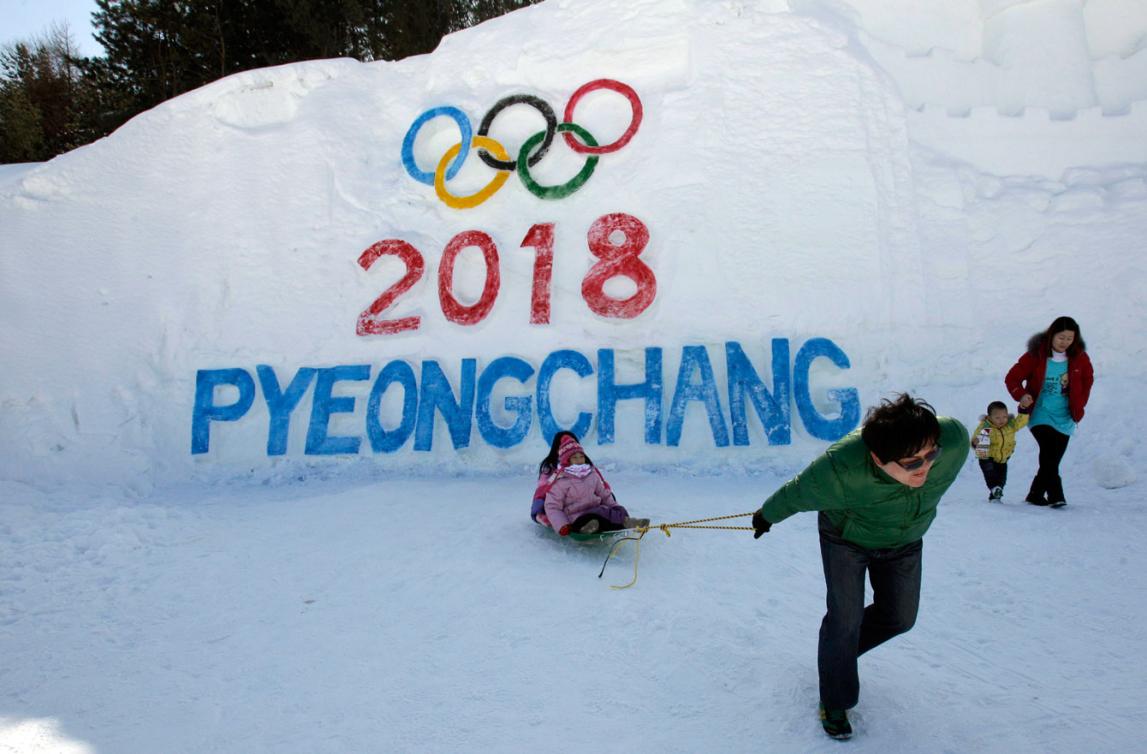
    Most venues for the 2018 Pyeongchang Games are virtually finished and the organisers are about to launch a domestic and international marketing blitz, touting Korean technology, culture and food as they seek to persuade sports fans from around the world to make the long journey to north-east Asia.

    Lee, though, has his doubts. Dried pollack — dessicated during the biting chill of winter — is a speciality of the area, but he thinks Westerners would find his signature product “a bit hard to eat”.

    He is not planning to increase production for next winter, he told AFP, despite his prime retail location and a chance to attract thousands of potential customers.

    With a year to go, many South Koreans express pride that they are hosting the games, and workers are already installing the upper levels of the Olympic structure opposite Lee’s premises.

    The only sporting facility still awaiting completion is a new ski slope for the downhill events — none of the existing resorts have high enough mountains to provide the vertical drop required according to regulations — but even that is 85 percent finished.

    A roomy show flat in the Olympic village, complete with bedspreads covered in sports symbols, has two sets of double glazing to protect against the cold.

    Looking out from the top of the vertiginous K125 ski jump, tiny staff in dayglo green jackets far below prepare the landing area snow for a test event, the cross-country course runs through wooded hills nearby, and wind farm turbines line the horizon.

    But marketing has so far been conspicuous by its absence. On the road from Seoul, the first mention of the Winter Olympics is a plain white sign on a hillside around 30 kilometres (19 miles) from Pyeongchang.

    It is a notable contrast to the next host China, where multicoloured billboards already line highways more than an hour from the venues, despite the fact that its Games are not until 2022.

    A Gallup Korea survey released Tuesday said nearly half of South Koreans — 49 percent — were not interested in the Winter Olympics, with 19 per cent having “no interest at all”. Only 48 percent were interested.

    The question of promoting the Pyeongchang Olympics — taking place an intercontinental flight away from the traditional markets of North America and Europe — is increasingly important.

    “It’s a fundamental issue,” IOC Olympic Games executive director Christophe Dubi told AFP.

    “We must sell these Games, and the challenge today — and we have spoken openly about this with the Pyeongchang organisers — is to engage this effort both at the Korean level and internationally,” he said.

    Even South Korean media have expressed concerns. In a stinging editorial, the Chosun Ilbo newspaper lamented that there was “no excitement or buzz around the Games that are only about a year away” and warned of the risk of “international embarrassment”.

    – ‘Games for Asians’ –

    The push will begin on Thursday, said Lee Hee-Beom, president and CEO of the Pyeongchang Organising Committee for the Olympic Games (POCOG), when tickets go on sale in South Korea. International availability depends on each country’s national Olympics committee.

    Top category seats for the opening ceremony and men’s ice hockey final cost 1,500,000 Korean won ($1,300) and 900,000 won ($800) respectively, but several disciplines ranging from biathlon to skeleton have tickets as cheap as 20,000 won.

    “From February 9th we will have promotions and we will expedite promotional activities around the nation and all around the world,” Lee told AFP, with advertisements on Seoul buses and international television networks.

    Pyeongchang will be the 23rd Winter Olympics, he pointed out, but the Games have only been held in 12 countries so far, all of them in Europe or North America aside from Japan, which has hosted them twice, at Sapporo in 1972 and Nagano in 1998.

    So far winter sports have been “games for the Europeans, games for the Americans”, he said. But with China to follow South Korea as host country, it meant “winter sports become games for Asians”.

    Beijing has declared its intention to have 300 million winter sports fans by the time it hosts the event.

    But at the Yongpyong resort where the slalom events will be held, tour guide Uno Wang — who has been escorting groups from China for 15 years — warned against relying too much on South Korea’s giant neighbour.

    “We usually introduce the Olympics to the people that we bring here but they don’t show that much interest,” he said. “It’s generally like that in East Asia. China is a country that’s not that into sports, especially winter sports.”

    And Chinese tourism to South Korea is under a cloud, with Beijing infuriated by the country’s planned deployment of a US missile defence system, THAAD, in response to nuclear-armed North Korea’s atomic tests and rocket launches.

    Beijing has imposed measures seen as economic retaliation, and Wang says his visitor numbers have fallen by 30 to 50 percent as a result.

    “If the South Korean government goes ahead with the THAAD deployment maybe the numbers will decrease even more — 70 or 80 percent,” he said. “It’s a very serious problem.”

  • Nokia to deploy first LTE-R network in Korea

    Nokia to deploy first LTE-R network in Korea

    Nokia has secured a contract to deploy the world’s first LTE-R (LTE-railway) LTE network in South Korea.

    The vendor will deploy the network on a railway line between Wonju and Gangneung as part of a line extension to prepare for next year’s Winter Olympics in PyeongChang.

    The network will support both operational and maintenance services on a high-speed commercial railway line operating at speeds of up to 250 km/h, providing high-speed connectivity between trains, stations and other railway facilities.

    Nokia said the project is intended to serve as a model for future deployments of LTE-R technology and help further define LTE-R standardization efforts.

    “South Korea has been a world leader in the use of mobile broadband technology to make public services of all kinds safer, more efficient and reliable,” Nokia head of Korea Andrew Cope said.

    “With a thirty-year history in the delivery of GSM-R mobile networking technology for railways, and as a pioneer in the development of LTE-R solutions, we are pleased to partner with KRNA to bring these cutting edge capabilities to the country as they prepare to host one of the world’s premier sporting events.”

  • Companies expect Olympics to strain their networks

    Companies expect Olympics to strain their networks

    The vast majority of companies (85%) plan to more closely monitor the performance of their applications and networks, including Wi-Fi, because of potential strain due to employees accessing Olympic content.

    A survey conducted by Riverbed Technology revealed that only 2% stated that they were very unlikely to monitor any differently during this the Olympics.

    The network strain in office is likely to be prevalent in Singapore, with national broadcaster Mediacorp only being able to air delayed telecasts of the Olympics due to broadcasting rights.

    “The time zone difference mean that finals will be aired during working hours, and with no live telecast in Singapore, sports fans are likely to turn to live streaming to cheer on Team Singapore – on company networks. IT organizations need to come together and prepare for the significant increase in network traffic that will occur as a result of employees streaming and accessing online content,” said Bjorn Engelhardt, SVP, Riverbed, Asia Pacific and Japan.

    Companies expected employees to access Olympic content using the company’s networks, including Wi-Fi, most frequently via their desktops and laptops (48%); followed by smartphones (34%); and then tablets or other non-smartphone devices (18%).

    The reason for monitoring employees’ access to Olympic content could potentially be linked to companies being unable to quickly pinpoint and resolve performance issues of critical business applications:  Less than half of the companies surveyed, 43%, were very confident that their organizations could safeguard critical applications during high network traffic events such as the Olympics, while 12% were not confident that their companies could handle the added strain and traffic.

    In one of the most revealing statistics, companies were asked if they’ve had an issue, even once, with their networks, including Wi-Fi, specifically because employees were accessing content during a popular event such as the Olympics. The majority of companies responded yes (69%), with 30% of these same companies saying that they have experienced more than one episode of issues. The survey also found that the majority (70%) of companies said they would limit or probably limit employees from accessing Olympic content through company networks, including Wi-Fi, in some way, with 24% saying they will definitely limit content and 46% saying they would probably limit content.

    “The results of the survey highlight how popular events such as the Olympics and the impact of BYOD are affecting companies and the need for greater visibility to safeguard networks and business critical applications. IT must take a proactive approach to managing application performance with end-to-end visibility across the network from the server to the end user,” said Engelhardt.