Tag: Omotesando

  • Asian Brands Drive Tokyo Retail Vacancy to Zero as Ginza Rents Hit 298,000 Yen

    Asian Brands Drive Tokyo Retail Vacancy to Zero as Ginza Rents Hit 298,000 Yen

    Asian consumer brands pushed street-level retail vacancies to zero across three of Tokyo’s four premier shopping districts during the second quarter, driving contract rents to record highs.

    Roadside retail vacancy in Shinjuku dropped to 0%, matching Ginza and Shibuya, while Omotesando-Harajuku fell to 0.1%, according to quarterly market data from CBRE.

    Regional fashion, fragrance and lifestyle labels are competing directly with established European and American luxury houses for ground-floor space. In Ginza, average monthly contract rents reached 298,000 yen ($1,881) per 3.3 square metres in the April-June quarter, a 0.7% increase from the previous year. Rents in Omotesando-Harajuku rose 1.6% to 256,000 yen per unit, while Shibuya climbed 2.7% to 187,000 yen. Shinjuku posted a 2% gain, also reaching 187,000 yen.

    Surging Demand Outbids Asking Prices

    Leasing agents report that intense competition is forcing tenants to pay above initial landlord rates to secure prime foot traffic. Bidding wars between incoming international retailers and domestic operators have pushed final transaction values past listed rates across core commercial arteries.

    Asian brands made up 17.5% of all companies planning to open roadside stores in major Japanese cities within twelve months as of June, nearly doubling from 9.3% in June 2025. This influx has depleted available high-street supply, leaving landlords with waiting lists for prime corners.

    Retailers treat Tokyo flagships as international marketing platforms rather than simple revenue outposts. Brands from South Korea and Southeast Asia use high-visibility stores in Harajuku and Aoyama to build credibility with both domestic Japanese shoppers and overseas tourists before expanding into broader Asian and Western markets.

    New Flagships Anchor Core Corridors

    South Korean apparel label Matin Kim, operated by e-commerce company Hagohaus, opened a standalone store in Harajuku in April after testing customer demand through temporary pop-up locations. Securing the space took twelve months of negotiations amid minimal market turnover.

    Thai luxury fragrance maker Panpuri, operating under Japanese cosmetics group Kose Holdings, opened an Aoyama flagship in August. The location offers bespoke fragrance blending on the ground floor and is scheduled to add a second-floor wellness spa later this month. Panpuri runs 31 stores across Thailand and selected Tokyo as its primary vehicle for international exposure.

    South Korean eyewear brand Gentle Monster has also broadened its footprint in the capital. The company added a street-level store in Ginza in August last year, following its initial Japanese opening in Aoyama in 2024.

    Shift in Tenant Mix and Landlord Power

    For commercial landlords, the aggressive arrival of Asian lifestyle names diversifies retail corridors long dominated by Western fashion conglomerates. Property owners in Omotesando and Ginza now have alternative tenant pools capable of absorbing record per-tsubo rental rates on multi-year commitments.

    The shift carries operational risks for incoming brands unfamiliar with Japan’s steep operating costs. High renovation expenses, rising staffing outlays and climbing rent hurdles require sustained sales volume once initial opening hype fades. Independent labels relying solely on tourist traffic remain vulnerable to foreign exchange fluctuations.

    Rival retail operators in Seoul and Singapore face increased pressure as Tokyo reasserts its role as the preferred testing ground for regional flagship concepts. Brands that previously targeted Hong Kong or Singapore for their primary cross-border show now allocate capital expenditure to Tokyo’s central wards to reach a denser mix of affluent Asian travelers.

    Expanding Store Pipelines

    Demand began accelerating late last year as inbound travel volumes rebounded and pedestrian traffic returned to pre-2020 levels across Tokyo’s transport hubs. Early retail entrants absorbed secondary side-street units throughout late 2025 before escalating their bids for main-street roadside frontage in early 2026.

    Brokers expect supply constraints to persist through the final quarters of the year. With virtually no new street-level retail development underway along Omotesando-dori or Ginza’s Chuo-dori, prospective tenants must wait for lease expiries or buyout opportunities.

    Leasing negotiations now turn toward early 2027 handover dates, with several regional fashion groups actively seeking ground-floor locations across Shibuya and Harajuku before year-end property allocations close.
  • Hyundai Department Store to Open 10 Overseas Multi-Brand Stores by 2030

    Hyundai Department Store to Open 10 Overseas Multi-Brand Stores by 2030

    Hyundai Department Store will open 10 large multi-brand retail stores across Japan, Europe, and the United States by 2030. It is partnering directly with domestic apparel labels. These partnerships create permanent multi-brand platforms outside South Korea.

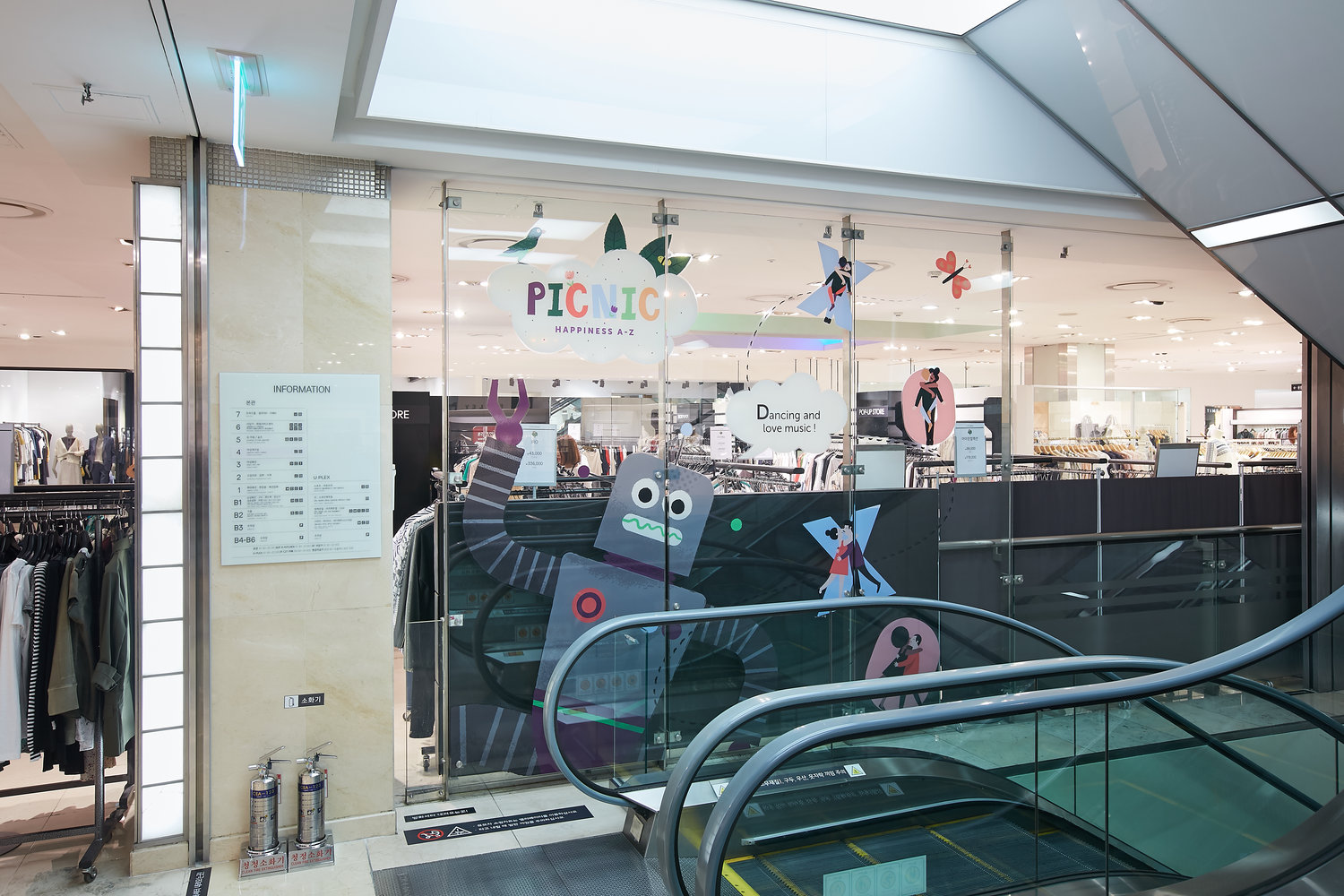
    The rollout begins in Tokyo. The company established a permanent location inside the Omokado shopping center in the Omotesando fashion district. That site puts multiple Korean fashion brands onto a single operated floor plan.

    Building an Export Channel for Korean Labels

    South Korean department store operators face slowing domestic consumption and saturated prime retail zones in Seoul. Exporting curated fashion spaces creates a secondary revenue channel. It also cuts market-entry risk for smaller independent labels.

    Individual Korean fashion brands frequently struggle with overseas lease negotiations, local regulatory compliance, and foreign staffing. Hyundai acts as the master tenant and operational umbrella. This structure gives smaller labels turnkey access to high-footfall international corridors.

    Tokyo Footprint as the Launchpad

    The Omokado location tests foreign shopper demand in Tokyo before the company expands into Western markets. Japanese shoppers already represent a solid buyer base for Korean consumer culture, cosmetics, and street apparel.

    Floor space in Omotesando positions the business directly against Japanese department store groups and specialty concept stores. Results in Tokyo will shape the retail layout and brand mix for planned European and American flagships.

    Shifting Away from Short-Term Pop-Ups

    Domestic retail groups spent years testing overseas appetite through short-term pop-ups in major Asian gateway cities. Permanent real estate requires consistent foot traffic and higher baseline sales to cover fixed operating costs.

    Landlords in Tokyo, London, and New York want differentiated international tenants to draw shoppers offline. Hyundai is pitching its Korean apparel curation as an anchor draw for commercial property operators overseas.

    Milestones Toward the 2030 Target

    Execution risks center on international supply chains, localized inventory management, and sustained sales momentum. Store profitability hinges on balancing prime retail rents against the average order values of youth fashion brands.

    Site reviews are underway in European and US retail capitals. Performance data from the Omotesando site over coming quarters will guide the next phase of store openings.

  • Jacques Marie Mage Flagship Store In Tokyo: A Blend Of Japanese Tradition And Western Modernity

    Jacques Marie Mage Flagship Store In Tokyo: A Blend Of Japanese Tradition And Western Modernity

    Jacques Marie Mage, the luxury eyewear brand based in Los Angeles, has recently opened its flagship store in Omotesando, Tokyo. The store is housed in a contemporary three-story building, boasting an interior lavishly designed by Shinichiro Ogata, the founder of the Tokyo and Paris-based design house, Simplicity.

    Blending Tradition and Modernity

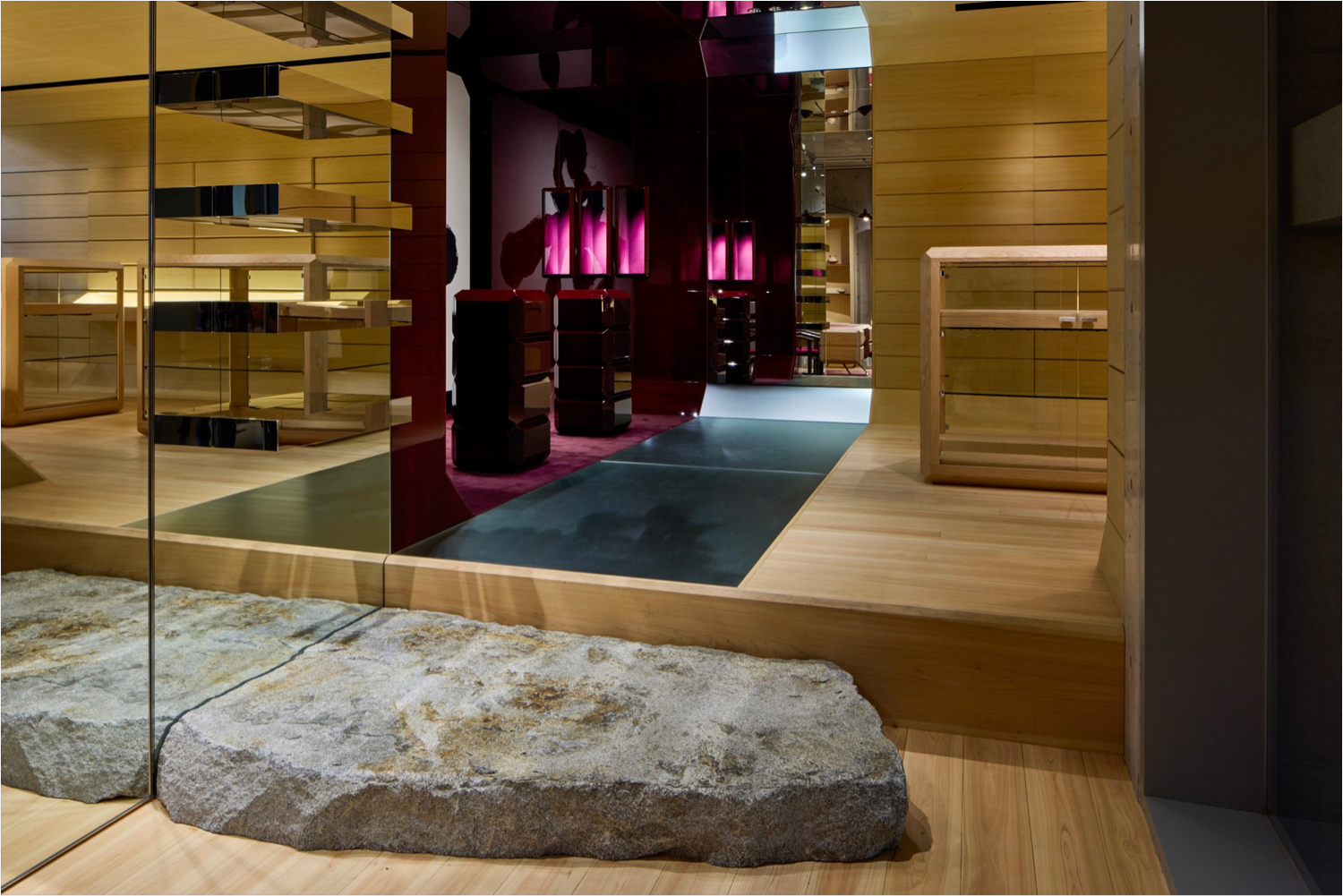
    The new store exhibits a unique balance of Japanese traditional aesthetics and Western contemporary elements. As customers step into the store, they are greeted by a mini corridor designed with sophisticated wall-embedded displays and cabinets. The walls, floors, and ceilings are constructed entirely from Hinoki wood, a choice material in Japanese architecture that lends a touch of authenticity to the store’s overall ambience.

    The store’s backdrop is an impressive piece of artwork by renowned calligrapher Daichiro Shinjo, providing a bold yet contemporary touch to the space.

    An Upstairs Lounge and Consultation Room

    The upper floor of the store is thoughtfully designed as a lounge-cum-consultation room. The space, fashioned out of the same Hinoki wood as the entrance, is filled with a selection of vintage furniture and unique Japanese decorative items. Visitors will find a six-panel folding screen from the late Edo period and a variety of Noh masks, a traditional form of Japanese theater.

    In addition to housing a range of eyewear, this floor also showcases an array of jewelry pieces. Customers can browse the selection and even place orders for custom pieces to suit their personal tastes.

    Basement Bar with Cultural Artifacts

    Descending to the store’s basement, customers will encounter a beautifully landscaped patio and a well-stocked bar. Against this backdrop, patrons can view a range of 17th-century European optical tools, Kokeshi dolls, and a larger-scale calligraphy piece by Shinjo, adding an artistic and historical dimension to their shopping experience.

    Questions & Answers

    Who is responsible for the store’s unique design?
    The store’s interior was designed by Shinichiro Ogata, the founder of Simplicity, a design house based in Tokyo and Paris.

    What are some distinct features of the store?
    The store exhibits a blend of traditional Japanese aesthetics and modern Western elements. It features an upper floor lounge-cum-consultation room and a basement bar, both decorated with vintage and traditional Japanese items, as well as a mini corridor made entirely of Hinoki wood.

    What products does the store offer, besides eyewear?
    In addition to eyewear, the store also showcases a selection of jewelry pieces which can be customized according to the customer’s preference.

  • Bulgari opens concept store in Tokyo’s Omotesando

    Bulgari opens concept store in Tokyo’s Omotesando

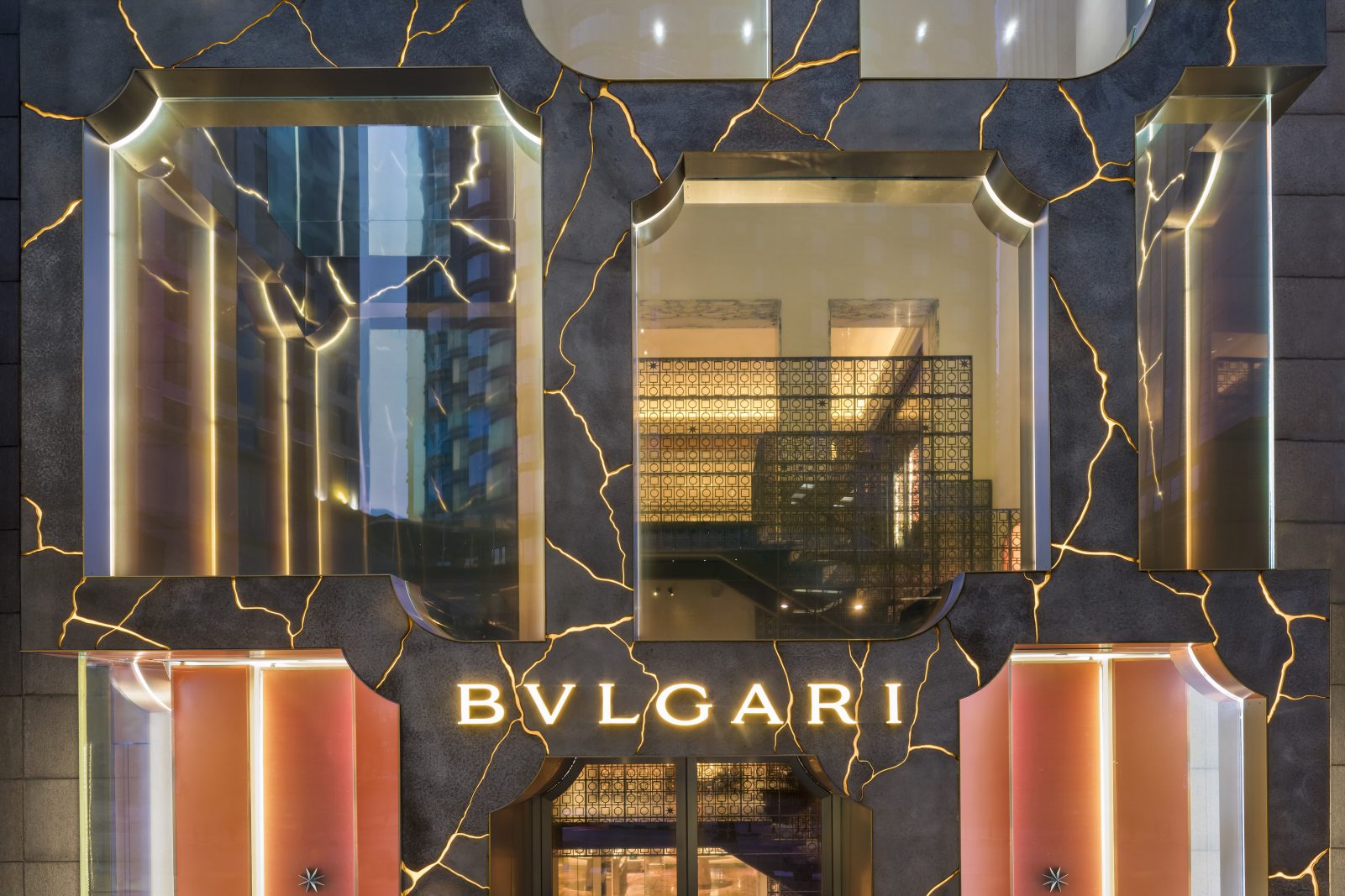
    Luxury jeweller Bulgari has opened its concept store on one of the most bustling shopping streets in Japan’s Tokyo, Omotesando.

    The store is inspired by Rome and has yellow as the dominant colour flowing throughout the store, seeking to deliver the sensation of a vacation to the Italian capital, with sunshine and great architecture.

    The store boasts a saffron-coloured facade with a variety of accessories such as necklaces, watches, and bags.

    Bulgari originally opened its doors in Japan more than 37 years ago, and in 2007, it opened its largest store in Tokyo’s famed Ginza retail district.

    The company now operates in major cities in Japan including Sapporo, Sendai, Tokyo, Yokohama, Chiba, Nagoya, Kyoto, Osaka, Kobe, Okayama, Hiroshima, Matsuyama, and Fukuoka.

  • Omotesando Koffee to open first Philippines cafe in Manila

    Omotesando Koffee to open first Philippines cafe in Manila

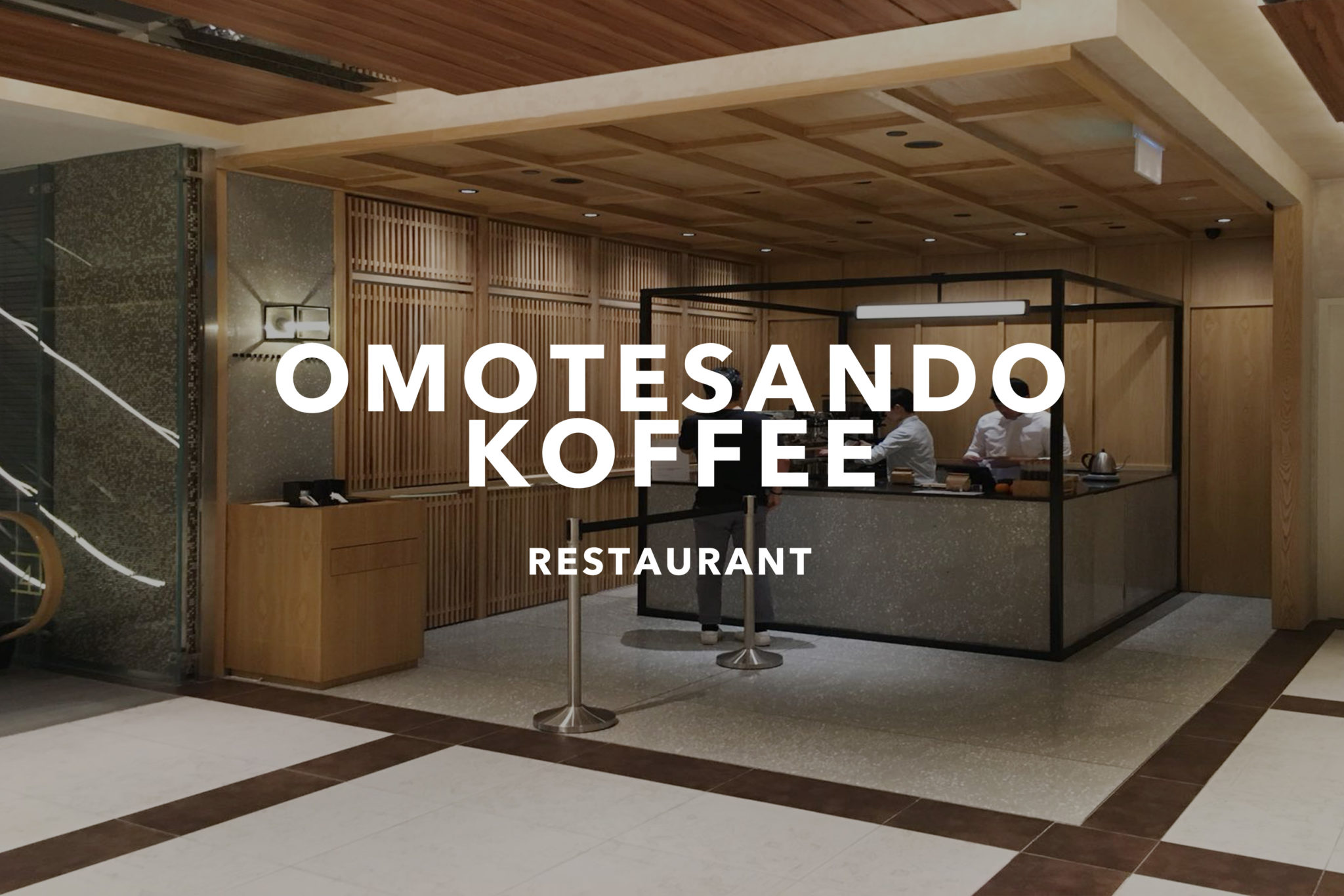
    Japanese coffee shop Omotesando Koffee is officially opening its first Metro Manila branch in Power Plant Mall, Makati City, tentatively slated for an August 2021 launch.

    The famous Zen-style, minimalist coffee shop from Tokyo will be brought into the Philippines by H&F Retail Concepts, the group behind luxury fashion brands Univers, Homme et Femme, Balenciaga, Comme des Garcons, and Fred Perry.

    David Ong, owner and head barista of The Curator and EDSA Beverage Design Group, will be helping out.

    “Well, the cat’s been out of the bag for a while now. This is just formalizing it further. The opening of the first branch is fast approaching, and we’re helping out a little bit,” Ong wrote on Instagram on Tuesday, June 1, posting a call-out for interested baristas to apply.

    According to Ong, two more Omotesando Manila locations will be opening this year, but the hiring process will be for this branch initially.

    News that Omotesando Koffee would open in Metro Manila first circulated late 2020, when the original brand’s Instagram page added “Manila” to a list of locations on their Instagram bio, alongside Tokyo, Hong Kong, Singapore, Bangkok, and London.

    Omotesando Koffee first opened as a humble pop-up shop in Omotesando Hills, Tokyo in 2011, growing in popularity for 5 years until it closed in December 2015 due to the “aging building” it was located in.

    They opened their first Hong Kong branch a year later, and expanded to cities around the world, including a re-opening in Shibuya, Tokyo as Koffee Mameya.

  • Hermes opens giant store in Tokyo’s ritzy Omotesando

    Hermes opens giant store in Tokyo’s ritzy Omotesando

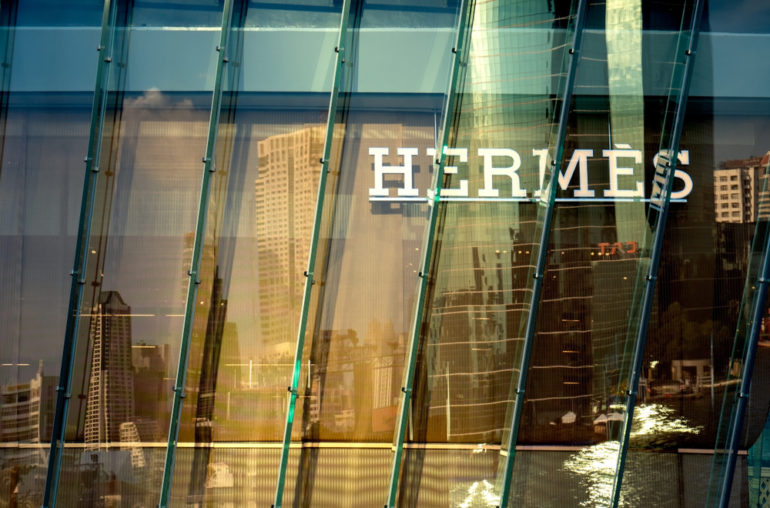
    Hermès is delighted to announce the opening of a new address in Tokyo’s Omotesando district on 28th February 2021. This new 488 square-meter home will be the house’s first free-standing store in Tokyo since the opening of Maison Hermès Ginza in 2001. A beautiful boulevard leading to Meiji Shrine, Omotesando Avenue is today lined on both sides with high-end boutiques and zelkova trees.

    Its intricate back streets are home to Tokyo’s vibrant street culture, attracting designers and artists from all around the world. It is here, on one of the city’s unique streets, adjacent to Shibuya and Harajuku, that the new Hermès store comes to life. The store’s distinctive façade opens directly onto Omotesando Avenue and incorporates the historic stone wall of one of the area’s most notable buildings, which has been preserved by the Parisian architecture agency RDAI.

    The façade is given a contemporary look with a copper-toned stainless-steel grid, adding depth and light to the exterior, just as light and shadows intermingle in a bamboo grove. Upon entering, visitors are greeted by the Ex-Libris in mosaic, inspired by the Hermès Faubourg SaintHonoré store in Paris. On the right side, they can peruse the colorful women’s silk collections, including the new carré Duo Cosmique designed by Kohei Kyomori, and presented exclusively here.

    The window display is also specially designed by this young Japanese artist to celebrate the opening. Further on, fashion jewellery, beauty, and perfume, including the latest men’s fragrance H24 are elegantly displayed. In the beauty corner, the Rouge Hermès lipstick collection will wait to encounter new customers from mid-April. On the left side of the entrance, home collections including tableware and men’s silk are introduced. A leather section at the back of the store welcomes bags, small leather goods, and equestrian collections.

    Walls are covered in wood paneling and bamboo marquetry, accented by fluid curves, and a selection of women’s shoes is displayed on wooden shelves extending from one of the large pillars. The floor is covered with two shades of greenstone, sourced in Asia and laid in a pattern resembling Japanese tatami mats. Custom rugs with a hue reminiscent of forest moss lend a softness to space. Behind the staircase is a refined area for watches and jewelry.

    Finally, customers can pause at a wide table, and enjoy books and a Leporello of unique drawings by French artist François Houtin, displayed in a specially made curved frame. As customers ascend the stairs, they will discover another piece of art, created by Japanese contemporary bamboo artist Shoryu Honda. Inspired by the shape of clouds and infinite Moebius strips, the bamboo sculpture is an example of the sophistication of Japan’s world-class modern bamboo artistry. The sweeping staircase is one of the most striking architectural elements of the store.

    The organic shapes of its vertical columns resemble tree branches, while the stairs call to mind pale green stepping stones. Light filters down from the upper level to the ground floor, just as sunlight glistens between the branches of a forest and invites customers upstairs to dive into the women’s and men’s universes. On the second floor, mobile partitions create an intimate space for each métier while giving the illusion of transparency. There are large fitting rooms for both men and women, with the former designed in order to incorporate made-to-measure orders in the future.

    Among the selection of special objects created for this opening are a skateboard and a surfboard, both revisited in a special edition with Jan Bajtlik’s design Cheval de Fête, and uniquely numbered Mega Chariot carrés and ties by Daiske Nomura. A newly unveiled Hermès bike made of ash wood will also be presented for the occasion. Paying tribute to local artists, materials, and know-how, this new store is a testimony to Hermès’ strong relationship with Japan and invites local customers and new visitors into a discovery of the house’s creativity and fine craftsmanship in a harmonious and warm environment.

  • Jil Sander unveils new store format in Tokyo

    Jil Sander unveils new store format in Tokyo

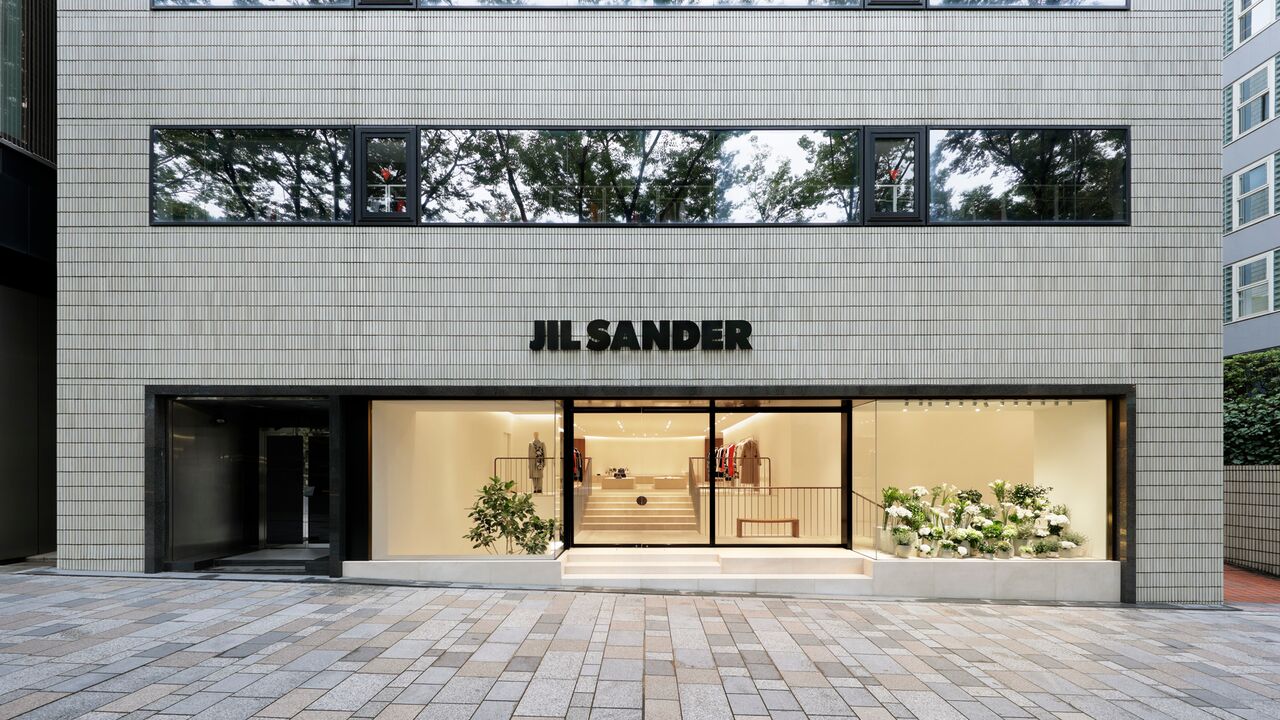
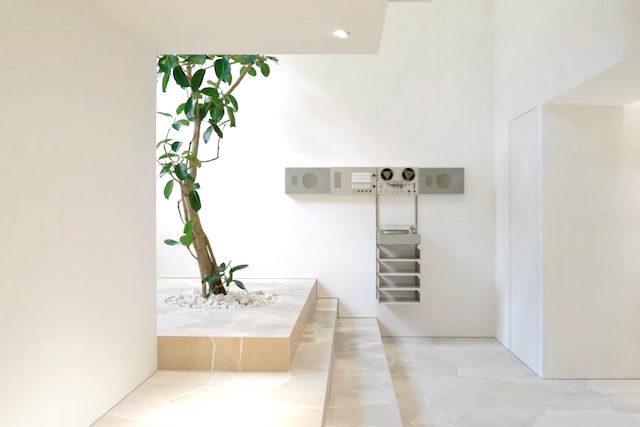
    German fashion label Jil Sander has introduced a new store format in Tokyo. The Onward Luxury Group-owned brand has inaugurated the new 268sqm flagship in the fashionable Omotesando district with a redesigned interiors concept that will be used to revamp the label’s existing stores worldwide.

    The new store interior design is the work of British architect John Pawson, who has adopted the minimalist essence of the brand’s fashion aesthetic in the new format – using limestone and cherry wood features and a large glass facade – and showcasing just one or two looks at a time.

    Jil Sander operates 11 stores worldwide, including a flagship in Paris. A new opening in Moscow is planned for next year.


  • French pâtissier Christophe Michalak to open his first store in Japan

    French pâtissier Christophe Michalak to open his first store in Japan

    French patisserie Christophe Michalak is about to open its first pastry store in Japan.

    The Michalak store opens tomorrow in Tokyo’s famous fashion district Omotesando.

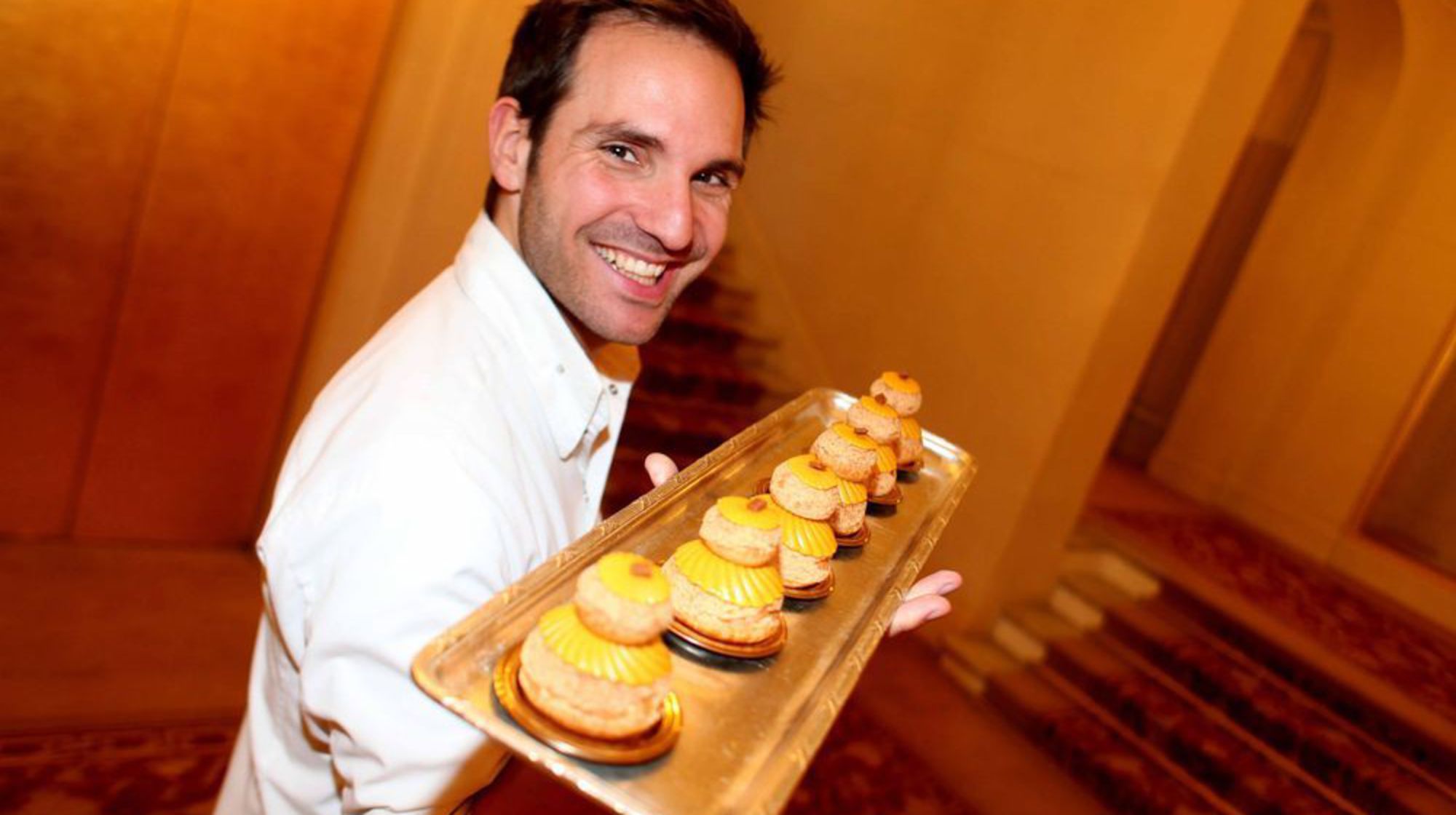
    Michalak Omotesando will sell small desserts, cupcakes and items created to appeal to Japanese customers such as the Monkoeur which blends chocolate and passionfruit with the local citrus fruit the yuzu, in place of lime.

    A signature dish will be Kosmik, a small jar containing layers of mousse and sponge, which customers can customise.

    It will also serve savoury dishes such as quiche.

    Michalak operates four stores in Paris and chose Japan for his first overseas foray because he believes the nation to be home to some of the world’s best pastries.

  • Omotesando Koffee Opens First Store in Bangkok

    Omotesando Koffee Opens First Store in Bangkok

    Upscale Tokyo cafe Omotesando Koffee may have closed its original location in Japan – but it survives in other markets and will soon be launched in Bangkok, Thailand.

    The cafe has been signed up by Siam Piwat to take space in Siam Paragon shopping centre, amidst up-market furniture stores on level 3.

    In Tokyo, Omotesando Koffee was renowned for serving espresso-style coffees from a 3m x 3m space inside a Japanese house. It closed in 2015 when the building was demolished.

    Founder Eiichi Kunitomo has opened a new cafe in the same spot (but new building) under the name Koffee Mameya.

    Omotesando Koffee has outlets in Hong Kong and Singapore and another store is planned for the UK after the Bangkok opening.