Tag: online grocery

  • Online grocery space likely to witness traction: Nielsen

    Online grocery space likely to witness traction: Nielsen

    With consumers being increasingly preferring digital channels for their purchases, the online grocery space is likely to witness traction, according to market research firm Nielsen. Grocery is definitely going to start seeing traction as e-commerce picks up, Nielsen Executive Director Ajay Macaden said at the India Food Forum here. He, however, did not quantify the size of online grocery market.

    As per reports the online grocery market in India is expected to be US$ 5 billion by 2020, from US$ 1 billion in 2017.

    Macaden noted that packaged grocery is 40 percent in India versus a global average of 30 percent, while fresh groceries is around 41 percent against a global average of 26 percent which indicates that people are definitely picking up food online.

    Rs 3.4 lakh crore Indian FMCG industry is growing at 14 percent, is largely dominated by food that accounts for 55 percent (Rs 2.2 lakh crore growing at 15.1 per cent).

    In terms of contribution, general trade accounts for 90 percent of FMCG sales, growing at 13 percent, while the remaining 10 percent is from modern trade that is growing at 22 percent.

    In the food category, general trade accounts for 90.1 percent at a growth rate of 14.7 percent, while modern trade is growing at 19 percent.

    He observed that the FMCG industry which grew at 13.8 percent growth in 2018 was largely a volume led growth that was 77 percent of the total growth.

  • Lazada to ramp up Southeast Asian grocery offering

    Lazada to ramp up Southeast Asian grocery offering

    Lazada Group has announced plans to ramp up its supermarket business in Southeast Asia as part of its strategy to become the region’s biggest e-commerce ecosystem. The supermarket transformation is being started off in Singapore, as homegrown online grocer RedMart is integrated into the Lazada platform on March 15 following its acquisition in 2016. Following the launch, shoppers will be able to buy groceries and fresh produce along with Lazada’s other product categories on the single platform, boosting the brand’s grocery and supermarket offering to more than 165,000 products.

    Elsewhere in the region, Lazada is looking to launch its grocery and supermarket business in at least one other city from the second half of 2019.

    The new moves are aimed at catering to the growing demand of supermarket shopping as consumers increasingly buy groceries online. The grocery market in Southeast Asia is expected to be worth US$309 billion by 2021, with shoppers filling their baskets online more than twice a month. In Singapore, seven in 10 people who buy their groceries online already do so on RedMart.

    “We want to drive the evolution of grocery shopping in the region by combining our unparalleled assortment of products and superior logistics network to transform the way customers get their daily essentials and fresh produce,” said Jing Yin, co-president of Lazada Group. “Most of us shop for groceries and other household items very frequently. This presents a unique opportunity for Lazada to be part of our daily lives.”

  • Grofers crosses Rs 300 cr sales in single month

    Grofers crosses Rs 300 cr sales in single month

    Grofers, the low price online supermarket, announced the record revenue of Rs 310 crore in January 2019. With this, Grofers became the first online grocer to cross Rs 300 crore in monthly sales and also became the largest e-grocery company in the fast growing space. Aligned with its aim to drive the next wave of growth for e-commerce sector, the company has brought 2.5 lac new customers to its platform in January. The brand is eyeing a revenue target of Rs 2,500 crore for FY 2019.

    On the back of the industry’s biggest grocery sale – Grand Orange Bag Days, Grofers recorded an average of 14 lakh visits per day on the app. During this period, a total of 1.81 crore items worth Rs 207.5 crore were sold. With an average ticket size of Rs 2,640 and 20 items per cart, Grofers recorded highest customer engagement in Delhi NCR followed by Mumbai and Bengaluru.

    Speaking on the success Albinder Dhindsa, Co-Founder and CEO, Grofers said, “We are excited to emerge as India’s favourite e-grocer. We have received a tremendous response in the Grofers Orange Bag Days sale and we will sustain the momentum going forward. We are geared to bringing better priced grocery products to 100 million customers and this is just the start.”

    Customers received jaw dropping offers during Grofers Grand Orange Bag Days sale. Grocery and staples were the highest selling items followed by household items (detergents and dishwash bars) and personal care products. During this time period, Grofers recorded a 80 percent increase sales of Grofers branded products as well.

  • Grofers eyes $2.5 billion in revenue by 2020

    Grofers eyes $2.5 billion in revenue by 2020

    SoftBank-backed Grofers aims to garner $2.5 billion (approximately Rs 17,500 crore) in revenue by 2020 as it scales up its private label offerings in the country and focusses on expanding repeat purchases in its platform. The company, which has recently completed five years of its operations, has a revenue run rate of $360 million (about Rs 2,500 crore) currently.

    Grofers Co-Founder and CEO Albinder Dhindsa said Grofers has been witnessing over 30 percent month-on-month growth.

    “While we do not sell gourmet products that usually offer higher margins, we have been able to create a set of dedicated customers that usually promote our brand as well… We will continue to ramp up our business and we aim to clock $2.5 billion revenue by 2020,” he said.

    Outlining the expansion strategy, Dhindsa said about 40 percent of the selection on its platform now comprises of private label products.

    “There are a number of local manufacturers, who have great products but can’t compete with the FMCG giants and therefore, their products often don’t find shelf space in retail stores…we continue to grow the number of manufacturers that we work with,” he said.

    He further explained that putting these private labels on its own platform has helped the company provide aspirational products like muesli, peanut butter at more affordable prices.

    These private labelled products are also making their way on retail shelves at Grofers’ over 1,500 partner stores, which the company aims to ramp up to one million in the next two years.

    Asked about competition, especially with Walmart-backed Flipkart and Amazon expanding their presence aggressively in the online grocery segment, Dhindsa said the company is not worried.

    “Grocery is not the same as books and electronics. We may carry a smaller selection but the focus for us is on affordability. Consumers are very conscious when it comes to the grocery buying and that is what we want to ensure for our customers,” he said adding that Grofers is focussing on further enhancing its coverage of the cities it operates in.

    In March 2018, Grofers had announced raising Rs 400 crore in funding led by SoftBank, Tiger Global and Apoletto Asia. It has raised funding of $226.5 million till now. Its average daily order volumes were over 35,000 per day in June this year.

    Grocery segment accounts for a significant portion of the unorganised retail segment in the country. With people becoming comfortable buying even milk and bread online, the online grocery segment is projected to witness a strong growth over the next few years in India.

    As per the estimates, e-tail is just 0.5 percent of the total grocery market in India, which is pegged at $400 billion or 70 percent of all retail.

    In a recent interview, Flipkart CEO Kalyan Krishnamurthy had said grocery is one of the key focus areas for the company currently and, the segment will play an important role in getting access to the next 200 million customers.

    Amazon India, too, has been aggressively ramping up selection and focussing on speedier delivery to consolidate its position in the segment. In February this year, Grofers’ competitor Bigbasket had raised USD 300 million led by Chinese e-tailer giant Alibaba and others.

  • Amazon to expand Whole Foods, open more stores

    Amazon to expand Whole Foods, open more stores

    Nearly a year-and-a-half after Amazon acquired Whole Foods for approximately US US $13.5 billion, things are about to start changing. Amazon is planning to expand its Whole Foods Market portfolio by adding more stores to put more customers within its two-hour delivery service range, The Wall Street Journal reported this week. The report says Amazon has been scouting locations for bigger Whole Foods stores in states and regions where they don’t currently have any stores at all–places like Idaho, south­ern Utah and Wyoming, along with many other suburban areas.

    The report goes on to say that these stores will be approximately 45,000 sq. ft. in size and the extra space is intended to accommodate Amazon delivery and pickup from online orders.

    According to WSJ, the world’s largest online retailer also plans to expand its two-hour delivery service, Prime Now, to nearly all of its roughly 475 Whole Foods stores in the United States.

  • Walmart China tests same-day delivery from Dada

    Walmart China tests same-day delivery from Dada

    Walmart China has begun testing same-day grocery delivery in its Xiangmihu store. The new Walmart To Go service is available within a WeChat mini-program, following Walmart’s partnership with online social networking provider Tencent earlier this year. It is currently undergoing trial with future rollout pending feedback from customers who opt in to the service.

    Those ordering from the nearly 8000 SKUs available on the app can receive delivery in as little as one hour via a service provided by Dada.

    Another of Walmart’s new mini-programs being tested at the branch displays a digital map that shows in-store shoppers inventory location and stock status.

  • BigBasket India eyes 40 pc revenue from private labels next fiscal

    BigBasket India eyes 40 pc revenue from private labels next fiscal

    Chinese retail giant Alibaba-backed online grocery player BigBasket that aims to be a billion-dollar company by the next fiscal year, is expecting 40 percent of its projected revenue to come in from its private labels, a top company official has said.

    “Private labels are around 34 per cent of our business now and we plan to scale this to 40 per cent in about a year. The incremental 6 percentage points of revenue will come from non-fruits and vegetables and non-staples,” Hari Menon, Co-founder and Chief Executive, BigBasket said.

    According to a report: The company aims to clock Rs 3,500 crore in sales this fiscal year, up from Rs 2,000 crore last year.

    He added that the Bengaluru-based company will add a lot of categories to the private labels vertical.

    BigBasket that aims to raise up to US$ 200 million over the next few months, said, the FMCG sales overall (food and non-food) contributes over 50 percent of its business, 30 percent from staples (including 14.5 percent from private labels) and 18 percent from fruits and vegetables.

    It is going to launch beauty as a category in the next few days, with imported products as well, Menon said.

    The company has a presence in 25 cities and plans to launch its operations in Kochi soon.

    “Having gone deeper into the existing consumer base already, which has been our growth driver, we are now planning to get into the upper middle class and middle class segments,” he further said.

    BigBasket, founded in December 2011, claims 10 million subscribers and close to 1 lakh orders per day. The company expects to break even in the 10 large cities by next June.

    BigBasket last month acquired Pune-based RainCan and the Bengaluru-based Morning Cart to deliver milk to 20,000 customers. It has already launched this service in seven cities and expects to roll out to other three cities among the top 10 metros.

    Menon expects the milk delivery business to clock Rs 1,000-crore by next year and plans to grow this business as it will give access to many homes.

    He further said that the company will look at scaling up the fresh meat segment and increase its contribution to 5-6 percent from 1-1.5 percent at present.

    BigBasket has 30 warehouses now and will touch 45 by next year.

  • What is the hot new “Boundaryless Retail” trend?

    What is the hot new “Boundaryless Retail” trend?

    Chinese consumers are quickly adapting to buying groceries online for immediate delivery from local offline stores, according to a new joint study conducted by JD, Walmart, Tencent and JD Daojia. In China, where over 15% of consumption takes place online, compared to just 9% in the US, consumers have been faster to embrace online grocery shopping.

    Over 67% of Chinese consumers actively use services like JD Daojia, which can deliver goods from local offline shops, including Walmart, to customers in under an hour.

    An increasing number of online shoppers in China view a guarantee of product authenticity as the most important factor when buying goods, with price often viewed as secondary in importance to considerations like product variety, speed of delivery and after-sales service.

    Consumers carefully consider purchases that can improve their lifestyle, reflect their individuality and be delivered in a convenient way that fits in with their busy modern lives.

    Omnichannel integration in the Chinese supermarket industry is expected to be a major trend going forward, as online and offline players in the industry are increasingly combining resources to meet the diverse needs of modern-day shoppers: bringing together the convenience and diversity of online shopping with offline retail’s immediacy of service and superior user experience.

    Boundaryless Retail is a reality gaining in popularity as “The increasingly diverse needs of consumers require a correspondingly dynamic approach” said Kenny Li, VP of JD.com.

  • Rakuten  and Seiyu to partner in online grocery service

    Rakuten and Seiyu to partner in online grocery service

    Japanese online retail company Rakuten is partnering with Walmart-owned supermarket Seiyu to launch an online grocery service. Spokespeople from the companies say about 20,000 products will be available on the site, drawn from the Seiyu range, including fresh food. Orders will be fulfilled from stores, restricting the service – for now – to about 16 Japanese suburbs, however a warehouse has been opened near Tokyo to serve the capital.

    “We can tap into Rakuten’s 99 million-strong membership base,” said Seiyu executive officer Tamae Takeda. “[Rakuten’s] advantage is in technology, so we can combine our strengths.”

    The new online grocery service will compete with one launched by Amazon in April last year, as well as those offered by larger Japanese supermarket chains.

    Seiyu and Rakuten plan to offer free delivery on orders over a set threshold, or $4 for those under it.

  • Honestbee risk losses with new experimental offerings

    Honestbee risk losses with new experimental offerings

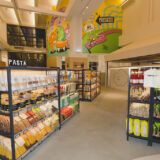
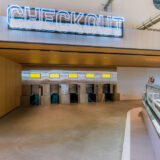
    Online grocery service Honestbee has opened a retail space which merges cashless grocery store with a restaurant and a testbed for new retail technologies.

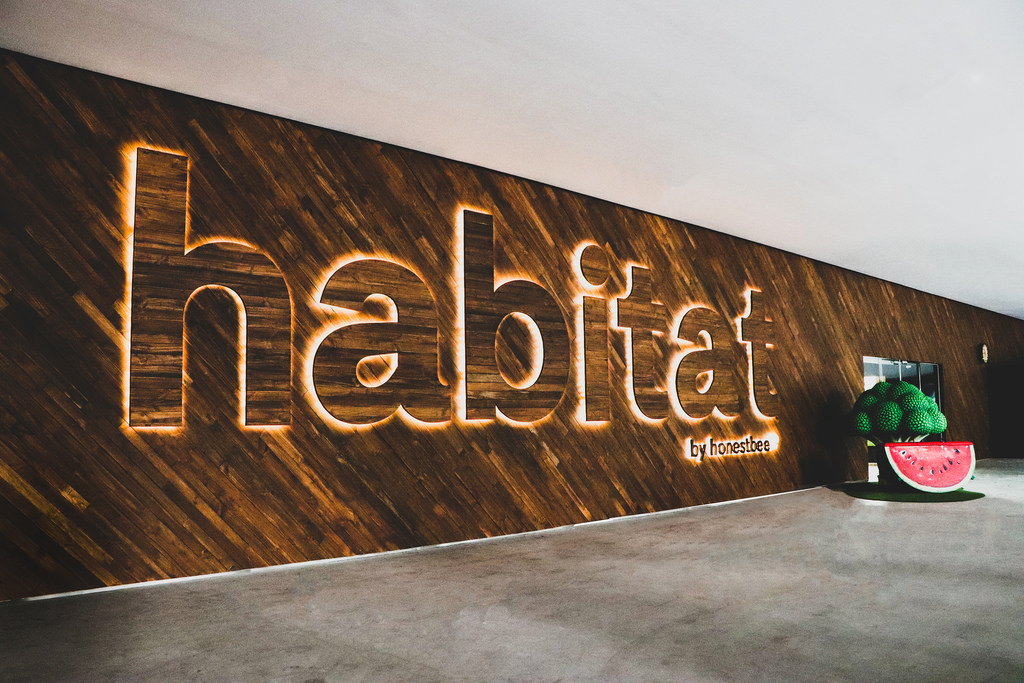
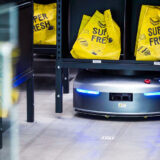
    Habitat by Honestbee in Pasir Panjang is billed as “the world’s first tech-integrated multi-sensory grocery and dining destination of its kind”. While Chinese online behemoth Alibaba may well challenge that claim, Habitat is certainly a revolution in Southeast Asia, boasting a cashless checkout experience and a fully automated robotic collection point, called RoboCollect.

    Spanning 60,000sqft, Habitat by Honestbee is a full supermarket with more than 20,000 Asian and global foods and ingredients as well as daily essentials, which can be purchased both online and offline.

    The store also features 15 unique food and beverage concepts ranging from grain bowls and grilled wagyu meats to Japanese souffle pancakes and homemade kombuchas, all available to eat on site or take away.

    More features are under development, including an invitation-only private dining space, an oyster bar, an entire section devoted to charcuterie and cheese, and a hidden bar.

    Honestbee says the new space heralds the arrival of NewGen Retail, a concept defined as “innovation in retail technology that inspires more human engagement for a multi-sensory experience” and not hugely dissimilar to Alibaba’s New Retail concept.

    For purchases of 10 items or less, shoppers can use the Scan & Go function on the Honestbee app, so they can skip the checkout line and get their items on the spot. Those with bigger shopping lists can drop off their trolleys at the convenient AutoCheckout and Habitat will take care of the scanning and packing, with bags ready for collection at the RoboCollect Stations.

    Honestbee says customer orders can be processed between checkout and collection in as little as five minutes.

    Online grocery orders are fulfilled by ‘Shopper Bees’ (Honestbee staff) using overhead conveyor belts for greater productivity before ‘Driver Bees’ pick them up for delivery.

    Purchases can be paid for securely using BeePay, Honestbee’s own digital wallet, either online or offline.

    “Habitat by Honestbee is a beautiful, physical extension of the honestbee brand we all love,” said VP and MD at Habitat by Honestbee, Pauline Png.

    “With its launch, we now provide tech-enabled convenience, value and quality through food in both the online and offline experience. It is a unique combination of a full supermarket, speciality grocer, dining and interactive lifestyle destination. In this innovative space, one can expect a multi-sensorial food experience that nourishes, educates and inspires. We designed it so that customers can get their groceries and meals efficiently but also linger and enjoy the experience.”

    View the full gallery of the newest Habitat store below (16 images) :

  • JD launches online shopping service in Indonesia

    JD launches online shopping service in Indonesia

    Chinese e-commerce giant JD has initiated a grocery delivery service at Commuter Line train stations in the Greater Jakarta area.

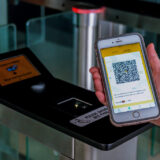
    The new online retail store, JDVirtual, allows customers to use QR codes to purchase groceries to be delivered to their homes. The store sells food, beverages, and other grocery products found in conventional retail outlets.

    The initiative serves to test a new business model while targeting the high number of Commuter Line users in Jakarta, which serves an average of 1 million people per day.

    Users of the JD.ID app can purchase products immediately by scanning JDVirtual codes. The whole transaction process is completed within the app.

    Zhang Li, JD.ID’s president director said: “The customers are our inspiration in doing business in Indonesia. We believe that with JDVirtual, a borderless shopping concept will provide a real solution for modern retail industry, while also helping to run our mandate to help bring Indonesia forward.”

  • BGF Retail outlines KRW30bn online investment

    BGF Retail outlines KRW30bn online investment

    BGF, owner of Korean c-store chain CU, has boosted its stake in online grocery business Hello Nature.

    Founded in 2012, Hello Nature offers compact packaged-grocery deliveries. It was bought by SK Planet in 2016. Its sales reached US$9 million last year.

    Investing 30 billion won (US$28 million) for a controlling 50.1 per cent stake, BGF will run Hello Nature as a joint venture.

    “The online premium grocery shopping market is a blue ocean which has been growing rapidly every year,” said BGF chief Lee Keon-jun.

    BGF aims to build Hello Nature into the leading online grocery platform within the next five years by connecting its delivery service to 13,000 CU stores across Korea.

    Hello Nature will also consider consider expanding into the offline market.

    Demand for online delivery services for fresh food in Korea has been increasing rapidly thanks to the growing number of one-person households – 5.28 million in 2016, accounting for 27.8 per cent of all household types in the country.

  • Tmall.com promotes same-day grocery delivery in China

    Tmall.com promotes same-day grocery delivery in China

    Tmall.com, China’s largest business-to-consume platform and a unit of Alibaba Group, said on Friday that it has launched a CNY1 billion (USD161 million) online grocery promotional campaign targeted at Beijing users, and teamed up with Cainiao, the logistics affiliate of Alibaba Group, to offer same-day delivery services to Beijing city residents.

    Online grocery shopping is a rapidly growing e-commerce segment and a strategic area of interest for Alibaba Group. The convenience of online grocery shopping has already drawn in millions of users. According to Kantar Worldpanel, China’s FMCG (fast moving consumer goods) e-commerce penetration rate was 36 percent in 2014, while McKinsey states that 40 percent of Chinese consumers have bought food online.

    Tmall Supermarket will run its promotion three times a day, allowing Beijing-based internet users a chance to win “red packets” that subsidize their grocery purchases. The promotion will end by the end of this month.

    Beijing residents who order from Tmall’s supermarket before 11 am will be eligible for same-day delivery service. In the future, Tmall Supermarket and Cainiao plan to roll-out same-day delivery services to Shanghai and other Chinese cities.

    Jeff Zhang, President of Alibaba Group’s China Retail Marketplaces said Tmall Supermarket will draw on Alibaba Group’s complete e-commerce ecosystem – including Alibaba’s advantage in logistics, strength in online payments, big data and cloud computing, to bring consumers the most convenient and secure online shopping experience for quality products.

    Tmall Supermarket was established in 2012 and provides a one-stop shopping solution for Chinese users looking to purchase authentic food products, cosmetics, beverages, snacks, imported items, etc. In the past year, Tmall Supermarket’s Beijing area GMV soared more than 700 percent with 90 percent of consumers shopping on their mobile phones.