Tag: onvo

  • Nio Adds ES8 Special Edition in Guangzhou as Overall Deliveries Slip

    Nio Adds ES8 Special Edition in Guangzhou as Overall Deliveries Slip

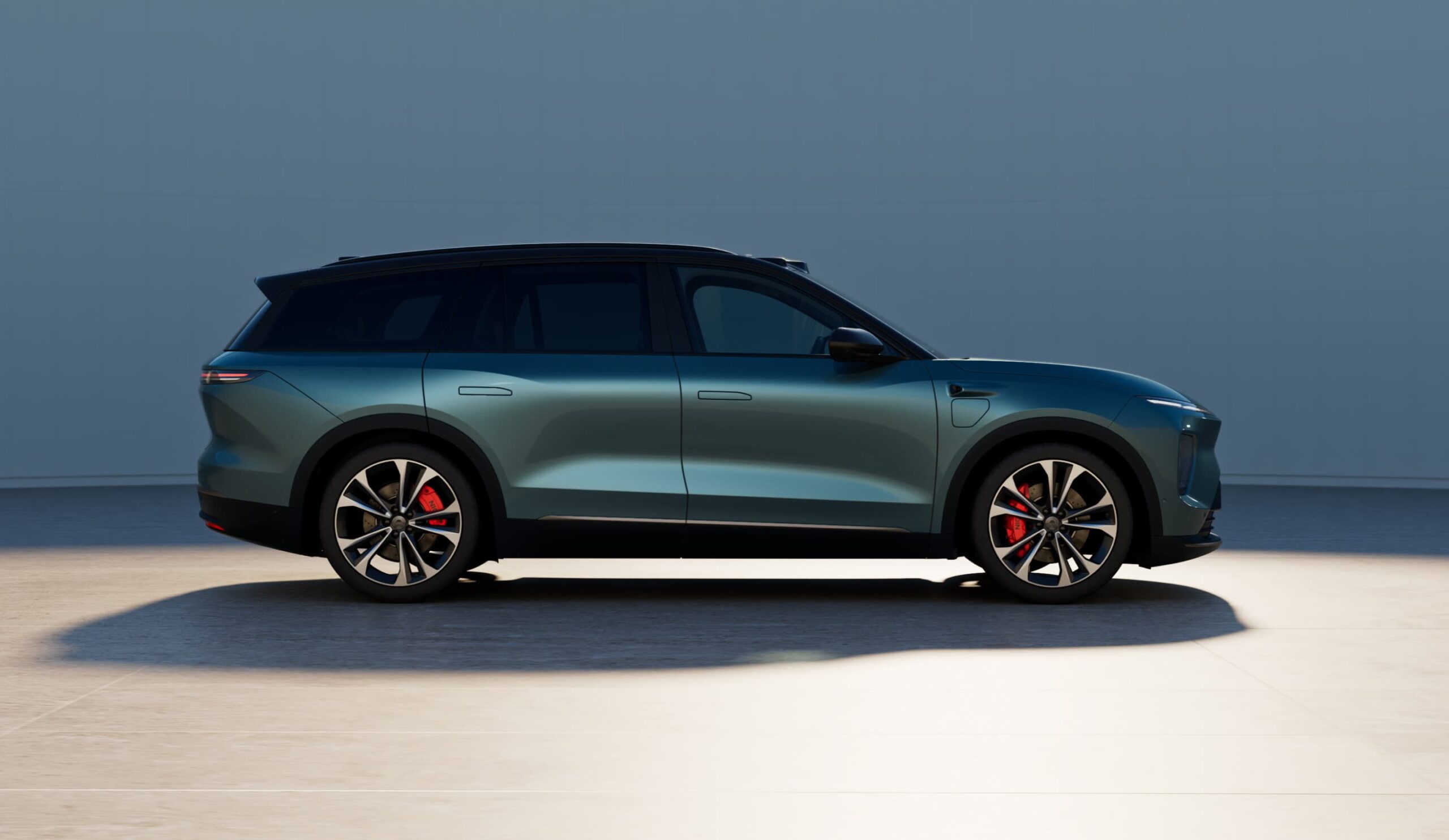
    Nio will introduce a special edition of its third-generation ES8 sport utility vehicle at the Guangzhou Auto Show on November 27, leaning on a model that drove half its brand sales in September.

    The current variant retails between 382,800 yuan ($57,010) and 446,800 yuan with a battery pack, or from 274,800 yuan under the company’s battery subscription service.

    Trade reports indicate the special edition will focus on visual tweaks and dedicated exterior colors rather than structural powertrain revisions. Technical specifications and final showroom pricing remain unannounced ahead of the exhibition opening at the Canton Fair Complex.

    Carrying the Core Brand

    The third-generation ES8 has delivered 160,000 units since customer handovers started on September 21, 2025. It took 33 days to log the final 10,000 units in that run, crossing the threshold on October 23.

    Volume peaked early in the year, hitting 17,658 units in January before settling into a steady pace through late summer. Deliveries reached 10,546 vehicles in September, accounting for 49.5 per cent of all cars sold under the main Nio badge.

    Showrooms currently stock five variants across five-, six-, and seven-seat cabin layouts. A five-seat configuration joined the lineup in July, followed by an optional package in September that bundled 22-inch forged wheels and gold-painted brake calipers.

    Delivery Run Breaks Under Pressure

    Product adjustments at the top of the catalogue arrive as group-level volume contracts across Chinese showrooms. Nio Inc delivered 34,246 vehicles across all its nameplates in October, falling 15.2 per cent from a year earlier and ending 31 straight months of annual expansion.

    Deliveries for the flagship Nio badge stood at 18,125 vehicles during the month, up 5.7 per cent year-on-year but down 15.0 per cent from September. Volume shortfalls at the mass-market Onvo division wiped out gains recorded by the primary marque and the smaller Firefly brand.

    That pressure leaves retail networks leaning heavily on top-tier metal to protect dealer cash flows and average selling prices. In September, the ES8 and the newer ES9 SUV combined to generate 85.6 per cent of all deliveries booked by the core brand.

    Defending High-Ticket Margins

    Automakers in China routinely deploy cosmetic packages late in a vehicle’s second year to defend pricing floors without rewriting list prices. Premium buyers respond to distinctive trim lines, allowing manufacturers to hold transaction values steady while rivals discount older stock.

    For Nio, the risk sits in product concentration. Squeezing incremental volume out of a single large chassis works only while wealthy urban households keep buying; it does nothing to fix showroom traffic across the broader, cheaper model lines.

    Showroom teams also face internal overlap. The ES9 delivered 7,706 units in September, carving out 36.2 per cent of brand volume and competing for the same multi-car family budgets that supported the ES8 throughout late 2025.

    A Crowded Trade in Guangzhou

    Nio claimed first place in retail sales for China’s large SUV category over the first ten months of the year, though it withheld specific October figures for the vehicle. The nameplate logged 10,705 units in November 2025 and 22,276 in December 2025, setting a high hurdle for year-end comparisons.

    Trade attention now turns to the Canton Fair Complex, where regional operators will gauge whether cosmetic trims can reverse the October slide. Guangzhou Auto Show runs through December 6, when order intake figures will show whether buyers still pay full price for the platform.
  • Nio Schedules Guangzhou Tech Day Following 15.23% Delivery Drop

    Nio Schedules Guangzhou Tech Day Following 15.23% Delivery Drop

    Nio will hold its Nio IN 2026 innovation and technology day in Guangzhou on November 25, unveiling AI-driven vehicle cockpits and assisted driving products after vehicle deliveries fell 15.23 percent in October.

    Monthly volume dropped to 34,246 units, ending 31 straight months of year-on-year expansion and raising the stakes for hardware and software shows ahead of the city’s automotive exhibition.

    The announcement from Nio Inc on Wednesday revives the standalone tech event after it skipped 2025. Founder and chief executive William Li aims to highlight the company’s shift into an AI-native organization alongside updates to smart driving systems.

    Expanding Proprietary Silicon Beyond Vehicles

    Hardware commercialization has become a central piece of the carmaker’s corporate posture. Its chip design subsidiary, GeniTech Co Ltd, was spun off in June 2025 and has pushed its proprietary semiconductors into applications beyond passenger cars.

    The unit’s premium NX9031X processor runs across the entire vehicle portfolio of both the core Nio marque and the lower-priced Onvo brand. Filings from July showed cumulative shipments of that processor exceeded 300,000 units.

    At the World AI Conference, GeniTech showed three distinct chips: the NX9031X, NX9031U, and NX9031C. Those designs cover assisted driving, embodied intelligence, and agent inference, signaling an effort to build a commercial client roster outside its own assembly plants.

    The Software Pitch Ahead of Guangzhou Auto Show

    Positioning the presentation two days before the Guangzhou Auto Show opens on November 27 gives the manufacturer a head start against domestic rivals. Auto Home reported the brand plans to unveil a special edition of its third-generation ES8 sport utility vehicle during the trade exhibition.

    Consumer tech integration remains the primary battleground for Chinese EV manufacturers fighting brutal discounting across domestic showrooms. Software functions such as natural language voice controls and vision-based highway navigation often sway showroom buyers faster than marginal battery capacity gains.

    For automotive investors, the risk lies in heavy capital spending that outpaces consumer monetization. Developing bespoke silicon and large foundation models requires continuous cash outlays that squeeze operating margins when monthly sales hit turbulence.

    Corporate Structure Realigned for Artificial Intelligence

    The corporate push gained formal structure in January when William Li, founder, chairman, and chief executive of Nio, formed an internal AGI committee. That body oversees software adoption across research, assembly lines, supply chains, and driver-assistance platforms.

    Talent acquisition followed in May with the rollout of the Nio AGI Superstar Program. The global recruitment drive targeted university researchers specializing in physical-world foundation models, end-to-end driving models, the SkyOS vehicle operating system, and the NOMI in-vehicle voice assistant.

    Speaking at an earnings media briefing in September, Li stated that Nio is essentially not just an automaker, but also an AI and energy company. He argued that public markets have yet to fully value its technology stack, computing assets, and battery-swapping infrastructure.

    A Line of Development Dating to Shanghai

    The previous edition of the developer day ran in Shanghai on July 27, 2024. That event yielded the tape-out of the five-nanometer Shenji NX9031 autonomous driving processor, the debut of SkyOS, the second-generation Nio Phone, and the Nio World Model for vehicle guidance.

    Year-to-date delivery figures maintain positive momentum despite the sudden October contraction. The automaker delivered 334,547 cars during the first ten months of the year, an increase of 38.46 percent compared with the same period a year earlier.

    Guangzhou Auto Show opens its media preview on November 27.

  • Nio Delivers 3,000 ES9 Flagship SUVs in Shanghai as Overall Group Volume Drops

    Nio Delivers 3,000 ES9 Flagship SUVs in Shanghai as Overall Group Volume Drops

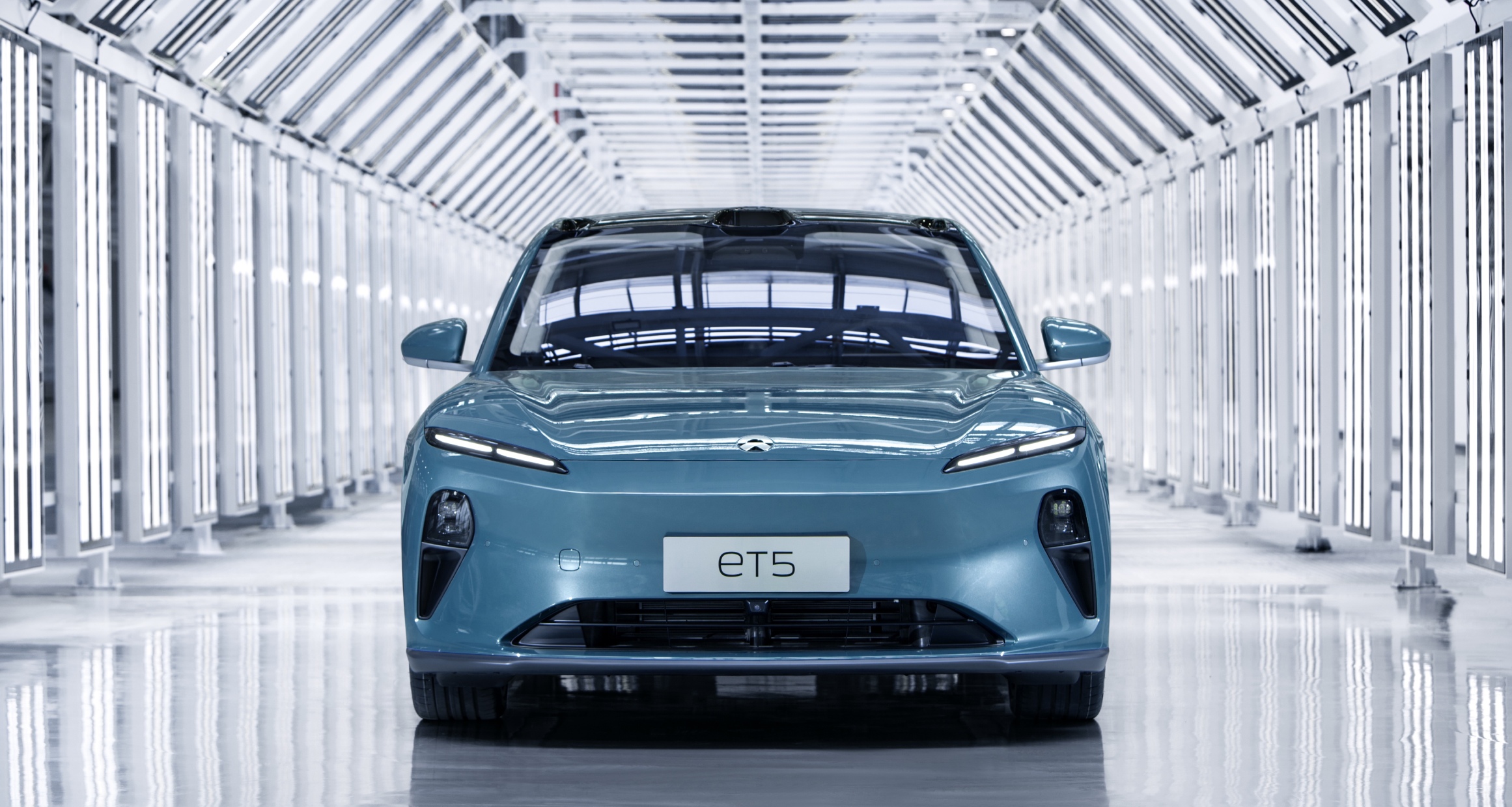
    Nio handed over its 3,000th flagship ES9 sport utility vehicle in Shanghai on November 2, completing five full operating months on the market in its global headquarters city.

    The electric vehicle retails from 498,000 yuan with battery pack included. Handover of the threshold unit took place at the Shanghai leg of the Nio Cup National Golf Invitational to a buyer replacing an internal combustion engine luxury model. Nio stated that the ES9 has led automotive sales for vehicles priced above 500,000 yuan in Shanghai across four consecutive months.

    Premium Traction in the Home Base

    Deliveries for the ES9 began on May 28, exactly one day following its official launch on May 27. The large sport utility vehicle took until July 5 to log its first 1,000 handovers in Shanghai, making the commercial hub the first Chinese municipality to reach that volume. Shanghai functions as a core sales engine for the company. During the first half of the year, Nio logged retail sales of 20,736 vehicles in Shanghai, representing 10.88 per cent of its nationwide retail volume over that six-month span, based on figures from Shanghai Jiading district government channels.

    National production and delivery rates for the model climbed steadily through the late summer. The ES9 posted 7,706 customer deliveries nationwide in September, an increase of 18.94 per cent from August. September represented the vehicle’s second-strongest monthly delivery tally since rolling off the assembly line, bringing total national ES9 deliveries to 32,203 units by the close of the third quarter.

    Large Formats Carry Main Brand Weight

    Top-tier models now account for the vast majority of showroom throughput at the core marque. In September, the ES9 and the smaller ES8 together generated 85.62 per cent of all deliveries under the primary Nio badge. High-ticket sport utility platforms continue to shield the brand from intense price erosion visible in lower consumer tiers, giving dealerships dependable transaction revenue per stall.

    Retail networks face an uneven showroom floor across company sub-brands. While the primary luxury marque logged 18,125 deliveries in October, up 5.73 per cent year on year, gains across that line and the budget-focused Firefly brand failed to counterbalance sharp slippage at mass-market unit Onvo. Relying almost exclusively on 500,000-yuan premium buyers restricts total addressable volume, leaving operational overhead exposed when mass-tier nameplates falter against domestic rivals.

    Widening Split Across Portfolio Divisions

    Corporate deliveries dropped 15.23 per cent year on year in October to 34,246 units across all operations. That monthly contraction snapped a continuous 31-month expansion streak for Nio Inc, dating back to February 2024. Factory allocations and component orders must now adjust to diverging showroom demand between premium sport utilities and entry brands.

    The older third-generation ES8 achieved 160,000 cumulative deliveries on October 23, adding its final 10,000 units over a span of 33 days. That long-term performance demonstrates steady customer retention in large-format battery-electric models. Preserving momentum at that price tier requires constant equipment iterations to deflect pressure from competing domestic executive limousines and family haulers.

    Guangzhou Debut to Test Marque Depth

    Portfolio development turns next to southern trade circuits before year-end financial accounting closes. Nio plans to introduce a special edition of the ES8 at the Guangzhou Auto Show in late November, testing whether upgraded equipment trims can defend high-margin utility sales against newer luxury entries.

  • Nio Onvo Hits 200,000 Deliveries as Monthly Volume Slows

    Nio Onvo Hits 200,000 Deliveries as Monthly Volume Slows

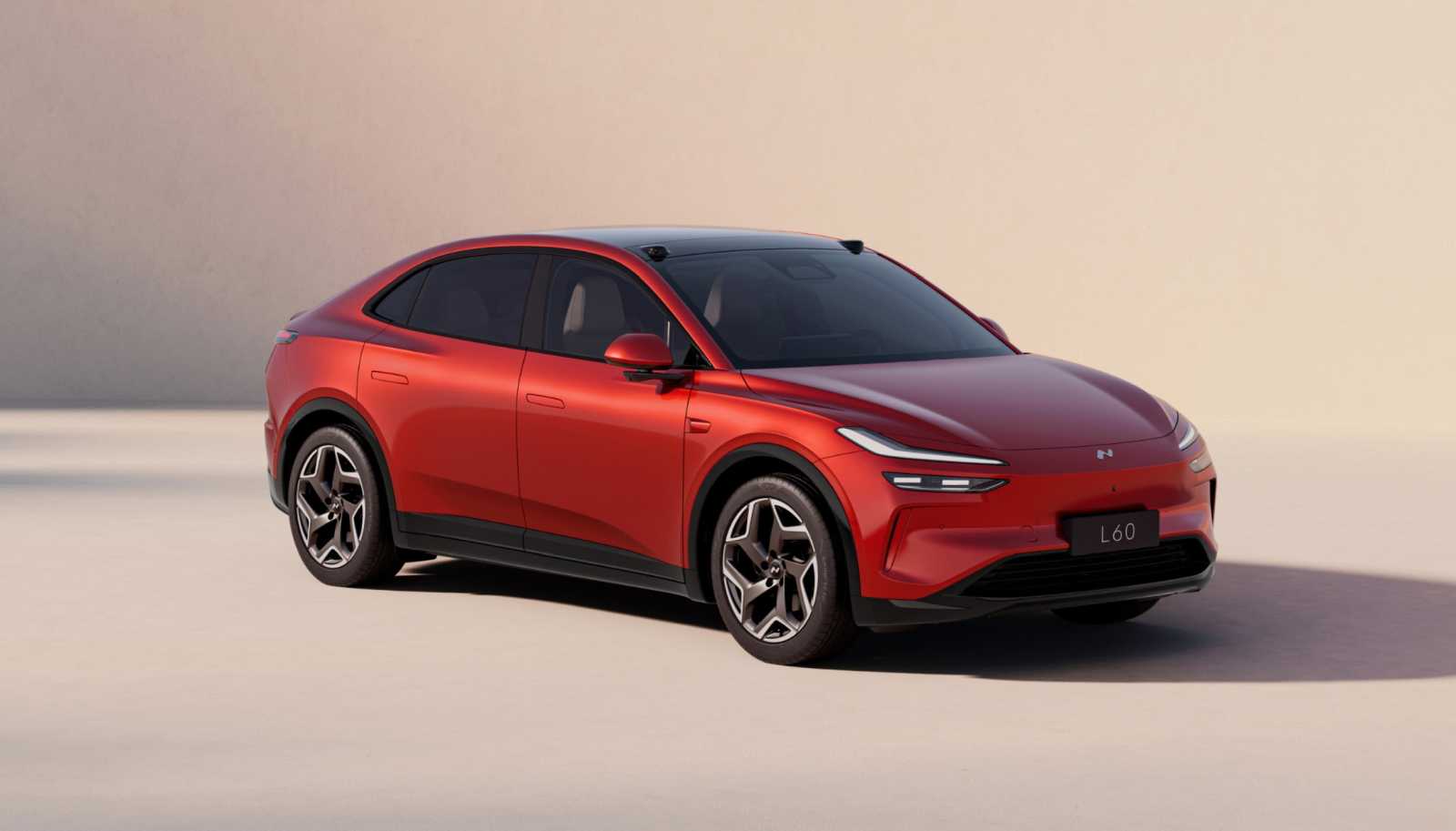
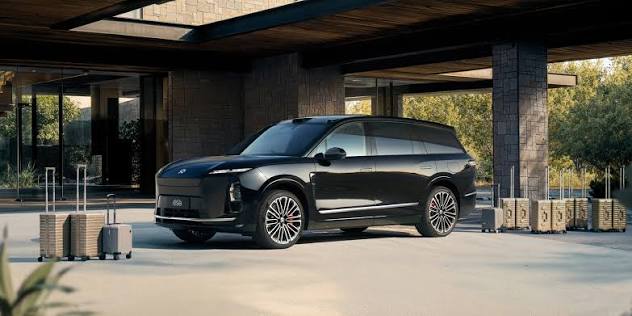
    Nio subsidiary Onvo delivered its 200,000th electric vehicle in Beijing on October 8, handing an L90 SUV to television host Geng Chenchen. The milestone arrived roughly two years after the mass-market brand began customer handovers of its debut model, the L60 SUV, in September 2024.

    Volume reached 198,760 cumulative units by the close of September, with roughly 1,240 handovers completed during the first week of October. That early October tally came during China’s Golden Week holiday, an annual break that routinely halts factory output and showroom traffic across the country.

    Slowing momentum across the third quarter

    The delivery threshold masks an ongoing slowdown across the brand’s retail network. Onvo delivered 8,763 vehicles in September, representing a 42.52 per cent slide from the same month last year and a 0.53 per cent drop from August. September was the brand’s fourth straight monthly decline and its second consecutive year-on-year contraction.

    Quarterly performance reflected the same cooling demand. Third-quarter deliveries fell 26.36 per cent year-on-year to 27,728 vehicles. Across the first nine months of the year, Onvo handed over 70,191 vehicles, a slight increase of 0.97 per cent compared with the same period in 2025.

    Product rollouts and design packages

    Management concentrated its product refreshes in the second quarter to defend showroom volumes. A revised L90 launched in April, followed by the new five-seat L80 SUV in May and an updated L60 in June. The L80 shares platform architecture and body dimensions with the three-row L90, giving the brand two distinct seating layouts on a single manufacturing footprint.

    Fresh styling options followed in September, including the Starlight design package for the L80 and the Starry Gold package for the L90. Upper-trim variants across the range carry Nio’s proprietary Shenji NX9031 driver-assistance chip, LiDAR sensors, and the Nio World Model driver-assistance software suite.

    Shared charging and battery swap infrastructure

    Shared charging and battery-swap operations remain central to Onvo’s pitch to family buyers. Every model in the lineup integrates directly into Nio’s nationwide power network, allowing owners to swap depleted battery packs at existing stations rather than relying solely on wired plugs.

    Physical retail support has expanded in parallel with the vehicle lineup. Onvo now operates 374 dedicated service centers across 213 Chinese cities to handle maintenance and customer repairs.

    The volume test heading into year end

    Meeting annual targets requires reversing the summer contraction during the fourth quarter, historically the strongest retail window for Chinese carmakers. Onvo delivered 107,808 vehicles during 2025, its first full year of operations, leaving the brand needing more than 37,000 deliveries in the final three months of 2026 to exceed last year’s total.

    Showroom conversion rates over October and November will determine whether the recent design packages and hardware upgrades can stabilize monthly orders above the 10,000-unit mark.

  • Nio Delivers 37,408 Vehicles in September to Meet Third-Quarter Guidance

    Nio Delivers 37,408 Vehicles in September to Meet Third-Quarter Guidance

    Nio delivered 37,408 electric vehicles in September, up 7.65 per cent from a year earlier. The result met its target for the third quarter.

    The Shanghai-headquartered carmaker finished the three months ended September 30 with 109,178 deliveries. That was a 25.39 per cent rise year on year. The total landed inside management’s projected band of 108,000 to 111,000 units.

    Quarterly volume beat the bottom of the guidance range by 1,178 cars and trailed the top end by 1,822. Deliveries climbed 1.41 per cent from the second quarter. In that previous period, the company handed over 107,658 vehicles and missed its own targets. Total volume across the group reached 300,301 units for the first nine months of the year, bringing cumulative shipments to 1,297,893 vehicles.

    Firefly Sets Monthly Record as Onvo Slides

    Performance split sharply across the company’s three marques. Firefly delivered 7,327 small electric cars in September. That was up 26.87 per cent year on year and 25.21 per cent month on month. It beat its previous monthly high of 7,084 units set in December 2025. Firefly added 1,475 deliveries compared with August, providing 93.83 per cent of the group’s monthly volume expansion.

    The mass-market Onvo brand moved the other way. It delivered 8,763 vehicles in September, sliding 42.52 per cent from a year earlier and dropping 0.53 per cent from August. The brand has now recorded two consecutive months of annual declines, hit by price competition in China’s mainstream family EV segment.

    Premium SUVs Anchor the Main Brand

    Deliveries for the core Nio premium badge reached 21,318 vehicles in September. That was a 55.29 per cent rise from a year earlier and a 0.68 per cent uptick from August. For the full third quarter, the main brand delivered 62,500 units, expanding 69.25 per cent year on year.

    Sport utility vehicles generated the bulk of those numbers. The third-generation ES8 crossed 150,000 cumulative deliveries on September 20, one year after its commercial release. Meanwhile, the flagship ES9 SUV reached 30,000 cumulative deliveries on September 23. It hit that mark 119 days after its May 28 launch. In August, the ES8 and ES9 together accounted for 17,480 units, representing 82.55 per cent of the core brand’s monthly sales.

    Diverging Brand Trajectories Reshape Sales Mix

    Running a three-brand strategy gives Nio coverage across price points. However, it also creates operational imbalances across assembly lines and dealer networks. Firefly provides entry-level volume. The premium Nio lineup secures higher revenue per vehicle. Onvo, designed to capture middle-income buyers, faces immediate pressure from domestic rivals cutting prices on mid-sized crossovers.

    RetailNews Asia views the core SUV lineup as the anchor for company gross margins while Onvo recalibrates. Maintaining showroom traffic across three brand banners requires heavy capital allocation for retail space and marketing. If Onvo fails to arrest its sales drop, lower dealership returns and factory utilisation will drag on profitability.

    Infrastructure Backing and Next Delivery Targets

    Nio entered the final quarter after adjusting its energy infrastructure business. On September 28, Geely agreed to take a 30 per cent stake in Nio Power. Geely is injecting 640 million yuan in cash alongside equity in battery swap operator Yiyi Power, standardising swap networks across commercial fleets and consumer vehicles.

    Attention now turns to the fourth-quarter production schedule. The group delivered 124,807 vehicles in the final three months of 2025. That sets a high seasonal bar. Meeting it requires Onvo to stabilise while Firefly and the premium SUV line maintain their delivery pace.