Apple Singapore is set to open its second store – at Jewel Changi on July 13.
No other information, including the size of the store, was released. However, the company revealed that visitors can expect some brand new programming developed exclusively for the Jewel store, including a Magic of Jewel Changi Airport Photo Walk.
This pathway will be around 500 meters and will allow attendees to explore Jewel’s attractions, such as its modern architecture, indoor gardens and its 40m waterfall.
Attendees will learn how to take photos or videos of these attractions using an iPhone or iPad.
A third Apple Singapore store will open at Marina Bay Sands, most likely late this year.
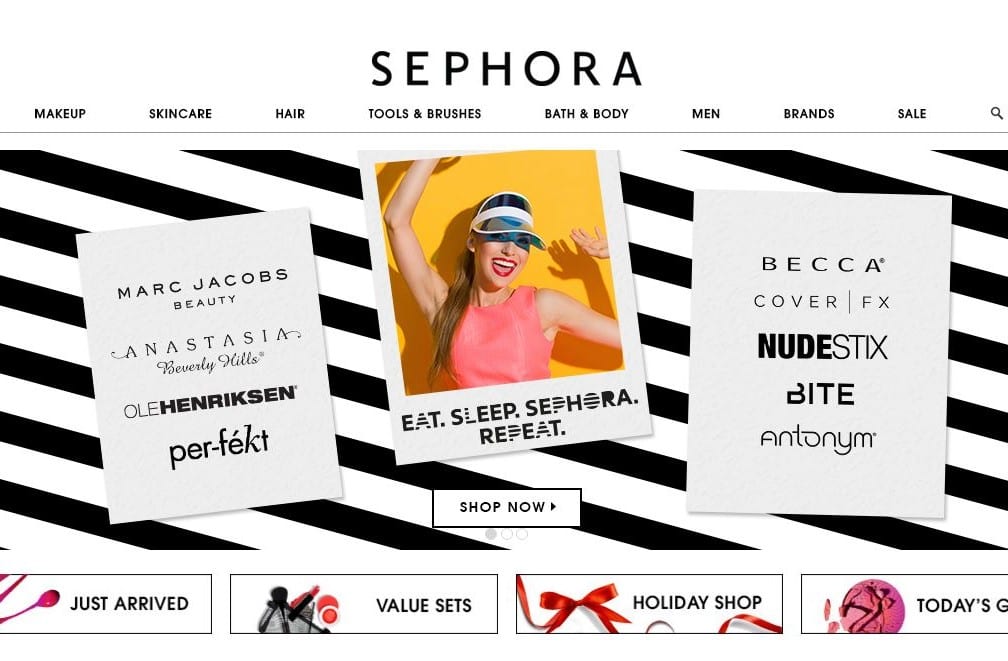
Sephora Hong Kong has confirmed not one, but eight stores in its return to brick-and-mortar retailing in the territory – but shoppers will have to wait until August for the first outlet to open.
As previously reported, the LVMH-owned chain will open a 4200sqft store in IFC Mall after a 10-year absence from the city.
In an announcement confirming its plans, Sephora Hong Kong says it will open a second store at Windsor House in Causeway Bay in the fourth quarter of this year and expand its online offer. Six more stores will follow over a three-year timeframe, their locations as yet not revealed.
In a statement, Benjamin Vuchot, president of Sephora Asia, said the company currently operates in 12 countries and during the next three years sees its retail presence expanding by almost 50 per cent across Asia.
“Hong Kong, being strategically located in the Greater Bay Area, allows us to meet the growing demands from Hong Kong consumers, as well as tourists from Mainland China and Southeast Asia,” he said.
“We believe that Hong Kong will be a key market … giving Sephora the opportunity to amplify global beauty trends locally, elevate the in-store retail experience and to bring in digital touch points within the brick-and-mortar format to create a virtuous customer centric cycle.”
Sephora said the retail landscape in Hong Kong has changed significantly over the 10 years since Sephora last had a store there.
“Conventional retail with a physical presence has proven higher chances of winning in a market with strong digital development. Moreover, the re-launch of Sephora brings to Hong Kong’s department store-focused retail landscape a much-needed prestige retail chain for an authentic omni-channel experience,” the statement said.
Sephora Hong Kong plans to make beauty “more personalised, fun and interactive” upon its return, allowing customers “the freedom to experience products that work for them, learn tips and tricks, as well as to have access to unbiased beauty services from beauty advisors”.
The company plans more than 40 brands of cosmetics exclusive to Sephora stores in the city, along with its own in-house label Sephora Collection. It has promised to include local Hong Kong brands in its offer as well, over time.
Digital innovation will play an integral role in Sephora’s traditional retail experience, with vending machines to be located in stores to support the Beauty Pass loyalty program, an app powered by member insights to drive seamless customer service, a digital skincare consultation for immediate and accurate recommendations, and the opportunity to go online to book in-store makeovers.
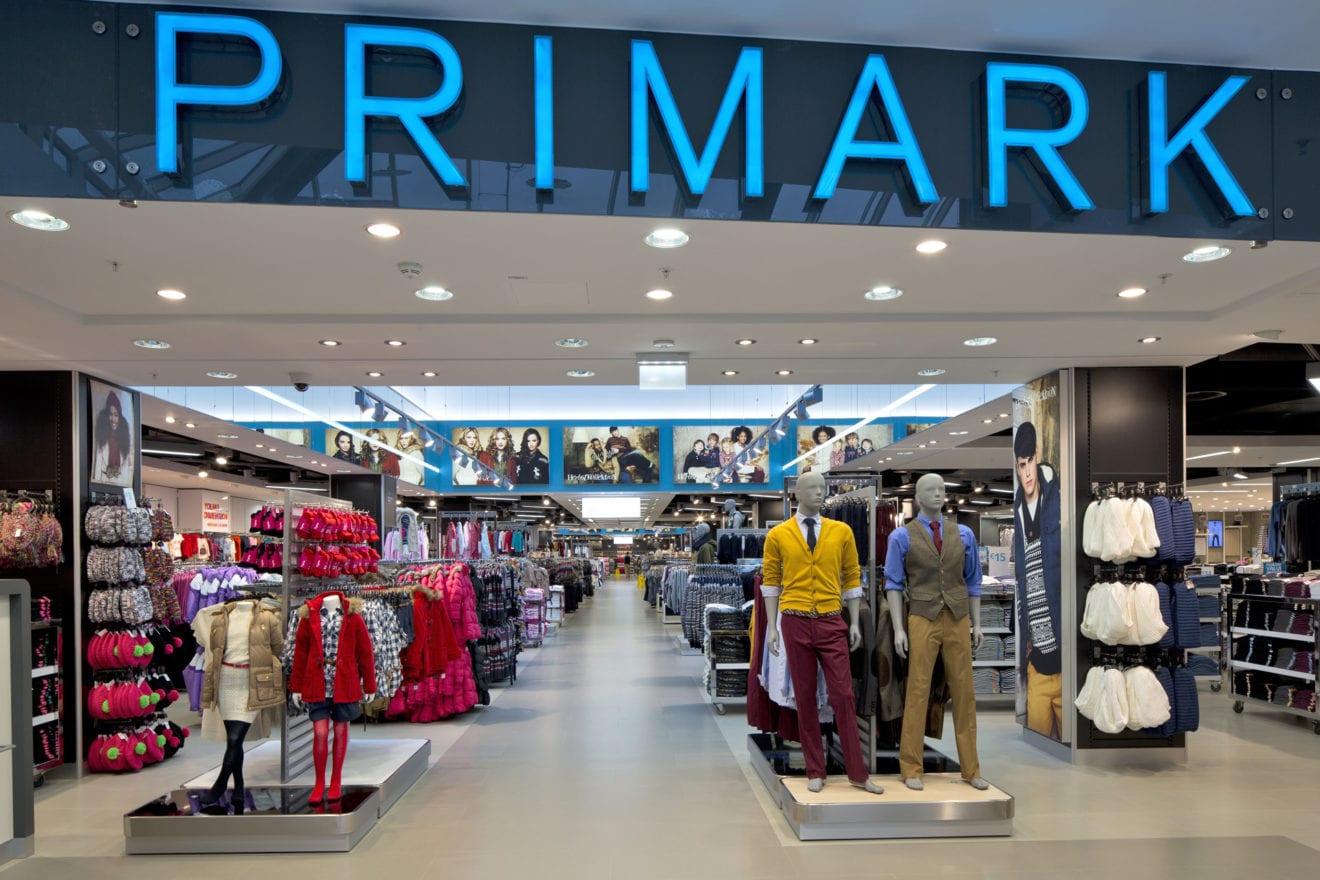
Primark has launched the world’s largest fashion store in Birmingham, the UK. The 160,100sqft store is built over five stories and has been officially recognised by Guinness as the largest fashion store in the world. It has effectively taken over the former Pavilion shopping centre in the city’s downtown heart.
The entire building is given over to Primark’s ranges and includes several in-store shops, a custom lab for personalised goods, and three dining options including a Disney-themed cafe and the first own-brand Primark cafe.
Primark’s store design director Sanjay Dihman toldthat the combination of food-and-beverage offers will attract footfall, along with the new store design and the sheer scale of the store.
“People will be intrigued by that, and also personalisation, barbers and the beauty studio make it whole collection of different offers that will attract footfall.”
The store, believed to have cost £70 million to construct, also contains a Duck and Dry salon, a Duck and File Xpress nail boutique, and Joe Mills barber shop.
The Irish retailer launched in 1969, entering the US market in 2015 where it plans to expand beyond its current nine outlets.
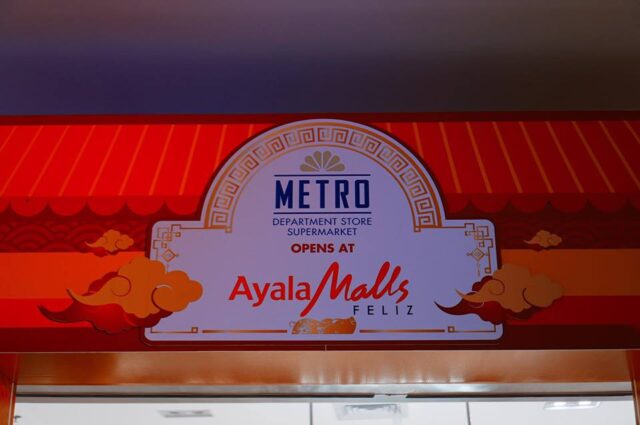
The 53rd Metro Department Store has opened its doors at the Ayala Malls Feliz in Pasig City. Covering a floor area of 21,200sqm, the store includes a 6600sqm supermarket. “Customers can look forward to an enjoyable and convenient shopping experience as we consistently strive to deliver world-class customer service as well as a wide assortment of premium quality merchandise at affordable prices,” said Frank S Gaisano, Metro Stores Retail Group chairman and CEO.
The firm aims to open five more stores this year. An investment of P10 billion (US$191.9 million) has been allocated to store expansion over five years.
Metro Stores Retail Group has shops in Metro Manila, Central Luzon and South Luzon, as well as in Central, Western, and Eastern Visayas through department store, supermarket, and hypermarket formats.
For the first nine months of 2018, the group’s net income fell by 17 per cent to P454.93 million (US$8.7 million).
This February, foodies in Hong Kong will salivate over scrumptious treats and desserts at eat darling eat, the new Causeway bay eatery that is bringing a playful twist on iconic Chinese desserts to spread love and evoke warm childhood memories.
The 1,300 ft design-centric space is bold, surreal and out of the ordinary, sharing an array of lip-smacking treats with an eclectic twist. Situated in Fashion Walk, eat darling eat is the latest addition under Ming Fat House. The dessert spot is further enhanced by the interior design, with large playful stickers on the walls, and creative food photographs that make visitors do a double take. At eat darling eat, all delicious culinary creations are all about stimulating the senses, each of them made with utmost care and loving attention.
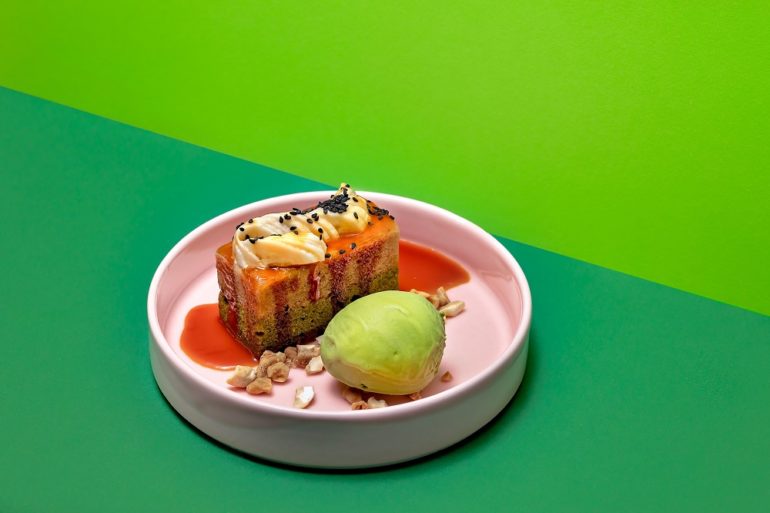
eat darling eat’s extensive menu features iconic Hong Kong desserts such as the homemade fluffy Pineapple Buns (HK$38) that are quintessential to the city, filled with pineapple custard. Chinese “tong sui” desserts get a modern reinterpretation with such intriguing combinations such as double-boiled Papaya (HK$68) with snow fungus, candied papaya and mascarpone cheese. Sweet Potato (HK$68), a sweet potato soup playfully pairs with a luscious chocolate cake and taro ice cream; and Red Bean (HK$68), mixed with tangerine peel soup with a scoop of matcha ice cream.
Other signature creations are home-made icy treats that have a modern flavour. Set to become a favourite is the Double-strength Milk (HK$48), that features two scoops of the milk flavoured ice cream that are infused with Chinese rice wine. Sichuan Pepper (HK$48), with scoops of the ice cream that bring out the spicy taste of Sichuan peppercorns and complemented with the sweetness from candied bacon.
The icy treat that is sure to be popular amongst the fans is the Chinese Ginger Vinegar (HK$48), creatively topped with crispy pork skin. Inspired by a traditional Cantonese dish that is typically shared by new mothers to celebrate the arrival of a newborn baby, this trail blazing creation promises a spoonful to remember.
Other delectable desserts include the Lava Cake (HK$78), featuring a decadent Valrhona dark chocolate filled cake with the earthy taste of walnut soup, and Matcha Cake (HK$58), a sweet caramel sponge cake topped with caramelised banana, and finished with scoops of matcha ice cream.
“At eat darling eat, we strive to bring the element of traditional Hong Kong desserts that not only touch the heart, but also add a modern twist that will create new memories for our customers,” explained Jonathan Bui, owner of eat darling eat.
The creative talent behind these quirky and tasty desserts is Executive Chef Jason Luk who tucked international experiences under his sleeve having worked in Bangkok, Shanghai and Miami. In Hong Kong he has honed his skilled at The Drawing Room and Zuma Hong Kong and brings a limitless array of culinary ideas at eat darling eat.
“While living abroad, I learned a lot about desserts in other places, but at the same time I missed eating food from home. Since coming back to Hong Kong, I want to share the recipes from my experiences and present them to foodies in Causeway Way, which is the perfect place to showcase new and exciting trends and styles,” says Jason.
eat darling eat offers guests a respite from busy Causeway Bay with its whimsical interiors that mirror the eclectic menu. The design draws inspiration from the experimental Post-modern era, incorporating designs, shapes and colours that challenge convention.
The interior highlights split-level architecture, where the lower level entrance area is an open concept, while the upper space is framed as a theatre featuring fluorescent colours and reflective surfaces. The overall design is bold, surreal and out of the ordinary, emphasizing the creativity of the desserts.
While eat darling eat offers mainly fun and playful desserts, it also offers savoury dishes for lunch and dinner that can be chosen from the a la carte menu and signature lunch menu alongside an extensive coffee, tea and cocktail menu. eat darling eat invites diners to take a break, slow down, and savour the moment in the midst of the hustle and bustle of Causeway Bay.
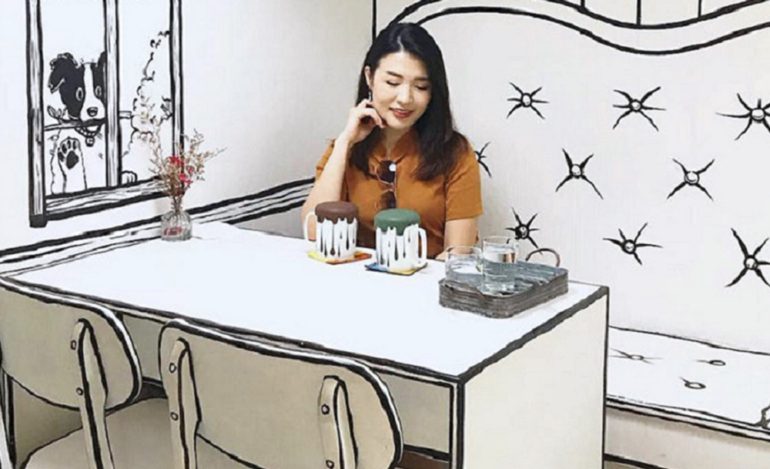
The interior of Cafe Yeonnam-dong 239-20 in Seoul, South Korea makes customers feel as though they’ have stepped into a cartoon world. Most cafe owners know it takes more than just great coffee to create a successful business. From an Instagram-worthy Wes Anderson-esque cafe in the Philippines to a coffee shop shaped like a Rolleiflex camera in South Korea, a space’s design is key to drawing in customers.
One cafe to have recently received hype for its novelty interior is Cafe Yeonnam-dong 239-20 in Seoul. The eatery created an incredible space that makes customers feel as though they’ve stepped into a cartoon world.
The artistic, monochrome design was inspired by Korea’s hit TV show, W by Lee Jong-suk and Han Hyo-joo, in which the characters clash between “two worlds”—the real world and a fantasy world inside a webtoon.
The design of Cafe Yeonnam-dong 239-20 creates a 2D optical illusion, which makes customers feel as though they’ve crossed dimensions into a comic book illustration.
When visitors step through the door, they’re greeted with black and white comic strip furniture, walls, and floors. Even the mugs, dishes, and cutlery look like flat line drawings.
It helps that the owners have created a welcoming environment.
If you want to experience this cafe for yourself, you can find it in the popular Yeonman-dong district in Seoul. If you can’t make it to South Korea, you can still feed your wanderlust by checking out the cafe’s Instagram.
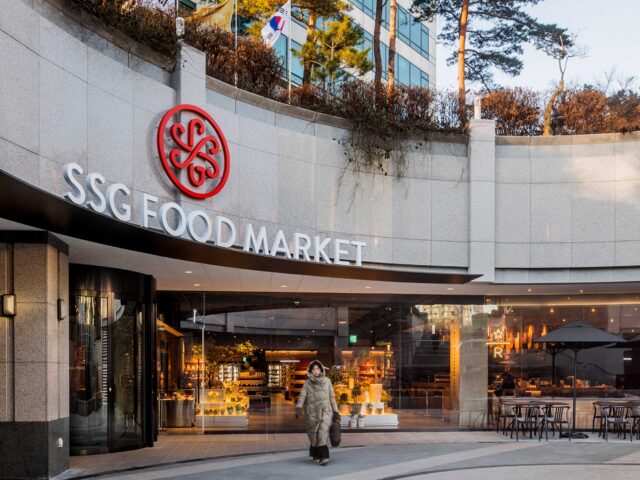
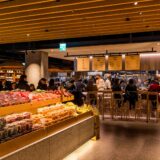
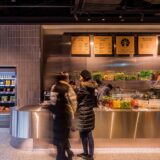
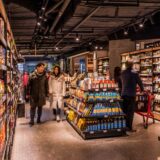
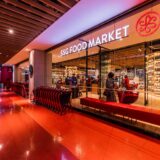
Nestled in the upmarket suburb of Dogok, Seoul, sits the newly opened reinvention of Emart’s “Star Super”: “the SSG Food Market”, designed by Landini Associates. Emart is the leading business of the Shinsegae group, the largest retailer in South Korea, operating multiple brands including department stores, discount to premium supermarkets, and the mighty Emart hypermarkets.
The brief was to create a world class premium supermarket and food hall fusion, and Landini Associates were entrusted to redesign every detail of the new store experience. This included: the built environment, naming and identity, furniture and fixtures, signage and communications, ticketing, menus, POS, advertising style guides, packaging and uniforms. In fact every customer touchpoint.
The result is a modern market, a convenient and accessible food lover’s heaven, where locals can do a daily or weekly shop, or dine in with friends at one of the many in-store restaurants and cafes. Attracting a newer younger audience, whilst rewarding its existing, the SSG Food Market is a community epicentre to meet, eat and shop in, throughout the day.
The offer
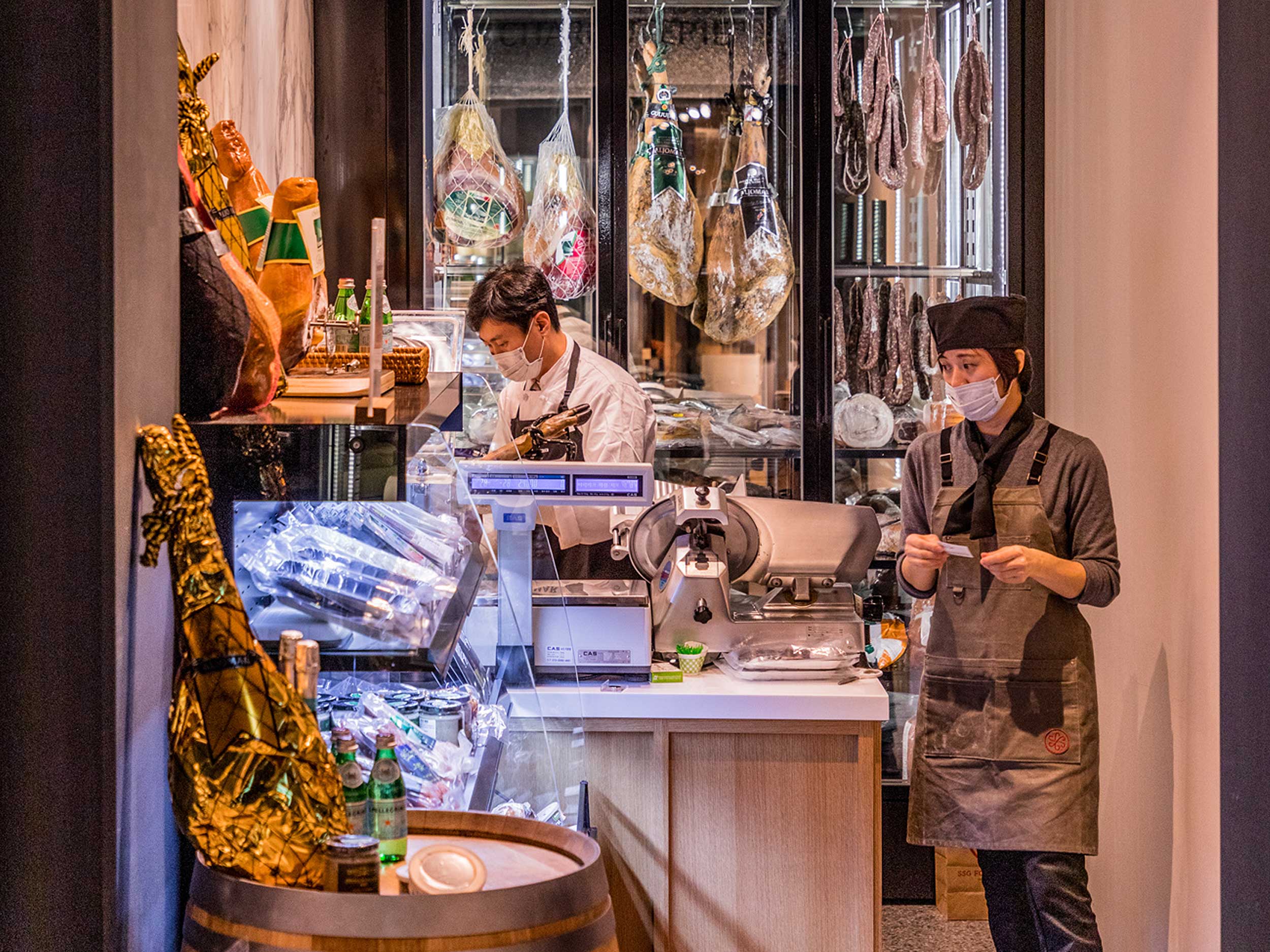
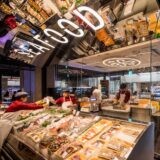
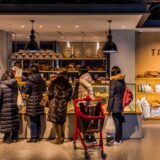
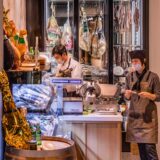
The reinvention enriched and upscaled the existing food and beverage offer to include an extensive fresh department, vegie butcher serving house-made salads and juices, take home meals, Korean deli, bakery (run by hip San Francisco brand Tartine), fishmonger, butcher, Korean traditional street food, café, 200 seater restaurant, sushi restaurant, specialist cheesemaker, western charcuterie, wine and beer department, coffee roastery, dry goods, florist and homewares.
The result is a curated selection of quality products, and a onestop-shop supermarket and refined specialist items. In addition the market is a wonderful meeting place to dine with friends and family, further enriching the retail and community experience.
SSG Food Market Landini Associates Trevor Mein Fruit and Vegetables 45
The offer is made up of both SSG run departments, franchises (such as Starbucks, a premium brand in Korea), and third-party retailers. Ensuring that these were all presented as a tangible whole required the design team to be sensitive to multiple design briefs, whilst ensuring that the customer had a seamless experience.
Additionally, the site has a low ceiling which created some challenges for the reticulation of services, and multiple entrances, including a pre-trading public access to a subway station through the heart of the store; a gift to residents from Shinsegae.
Landini’s solution creates a space of intrigue, transparency and exploration by celebrating the food, the people who make it, and its preparation.
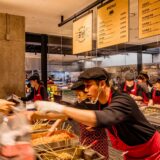
Specialist departments are visible across the restaurant’s open kitchen and include: Korean Traditional Street Food, Korean/ Chinese Noodles and a grill. All the production is exposed, and chefs work in glazed pavilions serviced by counters showcasing this theatre whilst you order. There are also take home meals in the Korean deli prepared daily in its kitchen, or fresh fish and meat cooked to order at the Grill, to take home, or eat in.
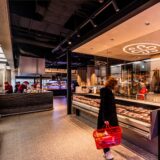
As always, and especially because the market is in a basement, the lighting plays a key role in Landini’s design. Chiaroscuro, the contrast between light and shade, creates areas of interest and calm, gently guiding customers on a journey of discovery throughout the store. Perimeter departments use pavement lights to create space, and give sense of the world above.
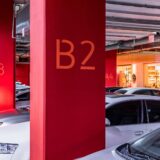
In the main market hall the interior is paired back, functional yet classic. This “bare bones beauty” of exposed steel beams and concrete bulkheads contrasts with fine marbles, glass and blackened steel, and is balanced by timber fixtures and details. This subtle, considered and classic material palette allows the food to be the hero, and merchandising plays a major role. Long-life departments such as wine and dry-goods have a warmer, more earthy and textural palette, utilising brick and added timber. In the carpark, red floors and walls add vibrancy to the market experience before customers even get out of their car.
The basement site is located below two high-end residential apartment buildings. Visitors can enter from the sunken courtyard on street level, or via the red carpark inside. SSG has created a residents pre opening pedestrian route through the store, a shortcut to the train station to save locals from the blistering cold in winter. Landini designed a set of messaging icons for this route, also.
The graphics
Landini Associates established a tone of voice for the brand to reflect their new food experience. This influenced all store communications including: naming and identity, signage and communications, ticketing, menus, advertising style guides, packaging and uniforms.
The entire site required an ownable, easy to understand signage and graphic messaging system to reflect the brand’s new established tone of voice. The Landini design team evolved the existing SSG logo mark, developing an adaptation on communications applications to collateral and signage.
The design is simple, contemporary yet classic; impacting not overwhelming. The palette is one of debossed concrete, timber, black and whites, and complimentary hits of the brand’s colour, red.
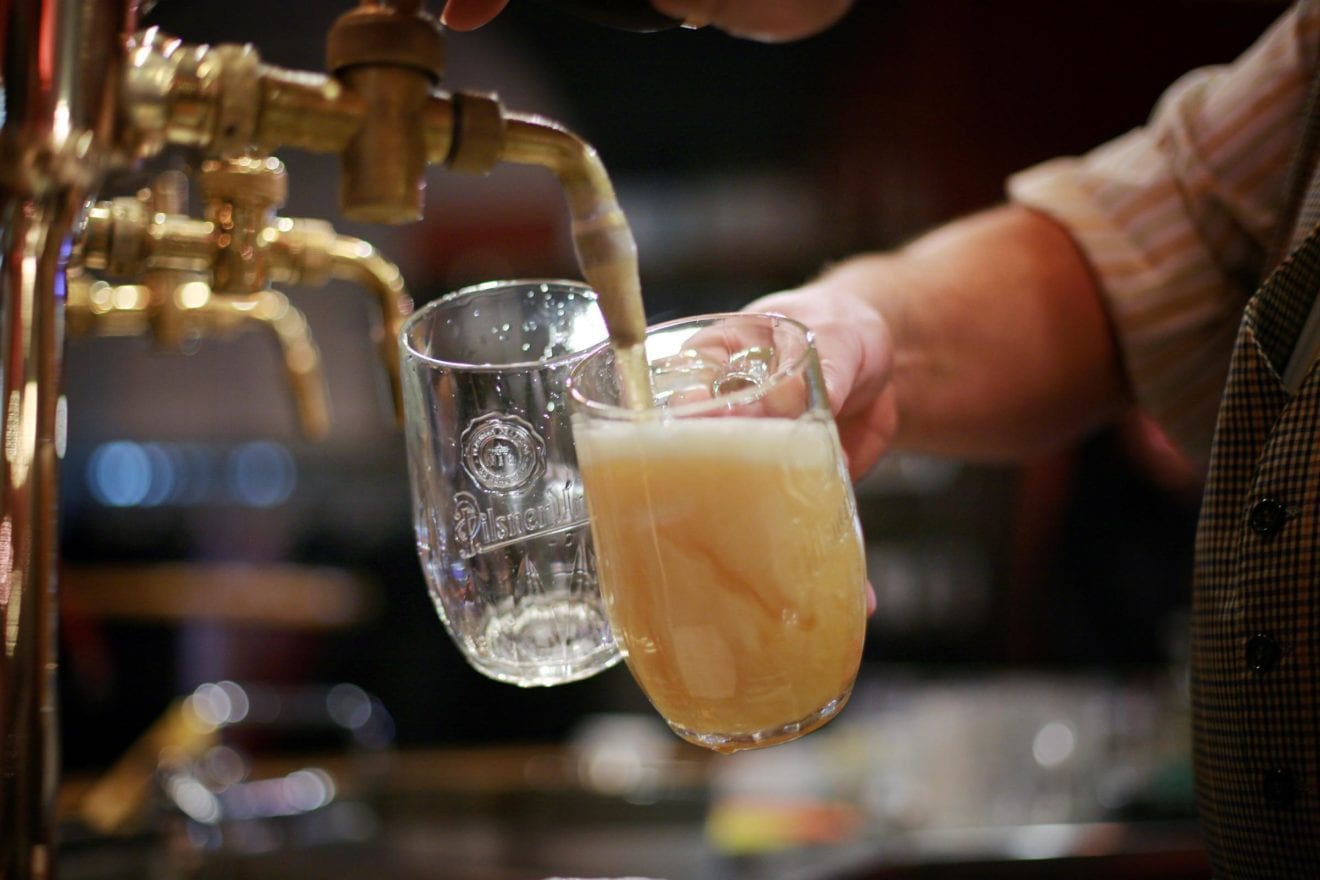
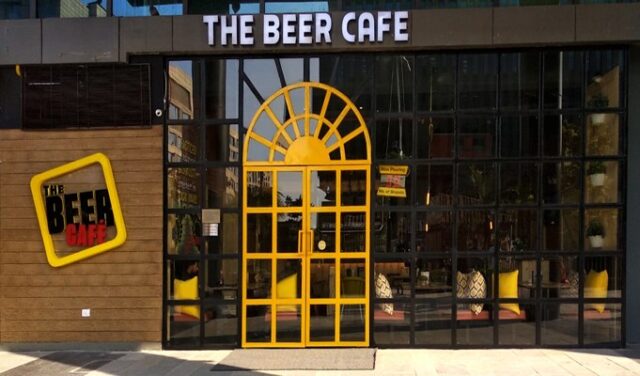
The Beer Café, India’s largest alco-beverage chain, has opened its 40th outlet at Delhi’s Aerocity. Enhancing the beering experience for its patrons, this brand-new outlet is the only place in the city to offer a whopping 16 varieties of the fresh and delicious ale on tap. With a food menu that perfectly complements the golden brew and an energetic and lively ambience that is a hallmark of the brand, The Beer Café is definitely the new must-visit spot for beer lovers in Delhi/NCR.
Aerocity is fast emerging as one of the most posh and upmarket locales in the Delhi-NCR region. Not only has it become the hub for some of the most vibrant F&B brands in the city, it is also a hotspot for a variety of lifestyle and cultural events. Further, its easy connectivity to the airport and other bustling locations in the city such as Gurgaon, Vasant Kunj and Dwarka made Aerocity the perfect choice for the newest The Beer Café in the capital.
The brand has been a pioneer of casual, inviting, neighborhood hangout spaces in India. The innovations in providing superior consumer experiences have played a key role in establishing its domain leadership in India.
With this 40th outlet that serves more beers on tap than any other bar or hangout space in the city, The Beer Café has elevated the benchmark for social drinking experiences in the city yet again.
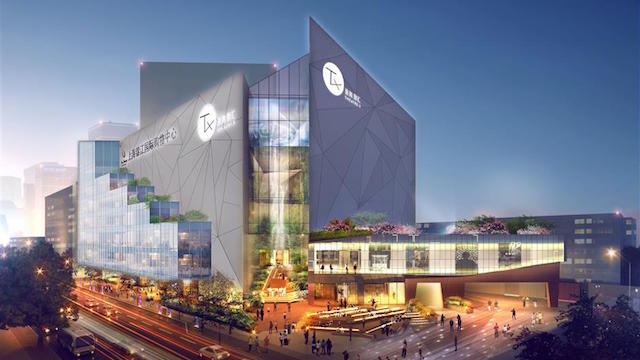
Chinese mall operator Bailian is merging two disused department stores on Shanghai’s Huaihai Road in partnership with urban renewal firm URF to create Theatre X. The two malls on the city’s prime retail street were formerly trendy shopping destinations. Huating Isetan on 527 Huaihai Road M was the first Japanese Isetan outlet in China, while Bailian’s No.1 Department Store next door once enjoyed great popularity – both commercial gems of the 1990s.
The new Theatre X shopping mall will merge the two sites, according to an announcement, and offer “interactive and immersive experiences” to consumers. The 25,000sqm property will offer popular international brands, shared spaces for pop-ups, and exhibition stages for Ted Talks – with developers expecting the venue to become a “pilgrimage site for trendsetters.” It will feature a 40m-high waterfall and giant digital screens.
Theater X is set to open in September, with further developments in the immediate vicinity expected to follow.
Seiko Watch Corporation has opened an interactive hub of its watchmaking to allow visitors to “look, feel and experience” the rich history and heritage of the brand. The Seiko Dream Square is a new four-story retail complex in the heart of the watch brand’s birthplace in Tokyo’s Ginza district and showcases its heritage of watchmaking since 1881 with a museum, showrooms and entertainment areas.
The aim of the new retail complex is to become a “point of destination” for visitors as well a centre for communicating the brand’s story globally said the watchmaker in a statement.
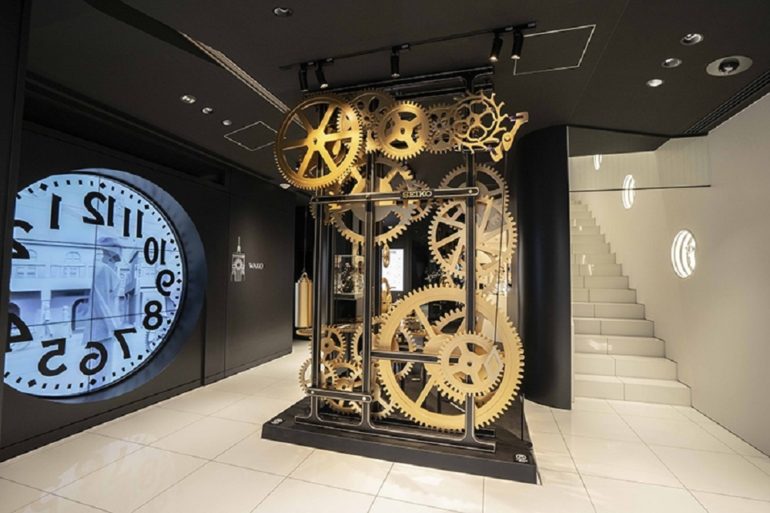
It features a small museum on the first floor in the image of the symbolic Wako clock tower’s interior, a historic symbol of Seiko and a proud landmark of Ginza in which Seiko founder Kintaro Hattori placed its headquarters.
On the other levels, visitors can shop Seiko’s leading collections, Prospex, Presage, Lukia, and Astron, with each displayed in a “refined setting” based on the particular brand’s unique identity.
Commenting on the opening, Seiko Watch Corporation chairman and chief executive, Shinji Hattori said: “A Seiko watch is not merely an industrial product. It can be a partner to one’s life journey and story. It is our dream that Seiko Dream Square be the place where visitors from around the world would want to find this particular partner.”
Ikea will open a store New Zealand in the coming years, opting for the city of Auckland to bow its debut store. The Swedish firm, known for its buy-and-assemble furniture, will open up a pop-up shop in the coming months in the lead up to a fully-fledged flagship store, which would create 400 jobs in the city, according to local media reports With no an exact time frame for the megastore launch, Ikea’s New Zealand manager, Will Edwards, said that Ikea would open a pop-up shop in central Auckland, as a physical store would take a number of years to set up.
“It does take time to build a truly big blue and yellow iconic Ikea store, it will take a number of years to get the full offer up and running but we don’t want to keep people waiting,” Edwards told media on Friday at a press conference, which also saw the attendance of Ikea’s global chief execute, Jesper Bodin.
“It makes sense to be in Auckland where many people are living and also commuting in and out of. We’d like to give a piece of Ikea before the full meal comes along,” added Edwards.
Ikea requires some 300 to 400 employees to run the Auckland store, as well as several hundred more staff to support logistics.
Bodin said that New Zealand will get the “whole shebang”, with a product range of about 7000 items at least in the warehouse store.
While price-points weren’t disclosed, Bodin said that “our ambition is always to be affordable for people and competitive with other retailers in New Zealand.”
Ingka Group, Ikea’s largest franchisee and operator of Ikea stores in 30 markets around the world, was granted exclusive rights to explore options to expand into New Zealand.
Founded in 1943 in Sweden, Ikea sells furniture and homewares to 1.2 billion customers around the world.
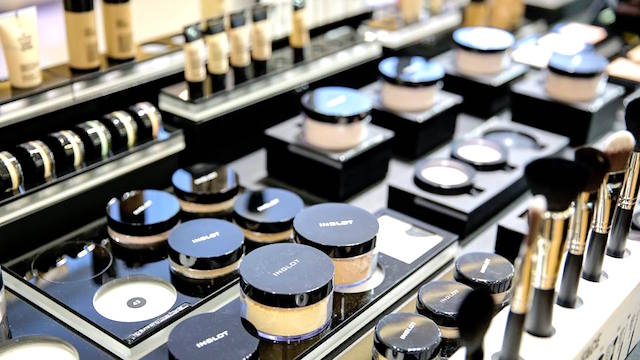
Polish cosmetics brand Inglot has opened its first Vietnam store, inside Vincom Lieu Giai in Hanoi. Located on the first floor of the shopping centre, the Inglot Vietnam store offers a free makeup area for customers to try its products before purchasing. Makeup artists are available to help customers find the right tones and ‘look’. Inglot Vietnam says the first store is something of a trial by the company before it opens a flagship shop in the nation’s commercial capital, Ho Chi Minh City, by the end of next month.
Inglot is well known for its bolt shades and its Freedom System, which allows users and makeup artists to arrange eyeshadows, blush and lipsticks into on-the-go palettes. The brand has more than 900 stores in 75 countries.
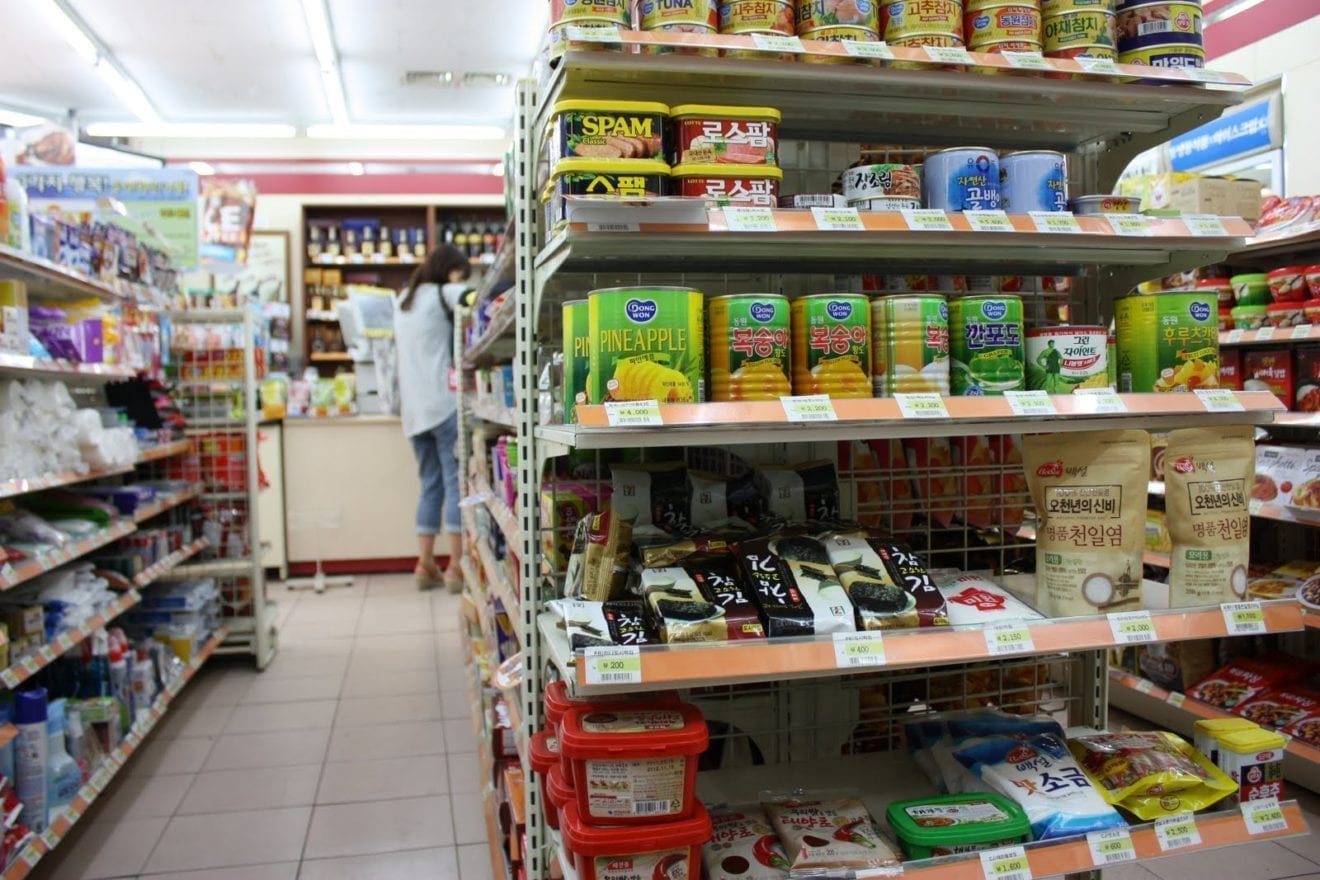
South Korean convenience store openings in South Korea fell last year, according to industry data. Thought to be the effect of increasing labour costs and market saturation, the slowdown has manifested amongst several industry operators – including BGF Retail’s CU, which opened 980 fewer stores than the previous year’s total of 1646; and GS25, which opened 1023 fewer stores last year after launching 1701 outlets in 2017.
A government advisory to chain stores to maintain more of a distance between competing branches signals a likely continuation of the downward trend, as well as new laws mandating higher levels of paid leave to staff and a higher minimum wage. The same pressures have seen 19 per cent of convenience stores closing at night rather than operate 24 hours, compared with 10 per cent in 2017.
A statement issued by CU said that the firm is prioritising profitability of existing stores over opening new locations.
Desigual Singapore reopens its Orchard Road store today, the first to feature the fashion brand’s new design concept with its customer-oriented shopping experience.
The 300sqm space will also be the first Singapore outlet for the brand’s sports category, along with women’s and men’s shoes and accessories.
Created in collaboration with architect Lazaro Rosa Violan, the store draws its inspiration from the Mediterranean with bright tones and such elements as coffered walls.
Desigual’s sports category features garments designed for women who want to embrace physical exercise while still following fashion trends.
Established in Barcelona in 1984, Desigual has more than 4500 employees and a presence in nearly 100 countries through 13 sales channels, more than 500 branded stores and eight product categories.
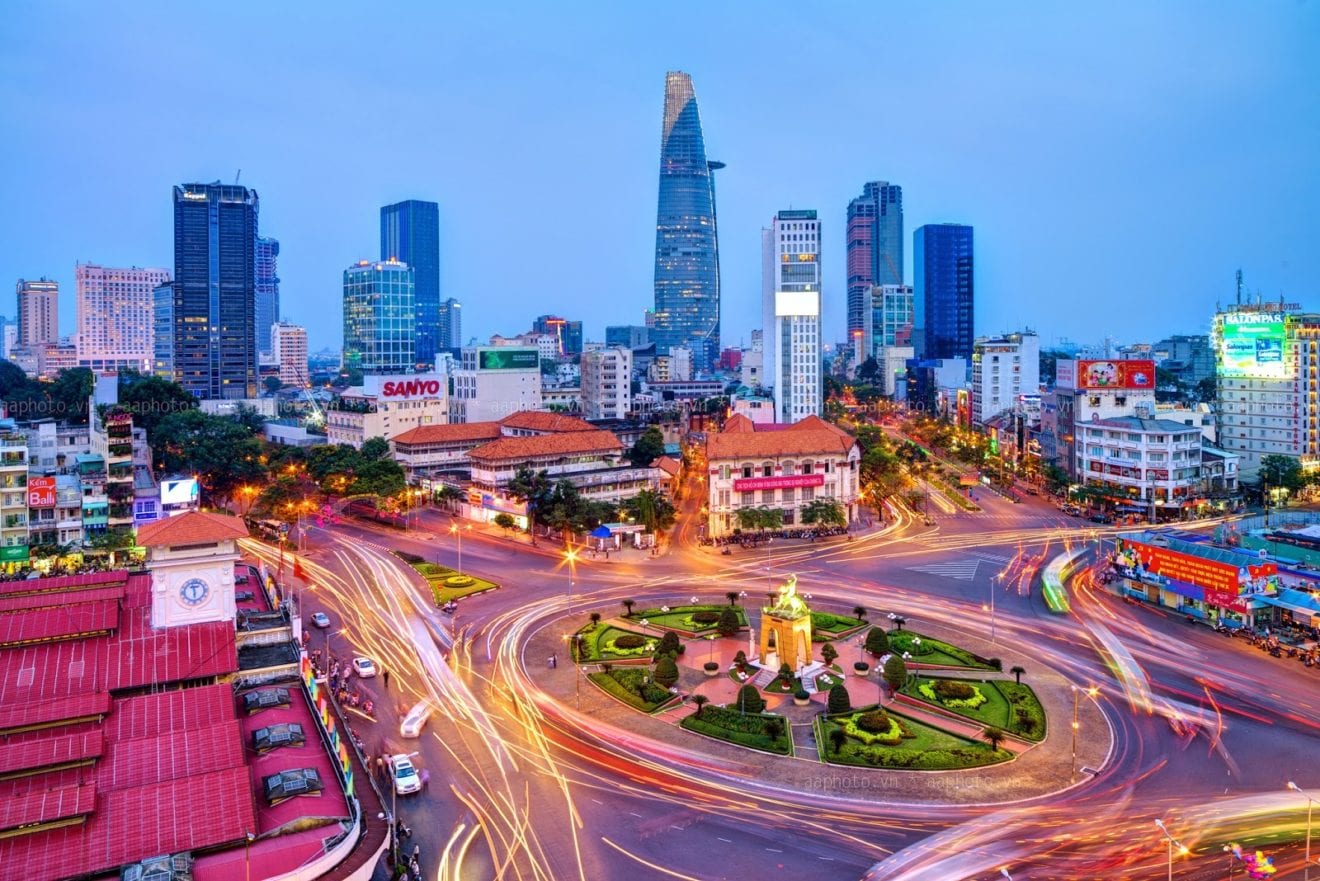
A strong start for the economy in the new year after a record high number of new openings in 2016. Vietnam’s business community has hit the grounds running in the new year. Official reports showed that 8,990 companies opened in January, up 8 percent from last year. Their registered capital surged 52.3 percent to VND90.3 trillion ($4 billion) in total.
The new companies are expected to create 104,100 jobs. In comparison, there were 8,320 new companies with 124,000 new jobs in January last year.
Nearly 5,600 suspended companies also resumed operations last month.
The number of businesses shutting down increased 18.3 percent year-on-year to 1,583.
Vietnam hopes to see over one million businesses in operation by 2020. It is now halfway to that point.
The country saw a record number of business openings of 110,000 last year, strengthening hopes for robust growth and strong investment in the near future.
Officials from the labor ministry reportedly said that Vietnam aims to create 1.6 million jobs this year, roughly the same figure last year.
More than 3 percent of the country’s urban adults are unemployed while the rural rate is nearly 2 percent.