Retail News CRM

Tag: opportunities

  • Doji Dives into Silver Bar Trade: New Online and In-store Opportunities for Vietnamese Investors

    Doji Dives into Silver Bar Trade: New Online and In-store Opportunities for Vietnamese Investors

    DOJI, a renowned jewelry retail chain, recently joined the ranks of the nation’s silver bar distributors, making it the fourth such establishment in the country. The company initiated the sale of one- and five-tael silver bars in the cities of Hanoi and HCMC on Tuesday, with plans for expansion into Da Nang City and Hai Phong City. It’s notable to mention that a tael is a unit of measurement equivalent to 37.5 grams or 1.2 ounces.

    Customers are given the option to either purchase from DOJI’s physical stores or use the company’s eGold app to shop online. The company expressed that there has been a rapid increase in demand for physical silver as a store of wealth. However, the market is experiencing a shortage of standardized products, particularly regarding weight and quality.

    The Current Silver Bar Market

    As it stands, the silver bar market is serviced by three other distributors, Phu Quy Silver, Sacombank, and Ancarat. Despite the growing popularity of silver bars, market analysts have issued warnings regarding the volatility of silver prices. They noted that price fluctuations for silver tend to be more drastic compared to gold, which may make it less suitable for novice short-term traders and those employing leverage.

    Recent Silver Market Trends

    Following the Lunar New Year holidays, silver has been trading at VND3.4 million (US$126.21) per tael, which is 25% below the record high it reached at the end of January. The average price forecast for the metal this year is $81 per ounce, as per the prediction of a major banking institution. This is more than double the 2025 figure.

    Another financial institution provided a more optimistic short-term forecast at the close of January, suggesting that silver could potentially reach $150 within three months. This prediction was attributed to technical factors and developments in supply and demand.

    Questions & Answers

    What is the latest addition to DOJI’s offerings?
    DOJI has recently started selling one- and five-tael silver bars, becoming the country’s fourth distributor of this product.

    What has led to the increased demand for physical silver?
    The surge in demand for physical silver is largely due to its appeal as a store of wealth. However, the market currently lacks standardized products in terms of weight and quality.

    What are the current predictions for silver prices?
    A major banking institution projects an average price of $81 per ounce this year, more than double the 2025 figure. Another financial institution anticipates that silver could reach $150 within three months due to technical factors and supply-demand developments.

  • Thailand Boosts Bangkok Minimum Wage to $12 Daily, Enhancing Economic Opportunities for Workers

    Thailand Boosts Bangkok Minimum Wage to $12 Daily, Enhancing Economic Opportunities for Workers

    The recent announcement by the National Wage Committee heralds a significant shift for workers in Thailand’s hospitality and entertainment sectors, as reported by Bangkok Post. About 700,000 employees are set to benefit from an impending 7.5% increase in the minimum wage—an enhancement that will bring the daily wage from THB372 to THB400 in Bangkok and the surrounding provinces.

    New Wage Structure Expands Nationwide

    Currently, the THB400 rate is restricted to tourist-heavy areas like Phuket, Chon Buri, Rayong, Chachoengsao, and the island of Koh Samui. After a three-hour debate, the wage augmentation garnered a two-thirds majority support among committee members, as affirmed by Boonsong Thapchaiyut, both the committee chairman and permanent secretary of the Ministry of Labour.

    “This wage increase is focused initially on the tourism and service sectors, where we believe employers will feel less financial strain,” Boonsong stated, clarifying that the THB400 daily wage will apply to hotels rated two stars and above, as well as any establishments with over 50 rooms or a restaurant.

    Support for Businesses Amid Changes

    To ease any potential financial burden on businesses—especially amid these changes—the Ministry of Labor has collaborated with six commercial banks to provide THB30 billion in soft loans. Additionally, discussions about further relief measures are underway.

    Analysts at Finansia Syrus Securities, as reported by Kaohoon International, expect that the minimum wage adjustment will have a minimal impact on Thailand’s retail industry, particularly in Bangkok. This is largely because the capital’s wage figures only account for around one-third of the overall sales in the sector. Most major retail businesses in the city are already exceeding the current minimum wage levels.

    As this wage increase takes effect, one can only wonder: will ice cream cones start costing a fortune as prices rise to cover the new wages?

    Questions & Answers

    What is the new minimum wage for Bangkok and surrounding provinces?
    The minimum wage will increase from THB372 to THB400.

    How many workers are expected to benefit from this wage increase?
    Approximately 700,000 workers nationwide will benefit.

    What sectors will the new wage apply to?
    The THB400 daily wage will apply to the tourism and entertainment sectors, including hotels rated two stars and above, and establishments with over 50 rooms or a restaurant.

  • Vietnam Seeks 4,000 Workers to Power Two Upcoming Nuclear Plants

    Vietnam Seeks 4,000 Workers to Power Two Upcoming Nuclear Plants

    Nearly 4,000 employees will be needed to operate Vietnam’s two proposed nuclear power plants, set to rise in the central province of Ninh Thuan by 2030. This ambitious initiative aims to bolster the nation’s energy landscape, but it also raises a significant demand for qualified personnel.

    Specialized Training Abroad

    Among the workforce needed, 670 individuals will undergo specialized training overseas to ensure they are well-prepared for the complexities of nuclear energy. The workforce will predominantly consist of engineers and holders of bachelor’s degrees, while the remainder will be equipped with two-year college qualifications. Those chosen for international training will primarily be graduates in relevant disciplines, committed to serving at the plants upon their return.

    Interestingly, the training program is broadening its net by considering first- and second-year university students eager to join post-training. This opens avenues for a fresh wave of talent ready to dive into the world of nuclear energy.

    Collaboration for Expertise

    To cultivate expertise in nuclear plant management and operations, civil servants, experts, and staff from various ministries will provide short-term training and internships. Moreover, around 120 lecturers are anticipated to be enlisted to teach nuclear science to aspiring master’s and doctoral students at local universities.

    In a strategic move, the Vietnamese government has revived plans for the Ninh Thuan nuclear power plants, with the National Assembly giving its enthusiastic endorsement in November. The first of these plants is earmarked to begin generating electricity by 2030, marking a pivotal moment in Vietnam’s energy journey.

    As the nation gears up for this nuclear adventure, it’s not just about numbers; it’s about preparing a workforce that can harness the power of the atom responsibly and effectively. Let’s hope they’re ready for the nuclear future—and maybe even a little fun along the way!

    Questions & Answers

    What is the timeline for the completion of the nuclear plants in Vietnam?
    The first nuclear plant is scheduled to begin generating electricity by 2030.

    How many workers will be needed for the nuclear power plants?
    Vietnam will require nearly 4,000 employees to operate the two planned nuclear facilities.

    What types of degrees will the workforce possess?
    The workforce will include a majority of engineers and individuals with bachelor’s degrees, alongside those with two-year college diplomas.

  • Opportunities in the Year Ahead for China

    Opportunities in the Year Ahead for China

    Though next year could be a tough one for investors in Chinese real estate, the country’s economy is also more entwined with that of the rest of the world than ever before, speakers said at the 2016 ULI China Mainland Winter Meeting in Shanghai held in December.

    The outlook for 2017 is similar to the view from 1997, the year before the Asian financial crisis, and 2007, the year prior to the global financial crisis, said ULI China Mainland chairman Henry Cheng, CEO of retail specialist Chongbang Group. Cheng, originally from Hong Kong, has been based in China Mainland for nearly 25 years, first with Shui On Group and since 2003 with Chongbang, of which he is a cofunder.

    The main difference between those times and now is that China has much stronger links to the global economy, potentially making it more vulnerable to outside shocks. He also added, “I have not seen the world so messy in all my 65 years.”

    Delphine Yip-Horsfield, chairman and chief design officer of Shanghai-based naked Group, which operates coworking and hospitality businesses, said she has noticed landlords struggling to deal with the effect of e-commerce and changing working patterns. “China’s millennials are entrepreneurial and social media–savvy,” she said. “They want to be excited by their workspace.”

    Sustainability is also higher on the agenda than ever before, with pressure coming from both government and customers, said Ryan Botjer senior managing director and China country head at Tishman Speyer. Sustainable is no longer a synonym for green, he noted. “People are much more concerned about wellness, so factors such as air quality, access to light, and community are much more important than they have been,” he said.

    Cheng noted that sustainability today really refers to adaptability and resilience to changes in the business environment.

    The retail sector is particularly vulnerable to rapid changes in shopping habits and the growth of e-commerce, panelists said. “If you look back ten years, the question was, who is doing retail in China? Five years ago you asked instead, who is not doing retail in China?” said Cheng. “In five years’ time we will be asking, who is still doing retail in China?”

    Chongbang is dealing with changes in the retail real estate business by increasing the experiential elements at its malls and providing off-line services to online businesses, such as fulfillment centers where customers can pick up, try out, and return their purchases.

    Placemaking is becoming increasingly important in China and is a focus for the government, Yip-Horsfield said, but added that she thinks developers are “a bit behind.”

    Prices for development sites in tier-one cities have risen sharply this year. In some cases, developable land costs more per square foot than neighboring developed real estate. “The flour costs more than the bread,” said Charles Chan, China chief executive at Ascendas-Singbridge, the Singaporean state-owned developer and fund manager. “What effect will that have on the market in the near future?” he asked.

    “There is a lot less land available in tier-one cities, and we are seeing some of the earliest commercial developments beginning to age,” said Botjer, “so there will be a lot more redevelopment in the future.”

    An important customer group for Chinese developers will be those in the 45-to-65 age group, Cheng said. “These were the first generation to benefit from the economic development of China since the 1980s—the first generation of affluent Chinese,” he said. He argued that developers will increasingly need to cater to this demographic over the next ten years.

  • Hong Kong Wine & Spirits Fair Uncorks Asian Opportunities

    Hong Kong Wine & Spirits Fair Uncorks Asian Opportunities

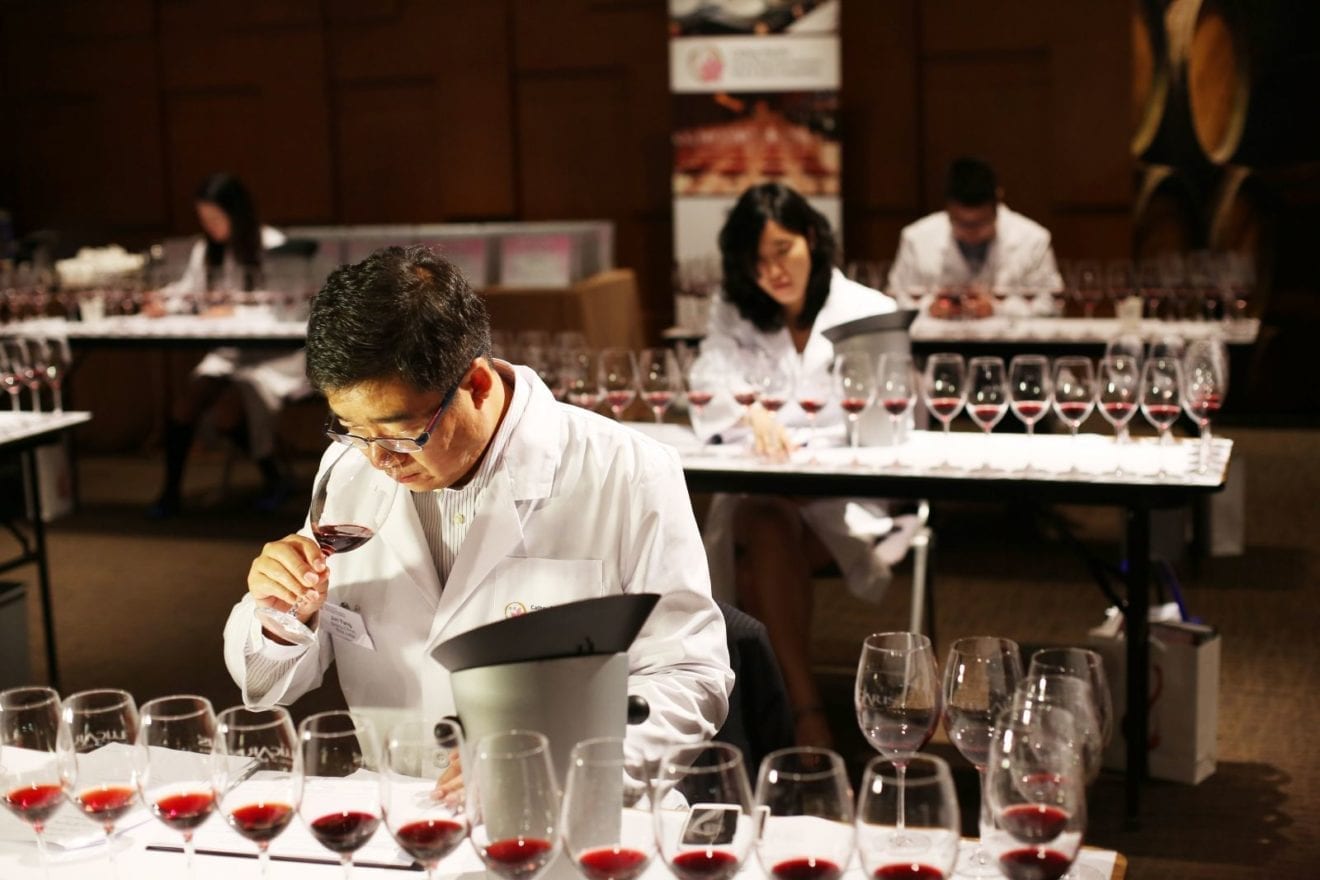
    The ninth Hong Kong International Wine & Spirits Fair, organised by the Hong Kong Trade Development Council (HKTDC), concluded on Saturday (12 November). Held at the Hong Kong Convention and Exhibition Centre (HKCEC) from 10 to 12 November, the fair gathered more than 1,060 exhibitors from 37 countries and regions to showcase a sparkling range of global wine offerings.

    The three-day fair attracted close to 20,000 buyers from 68 countries and regions. Attendance from individual countries recorded encouraging growth including the Chinese mainland, Japan and Taiwan. The final day of the fair (12 November) was open to public visitors and attracted nearly 27,000 wine lovers. The blend of trade and public participants at the fair created a vibrant platform for doing business.

    Benjamin Chau, Deputy Executive Director, HKTDC, noted, “As a duty-free wine port, Hong Kong is seen as an efficient and convenient trading and distribution centre for the region. With growing demand for wine and wine-related products and services in Asia, Hong Kong has fully grasped the opportunities brought about by the trend. The Wine & Spirits Fair has also become an important industry promotion and trading platform for wine exhibitors to expand their business into the Chinese mainland and Asian markets.”

    Slovenia taps global markets through Hong Kong

    This year’s Wine & Spirits Fair welcomed the Ministry of Agriculture, Forestry and Food of the Republic of Slovenia to set up a pavilion at the event for the first time, showcasing quality wines from 18 local wineries. Dejan Zidan, Deputy Prime Minister and Minister of Agriculture, Forestry and Food of the Republic of Slovenia, attended the fair. He said that Slovenia is a unique wine region in Europe that produces a diversity of wines with their own characteristics, and he wants to develop the country’s wine industry and help wineries promote products to global buyers. “Slovenia has been expanding its economic ties over the last two years with China through the ’16+1′ cooperation framework, an initiative aimed at deepening the exchange and relationships between the Chinese mainland and 16 European countries. This fair is a truly international event. We are taking advantage of the Hong Kong fair to reach out to more buyers and promote Slovenian wines internationally,” said Mr Zidan.

    Buyers welcome speciality spirits from Mexico & canned wine from California

    ProMexico Hong Kong introduced a range of spirits including mezcal and tequila from six exhibitors at the fair this year. Alejandro Garcia, Trade Commissioner, ProMexico Hong Kong, noted that, “This is an international trade fair for wine and spirits. On the first day of the exhibition, the exhibitors from Mexico had received the attention of buyers from Hong Kong, Taiwan, the Chinese mainland, Southeast Asia and Europe.”

    Ming KS Sze, Managing Director, Oriental Pearl (HK) Limited, said, “Through promotion at the fair, our Californian canned wines have received wide media coverage with many buyers expressing interest in the product. Canned wine is especially suitable for young people to consume in outdoor activities as it is easy to bring along. During the fair period, we have received enquiries from many buyers from Hong Kong and the Chinese mainland.”

    French and Italian wines in vogue at the fair

    Michel Bettane, Chairman, Bettane+Desseauve, was one of the speakers at the Wine Industry Conference entitled “Uncover the Opportunities of the New Cool Climate Wine Trend”. He said that various French wines continue to be a hit with the Chinese mainland buyers. “This year we have once again organised a number of French exhibitors to showcase a wide range of French wines, and met with buyers and importers, particularly those from Asia. The fair helped us meet clients from the Chinese mainland and explore the huge mainland market. On the first day of the fair, we had already met with a lot of buyers and received a great response,” he said.

    Cave De Saint Chinian is a long-established winery in southern France. Norbert Gaiola, Director General of the winery, has joined the fair for several years. He is satisfied with the results this year. A Chinese buyer from Shanghai confirmed an order to purchase 13,000 bottles of wine. They have also established initial contact with other buyers from Hong Kong, the Chinese mainland, India and Japan.

    Attilia Merzari, Brand Ambassador – Asian Market, Tenuta Sant’ Antonio, said, “A number of buyers from Hong Kong, the Chinese mainland and Vietnam expressed strong interest in our Italian wine Amarone. We’ve got about 100 new contacts so far through the exhibition and will be following up with the order from Chinese mainland customer.”

    Optimistic outlook among Asian buyers

    Despite global economic uncertainty, the Hong Kong wine market is still vibrant and buyers at the fair maintained an optimistic outlook. Joining the fair for the first time, Ashley Wang, Category Supervisor, Wellcome Taiwan Company Ltd., said, “We have met with an Australian beer supplier and will have further negotiations with them. We expect to order a 20-foot shipping container of beer. The fair also features buyers with a wide range of wines. The number of French and Italian exhibitors is the largest among all the exhibiting countries, which is very impressive to me.”

    Park Hyeong Jin, Buyer, Hyundai Department Store Co., Ltd., from Korea said, “I have found some German wines, baijiu and distilled Chinese liquor from the Chinese mainland. A series of business matching meetings have been arranged with five exhibitors selling Japanese sake. I will visit the fair next year.”

    Zhang Shi Wei, Chairman, Jilin Morton Trade Co, Ltd., is a Chinese mainland importer and distributor. He noted, “We are looking for wine and sake. We are interested in placing an order of 2,000 to 3,000 cartons of wine from the Bordeaux supplier Joanne.”
  • Taiwan seeks more business opportunities with Indonesia

    Taiwan seeks more business opportunities with Indonesia

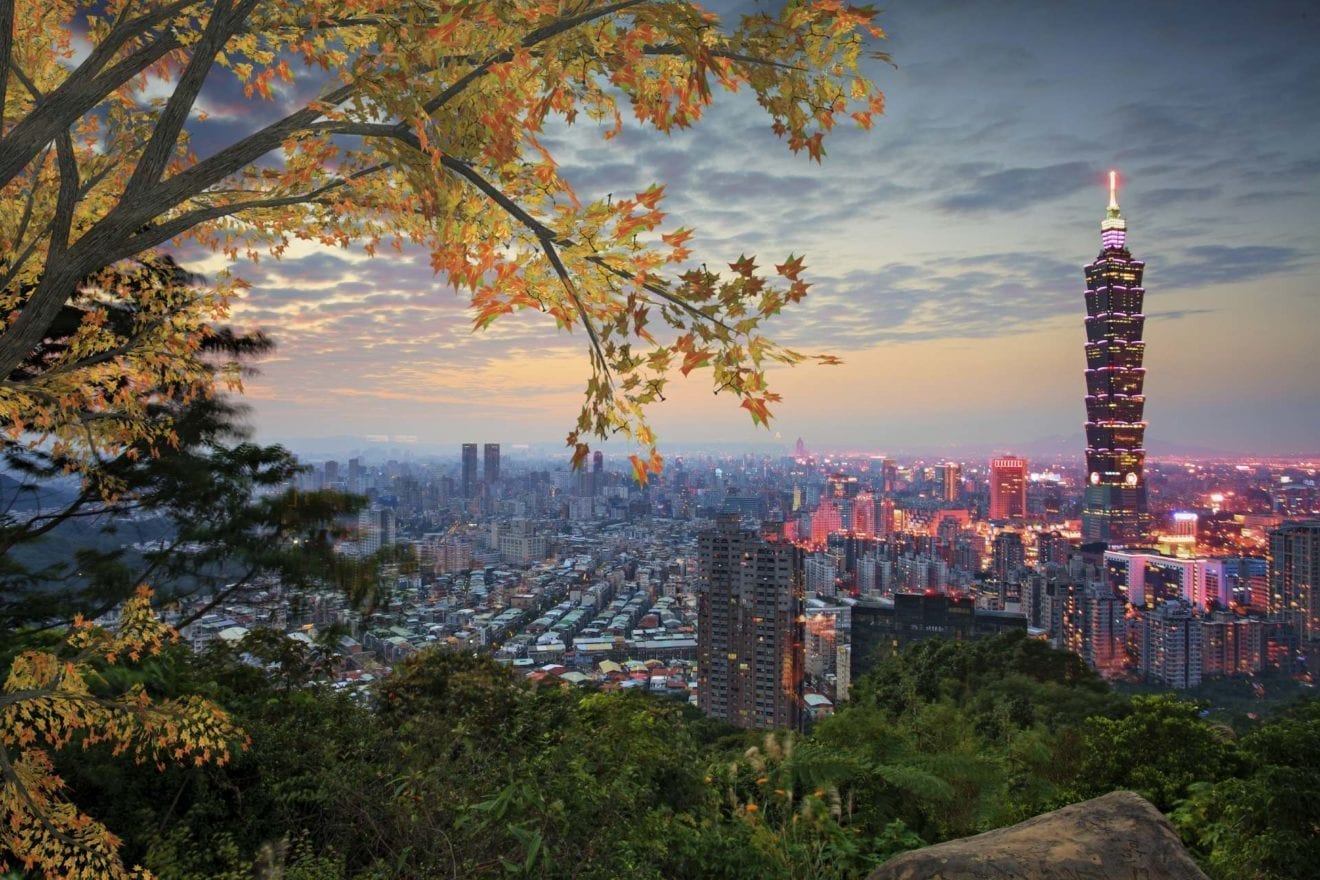
    Taiwan expects to boost its bilateral trade with Indonesia through the introduction of the so-called “New Southbound Policy” by its new government.

    The policy, adopted under the leadership of President Tsai Ing-wen, who was inaugurated in May, aims to strengthen Taiwan’s cooperation with nations in South and Southeast Asia, as well as Australia and New Zealand, in multiple sectors.

    During his maiden visit to Indonesia this week, Taiwan’s Deputy Minister of Economic Affairs Yang Wei-fuu brought along executives from Taiwanese state-owned enterprises representing various industries, including sugar, salt, aerospace, steel, oil and gas.

    “We’re looking for cooperation opportunities, to examine the needs in Indonesia and how we can help with our expertise and technology,” he said in Jakarta on the sidelines of an Indonesia-Taiwan business forum on Thursday evening.

    Experts from Taiwan, for example, can train sugar companies here to produce better and more sugar using its machines and methods, so Indonesia can import machines afterward, Yang said.

    The minister and his entourage will conclude their four-day visit on Saturday.

    Trade between Indonesia and Taiwan has seen a decline in recent years as a result of the global economic crisis as well as a lack of trade cooperation agreements.

    Indonesia’s exports to Taiwan consist mainly of natural gas, coal, copper and gold, timber and rubber and other raw materials. Imports consist largely of oil products, iron and steel products, textile raw materials, machinery parts, chemicals and other products.

    Indonesian Chamber of Commerce and Industry (Kadin) Taiwan Committee chairman SD Darmono said that to effectively boost trade between the two parties, Indonesia needed to have another logistics hub in the country’s eastern part, nearer to Taiwan.

    “All this time, they [Taiwan’s businesses] need to stop by in Singapore before entering Jakarta. That’s an extra 1,000 kilometers by sea,” he said.

    Darmono suggested Morotai Island in North Maluku province as a potential new hub, however, progress in building the island’s infrastructure has been slow. The island located near the Philippines also has potential for marine tourism. It has a population of only 60,000 although its size is three times that of Singapore.

    “Businesspeople in Taiwan and Indonesia signed commitments to invest in the island two years ago but progress has been too slow while we cannot also depend on the limited state budget to build it,” he said.

    He added that the hub could improve Indonesia’s trade with Taiwan, especially in value-added products, like food and clothing.

    Besides trade, Taiwan is also eyeing investing in Indonesia’s ambitious infrastructure boost, especially in solar and biomass-fueled power plants.

    “Both governments have been discussing [which power plant] projects we can invest in and how sustainable the project is once it’s done,” Deputy Minister Yang said.

  • Businesses to explore Indonesia

    Businesses to explore Indonesia

    Pakistan’s businessmen should take advantage from the large Indonesian market, an envoy said. Ambassador of Indonesia Iwan Suyudhie Amri, talking to the Lahore Chamber of Commerce and Industry (LCCI) Vice President Nasir Saeed, said bilateral trade needs to be enhanced as Pakistan and Indonesia are potential markets.

    Ambassador Amri said Pakistan’s rice and meat have great demand in Indonesia and therefore Pakistan’s businessmen should avail this opportunity.

    He said the LCCI is playing a significant role to strengthen the trade and economic relations between the two countries.

    Saeed said the implementation of Pakistan-Indonesia preferential trade agreement will begin a new era of cooperation and serve as a foundation for enhanced economic and trade cooperation.

    He said local businesses will increase exports to Southeast Asia’s largest economy under the preferential trade agreement.

    “There is also a lot of scope for Indonesia to make investment in Pakistan. Indonesia has a fairly advanced petro-chemical, rubber, plywood, telecommunication and tourism industry,” he added.