Tag: order

  • Ikea Expands In Philippines With Strategic Ayala Malls Collaboration: Design Services & Online Pick-up At New Outlet

    Ikea Expands In Philippines With Strategic Ayala Malls Collaboration: Design Services & Online Pick-up At New Outlet

    Ikea is expanding its presence in the Philippines by inaugurating its inaugural Plan and Order Shop through a strategic collaboration with Ayala Malls. This initiative aims to provide more convenient access to northern Metro Manila residents.

    The 500-square-meter store, situated in Ayala Malls TriNoma in Quezon City, will avail customers the opportunity to purchase selected items in-store and also function as a complimentary pick-up point for online orders.

    Ricardo Pinheiro, Ikea Philippines’ Country Retail Manager, expressed his elation about being able to serve more Filipinos, especially those in northern Manila. He noted the partnership between Ikea and Ayala Malls as an effective means to create spaces that are not only accessible but also convenient and inspiring.

    Adding to its unique features, the new store will house a design service. Here, customers can seek expert assistance in planning their home interiors from a team of 14 Ikea employees, each trained in interior design.

    Pinheiro highlighted that the new Plan and Order Shop at TriNoma encapsulates Ikea’s democratic design philosophy. He mentioned that it provides a convenient option for those residing in northern Metro Manila. He also acknowledged the strategic location of TriNoma as being in line with Ikea’s sustainability philosophy.

    He emphasized, “TriNoma’s strategic location aligns with our sustainable philosophy in the most practical sense—it saves our customers gas, time, and effort while still giving access to Ikea’s well-designed, affordable home solutions.”

    The TriNoma outlet, set to open its doors on October 23, marks Ikea’s second store in the country.

    Questions & Answers

    Where will the new Ikea Plan and Order Shop be located?
    The new Ikea Plan and Order Shop will be located at Ayala Malls TriNoma in Quezon City, northern Metro Manila, Philippines.

    What unique features will the new Ikea store offer?
    The new Ikea store will feature a design service where customers can work with Ikea employees trained in interior design to plan their home interiors. The store will also serve as a free collection point for online orders.

    When is the Ikea TriNoma outlet slated to open?
    The Ikea TriNoma outlet is scheduled to open on October 23.
  • Grab, Vinasun to negotiate $1.8 million compensation dispute

    Grab, Vinasun to negotiate $1.8 million compensation dispute

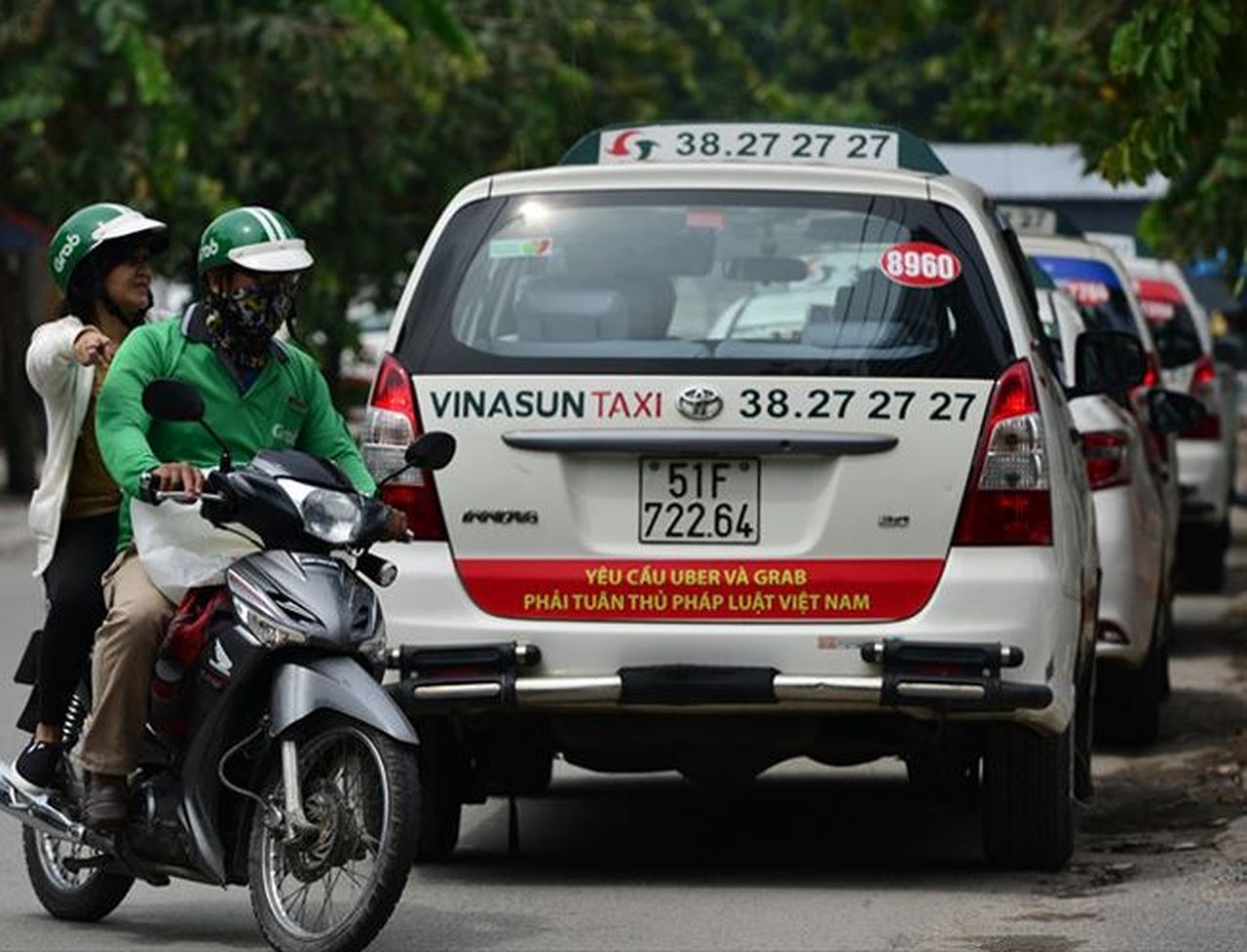
    Top taxi firm Vinasun and ride hailing firm Grab have told the court that they’ll negotiate a compensation dispute. The People’s Court of Ho Chi Minh City on Friday approved the litigants’ wish to ‘sit together,’ and temporarily suspended the trial. The suspension of trial is for no longer than a month, and the reopening date will be announced later, the court said.

    “The lawsuit has dragged on for over a year, but the claimant was not able to prove the damage, as well as the causal relationship with Grab’s influence. The defendant is also very worn out wasting time defending a wrong it did not commit,” said Luu Tien Dung, Grab’s lawyer.

    “This is one of the reasons why both sides have decided to negotiate,” he added.

    Vinasun filed the suit against Grab in June last year, accusing the Malaysia-based firm of abusing the Ministry of Transport’s pilot scheme and committing violations.

    It said Grab’s illegal activities were responsible for nearly VND42 billion (nearly $1.8 million) of the VND76 billion ($3.25 million) in losses that it suffered in 2016 and the first half of 2017.

    The trial began last February, but was adjourned a month later to allow for more evidence to be gathered. Grab protested the valuation of Vinasun’s losses.

    Last October, prosecutors asked the court to accept Vinasun’s petition for compensation of nearly VND42 billion (nearly $1.8 million) in one payment, dismissing Grab’s claim that it was a tech firm and not a taxi company.

    Grab responded by sending a letter to Prime Minister Nguyen Xuan Phuc, saying that identifying Grab as a taxi firm would be “a step backwards from Industry 4.0.”

    Under the latest draft of a decree prepared by the Transport Ministry, transport firms offering services with under 9-seater cars should be registered as taxi firms before they can apply ride-hailing technologies.

    This means that Grab and other ride-hailing firms would have to register their services again as taxi businesses and comply with corresponding legal responsibilities regarding their operating licenses, drivers’ profiles and tax duties.

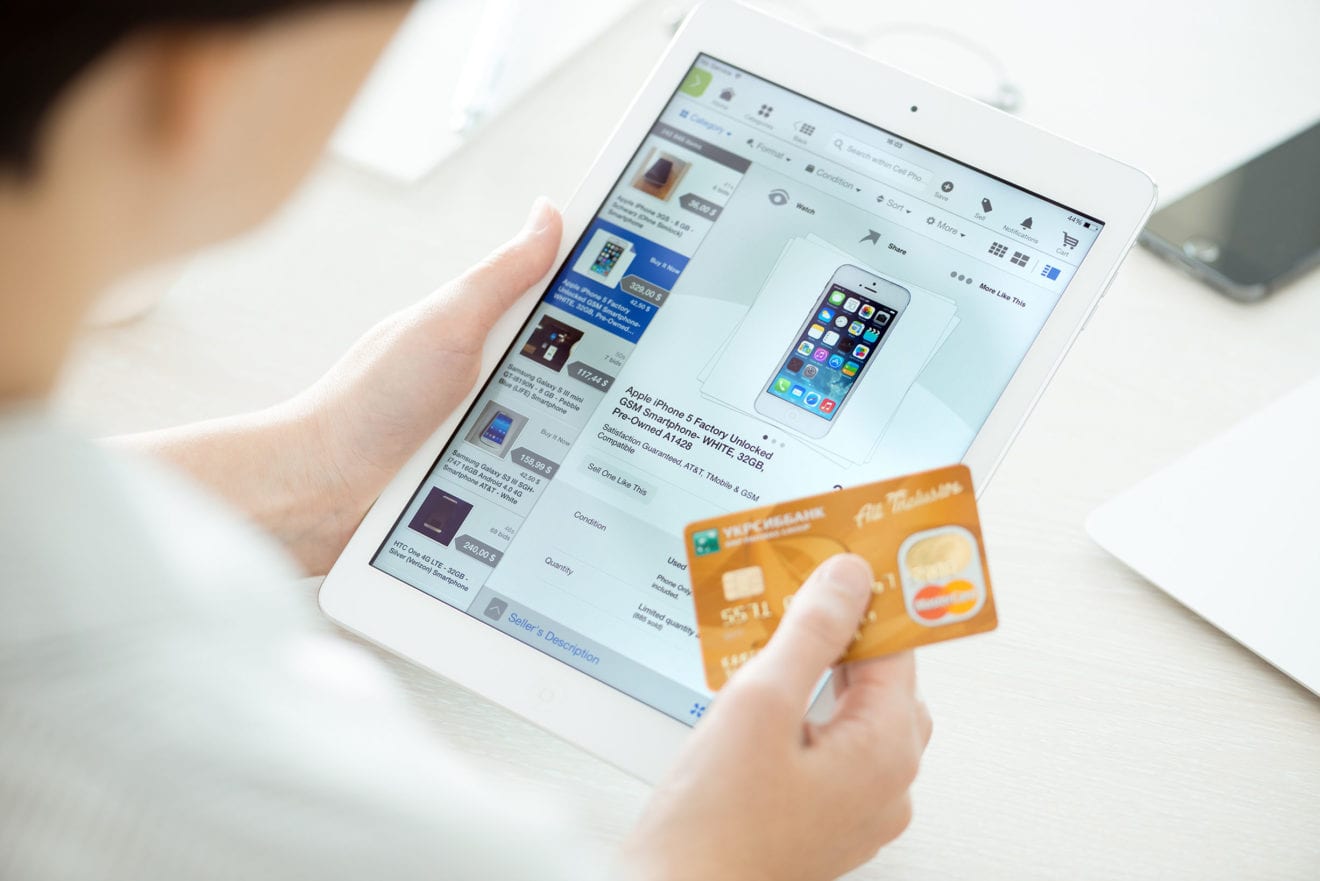
  • myOKIES: QR menu for order and pay

    myOKIES: QR menu for order and pay

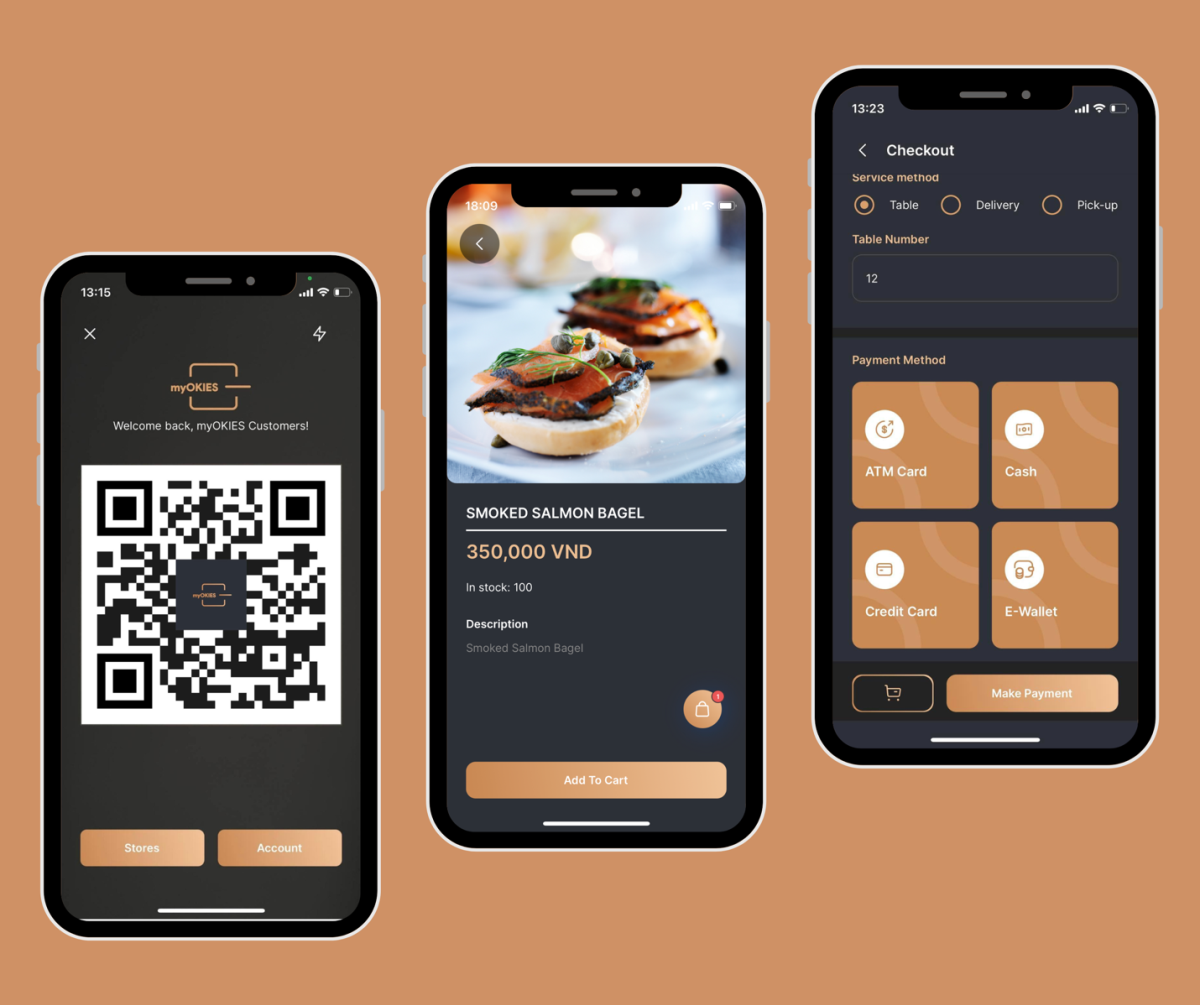
    myOKIES has launched a digital contactless service for Vietnamese businesses, enabling customers to order and pay for purchases directly from their cell phones using a QR code.

    Customers can scan the code using their smartphone camera, which will take them to the myOKIES page where they can select their items and pay using a variety of payment methods, including 21 different e-wallets, all types of debits, credit cards, and cash.

    myOKIES has 136 languages available for customers, enabling businesses to expand their international customer base easily and effectively.

    The benefits of the myOKIES service extend beyond convenience, as it eliminates the need for customers to physically touch a menu or paper receipt, thereby reducing the risk of transmission of viruses and other germs, protecting the environment with a paperless focus, and enabling sustainability for businesses.

    Moreover, customers can use the myOKIES platform to reserve tables and appointments and purchase products in-store and online by accessing the myOKIES website or the myOKIES app.

    myOKIES is also known for its simple yet elegant design, which is reflected in its mobile application and website. The platform’s design is consistent with myOKIES’ overall brand identity, which emphasizes simplicity, efficiency, elegance, and ease of use.

    Its QR code ordering and payment feature also offer a unique lifestyle experience for the young generation, who are always on the lookout for new ways to enhance their daily lifestyle.

    Jalen Phung, CEO of myOKIES Vietnam, understands the importance of serving the younger generation’s lifestyle preferences. “We recognize that the younger generation is looking for new and innovative ways to enhance their daily activities, and we are excited to offer them a solution that is both convenient and visually appealing.”

    myOKIES service is not limited to just the food industry and can be utilized by any business from mid- to high-end that wants to provide their customers with a secure and convenient way to make purchases, including retail businesses and other service businesses like spas, coffee shops, business lounges, furniture stores, and in-room dining for 5-star hotels and resorts, which are myOKIES target business partners.

    myOKIES QR code for ordering and payment service is an outstanding example of how technology can enhance the customer experience and help businesses grow in the most efficient way. With its easy-to-use platform and seamless features, it’s a service that is sure to continue gaining popularity among businesses and customers alike.

  • AirAsia’s Fernandes teases large aircraft order

    AirAsia’s Fernandes teases large aircraft order

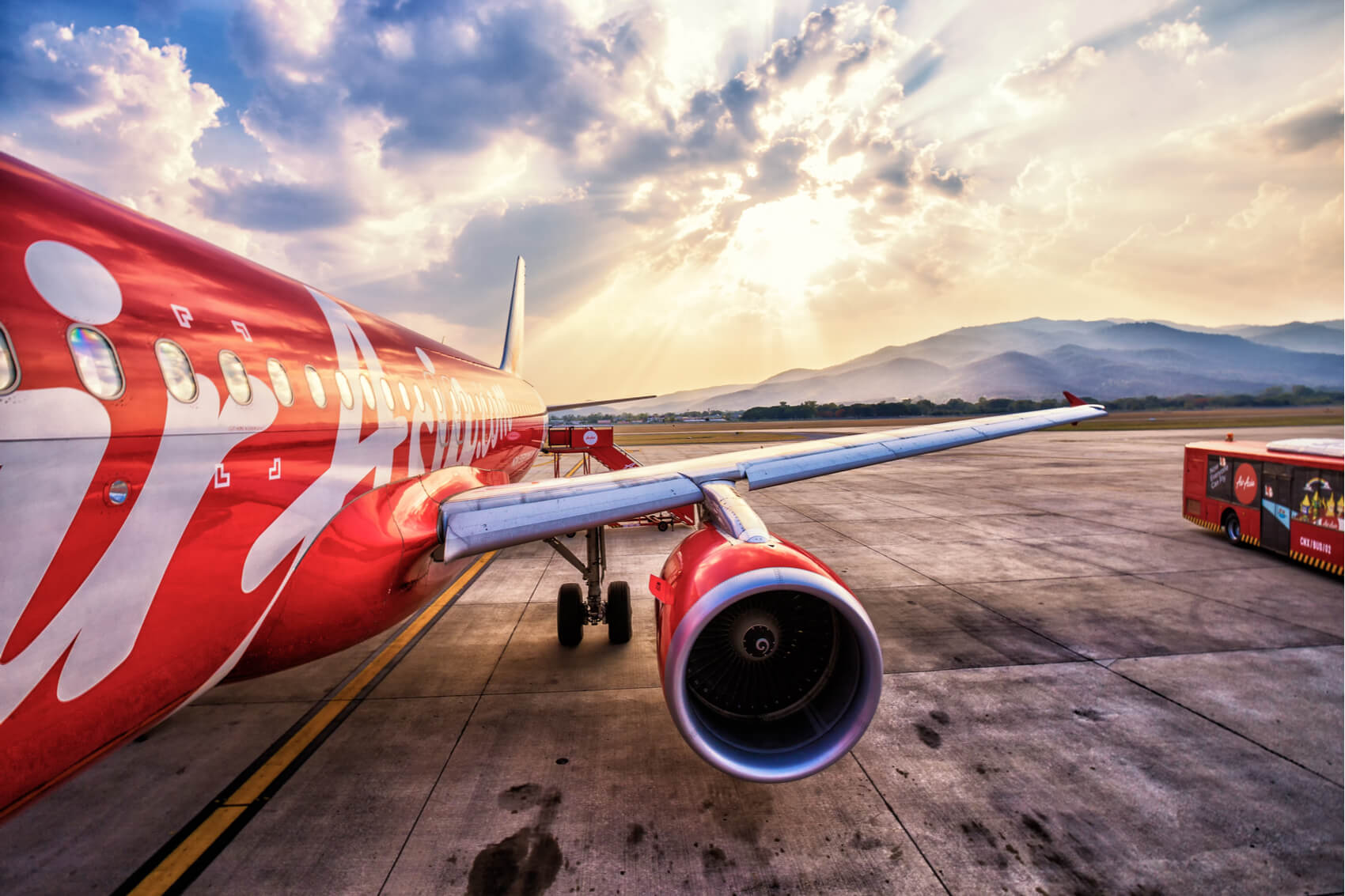
    The AirAsia group of airlines “will definitely” be placing a large order for aircraft over “the next two years”, although it will not be adding to the flurry of order announcements at this year’s Paris air show.

    Tony Fernandes, chief executive of AirAsia parent company Capital A, tells FlightGlobal that the group has other priorities at this stage.

    “I think it’s crazy for me to talk about orders now when I haven’t got all my planes back [in service],” he says. “But this is a business…and you need to plan quite a few years ahead, of course. I would say… over the next two years, we will definitely be placing large orders.”

    Fernandes says AirAsia expects to have put all of its aircraft back into service later this year

    At the 2011 edition of the Paris air show, AirAsia made headlines when it placed an order for 200 A320neos. Then at 2019’s show, it became the largest A321neo customer in the world after converting 253 of its A320neo orders to the larger variant.

    With existing Airbus narrowbody commitments in place, Fernandes says the group is looking at “potentially acquiring” more widebody aircraft as an immediate priority – pointing to a robust recovery in the medium-haul market.

    Low-cost medium-haul operator AirAsia X currently operates most of the group’s widebodies, flying a fleet of Airbus A330-300s.

    Moving forward, Fernandes says the group is “agnostic at the moment” about which airframer it would source its new fleet of widebodies from.

    “You would think we would take the A330neo as new aircraft; we will see what is available. Growth in the medium-haul market has been very strong and AirAsia X is doing very well,” Fernandes says, adding that the new aircraft would be a mix of leases and direct orders.

    “We would like to put widebodies into Indonesia and the Philippines, and more in Malaysia and Indonesia,” he adds, listing the countries with AirAsia units in operation.

    For the rest of the year at least, the group will remain “realistic” in its fleet strategy, as it moves from what Fernandes calls “survival mode” to the start of its “growth mode”.

    “We want to be sensible – we will definitely look at placing more narrowbody orders, but let’s fully recover first,” he says.

    AirAsia units are working to return their stored fleet of A320-family narrowbodies to service. Fernandes says about 170 aircraft are flying, with the remaining 35 jets likely to be back in service by August.

  • McDonald’s launches new growth strategy; beats profit estimates

    McDonald’s launches new growth strategy; beats profit estimates

    It will also debut a “McPlant” line of plant-based menu items, though it declined to say which suppliers it would use for faux burger, faux chicken and breakfast items. It previously tested a vegan “P.L.T.” burger by Beyond Meat in Canada.

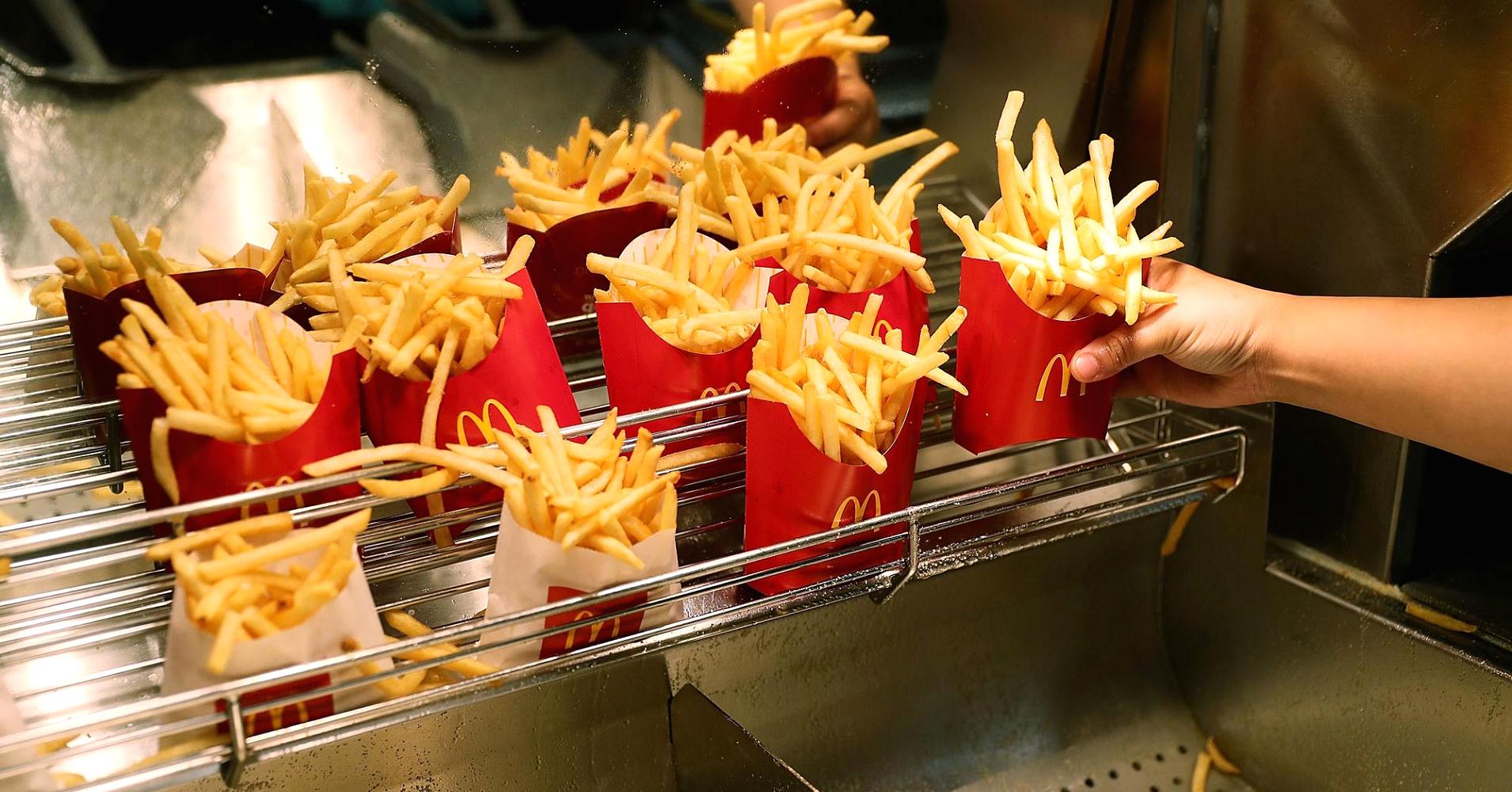
    The world’s biggest burger chain beat revenue and profit estimates for the third quarter on Monday as customers in the United States ordered more hamburgers and fries in drive-through outlets and on delivery apps to avoid dining out during the pandemic.

    Overall, global sales fell 2.2% in the quarter, an improvement over the previous quarter’s drop, as McDonald’s had already announced in an October update.

    The company’s limited-time promotional deal with rapper Travis Scott, which caused shortages of some ingredients, and other marketing investments also helped sales bounce back from pandemic lows.

    Through 2022, the chain plans to spend about $2.3 billion (£1.7 billion) on capital expenditure, about half of which will build new stores, with some of the rest used for remodels stalled by the pandemic.

    Next year, McDonald’s will focus on core products such as burgers, coffee and chicken, including a new Crispy Chicken Sandwich – something some franchisees have long sought in order to compete with the success of similar products at Popeyes, a unit of Restaurant Brands International and Chick-fil-A.

    It will also redesign its packaging globally. And soon, it will launch another growth driver that other chains have long had — a loyalty program.

    “MyMcDonald’s” digital program will allow customers who sign up to get tailored offers, the company said. A loyalty rewards program using the MyMcDonald’s program will start as a pilot in the coming weeks in Phoenix and next year across the United States.

    Finally, it will build some locations without any dining rooms to focus on carryout, drive-through and delivery only.

    Despite some sales recovery and better-than-forecast margins, the company is still pressured in key markets outside the United States, including France, Germany and Britain by new lockdown restrictions due to a spike in coronavirus cases.

    McDonald’s total revenue fell about 2% to $5.42 billion in the three months ended Sept. 30, largely recovering from the over 30% plunge posted in the second quarter.

    Analysts on average had estimated revenue of $5.40 billion, according to IBES data from Refinitiv.

    Net income surged 10% to $1.76 billion, helped by gains from the sale of a part of McDonald’s stake in its Japanese affiliate.

    Excluding those gains, the company earned $2.22 per share, beating estimates of $1.90.

  • Japan’s first gourmet restaurant delivery app lifts off

    Japan’s first gourmet restaurant delivery app lifts off

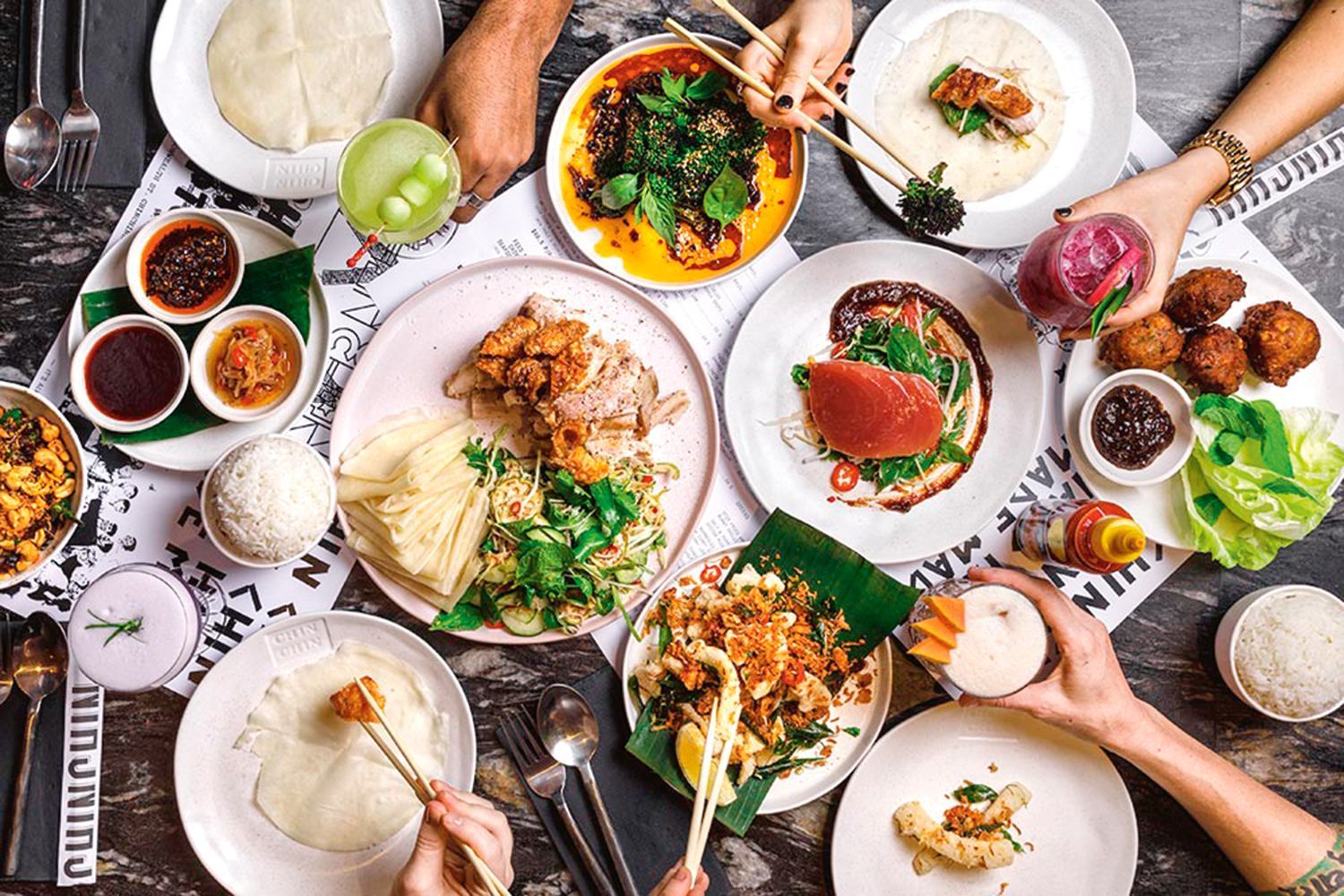
    Starting today, Tokyo foodies will no longer have to compromise when they order food for delivery. Japan’s first gourmet restaurant delivery app, Food-e, launches today in central Tokyo. With a curated collection of Tokyo’s best restaurants, exclusively available on Food-e, such as Nobu Tokyo, Elio Locanda, Oak Door, Shunbou and Chinaroom, consumers and companies can order great food, professionally delivered to their homes, offices or other locations of their choice.

    Users can access the app at www.food-e.jp from a browser on their smartphones, tablets or PCs and make their selections from menus of mouth-watering professional photos. The food will be delivered in high-quality packaging, with hot and cold items separated to control temperature. Food-e’s drivers are uniformed and insured, full-time professionals, expert in Tokyo’s roads, who will delicately handle the food to your door. Food-e is also the first delivery app offering bilingual customer service to both restaurants and users.

    For restaurants owners, Food-e has changed the traditional business model of delivery apps by charging users a fair fee for delivery and significantly lowering the commissions paid by restaurants. This allows restaurants to make a fair profit on delivery orders while gaining new customers for in-store dining.

    For users, Food-e offers a choice of great restaurants, most of which have never been available for delivery before, at prices generally the same as in-store dining. All of Food-e’s restaurants are not available on any other delivery app.

    Initially, Food-e’s delivery area is a 5km radius from Nishi Azabu, which includes parts of Minato, Chuo, Chiyoda, Shibuya, Meguro and Shinjuku wards. In the near future, Food-e will expand to other parts of Tokyo and eventually to other major cities in Japan.

    Following the official launch today, Food-e will regularly add new restaurants, offering users high quality and an increasing variety of cuisines.

  • EBay orders Shipped Faster

    EBay orders Shipped Faster

    New data from Juniper Research predicts consumer interaction with chatbots in retail will reach 22 billion by 2023.

    The figure represents a sharp increase over an estimated 2.6 billion interactions this year.

    According to the new research report “AI in Retail: Segment Analysis, Vendor Positioning & Market Forecasts 2019-2023”, chatbots in retail will enable effectively automated customer interactions for both online and offline vendors.

    A crucial enabler of this development will be improvements in NLP (Natural Language Processing), which will dramatically reduce the failure rate of chatbot interactions, by making them more natural and valuable for customers.

    Juniper anticipates that retailers who do not adopt chatbots will face strong challenges from more technologically-adept disruptors, who will use chatbots as an extension to the crucial omnichannel retail experience.

    The research also found that chatbots used for customer service have a strong potential to reduce costs; with deployments realizing annual savings for retailers of US$439 million globally by 2023, up from just $7 million this year.

    These potential savings will act as a key “pull” factor, given the margin pressure that many retailers are presently feeling.

    “By embracing automated customer service with chatbots, retailers can act in a more flexible and efficient way,” explained research author Nick Maynard. “The wider retail market means that chatbots are no longer a luxury, they are essential.”

    Meanwhile, sales resulting from interaction with chatbots in retail will reach $112 billion by 2023, up from $7.3 billion this year; representing an annual growth rate of 98 percent.

    The research found these sales will largely be a result of migration from other channels, rather than a new revenue stream. Accordingly, the research emphasized that while retailers must adopt chatbots for ease of use (and to reduce consumer churn), their return on investment will come from efficiencies, rather than net income.

  • Two-hour on-demand delivery platform has Arrived in Australia

    Two-hour on-demand delivery platform has Arrived in Australia

    Think two-hour delivery is years away for Australian retailers? Wrong. It’s already on offer and customers are ready and willing to pay extra for the service.

    Despite some reports suggesting the service won’t be widely available for another decade, eDelivery just launched its on-demand two-hour delivery platform this year, using cutting-edge technology and Uber-style crowdsourcing.

    “The technology is a world-first. It’s super fast, it costs under $8 an order and from the moment the customer places the order online, it takes two hours to have it delivered to them with our 24/7 delivery service,” says eDelivery CEO Carl Popovic.

    Here’s how it works

    1. Customer makes an order online.
    2. The order is directed to the closest location to be picked, packed and labelled within 45 minutes.
    3. Once the order is ready for delivery, it’s directed to eDelivery for collection through its IT platform that is integrated with the retailer’s.
    4. The order is then directed to the private driver network, a crowdsourced network of self-employed drivers who are fully compliant and trained.
    5. The app technology selects the most suitable delivery vehicle of the order. Orders are batched for delivery every 15 or 30 minutes, depending on their size.
    6. A notification is issued to the closest driver. Driver accepts the order via the app and is directed to the store, where he/she scans each parcel and confirms delivery.
    7. With delivery underway, drivers are given the most direct and quickest path for multiple collections and deliveries.
    8. Customers are given a 10-minute advance SMS delivery notice.
    9. At each delivery point, the driver obtains proof of delivery signature, then goes onto the next delivery.

    What customers want

    Even in the past couple of years, consumer expectations have skyrocketed, particularly in terms of delivery, according to PwC’s 2018 Global Consumer Insights Survey. Nearly a quarter of respondents said they would be influenced to buy from a particular retailer if they offered fast or reliable delivery. More than 40 per cent of online shoppers said they would pay extra for same day delivery or for the option to receive their packages within a one or two-hour window of their choosing.

    “When retailers are up against the likes of Amazon who have excellent delivery services, it’s essential that they can compete with a similar offering,” Popovic says. “Customers don’t want to wait for their purchases for a week or two anymore. It’s just not good enough.”

    Two-hour delivery is particularly useful for retailers in the liquor, chemist, grocery, office supplies, hardware, telco or fast fashion categories. Shoppers who go online to fulfil a prescription don’t want to wait for antibiotics in two or three days’ time, neither do those planning to stock up on bubbly for a party they’re hosting tonight.

    At the moment, eDelivery is in talks with department stores, major electronics retailers and chemists to roll out the service.

    “In today’s world, it’s extremely important to be able to use a crowdsourced environment to complete the delivery process. It’s on-demand, it’s cost-effective, it’s efficient, it’s compliant – it basically ticks all the boxes in order for us to fulfil a two-hour delivery service,” says Popovic.

    “It’s time that Aussie retailers step up their game and give customers what they want.”

  • The Galaxy S10 series set new pre-order records

    The Galaxy S10 series set new pre-order records

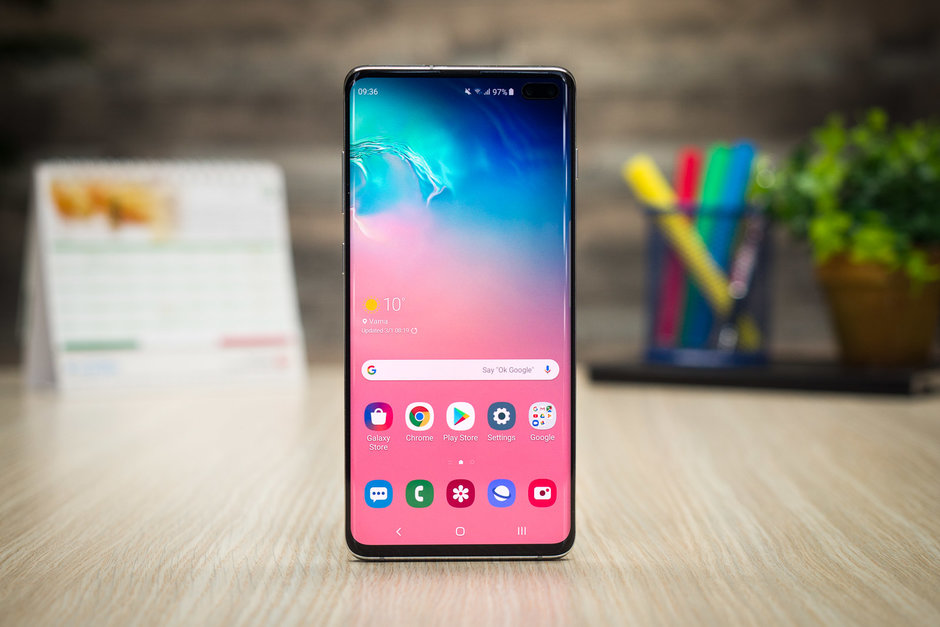
    The Samsung Galaxy S10 series apparently experienced a pretty sluggish start in South Korea. Globally, though, demand for the devices has proven to be quite high. So high, in fact, that the Galaxy S10 series has set new pre-order records for the US and the UK.

    In both markets, the Galaxy S10+ proved to be the most popular model of all with a sales share of 57%. The Galaxy S10 and Galaxy S10e, on the other hand, accounted for the remaining 43%. However, it’s unclear which of these two proved to be the most popular.

    As for colors, UK consumers largely favored the new Prism Black option – it accounted for a whopping 47% of pre-orders. The color preference of US consumers wasn’t specified but lack of stock suggests that Prism White was the general favorite.

    Unfortunately, no specific pre-order numbers were provided. But the records do suggest the Galaxy S10 series could be just what Samsung needs to maintain its number one position throughout the rest of the year. The news also bodes well for the recently-revised shipment estimates by Ming-Chi Kuo. For those of you that may be unaware, the popular analyst recently increased his Galaxy S10 sales predictions to between 40 and 45 million units as a result of popular demand.

  • Kakao’s carpooling app goes live in beta test

    Kakao’s carpooling app goes live in beta test

    Kakao’s carpooling service was introduced Friday for beta testing and will be officially rolled out Dec. 17. The start of the service comes after months of battling fierce opposition from local taxi services. They staged a strike on Oct. 18, two days after the IT company started accepting applications from carpool drivers.

    With the beta service, the Kakao T mobile app, a platform for all of Kakao’s mobility services from taxi hailing to navigation, was upgraded to enable the “Carpool” button on its main screen. The beta service will not be accessible to everybody.

    “The beta service is aimed at increasing the stability of the technology and collecting opinions,” Kakao said in a statement. “For that reason, it will only be offered to some users.”

    The selection of testers will be random and independent of age and location. Anyone upgrading the Kakao T app Friday will see the new “Carpool” button, but only the selected users will be able to input words in the destination box. Those who weren’t selected will see an image with the words “This service will launch soon.”

    The base fare is set at 3,000 won ($2.68) for the first 2 kilometers (1.24 miles), the same as for regular taxis. After that point, the fare will increase proportional to the driving time and distance. The company did not disclose details, but a spokesman said the cost will be equivalent to around 70 to 80 percent of regular taxi fares.

    Kakao’s carpool drivers are allowed to offer carpooling services twice a day at any time of the day. The twice-a-day rule is due to the domestic law that limits carpooling to commuting purposes. More than 50,000 drivers who met Kakao’s requirements have been selected so far.

    A government-led task force composed of lawmakers from the ruling Democratic Party, public officials and taxi companies met Friday to discuss carpooling. Executives from Kakao Mobility, the affiliate in charge of the IT company’s transportation services, decided to launch the same day,

    Kakao acquired the Luxi carpooling app in February and completed preparations for its service later in the year.

    The official launch was postponed previously as the task force failed to reach an agreement on the service’s details, including the fare and limits on use. During a task force meeting held Thursday, some government officials opposed Kakao’s request to release the service that same day, demanding more time to find common ground.

    Korea has been a difficult place for carpooling. Uber closed down its service in 2014, and Seoul’s local government questioned the legality of carpooling app Poolus in 2017.