Tag: #organic

  • Tea Tonic: Australian Organic Tea Brand Brews Up Expansion in Malaysia with Aeon Retail Partnership

    Tea Tonic: Australian Organic Tea Brand Brews Up Expansion in Malaysia with Aeon Retail Partnership

    Tea Tonic, a renowned Australian organic tea brand, is marking its arrival in Aeon Group’s Malaysian outlets, a move that is part of its broader strategy to expand across Southeast Asia.

    Support from Global Victoria

    The brand’s expansion into Malaysia is a result of the support it has received from Global Victoria. This assistance has enabled the Melbourne-based firm to extend its export reach to several countries, including Singapore, Thailand, New Zealand, and now Malaysia.

    About Tea Tonic

    Tea Tonic has its roots in 1998 when it was founded by Lisa Hilbert, a naturopath and herbalist. The brand prides itself on producing certified organic teas that are naturopath-formulated and made from natural ingredients that are Australian-certified organic.

    The company offers its products in two formats – loose-leaf and individually wrapped teabags. Additionally, it also provides tea accessories and gift sets.

    Some of the brand’s most popular blends are the Apple Tree Tea, Blue Magic Tea (with butterfly pea), Body Reset Tea, Chocolate Chai Tea, Chamomile Tea, and French Earl Grey Tea.

    Message from Tea Tonic

    Tea Tonic expressed its excitement about the launch in Malaysia, stating, “Malaysian consumers can now enjoy our colourful range of Melbourne-crafted teas made with organic ingredients that celebrate both flavour and wellbeing.”

    Questions & Answers

    Question: What is Tea Tonic’s expansion strategy?
    Answer: Tea Tonic’s expansion strategy focuses on broadening its reach across Southeast Asia, and its recent launch in Malaysia’s Aeon Group outlets is a part of this plan.

    Question: Who is the founder of Tea Tonic?
    Answer: The Australian organic tea brand, Tea Tonic, was founded by Lisa Hilbert, a naturopath and herbalist, in 1998.

    Question: What products does Tea Tonic offer?
    Answer: Apart from offering a wide variety of tea blends like Apple Tree Tea, Blue Magic Tea, Body Reset Tea, Chocolate Chai Tea, Chamomile Tea, and French Earl Grey Tea, the brand also provides loose-leaf tea, individually wrapped teabags, tea accessories and gift sets.

  • JD teams with brands to launch an organic alliance

    JD teams with brands to launch an organic alliance

    JD’s online supermarket JD Super has formed an organic alliance with brands trading on its platform.

    More than 10 companies, including domestic and international ones, have joined the alliance, including Milk Deluxe, Bellamy’s, Abbott, Anchor, and Gerber.

    Under the alliance, JD Super and other members will work together with government bodies, channel merchants, and inspection institutes to collectively build an “organic traceability” mechanism, which records information about product life cycles, according to JD.

    “JD hopes to establish an organic industry ecosystem through the optimization of industry standards for organic products as well a wide range of support for organic brands to grow their appeal among Chinese consumers,” the company said in a statement.

    JD Super will also support the organic alliance’s members with organic labeling and to develop the platform.

  • Organic food trends during Covid virus outbreak

    Organic food trends during Covid virus outbreak

    Australia has the world’s largest organic-certified area of land, so it comes as no surprise that 70 percent of Australians buy some form of organic food, contributing to the nation’s organic industry worth A$2.6 billion (US$1.67 billion).

    Half of Australians claim this motivation is based on personal health, being free from pesticides and OGM. The organic trend touches numerous categories from fresh fruit and vegetables as well as meat/poultry all the way to snacking and wine.

    Organic accounts for just over 5 percent of total packaged food and beverages in the grocery channel. Even though there is a lot of discussion around organic, it only accounts for a small portion of the market despite being widely spread.  The substantial price differential in most categories might be to blame.

    Even though 75 percent of the IRI shopper panellists state that they purchase locally grown over imported goods and over half are trying to purchase environmentally friendly products. Only 21 percent are actually willing to pay more for organic food.

    As we find ourselves currently in a period of heightened price sensitivity due to many Australians’ temporary unemployment as a result of Covid-19, it is interesting to turn towards trends, such as organic, that fulfill a need beyond the basics.

    Covid-19 heightened our focus on meeting our basic Maslow’s needs. Even though many shoppers claim to buy organic foods for health reasons, we also know that buying organic can be a status-seeking behavior and hence comply with individualistic needs. Due to the current financial uncertainty, many consumers report a stronger focus on finding the best deal at a time when over one-third of households report experiencing grocery affordability challenges and only 36 percent of households report maintaining regular spending.

    The poultry category has a substantial price differential with organic costing twice as much as non-organic. Knowing that only two in 10 shoppers are willing to spend more money for organic could explain the downward trend of organic poultry in the past year. Organic picked up some positive growth momentum since Covid-19 but is far behind overall poultry. This recent shift could be driven by out of stocks in the fresh poultry department as we know that 43 percent of shoppers experienced out of stocks for fresh meat since the beginning of March.

    Organic pasta sauces have been in decline prior to Covid-19 but have seen double-digit growth since. The price differential is only 30 cents per liter, which is more manageable than poultry, and despite the price gap has widened since February vs the prior MAT (from 20 cents per unit to 40), organic might have picked up some of the sales due to the widespread out of stocks in the category. Will shoppers continue buying organic sauces post Covid-19 as increased flavor, one of the claims of organic, might have won them over long-term?

    Covid-19 impacted retail liquor sales positively due to the temporary closure of pubs and restaurants. Despite only a few organic wine brands available, these have seen a slight increase in sales, however, the major growth came from the remaining category as an additional $4 on average per bottle doesn’t seem to be in line with the increased financial strain some Australians or possible the organic health credentials may not translate into a taste for Australian wine drinkers. It also highlights that organic is a choice that is made when a higher disposable income is available.

    Even though everyday routines have been impacted for more than 95 percent of Australian households, as the home has become the epicenter of life, and the catalyst for heightened self-care, organic food does not seem to fall into the consideration set for increased self-care. However, could there be an opportunity for the organic products purchased out of necessity to become included in the ongoing purchase repertoire?

  • Vietnam wants to be top 15 organic farming countries

    Vietnam wants to be top 15 organic farming countries

    The agriculture ministry seeks to turn Vietnam into one of world’s top 15 organic farming countries by 2030, and has its sights on the EU market given trade deals. Under a draft proposal it will submit to the prime minister in the fourth quarter, the Ministry of Agriculture and Rural Development plans to have 7-10 percent of the farming area in the country under organic crops by then.

    The targeted rates are at least 5 percent for animal husbandry and 100,000 hectares of ponds, or 7-8 percent of the total for aquaculture.

    Tran Thi Loan, deputy director of the Center for Sustainable Rural Development (SRD), said at a recent forum that organic farming in Vietnam is mostly small in scale.

    Industry insiders said Vietnam lacks policies to encourage organic farming and a system of certification and supervision to ensure quality.

    Olivier Catrou, head of the organic farming division at France’s National Institute of Origin and Quality, said the government needs to establish such a system so that farmers can produce in larger scales.

    Vietnam has great potential to export organic produce to the EU thanks to the upcoming EU-Vietnam Free Trade Agreement, the agriculture ministry said. Last year, with almost 13,000 tons, the country ranked 39th in organic exports to the EU.

    Data from the ministry shows organic farming is done in 40 localities on a total area of 23,400 hectares, 97.5 percent of them are under EU, U.S. and Japanese standards, and most of the produce are vegetables, fruits and tea.

    Domestic consumption of organic produce is worth around VND500 billion ($21.5 million) a year in Hanoi and VND400 billion ($17.2 million) in Ho Chi Minh City.

    There are 20 exporters of organic produce who ship 260,000 tons a year worth almost $15 million.

  • Mana! looks abroad as plant-based, whole-foods business matures

    Mana! looks abroad as plant-based, whole-foods business matures

    Fast-casual, plant-based whole-foods retailer Mana! Is eyeing further expansion both within Hong Kong and abroad after refining its format in multiple city locations.

    Founder Bobsy Gaia says Mana! Starstreet, its third store which opened in August, is the first to be opened in a commercial partnership, in this case with Swire Properties.

    “We were ready to scale since day one as a fast-slow food concept. Scaling without integrity and brand is dangerous, so we spent time to build the brand first for when the day comes, the expansion will be ready,” he said in an interview.

    To date, all Hong Kong developments have been done under its own steam but the Mana! team is keen to explore international opportunities, either by its own means or through franchising.

    More stores are planned within the next two years after the company has tested its concepts in commercial areas.

    Despite that, founder Bobsy Gaia is adamant the company is not out to please its shareholders.

    “We will seek intelligent capital with integrity to grow. Planet and profit benefit has to balance altogether.”

    Mana! Is becoming well known among the local and expat community for its health and eco-conscious positioning. And Gaia is equally well known for his strong advocacy in the eco-movement.

    The new Starstreet flagship spans more than 1600sqft, the largest after its Central and Poho stores. Apart from its signature menu of fast-slow food, Mana! Starstreet houses its first salad bar and vegan coffee cafe. Not only has the flagship ticked all the boxes for sustainability innovation being a completely zero-waste store, but Mana!’s works within the community and the initiatives set in their new outlet also paved way for Bobsy Gaia being awarded and recognized as one of Hong Kong’s Top 50 Innovative Retail Leaders for 2019.

    From eco-fashion to food

    Hailing from Beirut, Gaia moved to Hong Kong almost three decades ago originally to expand his eco-fashion line until he saw a need for vegetarian food right at Lamma Island where he lives. From the original Bookworm Cafe, to Life Cafe on Shelley Street, Gaia has continuously reinvented the concept and found commercial success through the Mana! venture that is patronized by many today.

    The Mana! tribe

    Mana! customers range from locals and expats, of all genders, age brackets and ethnicities. Albeit the Hong Kong consumer may be eating green for health reasons as opposed to alleviating climate change; there is clearly a growing awareness among the locals and even moreso, emerging within Gen Z.

    Aside from Gaia and his team’s effort in educating local schools and universities, the stores’ customer bases is generally getting younger reflecting a growing demand and awareness among younger people to make a conscious consumption choice.

    The evolution of Mana! flagships

    From the first Mana! Raw on Wellington Street to the Poho joint, the fast-slow food establishment stands out amongst Hong Kong’s concrete jungle with its outdoor space and high ceilings. Mana! also has a 3500sqft production kitchen at Wong Chuk Hang where its team continuously invent and produce the vegan food on its menus today.

    Each of the restaurants specialise in different offerings. The Central store, for example, sells an average of 500 flats a day, while the Poho outlet is noted for the brand’s first vegan coffee shop. But all the stores maintain visual consistently through their murals and designs.

    While the Starstreet flagship streamlines all food concepts and offerings together in one place, “this is a fuller expression of Mana!’s concept – with space” according to Gaia, especially as it is the first location that is roofed. The store’s signature reclaimed wooden tables stretch through the restaurant, and are large enough for a leisurely hangout as well as a welcome working spot, equipped with free WiFi. It is common to find the Mana! team using its own space rather than their headquarters as it allows them to engage with the Mana! community. A cushioned no-shoes Zen zone sits comfortably in the middle of the restaurant for gatherings, and a library corner with Bobsy’s must-reads in life.

    Sustainability

    The fundamental of Mana!’s success not only lies from its vegan food offerings, but it is also recognized for its sustainability movement that has contributed back to the community largely. “The difference is integrity…we don’t cut corners,” said Gaia. “We’ve invested lots of time to showcase what a conscious business can be and should be like. Our recycling system took eight years to develop – we call this version 0.7.”

    Aside from alliances and organizations, Mana!’s team works closely with the government, with many initiatives we see today influenced by their efforts. For example, they were the first in launching Hong Kong’s first designated paper recycling bins in 1997. Glass bottles recycled in-store get turned into bricks and tiles for Hong Kong parks and sidewalks. All of its packaging underwent in-depth research to design the compostable packaging that exists today, and is returned back to the earth as soil.

    Outside of its shops, Mana!’s team is seen regularly in local communities, partnering with like-minded organisations and even start-ups, such as Hong Kong Dog Rescue, Peta and Feeding Hong Kong. It also works with retailers such as Lush and Lululemon through corporate catering or hosting events together. Every morning, the Mana! Starstreet store hosts “Morning Mindfulness” sessions with Lululemon ambassadors as well as local trainers to bring the local community together.

    Tips for retailers

    Gaia has sage advice for retailers seeking to evolve and adapt their sustainability initiatives.

    “Build a conscious business that inspires change. A restaurant is a restaurant, but Mana! is a vehicle to inspire change, through the stomach.”

    Gaia says Mana!’s success has come from bringing integrity and trust to its retail business – key ingredients for success, especially in the sustainability market. He invites retailers seeking inspiration to visit any of his eateries and peruse the libraries on hand.

    But in his own wise words: “The new business of business, is to

  • Food trends and their impact on consumption

    Food trends and their impact on consumption

    We are a young nation of 1.2 billion consumers. We are more connected to each other and the rest of the world than ever before. We travel within India and outside India more frequently. We are more informed about ourselves, about what we eat, about our environment and also about the impact of our consumption on environment. We see a large number of trends and counter trends that influence us. Some of these are fads that just pass away and some are here to stay. Here are some key trends that will have an impact on the way we consume.

    Food is an experience

    Indians have historically valued pure, freshly cooked home-made meals. The trend of eating out, widely prevalent in the West, has slowly emerged in India over the past few years. Eating out is no longer considered as a means of satiating hunger nor is it limited to the rare occasions. Shopping and casual outings, spending free time and experimentation are, not surprisingly, the new reasons for eating out!

    As per a recent Nielsen report, on average, Indians spend Rs 6,300 per year on eating out with affluent Indians spending approximately twice as much as their middle class counterparts.

    Usage of “Let’s Do…” for food is a true reflection of Food as an Experience. Consumers are frequently experimenting with a variety of cuisines, flavors, and combinations of food that were hitherto either unavailable or unheard of in the Indian market.

    Cross-cultural influences abound in dishes. Some examples of the innovative confluence of flavors are peri peri bhel, Schezwan and chocolate dosas and a wide variety of Frankies. Even the quintessential lassi can be found with a multitude of western influences such as chia seed additions and imported fruit flavors. Tikka and tandoori flavored mayonnaise, Indian versions of Chinese dishes, Chettinad sandwiches and paneer tikka pizzas are instances of Indian flavors seeping into western culinary dishes. The same is reflected in some of the food product launches.

    Variants range from quinoa rawa upma insta mix, smoky tikka mayonnaise & tamarind date chutney to beverages such as jamun kalakhatta, kokum, gol gappe ka pani, aam panna, and jal jeera made specifically as substitutes to fruit- based juice. These immensely popular products reveal the inclination of the Indian consumer towards mixing flavors.

    Health is Imperative

    As a nation, India is performing better on all indices of health such as quality and longevity of life. Indians are living better, longer and have healthier life spans. Thanks to mobile apps and wearable devices, it is possible to constantly monitor the heartbeat, quality of sleep, blood pressure and even the number of steps taken during the day. The entire idea of health has transformed from being curative to becoming preventive in nature.

    Although consumers are time constrained due to hectic work schedules, especially in urban areas, they are looking for avenues to build and maintain a healthy life style. While physical activity forms a core part of this endeavor, Indians are proactively choosing the right food products to meet their diet and health goals.

    Food products in the market range from breakfast cereals such as oats and muesli to vitamin pills. There is a marked rise in the consumption of baked goods, health biscuits, multi-grain flours, green tea and other health drinks. Furthermore, consumers are willingly buying premium products that promise health benefits. Some of the health attributes perceived to be the most important are high protein, high fiber, low cholesterol and low fat.

    Oats-based mango flavored, calcium and fibre-rich ready-to-drink breakfast option and power sprouts, honey dates flavored malt-based food drinks are good illustrations of healthy beverages available on the shelves. Snack packs of sweet and savory yoghurt and snack combos such as the Jalapeno Greek yoghurt with barley puffs are healthy replacements for the “in between meals” snacks that Indians are prone to eating. Packed khichdi mix infuses the health quotient of broccoli, carrots and almonds in the consumer’s diet. Another unique example is the gluten-free alternative to spaghetti made by cutting vegetables into thin noodle shapes or curls.

    Consumption of dietary supplements, especially in relation to adult nutrition, has also boomed. There is an emergence of “immunity boosting” foods as a major category in the market.

    These supplements can induce weight gain or weight loss or nourish the body with vital elements such as calcium, iron, omega 3 and vitamins. Moreover, active adults are consuming copious amounts of whey proteins and energy beverages.

    Consumers are as conscious of the wellness of their children as they are of their own. For instance, consumers are willing to experiment with chocolate-flavored nutritional supplements for children in a bid to ensure holistic growth. Busy parents who rely on prepackaged food or ready-to-eat meals are some of the key purchasers of probiotic drinks meant for children.

    The wide acceptance of health and wellness foods has created a Rs 10,352 crore market with a growth rate of about 10 percent. The sales contribution is the highest in non-metro but urban cities, at 40 percent. This is closely followed by rural areas at 32 percent and urban areas at 28 percent. The category penetration is highest in the south followed by the east.

    Natural & Ayurvedic Way of Life

    We see both these trends- Health and Tradition- coming together in Ayurveda and Natural Foods. The growing belief that natural products are uncontaminated and best is getting firmly ingrained in the minds of Indian consumers as the word “processed” implies a negative connotation of unoriginality. Ingredients recommended by our ancestors such as tulsi, turmeric, neem, lemon, mustard oil, ghee, saffron, amla juice, cold pressed oils of nuts and seeds are all finding their way on to the consumer’s plate. Food items made with these ingredients are not only considered as healthy but also as comfort food since consumers perceive that they have made a special effort to look after themselves. The re-emergence of yoga has only served to boost this trend. Consumers will continue to turn to nature to search for viable but healthy food options. This trend also manifests itself in organic foods though they are still a niche and are hampered by a lack of trust and high premiums. We foresee that the natural and ayurvedic trend will be stronger in the years to come and that multiple entrepreneurs will establish profitable ventures in these categories.

    Increasing Share of Proteins & Dairy

    The biggest trend as a Nation that we see is the shift to Proteins and Fats. For the first time in Indian history, milk has become the biggest agriculture crop at almost INR 5 lakh crore. It’s now bigger than all cereals and pulses put together and is 20% of the agricultural output. This shift towards fats and proteins from the traditional intake of carbohydrates for subsistence is the biggest perceptible proof of prosperity of the people. Though India is 70% non-vegetarian, it apparently has not yet crept into daily dietary preferences. Milk appears to be the most economic and culturally accepted protein source of daily diet in our country. It can also be seen as the reflection of the dietary habits of a younger India. In Modern Trade, we have seen milk and value-added milk products increasing their share and new entrepreneurs and new products coming up. We envision this trend to become stronger in the times to come.

    Startups in Food

    The emergence of modern trade and e-commerce has made it easy to be a single product company and has fostered innovation and entrepreneurship. Launching a new FMCG product is no longer the domain of multinationals or big players with financial and distribution muscle. Small and medium enterprises that were previously deterred by the huge capital investments required for distribution networks while launching new products can now easily develop and bring their products to the market in a cost effective manner.

    This has had a profound effect on the number of launches of innovative products in the market. Quinoa puffs, butter spreads, health and energy bars, pasta kits, packaged ready to cook idli/ dosa batters, raw juices, water based functional beverages, are all excellent examples of new age products built and marketed by small companies being widely accepted by the consumer base.

    In conclusion, the purchasing decisions of consumers are affected by trends to a large extent. As enablers in the consumer’s shopping journey, recognizing and translating these trends into viable business opportunities remains a key concern for manufacturers and retailers today.


  • Premium organic skincare brand Ikkai launched in India

    Premium organic skincare brand Ikkai launched in India

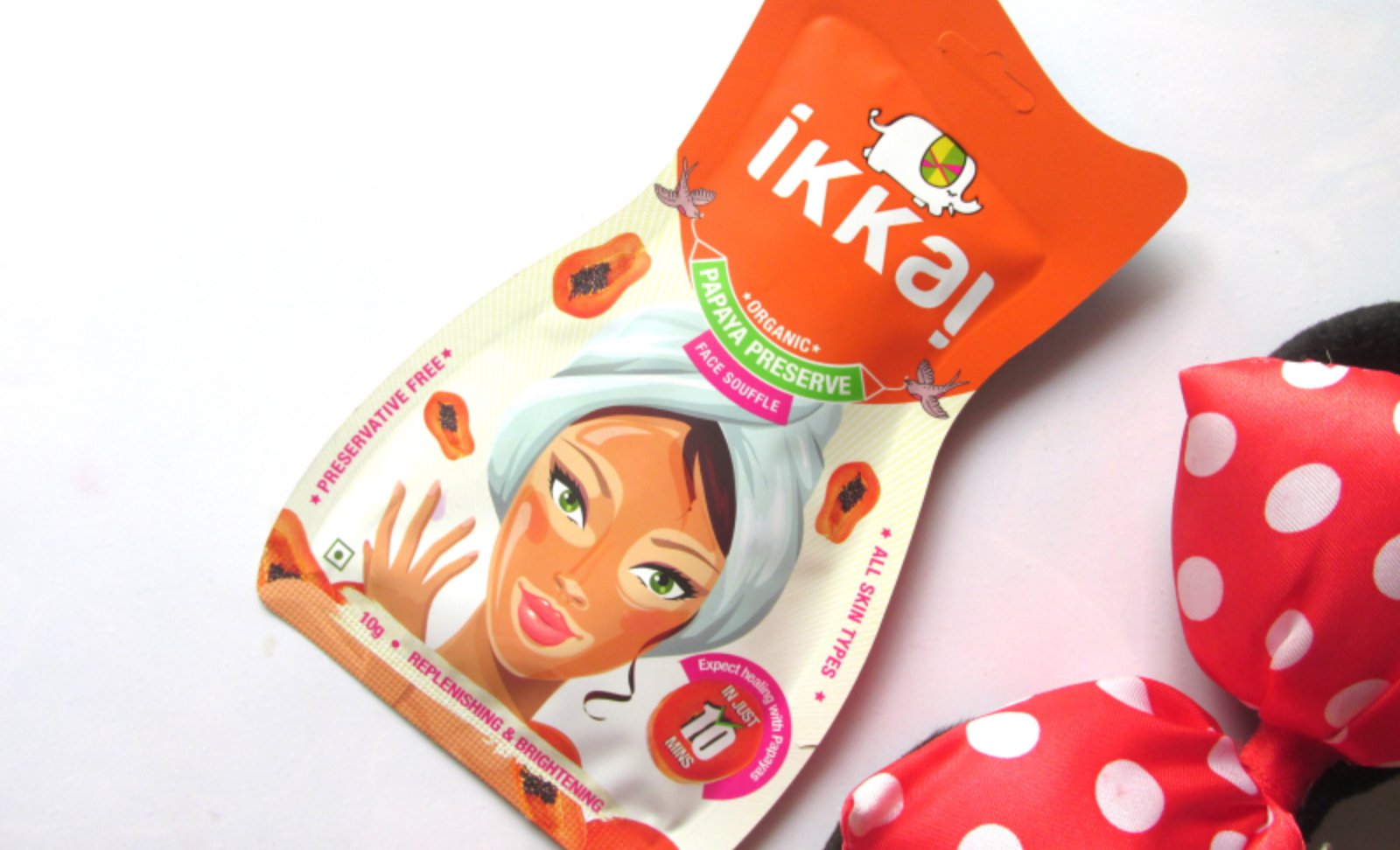
    India’s leading natural beauty brand Lotus Herbals has unveiled Ikkai, a premium organic skincare brand. Ikkai is a fun beauty care brand for the youth that delivers awesomely convenient organic skincare products in single use packs. Considered to be the ‘Future of Skincare’, Ikkai consists of a range of adorably delicious, happy beauty products that include organic face masks, soufflés and scrubs. The entire range employs potent organic formulations that administer higher concentration of active ingredients in each product to provide safe and natural care effectively. It helps combat the effect of stress, pollution and environmental damage making it one of the finest natural care products available in the market place.

    Speaking at the unveiling of Ikkai, Nitin Passi, Director, Lotus Herbals says, “It has been our endeavor to provide the Indian consumer the finest natural care products since we launched Lotus Herbals in 1993. Ikkai is a premium organic skincare brand that caters to the emerging skincare needs of today’s millennials and contemporary women. We are confident that our range of organic face masks, scrubs and soufflés packaged in one time use packs will appeal immensely to our target consumer.”

    Ikkai offers an innovative range of skincare products that are made with naturally sourced ingredients and enzymes. Cusotmers can indulge in the goodness of acai berries, blueberries, papaya enzymes , extracts of orange, lemon, carrot oil, almond meal, walnut shell and lot more.

    Ikkai products are available at leading e-commerce portals like Nykka, Amazon, Purple and Flipkart. These convenient one time use packs are priced between Rs 75 to Rs 325 for the combo packs.

  • Minister sees off organic rice export to Belgium

    Minister sees off organic rice export to Belgium

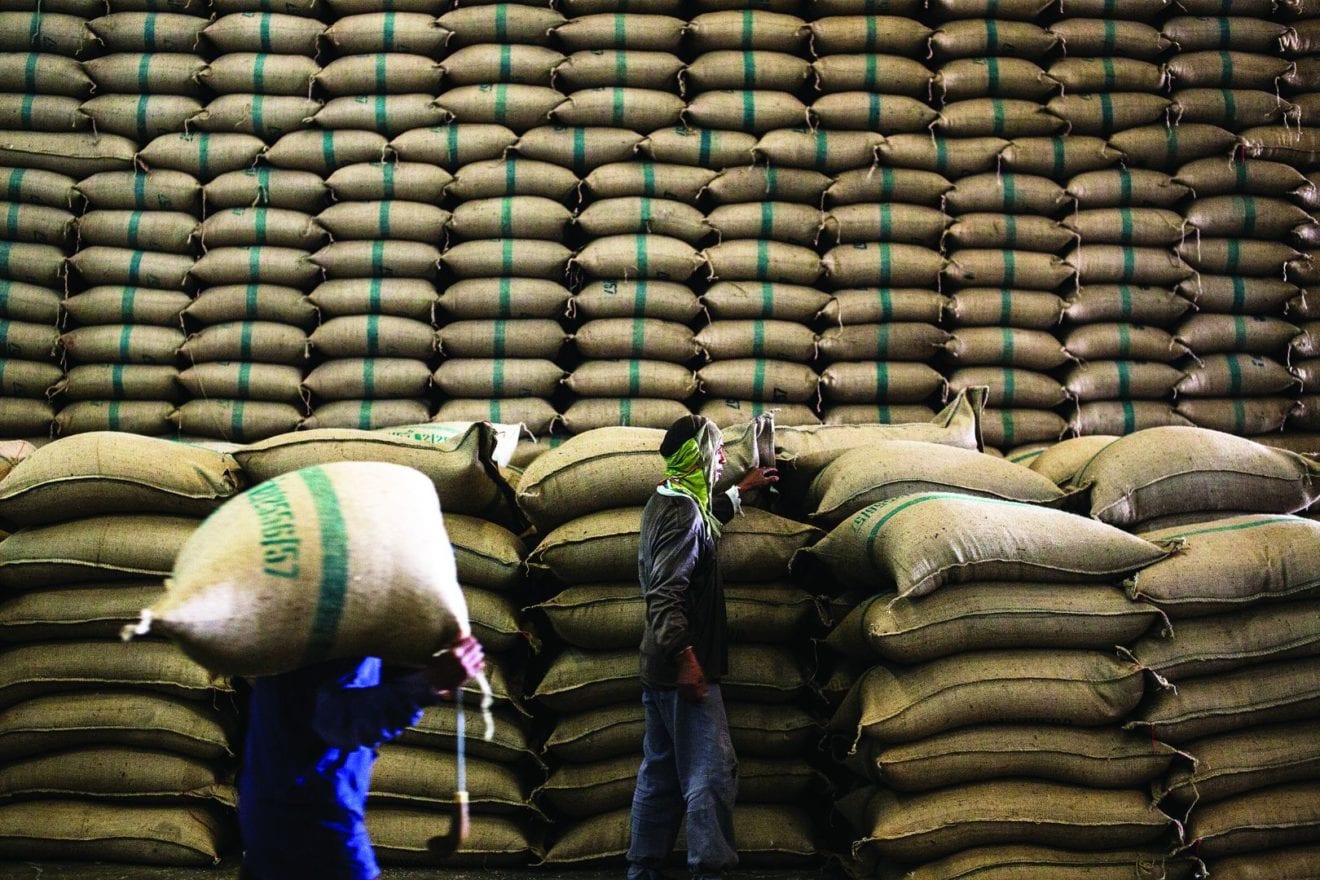
    Agriculture Minister Andi Amran Sulaiman here on Thursday saw of the shipment 40 tons of organic rice produced by a farmer group of Simpatik in Mekar Wangi village, West Java to Belgium.

    The shipment marked eight years of organic rice export from the farmer group to Belgium.

    The exported rice was packed in airtight plastic that can last for months. One pack of rice weighed five kilograms with a label of Indonesia Rice on it.

    In addition to Belgium, the other importer countries are Singapore, Italy, United States, and United Arab Emirates.

    The rice price at the farm level reaches Rp 20 thousand per kilogram, but in Belgium it is Rp90,000 per kilogram.

    At the farmers level, the price of the rice is Rp20,000 per kilogram, while in Belgium it reaches Rp90,000 per kilogram.

    Amran said every year Indonesia is able to export 100 thousand tons of organic rice, so that it will be the future of Indonesian agricultural products.

    “It is a smart agriculture. I have asked the Research Agency to support the organic rice farming. This is the future of rice exports. We just improve the regulation to make this sector competitive,” he said.

    The minister said that in addition to Java, Sumatra and Kalimantan also have potential in the rice organic agriculture.

  • Amazon launches organic gardening store

    Amazon launches organic gardening store