Tag: os

  • Huawei reportedly testing HarmonyOS 3.1 before it is pre-installed on P60 line

    Huawei reportedly testing HarmonyOS 3.1 before it is pre-installed on P60 line

    The last Huawei phone to feature the Google Mobile Services version of Android was the P30 Pro released in March 2019. Banned from using Google software and apps by the U.S. Commerce Department due to security issues, Huawei developed its own operating system called HarmonyOS. It was first used on a Huawei smartphone with the Mate 40 series and the Mate X2 foldable. Eventually, Huawei Mobile Services was also released in 2019 and includes the company’s AppGallery app storefront.

    Gizchina reports that according to an unnamed tech blogger, Huawei is currently in the process of testing HarmonyOS 3.1 internally. Version 3.0 of the operating system was pre-installed on the Mate 50 line that was released to a warm reception domestically last year. The latest rumor says that the new build kills off some bugs while improving system stability. The report also says that Huawei doesn’t have plans in place to update recently released handsets over the air with HarmonyOS 3.0.

    And it isn’t too soon to be thinking about version 4.0 of HarmonyOS. The report says the operating system’s next major build will include some new designs (we assume that the UI of the operating system is what will be changed) along with some new functionality. Now here’s the deal folks, while HarmonyOS-powered handsets make up only 2% of the world’s smartphones, that is good enough to make Huawei’s in-house operating system the third largest smartphone platform in the world after Android and iOS.
    In talking with our readers throughout the years, some believe that Huawei deserves all of the punishments placed on it by the U.S. because the company is truly a national security threat. And there are others who believe that the U.S. started punishing Huawei only to make sure that it didn’t negatively impact Apple’s businesses. No matter what you believe, the Chinese manufacturer may not have thrived as it did in the past, but it didn’t roll over and die either.

    And Huawei’s Mate 50 featured some innovations including the Emergency Battery Mode that even with 1% battery life remaining allowed users to make calls for 12 minutes, send messages, and stay on standby for up to three hours. The Mate 50 Pro became only the second handset to feature a camera with a variable aperture.

    One of the most interesting apps available from AppGallery is called Petal Search. The app allows users to obtain, “daily weather forecasts and top news; live sports scores and schedules; video, image, and music searches; and financial news and stock market updates.” If you’re about to travel, Petal Search will “search millions of hotels worldwide and book rooms; and check flights and travel info for top global destinations.” Petal Search will also “look up local services and businesses with comprehensive directories.” But there is even more functionality to this app.
    If you’re looking for a particular app that isn’t listed on AppGallery for one reason or another, search for it on Petal Search and even apps developed by Americans will show up if they are available to be sideloaded from a third-party app store. If an alternative source for such an app is found, you can install it directly from the Petal Search app. When we first wrote about the app three years ago, it allowed Huawei device owners to install American-developed apps such as Amazon, Snapchat, Speedtest.net, and AccuWeather.
    Now that the U.S. has banned Huawei from receiving the 4G-only Snapdragon chipsets from Qualcomm, the company’s continued existence in the smartphone industry will depend on whether Huawei receives a patent for a new light source it created for the extreme ultraviolet (EUV) lithography machines that are used to etch extremely thin circuitry patterns on silicon wafers. It is crucial to the production of cutting-edge chips. One Ditch company, ASML, makes these machines and is banned from shipping them to China.
  • Qualcomm sheds light on which smartwatches support Google’s new Wear OS

    Qualcomm sheds light on which smartwatches support Google’s new Wear OS

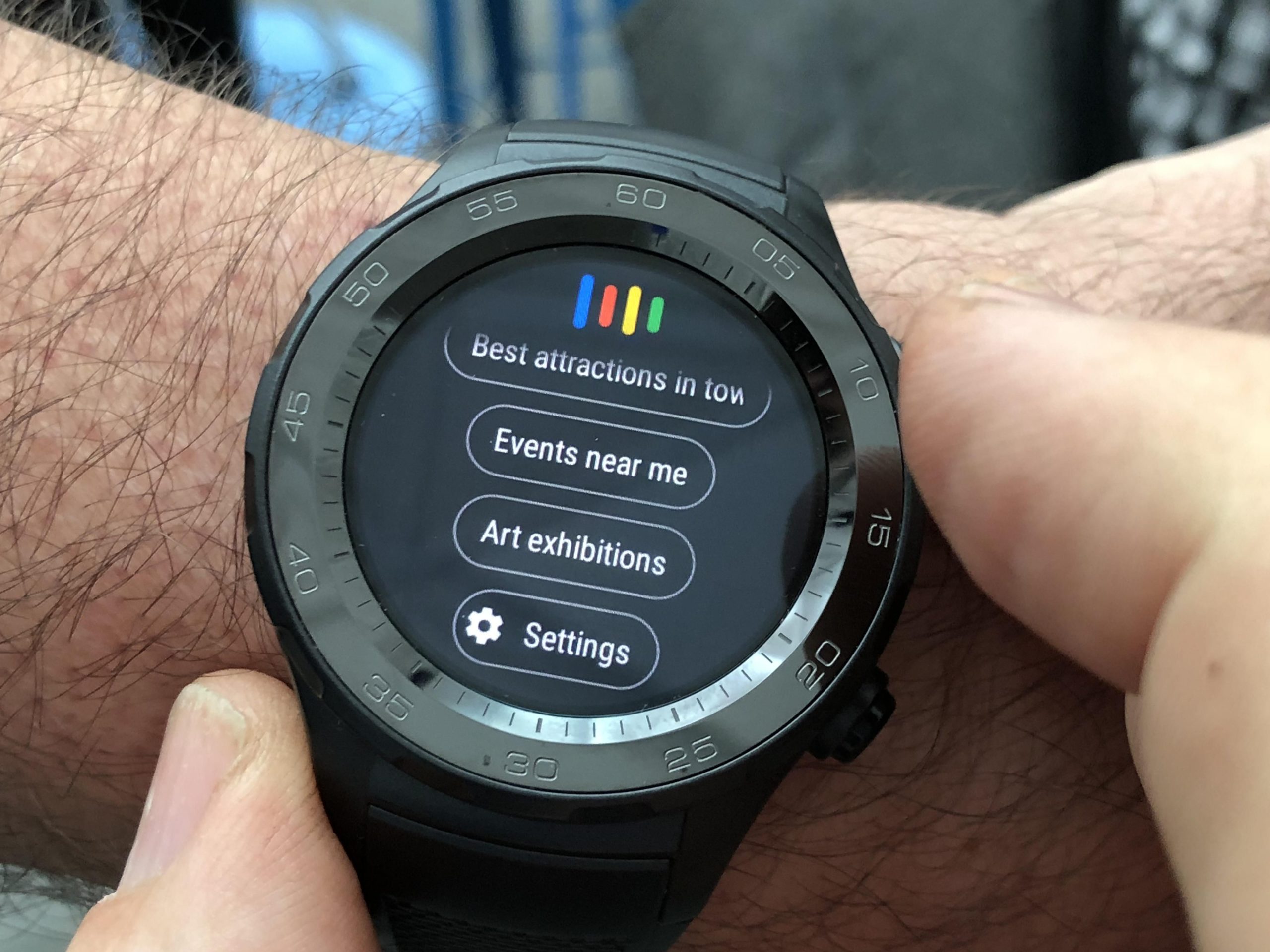
    The reveal of a new Wear OS fully supported by Samsung was a big surprise for the wearable industry. In fact, it was such as surprise that many smartwatch manufacturers don’t know whether or not their products support the platform that’s said to combine the best of Wear OS and Tizen.

    Not even Google was willing to offer a straight answer when asked which of the current smartwatches can be upgraded to Wear OS 3.0, and which ones will remain on their current version of the OS.

    Qualcomm on the other hand has been more generous and shared some info on the matter. XDA reports that a spokesperson for Qualcomm confirmed that Snapdragon Wear 3100 and Snapdragon Wear 4100/4100+ are the only chipsets that would be able to run the new Wear OS 3.0.

    We are working with Google on bringing Wear OS 3.0 to Snapdragon Wear 4100+ and 4100 platforms. Snapdragon Wear 3100, 4100+ and 4100 platforms are capable of supporting Wear OS 3.0, but we are not discussing any specifics at this time.

    Although that doesn’t necessarily mean that all smartwatches equipped with these specific chipsets will receive the Wear OS 3.0 upgrade, at least we know which ones are more likely to be updated.

    Of course, if you’re using a Fossil smartwatch, then you already know you won’t be getting the new Wear OS 3.0 update, as the company has already issued an official statement on the matter not long ago.

  • Google uploaded some of its apps in the Samsung Galaxy Store

    Google uploaded some of its apps in the Samsung Galaxy Store

    In a seemingly strange move, Google has uploaded two of its apps – Google Translate and WearOS – to Samsung’s own Galaxy Store. This collaboration will probably continue in the future with more applications added to the Galaxy Store.

    Looking at this reciprocally, Samsung’s own software has been available in the Google Play Store for quite some time now including apps like Samsung Health, SmartThings, Galaxy Wearable and more. This makes sense, as Samsung wants consumers outside their ecosystem to still be able to use the company’s wearables with phones from other brands.

    One possible explanation of why Google apps appeared in the Galaxy Store may lay in the screenshots of the aforementioned apps – WearOS’ in particular. The interface in the images seems to be in Chinese, suggesting that Google is trying to reach Chinese consumers.

    On the other hand, WearOS and Google Translate won’t work at all without Google Play Services installed on the device, and the latter is still inaccessible from China. It all might seem like a futile exercise but the only other explanation is that Google wants its software to be more easily available/accessible on Samsung phones – If people prefer to use the Galaxy Store more often, they’ll now find some Google stuff there too.

    We might have to wait a little longer before the reasoning behind all this becomes clearer, but there’s no harm in Google apps showing in as many places as possible.

  • Honor TVs launched by Huawei running it’s own OS

    Honor TVs launched by Huawei running it’s own OS

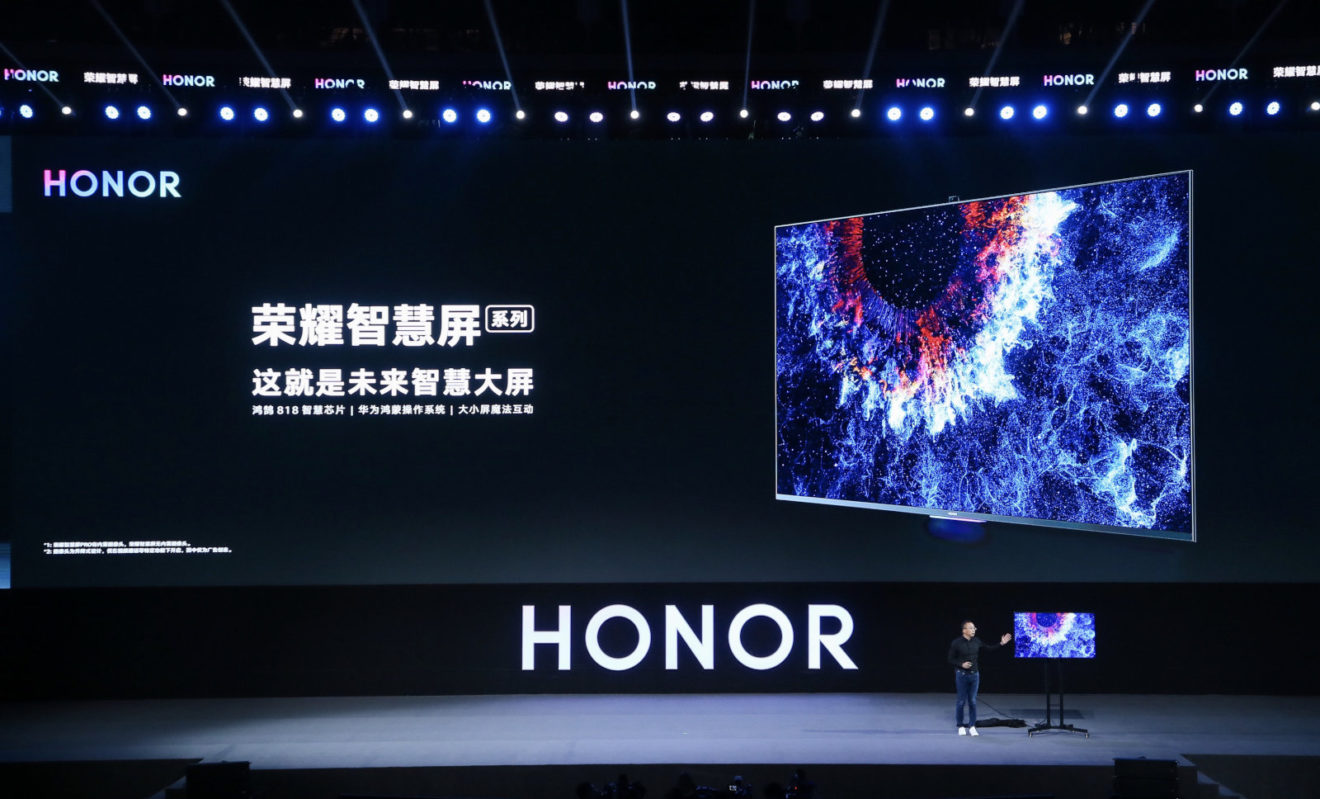
    Chinese smartphone brand Honor has launched a flat-screen television it claims “ushers in a new era for the future of TV”.

    Unveiled at the Huawei Developer Conference, the Honor TVs come equipped with three Huawei self-developed intelligent chipsets and is the first television set in the world to carry Huawei’s own operating system HarmonyOS.

    “Honor Vision is not just television as we know it,” said the company’s president George Zhao. “It defines the future of television with Honor’s ‘Sharp Tech’ innovations.”

    Zhao says the Honor TVs will play a more critical role in the future of smart family life. “It is not only a home entertainment centre, but also an information-sharing centre, a control-management centre and a multi-device interaction centre,” he said.

    Huawei launched Harmony to deliver what it describes as a “cohesive user experience across all devices and user scenarios”. Some industry analysts have already commented that the development of the OS mis linked to US tech giant Google discontinuing upgrades for Huawei devices running Android due to security concerns in the west.

    But Huawei says HarmonyOS will be optimised and gradually adopted across the brand’s smart watches, smart screens, in-vehicle systems and smart speakers. It will be released as an open-source platform worldwide to encourage adoption by other tech companies.

    Meanwhile, the new Honor TVs come with a ‘Family Note Function’, allowing users to transfer 600M images between their smartphone and display via Huawei Share software in just 20 seconds – that’s 100 times faster than transferring via Bluetooth.

    The Honor Vision sets will also act as an in-home control and management centre, using software called HiLink, an open ecosystem for the smart home. “The platform as well as the technology will be accessible to other smart home providers in the industry, allowing users to connect their preferred smart home products together,” the company said in a statement.

    The Honor Vision range of 55” 4K TVs includes 2GB+16GB standard versions and 2GB+32GB Pro versions, priced at RMB3799 (US$538) and RMB4799 (US$680) respectively.

  • New feature in iOS 13 could save money

    New feature in iOS 13 could save money

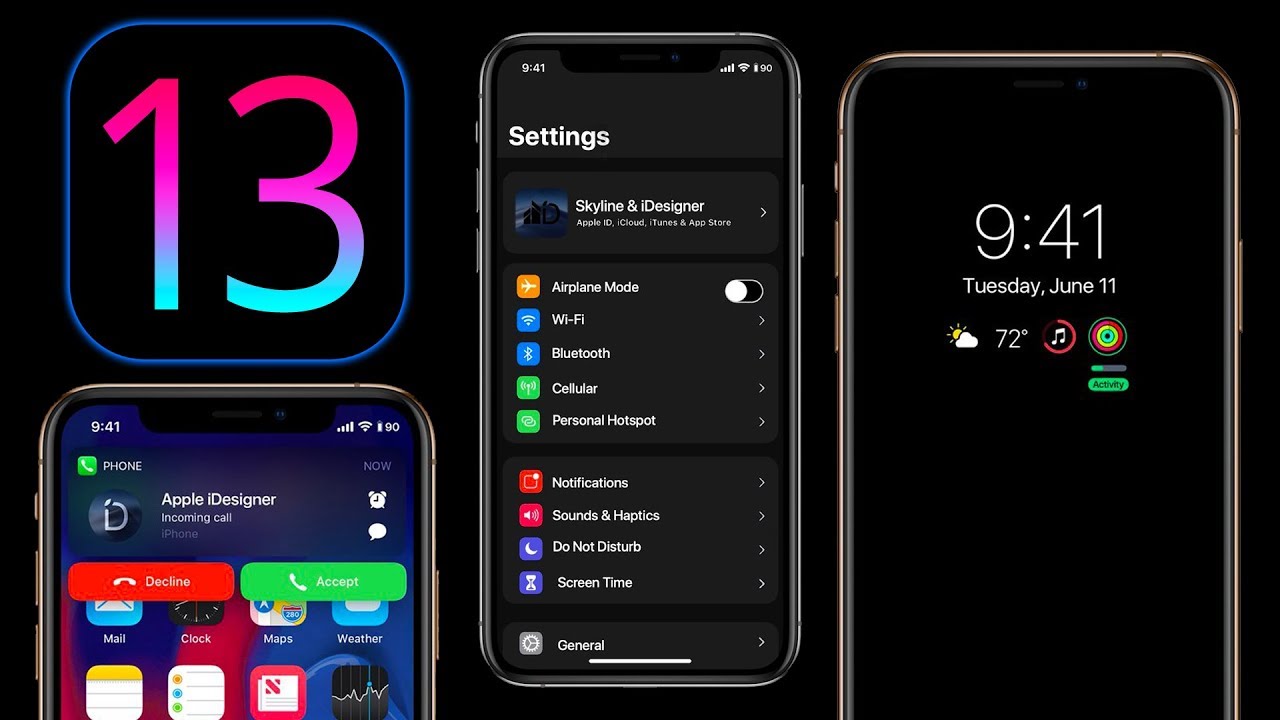
    Ever delete an app from your iOS device, not realizing that you’re still paying a monthly fee to use it? It appears that Apple feels your pain. In iOS 13, if you delete an app, you will see a pop-up reminder if you have an active subscription to that app. A screenshot taken from an iPad running the second beta preview of iOS 13; the pop-up reminder can be seen on the screen asking, “Do you want to keep your subscription for this app?”

    The reason why this feature comes in handy is because you might delete an app and forget that you re paying a monthly subscription fee to use it. If you don’t cancel the subscription, you’ll continue paying monthly for a service that you no longer want. And to make sure that you don’t get charged for another month, the pop-up message tells you the next date when your credit card will be automatically used to renew the subscription. Of course, you can cancel your subscription no later than the day before your renewal date. The reminder also notes that if you delete the app but keep the subscription, the service can still be used on other devices.

    So let’s say that you subscribe to Hulu, paying $5.99 a month. You’re going through your iOS device and decide to delete the app, forgetting that you’re making that monthly payment automatically. If Apple keeps this new feature, before you tap that button to uninstall the app, you will see the pop-up reminding you that if you’re really cutting ties with the service, you might want to cancel your subscription. And the reminder also includes a link that takes you to your iOS subscriptions.

    Even though the iPad will have its own OS later this year, we would imagine that this feature will most likely be available for both iOS and iPadOS.

  • Android Q beta now available for OnePlus 7 Owners

    Android Q beta now available for OnePlus 7 Owners

    Here is some good news for developers and risk takers who just purchased the OnePlus 7 or OnePlus 7 Pro. The latest Android Q beta (which is number 3) is now available for the phones. OnePlus announced this on its blog and pointed out that “this build of Android Q is best suited for developers and early adopters.” Why? Because beta versions of the software are often filled with more bugs than a Raid test facility. And if the OnePlus 7 or OnePlus 7 Pro is your new daily driver, who wants to deal with a problem that prevents you from using an important feature on the phone?

    Speaking of problems, there are some known issues with the third Android Q beta preview. The Ambient Display, which uses machine learning to learn how bright or dim you like the display to look under certain conditions, is not working. There are also some problems with system stability, and texts can’t be sent when the Voice over LTE setting is enabled. The gestures used to navigate the phone also don’t work, and neither does Recovery mode. OnePlus also points out that some apps might not work the way you expect them to with this beta release.

    Some warnings. While signing up to join the Android Q beta program on a Pixel is a simple and easy procedure that allows you to receive updates OTA from the first beta build you receive, signing up for the OnePlus 7 or OnePlus 7 Pro requires that you load a zip file, and then flash the necessary files. All of the directions can be found on the OnePlus blog, including how to put your phone back on track to receive stable builds OTA. Either way, you will lose all of the data stored on the device so you might want to back up your data first.

    If you’ve done this before and are very familiar with flashing a ROM on a phone, this might not be so difficult. But if you’ve never done this before, a mistake could lead you to accidentally brick your phone. If you decide to proceed, make sure that your OnePlus 7 or OnePlus 7 Pro has at least 30% battery life and 3GB of storage available or higher.

  • Android Auto To Get A New Interface

    Android Auto To Get A New Interface

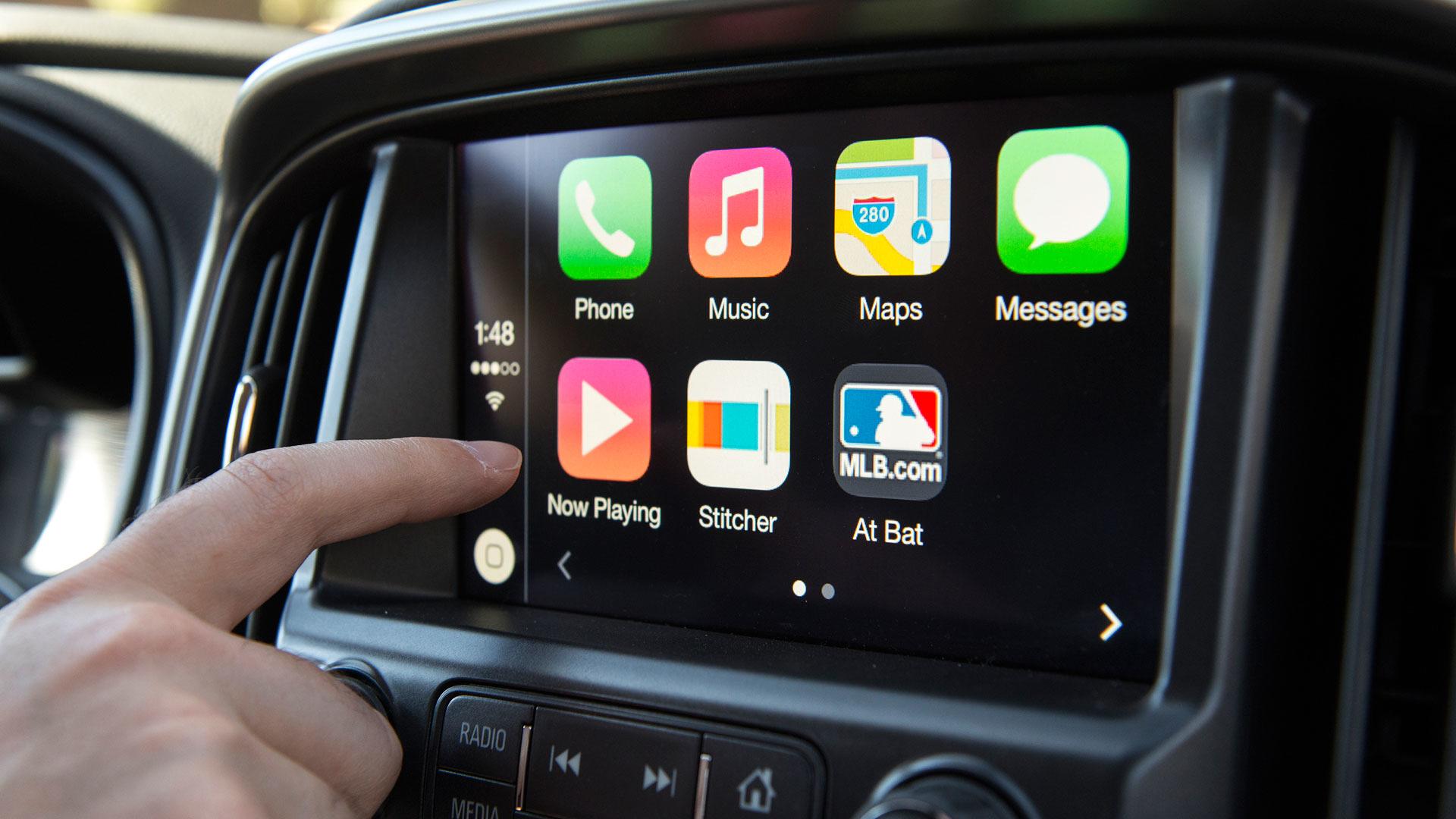
    With connected cars and inbuilt eSIM technologies coming in, chances are that smartphone connectivity in cars is the next big thing. However, Google is going the whole hog and is making Android Auto a lot more engaging. In a blog post, the company shared that Android Auto will be updated with a new interface and some added features will help simplify operations for users.

    The new interface will get a dark theme which will be coupled with colored accents and the fonts will be easier to read. It will also adjust automatically to the size of the display to show more information on the screen like next-turn indicators, playback controls, and ongoing calls. The new notification center will also cover a wider space to show calls, texts, and alerts. Android is also adding a new navigation bar which will show turn-by-turn directions and you will be able to use the rest of the screen for other apps. Moreover, along with resuming your song playlist as soon as you start the car, Android Auto will also suggest locations on your screen based on your commutes. You can also navigate to a new place using the “Hey Google” voice command.

    All in all, the new interface will make your experience even speedy and you will require lesser taps as the majority of the applications will be working simultaneously on the screen of your car along with navigation. Google says that the new dark theme has been made standard to go with the interior of new-age cars. Bigger fonts and lesser taps also allow drivers to focus on the road.

  • Nutanix launches OS for hybrid cloud environments

    Nutanix launches OS for hybrid cloud environments

    Nutanix has revealed that that the Nutanix Enterprise Cloud OS will be delivered as a full software stack with new multi-cloud capabilities in Nutanix Calm and a new cloud service called Nutanix Xi Cloud Services.

    The new offerings, announced at its .NEXT Conference 2017, are designed to allow customers to use Nutanix Enterprise Cloud Software throughout their multi-cloud deployments, including on-premises with platforms from IBM, Dell EMC, Lenovo, Cisco and HPE, in the cloud via AWS, Google Cloud Platform and Azure, or natively.

    Delivered as software, the Nutanix Enterprise Cloud OS supports a variety of hardware platforms, form factors and third-party vendors, ensuring that a single software fabric with unified management can run across all enterprise environments.

    The Nutanix Enterprise Cloud OS extends beyond Nutanix-branded appliances, OEM offerings from Dell EMC and Lenovo and systems from partner IBM to flexible subscriptions and enterprise license agreements (ELAs) on Cisco and HPE platforms.

    For consumption as a service, IT leaders will be able to leverage Nutanix software as a native cloud-delivered solution via Xi Cloud Services.

    Xi Cloud Services will allow customers to provision and consume Nutanix infrastructure on demand as a native extension of the enterprise data center.

    The first available Xi Cloud Service will enable Nutanix customers to set up, manage and test a complete cloud-based DR service in just minutes. Using the same Prism management interface, Nutanix customers can instantly protect their applications and data inline with existing workflows as part of their routine IT operations.

    Nutanix will partner with strategic cloud providers to deliver Xi Cloud Services globally, and to meet the data provenance requirements governing multiple industries and use cases.

    Building and operating a multi-cloud architecture requires that applications can be easily defined, instantiated and scaled independent of the cloud environment. Nutanix Calm abstracts application environments from the underlying infrastructure and recommends the right cloud for the right workload while harmonizing cloud operations.

    Nutanix Calm will allow applications to be defined via easy-to-use blueprints, which can be provisioned, managed and scaled into different cloud environments. The solution includes a powerful, integrated marketplace so that application designs can be shared across the organization to speed the time to production for new business initiatives.

    The Nutanix Enterprise Cloud OS is now available as a software-only offering for popular platforms from Cisco and HPE. Nutanix Calm is planned to be available for sale by calendar Q4 2017. Nutanix Xi Cloud Services for disaster recovery are planned to be offered for early access by calendar Q1 2018.
  • Workz Group launches world’s smallest SIM OS

    Workz Group launches world’s smallest SIM OS

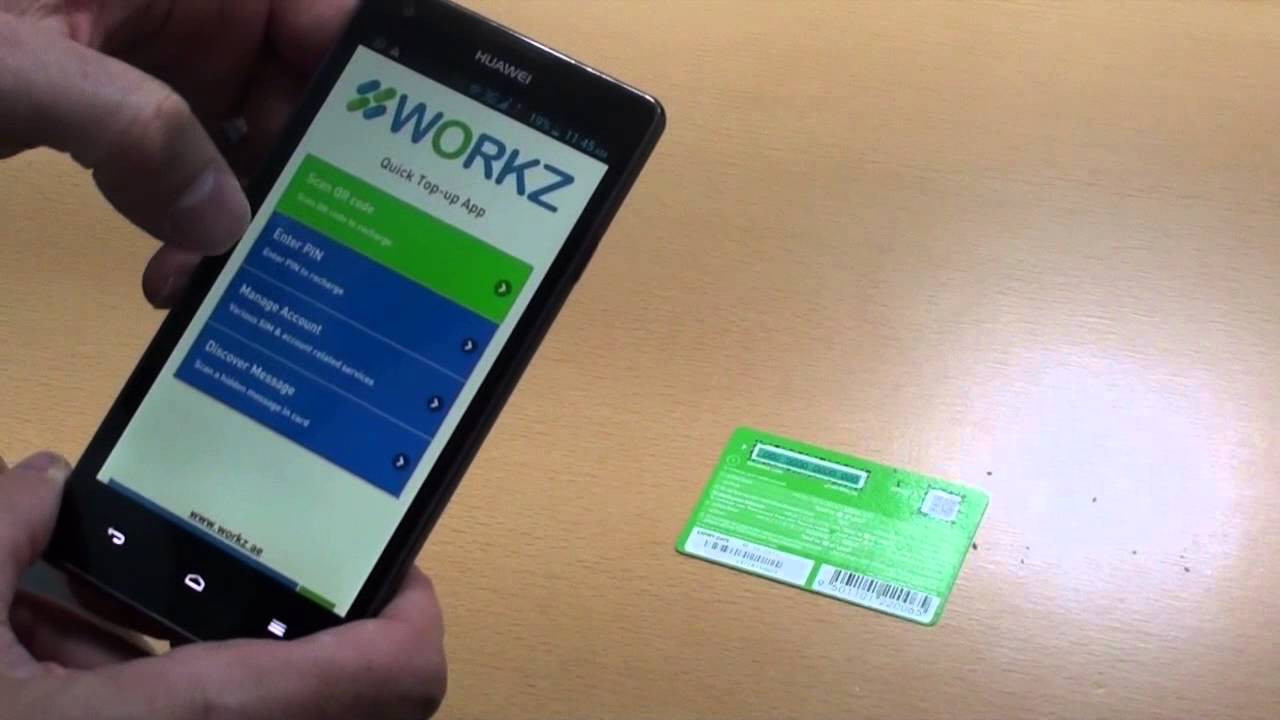
    Telecoms subscriber products manufacturer Workz Group has announced the launch of what it says is the world’s most lightweight SIM OS.

    The Z-OS operating system is around 40% smaller than other SIM operating systems on the market, providing operators with greater opportunity to add VAS and revenue-generating features to subscriber SIM cards.

    Z-OS was soft-launched in May and has been tested in various markets, demonstrating the ability to support secure over-the-air management of applications.

    The product complies with major SIM standards defined by the ISO, ETSI, 3GPP, Global Platform, Oracle Java card, SIM Alliance and the GSMA as well as its proposed eSIM specification, and is designed to be compatible with both Java and native products.

    Z-OS is available from all major chipset manufacturers and is interoperable with all mobile network technologies.

    It is being offered in conjunction with Workz’s latest SIM product, the 3-in-1 seamless half SIM, which is designed to use 50% of the plastic of a traditional SIM card and work on any handset by allowing users to select which SIM module size to push out.

    “We’re very proud to develop the world’s most efficient SIM operating system. The Z-OS is a significant technological advancement which allows us to provide network operators with more customized applications on the SIM card to engage subscribers,” Workz CEO Brad Taylor said.

  • Opera ramps up video multitasking for computers

    Opera ramps up video multitasking for computers

    Opera has updated its software for computers, revamping the video pop out feature to enable users to continue watching while working, playing or doing research — in the browser or any other program.

    The “picture in picture” feature now lets users pop out video from even more websites, including Vimeo, and play/pause with a single click. There is also an option to disable the feature, for those who do not need it.

    Users can simply go to a favorite video page, such as YouTube, and run a video. They will see an icon in the middle of the top border of the video. By clicking on it, they can pop out the video and continue watching it even while using other programs on their computer.

    Opera took a deeper look into how people multitask while watching with the video pop out feature in different geographies. The results of this research show the geography of online video preferences around the globe.

    Results are based on aggregated data coming from users of Opera 38 for computers. Data on the individual level or about video content is not collected.

    The top-10 countries for video pop out usage span four different continents, clearly showing that the online video boom is a global phenomenon. It’s also interesting to see that people in some countries – such as Italy, UK and Germany – multitask with video more on weekends, while others, such as China, spend more time watching pop out videos during working days.

    videopopout-infographic-630