Tag: Osaka

  • Krispy Kreme Japan Rolls Out Free Doughnut Breakfast Offer Nationwide

    Krispy Kreme Japan Rolls Out Free Doughnut Breakfast Offer Nationwide

    Krispy Kreme Japan rolled out its Asa OriGre morning campaign nationwide, pairing an Original Glazed doughnut at no charge with beverage purchases until 11am.

    A takeaway hot coffee priced at ¥345 unlocks a pastry that normally retails alone for ¥216.

    How the morning pricing structure works

    The promotion applies across company locations that operate drink service and open before the 11am cutoff. For dine-in patrons, hot coffee costs ¥352 while the companion doughnut carries a standard standalone price of ¥220.

    Exclusions remain tight across the regional footprint. Outlets opening after 11am do not qualify, and Kobe Marui sits outside the campaign despite running Sunday morning trade from 10.30am.

    Targeting commuter transit corridors

    Urban railway nodes anchor the Kansai deployment. Seven outlets across Osaka prefecture participate, led by early-trading sites at Kita Shinsaibashi and JR Osaka Station opening at 8am.

    Two later mall locations join the roster: Diamor Osaka underground mall in Umeda from 10am and Kyobashi Keihan Mall from 10.30am. In Kobe, the brand relies on its Kobe Harborland Umie branch, which opens doors at 10am.

    The morning daypart contest in Japan

    Securing commuter traffic before noon pits international sweet-treat operators against entrenched convenience chains and traditional kissaten morning sets. Major chains and domestic operators have long defended low-cost morning beverage bundles.

    Giving away the core pastry compresses gross unit margins on the initial transaction. Krispy Kreme bets that absorbing the ¥216 product cost turns occasional afternoon browsers into habitual morning coffee buyers, building beverage volumes that carry higher baseline gross margins over time.

    Expanding from regional trial runs

    The national rollout follows localized market testing where the operator monitored morning footfall and ticket averages under the same discount mechanics. Early trial data supported extending the format across corporate and franchise counters that maintain full espresso bar equipment.

    Store managers now face the operational burden of balancing early-morning baking schedules against strict 11am cutoffs without generating midday waste. Attention turns to whether Krispy Kreme maintains the bundle beyond its limited-time window or adjusts minimum beverage price thresholds across regional menus.

  • Beautyworld Osaka Welcomes Record 37,561 Trade Visitors

    Beautyworld Osaka Welcomes Record 37,561 Trade Visitors

    Beautyworld Osaka drew a record 37,561 trade visitors over its three-day run from 19-21 October 2026 at INTEX Osaka, representing a 7.3 per cent increase from the previous year. The western Japan beauty event brought together buyers, salon operators and trade professionals evaluating commercial supplier agreements.

    A total of 573 exhibitors from Japan and overseas presented products and services across aesthetic, hair, nail, eyelash, wellness and other beauty-related sectors. International participation accounted for 91 exhibitors representing six countries and regions: China, Hong Kong, Ireland, Korea, Taiwan and Thailand.

    Organiser Messe Frankfurt deployed 12 exhibition zones across the venue floor, introducing a dedicated Sleep + Recovery zone that displayed recovery wear alongside sleep-related goods and services. The Korean Pavilion also returned to the show floor, giving cross-border companies direct access to explore sales channels and prospective Japanese business partners.

    New Retail Zones and Sourcing Floors

    Organisers divided the show floor into 12 dedicated zones, adding a Sleep + Recovery section to target consumer demand for functional sleep aids and recovery apparel. The specialized floor featured wearable recovery products alongside items intended to improve sleep routines for retail shelves.

    Business negotiations took place primarily in the Premier Hall, which housed a Clinic Care zone restricted to medical professionals. Alongside the product booths, the Japan Nailist Association staged the Osaka Nail Forum, drawing salon technicians and store owners sourcing professional inventory.

    Trade education played a central role in driving footfall across the halls. The event ran 31 presentations, technical demonstrations and seminars across seven stages, including dedicated tracks for medical aesthetics, hair and nail care. A series of hands-on workshops in the Premium Seminar program restricted attendee numbers to smaller groups to review practical application techniques.

    Cross-Border Brands Target Japanese Shelves

    The return of the Korean Pavilion gave South Korean beauty manufacturers a concentrated platform to negotiate distribution deals with regional Japanese retail partners. Western Japan remains an essential proving ground for foreign cosmetics labels seeking accounts outside the competitive Greater Tokyo department store and drugstore chains.

    For retail buyers and department store category managers, expanding the show into sleep recovery items reflects a broader shift on pharmacy shelves toward functional wellness. Japanese consumers increasingly treat nighttime recovery as part of daily personal care rather than a medical issue, prompting buyers to secure inventory that pairs topical cosmetics with functional apparel.

    The competition between domestic beauty distributors and incoming regional suppliers now centers on retail shelf allocations for hybrid wellness goods. Retail operators face inventory risk if they commit display space to premium recovery wear before consumer adoption catches up to promotional claims, yet drugstores that ignore sleep merchandise risk ceding foot traffic to specialty lifestyle chains.

    Trade Fair Network Expands

    The Osaka show forms part of a broader commercial network managed by Messe Frankfurt, which operates Beautyworld trade exhibitions across nine cities including Tokyo, Fukuoka, Nagoya, Taipei, Dubai, Riyadh, Tashkent and Grasse. Osaka serves as the company’s anchor commercial gateway for the Kansai regional market.

    The 2026 turnout surpassed the previous year’s gate figures across all three exhibition days, demonstrating steady procurement budgets among salon chains and retail distributors despite broader cost pressures across consumer goods supply chains.

    The next edition of Beautyworld Osaka is scheduled to run from 18 to 20 October 2027, taking over Halls 1, 2, 4, 5, 6A and 6B at INTEX Osaka.

  • Panasonic Energy Opens Osaka Battery Hub to Double Development Efficiency

    Panasonic Energy Opens Osaka Battery Hub to Double Development Efficiency

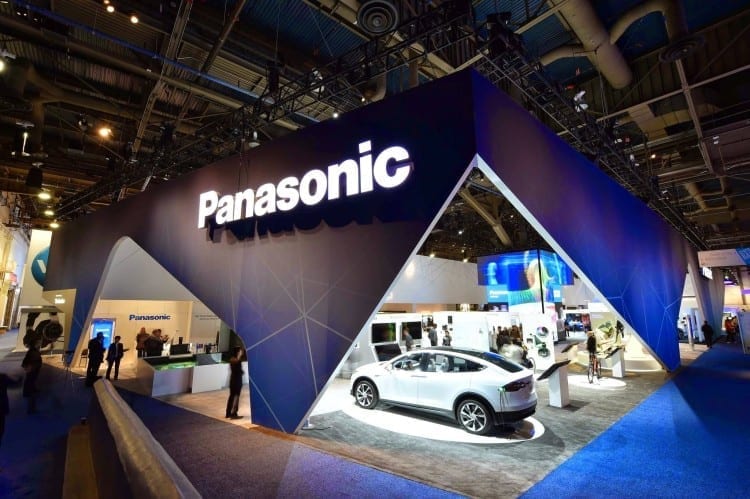
    Panasonic Energy opened a research hub in Kadoma near Osaka to double battery development efficiency by March 2031. The site brings material design, cell engineering and prototyping under one roof.

    Around 500 staff will work at the facility, named Energy Innovation Square, alongside 300 manufacturing engineers at the nearby Suminoe site. Together, the 800-person Osaka cluster represents one of Japan’s largest battery research networks.

    Consolidating cell design in Kadoma

    The facility integrates design and testing operations that were previously dispersed across separate locations. Panasonic Energy expects this centralisation to cut development times and associated transit requirements by more than 15 per cent.

    Engineers at the Kadoma hub will use a digital platform that combines computer simulations with physical test data. Continuous monitoring and statistical analysis are designed to refine digital modelling, allowing faster handoffs from initial cell prototypes to commercial assembly lines.

    Deploying Osaka technology to US plants

    Process improvements developed in Osaka will feed directly into the company’s manufacturing footprint. That network includes domestic Japanese plants alongside high-volume battery facilities in Nevada and Kansas.

    For supply chains, the consolidation tightens the link between Japanese material engineering and North American vehicle assembly. Automakers buying from Panasonic’s US factories require cells with higher energy density and extended operating lifespans to compete against cheaper lithium iron phosphate chemistry.

    Beyond automotive cells, Panasonic is targeting server farms. Expanding artificial intelligence infrastructure requires high-performance backup power systems, giving battery suppliers an alternative revenue stream outside passenger vehicles.

    Defending global battery market share

    Panasonic faces sustained pressure from Chinese battery makers that dominate global electric vehicle supply chains. Data from SNE Research shows Panasonic held 3.7 per cent of the global electric vehicle battery cell market in 2025.

    Market leader CATL held 39.2 per cent and BYD took 16.4 per cent over the same period. Panasonic ranked behind LG Energy Solution, CALB, Gotion High-Tech and SK On, reflecting the rapid growth of Chinese manufacturing capacity across Asia and Europe.

    Energy Innovation Square will serve as a core hub for Panasonic Energy’s battery development, strengthening collaboration from next-generation product development through mass production and enhancing our global competitiveness.

    The Osaka site is now operational, with the company tracking productivity metrics against its FY2024 baseline as it works toward the FY2031 doubling target.

  • Universal Studios Japan to Expand Osaka Park for First Time with 30,000-Square-Metre Site

    Universal Studios Japan to Expand Osaka Park for First Time with 30,000-Square-Metre Site

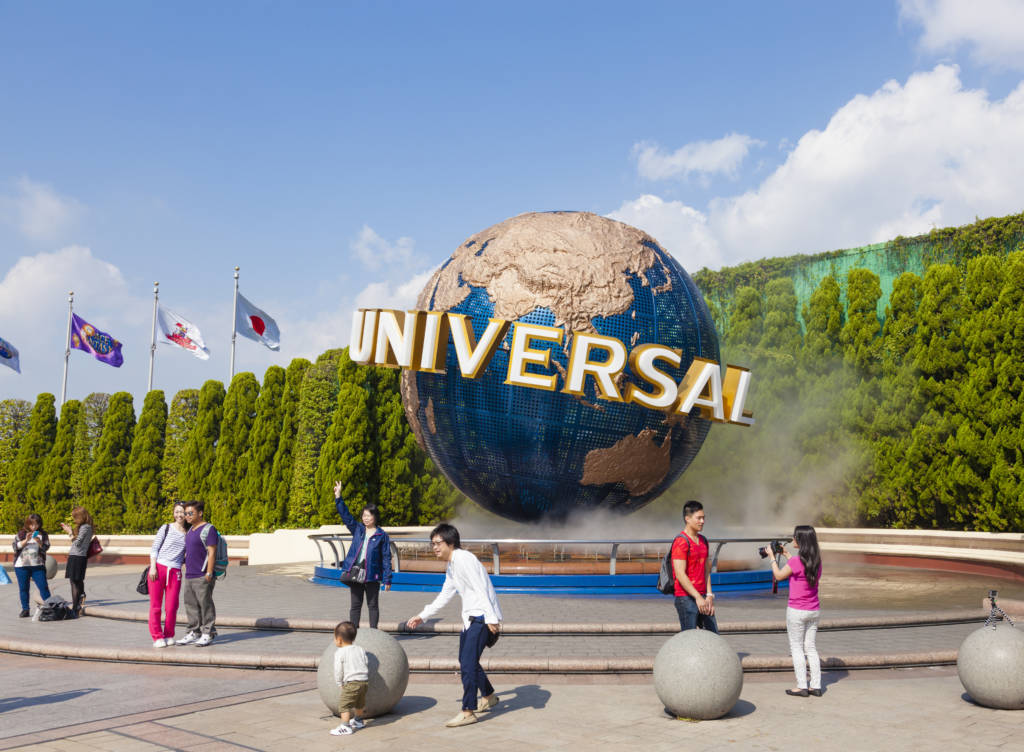
    USJ will expand Universal Studios Japan in Osaka for the first time since 2001 after securing a 30,000-square-metre plot from the city government. The transaction adds roughly 5.5 per cent to the existing 540,000-square-metre footprint, which drew 16 million visitors in fiscal 2024.

    City officials confirmed the municipal government will lease the plot on the northern edge of the park to the operator. USJ approached the city in April 2026 to negotiate long-term access, aiming to build new attractions that increase visitor capacity.

    Expanding the Waterfront Footprint

    Nippon Steel currently leases the 30,000-square-metre parcel and will return it to the city in June 2027. Osaka Mayor Hideyuki Yokoyama backed the transaction as part of a broader municipal effort to revitalize the Osaka Bay waterfront district.

    Theme park operators across Asia are adding real estate to capture rising international tourism flows, competing directly with major resort expansions in Tokyo, Hong Kong and mainland China. In Osaka, physical boundary constraints have long limited USJ to redeveloping internal zones rather than adding raw land.

    Next Steps Toward the 2028 Lease

    Before construction can begin, USJ is running environmental surveys to test for soil contamination across the industrial site. The final lease contract between the municipal government and the park operator is scheduled for completion in 2028.

  • Hermes Unveils Culture-Inspired Redesign of Expanded Osaka Store at Hilton Plaza East

    Hermes Unveils Culture-Inspired Redesign of Expanded Osaka Store at Hilton Plaza East

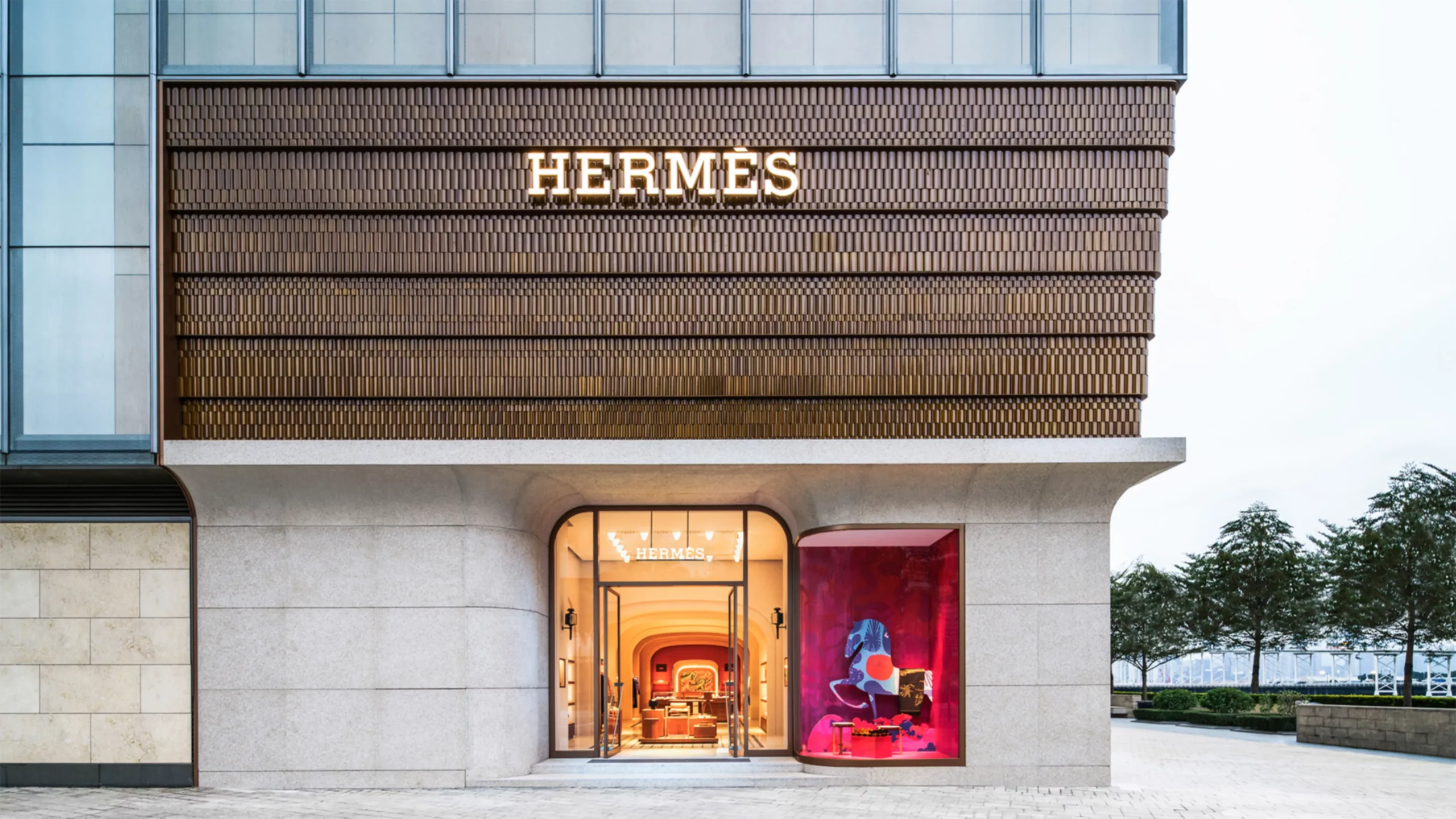
    Luxury fashion house Hermès has unveiled its newly revamped store at Hilton Plaza East, with a fresh design that pays homage to the surrounding culture and scenic beauty. Parisian architectural firm RDAI is credited with the store’s stunning redesign, which now extends over two storeys, each dedicated to an immersive display of Hermès’ 16 distinguished métiers.

    The updated store boasts an eclectic range of Hermès offerings, from their sought-after leather goods and chic fashion accessories to their signature perfumes and beauty products. Delicate jewellery, elegant watches, and a curated selection of home décor collections add to the store’s luxuriant appeal.

    Interplay of Culture and Nature in Design

    Incorporating a blend of geometric elements and dynamic materials, the store’s redesign has masterfully incorporated motifs inspired by Osaka’s local culture. These are complemented by a winged horse and floating clouds, symbolising Hermès’ annual theme, ‘Venture Beyond’.

    The store’s facade has been strikingly adorned with Mino-yaki ceramic tiles reflecting hues of green and blue, designed to imitate the shimmering reflections of water. This theme is carried into the store’s interiors which combine natural mineral surfaces in earthy tones with contrasting teal accents.

    Reimagined Storefront and Artwork Display

    The storefront windows bear the artistic touch of renowned French artist Matthieu Cosse. His art installations present an intriguing blend of celestial landscapes and theatrical elements, lending a dreamlike quality to the store’s exterior.

    The redesigned store also serves as a gallery for curated artworks from the Emile Hermès Collection and the Hermès Collection of Contemporary Photographs, seamlessly incorporated into the boutique’s inviting layout.

    This unveiling at Hilton Plaza East forms part of a broader renovation initiative by Hermès, with recently updated boutiques in Taipei and Hong Kong exemplifying the brand’s commitment to a refreshed and contemporary store experience.

    Questions & Answers

    What was the inspiration behind the redesign of the Hermès store at Hilton Plaza East?
    The store’s redesign was inspired by the local culture and natural landscapes of Osaka.

    Who was involved in the redesign process?
    Paris-based architecture studio RDAI was responsible for the store’s redesign, with French artist Matthieu Cosse reimagining the storefront windows.

    What can customers expect to find in the revamped store?
    The store offers a wide range of Hermès products, including leather goods, fashion accessories, perfumes, beauty products, jewellery, watches, and home collections. It also showcases curated artworks from the Emile Hermès Collection and the Hermès Collection of Contemporary Photographs.

  • Diesel Powers Up Osaka Presence with Bold, New Flagship Store Location

    Diesel Powers Up Osaka Presence with Bold, New Flagship Store Location

    Italian lifestyle label Diesel has upgraded its flagship store in Osaka, Japan, shifting to a more prominent location as part of its strategy for enhanced visibility in the city.

    Store Relocation and New Design Theme

    Diesel’s new Osaka home is situated in Quartz Shinsaibashi, a multi-purpose edifice in the bustling Shinsaibashi district. The two-tiered store exhibits a distinct popcorn concrete exterior and proudly displays the recognizable Diesel ‘Biscotto’ logo. This striking exterior design embodies Diesel’s robust and dynamic visual identity.

    The interior of the store mirrors Diesel’s renegade spirit, utilizing materials such as metal-board-covered walls to create an engaging graphic environment. Central to the store’s layout is an illuminated red staircase, a standout feature that gives the space a unique character.

    Retail and Product Expansion

    The store presents a clear division of Diesel’s product lines, with womenswear occupying the first floor and menswear on the second. The store also showcases a limited-edition denim capsule collection, giving customers access to exclusive product offerings.

    This redesign was driven by the brand’s aspiration to increase its prominence and to mirror the evolving artistic direction led by creative director Glenn Martins. Apart from this standalone flagship, Diesel operates several other outlets within department stores and malls across Osaka, including Daimaru Shinsaibashi and Hankyu Umeda.

    Questions & Answers

    Why did Diesel decide to relocate its flagship store in Osaka?
    Diesel relocated its flagship store in Osaka to enhance its visibility and presence in the city.

    What is unique about the new store’s design?
    The Diesel store features a popcorn concrete exterior with the brand’s iconic ‘Biscotto’ logo. The interior incorporates materials that embody Diesel’s rebellious spirit, including metal-board-covered walls and a standout red staircase.

    What does the store’s product inventory look like?
    The store is divided into two floors, with womenswear on the first floor and menswear on the second. It also offers a limited-edition denim capsule collection.

  • Birkenstock Bolsters Japanese Presence with Grand Opening of Osaka Flagship Store

    Birkenstock Bolsters Japanese Presence with Grand Opening of Osaka Flagship Store

    Birkenstock, the renowned footwear brand, has broadened its retail footprint in Japan with the inauguration of a grand flagship outlet in the Shinsaibashi district of Osaka.

    The new store is spread across two floors, following the lead of previous concept stores that were launched in Harajuku, Shinjuku, and Nagoya. This new addition raises the tally of permanent, directly operated Birkenstock stores in Japan to 12.

    Located in Shinsaibashi, the outlet stands as one of the largest street-level retail spaces for the brand in the country.

    Store Design and Features

    The design of the store is based on a minimalist interior concept that places a premium on product display and materials used. The interior is decked out predominantly in white, offset by earthy wall finishes. The design elements subtly reference the brand’s signature cork footbed structure.

    The ground floor of the store is dedicated to the Care Essentials range, setting up an interactive space for customers to sample foot and body care merchandise. The upper floor showcases the brand’s comprehensive footwear collection. This includes staple sandal designs, clogs, shoes, boots, and the latest additions for the season.

    Questions & Answers

    Where is Birkenstock’s newest store located?
    The newest Birkenstock store is located in the Shinsaibashi district of Osaka, Japan.

    How many directly operated Birkenstock stores are there in Japan now?
    With the opening of the new store in Shinsaibashi, the total number of directly operated Birkenstock stores in Japan has risen to 12.

    What is unique about the design of the new Birkenstock store?
    The design of the new Birkenstock store is based on a stripped-back interior concept, featuring a predominately white palette contrasted with earthy wall finishes. It also incorporates design elements referencing Birkenstock’s signature cork footbed structure.

  • Zara Unveils Japan’s First Zacaffe within its Osaka Flagship Store: A Fusion of Fashion and Culture

    Zara Unveils Japan’s First Zacaffe within its Osaka Flagship Store: A Fusion of Fashion and Culture

    Spanish retailer, Zara, has inaugurated a new flagship store in the Shinsaibashi district of Osaka, marking the introduction of Japan’s inaugural Zacaffe. This innovative café concept is an initiative by the brand to establish a cultural symbiosis with every city it operates in.

    Architectural Synergy

    The store, spanning a generous 1,900 square meters across four floors, is a harmonious blend of traditional Japanese architectural elements and modern design aesthetics. The interior design utilizes traditional elements such as tatami, adobe, and noren, alongside hammered black metal and steel finishes, creating a fusion of historic influences with contemporary styling.

    Product Display and Boutique Spaces

    The flagship store showcases a range of product display areas and exclusive “boutique” spaces. The store uses custom-made furniture and uniquely designed layouts to emphasize specific collections, contributing to a tailored and immersive customer experience.

    Brand Lines and Accessory Selection

    The Shinsaibashi outlet also houses dedicated sections for distinct brand lines. Furthermore, the store boasts an expanded catalogue of footwear and accessories, offering a comprehensive shopping experience to its patrons.

    Zara said, “The entire space is intuitively designed to provide a welcoming and immersive shopping experience, seamlessly integrating both women’s and kids’ collections.”

    Questions & Answers

    What is the unique feature of the new Zara store in Osaka’s Shinsaibashi district?
    The store marks the introduction of Japan’s first Zacaffe, a café concept with the aim of establishing a cultural connection with the city.

    What architectural elements does the new Zara store incorporate?
    The store design combines traditional Japanese elements like tatami, adobe, and noren with contemporary elements such as hammered black metal and steel finishes.

    What does the Zara store offer in terms of products and collections?
    The store features distinct display zones and boutique spaces to highlight specific collections. Additionally, it includes areas for distinct brand lines and an expanded selection of footwear and accessories.

  • Swarovski Unveils Iconic Flagship Store In Osaka, Ushering New Era Of Retail Experience

    Swarovski Unveils Iconic Flagship Store In Osaka, Ushering New Era Of Retail Experience

    This week, Swarovski, the renowned Austrian producer of luxury cut lead glass, inaugurated its new flagship store in Shinsaibashi, Osaka, Japan, marking another step forward in the brand’s expansion across Asia.

    Store Design

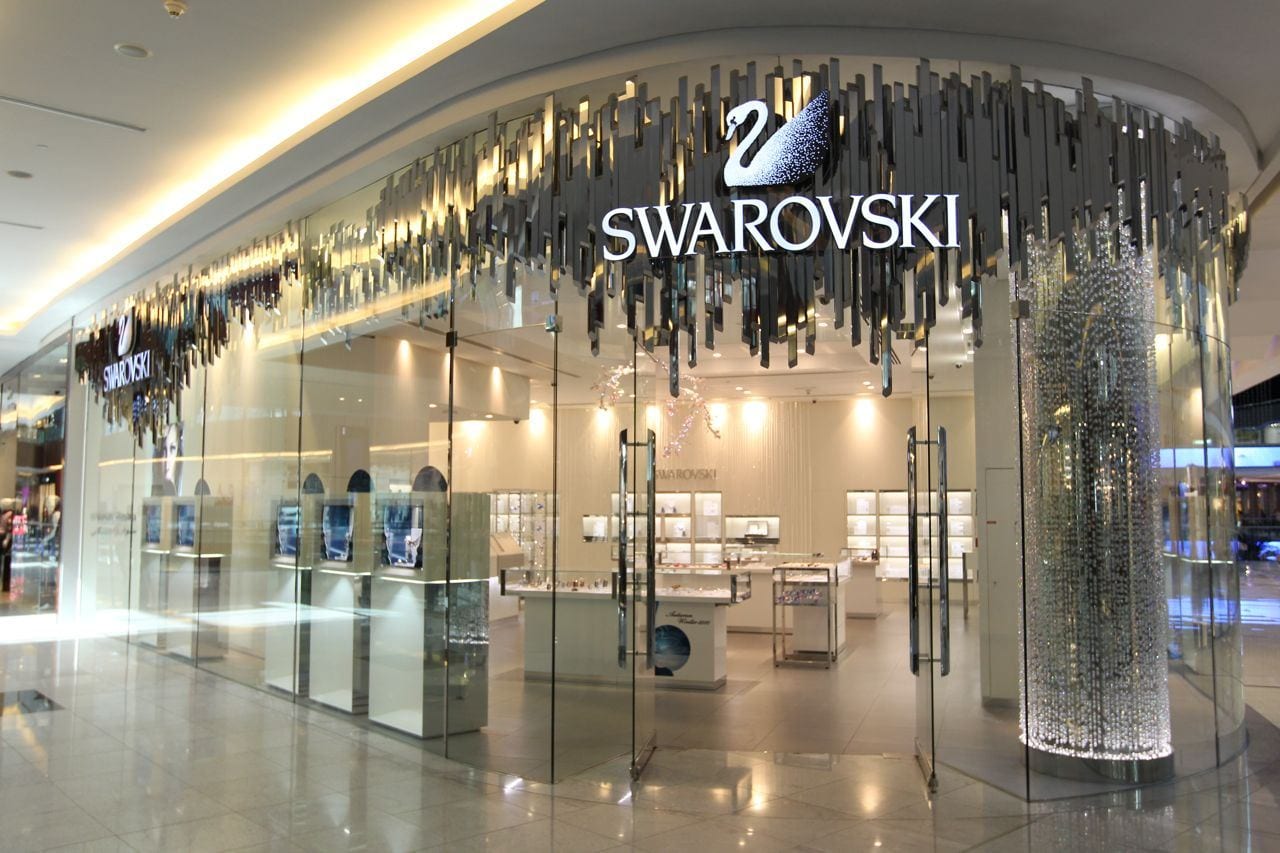
    The new retail space, which is spread over three levels and spans more than 122 square meters, was conceived and executed under the creative guidance of Giovanna Engelbert, the brand’s global creative director. The store offers an immersive, sensorial journey that reflects both Swarovski’s iconic aesthetic and its legacy in the world of crystal.

    The ground floor of the new store, bathed in a soothing palette of blues, houses a broad selection of Swarovski’s jewelry, watches, and accessories. This includes a hands-on earring spinner, as well as a special display dedicated to Swarovski Created Diamonds.

    Thematic Zones

    Moving up to the first floor, the mood shifts to a sunny yellow theme, where the emphasis is on lifestyle and gifting. Here, customers can browse home decor items, collectibles, and collaborative pieces with Rosenthal.

    The top level of the store, painted in a soft pink, is where Swarovski’s heritage and innovative spirit come to the fore. This floor serves as a showcase for the brand new Vienna collection, the Millenia line, and pieces from the Swarovski Creators Lab.

    Creating a Unique Customer Experience

    Masaki Suzuki, the General Manager of Swarovski Japan, shared that the freshly opened Osaka store is designed to provide customers with a luxurious space where they can experience the entire spectrum of what the brand has to offer. Suzuki went on to describe the Swarovski Osaka store as a symbol of the brand’s retail evolution. He emphasized that the store represents a refined environment where creativity, craftsmanship, and savoir-faire converge to create an immersive and engaging customer experience.

    This new opening in Osaka comes on the heels of Swarovski’s recent store launches in New York, Milan, and Seoul.

    Questions & Answers

    What does the new Swarovski store in Osaka offer?
    The store provides an immersive experience across three themed floors. The ground floor offers jewelry, watches, and accessories; the first floor focuses on home decor and gifting; and the top floor showcases the brand’s heritage and innovation.

    Who designed the new Swarovski store in Osaka?
    The store was designed by Swarovski’s global creative director, Giovanna Engelbert.

    What is the significance of the new Swarovski store in Osaka?
    This store represents Swarovski’s expanding footprint in the Asian market and an evolution of its retail strategy, offering consumers a space where they can fully experience the brand’s universe.

  • Osaka Sees Strong 5.5% Surge in Investment-Grade Office Rents in First Half of 2025

    Osaka Sees Strong 5.5% Surge in Investment-Grade Office Rents in First Half of 2025

    Rents for investment-grade offices in Osaka surged by 5.5% in the first half of 2025, hitting JPY24,000 per tsubo, according to a recent report from Savills. This spike underscores the robust demand for premium office space, particularly in newly constructed properties where rental figures have leapt from above JPY30,000 to even exceed JPY40,000 per tsubo, with the pinnacle reaching a remarkable JPY43,000 per tsubo.

    All-Grade Rents on the Rise

    Overall, all-grade rents increased by 0.8% quarter-on-quarter, settling at JPY12,200 per tsubo. The Umeda submarket stood out with the most considerable growth, climbing by 1.7% quarter-on-quarter, while Minami-Mori experienced a modest decline of 0.7%. The remaining submarkets, however, continued to show promising upward trends in rental rates.

    Vacancy Rates Tighten as Demand Peaks

    The office market absorbed significant new supply in 2024, leading to tighter investment-grade vacancy rates, which dropped by 1.3 percentage points to 2.6% in the first half of 2025. Notably, Yodoyabashi-Honmachi is likely to encounter temporary disruptions due to an influx of substantial new office developments slated for 2025. Yet, experts anticipate this submarket will become a hotbed for tenants in search of high-quality spaces, as it prepares to welcome premium office developments that will help maintain robust leasing activities well into 2026.

    The all-grade office vacancy rates also saw improvement, decreasing by 0.5 percentage points to 3.8%. The Shin-Osaka submarket recorded the most significant enhancement, with vacancy tightening by 1.5 percentage points to an enticing 2.7%, the lowest level seen since just before the pandemic, propelled by strong leasing activity.

    Questions & Answers

    What factors are driving the increase in rental rates for investment-grade offices in Osaka?
    The increase is primarily driven by strong demand for high-grade office spaces, particularly in newly constructed properties where rental prices are rapidly rising.

    How did the new office supply in 2024 affect the vacancy rates in Osaka?
    The new office supply was absorbed well by the market, leading to tighter vacancy rates, especially for investment-grade offices which saw a decrease.

    Which submarket in Osaka recorded the most notable rental growth?
    The Umeda submarket experienced the most significant rental increase, climbing by 1.7% quarter-on-quarter, showcasing its attractiveness in the current market.

  • Forever 21 returns to Japan with new upscale image

    Forever 21 returns to Japan with new upscale image

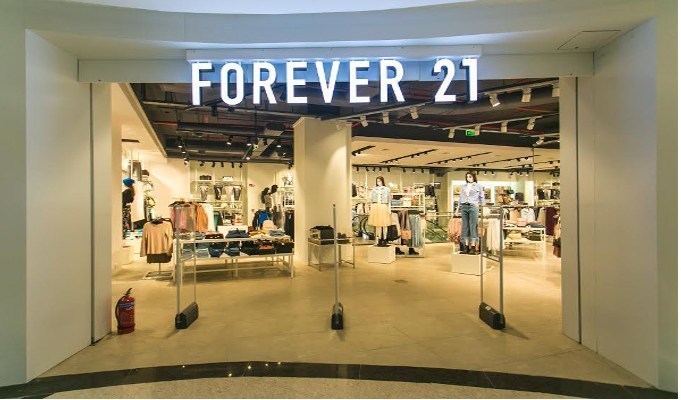
    TOKYO — U.S. fast-fashion chain Forever 21 returned to Japan on Tuesday, more than three years after pulling out of the country, aiming to break away from its former mass-production image with items tailored to Japanese tastes and an emphasis on responsible environmental practices.

    The store started selling products online on Tuesday morning through an e-commerce site operated by Japanese apparel company Adastria. It also opened a limited-time pop-up store in Tokyo’s bustling Shibuya district on the same day.

    “I feel like their prices have gone up, but the fabric seems durable so I could probably wear them for a long time,” said a woman in her 20s who visited the pop-up store, where people were lining up before the 11:00 a.m. opening. She had viewed the products online, but visited the shop to check the quality of the fabric.

    The company plans to open its first permanent store in Osaka in April. It aims for 15 stores in the country by February 2028, with sales including online totaling 10 billion yen ($74.5 million).

    Forever 21 made a full-scale entry into Japan in 2009, operating about 20 stores at one point and leading the fast-fashion boom in the country. But the rise of online shopping and changes in consumer tastes cut into sales, leading the American parent company to file for Chapter 11 bankruptcy protection in September 2019.

    The retailer withdrew from Japan in October of that year. In 2022, Japanese trading house Itochu bought the rights for the brand in the Japanese market from a U.S. investment fund that acquired Forever 21 in 2020. Itochu signed a sublicense agreement with Adastria.

    About 80% of the company’s new collection was developed by Adastria for Japanese consumers, with the average price of items set around 4,000 yen. Forever 21 aims to position itself as a brand that offers both affordable prices and high fashion sense, focusing on women in their teens to 30s.

    The company is taking environmentally friendly initiatives such as improving inventory control, collecting used clothing and reducing the amount of water used during denim processing, hoping to move on from fast fashion’s image of producing, selling and disposing of mass quantities of clothing.

    The Tokyo pop-up store is open until Sunday, and most items on display must be purchased online. In March, another pop-up shop will open at a mall in Yokohama, south of Tokyo.

  • AirAsia X Resumes Flights Between KL and Osaka, Japan

    AirAsia X Resumes Flights Between KL and Osaka, Japan

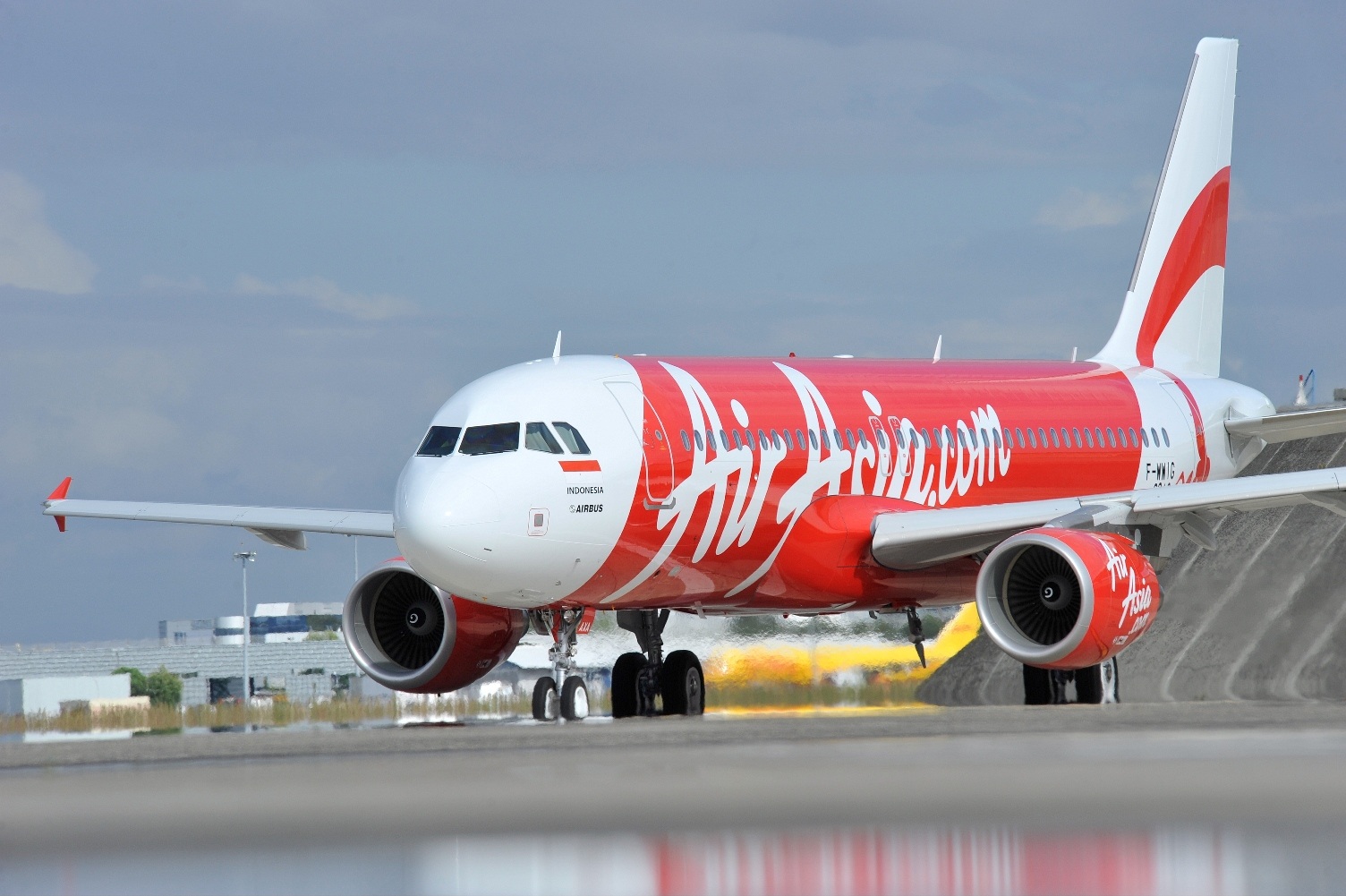
    AirAsia X (AAX) has resumed flights between Kuala Lumpur and Kansai Airport (KIX) in Osaka, Japan.

    The thrice weekly flights to Osaka are expected to carry more than 116,000 travelers between Malaysia and Japan monthly and deliver a welcome boost to both countries’ tourism and business sectors.

    “Following the resumption of services from Kuala Lumpur to Tokyo (Haneda) and Sapporo late last year, we have carried close to 30,000 guests between Malaysia and Japan post-pandemic,” said AirAsia X Malaysia CEO Benyamin Ismail. “We had a strong passenger load factor for our inaugural flight of more than 95% and we are confident that this route will be very well received despite the competitive landscape. As travel demand rebounds, we will continue to expand our services to exciting destinations in Asia from our regional hubs in Kuala Lumpur and Bangkok.”

    As a group, AAX flies to three destinations in Japan namely Tokyo, Osaka and Sapporo from Kuala Lumpur operated by AirAsia X Malaysia (D7) and from Bangkok (Suvarnabhumi) operated by AirAsia X Thailand (XJ).

    AirAsia X operates flights with Airbus A330 aircraft in a two-class configuration.

  • AirAsia X adds three new routes

    AirAsia X adds three new routes

    AirAsia X confirms its latest services to Melbourne (Tullamarine), and Perth in Australia and Auckland in New Zealand will launch on 1 November 2022.

    The three new services boost the airline’s routes to 13. It is already serving  Sydney, New Delhi, Seoul, Tokyo, Sapporo, Osaka and Honolulu, as well as London, Dubai and Istanbul.

    AAX will recommence its services to Melbourne (Tullamarine), Perth and Auckland (via Sydney) with three weekly flights starting in November and gradually increasing to daily flights by the first quarter of 2023.

    On the AirAsia Super App and website, the starting fare to Perth is MYR 499, to Melbourne  MYR699 and Auckland MYR999 (inclusive one-way economy). Premium Flatbed fares start from MYR1,999 to Perth, MYR2,999 to Melbourne and MYR5,999 to Auckland.

    Guests flying to Kuala Lumpur can also enjoy all-in value fares one way from AUD209 from Perth, AUD359 from Melbourne, and NZD499 from Auckland in economy class.

    AAX also flies from Kuala Lumpur to Sydney with all-in fares from MYR899 (economy) and MYR2,799 (Premium Flatbed) one-way.

  • Inside Blue Bottle Coffee’s trendy new Osaka store

    Inside Blue Bottle Coffee’s trendy new Osaka store

    lue Bottle Coffee, the Nestle-owned American coffee chain, has entered Osaka with a trendy look designed by Tokyo-based studio, I In.

    Customers entering the store are welcomed by an open space filled with the essence of warm wood and bright light through floor-to-ceiling glass windows. In contrast with the wooden floor, the barista’s drip station is made of hairline polished stainless steel, resembling a stage.

    “I thought it would be great if the store could make the series of things that the barista makes and give to customers the most shining, so I lit up the area of ​​the drip station where the barista stands and made it shine like a stage,” said Yohei Terui, founding partner at I In, who is also in charge of designing the store.

    Throughout the cafe, special blue glass, inspired by Blue Bottle’s signature colour, is used to highlight the brand’s message. A coffee-coloured spherical glass chandelier is installed throughout the atrium at the staircase area leading to the second floor.

    Different from the ground floor, the upper floor is dominated by white-coloured materials. Centrestage is a special area stimulating the five senses of visitors. Customers sitting in this area will encounter a sensory experience where music and images, created in collaboration with Panoramatiks, ‘fall’ from the ceiling.

    “It is not just a concept, but a place that really stimulates the five senses of humans,” the design studio described.

  • Cartier unveils complex, wooden-fronted Osaka store

    Cartier unveils complex, wooden-fronted Osaka store

    Cartier has reopened its flagship in Ginza, Tokyo following extensive renovations. The flagship store covers a surface of 10,764-square-feet.

    The Ginza boutique houses the luxury jewelry company’s men’s and women’s watch collections on the first floor, diamonds, including engagement rings, contemporary designs, and special orders, on the second floor, and fashion accessories and leather goods on the lower level. Interior designer Bruno Moinard created unique spaces for each floor, with the first floor featuring brown tones and soft hues of beige, gold, and champagne, and the second floor featuring feminine contrasting hues of ivory and champagne.

    The façade, which was designed by Sylvain Dubuisson, was constructed in two sections with the lower part being a dark brown, orange-toned granite stone façade inspired by the company’s boutique in Paris on Rue de la Paix, and the second section featuring Japanese screens, or Shoji, made from traditional paper and wood cuts arranged to resemble a Japanese cedar, or Sugi, which is Japan’s national tree.

    Cartier first entered the Asia market in 1970 in Hong Kong and later opened in Singapore in 1973. The jewelry company opened a boutique in Ginza in 1991 and opened the flagship in 2003, which introduced Cartier’s interior design concept by Moinard. The boutique was renovated and reopened in 2007, and it reopens again after being renovated for two years.