Retail News CRM

Tag: outbreak

  • Covid-19 brings heavy drop in Hong Kong retail profits past December

    Covid-19 brings heavy drop in Hong Kong retail profits past December

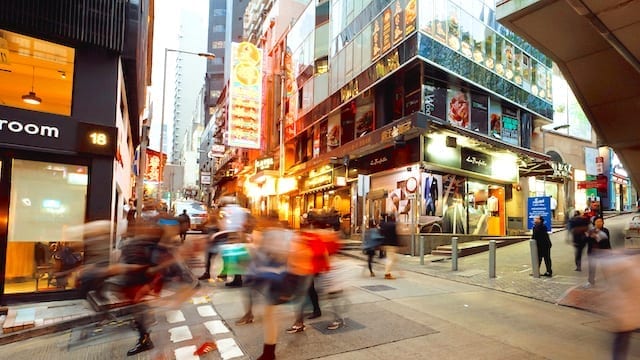
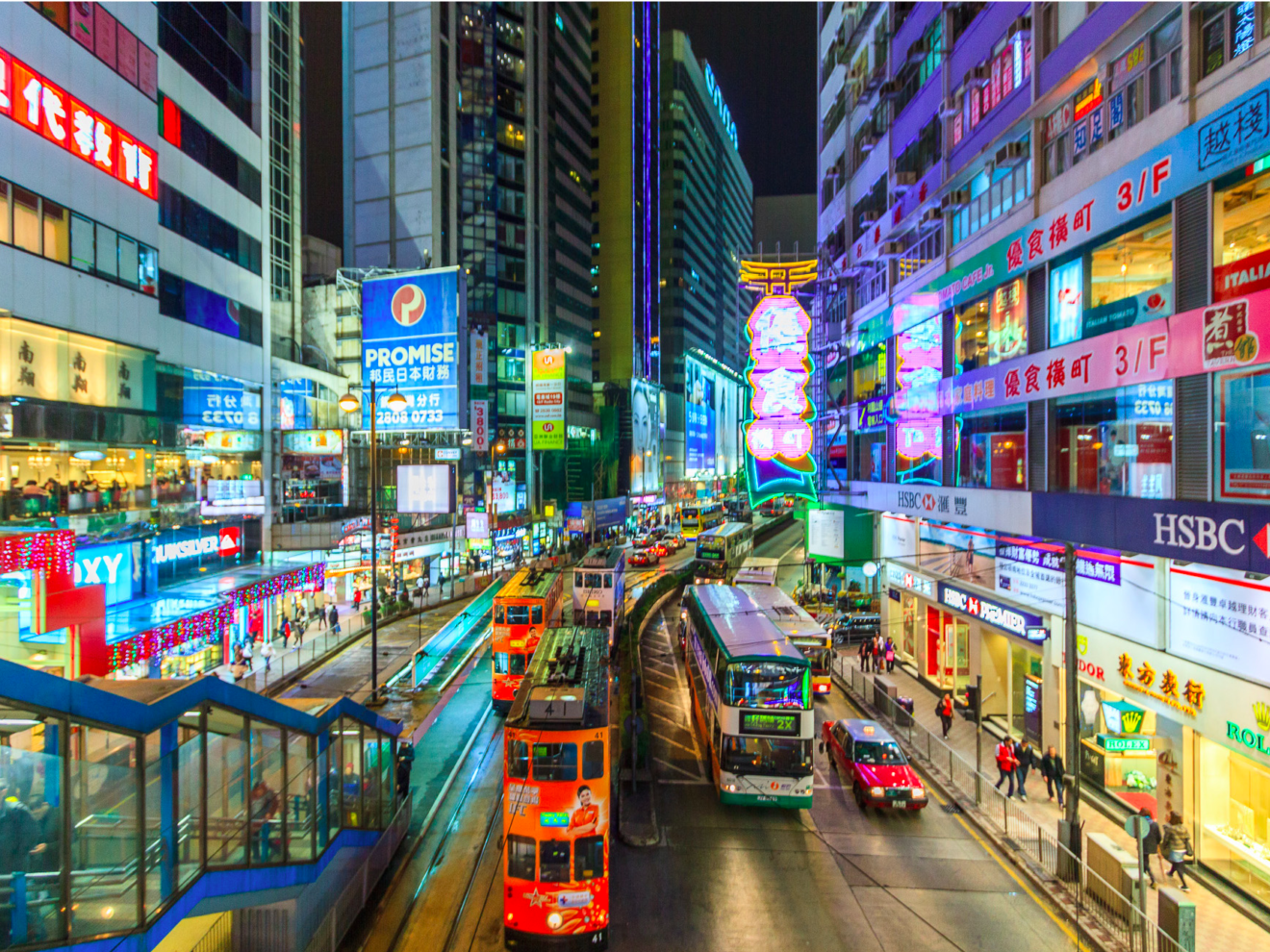
    Hong Kong’s retail environment showed further signs of improvement in November, although the recovery may have been short-lived as the city was hit with a fresh wave of virus infections and imposed new restrictions late in the month. The provisional value of total retail sales in November 2020 was HK$28.7 billion ($3.7 billion), down by 4% compared with the same month in 2019.

    The provisional value of total retail sales in November 2020 was HK$28.7 billion ($3.7 billion), down by 4% compared with the same month in 2019. That was better than the median forecast of -7.4% in a Bloomberg survey of economists and an improvement from a revised -8.7% in October. Sales by volume fell 4.7%, according to the government statement.

    The economy showed some signs of improvement in the second half of 2020 alongside recoveries across the region as China’s rebound fueled demand. However, that’s been dampened by fresh waves of infections since November, with the city re-imposing social distancing restrictions including shuttering bars and nightclubs to help curb the outbreaks.

    Restrictions were tightened further in December ahead of the critical year-end shopping season, with restaurants forced to halt in-person dining after 6 p.m. On Monday the government also pushed back the re-opening of classrooms for more than a month as part of measures to stamp out the spread of the virus.

    “As inbound tourism remains at a standstill, and the fourth wave of the local epidemic has weighed on local consumption sentiment since the latter part of November, the business environment of the retail trade will remain challenging in the near term,” the government said in the statement.

    The government allocated additional support to businesses hurt by the shutdowns and Financial Secretary Paul Chan said in a blog post-Sunday that the economy will probably return to growth in 2021 as the recovery strengthens in the second half of the year.

  • Singapore Airlines hopes to be world’s first airline fully vaccinated against COVID-19

    Singapore Airlines hopes to be world’s first airline fully vaccinated against COVID-19

    Singapore’s national carrier is hoping to become the world’s first airline to get all of its crew members vaccinated against COVID-19.

    Singapore Airlines confirmed to CNN Travel that all of their crew members — including pilots, gate agents, flight attendants and anyone whose job requires contact with the public – have been offered free coronavirus vaccines by the Singaporean government.

    The country has purchased the Pfizer vaccine, which requires two shots.

    “We are grateful to the Singapore government for making the aviation sector a priority in the country’s vaccination exercise,” the airline’s CEO, Goh Choon Phong, said in a statement that was emailed out to the whole company on January 18.

    “This reflects the sector’s importance and the crucial role we play in both Singapore’s economic recovery and the fight against the pandemic.”

    According to the airline, 5,200 SIA employees have already signed up to get their shots. Inoculations will begin in a few days.

    Phong, alongside Singapore’s transport minister Ong Ye Kung, was among the city-state’s first citizens to get vaccinated. He has received the first of his two shots, and reports that “the procedure was painless and fuss-free.”

    Once vaccinated, crew members will be subject to less scrutiny and fewer coronavirus-related security measures. For example, flight crew who are currently tested on the seventh day after their return to Singapore will be exempt from this test going forward.

    Singapore’s response to the pandemic has been largely successful due to border closures and a national contract-tracing app. The country has had 59,113 confirmed cases of the virus and only 29 deaths, according to data from Johns Hopkins University.

    Still, citizens of the city-state have expressed an interest in being able to travel again. A much-hyped “travel bubble” with Hong Kong was indefinitely postponed in December when Hong Kong had a spike in virus cases.

    The annual Henley Passport Index placed Singapore second in the world — just one point behind nearby Japan — for passport power. Singaporeans can enter 190 countries or territories around the world without needing a visa.

  • Pomelo roams from fashion label to multi-brand environment

    Pomelo roams from fashion label to multi-brand environment

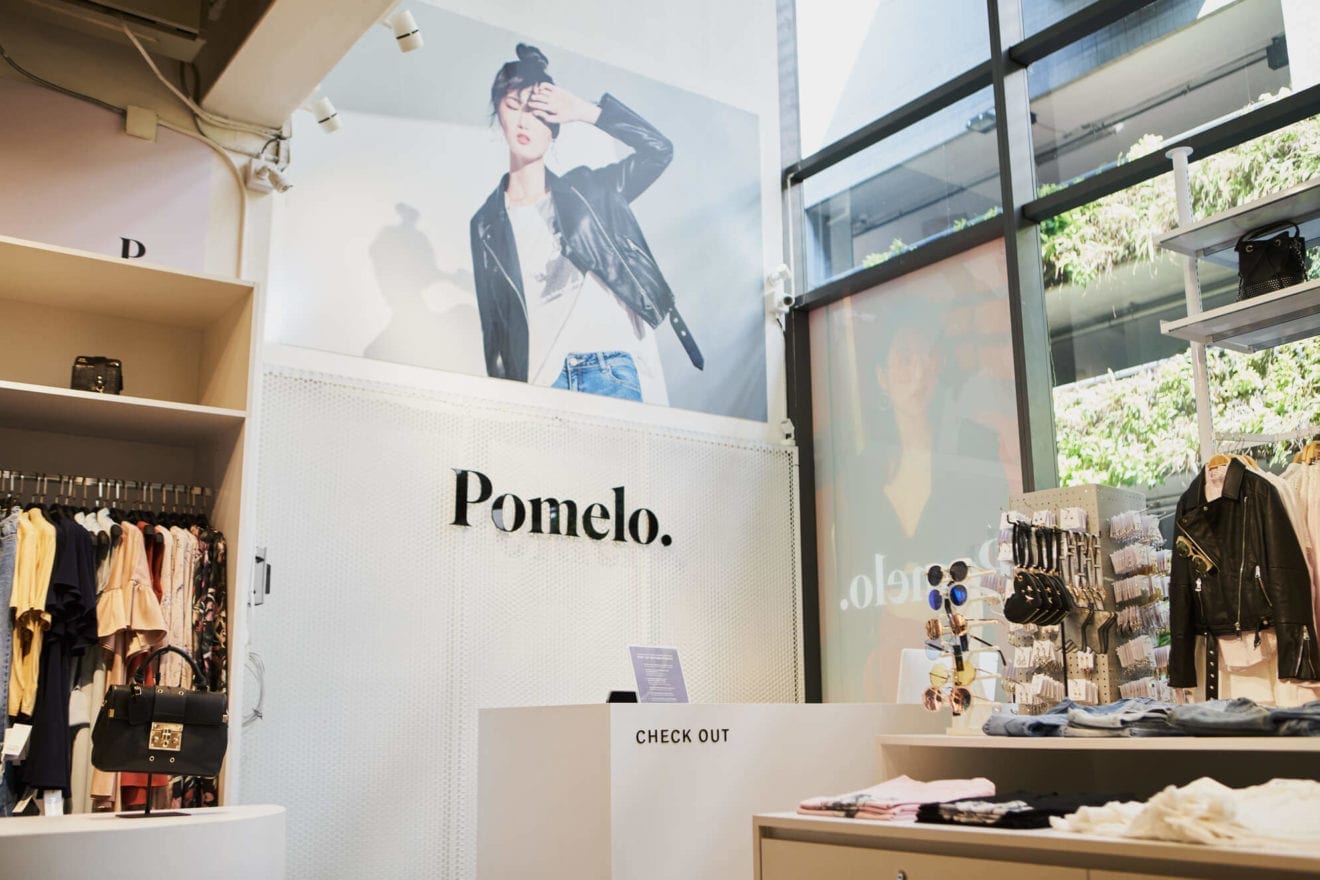
    Thai-based omnichannel fashion platform Pomelo has launched a redesigned version of its online platform which features multiple brands.

    Besides offering in-app exclusive live streaming, the new app houses more than 100 brands on its Thai version, including Vans, Converse, L’Occitane, and local brands such as Rally Movement and Matter Makers.

    But the company told Inside Retail Asia it will continue to design and release its own Pomelo range as well.

    Pomelo, which is building a footprint across Southeast Asia, plans to expand its expanded multibrand selection into other markets next year.

    The new app has a feature called Tap Try Buy, previously called Pomelo Pick Up, which allows customers to order items online through the app or website, select a store or partner location to try on their selected items, and only pay for only what they choose to keep. Tap Try Buy orders already make up almost half of the retailer’s online orders, a percentage that has grown during the Covid-19 crisis.

    Overseeing the new multi-brand direction is Alexandra Schonfrucht, newly appointed former Zalando and JD Sports executive, who is now Pomelo’s global head of third party brands.

    “We’re thrilled to welcome Alexandra to the Pomelo team as we enter this next phase of growth as a multi-brand platform,” said David Jou, CEO, and founder of Pomelo. “We’re continuing to build a diverse brand portfolio to provide the best omnichannel experience for our users.”

    The new app also incorporates Pomelo’s new branding elements including a refreshed logo.

  • I.T flags big loss as Covid-19 impacts shoppers’ enthusiasm

    I.T flags big loss as Covid-19 impacts shoppers’ enthusiasm

    Multibrand Hong Kong fashion retailer I.T Limited has warned shareholders it will likely post a loss of at least US$38.7 million for the six months to August, such has been the impact of the Covid-19 on sales.

    Chairman Sham Kar Wai said in a letter to shareholders that the Covid-19 pandemic had led to a decline in consumer-spending enthusiasm across the world. While it has offered extra discounts to boost sales volume amid “an incredibly difficult trading environment” sales were down substantially.

    This is the third profit warning the company has issued this calendar year, following earlier announcements in July and August. It is based on initial figures and subjects to change before final results are reported tomorrow, (October 29).

    “Although during the period ended 31 August, the group took rapid and decisive action to reduce costs considerably, the savings in operating costs were not sufficient to offset the decline in sales and gross margin,” he said.

    August’s likely half-year loss follows a deficit of $9.2 million in the same period last year.

    I.T Group operates its own brands, including Chocolate and 5cm, concept stores Izzue and Double-Park; international brands it has local licenses for including Kurt Geiger and Camper; and A Bathing Ape, which the company rescued from Japanese owners in 2011.

  • Takashimaya plunges into the red as Covid-19 eats into sales

    Takashimaya plunges into the red as Covid-19 eats into sales

    Takashimaya, the Japanese department store operator, has reported a loss of US$190 million in the May quarter as it faced extraordinary payments related to the Covid-19 pandemic and falling sales.

    The company was forced to effectively close 22 stores in Japan from April 8 after Prime Minister Shinzo Abe declared a state of emergency. Only the food departments were allowed to continue to trade as the government ensured social-distancing measures.

    Sales in May plunged by more than 60 percent as a result, but last month’s decline was a much less dramatic 16 percent as cities began to reopen and consumers ventured out shopping again. For the full quarter, sales were down by 48 percent to $1.08 billion.

    As well as reduced domestic spending, Takashimaya sales were impacted by the absence of tourists as borders were closed as a Covid-19 prevention strategy.

    For the May quarter, Takashimaya recorded a one-off loss of $79.8 million relating to pandemic costs, including paid leave for staff unable to work due to the shutdown.

    The company did not release any figures on the performance of its overseas stores in Vietnam, Singapore, Thailand and Mainland China and it declined to proffer earnings guidance for the full year.

  • Covid-19 virus outbreak will speed up the reshaping of global retail trends

    Covid-19 virus outbreak will speed up the reshaping of global retail trends

    “Customers today care less about the breadth of assortment and more about availability.”

    Covid-19 has accelerated key underlying global retail trends that were already reshaping the industry according to a new report by KPMG.

    The research finds that retail markets globally are changing and the industry is continuing to evolve while facing massive challenges from Covid-19 crisis. However, far from stopping or slowing change in the industry, the pandemic has sped them up.

    In its report Global Retail Trends 2020, KPMG’s retail sector experts identified four key trends which will continue to impact operators:

    • An evolving retail business model, with online platforms becoming the shopping malls of tomorrow.
    • An increasing desire to explain a ‘sense of purpose’ to consumers.
    • A rethink of the costs of doing business.
    • A stronger focus on customer choices.

    KPMG’s retail sector group predicts just two types of retailers will survive: those offering a limited yet curated selection and those offering unlimited selection.

    The report also concludes that retail leaders will think more clearly about their investments into three key areas: customer loyalty programs, customer data, and technologies aimed at making the shopping experience easier, safer and more efficient.

    “In the post-Covid-19 environment, consumers will place greater emphasis on both convenience and safety,” explains Jessie Qian, partner, head of consumer and retail at KPMG in China.

    “During the lock-down, we have seen brands and shopping centers using WeChat Mini-programs, online social groups and live streaming videos to reach consumers through new channels without the need for foot traffic.

    “Customer data has now become both an important and a valuable asset,” says Qian. “Brands and retailers will aim to use customer data to improve business efficiency and increasingly provide more targeted and personalized services.”

    She says that while many physical stores will return to growth when the Covid-19 crisis passes, consumers’ experience shopping online through necessity will impact shopping behavior in the future.

    KPMG’s report on global retail trends predicts that during the year ahead, ongoing challenges with supply, demand, and business continuity will force many retail groups to rethink their business models. This should spark “a new wave of innovation and competition in the industry”.

    For retailers, cementing customer relationships may be the key to maintaining commercial viability in a post-pandemic world.

    “For most retailers, that means leaning strongly into online sales, proving that speaking to customers and understanding their needs has become just as important as the bottom line,” says Qian.

    Alice Yip, partner, head of consumer and industrial markets, Hong Kong, at KPMG China, says Covid-19 has been a catalyst for change in Hong Kong’s retail sector, impacting different retail formats by varying degrees.

    “Retailers relying on traditional brick-and-mortar stores have taken a considerable hit, while online shops are increasing their trading volumes and attracting new customers. When preparing for a post-Covid-19 environment, Hong Kong retailers will need to revisit their business models to better connect sourcing, logistics, customer interaction, and product sales both online and offline.

    “The aggressive cost-containment strategies implemented in the midst of Covid-19 have shown retailers that they will need to go further if they hope to return their business to profitable growth. Retailers will increasingly need to leverage data and analytics to identify their most profitable stores, configurations and products, and based on this, make important decisions,” she says.

    “The Covid-19 pandemic has shifted customer expectations. Customers today care less about the breadth of assortment and more about availability.”

    That sentiment was echoed by Anson Bailey, partner, head of consumer and retail in Asia Pacific at KPMG:

    “As we see changing consumer behavior, business models are evolving with the rise of platforms in Hong Kong and retailers need to move quickly as the technology is accelerating and the speed of change is relentless,” he says.

    “Consumers have greater expectations from those online experiences in terms of unlimited selections, instant delivery, transparent pricing and more flexible payments. We are therefore going to see a greater focus and investment dollars on those e-commerce platforms.”

    The group predicts that in the light of new global retail trends, retailers will focus on improving transparency, and on helping society respond and recover from the current health crisis.

    They also expect leading retailers will move from having a purposeful brand promise to using their purpose as a guiding growth principle and “a decision-making lens”.

  • Start-ups in APAC brace for coronavirus bruising

    Start-ups in APAC brace for coronavirus bruising

    In 2013, Simon Loong launched Hong Kong fintech WeLab using a small loan — just four years later the business was profitable. As one of the leaders of the second FT Asia-Pacific High Growth Companies ranking, WeLab’s story is testament to the favorable business conditions that start-ups in Asia can enjoy. WeLab, an online platform that offers users a range of services including loans, already had a presence in Hong Kong and mainland China. In 2018 it entered Indonesia via a joint venture with a local conglomerate.

    The resultant Maucash platform acquired more than 600,000 registered users in its first year of operations — a faster user growth rate than when it entered mainland China in 2014. Its momentum to this point reflects how the Apac region’s youthful population — which in places like India and Indonesia is chronically “underbanked” or lacks access to financial services entirely — is moving online, boosting companies like WeLab that are eager to meet their needs. Little wonder, then, that once again technology businesses along with fintech and eCommerce overwhelmingly dominate this year’s list, together accounting for more than 30 percent of the 500.

    Indonesia, meanwhile, contributed just two companies to the list, yet both of them — Fabelio, an online furniture retailer, and Bukalapak, a digital marketplace — rank in the top 20. In terms of cities, Singapore overtook Tokyo this year for having the largest number of high-growth companies (74), followed by the Japanese capital (69) and Sydney (34). Singapore’s “good ingredients” have made it a favored destination for both domestic entrepreneurs and those from the wider region, says Patrick Yeo, a partner at PwC who advises businesses locating in the city-state. “Singapore is the headquarters for these companies but the operations from which they derive their revenue are not necessarily all from there,” he adds.

    Many start-ups have not experienced what it is to have forward estimates go up in smoke Michael Joseph, Ion Pacific One such example is ride-hailing company Grab, which moved its headquarters from Malaysia to Singapore in 2014. The city now acts as a base from which it serves other markets in south-east Asia. Grab ranks 20th, with a 2015-18 CAGR of 233 percent. The business, which is backed by SoftBank and was valued at $14bn before the pandemic, is also a company that its western counterparts are looking to for ideas. The company launched its original ride-hailing app in 2012, with the aim of becoming the Uber of south-east Asia. It has since widened its offering beyond simply getting people “from A to B”, says Ming Maa, Grab president.

    It now offers loans, and grocery and laundry delivery. “The more services a customer uses, the more revenues we are able to generate.” Now, it seems, US rival Uber is imitating the “super app” strategies of Grab and Indonesia-based Gojek. Uber chief executive Dara Khosrowshahi last year declared he wanted “Uber to be the operating system for your everyday life”. Gojek, as with some other Asian companies valued above $1bn such as Indonesian e-commerce player Tokopedia, declined to be featured on the list. Some companies did not want to make their figures public or chose not participate for other reasons.

    Pandemic fallout Even before this crisis, growth had begun to show signs of slowing for some companies since 2018. Bukalapak’s app download figures on Apple and Android devices halved between January and December 2019, from about 1.4m to 692,000, according to data from Sensor Tower. Asia has historically been effective at building online marketplaces such as Grab’s “superapp” model and such ventures will face less pressure than smaller start-ups during the coronavirus-led downturn, says Jonathan Woetzel, Asia-based director of the McKinsey Global Institute.

    “There will be volatility. Does that translate into massive bankruptcies? I do not see that, certainly not for larger ones at this stage,” he says. Editor’s note The Financial Times is making key coronavirus coverage free to read to help everyone stay informed. Find the latest here. WeLab’s online lending platform in Hong Kong, WeLend, has seen an increase of about 36 percent in application volumes in March compared with the same month in 2019. Yet Mr Loong cautions that WeLab is bracing for a hit to China and Hong Kong’s economies, which could affect customers’ ability to repay those loans.

    WeLab said it was being “prudent” with the increase in applications, which were coming from a wide range of age groups and industries. Many entrepreneurs in India and south-east Asia are facing their first real recession and test of their business models, notes Michael Joseph, managing partner of Asia-based asset manager Ion Pacific, which invests in the venture capital secondary market. “Many of the start-ups in south-east Asia are run by teams that . . . have not experienced, first-hand, what it is to have your forward estimates go up in smoke in the way that the dotcom bubble bursting and the global financial crisis caused pain for start-ups earlier in the millennium,” he says.

  • Ford To Shut Spanish Factory For One Week Due To Coronavirus Outbreak

    Ford To Shut Spanish Factory For One Week Due To Coronavirus Outbreak

    Ford said on Sunday it would shut its Spanish plant in the eastern region of Valencia for one week starting on Monday after three employees tested positive for coronavirus.

    “We have had three positive cases of COVID-19 in the Ford Valencia plant in the past 24 hours,” the company said, adding it was following protocol by isolating all employees that had contact with the infected workers.

    The Ford Endeavour recently underwent a substantial update. We get our hands on the updated SUV to find out if it still lives up to the benchmarks of the brand.

    The plant, one of Ford’s largest outside the United States, employs over 7,000 workers and produces over 400,000 vehicles a year including the Mondeo and Galaxy models.

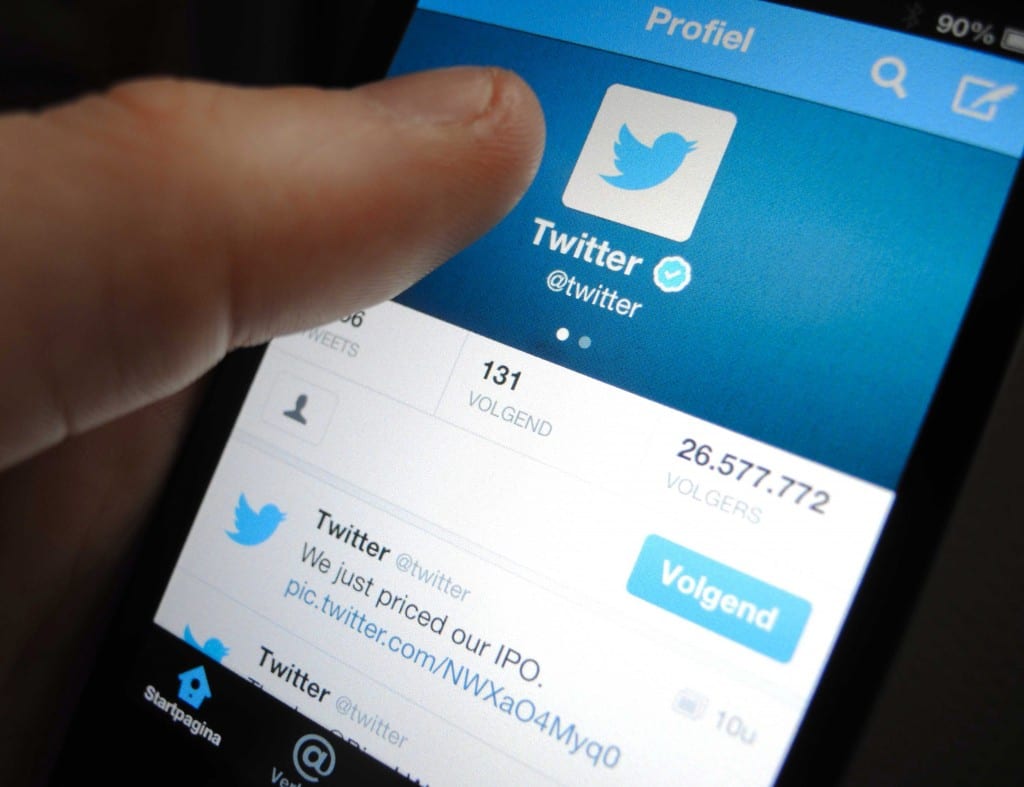
  • Twitter cracks down on hate speech with new policy

    Twitter cracks down on hate speech with new policy

    Twitter is taking a sharper stance against the multitude of hate speech finding its way onto the platform with a stricter set of policies that go into effect now.

    As with any social media platform, it isn’t difficult to find any number of controversial or bigoted messages on Twitter. The platform evidently recognizes that such hate speech is a significant issue in our society that doesn’t just end at digital prejudice.

    Twitter took to its company blog to update its users on new policies, which are focused on three types of bigotry, which are described as “dehumanizing”. These include hateful speech based on age, disability, and disease.

    For example, Twitter says it will remove messages that claim disabled individuals are not human, or that certain age groups don’t deserve rights. Accounts linked to these Tweets may also be suspended.

    These policies seem quite timely in the midst of the novel coronavirus outbreak, which has unfortunately caused a surge in racism and xenophobia. It’s also worth noting that Twitter has already taken action against hate speech in other topics, such as race, religion, and others.

    Twitter’s new policies take effect today, but Tweets will still need to be reported before being deleted. Previous Tweets that go against the guidelines are also required to be deleted, but Twitter has said no suspensions will take place for Tweets from the past.

    In any case, the new policies seem to be a positive step forward in making the Internet a better place for everyone.

  • Coronavirus case confirmed in Samsung factory in South Korea

    Coronavirus case confirmed in Samsung factory in South Korea

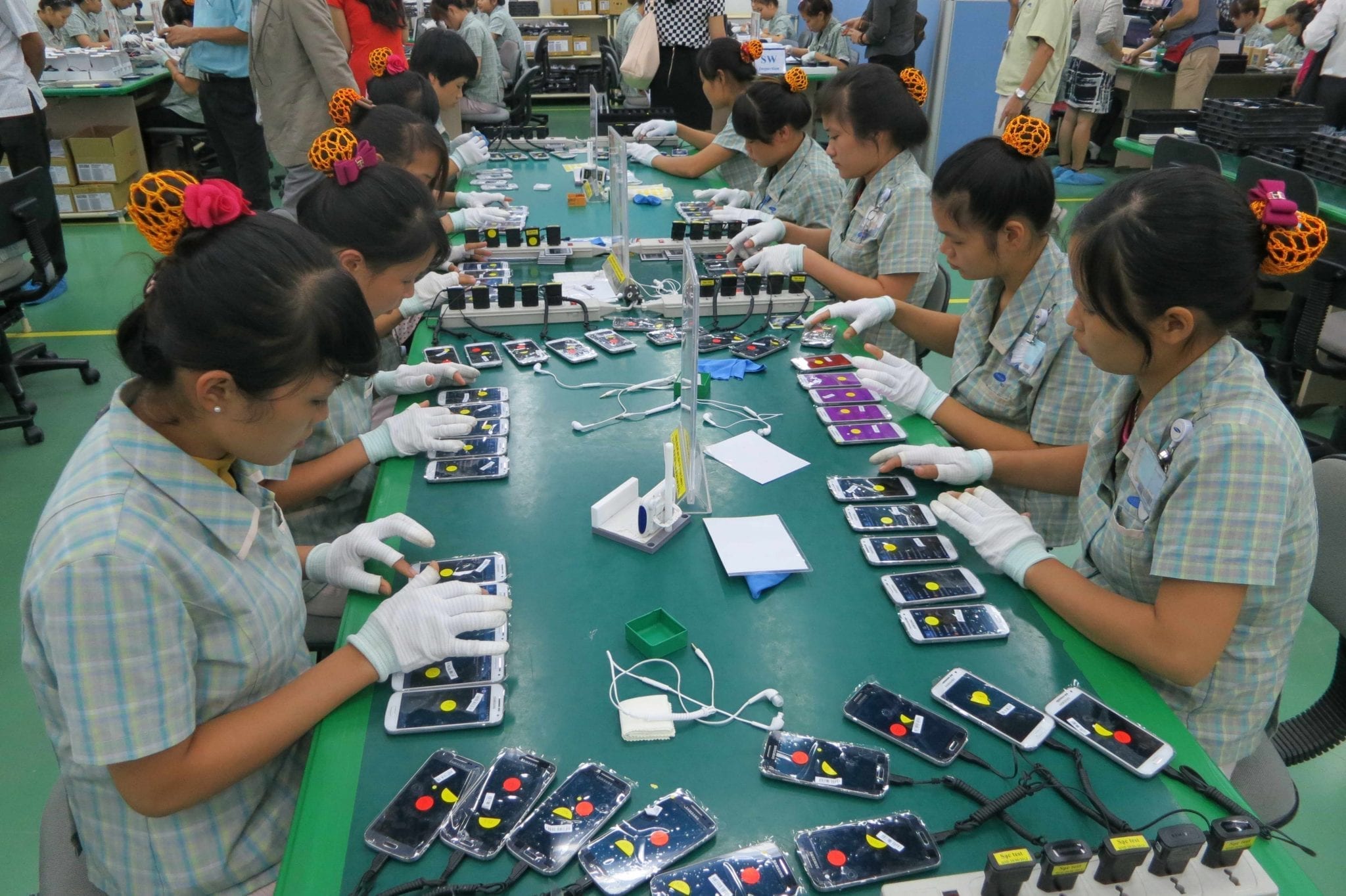
    We have been hearing news about different factories’ production struggles over the coronavirus outbreak for almost two months now. Unfortunately, on Saturday, Samsung temporarily closed one factory in South Korea over a confirmed case of the coronavirus, reports Reuters. Until now, Samsung has remained fairly unaffected by the public health crisis.

    The aforementioned factory complex is situated in the South Korean city of Gumi, close to the center of South Korea’s largest coronavirus outbreak (in the city of Daegu), where, reportedly, the cases of infected with the illness amount to around 433. However, the factory is responsible only for the production of a small portion of high-end phones, in particular the Galaxy Z Flip and the Galaxy Fold, primarily for the domestic market.

    The facility is to remain closed until Monday morning, while the floor where the infected employee worked will be shut down until February 25, Tuesday. Workers that came into contact with the employee in question are now in self-quarantine and will be tested for possible infection with the virus.

    Samsung states that production in other factories in South Korea will remain unaffected for now.

  • Global brands continue to shutter stores across China as coronavirus spreads

    Global brands continue to shutter stores across China as coronavirus spreads

    Widespread temporary store closures continue across China as the coronavirus continues to spread throughout the country.

    Officially, China’s New Year holiday – extended by the government for a week to help reduce the spread of the virus – ended yesterday, but office staff was encouraged to work from home.

    Tech giant Apple said on Friday it hoped to reopen corporate offices and contact centers later this week, but the closure of its physical stores would continue indefinitely.

    As at 10am ICT on Tuesday, February 11, 43,108 cases of coronavirus had been confirmed, and 1018 fatalities, almost all of those in Mainland China. However, in an encouraging sign, 4048 people had been confirmed as recovered. The mortality rate has edged up slightly to 2.3 percent with most deaths due to underlying respiratory conditions or pneumonia.

    Brands across fashion, technology and almost every other non-essential retail category continued to shutter stores on the mainland.

    VF Corporation, which owns Timberland, Vans, The North Face and Dickies, says 60 percent of its outlets in Mainland China are closed and those still open have seen “significant declines in retail traffic.”

    Muji and Uniqlo have shut about half of their store networks.

    Japanese makeup company Shiseido estimates its China sales were down 55 percent over Lunar New Year, traditionally a peak selling period. Sales to foreign tourists through Japanese retail outlets were down by 40 percent. The company has launched the Relay of Love Project, “in the hope that everyone affected may return to health and safety as soon as possible”.

    In addition to 1 million CNY (US$143,000) already donated to the Charity Federation of Wuhan, Shiseido will donate a further 10 million CNY ($1.43 million) to the Shanghai Charity Foundation and 1 percent of sales from Asian markets will be reserved for other assistance.

    UK luxury-fashion label Burberry has closed 24 of its 64 stores in China and says those still trading – under reduced hours – have experienced “significant footfall declines”.

    The parent of Kate Spade, Coach and Stuart Weitzman, Tapestry, says it has closed the majority of its stores in China.

    Capri Holdings says that about 150 of its 250 stores trading under the Michael Kors, Versace and Jimmy Choo banners are closed.

  • ZTE commissions 5G networks in Chinese hospital amid coronavirus outbreak

    ZTE commissions 5G networks in Chinese hospital amid coronavirus outbreak

    ZTE Corporation, a major international provider of telecommunications, enterprise and consumer technology solutions for the Mobile Internet, today announced that it has assisted China Mobile, China Telecom, China Unicom and China Tower deploy telecommunications networks, including 5G networks, in Dabie Mountain Medical Center in Huanggang, to cope with the outbreak of new coronavirus pneumonia in Wuhan.

    On January 25th, ZTE’s technical personnel performed an on-site investigation and developed a solution. On January 26th, ZTE retrieved devices from operator warehouses and local ZTE warehouse. Some devices were in short supply and sent from ZTE headquarters in Shenzhen. ZTE actively coordinated with the local government to apply for a pass for goods transfer from Wuhan. All the devices arrived at the operators’ offices in Huanggang before 12 am on January 26th. The devices were commissioned on January 27th and put into use together with the hospital.ZTE assisted operators in commissioning wireless macro-station equipment, wireless indoor coverage equipment, and IPTV networks, and achieved good cell phone signal coverage and TV signal transmission in the building, thereby fully meeting the requirements of medical staff for communication, video transmission, and radio and TV broadcasting.The Huanggang Municipal Government of Hubei Province has decided to transform the unfinished Dabie Mountain Medical Center into a hospital and set up more than 1,000 beds to treat fever patients in a centralized manner. The hospital will be built within 48 hours and put into use on January 27.

    Huanggang City is adjacent to Wuhan, but its medical conditions and resources are far inferior to that of Wuhan. The epidemic control situation in Huanggang is very serious. Moreover, the medical center is in a remote location. To ensure smooth information transmission, the telecommunication networks need to be built immediately.

    ZTE will continue to pay close attention to the epidemic situation, respond to the temporary construction requirements of communications networks in various places in real-time, and make every effort in the production, distribution, construction, and commissioning, to ensure smooth communication in responsible areas and help contain the new coronavirus pneumonia as soon as possible.

  • Alipay-Owned Insurance Platform Extends Help to Coronavirus Victims

    Alipay-Owned Insurance Platform Extends Help to Coronavirus Victims

    An Alipay-owned insurance platform has offered to support families and medical staff affected by the ongoing coronavirus outbreak.

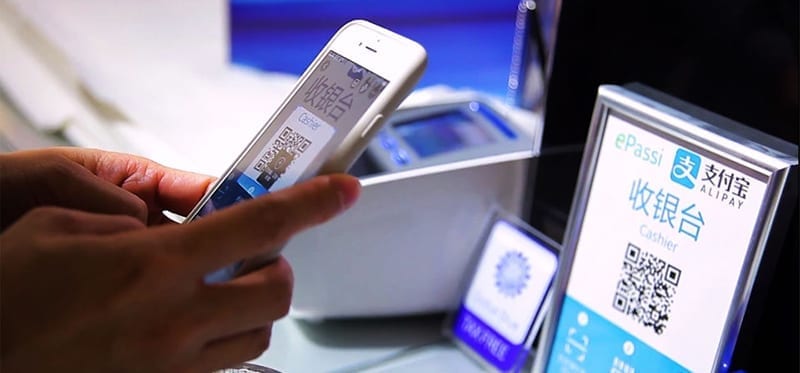
    The platform will help affected medical staff apply for coverage of 100,000 yuan ($14,000) each and 500,000 yuan ($72,000) for families of deceased victims. This follows Alibaba co-founder Jack Ma’s decision to donate $14.5 million through charitable foundations to support the development of a vaccine for the deadly virus.

    Various Alibaba-linked entities continue to expand their efforts to combat the epidemic including the group’s offer of $144 million to purchase medical materials for hospitals in the Hubei province and Wuhan – the origin of the outbreak. Alibaba Health Information Technology also said it would offer some of its services for free during the outbreak and has already provided free advice to 2.8 million people in the last week.

    Alibaba is not alone in the relief efforts with more than 30 technology and other new economy companies, including Tencent and Meituan Dianping, collectively donating more than $430 million to related causes. Altruism and branding aside, pundits believe that a move to support the government in the current crisis will bode well for the future as such new economy firms require significant amounts of funding for development which is often provided by state-backed lenders.

  • Retailers across Asia brace for Corona impact as death toll peaks

    Retailers across Asia brace for Corona impact as death toll peaks

    As health authorities across Asia struggle to assess the severity and impact of the deadly Coronavirus, hundreds of stores have closed in Mainland China and retailers and shopping-mall operators across the region are already implementing crisis-management programs.

    In the worst-affected area, the mainland province of Hubei where the virus originated in the city of Wuhan, major fast-food brands and other retailers have shuttered stores indefinitely.

    As at 9am ICT Thursday January 30, there were 7892 confirmed cases of infection, the vast majority in Mainland China. There have been 170 reported deaths, all on the mainland.

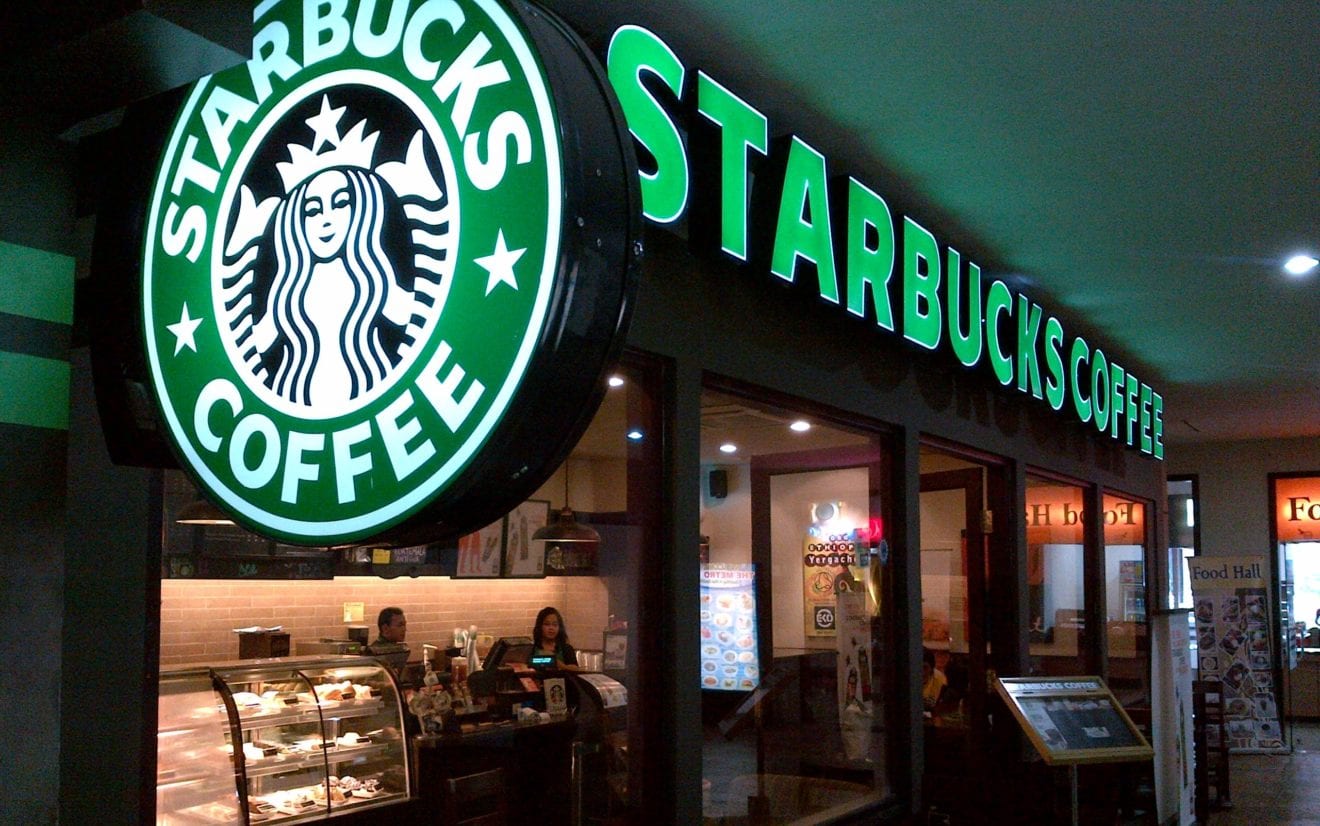
    Starbucks China advised on its official Weibo account that it has closed all stores in Hubei province until February 2 along with the giant Starbucks Reserve Roastery in Shanghai. The company subsequently shuttered more than half its store network in the country, 2000+ stores.

    “We are working closely with local health authorities, taking actions with the health of partners and customers top of mind, including closing stores in some locations,” a spokesperson told Business Insider, adding it would continue to monitor the situation and take further action as appropriate.

    Yum! Brands’ Pizza Hut and KFC stores in Wuhan have been closed since January 24 for the protection of staff and customers.  “We will continue to evaluate the need for additional actions and preventive health measures,” the company said in a statement emailed to Reuters.

    McDonald’s is distributing masks to staff in stores all across China after closing indefinitely all outlets in the cities of Wuhan, Xiantao, Qianjiang, Ezhou and Huanggang.

    Furniture giant Ikea closed its Wuhan store on January 23 until further notice and Dairy Queen closed all its stores in the city the previous day.

    Footage screened online and on international television news networks show deserted streets throughout Wuhan with rows of shops and public facilities shuttered. Foreigners – some awaiting evacuation by their governments – are reporting they are confined to home with few means of obtaining supplies.

    Japanese companies with stores trading in Wuhan have also taken action. Aeon, which has closed three malls in the city, says it expects its sales there to halve due to the virus. Five standalone grocery stores it operates there are continuing to trade on a “limited basis” selling food and daily essentials.

    Nitori, a furniture retailer, has closed seven stores in Wuhan, and introduced shorting trading hours in other cities, including Shanghai and Suzhou. Fast-fashion retailer Uniqlo has closed at least 50 of its 750-strong China network.

    Hong Kong readies for impact

    The impact of the Coronavirus on Hong Kong could severely affect an already fragile retail sector which has only just begun to see an easing in the monthly sales decline triggered by social unrest since last June.

    China’s Ministry of Culture and Tourism imposed a suspension of all tour groups and the sale of flight and hotel packages overseas from Monday.

    And there is growing pressure from opposition groups on the Hong Kong government to close the border with the mainland. Already, the territory has extended its Lunar New Year holiday period until February 2.

    The Hong Kong marathon has been cancelled and other major public events are expected to be suspended. Museums, libraries, sportsgrounds and other public facilities were closed from Tuesday. The Ocean Park and Disneyland theme parks had already been closed indefinitely.

    Flights into Hong Kong from Wuhan have been suspended, except for the evacuation of people returning home. Anyone who has been in Hubei within the last fortnight has been barred from entry, except Hongkongers who have been instructed to self-quarantine at home for 14 days and work remotely.

    Thailand reacts

    Thailand – which for now has reported the most number of confirmed cases of Coronavirus outside China – began scanning all incoming Chinese nationals on Tuesday after a family of seven were diagnosed, taking the tally to 14. Some of those have since been cleared to return home.

    In Bangkok, department stores, hypermarkets and shopping centers have launched various measures to cope with the coronavirus outbreak, according to the Bangkok Post.

    The Mall Group, which owns The Emporium and EmQuartier, has advised customers through social media and via signs throughout its centers to wear masks. Hand sanitizing stations have been set up in the malls at touchpoints like escalators.

    The Bangkok Post reports shopping baskets and trolleys are being sterilized regularly, all surfaces cleaned at 30-minute intervals and face masks are being distributed to both staff and customers, especially in tourist areas.

    At Central Phuket in the country’s south, a popular tourist spot, infrared thermometers have been installed at entrances to individually scan customers.

    With authorities throughout the region showing some reluctance to release detailed plans or assessments of the threat from the virus, reactions online, where social media is alive with comments, ranges from panic to cynicism.

    Markets open for trading over the Lunar New Year period have generally lost ground, with travel, hospitality and retail stocks the worst affected. China’s stock exchange is closed until February 2, but on its last day of trading on January 24, retail giant Sun Art and hotpot chain Haidilao saw their stock prices fall by between 5 percent and 6 percent.

    In Japan, the market dropped 1.6 percent on Monday, the biggest dip since October. Retailers and consumer-product companies were worst affected: Uniqlo parent Fast Retailing shed 5.7 percent of its value – its worst single-day decline in 18 months – while Shiseido was down 5.5 percent, according to Bloomberg. Ryohin Keikaku, parent of Muji, was also hit.

    “Are markets overreacting?,” asked Simon Powell, global head of Thematic Research at Jeffries. “Perhaps they were underacting before the confirmation of person-to-person spread of the virus and have been playing catch up over the [latest] trading days.”

    “The news that Wuhan pneumonia outbreak has widened to more than 200 people diagnosed with the new virus negatively impacted share prices of traffic-heavy sectors like travel and consumer,” said his colleague, equity analyst Anne Ling, referring to last Friday’s trading.

    “High-traffic areas or tourist-centric stores will be impacted – for example, cosmetic chains, shopping malls, and restaurants. Fast food and supermarket space are least affected in terms of sales, especially supermarkets. However, the share prices of these companies were still impacted as investors incorporated country risk to the price.”

    Ling says given Hong Kong is small and compact, any news will impact all consumers significantly and quickly. “China is very big, thus at this stage only consumer sentiment in the affected cities is negatively impacted.”

    “Should the current outbreak turn out to be as bad as Sars in Hong Kong, retail sales in affected cities will also be affected. But once the outbreak is under control, the recovery should be fast.”
  • Starbucks China closes over 2000 stores due to Coronavirus virus

    Starbucks China closes over 2000 stores due to Coronavirus virus

    More than 2000 Starbucks China stores have been closed to protect staff and customers from the coronavirus outbreak, including its giant Shanghai Roastery.

    “We currently have over half our stores closed in the market,” said Starbucks Inc group president, international, channel development and global coffee & tea, during an earnings call on Tuesday.

    “We are assessing this each and every day. We do have delivery available to customers from stores that are remaining open. But again, this is something that we continue to assess every day… This is a very complex situation.”

    The unprecedented network closure comes as the deadly coronavirus spreads beyond its epicenter of Wuhan in the Hubei province across China. As at 9am ICT Thursday, there were 7892 confirmed cases of infection the vast majority in Mainland China. To date, there have been 170 deaths, all on the mainland.

    Starbucks China’s widespread store closures coincided with the release of the parent company’s first-quarter figures which showed 5-per-cent global same-store-sales growth, including 3-per-cent growth in China. The company has more than 4100 stores on the mainland and 31,795 globally, adding a net 539 during the quarter to December 29, 167 of those in China. Consolidated net revenues of US$7.1 billion grew 7 percent year on year.

    During the earnings call, Culver said the closures were ordered because the company was making sure it was taking care of its partners, their health and well being, as well as the customers.

    “As the situation has accelerated, we’ve taken action to close stores, both working with the local government in the direction that they’ve given us, but then also proactively closing stores in the country.”

    The stores will reopen when it is considered safe, but Culver indicated Starbucks was not yet sure about the potential impact of the closures on its second-quarter performance.

    “It really is difficult to say at this juncture, what the impact to our business will be and how it will show up in our financials. Given the fluidity of the situation, the business impact is largely a function of two things – the number of stores closed and the duration of closure – and with respect to the duration, it’s not entirely in our control. We will need to move beyond the extended Chinese New Year holiday season to assess how the situation may be stabilizing, and what the implications are. We’re probably looking at early March at the earliest to reasonably assess the implications for revenue operating income and EPS for our second quarter and for the full year at the very latest will provide an update in conjunction with our Q2 earnings release on April 28.

    “As a company, we’ve navigated complex situations before and in China, we feel there’s no other company that’s better positioned to navigate this given our relationship that we’ve been able to build with our partners and the relationship and trust that they’ve been able to build with their customers.

    “We will remain transparent as the events continue to unfold. But we do have complete confidence in the decisions that we’re making. We’ve been in the market for 20 years and we have built an admired and trusted brand. And we will continue to play the long game in China, as we navigate in the coming weeks and months.”

    Meanwhile, Starbucks executives say they are focusing on lower-tier cities to maintain its Chinese market growth. Of the 167 stores opened in the December quarter, 46 percent were in tier 1 and 2 cities, the balance in tier 3, 4 and 5 cities.

    “We continue to make investments in those cities, playing the long game, clearly when we opened our first few stores, there’s a lot of demand for Starbucks coming into those cities, as we continue to build out the footprint,” said Culver. “What we’ve seen historically, is that the total transactions obviously continue to grow and volumes show up as very similar to some of our outer tier-one cities.”

    Delivery services – available in 3500 stores, or about 80 percent of its network there, we’re also paying dividends.

    “We see it as an incremental for these existing customers as well as attracting new customers in total dollar profits, continue to increase because of it, and slightly margin diluted, but it does provide a higher ticket, as well as a higher food attach,” said Culver.

    “And we also see stronger demand in the morning, and during the lunch period.”