Tag: Outpaces

  • Surge in Electric Vehicle Sales: Vietnam Outpaces Southeast Asia with 71% Growth

    Surge in Electric Vehicle Sales: Vietnam Outpaces Southeast Asia with 71% Growth

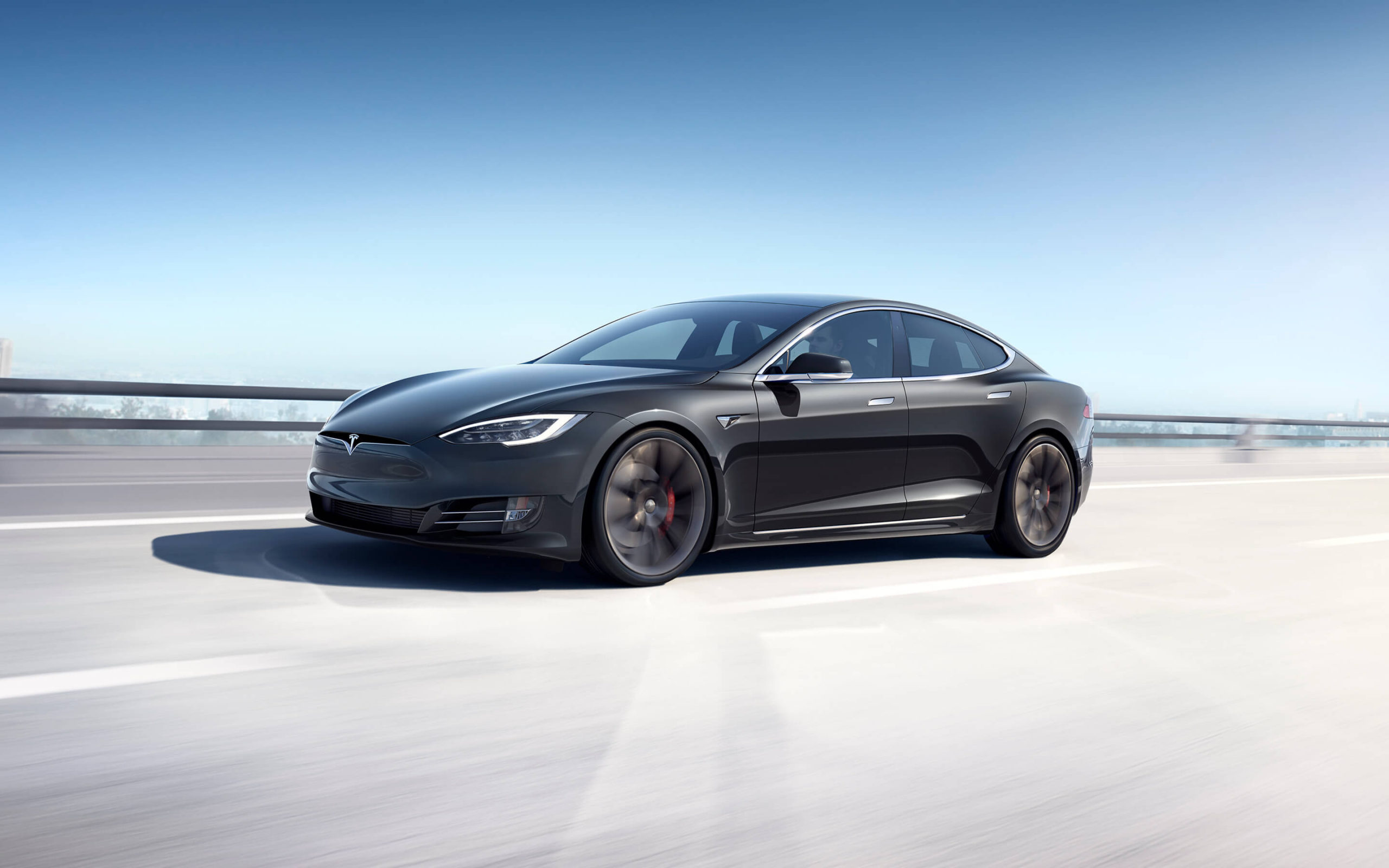
    During the first half of this year, Vietnam emerged as the leader in Southeast Asia for battery electric vehicle (BEV) sales, with 115,986 units sold. This impressive figure marked a 71% increase compared to the previous year. Furthermore, BEVs accounted for 35.3% of all new vehicles sold, thereby claiming the highest share in the region’s four largest automotive markets – Vietnam, Indonesia, Malaysia, and Thailand.

    Leading BEV Players

    VinFast, Vietnam’s top automotive brand across all vehicle categories, was responsible for the vast majority of the BEVs sold during this period. A small number of sales were attributed to Ford’s Mustang, while some electric vehicle manufacturers did not disclose their specific sales figures.

    BEVs, vehicles powered solely by electricity, stand out from hybrids, which utilize both electricity and gasoline. In Vietnam, BEVs are bolstered by an exemption from registration fees and a favorable 3% special consumption tax, both in effect until the end of 2030.

    Regional BEV Market Overview

    Thailand followed closely behind Vietnam in BEV sales, with a total of 104,418 vehicles sold. Nonetheless, it exhibited the quickest growth rate among the region’s four largest markets, posting a 91% increase.

    In Indonesia, which continues to hold the title of Southeast Asia’s biggest auto market, BEVs made up 16% of new vehicle sales in the first half of the year. Chinese auto manufacturers BYD, Aion, and MG collectively boasted the largest share of Indonesia’s BEV market. According to local auto news outlet DetikOto, the top ten best-selling BEV models in the country all originated from Chinese automakers such as BYD, Jaecoo, and Geely.

    Meanwhile, VinFast sold 1,934 vehicles in Indonesia, with their mini SUV VF 3 model accounting for 1,355 of these sales.

    Despite reporting the lowest BEV sales among the four major markets, Malaysia achieved an 85% growth rate, the second-fastest in the region following Thailand.

    Questions & Answers

    Which country led Southeast Asia in BEV sales in the first half of the year?
    Vietnam led Southeast Asia in battery electric vehicle (BEV) sales during the first half of this year.

    What contributed to the substantial growth of BEVs in Vietnam?
    The growth of BEVs in Vietnam can be attributed to the country’s policy incentives, including an exemption from registration fees and a 3% special consumption tax.

    Which country showed the fastest growth rate in BEV sales among the four largest markets in Southeast Asia?
    Thailand posted the fastest growth rate among the region’s four largest automotive markets.

  • Hanoi’s Mid-Priced Serviced Apartment Rents Surge as Demand Outpaces Supply

    Hanoi’s Mid-Priced Serviced Apartment Rents Surge as Demand Outpaces Supply

    According to property consultancy Avison Young, the occupancy rate for serviced apartments has hit a solid 77%. Yet, the high-end segment is outshining the rest, maintaining rental prices at $35 with occupancy peaking at 82%. Meanwhile, Savills has reported a year-on-year climb of 5% in overall serviced apartment rents, now averaging $23 before VAT, with occupancy rates enjoying an uptick to 86%—a 2-percentage-point increase from the final quarter of 2024.

    Matthew Powell, director of Savills Hanoi, attributes this surge in demand to burgeoning industrial zones and a significant influx in foreign direct investment (FDI), which has soared to nearly $1.5 billion this year—up 31% compared to the same time last year. The clientele primarily consists of experts from Japan and South Korea employed at various enterprises, embassies, international banks, and industrial zones, who are increasingly keen on serviced apartments.

    With limited options available in nearby industrial hubs like Hai Phong, Bac Ninh, and Hai Duong, Hanoi continues to reign supreme for foreigners in search of high-quality accommodations. Adding fuel to the fire, analysts from Avison Young note that a recovering tourism industry is also providing a boost to the serviced apartment market. In the first quarter alone, Hanoi welcomed an estimated 7.3 million tourists, marking an 8.7% increase year-on-year.

    The growing preference for flexible accommodation among international visitors has placed properties with enticing amenities—such as swimming pools, gyms, and 24/7 security—at the top of the list. Furthermore, enhanced infrastructure, including new ring roads and expressways, is making travel between the city and industrial zones smoother than ever.

    However, the market is not devoid of hurdles. The looming prospect of U.S. tariffs poses a potential threat to foreign capital inflows, which could indirectly dampen demand in industrial zones and commercial services. David Jackson, general director of Avison Young Vietnam, warns that if tariffs take effect, foreign enterprises may hesitate, opting to delay investments while keeping a wary eye on the situation. Still, optimism persists; Jackson believes that foreign investors are likely to have contingency plans and long-term strategies in place.

    Lessons learned from the pandemic have prompted businesses to be more cautious in managing inventory and production, so they are better prepared to respond to rising logistics costs. Savills experts maintain that Vietnam continues to offer long-term strategic advantages for foreign investors, thanks in part to government initiatives aimed at streamlining administrative processes and simplifying investment procedures. Notably, significant projects like the North-South Expressway and the Hai Phong-Hanoi-Lao Cai railroad further enhance Vietnam’s attractiveness as a destination for investment.

    With this growing momentum, the supply of serviced apartments is expected to increase as well. Savills reports that seven new apartment projects are set for completion in Hanoi this year, adding over 1,000 units, primarily concentrated in the inner city.

    Questions & Answers

    What is the current occupancy rate for serviced apartments in Hanoi?
    The occupancy rate currently stands at 77%, though high-end apartments boast an impressive 82%.

    How much has foreign direct investment (FDI) increased this year?
    FDI has surged to nearly $1.5 billion, reflecting a 31% increase from the same period last year.

    What amenities are becoming increasingly popular among serviced apartments?
    International visitors are gravitating towards serviced apartments that offer amenities such as swimming pools, gyms, reception services, and 24/7 security.