
Tag: Ovum

  • 4 in 5 APAC operators plan to deliver 5G for sport events

    4 in 5 APAC operators plan to deliver 5G for sport events

    More than four in five (81%) operators in Asia-Pacific plan to deliver 5G services to major live sports and esports event organizers, according to research conducted by Ovum for Amdocs.

    The research found that operators in the region view sports events such as the Tokyo 2020 Olympic Games as an opportunity to create new enterprise services grounded in 5G communications.

    As well as 5G, 81% of APAC operators plan on offering IoT-related technology and services to stadium owners and tournament organizers to create efficiencies in stadium management, and 56% plan to offer services that will improve fan experiences, such as introducing the ability to order food and beverages over mobile devices.

    Operators anticipate new commercial opportunities from supporting major sporting events with 5G. Around 44% of operators in the region believe 5G will drive growth in terms of ARPU and 32% believe it will boost their enterprise business.

    Meanwhile 50% of Asia-Pacific operators believe that 5G will drive growth in sports TV subscribers, and 43% believe it will drive mainstream adoption of virtual reality services.

    To capitalize on these opportunities, 81% of operators plan on creating new partnerships with broadcasters and OTT service providers.

    The same proportion are planning to create new partnerships with device manufacturers, 64% are seeking direct partnerships with sports venues, and 56% want partnerships with social media and video game companies.

    But operators are also anticipating network related challenges regarding new 5G services for sports and esports. When asked about the biggest expected challenges, 69% cited issues with delivering the required levels of capacity and connectivity to support live HD video, and 56% cited indoor coverage to stadiums.

    “Operators see both short-term benefits in supporting sports with 5G, including growth in ARPU and their media business line, as well as longer-term benefits, such as enhanced brand appeal among younger demographics,” Amdocs CMO Gary Miles said.

    “Furthermore, working with new types of partners on 5G and sports will give operators a vital role in a new digital business ecosystem. Out of a multitude of potential 5G use cases, our research shows that sports and esports is certainly among the most compelling.”
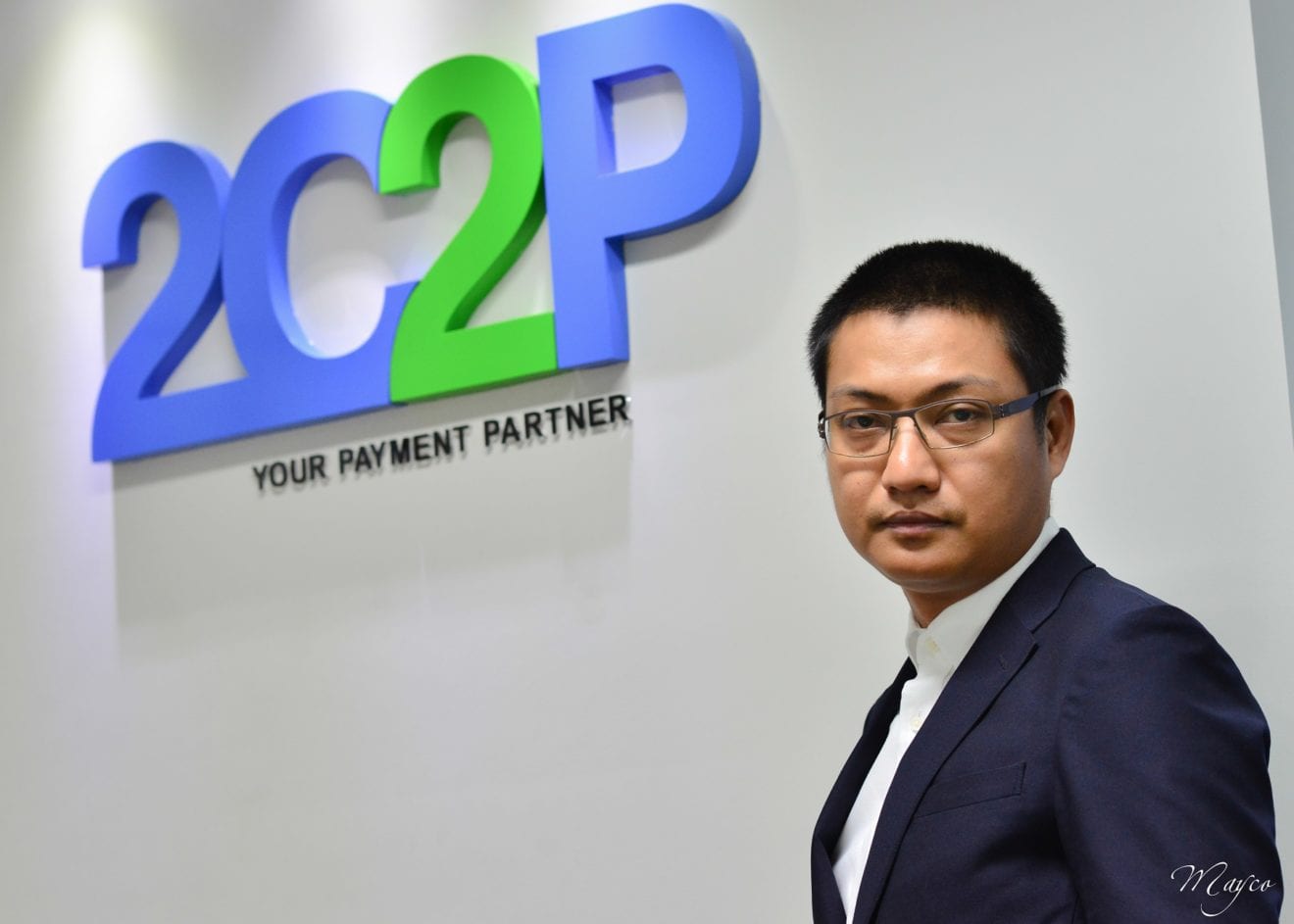
  • 2C2P helps Myanmar revolution

    2C2P helps Myanmar revolution

    Southeast Asia payments company 2C2P of Singapore, with its Burmese founder and CEO Aung Kyaw Moe, has taken a step to modernise Myanmar’s economy with the country’s first co-branded debit card so its citizens can shop with international merchants.

    The new UnionPay and Myanmar Payments Union (MPU) co-branded debit card is being introduced along with the launch of 1-Stop, a cash acceptance network of sellers and buyers, bringing digital commerce to Myanmar, especially helpful for its rural communities. Also a partner of the debit card is Myanmar’s Asia Green Development Bank (AGD Bank).

    Anyone in Myanmar can now set up a microbusiness to sell goods and services online. Domestic transactions are processed by MPU, while international transactions go through UnionPay International, which is recognised by more than 4000 merchants domestically and more than 26 million across 150 countries, as well as at 1.8 million ATMs internationally.

    MPU is Myanmar’s national payment network, authorising the issuance and acceptance of all payment cards within the country, of which there are more than 1.2 million. With UnionPay International, a subsidiary of China UnionPay, cardholders can shop with international merchants for the first time. UnionPay is the largest global payment card company with more than five billion cards issued.

    Myanmar is expected to quadruple the size of its economy from $45 billion in 2014 to $200 billion by 2030 (McKinsey), with a reboot of its cash-based economy seen as the key to growth. This will be driven by Myanmar’s young population (47 per cent of its 51.4 million citizens are 24 years old or younger). The World Bank pegs Myanmar’s annual growth rate as leading Asia at 8.3 per cent annually between 2014 and 2017.

    Myanmar’s millennials are also responsible for the country’s spike in outbound tourism. This sector grew from $29 million in 2002 to $257 million in 2012, a rise of 24 per cent, according to the World Trade Organisation.

    “2C2P is committed to support Myanmar’s financial institutions,” says CEO and founder Aung Kyaw Moe. “We do this by bridging the gap between local and international infrastructure.

    “We bring our robust platform, as well as our experience and knowledge in international payments, making it possible for Myanmar’s banking and financial institutions to innovate – offering new services that leapfrog legacy financial technologies.”

    AGD Bank customers can download an app to manage card transactions in real time with online support. A loyalty program offers discounts and privileges from more than 4000 merchants domestically, across food and beverage, retail, hospitality, and travel and tourism.

    “We are committed to innovate, offering Myanmar’s young, fast-growing and connected population the financial services that meet their evolving needs,” says AGD Bank chairman U Than Ye.

    Meanwhile, 1-Stop’s network has more than 3000 locations through 2C2P’s strategic partnerships with the country’s largest distribution network for the agriculture sector Myanmar AWBA Group, retail and convenience store chains Capital Hyper Mart and Grab & Go, mobile stores eCity, Lu Gyi Min andMr.Fone, as well as independent stores.

    It is aiming to contribute to modernising the economy through its online-to-offline commerce approach in a market with relatively high smartphone penetration but limited e-payment infrastructure.

    Myanmar is the fourth-fastest growing mobile market globally, according to Ericsson. In the third quarter of last year, it accounted for nearly 6 per cent of the world’s 87 million new mobile subscribers. Research firm Ovum estimates mobile subscriptions in Myanmar grew by 87.4 per cent in 2014 to 10.7 million. This is forecast to grow at a 21 per cent compounded annual growth rate to reach 38.5 million by the end of 2019 as networks expand to rural areas.

    Last year, 2C2P also launched easyBills, the country’s first online bill-payment system. Previously, along with Myanmar Citizens Bank, 2C2P launched the Citizen Card, a reloadable prepaid card accepted by MasterCard and merchants globally.

    2C2P has offices across Southeast Asia, including Cambodia, Indonesia, Laos, Malaysia, Myanmar, Singapore, Thailand and The Philippines, as well as in Hong Kong.