Tag: Owner

  • Uniqlo Owner Fast Retailing Reports Stellar 45.7% Profit Boost Amidst Global Challenges

    Uniqlo Owner Fast Retailing Reports Stellar 45.7% Profit Boost Amidst Global Challenges

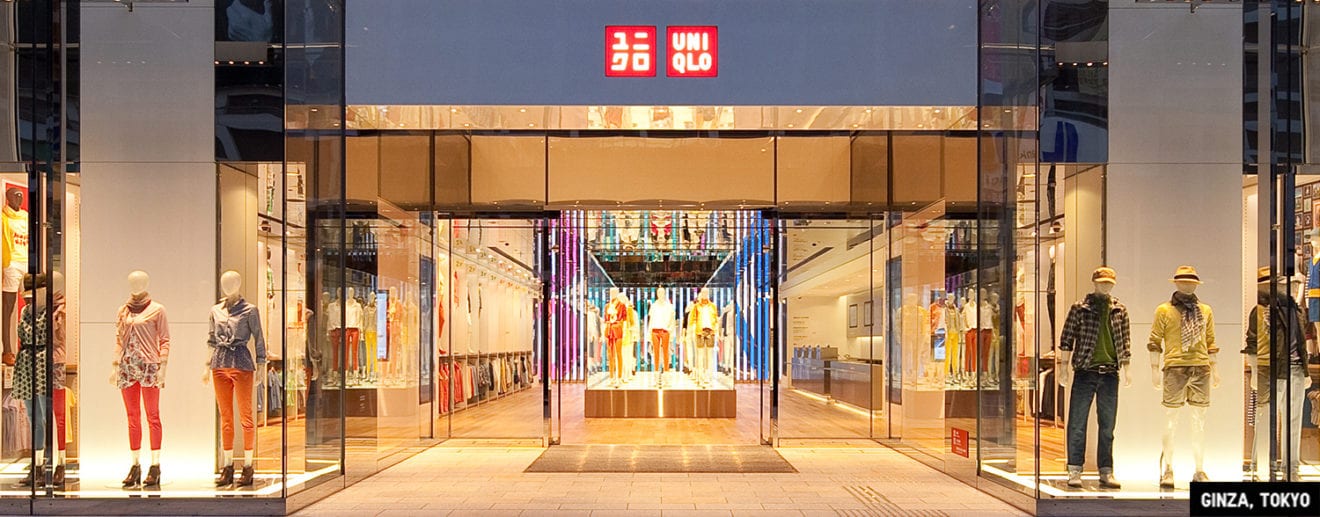
    Fast Retailing, the Japanese firm that owns the popular clothing brand Uniqlo, reported a 45.7% quarterly profit surge, despite facing challenges from the Iran war’s impact on supply chains and logistics. Achieving this milestone puts the company on track for its fifth consecutive year of record earnings.

    Over the three months through May, Fast Retailing’s operating profit reached 213.79 billion yen (US$1.32 billion), a substantial increase compared to 146.74 billion yen during the same period in the previous year. This figure significantly surpassed the average estimate of seven analysts, which stood at 177.73 billion yen. As a result of this positive performance, Fast Retailing raised its full-year operating profit forecast from 700 billion yen to 730 billion yen.

    Uniqlo’s Global Appeal and Challenges

    Fast Retailing’s success is a key indicator of consumer spending trends in Japan and mainland China, with nearly 900 stores in these regions. Starting as a single store in Hiroshima, western Japan, in 1984, the company now operates more than 2,500 Uniqlo stores worldwide, with its products primarily manufactured in Asian hubs.

    In recent times, the brand has seen rapid expansion in Europe and North America as it seeks growth beyond China, its largest overseas market. However, this expansion has come with challenges. In Japan, sales have been bolstered by a tourism boom and a weak yen, but growth in China has slowed, leading to store closures and restructuring.

    The ongoing Middle East conflict and changing weather patterns have also posed challenges for Fast Retailing, along with other global fashion retailers. Supply and logistic disruptions, as well as weather impact on clothing demand, have become significant concerns.

    Fast Retailing’s CFO, Takeshi Okazaki, highlighted these issues earlier this year, indicating that the Iran war had complicated air freight from production bases in Southeast Asia, and that sustained oil price increases could affect the costs of synthetic fibers.

    Questions & Answers

    What was Fast Retailing’s operating profit for the three months through May?
    The company’s operating profit was 213.79 billion yen (US$1.32 billion) during this period.

    How has Fast Retailing’s expansion into Europe and North America impacted the company?
    While the expansion has opened up new markets for Fast Retailing, it has also presented challenges such as coping with the effects of the Middle East conflict on supplies and logistics, and adapting to changing weather patterns impacting clothing demand.

    What factors have affected Uniqlo’s growth in China?
    The growth of Uniqlo in China has been affected by weak consumer sentiment, which led to store closures and restructuring.
  • Panic withdrawals hit Cambodia’s Prince Bank after owner Chen Zhi accused of running Southeast Asian cybercrime empire

    Panic withdrawals hit Cambodia’s Prince Bank after owner Chen Zhi accused of running Southeast Asian cybercrime empire

    Following allegations of operating a multinational scam and money laundering network, Prince Bank owner Chen Zhi has elicited panic among customers in Cambodia. There has been a significant surge in account holders rushing to withdraw their funds from the embattled bank.

    Mass Withdrawals and Public Discontent

    On Saturday morning, throngs of account holders crowded outside Prince Bank’s main branch in Phnom Penh to retrieve their savings. Transactions were temporarily suspended at several other branches due to inadequate funds. Increasing public frustration was evident when customers found themselves unable to access Prince Bank’s website and mobile application.

    Hoping to assuage their customers’ fears, the bank issued a statement encouraging patience, assuring that their services were functioning normally despite facing a barrage of public complaints.

    The bank statement read, “The measures from the U.S. Treasury’s Office of Foreign Assets Control will not impact the bank’s operational ability. We continue to manage all our customer relationships with sincerity and transparency.”

    International Sanctions Trigger Panic

    The catalyst for the wave of withdrawals was an announcement on October 14 stating that sanctions had been imposed on Prince Holding Group (the parent company of Prince Bank) and its founder and chairman, Chen Zhi. These sanctions were implemented by the U.S. Department of Justice, the U.S. Department of the Treasury, and the British government.

    Chen has been charged with fraud and money laundering by the U.S. government, which resulted in seizing more than US$15 billion in Bitcoin, allegedly laundered by Chen and Prince Holding Group. This is a landmark case, representing the largest asset forfeiture in the history of the Department of Justice. If Chen is found guilty, he could face a prison sentence of up to 40 years.

    Additionally, the U.K. government imposed sanctions on Golden Fortune Resort World, which operates the Prince Compound near Phnom Penh. It also added the Jinbei Group, which is linked to Prince Holding Group via its hotels and casinos, and the digital currency platform Byex Exchange to its sanctions list.

    Both governments have accused Chen of leading a transnational criminal network, swindling victims worldwide, and exploiting trafficked workers across Southeast Asia.

    National Bank of Cambodia Reassures Depositors

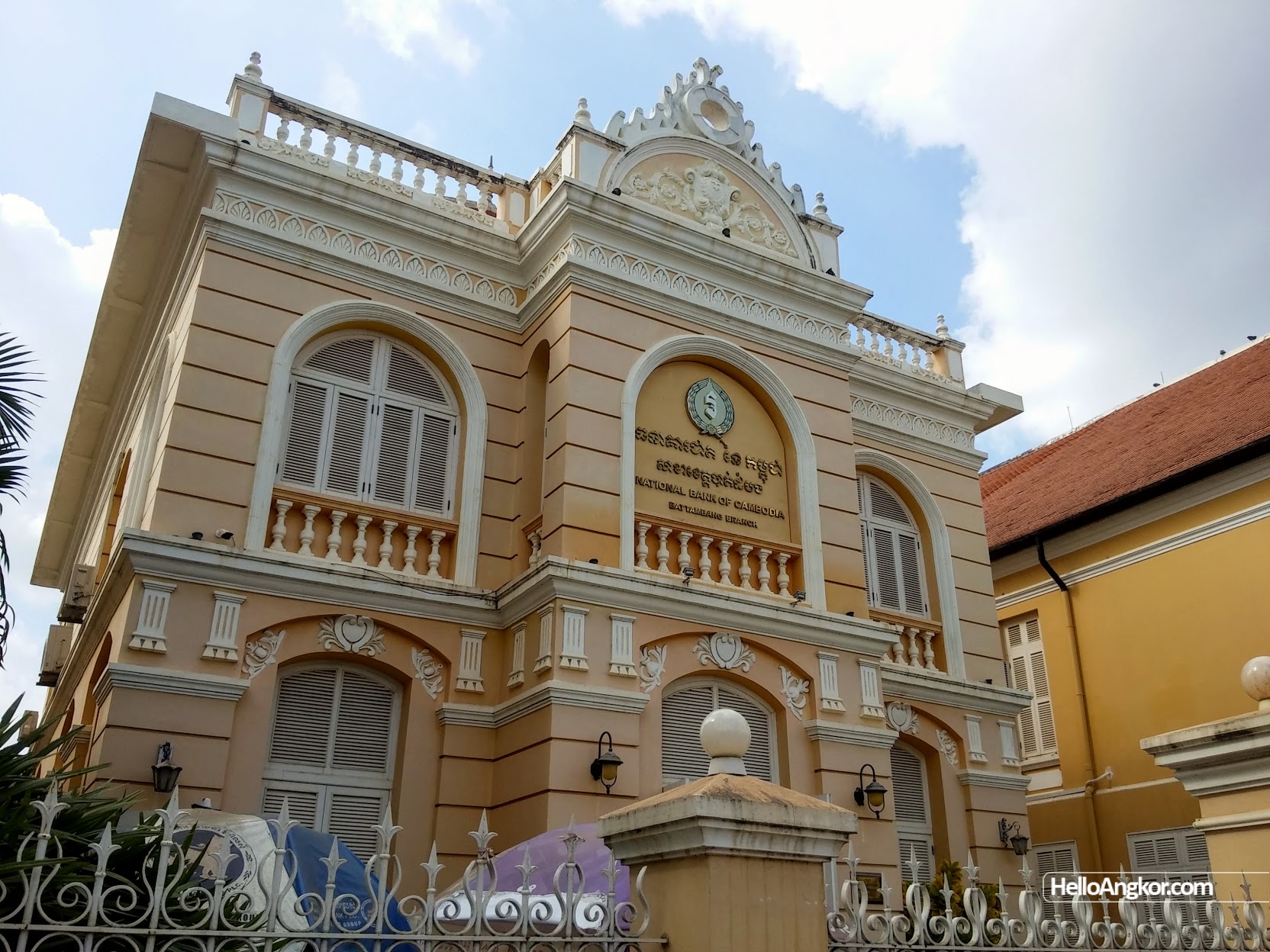
    In an effort to alleviate depositor anxiety, the National Bank of Cambodia assured that customer accounts are functioning normally and remain secure. It emphasized that banks are legally mandated to maintain sufficient liquidity to meet depositors’ demands.

    Questions & Answers

    What prompted the rush to withdraw money from Prince Bank?
    The rush was triggered by allegations against the bank’s owner, Chen Zhi, accusing him of running a transnational scam and money laundering network.

    What actions have been taken against Chen Zhi and Prince Holding Group?
    The U.S. and U.K. governments have imposed sanctions on Prince Holding Group and its founder, Chen Zhi. The U.S. government has also charged him with fraud and money laundering, seizing over US$15 billion in Bitcoin that Chen and Prince Holding Group allegedly laundered.

    How has the National Bank of Cambodia responded to the situation?
    The National Bank of Cambodia has reassured depositors that customer accounts are functioning normally and remain secure. It also emphasized that banks are legally obligated to maintain sufficient liquidity to meet depositors’ demands.

  • Adrian Cheng Unveils Almad Group, Targets Digital Transformation In Diverse Sectors

    Adrian Cheng Unveils Almad Group, Targets Digital Transformation In Diverse Sectors

    Adrian Cheng, a scion of one of Hong Kong’s wealthiest families and former CEO of major developer New World Development, has unveiled a new venture focused on the digital sector and burgeoning markets. The new firm, Almad Group, was introduced on Sunday.

    Almad Group’s Focus

    Almad Group sets its sights on digital assets and industries poised for a transformation, spanning entertainment, sports, media, healthcare, commercial management, and cultural tourism. Its geographical reach is expected to include mainland China, countries within the Association of Southeast Asian Nations (ASEAN), and the Middle East.

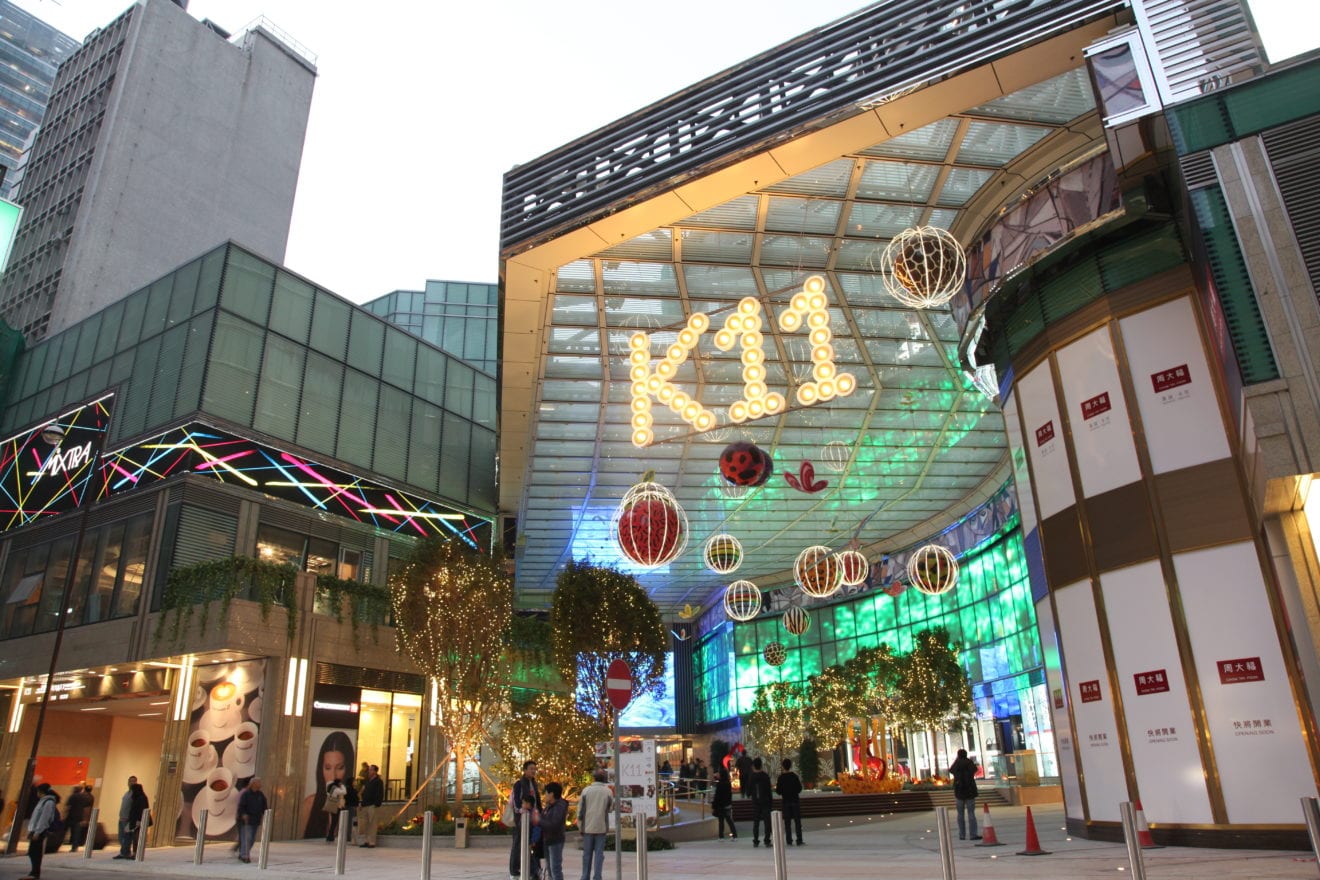
    The company also aims to broaden the international appeal of Cheng’s cultural brand, “K11 by AC”. Its Anime IP business already shows growth in mainland China and the Middle East.

    A Clear Mission

    Speaking about the newly established group, Cheng, who serves as founder and executive chairman, stated, “Our mission is clear: To build what the next generation needs and to shape a future economy filled with possibilities.”

    Cheng, a Harvard graduate, has a history of supporting start-ups in their early stages. His portfolio includes Chinese social media platform Xiaohongshu, EV manufacturer XPeng, and Hong Kong’s microfinance platform Micro Connect.

    Departure from New World

    Last September, the 45-year-old business tycoon resigned from his position at New World. The property developer, grappling with one of the largest debt burdens in the financial city, reported a record loss of $2.6 billion US dollars. Upon his departure, Cheng also acquired New World’s retail flagship K11 brand management.

    Since then, he has gradually stepped down from all roles within the family’s businesses, including the parent company Chow Tai Fook Enterprises.

    Questions & Answers

    What is the focus of Adrian Cheng’s new firm, Almad Group?
    Almad Group aims to target digital assets and transformative industries in sectors such as entertainment, sports, media, healthcare, commercial management, and cultural tourism.

    Which markets does Almad Group intend to target?
    The company plans to expand its reach to mainland China, ASEAN countries, and the Middle East.

    What was Cheng’s role in New World Development, and why did he leave?
    Adrian Cheng served as the CEO of New World Development but resigned as the company struggled with major debt issues and reported a record loss.

  • Billionaire James Dyson Buys Lavish Singapore Bungalow

    Billionaire James Dyson Buys Lavish Singapore Bungalow

    Following his S$73.8 million Wallich Residence penthouse purchase, the billionaire inventor’s real estate shopping spree in Singapore continues with a luxury bungalow in a pricey neighborhood.

    After snapping up Singapore’s biggest and priciest penthouse earlier this month, billionaire James Dyson, the inventor of the bagless vacuum, has purchased his second property in the city-state – a Good Class Bungalow. (GCW)

    Located on a hill along Cluny Road, the 1,400 square-meter property has unobstructed views of the UNESCO World Heritage-listed Singapore Botanic Gardens. It makes full use of the steeply sloped site and features a curved swimming pool, sculptural staircase, and a waterfall surrounded by lush plants.

    Foreigners and permanent residents are barred from purchasing landed property in Singapore, though exceptions are made for those who have made exceptional economic contributions in Singapore. Still, Dyson would have to fork out an additional 15 percent buyers’ stamp duty on the purchase price that is estimated at S$41 million, as it is his second property here.

    Dyson, 72, a vocal supporter of the U.K.’s decision to leave the European Union, said in January that he would move his company’s head office and research team from the U.K. to Singapore. However, he denied the move had anything to do with Brexit, saying that he wanted to be closer to the firm’s fastest-growing markets. Dyson plans to build the company’s first electric car in the city-state.

  • Vietnamese beer sales now drive revenues for Sabeco’s new Thai owner

    Vietnamese beer sales now drive revenues for Sabeco’s new Thai owner

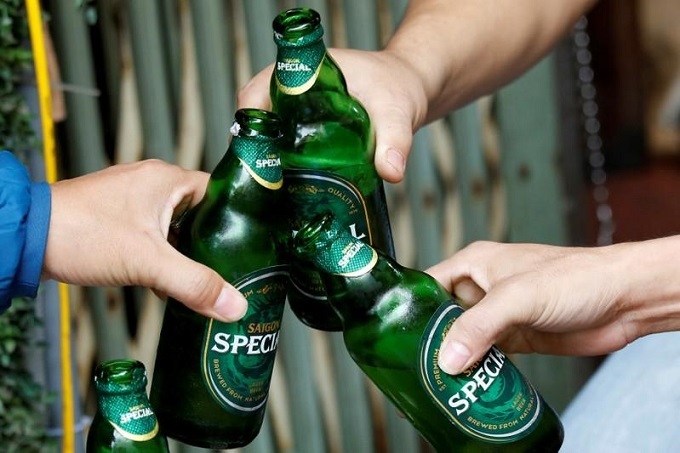
    Vietnamese brewery Sabeco has contributed 46 percent of the revenues of Thai parent ThaiBev in the first quarter of 2018-19. For the quarter ended December 31, 2018, it reported sales of VND13 trillion ($560.58 million) as ThaiBev announced net profits of VND5.54 trillion ($238.83 million) on total revenues of VND54.28 trillion ($2.34 billion), 35 percent and 60 percent up year-on-year.

    Beer products became its revenue driver for the first time with sales of VND24.84 trillion ($1.07 billion). Though spirits sales saw strong growth, their share of revenues dropped from 54 percent to 43 percent.

    In terms of sales by market, the group reported 52 billion baht ($1.66 billion) in Thailand, down to 71 percent from 96 percent last year. The other significant amount was Vietnam’s VND13 trillion or 23.9 percent.

    ThaiBev said while consumption in Southeast Asia is generally slowing, Sabeco has sustained impressive growth.

    Two months ago the Thai group became the majority shareholder in the Vietnamese brewer with a 53.59 percent stake following a debt-to-equity swap.

    It believes the acquisition of Sabeco would help its expansion in Vietnam, which has a youthful population, extensive distribution network and the strongest beer market growth in the region.

    Sabeco, formally known as Saigon Beer Alcohol Beverage Corp, reported a 5 percent rise in revenues last year to more than VND36 trillion ($1.56 billion).

    It has a 42.8 percent share of the Vietnamese beer market, according to the Ho Chi Minh City Securities Corporation.

    According to the Vietnam Beverage Association (VBA), the Vietnamese beer market is worth $3.4 billion.

    Securities company FPT Securities predicts the market will grow by 5-6 percent a year.

  • Knows more : Rahul Singh, Founder & CEO, The Beer Café India

    Knows more : Rahul Singh, Founder & CEO, The Beer Café India

    With multiple awards like; Images Coca Cola Golden Spoon Award, India Restaurant Congress Award, Times Nightlife Award and ET Now Business and Service Excellence Award, the consumer and industry has recognized this startup as a blockbuster. Singh is the recipient of the TiECON 2010 Entrepreneurial Award for Excellence and holds the position of the Honorary Secretary for the NRAI (National Restaurant Association of India). He was also bestowed with the Prestigious Entrepreneur India 2015 Award in F&B services.

    Before he started The Beer Café, Singh was CEO, Greg Norman Collection India from 2007-09. In that role he spearheaded the brand’s operations involving sales, marketing and manufacturing.

    Prior to 2007, he was the Executive Director at Reebok India for 8 years and was a part of their leadership team, also setup a robust sourcing base for exports from South Asia.

    As a textile engineer, he brings in an analytical approach to each line of enterprise that he gets into. He has undergone training in draught beer technology at Micromatic Institute in Florida, USA.

  • Gucci owner meets Korea’s retail giants

    Gucci owner meets Korea’s retail giants

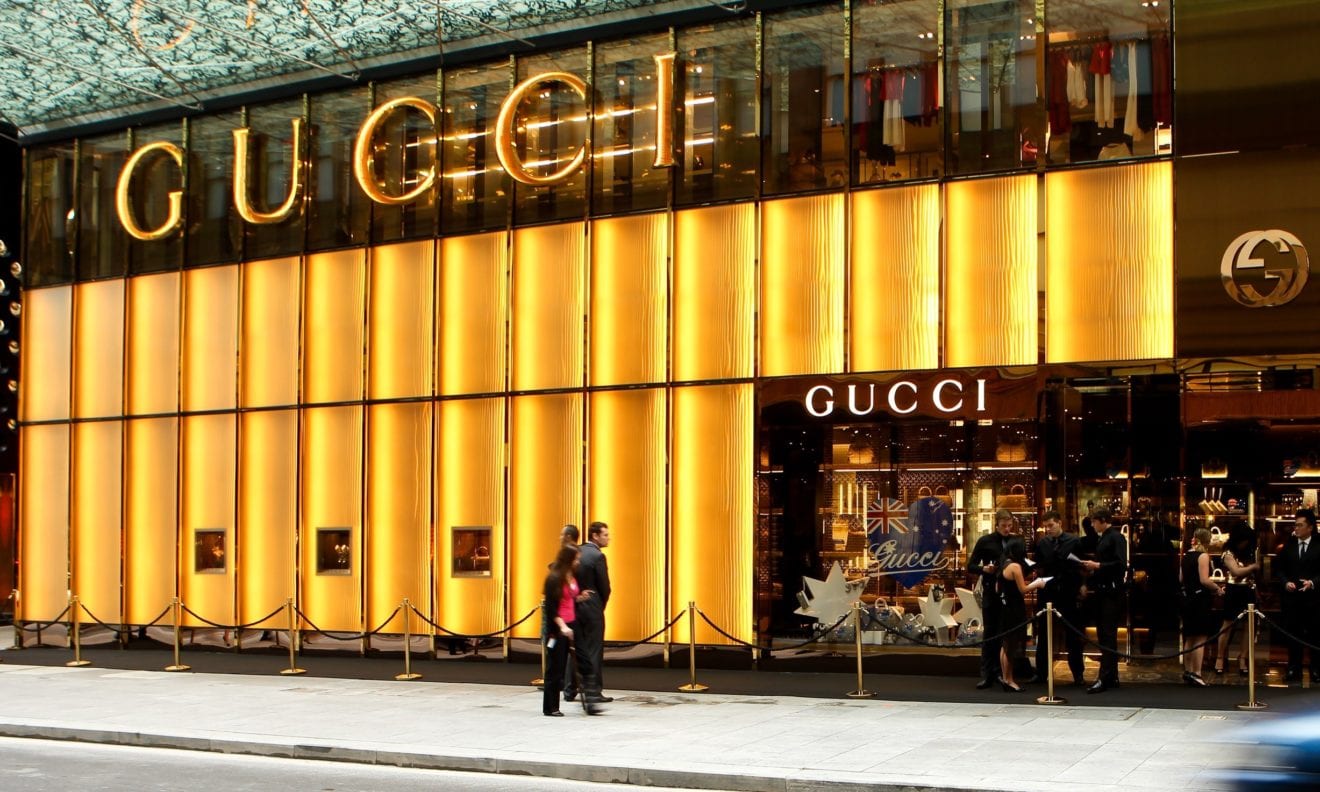
    Kering CEO Francois-Henri Pinault came to Korea, Wednesday, to meet owners and CEOs of retail giants here, according to industry sources. Kering, which changed its name from PPR in 2013, is the French luxury goods holding company owner of more than 20 luxury sport and lifestyle brands including Gucci, Bottega Veneta, Saint Laurent Paris, Balenciaga, Brioni and Puma, which are sold worldwide,.

    Pinault reportedly visited Hyundai Department Store in Apgujeong, southeastern Seoul, Wednesday, and was shown around by CEO Park Dong-woon. Chairman Chung Ji-sun did not meet Pinault, due to a scheduling conflict.

    The sources said Pinault also met Shinsegae Department Store President Chung Yoo-kyung and Lotte Group Chairman Shin Dong-bin on Thursday.

    Pinault is also reportedly scheduled to meet Hotel Shilla President Lee Bu-jin. In 2012, Pinault visited Korea as PPR chairman and met Shin and Lee. At that time, he looked around Lotte Department Store, Lotte Duty Free, Hanwha Galleria Department Store, Shinsegae Department Store and Shilla Duty Free over three days.

    Observers are paying attention to Pinault’s visit, which is only a week before new duty-free store operators are named, Dec. 17. Some sources anticipate Pinault and Korean retailers will discuss offering Kering’s luxury brands at the stores.

    However, candidates for duty free store cannot name what was not included in their business proposals submitted in October, during their final presentations. Other observers therefore believe Pinault’s visit is not related to duty free stores.

    Those observers say Pinault was here to talk with Korean retailers, so Kering’s brands can expand their presence here and in other Asian countries, especially China.

    With rapid sales growth, Asia has recently been in the limelight among global luxury brand retailers.

    In April, Moet Hennessy Louis Vuitton SE (LVMH) Chairman Bernard Arnault visited Korea and met Hotel Shilla’s Lee and Shinsegae’s Chung.

    Arnault also came to Korea last year for the opening celebration of The House of Dior, a flagship store in Apgujeong.