Tag: ownership

  • Minor Group Takes Global Reins: Acquires Full Ownership of Korean Chain Bonchon

    Minor Group Takes Global Reins: Acquires Full Ownership of Korean Chain Bonchon

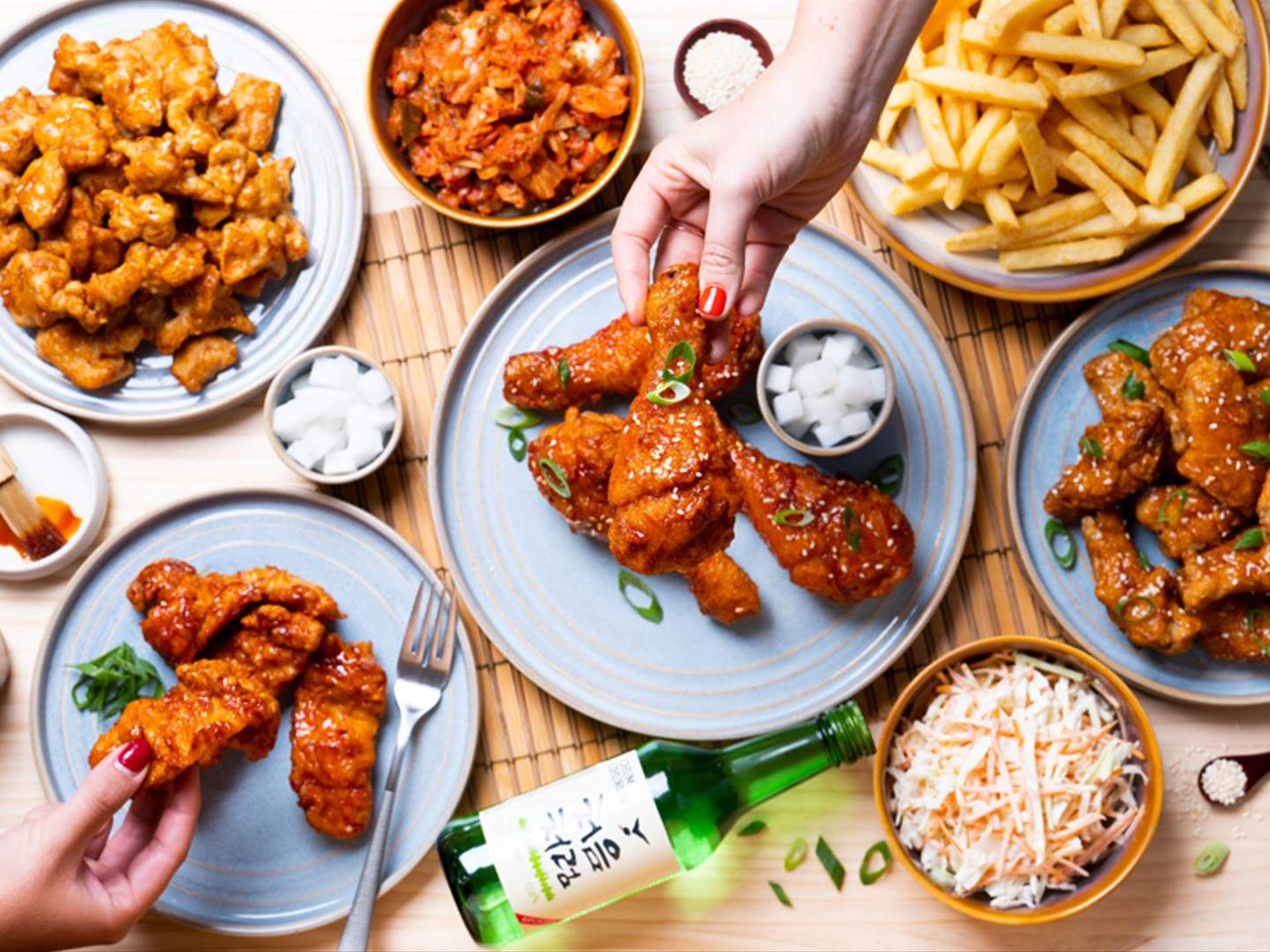
    Thailand’s Minor Group is set to acquire the remaining stake in Bonchon, a South Korean restaurant chain, thereby becoming its global owner. Headquartered in Bangkok, Minor Group has a significant presence in the restaurant industry with ownership of The Pizza Company, along with being a key franchisee for Burger King and Dairy Queen in Thailand. Since 2019, it has successfully managed over 100 Bonchon outlets across the country.

    A Strategic Acquisition

    Minor Group signed a stock purchase agreement on Monday with VIG Partners, a South Korean domestic private equity fund manager, to take over Bonchon International. It is reported that the sale includes the principal equity owned by VIG Partners as well as the stake held by Bonchon’s founder, Seo Jin-deok.

    Upon the finalization of this transaction, Minor Group will hold complete ownership of Bonchon International. Although the precise transaction amount remains undisclosed, the estimated corporate value of Bonchon is around 300 billion won or approximately US$212 million.

    Established in Busan, South Korea, in 2002, Bonchon embarked on its international journey in 2006 with its first venture in the United States. Since then, it has expanded into roughly 10 markets across North America, Asia, and Europe.

    VIG Partners became the largest shareholder of the restaurant chain in 2018 after purchasing a 55 percent stake for around 60 billion won. The remaining 45 percent stake is owned by Seo, who currently serves as the CEO of Bonchon International.

    The transaction between all parties involved is expected to be concluded by the end of the current month.

    Questions & Answers

    Who is acquiring the remaining stake in Bonchon?
    The Minor Group from Thailand is acquiring the remaining stake in Bonchon, resulting in full ownership of the South Korean restaurant chain.

    What is the estimated corporate value of Bonchon?
    The corporate value of Bonchon is cited to be around 300 billion won or approximately US$212 million.

    Who currently holds the majority stake in Bonchon International?
    Before the acquisition, the majority stake in Bonchon International was held by VIG Partners, a South Korean private equity fund manager. They held 55 percent stake whereas the remaining 45 percent stake was owned by Bonchon’s founder, Seo Jin-deok.


  • Mammut Gears Up for Swift Asia Expansion Under New Chinese Ownership

    Mammut Gears Up for Swift Asia Expansion Under New Chinese Ownership

    Swiss outdoor brand Mammut is poised for an international growth surge following its acquisition by Chinese investment firm CPE from Jacobs Capital. The transaction will make CPE the majority stakeholder in the distinguished 164-year-old outdoor brand. The financial details of the transaction, however, remain undisclosed.

    The acquisition follows a five-year period under Jacobs Capital, during which Mammut significantly established its international presence, bolstered its direct-to-consumer business, and enhanced its profitability. CPE intends to promote Mammut’s next expansion stage by boosting its presence in Asia and North America. The investment firm also plans to continue pouring investments into Mammut’s retail network, digital capabilities, and product innovation.

    A New Phase, A Strong Commitment

    Upon the completion of the transaction, CPE has expressed its full commitment to preserving and enhancing the brand value, technical prowess, and authentic heritage that have made Mammut a globally esteemed outdoor brand. The investment company also plans to support Mammut’s continued global expansion, according to Mark Mao, Managing Director of CPE.

    Mammut’s CEO, Heiko Schafer, will maintain his leadership role in the enterprise following the transaction. He assured employees, customers, and partners that Mamut’s values and dedication to quality and performance will remain unchanged. Schafer went on to say that the company’s strategy is on track, and its global journey has just begun.

    Established in 1862, Mammut markets climbing, hiking, mountaineering, and winter sports apparel and equipment to over 50 countries. The company has been expanding its footprint across Asia in recent years, given the growing demand for premium outdoor products in markets like China, Japan, and South Korea.

    Questions & Answers

    What are CPE’s plans for Mammut following their acquisition?
    CPE plans to support Mammut’s next phase of growth by expanding its presence in Asia and North America and continuing to invest in the brand’s retail network, digital capabilities, and product innovation.

    Who will lead Mammut after the acquisition?
    Mammut’s current CEO, Heiko Schafer, will continue to lead the business following the acquisition by CPE.

    What is Mammut’s market presence?
    Mammut, founded in 1862, sells climbing, hiking, mountaineering, and winter sports apparel and equipment in more than 50 countries, with a growing presence in Asian markets such as China, Japan, and South Korea.

  • Estee Lauder Seals the Deal: Full Ownership of India’s Luxury Beauty Brand, Forest Essentials

    Estee Lauder Seals the Deal: Full Ownership of India’s Luxury Beauty Brand, Forest Essentials

    Estee Lauder, a renowned global manufacturer and marketer of skincare, makeup, and beauty products, has acquired the remaining shares of the luxury Indian beauty brand, Forest Essentials. This move finalizes an 18-year partnership between the two entities, pending regulatory approval.

    Increase in Commitment and Position

    Stéphane de La Faverie, the president and CEO of Estee Lauder, emphasized that this acquisition underscores the company’s commitment to enhancing the growth of Forest Essentials. It also solidifies its standing in India’s high-end beauty market. De La Faverie expressed deep admiration for the vision and perseverance needed to create a brand of Forest Essentials’ stature. The shared objective is to further solidify the brand’s leadership domestically, while prudently introducing it to a global market.

    A Brand Rooted in Tradition

    Forest Essentials, established in 2000 by Mira Kulkarni, draws its inspiration from Ayurveda. This age-old Indian wellness system, with a history spanning approximately 3000 years, concentrates on creating harmony between the mind, body, and spirit. Forest Essentials has successfully transformed these traditional rituals into contemporary formulations and immersive retail experiences, placing Ayurveda in the luxury beauty segment. Today, Forest Essentials is a leading brand with about 200 stores spread across India.

    Future Direction

    Despite the acquisition, Forest Essentials will retain its headquarters in New Delhi under the leadership of Mira Kulkarni and her son, Samrath Bedi, who is the executive director. The brand will continue its operations in India, including infusing research and development with Ayurveda principles, sourcing botanicals locally, and manufacturing in-house.

    The collaboration with Estee Lauder will allow Forest Essentials to tap into the latter’s worldwide brand-building capabilities, distribution network, and operational proficiency. This will foster long-term growth while preserving the brand’s heritage.

    Kulkarni expressed that the next phase of the company’s evolution will concentrate on international expansion while preserving its Indian roots. She reiterated that Ayurveda is not simply a belief system, but a refined combination of science, ritual, and holistic wellbeing. She added that this new phase signifies both continuity and growth.

    Questions & Answers

    What is the significance of Estee Lauder’s acquisition of Forest Essentials?
    This acquisition reinforces Estee Lauder’s commitment to the growth of Forest Essentials and strengthens its position in the Indian luxury beauty market.

    What impact will the acquisition have on the operations of Forest Essentials?
    Forest Essentials will remain headquartered in New Delhi and continue its operations in India. It will also leverage Estee Lauder’s global brand-building capabilities, distribution network, and operational expertise to support long-term growth.

    What will be the focus of Forest Essentials’ next stage of development?
    Forest Essentials will focus on international expansion while maintaining its Indian roots and preserving the brand’s heritage.

  • CapitaLand Strikes $332M Deal: Iconic Singapore Mall Finds New Ownership

    CapitaLand Strikes $332M Deal: Iconic Singapore Mall Finds New Ownership

    CapitaLand Integrated Commercial Trust (CICT) has successfully concluded the sale of Bukit Panjang Plaza, a prominent shopping mall in Singapore. The sale, which fetched a sum of US$332 million (S$428 million), is part of a larger strategy to optimize the organization’s portfolio.

    The Sale of Bukit Panjang Plaza

    Bukit Panjang Plaza, which encompasses 11,500 square meters and houses 122 retail spaces, had been on the market since early 2024. The identity of the buyer for this prime real estate was not divulged by CICT. However, it’s known that the investor is a well-established, US-based development firm.

    Speaking on the successful transaction, Tan Choon Siang, CEO and Executive Director of CICT, explained that the sale was in line with the company’s ongoing portfolio reconstitution strategy. He further noted that this move will not only enhance CICT’s financial agility but also generate substantial value for all stakeholders involved.

    CICT’s Global Presence and Financial Performance

    CICT’s global footprint extends to 45 countries, reinforcing its status as a leading player in the international real estate market. The sale of Bukit Panjang Plaza underscores the company’s commitment to continual growth and expansion.

    Financially, CICT has been performing remarkably. In 2024, the company reported a considerable increase in profits, from S$192 million in 2023 to S$890 million. This significant surge in profit underscores the robustness of the company’s business model and its effective strategic decisions.

    Questions & Answers

    What is the significance of the sale of Bukit Panjang Plaza for CICT?
    The sale of Bukit Panjang Plaza is a strategic move for CICT as it aligns with their portfolio reconstitution strategy. This transaction not only strengthens CICT’s financial flexibility but also creates value for its stakeholders.

    Who is the buyer of Bukit Panjang Plaza?
    The exact identity of the buyer was not revealed by CICT. However, it’s known that the purchaser is a major US-based property development firm.

    How has CICT’s financial performance been in recent years?
    CICT has shown impressive financial performance, with a significant surge in profits reported in 2024. The company’s profits increased from S$192 million in 2023 to S$890 million in 2024.

  • Chinese Equity Firm HSG Acquires Majority Ownership of Luxury Sneaker Giant Golden Goose

    Chinese Equity Firm HSG Acquires Majority Ownership of Luxury Sneaker Giant Golden Goose

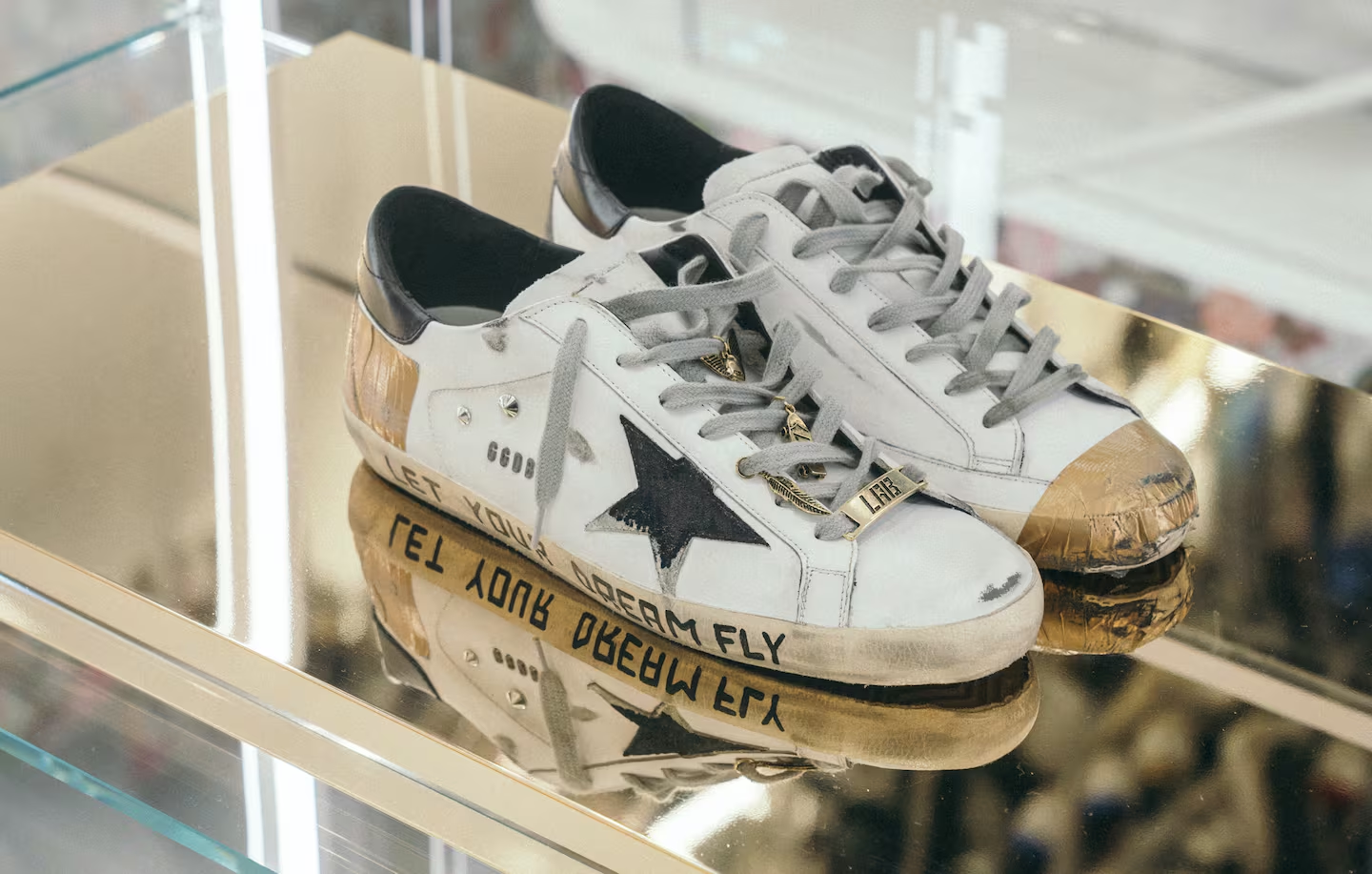
    Golden Goose, an Italian luxury sneaker manufacturer, announced on Friday that HSG, previously known as Sequoia Capital China, has become its main shareholder. The Chinese private equity firm acquired its stake from the current owner, Permira.

    Additional Investments

    Simultaneously, Temasek, Singapore’s investment firm, along with its subsidiary True Light, has purchased a minor stake in the Venice-based sneaker company. Golden Goose’s sneakers begin retailing at 500 euros a pair.

    This agreement values Golden Goose at approximately 2.5 billion euros (US$3 billion), including debt. The announcement did not disclose further financial specifics.

    Previous Ownership

    Permira, which bought Golden Goose in 2020 for 1.28 billion euros, will maintain a minor stake along with other existing shareholders, including Carlyle.

    Silvio Campara will remain the brand’s chief executive, while former Gucci CEO and current board member, Marco Bizzarri, will assume the role of non-executive chairman.

    Finalization of The Sale

    This sale concludes a process initiated by Permira in 2024. The British-owned private equity firm had attempted to publicly list Golden Goose on the Milan stock market but was compelled to withdraw the initial public offering due to market conditions.

    The transaction is anticipated to be finalized in the third quarter of next year. Earlier this year, HSG purchased a majority stake in the Stockholm-based audio equipment group, Marshall.

    In 2024, Golden Goose reported a revenue increase of 13% to 655 million euros, along with adjusted earnings before interest, tax, depreciation, and amortisation of 227 million euros.

    Questions & Answers

    Who is the new majority shareholder of Golden Goose?
    Chinese private equity firm HSG, formerly known as Sequoia Capital China, has become the majority shareholder of Golden Goose.

    Who are the minor stakeholders in Golden Goose?
    Permira, Carlyle, Singapore’s investment firm Temasek, and its subsidiary True Light hold minor stakes in Golden Goose.

    Who will lead Golden Goose after the change in ownership?
    Silvio Campara will continue as the brand’s chief executive, and Marco Bizzarri will become the non-executive chairman.

  • Nike Franchise Collapse Sparks Debate: Is The Retail Franchise Model Nearing Its Limits?

    Nike Franchise Collapse Sparks Debate: Is The Retail Franchise Model Nearing Its Limits?

    The franchise model has long been an effective method for expanding retail reach. However, the downfall of AF-1, an Australian franchisee that managed seven Nike stores in Sydney, has sparked questions about whether this model is reaching its limits.

    Challenges Facing Franchisees

    Operating costs are increasingly high, consumer demand is unpredictable, and the space for mistakes is shrinking. As global brands evolve at a rapid pace towards direct-to-consumer, data-informed decision-making, and experience-focused retail, franchisees that adhere to older structures and slower cycles are under strain.

    The closure of AF-1 led to more than 110 job losses, immediate store closures across Sydney, and the nullification of all existing store credits and gift certificates. This liquidation took place amidst difficult conditions for Australian retailers and marked the termination of almost twenty years of AF-1’s operations of Nike franchises in Sydney.

    Transformation of the Retail Landscape by 2025

    By 2025, the retail landscape is predicted to have undergone a significant shift, influenced by retailers’ digital integration, changing consumer expectations, and the move towards brand centralisation.

    This shift is indicative of a larger trend towards a centralised brand strategy. Here, the importance of consistency, data ownership, and customer experience surpass the benefits of decentralised franchising. Today’s consumers expect smooth, omni-channel experiences, and maintaining consistent brand standards across multiple franchises can pose a challenge.

    Although the franchise model remains feasible, it is less dominant than before, particularly for brands with the capability and resources to manage their own stores.

    The Potential Advantages of Nike Controlling Its Operations

    If Nike were to take full control of its retail stores, it could unlock significant benefits. This would mean prioritising brand control, customer experience, and data integration over rapid growth through franchising.

    A centralised brand control would enable Nike to offer a consistently premium worldwide experience, from cutting-edge store design to unified customer engagement and merchandising.

    Full ownership of data would give Nike the ability to apply insights from every customer interaction to strategic decisions, enabling a tailored customer experience. The brand would also gain operational agility, quickly introducing new technologies, sustainable practices, or innovative merchandising without dealing with delays from franchise partners.

    Direct ownership would also eliminate the need for profit-sharing with franchisees, allowing Nike to maintain higher margins and control pricing and promotions for maximum value.

    Enhancing the Nike Experience

    For consumers, store ownership by Nike would mean an improved and seamless journey, regardless of whether they are shopping online, in-store, or through the Nike app.

    Store teams directly trained by Nike would provide consistent expertise and premium service. Owned stores could offer exclusive access to unique product releases, customisation experiences, community events, and tech integrations specific to Nike’s brand ethos. The customer would also benefit from increased trust and transparency, with authenticity, ethical standards, and sustainability consistently maintained throughout the shopping experience.

    Questions & Answers

    What are the challenges facing franchisees in the retail industry?
    High operational costs, unpredictable consumer demand, and shrinking margins for error due to rapid changes in retail trends are some of the key challenges faced by franchisees.

    What are the potential benefits if Nike were to fully control its operations?
    Nike could unlock significant advantages such as prioritising brand control, customer experience, and data integration, maintaining higher margins, and controlling pricing and promotions for maximum value.

    What would store ownership by Nike mean for consumers?
    A seamless shopping journey across various platforms, consistent expertise and premium service, increased trust and transparency, and exclusive access to unique product releases and experiences would be the benefits for consumers.

  • Vietnam auto ownership triples in 13 years

    Vietnam auto ownership triples in 13 years

    Car ownership tripled in 13 years to 63 vehicles per 1,000 people last year, according to the Ministry of Industry and Trade.

    The number of registered automobiles reached 6.31 million by the end of last year, it said in a recent report.

    Last year 408,500 new vehicles were registered.

    The ministry expects annual sales to top one million by 2030 and five million by 2045.

    In 2022 record sales of 500,000 units propelled Vietnam into the list of the four largest auto markets in Southeast Asia along with Thailand, Indonesia and Malaysia.

    The ministry wants at least 80% of autos to be green by 2045 and the same ratio for domestic production.

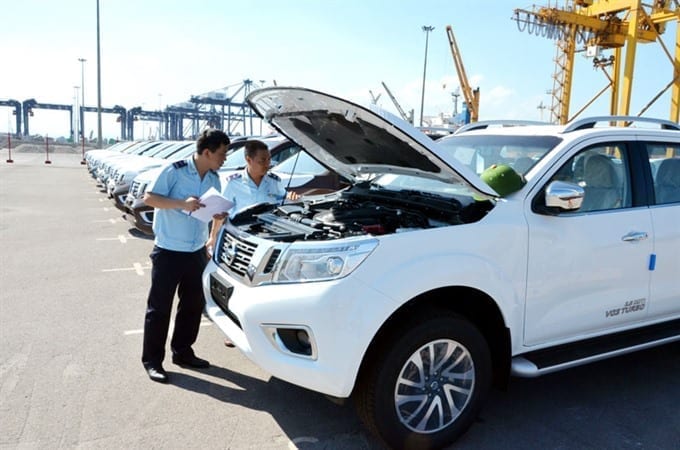
    Now around 40% are imported as completely-built units, according to the Vietnam Automobile Manufacturers Association.

    The ministry wants supporting industries to manufacture key auto components such as transmissions, gearboxes, engines, and bodies.

    For now local firms are labor intensive and only capable of producing simple parts, it admitted.

    Thailand has 710 tier-one and 1,700 tier-two suppliers, while the comparable numbers for Vietnam are only 33 and 200.

    “To make good cars, we need quality materials for manufacturing as well as strong capabilities in robotics and quality control,” the ministry added.

  • Car ownership ratio remains low

    Car ownership ratio remains low

    The industry’s growth for 2012-2016 period was 38%, the highest rate in the South East Asia. About 45% of the new cars were registered in Hanoi and HCM City.

    As of 2016, about 211,000 vehicles were registered in HCM City and 291,000 in Hanoi. 600,000 cars were sold in remaining provinces and cities.

    Cars from Japan and South Korea were favoured in Vietnam. Customers now have more choice as more European car brands have appeared in Vietnam such as Renault and Volkswagen.

    However, the car ownership ratio in Vietnam is only 16 cars for 1,000 people. This rate is lower than Malaysia’s 341 cars, Thailand’s 196 cars and Indonesia’s 55 cars.

    According to Solidiance, one of the reasons is because prices are still high. Car manufacturing, as well as supporting industries, are still weak so Vietnam has to import completely built units. Moreover, poor infrastructure and constant congestion have discouraged people from buying cars.

    It is predicted that the demand will continue to rise with steady economic growth and increasing personal incomes. Import taxes will be reduced or lifted from 2018 after Vietnam joins various trade agreements such as the ASEAN Trade in Goods Agreement. As a result, the car prices will fall and become more affordable.