Tag: pacific

  • Cathay Pacific Airways Sees Skyrocketing Profits on the Horizon Amidst Rising Global Demand

    Cathay Pacific Airways Sees Skyrocketing Profits on the Horizon Amidst Rising Global Demand

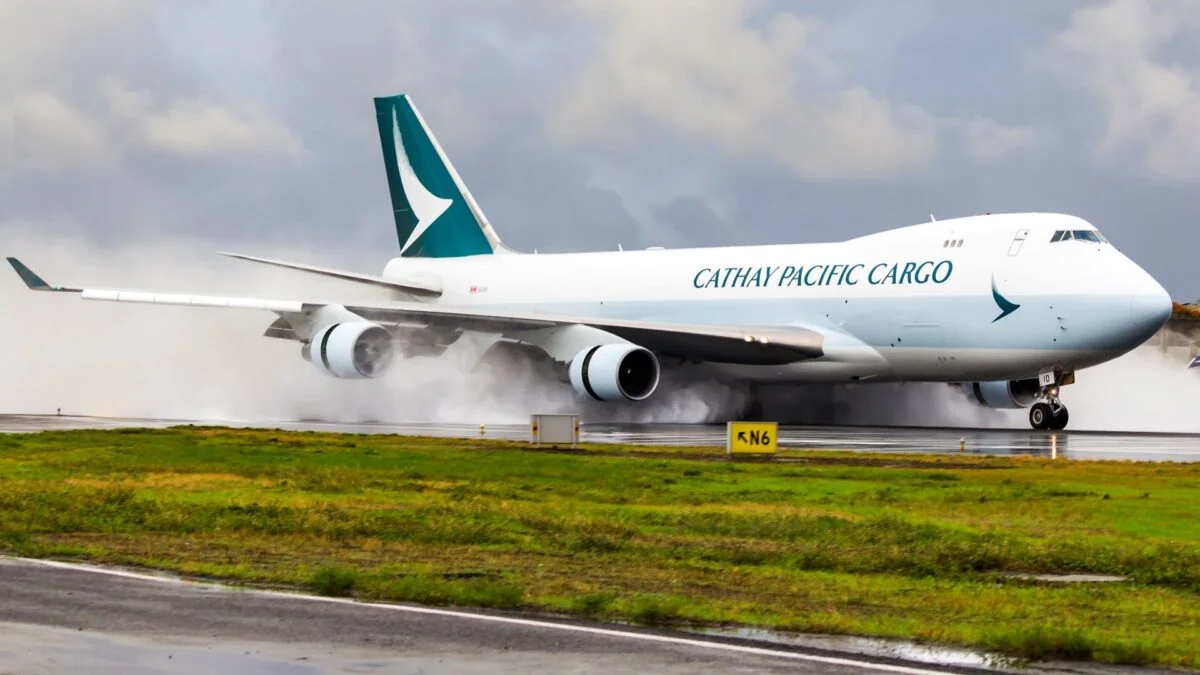
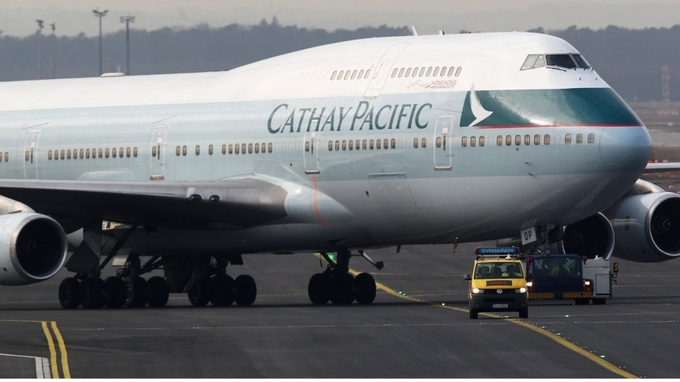
    Cathay Pacific Airways, the third most highly ranked airline globally last year, has announced its potential to realize a profit surge of up to 76% for the first half of this year. This surge, driven by robust passenger and cargo demand, is in comparison with the corresponding period last year.

    Financial Forecasts and Market Performance

    On Wednesday, the airline group projected a profit ranging from HKD6 billion to HKD6.5 billion ($765.39 million to $829.12 million) for the six months concluding on June 30. This projection marks a significant jump from HKD3.7 billion recorded during the same period last year. These estimations integrate a one-off gain of around HKD1.4 billion, attributable to the airline’s partial dilution of its stake in Air China.

    Without this one-off item, the sound underlying performance is reliant on robust demand within both passenger and cargo operations. This prediction shows resilience, as the wider aviation industry contends with a drastic surge in fuel costs. The International Air Transport Association (IATA) had projected that airlines’ fuel expenditures would skyrocket to $350 billion this year from $252 billion in 2025, driven by average jet fuel prices of $152 per barrel—nearly 70% higher than 2025 levels. Despite this, Cathay has acknowledged this hurdle whilst also reporting stronger earnings.

    Shares of Cathay, listed in Hong Kong, climbed more than 3% in the afternoon session after experiencing a slight dip in the morning. This rise was attributed to the optimistic profit prediction, which outperformed some analysts’ forecasts.

    Operational Performance

    The cargo division of Cathay, in June, transported 9% more cargo than the previous year, resulting in a 9% increase in total tonnage for the first half of the year. Lavinia Lau, Chief Customer and Commercial Officer, attributed this growth to semiconductor and pharmaceutical shipments which fuelled their specialist product lines, Cathay Expert and Cathay Pharma.

    On the passenger front, Cathay Pacific recorded a 12% increase in passenger numbers in June year-on-year, coupled with a 6% rise in available seat kilometers. For the first half of the year, passenger numbers swelled by 17%.

    Despite June traditionally being a more relaxed month, load factors remained stable, partially boosted by rerouted traffic via Hong Kong amidst the ongoing Middle East conflict. Demand in premium cabins also sustained strong corporate and premium leisure travel. “The outlook for the summer peak remains encouraging, particularly across our long-haul network,” Lau stated.

    HK Express, the group’s budget unit, experienced a slight dip with passenger numbers falling by 4% in June after the carrier reduced capacity to counterbalance higher fuel costs. However, Lau stated that bookings for July were trending ahead of the previous year.

    The group’s complete interim results are anticipated to be released in August. Cathay Pacific Airways clinched the third spot in 2025’s Skytrax’s ranking of the world’s best airlines, only surpassed by Qatar Airways and Singapore Airlines.

    Questions & Answers

    What is Cathay Pacific’s projected profit for the first half of this year?
    Cathay Pacific predicts a profit ranging from HKD6 billion to HKD6.5 billion ($765.39 million to $829.12 million) for the first half of this year.

    What contributed to Cathay Pacific’s robust performance?
    The airline attributed its sound performance to strong demand across both its passenger and cargo operations, along with a one-time gain from partially diluting its stake in Air China.

    Despite a dip in June, how is HK Express, Cathay Pacific’s budget unit, performing in July?
    July bookings for HK Express are currently outpacing those from last year, despite a 4% drop in passenger numbers in June.

  • Cathay Pacific Makes Historic Move with HKD Fixed-Rate Notes Release: A Milestone in Hong Kong’s Airline Sector

    Cathay Pacific Makes Historic Move with HKD Fixed-Rate Notes Release: A Milestone in Hong Kong’s Airline Sector

    Cathay Pacific, headquartered in Hong Kong, has unveiled its intention to release three-year benchmark-sized Hong Kong dollar senior unsecured fixed-rate notes. The airline has set the initial price guidance in the area of 4.1%.

    Details of the Bond Issuance

    The bonds are expected to come to maturity on April 29, 2029, with interest payments to be made on a semi-annual basis. The settlement of the bonds is anticipated to occur on April 29, 2026. The proceeds from the bond issuance will be lent to the airline and its subsidiary companies to be used as working capital and for other general corporate purposes.

    HSBC has played an instrumental role as Joint Bookrunner and Joint Lead Manager in Cathay’s public bond issuance of HKD2,080 million. The bond issuance also coincides with Cathay’s celebration of its 80th anniversary in Hong Kong.

    Significance of the Bond Issuance

    This represents Cathay’s inaugural HKD public bond issuance, marking its first re-entry into the public bond market since 2021. Eugene Ng, HSBC Head of Debt Capital Markets, Greater China, emphasised the importance of the bond issuance, calling it a testament to the strength of the HKD bond market as a reliable source of local-currency funding for top-tier Hong Kong corporations.

    Ng further highlighted that this is the largest HKD public bond issuance by a Hong Kong non-public sector corporate and the first from the airline sector, thereby indicating an expansion in the local issuer base. He expressed HSBC’s commitment to continue to leverage its local-currency expertise and capabilities to assist issuers in gaining access to the HKD market as part of their solid funding strategies. This move supports Hong Kong’s Fixed Income and Currency Roadmap to deepen liquidity and broaden participation.

    Bank of China (Hong Kong), BNP Paribas, and DBS are the other joint bookrunners and joint lead managers for this bond issuance.

    Questions & Answers

    When are the bonds expected to mature?
    The bonds are set to mature on April 29, 2029.

    What will the proceeds from the bond issuance be used for?
    The proceeds will be directed towards the airline and its subsidiaries for purposes such as working capital and other general corporate needs.

    Who are the joint bookrunners and joint lead managers for this bond issuance?
    HSBC, Bank of China (Hong Kong), BNP Paribas, and DBS are the joint bookrunners and joint lead managers for this bond issuance.

  • Cathay Pacific Reduces Flight Frequency Amid Surging Jet Fuel Prices: Is Global Aviation at Risk?

    Cathay Pacific Reduces Flight Frequency Amid Surging Jet Fuel Prices: Is Global Aviation at Risk?

    Cathay Pacific Airways has announced that it will reduce several flights from mid-May until the end of June due to escalating jet fuel prices, influenced by the ongoing crisis in the Middle East. The company plans to eliminate approximately 2% of its scheduled passenger services from May 16 to June 30, 2026. In correlation, its budget division, HK Express, will also reduce about 6% of its flights from May 11, as stated in a recent press release.

    Expansion Plans Remain Unchanged

    Despite the current challenges, the CEO of Cathay Pacific, Ronald Lam, confirmed last month that the Hong Kong-based airline would continue with its strategies to boost passenger capacity by 10% this year. The decision was spurred by the robust demand for long-haul flights to North America, Europe and Australia, following the decrease in traffic through the Middle East after the Iran war.

    Post-June Operations

    After June, Cathay Pacific and HK Express anticipate resuming all their scheduled passenger services, as per the recent announcement.

    Despite a temporary ceasefire between U.S. President Donald Trump and Iran, industry executives have expressed that the global aviation industry is unlikely to experience immediate relief.

    Aviation industry officials have cautioned that jet fuel supplies will continue to be limited and expensive for several months, even if Iran decides to reopen the Strait of Hormuz.

    Questions & Answers

    What is the reason for Cathay Pacific Airways cutting some flights from mid-May to the end of June?
    The airline is reducing flights due to the increasing costs of jet fuel, which are being driven up by the ongoing conflict in the Middle East.

    What plans does Cathay’s CEO Ronald Lam have for this year despite the rise in fuel costs?
    Despite the increase in fuel prices, Ronald Lam said that the airline would push forward with its plans to increase passenger capacity by 10% this year. He cited strong demand for long-haul flights to North America, Europe, and Australia.

    What effect will the ceasefire between U.S. President Donald Trump and Iran have on the aviation industry?
    According to industry executives, the temporary ceasefire is unlikely to bring immediate relief to the global aviation industry. They warn that jet fuel supplies will continue to be limited and costly for several months, even if Iran decides to reopen the Strait of Hormuz.

  • Qantas Freight Expands Asia Pacific Presence with New Singapore Stop, Boosting Changi Airport’s Air Cargo Network

    Qantas Freight Expands Asia Pacific Presence with New Singapore Stop, Boosting Changi Airport’s Air Cargo Network

    Qantas Freight, a subsidiary of the Australian airline Qantas, recently announced the launch of its dedicated freighter services to Singapore. These services, which are expected to begin on April 3, 2026, will operate twice a week and include stops in Sydney, Shanghai, and Singapore.

    New Freight Services

    Qantas Freight’s new services are expected to further bolster the cargo network at Changi Airport. The services will provide increased capacity, more routing options, and more flexible scheduling for shippers and freight forwarders. The services will be carried out through Qantas’ A330 freighter flights on Fridays and Sundays, delivering more than 50 tons of cargo capacity per flight.

    The Singapore stopover is a new addition to Qantas’ existing Sydney-Shanghai freighter operations, which is set to enhance connectivity across the Asia Pacific cargo network.

    First Dedicated Freighter Service

    This is the first time Qantas is offering a dedicated freighter service to Singapore. This service is expected to complement its existing belly-hold cargo capacity on scheduled passenger services. Moreover, this new routing reflects the growing demand for time-sensitive air cargo moving across Asia, Australia, and beyond.

    Singapore’s strategic location and significant global air cargo connectivity make Changi Airport an essential consolidation and transshipment hub for regional and intercontinental cargo flows.

    Statements from Qantas Freight and Changi Airport Group

    Lim Ching Kiat, Executive Vice President of Air Hub and Cargo Development at Changi Airport Group, stated that Qantas Group’s decision to expand its freighter operations to Singapore couldn’t have come at a better time. According to him, there has been an increase in air cargo demand in the Asia-Pacific region, and the region is playing a more significant role in global air cargo growth.

    Igor Kwiatkowski, Qantas Freight Executive Manager, also remarked on the importance of the new Singapore stop. He said that it would be a significant addition to the airline’s Asia Pacific presence and freight network. According to Kwiatkowski, Singapore’s status as one of the world’s major cargo hubs will play a crucial role in connecting shipments between Australia, China, and Southeast Asia. He added that the new stop would provide freight forwarders with more routing options and flexibility, especially for high-tech goods and e-commerce.

    Questions & Answers

    What is Qantas Freight’s new service?
    Qantas Freight’s new service is a dedicated freighter service to Singapore, with twice-weekly operations that include stops in Sydney, Shanghai and Singapore.

    What benefits does this new service bring to shippers and freight forwarders?
    The new service provides increased capacity, more routing options, and more flexible scheduling to shippers and freight forwarders.

    How will the new service impact Qantas Freight’s presence in the Asia Pacific region?
    The new Singapore stop is expected to significantly enhance Qantas Freight’s presence and freight network in the Asia Pacific region. It will connect shipments between Australia, China, Southeast Asia, and improve routing options and flexibility for freight forwarders.

  • DHL Express Elevates Herbert Vongpusanachai to Drive Commercial Growth in Asia Pacific

    DHL Express Elevates Herbert Vongpusanachai to Drive Commercial Growth in Asia Pacific

    Global express service giant, DHL Express, has recently announced the appointment of Herbert Vongpusanachai to the position of Senior Vice President, Commercial for Asia Pacific, effective April 1, 2026. Vongpusanachai, in his current role as Managing Director for DHL Express Thailand & Indochina, will relocate to Singapore to undertake his new responsibilities.

    Vongpusanachai’s vast experience within DHL Express spans over two decades, during which time he has effectively overseen several significant markets across the Asia Pacific region. Starting his career with the company in 2003 as Managing Director for Thailand & Indochina, he later assumed leadership of Singapore in 2008, and Hong Kong & Macau in 2016. Vongpusanachai’s return to Thailand & Indochina in 2020 saw him drive consistent profitability and growth year after year, establishing the cluster as a crucial catalyst for regional expansion.

    Exceptional Leadership

    Vongpusanachai’s exceptional track record of notable business performance, coupled with his effective team management across diverse markets, sets him apart from his peers. His deep comprehension of customer needs, his cooperative leadership style and his ability to identify opportunities in complex environments position him as the ideal leader to advance DHL Express’s commercial agenda for Asia Pacific. Ken Lee, CEO of Asia Pacific for DHL Express, expressed confidence that under Vongpusanachai’s stewardship, the region will continue to see a rise in sustainable growth.

    In his new role, Vongpusanachai will set the pace and accelerate the commercial strategy for DHL Express across the Asia Pacific. Collaborating with other departmental leaders, he will evaluate potential new sectors, routes and trade lanes for growth. His focus will remain on deepening customer engagement, supporting their expansion, driving sustainable volume growth, and promoting the integration of new technologies to improve commercial execution across markets. With an extensive understanding of regional nuances and an emphasis on people-first leadership, Vongpusanachai is expected to elevate the commercial performance of both regional and country teams.

    Commercial Success and Future Prospects

    Vongpusanachai commented that the Asia Pacific region’s vital role in global trade as highlighted in the latest DHL Global Connectedness Report underscores the importance of logistics in facilitating the movement of goods. With the introduction of the Heavyweight Express solution, which allows customers to ship heavyweight consignments promptly and reliably, Vongpusanachai anticipates working with the talented teams at DHL Express to help shape the company’s future commercial success.

    The latest DHL Global Connectedness Report reveals the Asia Pacific region’s continued importance in global commerce, with several economies rising in global connectedness rankings and Southeast Asia strengthening its position as a rapidly growing trade corridor. This aligns with DHL Groups’ strategy to enhance support for 20 markets globally to drive growth, with eight of these markets located in the Asia Pacific. This appointment fortifies DHL Express’s position in Asia Pacific, as trade flows diversify and intra-Asia integration deepens.

    Questions & Answers

    What significant experience does Herbert Vongpusanachai bring to his new role?
    Mr. Vongpusanachai brings more than two decades of leadership experience at DHL Express, having effectively managed multiple key markets across the region.

    What is the primary focus of his new role as Senior Vice President, Commercial for Asia Pacific?
    In his new role, Mr. Vongpusanachai will focus on shaping and accelerating the commercial strategy for DHL Express across the Asia Pacific. His responsibilities include identifying growth potential in new sectors, routes and trade lanes, deepening customer engagement, and promoting the adoption of new technologies.

    How does this appointment align with DHL’s overall strategy?
    This appointment supports the DHL Group’s strategy to enhance support for 20 global markets to accelerate growth. The role strengthens DHL Express’s position in the Asia Pacific, a region that plays a critical role in DHL’s global network.

  • Levi Strauss Taps Vicky Skelton to Propel Growth in East Asia Pacific

    Levi Strauss Taps Vicky Skelton to Propel Growth in East Asia Pacific

    Levi Strauss & Co has recently named Vicky Skelton, an experienced executive within the company, as the new Managing Director for East Asia Pacific. This move comes as part of the denim giant’s strategy to boost growth in this key region.

    Vicky Skelton’s New Role

    Skelton will assume responsibility for supervising all commercial operations across a variety of channels in her new position. She will lead the charge in driving sustainable, long-term growth throughout the East Asia Pacific. This is a region where Levi’s has been experiencing a strong upward trend.

    The company has identified several potential growth areas including retail expansion, digital acceleration, and brand-driven growth. These opportunities are backed by a robust consumer demand for the Levi’s brand and solid local partnerships already in place.

    Gianluca Flore, the Chief Commercial Officer at Levi Strauss & Co, spoke highly of Skelton, stating that she has consistently demonstrated the ability to deliver strong results while creating high-performing, purpose-driven teams. He highlighted her role in amplifying brand momentum in Canada and expressed his confidence in her ability to replicate this success in the East Asia Pacific, setting the stage for future growth.

    Vicky Skelton’s Track Record

    Skelton has been with Levi’s for over 13 years, during which she has held several senior leadership positions across the company. In her most recent role as General Manager of Canada, Skelton implemented a more focused direct-to-consumer strategy. She was successful in providing robust commercial performance and fostering growth in the women’s category.

    Questions & Answers

    What is Vicky Skelton’s new role at Levi Strauss & Co?
    Vicky Skelton has been appointed as the Managing Director for East Asia Pacific.

    What will be her main focus in this role?
    Her primary focus will be to oversee commercial operations across all channels and lead efforts to drive sustainable, long-term growth in the East Asia Pacific region.

    What has been her contribution to Levi Strauss & Co so far?
    Skelton has been with Levi’s for over 13 years, holding several senior leadership positions. Most recently, she served as General Manager of Canada where she led a more focused direct-to-consumer strategy, delivered solid commercial performance, and accelerated growth in the women’s category.

  • Google Cloud Boosts Asia Pacific Connectivity with TalayLink Subsea Cable and New Hubs in Australia and Thailand

    Google Cloud Boosts Asia Pacific Connectivity with TalayLink Subsea Cable and New Hubs in Australia and Thailand

    Google Cloud has unveiled TalayLink, an innovative subsea cable system that connects Australia and Thailand. This system represents a significant move towards bolstering digital infrastructure and network resilience throughout the Asia Pacific region.

    Strengthening Regional Network Resilience

    TalayLink is as an extension of the interlink cable previously introduced under the Australia Connect initiative last year. The cable system is designed to follow a diverse route through the Indian Ocean, positioned west of the heavily trafficked Sunda Strait. This strategic routing will not only provide Thailand with a new, resilient international gateway but will also enhance the integration of Google’s global network.

    Bikash Koley, Vice President of Google Global Infrastructure at Google Cloud, explains that TalayLink is named after the Thai word for sea or ocean, ‘talay’. The new subsea cable path will establish a more diverse linkage to Thailand through the Indian Ocean, west of the Sunda Strait. This route will contribute to further integrating future data centers and cloud regions in Thailand into Google’s global network.

    Future-Proof Connectivity Hubs

    Google has also declared plans to establish new connectivity hubs in Mandurah, Western Australia, and South Thailand, in its recent announcement. These hubs aim to secure future regional connectivity and support advanced digital and AI services by facilitating cable switching, content caching, and colocation capabilities. The Mandurah hub will diversify Western Australia’s landing points beyond Perth, while the South Thailand hub will take advantage of existing infrastructure in an essential subsea crossroads.

    Pratthana Leelapanang, Chief Executive Officer of AIS, commends the strategic partnership with Google in supporting the connectivity hub in Southern Thailand. The collaboration of Google’s diverse submarine cable path and AIS’s high-reliability colocation capabilities will enhance the region’s digital infrastructure and support the country’s AI strategy.

    Preeyaporn Tangpaosak, President of ALT Telecom, also expressed enthusiasm about the International Gateway Company (IGC), a subsidiary of ALT Telecom PLC, being a crucial Google partner in landing a new submarine cable in Thailand. This new piece of digital infrastructure is pivotal in accelerating Thailand’s ambitious digital economy development strategy.

    National Importance of Deployments

    The significance of these implementations for the nation’s long-term competitiveness is underscored by Thailand’s Board of Investment (BOI). Narit Therdsteerasukdi, Secretary General of the Thailand Board of Investment (BOI), highlights the role of the TalayLink cable as a key piece of digital infrastructure. It enhances Thailand’s connectivity and resilience and, in conjunction with Google’s upcoming Google Cloud region and data center in Thailand, will significantly expand regional network and computing capacity. These forward-looking investments position Thailand as a critical digital gateway for next-generation cloud and AI innovation in Southeast Asia.

    Upon completion, the TalayLink and new connectivity hubs will boost network resilience across Australia, Africa, and Southeast Asia. Coupled with previously announced hubs in the Maldives and Christmas Island, the new system will enhance onward connectivity across the Indian Ocean and the Middle East.

    Questions & Answers

    What is the TalayLink subsea cable system?
    TalayLink is an innovative subsea cable system developed by Google Cloud that connects Australia and Thailand, strengthening digital infrastructure and network resilience in the Asia Pacific region.

    How will the new connectivity hubs in Mandurah and South Thailand function?
    These hubs aim to enhance regional connectivity and support advanced digital and AI services. They will facilitate functions such as cable switching, content caching, and colocation capabilities.

    What is the significance of the TalayLink cable to Thailand?
    The TalayLink cable serves as a pivotal piece of digital infrastructure, enhancing Thailand’s connectivity and resilience. It will significantly expand regional network and computing capacity while positioning Thailand as a critical digital gateway for next-generation cloud and AI innovation in Southeast Asia.

  • Qatar Airways Divests $897M Stake in Cathay Pacific, Streamlining Investment for Future Growth

    Qatar Airways Divests $897M Stake in Cathay Pacific, Streamlining Investment for Future Growth

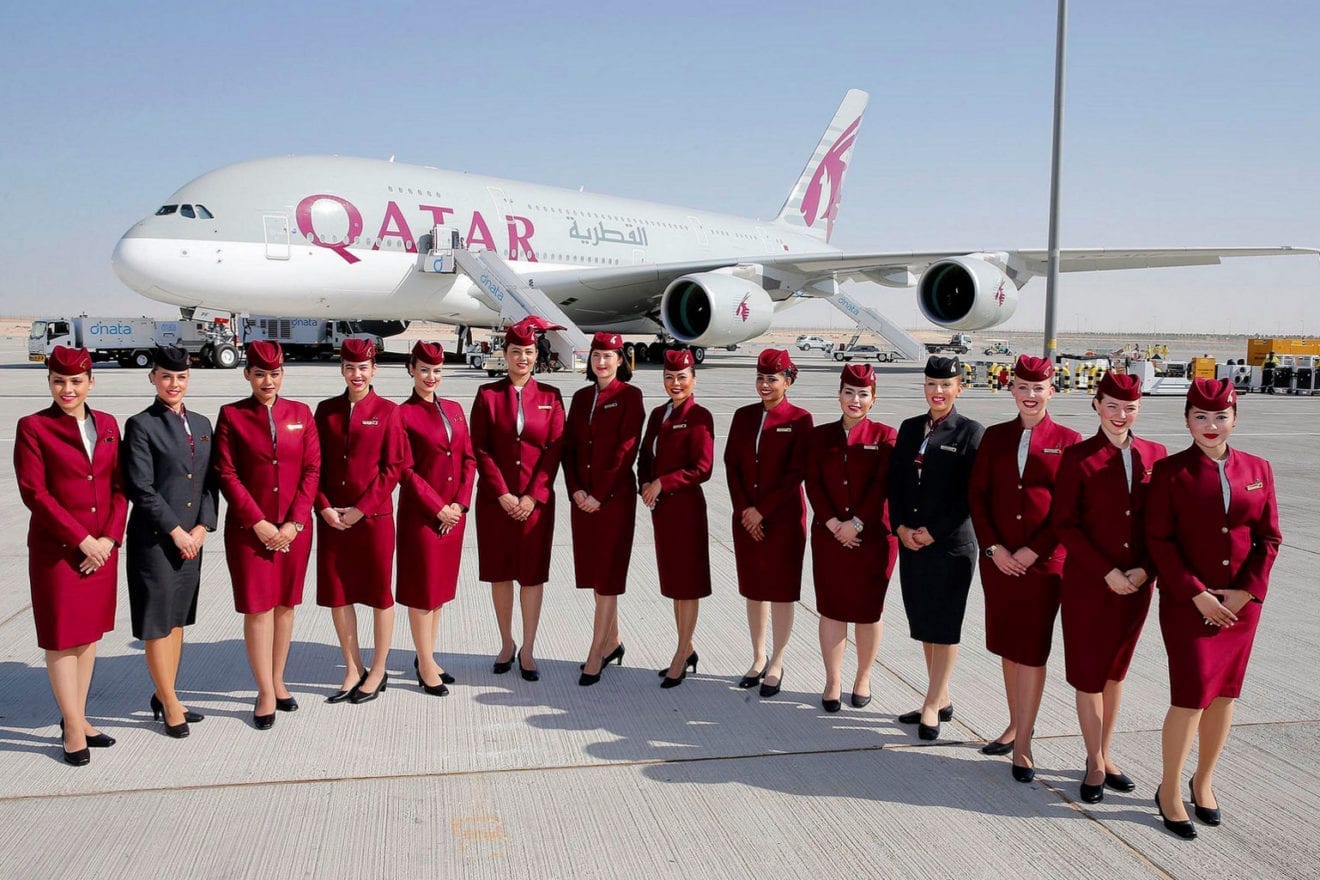
    Qatar Airways, the Doha-based airline, is set to divest its entire stake in Cathay Pacific Airways, a move that will mark its departure from the Hong Kong airline after an eight-year association. The transaction is estimated to be worth approximately $897 million.

    Stake Sale and Repurchase

    Late on Wednesday, Cathay Pacific reported that Qatar Airways had expressed an interest in offloading its 9.7% stake in the company. In response, Cathay intends to buy back the shares at a rate of HK$10.8374 (or $1.39) per share. This represents a roughly 4% discount to the closing share price prior to the announcement.

    Qatar Airways had initially acquired the stake in November 2017 from Kingboard Chemical Holdings, a Hong Kong firm. This investment made it the third-largest shareholder in Cathay Pacific, trailing behind Swire Pacific and Air China.

    Strategic Investment and Exit

    The investment in Cathay Pacific marked Qatar Airways’ first significant venture into an Asian airline. The move was intended to expand its global footprint and to increase passenger volumes through its Doha hub.

    According to Qatar Airways’ CEO, Badr Mohammed Al-Meer, the decision to exit Cathay Pacific aligns with the company’s disciplined investment strategy. This strategy has facilitated a period of strong performance, allowing the company to reassess its investments and plan for long-term growth.

    As part of its competitive strategy, the Middle Eastern airline has made a series of investments in airlines around the world. These investments include stakes in IAG, the parent company of British Airways, South American carrier LATAM, and Virgin Australia.

    Premium Buyback and Future Plans

    To acquire the stake, Cathay Pacific is set to pay a premium of approximately 35% over the original price paid by Qatar Airways. The Hong Kong airline plans to fund the transaction through its internal resources and existing credit lines.

    Patrick Healy, Chairman of Cathay Pacific, indicated that the stake buyback signals the company’s strong confidence in its future. The airline has proposed an ambitious investment plan amounting to HK$100 billion over the next seven years. This plan encompasses fleet renewal, cabin products, and lounge facilities.

    Upon completion of the deal, Swire Pacific, the controlling shareholder, will see its stake rise to 47.69%, up from 43.12%. Similarly, Air China’s shareholding will increase to 31.78%, up from 28.74%.

    Despite Qatar Airways’ planned exit, both airlines have committed to continuing their partnership via the Oneworld Alliance.

    Questions & Answers

    Why has Qatar Airways decided to sell its stake in Cathay Pacific?
    The decision aligns with the company’s disciplined investment strategy and follows a period of strong performance, allowing the company to reassess its investment portfolio.

    How will Cathay Pacific fund the buyback of the stake?
    Cathay Pacific will fund the transaction through its internal resources and existing credit lines.

    What impact will the stake sale have on Cathay Pacific’s shareholding structure?
    If the deal is approved, controlling shareholder Swire Pacific’s stake in Cathay will rise to 47.69%, while Air China’s shareholding will increase to 31.78%.

  • Asia Pacific Bolsters Global Trade Resilience Amid Policy Fluctuations: DHL Tracker Reveals

    Asia Pacific Bolsters Global Trade Resilience Amid Policy Fluctuations: DHL Tracker Reveals

    The Asia Pacific region is becoming an increasingly significant catalyst in bolstering worldwide trade resilience, despite international commerce encountering numerous challenges due to policy fluctuations. This finding is part of a recent update to the DHL Global Connectedness Tracker, produced in collaboration with New York University’s Stern School of Business. This update is the first systematic evaluation of the responses of international trade and business investment to alterations in U.S. trade policy during the second term of President Trump.

    Asia Pacific’s Strategic Adaptability

    According to Ken Lee, DHL Express’s CEO for Asia Pacific, the region has exhibited unique adaptability and strategic positioning. “The latest data illustrates how cooperation within the region is intensifying, even amidst global uncertainty,” said Lee. He pointed out that businesses in the Asia Pacific are demonstrating agility and a forward-thinking attitude, from the ASEAN’s growing role in accommodating trade flows to Asia Pacific countries engaging more intensively with neighboring nations. Lee emphasised that DHL is well-placed to assist its customers in navigating any changes in trade patterns and pledged to continue developing capabilities in customer-preferred locations.

    Global Trade Growth Amidst Tariff Uncertainty

    In the first half of 2025, the DHL Global Connectedness Tracker indicated that international trade grew at an unprecedented pace, unmatched by any previous half-year since 2010, barring the pandemic recovery. There was a significant surge in U.S. imports early in 2025 as purchasers hastened to make purchases before the impending tariff increases. After this initial rush, global trade volumes continued to exceed the levels of the previous year.

    On examining the world’s 100 largest trade routes, six out of the ten fastest-growing were exports from an Asian economy, emphasising Asia’s integral role in propelling global trade. Notably, Hong Kong SAR, Thailand, Malaysia, and Vietnam were among the top 10 fastest-growing markets, underlining Asia Pacific’s increasing influence and durability in supply chain networks.

    Rise of Intra-Asia Trade

    Intra-Asia trade demonstrated ongoing integration and burgeoning connections. The intra-regional trade share of East Asia & Pacific rose from 55% to 56%. Furthermore, the greatest reductions in trade distances were observed in countries including Thailand, China, Singapore, and Hong Kong SAR. These shifts represent Asian economies’ redirection of trade flows towards regional partners to sustain growth and their efforts to boost infrastructure and connectivity, thereby enhancing the attractiveness of participating in cross-border trade.

    ASEAN’s Growing Role in Chinese Exports

    Despite a 15% decrease in exports to the U.S. during the first eight months of 2025, China fully balanced this loss with a 15% rise in exports to the ASEAN region. ASEAN emerged as a significant growth destination for Chinese exports, signifying the region’s increasing relevance in China’s trade portfolio. Vietnam, Thailand, and India witnessed the most substantial increases in their share of China’s exports, while the U.S., Russia, Korea, Brazil, and Mexico experienced decreases.

    Reflecting on the latest trends, Prof. Steven A. Altman, Director of the DHL Initiative on Globalization at NYU Stern’s Centre for the Future of Management, stated, “The trends in trade and international business investment thus far in 2025 do not substantiate the belief that globalisation is in regression.” He noted that despite existing policy threats to globalisation, companies are not generally retreating from international markets. Instead, they are managing risks and opportunities in a connected world.

    Questions & Answers

    What factors have contributed to the Asia Pacific region’s role in driving global trade resilience?
    Adaptability, strategic positioning, and increased collaboration among countries in the region have played major roles in solidifying the Asia Pacific’s position in global trade.

    How has the ASEAN region become a crucial aspect of China’s export strategy?
    Despite a drop in exports to the U.S., China has compensated by increasing exports to the ASEAN region by 15%. This shift highlights the growing importance of ASEAN in China’s trade portfolio.

    What trends in global trade have been observed during 2025?
    Despite policy shocks and tariff turbulence, global trade has grown significantly. Asian economies, in particular, have demonstrated resilience by adjusting trade flows towards regional partners and enhancing infrastructure and connectivity.

  • Karen Tan Assumes Role As Dhl Express’s Cio For Asia-pacific Region: A Stepping Stone For Digital Innovation

    Karen Tan Assumes Role As Dhl Express’s Cio For Asia-pacific Region: A Stepping Stone For Digital Innovation

    DHL Express, the internationally recognized express service provider, recently announced the appointment of Karen Tan as the Chief Information Officer (CIO) for the Asia-Pacific region. Tan, who is based in Singapore, will assume the position currently held by Jimmy Yeoh, who is set to retire from the organization at the close of 2025 after thirty-three years of dedicated employment.

    Karen Tan’s Professional Journey

    Prior to accepting this new position, Tan held the role of CIO for DHL Express Singapore. In this capacity, she led the creation of a comprehensive digitalization framework. She also implemented robust data protection and information security practices, significantly enhancing both employee engagement and leadership scores within her IT team.

    Tan served as the company’s Data Protection Officer (DPO) Champion as well, collaborating with global DPO and legal teams to ensure the implementation of policies and procedures to effectively manage personal data. Furthermore, Tan was the DEIB (Diversity, Equity, Inclusion & Belonging) Champion, leading initiatives such as International Women’s Day, International Men’s Day, and Generations Day, fostering an inclusive and empowered workplace culture.

    New Role Expectations

    In her new role, Tan will manage the region’s IT infrastructure, the digital acceleration plan, and the cybersecurity strategy, supporting a network that extends over 40 countries and territories. Her leadership will be central to promoting cross-functional collaboration and communication among various teams, essential for maintaining smooth cross-border trade and delivering superior service to customers across the region.

    Company Statements

    Ken Lee, the CEO for Asia Pacific at DHL Express, considers digitalization as one of the major trends that will impact the logistics industry. The company’s Strategy 2030 emphasizes the growth of this segment to expedite digital innovation for an enhanced customer experience. Lee praised Tan’s record of driving digital acceleration, data protection, and cross-functional collaboration, and her passion for innovation.

    On her part, Tan recognizes the importance of meeting the challenges of cybersecurity and data protection as digital ecosystems become increasingly complex. She expressed her honor in assuming her new role and her commitment to maintaining the standards and quality of the employee and customer experiences.

    Professional Background

    Tan commenced her career at DHL Express in 1990 in the role of a customer service trainer. She has held a variety of positions across the DHL Group in the ensuing years, including roles in IT, commercial operations, and regular operations. From 2014, she held the position of Vice President of Operations Programs for the Asia Pacific region, before being appointed the CIO at DHL Express Singapore in 2021.

    Questions & Answers

    Who has been appointed as DHL Express’s new CIO for the Asia-Pacific region?
    Karen Tan has been appointed as the new CIO for the Asia-Pacific region.

    What were some of Tan’s responsibilities in her previous role as CIO for DHL Express Singapore?
    In her previous role, Tan led the development of a nationwide digitalization framework and strengthened data protection and information security practices. She also worked to improve employee engagement and leadership scores within the IT team.

    What will be some of Tan’s main responsibilities in her new role?
    As the CIO for the Asia-Pacific region, Tan will oversee the region’s IT infrastructure, manage the digital acceleration roadmap, and strategize cybersecurity measures. Her leadership will be crucial in facilitating cross-functional collaboration and communication across multiple teams.

  • Asia Pacific Sees Food Delivery Market Surge to 23% Amid Growing Consumer Demand

    Asia Pacific Sees Food Delivery Market Surge to 23% Amid Growing Consumer Demand

    In a remarkable shift, delivery has emerged as the leading channel in Asia Pacific’s foodservice market, skyrocketing from 10% in 2019 to a projected 23% by 2024, according to the latest insights from Euromonitor International. This evolution is part of a larger trend, with the region now accounting for a staggering 40% of global foodservice sales and poised to grow at an impressive 6% compound annual growth rate (CAGR) through 2029.

    Globally, the appetite for delivery services has also doubled, constituting 21% of the market in 2024, up from just 9% in 2019. Even against a backdrop of inflation and economic uncertainty, the global foodservice sector expanded by 5.5% in 2024, reaching a hefty $3.2 trillion. Asia Pacific contributed significantly, hitting $1.3 trillion— a 6% increase from 2023 and surpassing pre-pandemic levels.

    “Inflation and economic uncertainty weigh heavily on consumers,” remarked Rocio Franco, senior consultant at Euromonitor International. “While transaction levels have rebounded to pre-pandemic figures, signaling robust demand within the industry, consumers are increasingly selective, opting for budget-friendly dining choices.”

    Looking ahead, delivery is expected to climb to 26% of Asia Pacific’s foodservice market by 2029, while traditional dine-in options will likely plateau at 64%. The surge is largely fueled by third-party delivery apps that entice customers with aggressive discounts, loyalty incentives, and waived service fees, driving order frequency through the roof. Limited-service restaurants are also thriving, catering to price-sensitive consumers with smaller, more affordable menu items.

    “For restaurant operators, the challenge lies not only in competitive pricing but also in creating memorable experiences, embracing digital strategy, and fostering brand loyalty,” Franco added, shedding light on the new rules for thriving in this dynamic market.

    Among the standout segments, specialist coffee and tea shops experienced an impressive 13% growth in 2024, totaling $39 billion in the Asia Pacific region. Seen as affordable luxuries, these establishments are rapidly proliferating, particularly in cities like Singapore, as they expand their offerings and footprint.

    Questions & Answers

    What is the current market share of delivery services in Asia Pacific’s foodservice sector?
    Delivery services have surged to account for 23% of Asia Pacific’s foodservice market in 2024, a significant increase from just 10% in 2019.

    How has the global foodservice market performed in the face of economic uncertainties?
    Despite inflation and economic challenges, the global foodservice industry grew by 5.5% in 2024, reaching $3.2 trillion, with Asia Pacific seeing a robust growth to $1.3 trillion.

    What strategies should restaurant operators consider to remain competitive?
    Operators are encouraged to focus on providing value beyond just price, enhancing customer experiences, harnessing digital tools, and cultivating brand loyalty to thrive in the current market landscape.

  • The Cathay Group announces 2024 annual results

    The Cathay Group announces 2024 annual results

    The Cathay Group announced its annual results for the year 2024, showcasing a solid financial performance driven by stronger cargo demand, higher passenger volumes, lower fuel price and higher cost efficiencies compared with the previous year.

    The Cathay Group reported an attributable profit of HK$9.9 billion in 2024, which compares with a profit of HK$9.8 billion in 2023.

    The Cathay Group’s airlines and subsidiaries, excluding exceptional items, reported an attributable profit of HK$8.8 billion for the full year of 2024, versus a profit of HK$9.2 billion in 2023. Results from associates, the majority of which are recognised three months in arrears, were a full-year profit of HK$288 million, compared with a loss of HK$1.6 billion in 2023.

    Cathay Group Chair Patrick Healy said: “This second consecutive year of solid financial performance is a testament to the outstanding effort and dedication of our global teams. It has enabled us to complete buybacks, pay dividends to our shareholders, reward our people and commit substantial investments that will enhance the experience for our customers and benefit our home hub, Hong Kong.”

    Stronger cargo demand, higher yields
    Cathay Cargo performed very well in 2024, especially in the second half of the year with strong e-commerce demand being a key driver. Overall, cargo tonnage was 11% higher and yield was about 3% higher than in 2023.

    Higher passenger volumes, lower yields
    On the travel side, Cathay Pacific and HK Express combined carried over 30% more passengers year on year. However, as more flights were added to the market, passenger yields (or average revenue generated per revenue passenger kilometre (RPK)) continued to normalise as expected. Cathay Pacific saw a 12% decrease in yield, while for HK Express this was even more pronounced with yields down 23% year on year, reflecting the intense competition on regional routes.

    Cathay is committed to its dual-brand strategy to best serve customers with different needs, with Cathay Pacific as its premium full-service airline and HK Express as its low-cost airline. HK Express experienced short-term operational issues in 2024 that affected its earnings, with an average of five of its Airbus A320neo fleet grounded due to industry-wide Pratt & Whitney engine issues.

    Cathay has confidence in the low-cost carrier business model of HK Express in the long-term, with its commitment to offering low fares and more destination choices for customers. A path to sustained profitability can be expected as the airline continues to grow and increase its efficiencies. HK Express is the world’s fastest-growing airline according to aviation analytics provider OAG, and was recently named one of the world’s top five low-cost airlines by Airline Ratings.

    Lower fuel price and higher cost efficiencies
    Although the Cathay Group’s airlines flew more, fuel was less expensive with the average into-plane unit price of fuel (excluding hedging) being over 9% lower year on year.

    Furthermore, with the increase in both passenger and cargo volumes, the Cathay Group (before subsidiaries and associates) was able to spread its fixed costs over a wider base, resulting in a 4.5% decrease in cost per available tonne kilometre (ATK) (excluding fuel) compared with 2023.

    Improved results from associates
    The results from associates, recognised three months in arrears, also improved from a HK$1.6 billion loss in 2023 to a HK$288 million profit in 2024. The Cathay Group’s associates primarily include Air China Limited (“Air China”) and Air China Cargo Co. Ltd. Air China’s results improved due to the recovery of the civil aviation market, increased fleet efficiency and stricter cost management.

    Buybacks, dividends and rewarding people
    In addition to Cathay buying back the remaining 50%, or HK$9.8 billion, of the preference shares from the Hong Kong SAR Government in July 2024, a total of nearly HK$4 billion was paid to the Government in preference share dividends over its holding period and in buying back the warrants in September 2024.

    In early January 2025, Cathay also repurchased approximately 68% of the HK$6.7 billion guaranteed convertible bonds due 2026.

    Cathay’s full-year result has allowed it to announce a second interim dividend payment to ordinary shareholders of 49 cents per share. Together with the first interim dividend that had already been paid, a total of 69 cents per share or HK$4.4 billion will have been paid in ordinary share dividends in respect of 2024.

    Sharing success with its people has always been a key part of Cathay’s culture. Cathay is pleased to be providing its people with more than 10 weeks of eligible pay in total in the form of discretionary bonus and profit sharing.

    HK$100 billion in investments, 100 new aircraft, 100 destinations
    Mr Healy continued: “We are excited about the future and remain firmly committed to strengthening the Hong Kong international aviation hub by boosting air travel and cargo capacity, and elevating our customer experience. Our financial performance gives us the confidence to commit to investing over HK$100 billion to coincide with the launch of the Three-Runway System.

    “We have already commenced taking delivery of more than 100 new-generation aircraft, as well as introducing new world-leading cabin interiors including Aria Suite and our all-new Premium Economy, new flagship lounges, and digital innovations.

    “We are also continuing to expand our global network, having already announced 11 additional destinations for 2025 with more to come. Together, Cathay Pacific and HK Express will operate passenger services to more than 100 destinations around the world within this year.

    “As Hong Kong’s home airline group, we look forward to continuing to do our part to elevate Hong Kong’s status as a world-leading international aviation hub connecting Hong Kong, the Chinese Mainland, and the world. I would like to sincerely thank our people, our customers, our shareholders and the Hong Kong SAR Government for the invaluable support they have shown Cathay.”

  • SES and Digicel Partner to Provide Tonga Disaster Network Resiliency via O3b

    SES and Digicel Partner to Provide Tonga Disaster Network Resiliency via O3b

    SES and international mobile network operator Digicel will extend their partnership to provide the Kingdom of Tonga with long-term disaster resiliency to minimize bandwidth disruptions. Under the agreement, Digicel will benefit from SES’s expertise in offering disaster resiliency via SES’s O3b satellite constellation to deliver low-latency and high-throughput connectivity and protect the Tonga population from future communication interruptions in the event of a natural disaster. Launched in 2013, SES’s O3b satellites are orbiting 8,000km above the Earth’s surface in medium earth orbit (MEO) and deliver low-latency connectivity services to any area within 50° north or south of the equator. For the past decade, governments and businesses around the Pacific have been benefiting from the fiber-equivalent performance of the O3b satellite constellation.

    The Kingdom of Tonga has suffered two major connectivity disruptions in the last four years, the latest being the result of the Hunga Tonga-Hunga Ha’apai volcano eruption and subsequent tsunami in January 2022, which severely damaged undersea communication links. In the immediate wake of the disaster, Digicel leveraged SES’s geostationary earth orbit (GEO) satellite capacity to restore temporary connectivity on the islands, allowing Tongan residents to connect with their families and loved ones. As the damaged cable connecting the islands of Vava’u and Tongatapu in Tonga undergoes repair, SES’s MEO satellite service provides Vava’u residents with connectivity. Once the cable is fully repaired, it will become a resiliency service to the main cable that connects the island to Tongatapu.

    The new agreement will see Digicel use SES’s O3b satellite system, which will deliver multiple Gbps of capacity for quick-deploy connectivity to shield the islands in Tonga from potential communication disruptions in the future. The high throughput provided by SES’s O3b satellites will ensure reliable connectivity for first responders and the entire population of Tonga.

    “The islands in the Pacific are highly vulnerable to natural disasters, and it is vital during such crises to have resilient network connectivity. This is crucial in ensuring relief efforts can go smoothly and the affected populations can connect with their families and loved ones living in other parts of the world,” said John Turnbull, director of Pacific Region at SES. “With our continued partnership with Digicel, SES is glad to deliver high-performance, reliable connectivity to the residents in Tonga using our O3b satellites. SES’s second-generation MEO satellite communication system, O3b mPOWER, promises unprecedented flexibility, unparalleled throughput and scalability, all of which are key to providing resiliency for vulnerable communities across Asia Pacific.”

    SES’s multi-orbit satellite fleet has enabled us to quickly deploy domestic connectivity to the island of Vava’u at a time when it is crucial to keep people connected. We are glad to extend our partnership with SES and continue leveraging their O3b satellite services to protect the residents of Tonga from future disasters,” said Mudassar Latif, chief technology officer at Digicel Group. “We look forward to future collaborations with SES to bring multi-orbit satellite communications to other markets in the Pacific, especially those that are vulnerable to natural disasters.”

  • Facebook’s First transpacific subsea cable Echo and Bifrost

    Facebook’s First transpacific subsea cable Echo and Bifrost

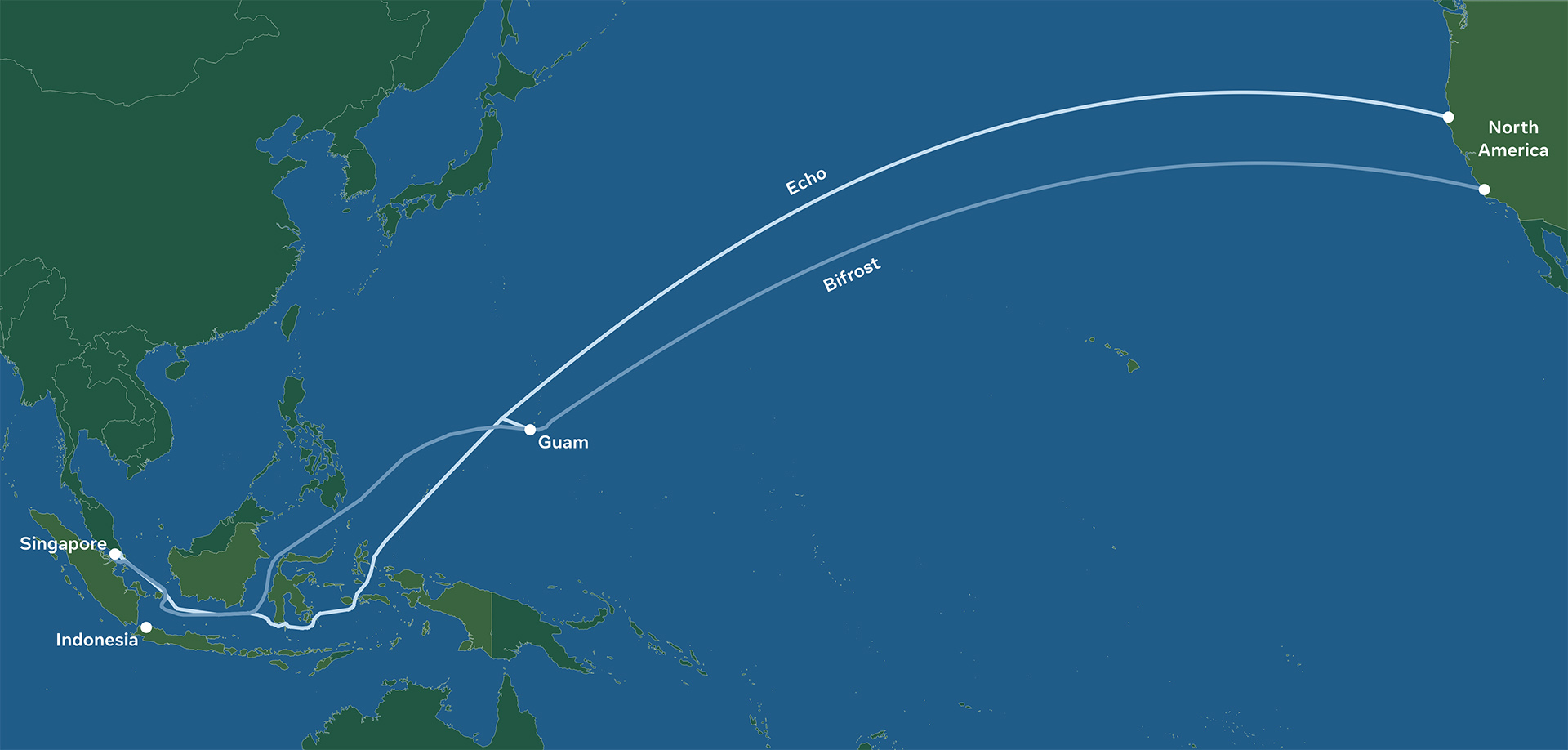
    Advancing connectivity between the Asia-Pacific and North America regions, Facebook is set to build two new subsea cables — Echo and Bifrost — with leading regional and global partners.

    These subsea cables will connect Singapore, Indonesia, and North America, making it the first transpacific cables through a new diverse route crossing the Java Sea. Moreover, it will increase the overall transpacific capacity by 70 percent and deliver increased internet capacity as well as network redundancy and reliability.

    The demand for 4G, 5G, and broadband access is rapidly increasing within the Asia-Pacific region. Thus, Echo and Bifrost will support further growth by ensuring a widely accessible internet for people and businesses.

    According to Facebook Vice President of Network Investments, Kevin Salvadori, Echo is being built in partnership with Alphabet’s Google and Indonesian telecommunications’ company XL Axiata while Bifrost is being done in collaboration with Telin, a subsidiary of Indonesia’s Telkom, and Singaporean conglomerate Keppel. These two are set to be completed between 2023-2024.

    “These new projects add to our foundational regional investments in infrastructure and partnerships to improve connectivity to help close the digital divide and strengthen economies,” the American technology conglomerate declared on its statement.

    As of the moment, the two new ventures are still subject to regulatory approvals.

  • Cebu Pacific to lay off more employees

    Cebu Pacific to lay off more employees

    Budget carrier Cebu Pacific will be laying off more employees across the board, as the airline industry reels from the effects of the coronavirus pandemic. At least 30% of the 4,000-member workforce, or around 1,200 employees, could be affected by “layoffs or voluntary separation.”

    When asked for confirmation, Cebu Pacific communications director Charo Logarta Lagamon sent a statement confirming what the airline called “rightsizing.”

    “Cebu Pacific is undergoing a transformation process that aims to ensure the long-term sustainability of the business, given the expected changes in travel demand and consumer behavior. We expect travel recovery to happen over a longer period, with COVID-19 negatively impacting the aviation industry,” she said in a statement sent to Rappler.

    “The rightsizing of Cebu Pacific will be necessary to fulfill our commitment to provide affordable and accessible air transport services to every Juan in the years to come.”

    Layoffs will affect employees “across functions, roles, and departments,” Lagamon said. She added that the details have yet to be finalized.

    To stay updated on news, advisories, and explainers, check out our special coverage page, “Novel Coronavirus Outbreak.”

    This is the latest blow to the airline industry as demand for air travel plunged after the coronavirus spread across the world earlier this year, from the ground zero of the outbreak in Wuhan, China.

    Domestic flights in the Philippines resumed only in June when the capital region was placed under modified enhanced community quarantine, but these remained limited. Physical distancing must also be in place during flights, forcing airlines to leave half of the plane seats vacant.

    Back in March, Cebu Pacific laid off 150 newly hired cabin crew when Metro Manila was first placed under lockdown. Cebu Pacific executives had voluntarily taken pay cuts at that time.

    On June 18, the budget carrier’s ground handler 1Aviation Groundhandling Services Corporation announced that over 1,000 employees were laid off.

    Other airlines have been badly hit as well. In late February, flag carrier Philippine Airlines (PAL) terminated some 300 employees to avoid further losses.

    AirAsia Philippines had to slash jobs by 12% too, laying off 260 employees.

    In a bid to help the industry, Philippine aviation authorities deferred charging airport fees for the year, including landing, takeoff, and parking fees.

    The Air Carriers Association of the Philippines estimated that the industry needs some P8.6 billion in government subsidy per month to survive.