Tag: packaged goods

  • Malaysia Health Ministry Probes Gardenia Bakeries over Illness Reports

    Malaysia Health Ministry Probes Gardenia Bakeries over Illness Reports

    Malaysia’s Ministry of Health launched an investigation into Gardenia Bakeries (KL) Sdn Bhd this week following consumer complaints linking two core packaged products to food poisoning. Regulators are running laboratory tests on collected samples and preparing follow-up inspections at the company’s production plant to verify compliance with the Food Act 1983.

    The inquiry focuses on Gardenia Original Classic White Bread and Twiggies Choc-A-Lot snack rolls, two staple packaged bakery lines distributed nationwide. Health officials sought a formal explanation from the commercial baker after digital media reports and social postings documented consumers suffering vomiting and diarrhoea.

    In response, Gardenia submitted an internal review indicating zero process deviations or standard operating breaches across its facilities.

    Factory Controls Under Scrutiny

    Gardenia’s internal review concluded that production lines maintained full compliance with food safety controls. The company reported finding no recipe modifications, process deviations or procedural breaches at its plants.

    Ministry investigators noted that product traceability remains constrained because batch numbers and expiry dates submitted by complainants were incomplete. Health officials nevertheless gathered remaining products along with original packaging directly from consumers to conduct microbiological and chemical assays.

    Supply Chain and Retail Exposure

    Packaged bakery goods rely on rapid inventory turns and short shelf-life distribution networks across convenience stores, hypermarkets and petrol stations. Any confirmed contamination or mandatory recall disrupts retailer shelf allocations and exposes FMCG distributors to immediate inventory write-offs.

    Gardenia operates as the dominant industrial baker in the Malaysian retail landscape, commanding substantial market share. For commercial retailers, bread represents high-frequency basket traffic, meaning supplier compliance checks and fast inventory tracking are critical to ringfencing store liability.

    Enforcement Under the Food Act

    Health officials clarified that the manufacturer’s internal review does not constitute a definitive finding. The ministry reiterated that regulatory enforcement steps will follow if laboratory outcomes identify contamination or legal non-compliance.

    Regulators instructed affected consumers to report incidents through the SiSPAA public complaints management system and seek clinical treatment at local health centres. The outcome of the ministry’s laboratory analysis will determine whether health authorities order a formal product recall or issue factory-level sanctions under the Food Act 1983.
  • Tata Consumer Profit Rises 16% as Salt and New Lines Offset Flat Tea

    Tata Consumer Profit Rises 16% as Salt and New Lines Offset Flat Tea

    Tata Consumer Products posted a 15.6 per cent increase in consolidated net profit to ₹470.14 crore for the September quarter, driven by higher salt volumes and faster momentum in packaged foods.

    Consolidated revenue climbed 14 per cent to ₹5,661.13 crore, matching analyst projections of ₹5,583.2 crore on revenue and ₹469.2 crore on earnings.

    Operating profit grew 18 per cent to ₹794 crore. Operating margins widened by 40 basis points to reach 14 per cent. Underlying volume growth in the core domestic branded business registered at 11 per cent, softening slightly from 13 per cent in the prior quarter. Price revisions took effect across key staples, lifting tea prices by 8 to 10 per cent and salt prices by 6 per cent compared to the first quarter.

    Value Added Lines Expand Operating Cushion

    Packaged staples and functional beverages now insulate the group from flat demand in legacy grocery lines. The company classified 38 per cent of its domestic business as growth portfolios, which surged 40 per cent year on year. Tata Sampann, covering spices, culinary oils and packaged pulses, reported 57 per cent year-over-year growth, driven by volume. Cold-pressed oils and dry fruits generated a combined annual recurring revenue run rate of approximately ₹1,000 crore, while ready-to-drink beverages like Tata Gluco+ and Tata Copper+ grew sales 47 per cent.

    Pricing power in salt proved resilient. Salt revenue increased 15 per cent on 9 per cent volume growth. In contrast, tea revenue slipped slightly as volumes stayed flat, squeezing category turnover despite direct price hikes. That bifurcation mirrors broader supermarket trends across urban India, where branded staples capture market share from unorganised mills while mass hot beverages face spending fatigue.

    Store Footprint and International Pressures

    Joint venture Tata Starbucks generated a 15 per cent revenue increase for the three-month period, marking a multi-quarter high driven by same-store sales. The chain closed September with 505 cafes across 81 cities in India. The rapid cafe rollout places the group in direct competition with international specialty chains and domestic coffee operators bidding for high-street real estate in tier-one and tier-two retail districts.

    Overseas revenue rose 7 per cent reported, but fell 2 per cent in constant-currency terms against a demanding year-earlier base. Prolonged warm weather in the United Kingdom dampened hot beverage consumption. Cost structures face new friction as well, with tea inflation and packaging input volatility balancing out recent declines in global green coffee purchasing costs.

    Building Margins Across Packaged Brands

    Management previously transformed Tata Sampann from negative 5 per cent margins five years ago to between 14 and 15 per cent this quarter, expanding 270 to 280 basis points year on year. In the June quarter, consolidated revenue had risen 12 per cent while net profit jumped 29 per cent, showing consistent volume expansion through the current fiscal year.

    “We had seen a little bit of inflation in Capital Foods as well, and we’ve taken pricing through the quarter, which will again start to flow. So across the board, I think the whole play of price increases has yet to, manifest fully into the P&L,” D’Souza said to analysts in the post-results call.

    Executive leadership has set a target for Indian food and beverage operating margins to reach 17 to 20 per cent over the next three to five years, requiring pricing actions at Capital Foods to flow through inventory cycles without degrading supermarket sales volume.

  • Yeo’s Launches Malaysia’s First Canned Teriyaki Tuna

    Yeo’s Launches Malaysia’s First Canned Teriyaki Tuna

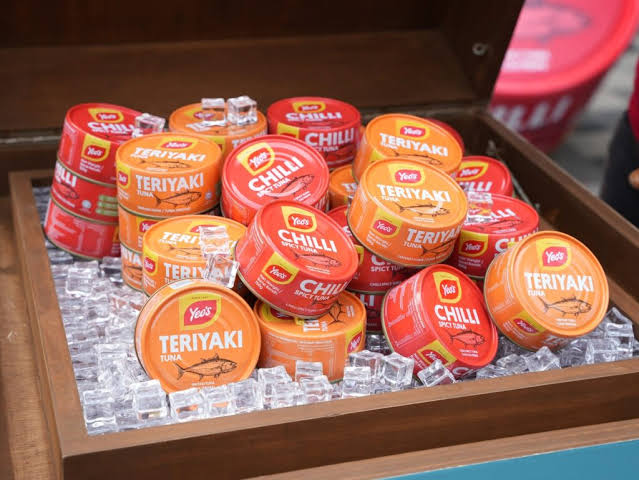
    Yeo’s launched Malaysia’s first canned teriyaki tuna product on October 3, 2026, targeting quick-meal grocery shoppers across modern retail aisles.

    The packaged goods manufacturer debuted the line during a promotional activation titled Yeo’s Itadakimasu, staged in the Bukit Bintang retail district of Kuala Lumpur. The launch introduces Japanese-inspired savoury seasoning to ambient seafood shelves historically dominated by chilli, mayonnaise, and brine preparations.

    Expanding canned seafood lines

    Ambient canned proteins serve as high-turnover staples for grocery chains, convenience outlets, and hypermarkets throughout Peninsular and East Malaysia. By packaging cooked tuna in a teriyaki glaze, the brand seeks to capture urban consumers looking for ready-to-eat meal toppings without additional home preparation. The product format matches single-serving pantry demand among desk workers and young households.

    Yeo’s built the public debut around experiential tasting booths to accelerate initial trial rates before stock fills nationwide distribution channels. On-ground samplings in central shopping precincts allow food producers to gauge shopper response directly before committing additional shelf space allocations across hypermarket chains.

    Shifting shelf space in modern trade

    Supermarket operators allocate substantial linear footage to canned fish because of long shelf lives and predictable gross margins. Adding sweet and savoury teriyaki profiles allows retailers to attract younger buyers who routinely consume Japanese cuisine at fast-casual restaurants. Supermarket buyers frequently use such regional flavour extensions to defend centre-store packaged food sales against rising chilled convenience food options.

    For competing shelf brands such as Ayam Brand and TC Boy, the launch intensifies competition for eye-level merchandising in canned fish aisles. Premium flavour variants typically command higher price points per gram than basic tuna flakes in oil, improving basket values for grocery operators when shoppers trade up.

    Flavour diversification across Southeast Asia

    Regional food manufacturers across Southeast Asia are increasingly adapting East Asian sauce profiles to local ambient categories. Soy sauce, teriyaki, and spicy Korean paste formulations now routinely replace or complement traditional spice blends across canned meats, noodles, and ready sauces. Consumers familiar with imported snack formats expect similar recipe variety in basic cooking ingredients.

    Supply chains for canned tuna rely heavily on regional processing hubs in Thailand, Indonesia, and Malaysia. Introducing pre-seasoned teriyaki lines requires minimal equipment overhaul at canning facilities while generating distinct stock-keeping units that command differentiated retail margins.

    Retail distribution targets for grocery aisles

    The Bukit Bintang public activation represents the initial push in a wider national trade rollout. Merchandising teams are now coordinating delivery schedules to secure prime placement in convenience stores, hypermarkets, and independent grocers across major urban centres in Malaysia.

    Inventory checks across mainstream supermarket chains will establish how quickly the teriyaki line secures permanent shelf allocation alongside legacy canned items. Reorder velocity from retail buyers across the fourth quarter will dictate whether the company expands the Japanese recipe concept across additional canned protein categories.

  • Exotic Bazaar Expands Middle Eastern Food Range into Coles

    Exotic Bazaar Expands Middle Eastern Food Range into Coles

    In October 2026, Australian food producer Exotic Bazaar secured retail distribution across Coles supermarkets, moving its packaged Persian and Middle Eastern meal bases from regional farmers markets to national grocery aisles.

    The listing gives the Ballarat-founded brand access to millions of weekly supermarket shoppers across Australia.

    Founded by Gilava Pour, Exotic Bazaar produces recipe bases, spice blends and simmer sauces designed to simplify Middle Eastern home cooking. The range includes items such as Tunisian shakshuka bases and traditional Persian meal mixes, targeting consumers who want authentic flavours without sourcing hard-to-find individual spices.

    From Ballarat market stalls to national retail shelves

    The business started by selling directly to consumers at weekend community markets in regional Victoria before building a digital storefront. Growing demand for international pantry staples and convenience cooking drove the brand to expand its wholesale operations, leading to discussions with major supermarket buyers.

    Supermarket operators across the Asia-Pacific region are allocating more shelf space to regional ethnic cuisines as consumer palates diversify. For Coles, adding independent artisan brands helps differentiate its packaged grocery aisles against rival Woolworths and discount chains like Aldi.

    Managing supermarket supply chain pressure

    Transitioning from direct-to-consumer sales to a major grocery chain changes inventory management and cash flow requirements. Fulfilling regular purchase orders for national distribution centres requires strict quality controls, continuous batch manufacturing and reliable freight partners.

    Exotic Bazaar handles e-commerce dispatches from Melbourne alongside its wholesale supply chain. The company pairs retail sales with online recipe resources, including digital guides for dishes like Persian noodle soup, to encourage repeat pantry purchases.

    Pantry demand shifts toward global flavours

    Mainstream grocers historically relegated Middle Eastern ingredients to specialty aisles or small international sections. Mainline shelf placement alongside everyday sauces and cooking bases reflects a broader shift in Australian home cooking habits.

    Suppliers in the specialty food sector face rising packaging costs and ingredient price pressures. Maintaining grocery margins requires steady sales velocity per store, placing the commercial focus squarely on customer retention and shelf turnover.

    Exotic Bazaar continues to dispatch direct orders from Melbourne while monitoring store-level scan rates across the Coles supermarket network.

  • AB InBev Adds Functional Beers and Smaller Packs to Target Frugal Shoppers

    AB InBev Adds Functional Beers and Smaller Packs to Target Frugal Shoppers

    Anheuser-Busch InBev is rolling out smaller pack sizes and functional drinks with added protein or electrolytes. The brewer wants to win back price-sensitive shoppers and lift global sales volumes.

    The world’s largest brewer by market value also plans to capture more revenue from non-beer categories like energy drinks. Executives value that addressable market at 25 billion dollars.

    Sizing Down for Developing Markets

    Management revealed the strategy to investors at a London event on September 22. The plan targets occasional drinkers who cut back as inflation squeezed household budgets.

    Chief Marketing Officer Marcel Marcondes told investors that reshaping pack architecture offers clear room for growth. In developing markets, the brewer will introduce smaller single-serve containers alongside larger bulk formats that reduce unit costs.

    Data is showing us huge opportunities to make beer more affordable, especially in developing markets.

    Functional Beer and Zero-Alcohol Innovation

    Beyond packaging, the group is reformulating core drinks to meet health trends. Product teams will focus on zero-alcohol beers with distinct flavours, fewer calories and functional ingredients.

    Trials are already under way in Latin America, where the company launched a protein-fortified Spaten beer in Brazil. Electrolyte-infused recipes will follow. Executives want non-alcoholic beer treated as an everyday meal drink rather than an occasional substitute.

    Challenging Beyond Beer Categories

    Growth plans also reach past modified malt drinks. Ready-to-drink canned cocktails, led by Cutwater in the US, and energy drinks now form a central growth pillar.

    Chief Executive Michel Doukeris told shareholders the company acts like an insurgent outside traditional brewing. Strong distribution and retail shelf access give it use against established beverage conglomerates.

    Pressure on Traditional Volumes

    Beer consumption has dropped across mature markets like North America. Younger consumers increasingly turn to spirits, seltzers or sobriety. Rivals face the same headwind, pushing big brewers to diversify away from standard lager.

    Retail buyers and convenience operators will see the resized packs and fortified zero-alcohol lines enter distribution channels ahead of the next financial year.

  • 127-Year-Old Italian Brand Mutti Enlists Sam Kerr for ANZ Campaign

    127-Year-Old Italian Brand Mutti Enlists Sam Kerr for ANZ Campaign

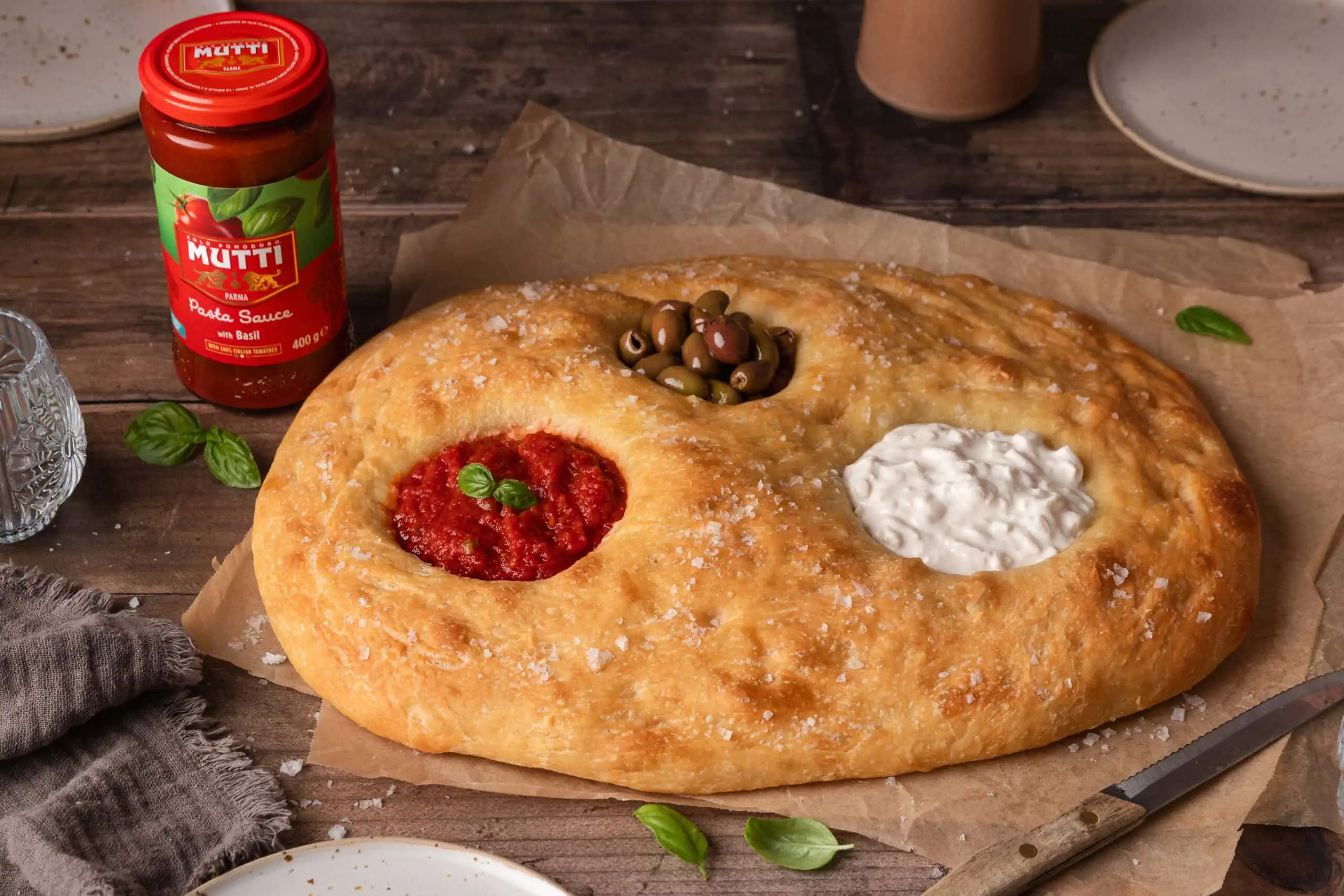
    Italian packaged tomato producer Mutti launched a marketing campaign across Australia and New Zealand in September 2026. Football star Sam Kerr, Paralympic champion Dylan Alcott and television presenter Chris Brown front the push.

    The 127-year-old Italian company targets pantry staple shoppers across Australian supermarkets. It relies on character-driven storytelling rather than standard recipe demonstrations.

    Celebrity Roster and Storytelling Pivot

    Creative spots take the form of scripted vignettes framed as confessions from dedicated brand buyers. In the lead spot, Kerr carries Mutti Passata in her luggage at a hotel and interacts with a chef named Matteo. The scene sets an intentionally humorous tone for the packaged grocery category.

    Samantha Filocamo, marketing director for Australia and New Zealand at Mutti, designed the platform to inject personality into the heritage canned tomato business. She aims to expand brand recall across competitive retail aisles.

    Supermarket Shelf Competition

    Packaged food brands in Australia face sharp margin pressure from private-label supermarket lines. Premium European suppliers must defend higher price points through distinct branding. Mutti has historically relied on provenance and quality credentials to justify its shelf premium over standard tinned tomato competitors.

    Enlisting national sporting figures shifts the brand from niche culinary positioning into mainstream consumer recognition. For grocery retailers, strong branded campaigns in staple ambient categories help protect category value against lower-priced store brands.

    Category Dynamics Across ANZ

    Mutti built its presence in Australasian retail through major supermarket distribution, focusing on whole peeled tomatoes, chopped tomatoes and passata. The promotional push pivots away from traditional food service and home-cooking messaging toward mass-market entertainment.

    Supermarket operators across Sydney and Melbourne will track shelf velocity across the ambient tomato range as the campaign rolls out across broadcast and digital channels.

  • Australia Food Manufacturing Turnover Hits $182.6 Billion

    Australia Food Manufacturing Turnover Hits $182.6 Billion

    Australia’s food and grocery manufacturing turnover rose 5.5 per cent to $182.6 billion in the 2024-25 financial year. Steady consumer demand across supermarket aisles drove the increase.

    Total workforce numbers across processing plants and distribution hubs passed 301,000 people over the 12-month period. That headcount now represents 33 per cent of all manufacturing jobs in the country.

    Squeezed margins and factory payrolls

    The annual State of the Industry 2024-25 report from the Australian Food and Grocery Council shows steady top-line expansion across packaged goods, beverages and daily essentials. Yet the headline revenue growth conceals worsening operational headwinds inside processing facilities.

    Persistent cost pressures and compressed margins are reducing the capital available for factory upgrades, automation and long-term expansion, the council warned. While consumer spending on staples supported turnover, wholesale input prices and elevated running expenses continue to erode net profitability across supply chains.

    Regional production pressures

    Similar margin pressure affects food manufacturing hubs across the Asia-Pacific region. Processors face higher utility bills, freight volatility and stubborn ingredient costs. When consumer-facing brands cannot fully pass wholesale cost increases to supermarket buyers, capital spending plans are routinely deferred.

    Factory operators are now recalibrating capital expenditure budgets for the 2025-26 cycle. They continue to monitor wholesale input pricing ahead of supplier negotiations with national retail chains.

  • Bubs Australia Revenue Reaches $111.9 Million as US Distribution Expands

    Bubs Australia Revenue Reaches $111.9 Million as US Distribution Expands

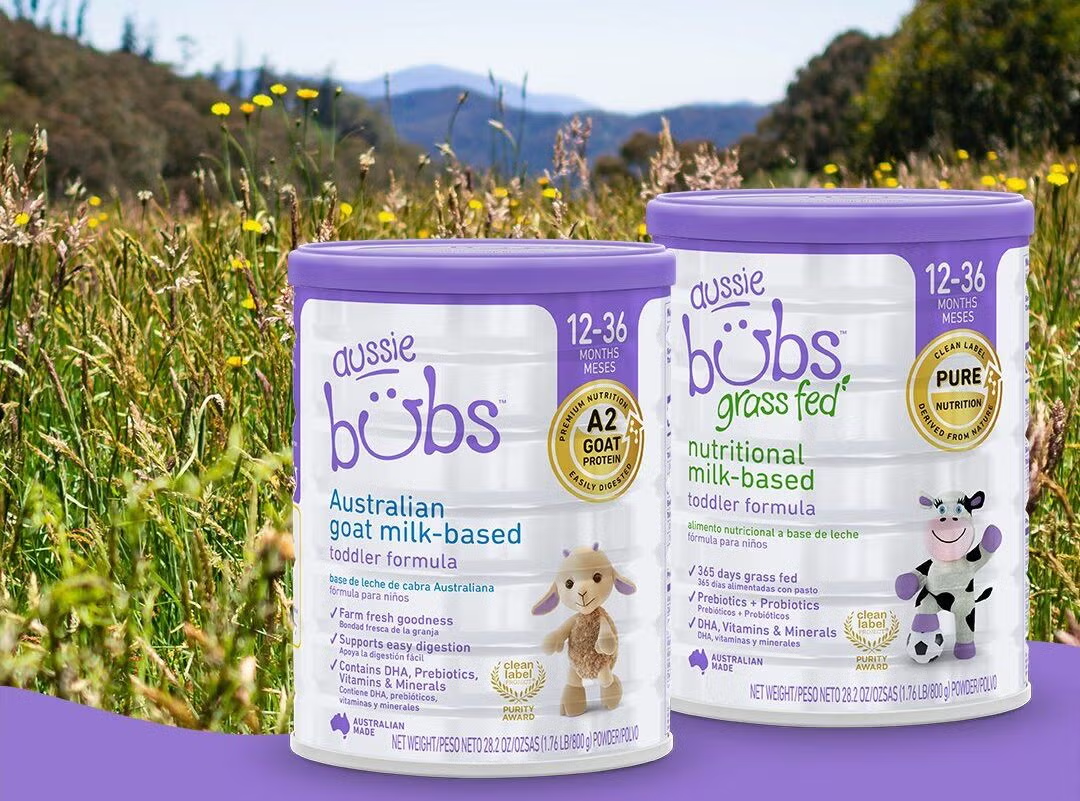
    Bubs Australia lifted group revenue 9.2 per cent to $111.9 million for the twelve months ended June 30, driven by rapid retail expansion in North America.

    Underlying earnings before interest, tax, depreciation and amortisation climbed 338 per cent to $5.3 million. The top-line gain masked tightening margins at the Australian infant formula maker, where gross profit dropped 9 per cent over the period.

    Expansion in the American market

    Sales growth centered on the United States, where revenue rose 24 per cent across the fiscal year. The company widened its physical retail presence to more than 10,000 American stores, turning the market into its primary growth engine outside Australasia.

    Higher distribution scale helped absorb overheads, but rising costs and shifting regional demand checked profitability across secondary territories.

    Margin pressures and regional divergence

    Results across regional markets outside the United States delivered mixed performances. While volume moved through larger overseas retail networks, gross margins contracted under higher cost pressures across the supply chain.

    For dairy and infant nutrition exporters across the Asia-Pacific region, rapid volume growth in Western supermarket aisles continues to balance uneven purchasing patterns across legacy Asian cross-border channels. Maintaining profitability now depends on turning trial into repeat shelf velocity.

    Attention turns to whether the brand can defend shelf space across its expanded 10,000-store US footprint while repairing gross margins in the next reporting cycle.

  • Moondarra Expands Dairy Line with Cranberry Vanilla Cream Cheese at Woolworths

    Moondarra Expands Dairy Line with Cranberry Vanilla Cream Cheese at Woolworths

    Australian dairy brand Moondarra Cheese has rolled out a cranberry and vanilla soft cheese across selected Woolworths supermarkets nationwide, priced at $4.20 for a 120-gram tub.

    The product uses the manufacturer’s triple cream cheese base blended with cranberries and vanilla. Alongside the new SKU, Moondarra refreshed the packaging design across its broader line of marinated cheeses to improve shelf visibility in the specialty deli and dairy aisles.

    Supermarket Dairy Competition

    Sweet and savoury combination cheeses have gained shelf space in Australian grocers as producers target entertaining platters and snacking occasions. Woolworths and rival Coles have both reshuffled their specialty cheese sets over the past two years, replacing slower-moving European imports with local flavoured cheeses that offer higher margins and shorter supply chains.

    For Moondarra, the rollout secures valuable facings in Australia’s largest supermarket network. Supermarket dairy aisles remain tightly contested as private-label options squeeze mid-tier branded producers on everyday staples, pushing commercial cheese makers toward higher-value sweet and marinated segments.

    Distribution and Retail Presence

    The new cheese formulation is now available in selected Woolworths stores across the country. Moondarra will monitor sales performance across the network ahead of the key summer entertaining season.