Retail News CRM

Tag: packaging

  • Finish Revolutionizes Packaging with Eco-Friendly Paper-Based Dishwashing Tablets, Tackling Plastic Pollution One Wash at a Time

    Finish Revolutionizes Packaging with Eco-Friendly Paper-Based Dishwashing Tablets, Tackling Plastic Pollution One Wash at a Time

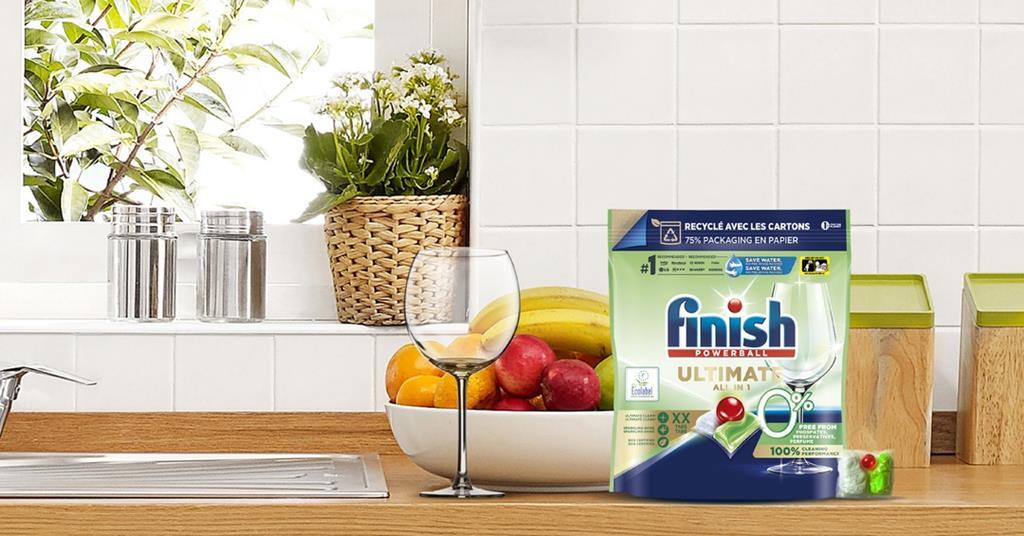
    Finish, a well-known dishwasher detergent brand, recently unveiled its new, kerbside recyclable, paper-based packaging for its dishwashing tablet products. The innovative move is set to eliminate an estimated 48 tonnes of plastic from Finish’s annual packaging output, which is roughly comparable to the plastic content of more than 1.8 million water bottles.

    Years of Research and Development

    This momentous achievement is the result of four years’ of dedicated research and development, which involved over 55 production trials. The main technical hurdle faced by the engineers was the need to design a water-resistant barrier that would safeguard the chemical stability of the tablets. At the same time, ensuring that the chosen materials were suitable for standard paper recycling streams was another significant challenge.

    According to Laurie Ferland-Caouette, the Head of Sustainability at Reckitt Australia, this launch signifies a considerable advancement for the home care category in Australia. “We anticipate that half of all Finish tablet packs sold will now feature our paper-based packaging. This will make it easier for Australians to make more sustainable choices as part of their everyday routines,” she added.

    Australia-Wide Availability

    This newly developed packaging will be available across selected ranges in supermarkets throughout Australia.

    In addition to this, Finish will continue its association with the non-profit organisation, Rural Aid, into 2024, marking its fifth year of partnership.

    Questions & Answers

    What was the main challenge faced by engineers during the development of the new packaging?
    The engineers had to design a water-resistant barrier that would protect the chemical stability of the tablets, while ensuring that the materials used were suitable for standard paper recycling processes.

    How much plastic does Finish estimate it will save annually with the new packaging?
    Finish estimates that the new packaging will remove around 48 tonnes of plastic from its annual packaging production.

    Will the paper-based packaging be available throughout Australia?
    Yes, the paper-based packaging will be available across selected product ranges in supermarkets nationwide.

  • True Protein Revamps Electrolyte Formula: Introduces New Flavours, Convenient Packaging

    True Protein Revamps Electrolyte Formula: Introduces New Flavours, Convenient Packaging

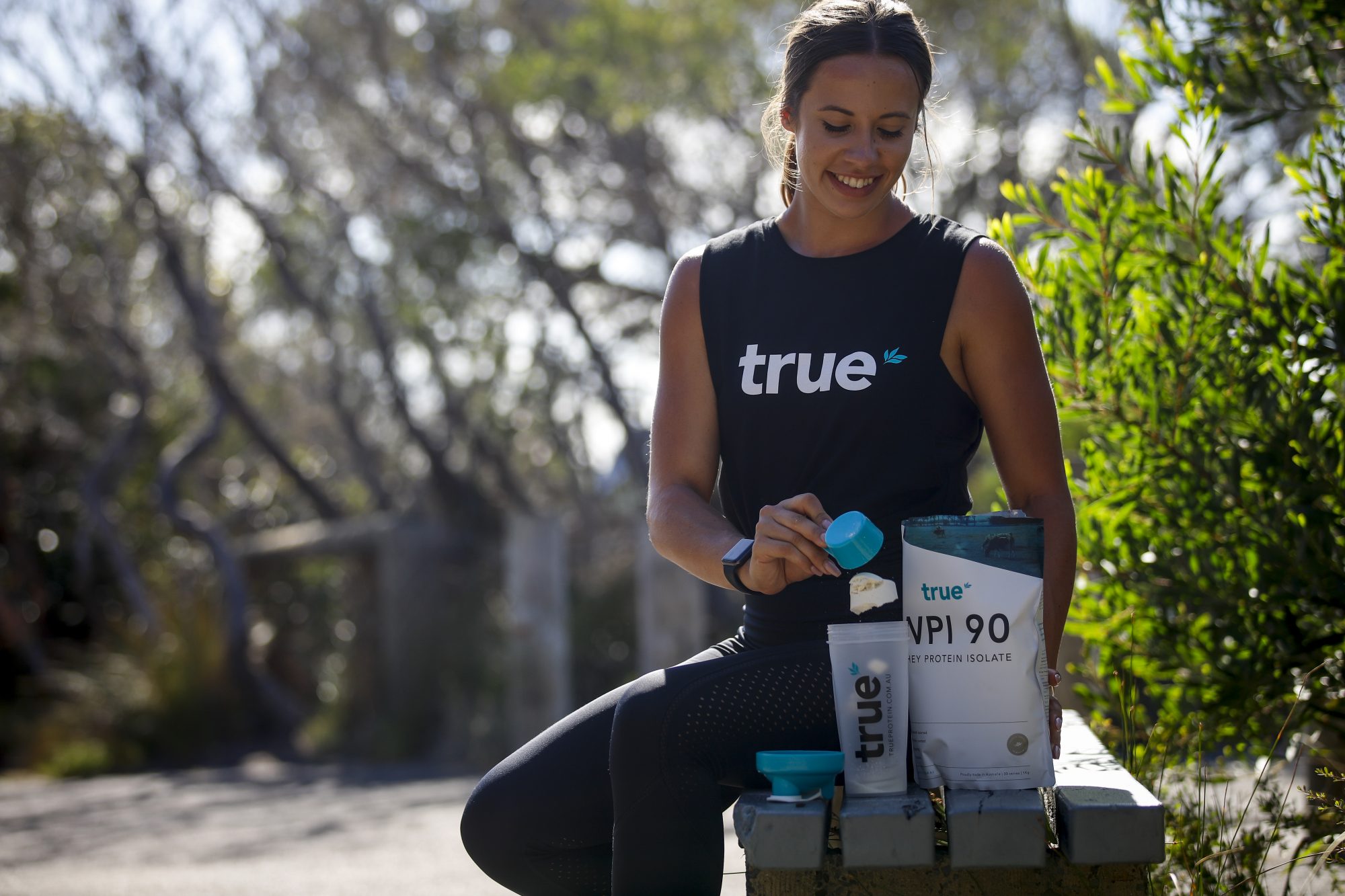
    True Protein, a leading health and wellness brand, is set to revamp its True Electrolyte Formula. The refreshed product will sport a fresh look alongside the introduction of two exciting new flavours – strawberry and blueberry. Additionally, the company will offer the formula in convenient single-sachet travel packs, making it ideal for customers on the go.

    The True Electrolyte Formula is a unique blend of sodium, potassium, and magnesium. True Protein asserts that this concoction has been meticulously formulated based on scientific research. The purpose of this blend is to restore essential minerals in the body and promote optimal hydration.

    True Protein emerged from the vision of its founder, Ben Kierath. On returning to Australia from the UK, Kierath spotted a gap in the market for pure, science-backed supplements that were locally sourced and devoid of unnecessary fillers or artificial ingredients.

    “We set out with a mission to inspire a world of healthier people,” Kierath stated, emphasizing the brand’s commitment to creating clean, science-backed products free from artificial and unnecessary additives.

    True Protein’s products are fully certified by Human and Supplement Testing Australia (HASTA), reflecting the company’s dedication to using only clean, natural ingredients in its products.

    Questions & Answers

    What is the True Electrolyte Formula?

    The True Electrolyte Formula is a unique blend of sodium, potassium, and magnesium that is intended to replenish essential minerals in the body and promote hydration.

    Who is the founder of True Protein?

    True Protein was founded by Ben Kierath, who identified a gap in the market for clean, science-backed, locally sourced supplements.

    What certification does True Protein hold?

    True Protein’s products are fully certified by Human and Supplement Testing Australia (HASTA), demonstrating the company’s commitment to using only pure, natural ingredients.

  • Ribena Reveals Bold New Brand Identity: Striking Balance Between Heritage And Modernity

    Ribena Reveals Bold New Brand Identity: Striking Balance Between Heritage And Modernity

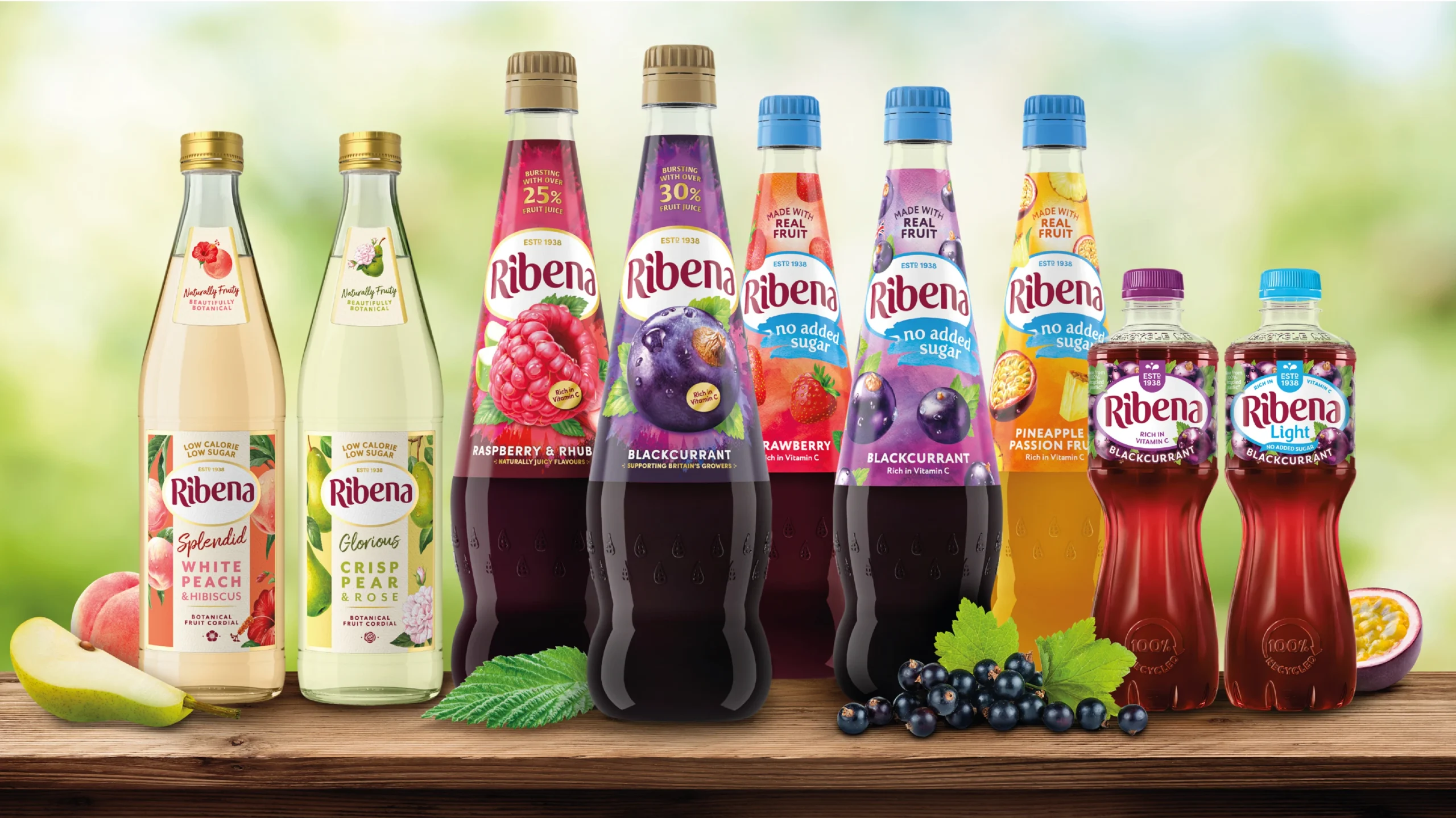
    Iconic beverage label Ribena has recently introduced a new brand identity, developed with help from the renowned creative team at Elmwood. With the aim of maintaining the brand’s familiarity while enhancing its shelf appeal, the revamped identity features a bold new logo while retaining key elements of its heritage.

    A New Twist to An Old Favorite

    The updated visual identity for Ribena features a reimagined logo where the traditional blackcurrant-colored wordmark is replaced by a bolder red hue. The curvature in the old lettering has been transformed into a more streamlined and clean baseline. The alterations also extend to the letterforms, which have been molded to look more “plump and juicy”, further emphasizing the brand’s fruity image.

    Striking the Balance Between The Old And The New

    Charlotte Distefano, Elmwood’s Creative Director, explained that their mission was to strike a balance between ‘familiar difference’. They observed that despite customers’ love for Ribena’s taste, the brand was often overlooked on store shelves. Therefore, the goal was to create a design that was immediately recognisable as Ribena, whilst boosting brand visibility and establishing a consistent look and feel.

    The Blend of Heritage and Modernity

    Key, heritage-linked elements, such as Ribena’s blackcurrants, have been retained in the rebranding, but are now subtly positioned in the background. A fresh “juicy droplet icon” has been introduced beneath the fruit, complemented by a vibrant purple backdrop and gold accents to further augment the brand’s aesthetic appeal.

    Elmwood confirmed that in trials, the refreshed packaging showed significant improvements across measures such as purchase intent, recall, and perceived taste, while still being easily identifiable as Ribena. Ribena, a company established in 1938, is currently held by Suntory Beverage & Food GB&I.

    Questions & Answers

    What are the key changes in Ribena’s new logo?
    The former blackcurrant-hued wordmark has been replaced by a bolder red logo and the curved old lettering has been simplified into a cleaner, straight baseline.

    What was the goal of Ribena’s redesign?
    The aim was to create an instantly recognisable yet distinctive design that enhanced the brand’s visibility and created a consistent look and feel.

    How has the reaction been to the new packaging?
    The new design performed well in trials, showing improvements in purchase intent, recall, and perceived taste, while maintaining its recognisability as Ribena.

  • Global Paper Packaging Market Set to Reach $527.1 Billion by 2030: What’s Driving This Growth?

    Global Paper Packaging Market Set to Reach $527.1 Billion by 2030: What’s Driving This Growth?

    Asia Pacific is the fastest-growing region.

    The global paper packaging market is set to soar from $416.1 billion in 2025 to a staggering $527.1 billion by 2030, boasting a compound annual growth rate (CAGR) of 4.8%. A new report from The Research Insights reveals that this remarkable growth is fueled by a surge in consumer demand for sustainable alternatives and increasingly stringent regulations targeting plastic use.

    The Rise of Eco-Friendly Packaging

    As consumers become more environmentally conscious, they’re embracing minimalist and eco-friendly packaging solutions. Flashy designs and excessive materials are falling by the wayside in favor of simpler, recyclable options that reflect both brand transparency and a commitment to environmental stewardship.

    A Shift in Materials

    The report also notes a growing preference for mono-material packaging, particularly paper and paperboard, which can be effortlessly recycled using standard systems. This stands in stark contrast to mixed-material packaging that often includes plastics or foils, making recycling a far more complicated affair. This shift represents not just a trend but a pivotal movement in public consciousness surrounding waste reduction and the vitality of a circular economy.

    Dominance of Corrugated Boxes

    Unsurprisingly, corrugated boxes continue to dominate the market, given their durability, lightweight nature, and recyclability. They have become the go-to packaging choice for the booming e-commerce and electronics sectors. Adding flair to form, innovations such as water-resistant coatings and digital printing are giving these boxes an edge, enhancing their appeal and functionality.

    Asia Pacific Leads the Way

    The Asia Pacific region is taking the lead in this growth surge, propelled by urbanization and increasing consumption patterns in nations like China, India, and various Southeast Asian countries. With a vibrant and evolving market, the possibilities seem endless—imagine a world where every package not only protects its contents but also plays a part in saving our planet!

    Questions & Answers

    What is driving the growth of the paper packaging market? Consumer demand for sustainable alternatives and stricter regulations on plastic usage are the primary forces behind this growth.

    Which type of packaging is gaining popularity among consumers? There is a notable preference for minimalist, eco-friendly mono-material packaging like paper and paperboard, which can be easily recycled.

    Why are corrugated boxes the top choice for packaging? Corrugated boxes are favored for their durability, lightweight properties, and recyclability, making them ideal for e-commerce and electronics sectors.

  • Vietnam’s International Paper and Packaging Expo Showcases Retail Innovations This May

    Vietnam’s International Paper and Packaging Expo Showcases Retail Innovations This May

    Surge in Vietnam’s Paper and Packaging Sector: VPPE 2025 Set to Showcase Innovation

    In a remarkable evolution of its manufacturing landscape, Vietnam’s paper and packaging sectors are witnessing significant growth. This momentum is driven by a decisive shift from single-use plastics towards sustainable paper solutions, fueled by the booming e-commerce sector and robust export activities. The upcoming Vietnam Paper and Packaging Exhibition (VPPE) 2025 promises to capitalize on these trends, offering substantial opportunities for industry stakeholders.

    A Platform for Industry Leaders

    Hosted by the Vietnam Pulp and Paper Association, the Vietnam Packaging Association, and the Vietnam Advertising Association, VPPE 2025 will be a vital hub for businesses looking to display their innovations, broaden their market reach, and connect with potential clients and partners. With over 250 booths featuring close to 500 brands from Vietnam and around the globe—including notable representatives from Japan, China, South Korea, and the United States—attendees can expect a dynamic showcase of industry advancements.

    Explore Cutting-Edge Innovations

    During this three-day event, more than 10,000 specialized visitors will have the opportunity to discover a wide array of high-quality products and state-of-the-art technologies. Highlights include advanced paper machines, innovative fiber treatment technologies, and comprehensive packaging solutions. The exhibition will also emphasize eco-friendly recyclable packaging and promote solutions for wastewater and exhaust gas treatment, aligning with contemporary consumer trends for sustainability.

    Engaging Activities and Networking Opportunities

    VPPE 2025 is not just an exhibition; it’s a comprehensive experience that incorporates various supplementary activities. Attendees can participate in the Annual Vietnam Packaging Summit, the Vietnam Packaging Awards 2025 Ceremony, and the Vietnam Paper Industry Technical Conference. Workshops will focus on quality standards and management in paper packaging production, providing further value to participants. Moreover, the newly introduced VPPE Golf Tournament offers a unique opportunity for networking in a more relaxed environment.

    Accessibility and Amenities

    To ensure a seamless experience, organizers are providing free round-trip shuttle buses from Ho Chi Minh City to the venue. Additional shuttle services will be available for groups traveling from selected provinces. Onsite amenities include a business lounge, dining areas, complimentary refreshments, and even a lucky draw program, all designed to create a welcoming and productive atmosphere.

    As the paper and packaging industries evolve, VPPE 2025 stands as a pivotal event, showcasing consumer trends and brand expansions that reflect the sector’s future. This exhibition not only highlights innovation but also prepares the retail sector and consumers for a more sustainable tomorrow, bridging the gap between demand and eco-friendly alternatives.

    For more information, visit [VPPE 2025 official page].

  • Sydney startup RecycleSmart raises $1 million on Birchal

    Sydney startup RecycleSmart raises $1 million on Birchal

    Australian investors have poured more than $1 million into plastics recycling service RecycleSmart, as co-founder Marco Prayer says he has invested his entire career to proving the business benefits of the circular economy.

    Sydney-based RecycleSmart provides households with a way to dispose of recyclable plastics that are unsuitable for regular recycling bins, offering to pick up unwanted waste from a customer’s doorstep.

    The startup accepts soft plastics, clothes, shoes, and small e-waste, with those materials sorted and transferred to specialist recycling partners like APR Plastics, Mobile Muster, and the Red Cross, which accepts unwanted but wearable clothing.

    The company claims to have facilitated 115,000 pick-ups since 2019, keeping 400 tonnes of hard-to-recycle waste out of landfill.

    RecycleSmart closed its Birchal equity crowdfunding raise on Thursday night, booking $1.04 million from 965 investors.

    While the business got its start by selling its services to NSW councils, it now hopes to use the new funding to expand in capital cities nationwide, while expanding its DTC and B2B offerings. Co-founder and chief technical officer Marco Prayer says RecycleSmart will use funding from the “astonishing” raise to power its launch in Melbourne, with the goal of covering as many major metro areas as possible by the end of 2023.

    “We need to make sure that the recyclers have the capacity to manage, that we have the right infrastructure in place, that everything is safe, but so far, so good,” Prayer said on Monday.

    Without delving into specific revenue figures, Prayer says RecycleSmart is enjoying “healthy” margins, and states its core business model is scalable, meaning expansion won’t come at too high a cost.

    Reaching more councils remains a priority, but RecycleSmart hopes to diversify by reaching out to household customers, building managers, and even businesses themselves.

    The company says its DTC offering would allow users to schedule pickups for $5 a bag, with a minimum of two bags per pickup.

    Beyond the cost to customers, RecycleSmart is conscious of the need to prove the efficacy and sustainability of its process to would-be customers.

    Australian households are still adapting to the high-profile collapse of the RedCycle soft plastic recycling scheme in 2022, which highlighted the difficulties in recycling some forms of single-use plastic.

    The business is “trying to really deliver as much transparency as possible to our customers,” Prayer said, using social media to show how its partners repurpose the materials RecycleSmart collects.

    “We know very well that the first step is establishing trust with anyone in the waste industry, and if you want to play that role, we know that we have to go an extra mile and verify as much as possible,” he added.

    What appears to captivate Prayer is the possibility of working with major businesses as they adopt a circular economy model.

    Like fellow Australian recycling startup Seabin, RecycleSmart collects data on the types of waste it receives.

    It then passes those findings onto councils, enabling city planners to run education campaigns for residents confused about how to best dispose of their waste.

    But Prayer sees a massive opportunity in providing that same data to businesses, given the increasing push for sustainability and traceability across the supply chain.

    “We strongly believe that there’s going to be an opportunity for businesses to leverage RecycleSmart to really ‘green up’ their operations,” he said.

    Prayer also touts the benefits of integrating the startup’s offerings into a business’s overall operations.

    “A simple example is that we hope shopping online at The Iconic, for example, if you spend more than $100 with them, they give you [cash back] to spend with RecycleSmart for your next pickup.”

    Pointing to businesses like meal delivery service HelloFresh, which prioritises recyclable packaging, Prayer said ensuring packaging circularity is a powerful customer retention tool.

    “That is going to be the game changer,” he added.

    “I mean, I’ve invested basically my professional life into believing that result is definitely achievable.”

    Participants in the equity crowdfunding raise are largely existing supporters, Prayer said, suggesting that building that engaged fanbase — and proving their demand for recycling solutions — could build RecycleSmart’s appeal to brands.

    The $1 million raise comes at a unique point for the equity crowdfunding sector, which has seen a 26% year-on-year decrease in funding value through choppy economic conditions.

    However, Birchal co-founder Matt Vitale today pointed to RecycleSmart, among others, as recent success stories.

    “We are a couple of weeks into the new financial year and Birchal has achieved over $6 million in funding volume across five campaigns already, more than double compared to this time last year,” he wrote on social media Monday.

    The number of successful equity crowdfunding rounds over the last year also surpassed the number of ASX IPOs, Vitale added.
  • 6 Ways Inspection And Packaging Solutions Can Grow Your Retail Business

    6 Ways Inspection And Packaging Solutions Can Grow Your Retail Business

    A primary objective for those in the retail business is to pack good quality products in the least amount of time possible. Seamless product packaging and inspection are critical in today’s competitive business environment, and this can be attained with automated solutions.

    Unfortunately, costs associated with new equipment and employee training can make some retail businesses wary of taking that particular route. Still, there are considerable advantages to automated inspection and packing solutions. Here are just some of the ways they can increase productivity and help you grow your retail business:

    1. Speedier Production With Fewer Errors

    As competition between businesses becomes more prominent, companies face constant pressure to expand their product lines and introduce innovative products to the market, thus increasing production volume. Having the right automation solutions in your retail business can drastically improve your production speed and allow you to meet increasing production requirements.

    Quality inspections systems can help cut down on revision times, speed up the entire quality control process, and get products ready for packaging. By centralizing inspections and enabling employees to detect errors early on, a quality inspection system can fast-track the process without sacrificing quality.

    Meanwhile, the proper packaging solutions can help pack items far more quickly and safely than the average employee. They’re also capable of multitasking and folding multiple steps of the packaging process, such as sealing and labeling, into a single step.

    In addition, as production becomes more complex, quality control and packaging processes also become more challenging to manage. With workloads increasing and the demand for higher production, using manual quality control inspection and packaging means a greater chance of bottlenecks happening within the production process because of human errors.

    By switching to automated inspection and packaging machines, you can eliminate the risk of human error. These solutions help maintain a seamless flow in your production line, ensuring less room for poor quality and packing errors and ultimately resulting in less downtime and speedier production.

    1. Designed To Requirements

    Most industrial inspection and packaging machines can be designed to meet the requirements and needs of your business. Automated inspection and packaging solutions are becoming more innovative.

    From the testing period and inspection instructions to the product’s shape and how it fits in the packaging, you can customize the process as you want, ensuring that it stays in line with your business’ vision and goals.

    While most providers will only tell you what the scope of their work is when you contact them, some companies take it a step further. On websites such as the TDI Packsys website, you can click through a variety of solutions and the services they offer, so you can easily find out what they’re capable of achieving.

    1. Save On Costs

    Allowing a critical error slip or damaging products during packaging can cause significant financial implications. When an error is detected in their packaging or labels, companies will have to recall the products affected, which would cost them thousands of dollars. Also, entire batches will become unsellable inventory.

    Quality inspection and packaging systems can save you from considerable product recalls that’ll result in significant loss. Detecting even the most minor errors during quality control and ensuring that items are packed securely and safely can help improve your production floor’s overall quality and reduce returns and complaints from your customers.

    Material management is another expensive area for any retail and production company. Wasted materials for packaging and the products themselves can cost money and time should they need to be replaced.

    With quality inspection and packaging systems, you can eliminate the risk of quality issues and packaging damage that result in wasted materials and lost time. Not only that, but by effectively reducing waste as a result of minimizing errors, you can conduct business more sustainably and remove that problem’s financial and environmental impact.

    1. Differentiating Your Business

    A quality inspection and packaging system can also help set your business apart from your competition by using it to position yourself as an industry leader in automation when it comes to quality and packaging.

    You can use quality inspection and packing technology to open doors for new business opportunities by showing your customers that you’re willing to invest in systems that ensure speedier production and an extra layer of security. As mentioned before, producing the highest product quality and packaging reduces the risk of recalls, saving customers money and time while also preventing reputational damage to your business.

    Verified inspection and packaging technology gives your customers the assurance that extensive checks on quality control and packaging are being carried out in the production facility. It shows customers that you’re doing everything you can to ensure that jobs are correctly done during the production stage.

    1. Improved Ergonomics And Minimized Risk Injury

    During production, inspection, and packaging operations, it’s common for employees to perform repetitive tasks over long shifts. This can result in work-related musculoskeletal disorders (MSDs), sometimes known as repetitive strain injury or ergonomic injuries.

    Such injuries are common in the production industry and account for a third of all workplace injuries. In general, these require more than a week of recovery time, which can result in production downtime.

    Reducing the amount of repetitive work that your employees do can naturally reduce their risk of MSDs. By automating your inspection and packaging processes, you can eliminate the tedious and repetitive tasks and allow your employees to focus on more critical tasks, ultimately increasing business productivity while meeting production demands.

    1. Reduce Labor Costs

    As consumer demand continues to rise, the production industry starts to feel the effects of an increasingly competitive labor market. Nowadays, workers have more options for employment in retail, which increases wages and ultimately drives up labor costs.

    A possible solution to this minimizing labor cost is automation. By automating as much of your inspection and packaging line as possible, you can ensure that workers are only employed when needed or completely remove human intervention from the production process. Doing so would give you significant savings on labor costs.

    Conclusion

    Switching to automated inspection and packaging solutions can bring you a plethora of benefits. Although they may be costly, their efficiency in optimizing repetitive tasks and ensuring error-free production generally outweighs your initial investment in the long term.

  • 5 Eco-Friendly Bulk Packaging Options For Your Business

    5 Eco-Friendly Bulk Packaging Options For Your Business

    As a business owner, the way you treat the environment can have serious consequences in the future. For instance, careless waste disposal can contaminate the water, air, and soil. In turn, this can affect the health of humans, animals, and plants. That’s why businesses need to be environmentally conscious to reduce their effect on different ecosystems. One way businesses could help save the environment is by choosing eco-friendly packaging options for their products.

    If you also want to protect the environment by choosing the correct packaging option for your products, read on to learn some eco-friendly bulk packaging options for your business.

    What Is Eco-Friendly Packaging?

    Eco-friendly packaging is any form of environment friendly packaging made of recyclable or reusable materials. In other words, any packaging is considered eco-friendly if it’s made of recyclable materials. In addition, these materials should be safe and sustainable for the environment. However, to ensure you get the right packaging that can take you closer toward becoming more environment friendly, you must work with experienced industrial bulk bag suppliers to provide you with eco-friendly bulk packaging options.

    What Are The Best Eco-friendly Packaging Options For Your Business

    Though plastic is the common packaging option adopted by most businesses, it can seriously affect the environment. Plastic can take several decades to disintegrate, and therefore, it’s one of the world’s major pollutants. The good news is that businesses can avoid plastic packaging by adopting other available eco-friendly packaging options. Here are some options you could adopt for your business:

    1. Biodegradable Plastic

    Biodegradable plastic is one popular eco-friendly packaging option these days. They work like plastic, but unlike non-biodegradable plastic which can take centuries to break down, biodegradable plastic can melt in sunlight. This type of packaging degrades faster because it’s made of plant byproducts rather than petroleum. Though biodegradable plastic can attract a higher cost than its cheaper cousin, it can significantly reduce your business’ carbon footprint.

    1. Mushroom Packaging

    Mushroom packaging is another eco-friendly packaging option you should consider for your business. These packages are made from agricultural waste products and mushrooms and are used for packaging small items.

    When manufacturing mushroom packaging, agricultural waste materials are disinfected, then fused together by a matrix of mushroom roots. After which, this compound is then molded to the desired shape and size and left to dry. Because these packages are made from agricultural products, they take the least possible time to break down. So if one of your business goals is to become more conscious about the environment, then mushroom packaging could be your best bet.

    1. Natural Fabrics

    In some cases, some items might not require much protection, especially if they’re not fragile. That’s where natural packaging comes in. Natural fabric packaging is a type of packaging that can protect non-fragile items from scratches and bumps.

    Natural fabric packaging comes in different types. For instance, they could be made from organic materials such as hemp, palm leaves, recycled cotton, and tapioca. All these types are made from materials that can take less than three months to decompose, which helps preserve the environment. Apart from taking a shorter time to break down, natural fabric packaging is cost effective, especially when purchased in bulk.

    1. Recyclable Paper And Cardboard

    Another best way to help save the environment is the use of recyclable paper and cardboard packaging, which is one of the most adopted packaging options by businesses that want to reduce their use of plastics. One benefit of this packaging option is that it’s recyclable. This means that customers can send them back to you after receiving their products or they could use it for their own purposes. In addition, when these materials find their way into the ocean and other bodies of water, they won’t cause much damage to the ecosystem, compared to non-biodegradable plastics.

    1. Starch-Based Packing Peanuts

    If you want to protect your fragile products while still helping the environment, starch-based packing peanuts is another ideal option. This type of packing peanut is made from agricultural waste materials that can easily dissolve in water. As such, many companies have turned to starch-based packaging option instead of conventional Styrofoam packing peanuts that takes ages to decompose.

    How Can You Choose The Best Packaging Supplier For Your Business?

    Partnering with the right packaging supplier is essential not only for the success of your business but also in taking the right steps toward turning into a more environment-conscious enterprise. So when choosing your bulk packaging options, you’ll want to partner with a supplier who can provide you with quality services. With that said, here are some critical factors to consider when finding the right packaging supplier for your business:

    • Experience

    Experience should be your top of your list when choosing your packaging supplier. It’s the only way to ensure you meet your business packaging needs. Consequently, the supplier you choose should be experienced to customize your packaging according to your business needs. Before contracting any packaging supplier, it’d be a good idea to research and find out about their experience and the number of years they’ve been in the industry.

    • Quality Of Packaging

    The quality of the packaging is another crucial factor you need to consider when finding your supplier. Note that even if your products are of high quality, packing them in substandard materials could discourage your customers.

    So if you want to improve customer experience and satisfaction, be sure to pack your products with high-quality packaging. This can be possible by working with a supplier that produces high-quality packaging.

    • Packaging Prices

    Pricing is another critical factor you must consider when choosing your packaging supplier. So it’s vital to get quotes from different suppliers, then create a shortlist of the suppliers who made the cut to help you make the right decision.

    Though different suppliers will quote different packaging prices, be sure you negotiated prices with them, since high prices don’t always mean high quality in business. On the other hand, a low price isn’t always an indication of the best deal in the market. Finally, you must be certain you’re getting the best value for your money.


    • Delivery Times


    Last but not least, you must consider the time it takes for your supplier to deliver your order. Any delays could have a huge impact on your business. As such, make sure you’re partnering with a supplier who can deliver your packaging on time. This ensures you don’t take on unnecessary financial loss or, worse still, lose customers to your competitors.


    Takeaway


    Today, businesses play a significant role in helping preserve the environment through the ways they do businesses, including their choice of packaging. Most have avoided plastics by adopting eco-friendly packaging options. As discussed here, some eco-friendly packaging options include biodegradable plastic, mushroom packaging, natural fabrics, recyclable paper and cardboard, and starch-based packing peanuts. Choose the perfect fit for your business, and start saving the planet.


  • McDonald’s Japan brings back Speedee

    McDonald’s Japan brings back Speedee

    Going retro, McDonald’s Japan is bringing back the fast-food chain’s first mascot Speedee on a range of vintage packaging.

    Part of its 50th-anniversary celebrations, the return honors the opening of the nation’s first McDonald’s located on the first floor of the Ginza Mitsukoshi department store in Tokyo back in July 1971. Long before the introduction of Ronald McDonald in 1967, Speedee was used by original founders Richard and Maurice McDonald at their burger restaurant in California in 1940.

    Speedee, inspired by Richard and Maurice McDonald’s innovative “Speedee Service System,” will appear on a selection of packaging at McDonald’s locations throughout Japan. Available for a limited time only are retro designs for Chicken McNuggets, fries, hashbrowns, apple pie, cold drinks and takeout paper bags

  • PepsiCo commits to recycled packaging across entire snacks range

    PepsiCo commits to recycled packaging across entire snacks range

    PepsiCo will convert to 100-per-cent recyclable packaging across its Smith’s, Red Rock Deli, Sakata, and Doritos brands.

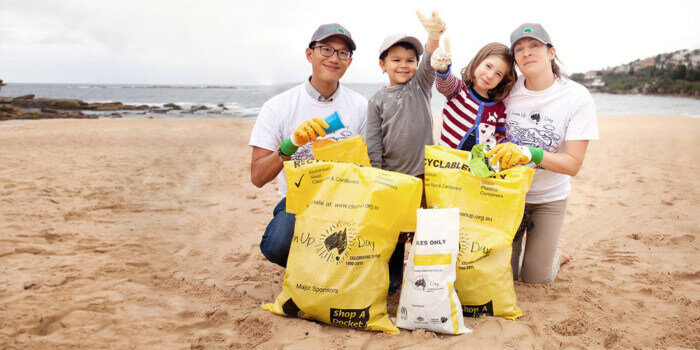
    The company has also partnered with the sustainable organization, Clean Up Australia, to increase soft-plastic recycling in Australia.

    By the end of the year, all the packaging will be changed out and will sport the Australasian Recycling Logo. Consumers will be able to recycle all of their snack packagings via curbside recycling for cardboard and plastic trays, and through the Redcycle collection bins for soft plastics.

    “Increased recycling rates are critical to the success of a circular economy for soft plastics,” said PepsiCo Australia and New Zealand chief marketing officer, Vandita Pandey. “Key to this is making packaging recyclable and easy to recycle.

    “We are proud to have achieved the first step – designing 100 percent of our snacks packaging to be recyclable – meeting Australia’s 2025 National Packaging Target four years ahead of schedule.”

    PepsiCo pledged $650,000 at the Australian Government’s National Plastics Summit last year for the Greening the Green program developed by Clean Up Australia. The company partnered with Redcycle and Replas to work with local sporting facilities to streamline rubbish separation and collection as well as increase soft plastics recycling.

    Greening the Green is a 12-week program that targets to improve littering and rubbish collection via an interactive online learning experience.  A pilot testing is underway at the ELS Hall Park in Ryde, NSW and there are an additional 19 sporting grounds that have signed up, bringing the number to a total of 110 sporting facilities joining them for the next two years.

    Facilities can either collect recyclables like soft plastics and beverage containers via specific bins, which will be collected by Redcycle. These will be shredded and delivered to Replas so they can be moulded into seats, bollards, signage and sports trophies., and the end product will be given to each sporting group.

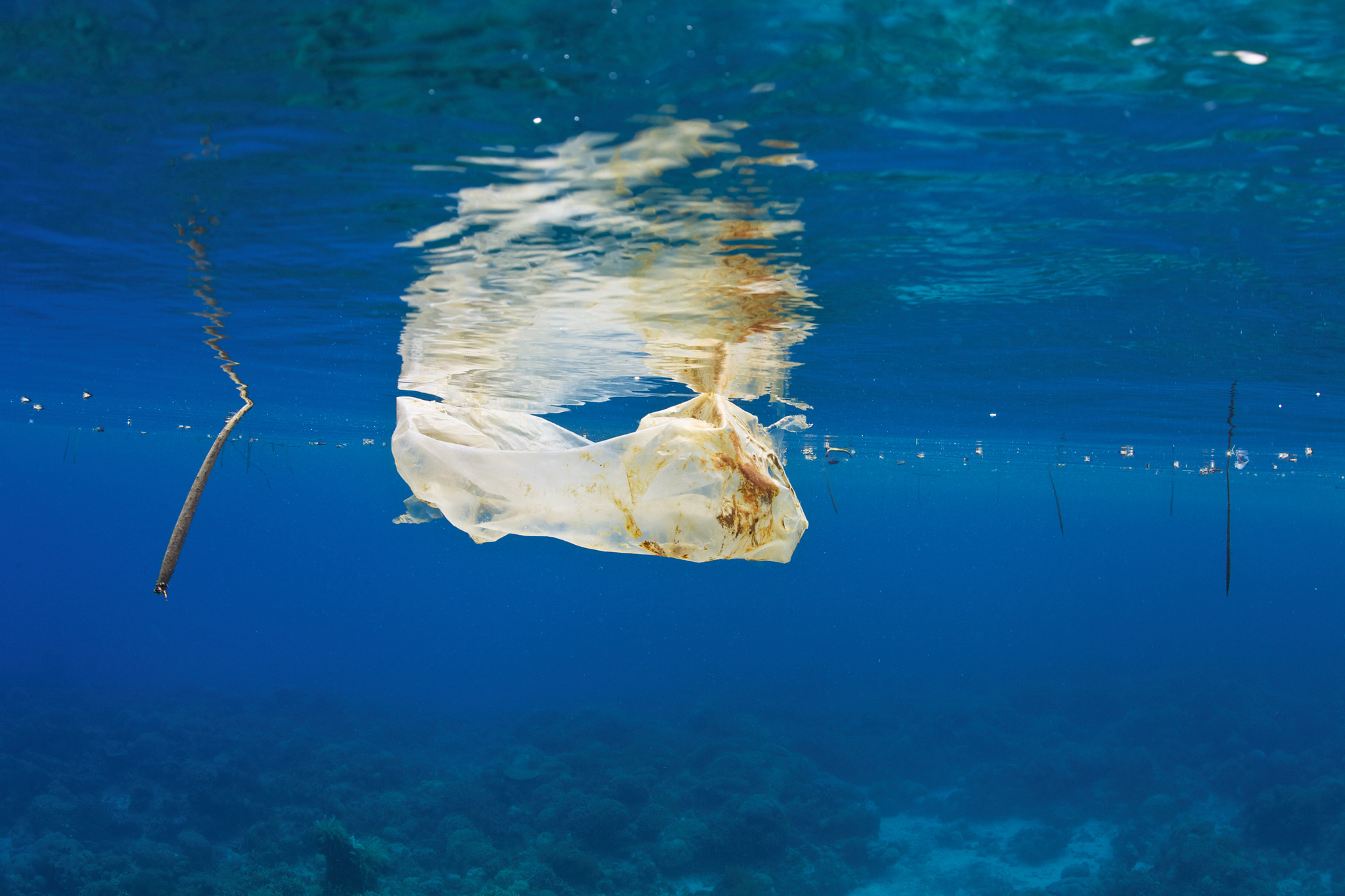
  • APAC Anti Ocean Plastic Fund Raises Over $100 Million

    APAC Anti Ocean Plastic Fund Raises Over $100 Million

    Circulate Capital, investment managers dedicated to ocean plastic prevention, raised $106 million in its venture capital fund aimed to clear the waters in Asia.

    The fund will invest in companies and infrastructure that prevent ocean plastic in South and Southeast Asia through a model that blends concessionary funds with investment capital. It has identified more than 200 potential investment opportunities with the first targets for capital deployment earmarked for 2019-end.

    Founding investors of the fund include PepsiCo, Procter & Gamble, Dow, Unilever, Coca-Cola Company, Chevron Phillips Chemical Company and Danone.

    Asia is the leading contributor to the crisis, with 60 percent of ocean plastic originating from the region, according to a release. A recent Ocean Conservancy report found financing gaps of $28-40 per ton of plastic waste collection in the top five ocean polluters – China, Indonesia, Philippines, Thailand and Vietnam.

    «The good news is that we are able to reduce nearly 50% of the world’s plastic leakage by investing in the waste and recycling sector in Asia, and even more if we invest in innovative materials and technologies,» said Rob Kaplan, CEO of Circulate Capital.

    «This is why we are here in Singapore – a strategic hub of Southeast Asia – to prove that investing in this sector is scalable for the region and can generate competitive returns while moving closer to solving the ocean plastic crisis.»

    Corporate Returns

    In addition to investment returns, its founding investors could make gains from the actual activities engaged by firms. For example, ecosystems to support plastic recycling could result in astronomical long-term returns for companies involved in large scale packaging by potentially creating a «circular economy».

    That’s why at Coca-Cola we have invested in Circulate Capital and have committed to collect and recycle the equivalent of every bottle and can we produce by 2030, said Matt Echols, vice president of communications, public affairs and sustainability, Coca-Cola Asia Pacific.

    Packaging does not need to become waste. By investing in the waste collection and recycling sector in this critical region, beverage packaging can become a valuable material used again and again – a step closer towards a circular economy.

  • Vietnamese supermarkets go back to leave packaging

    Vietnamese supermarkets go back to leave packaging

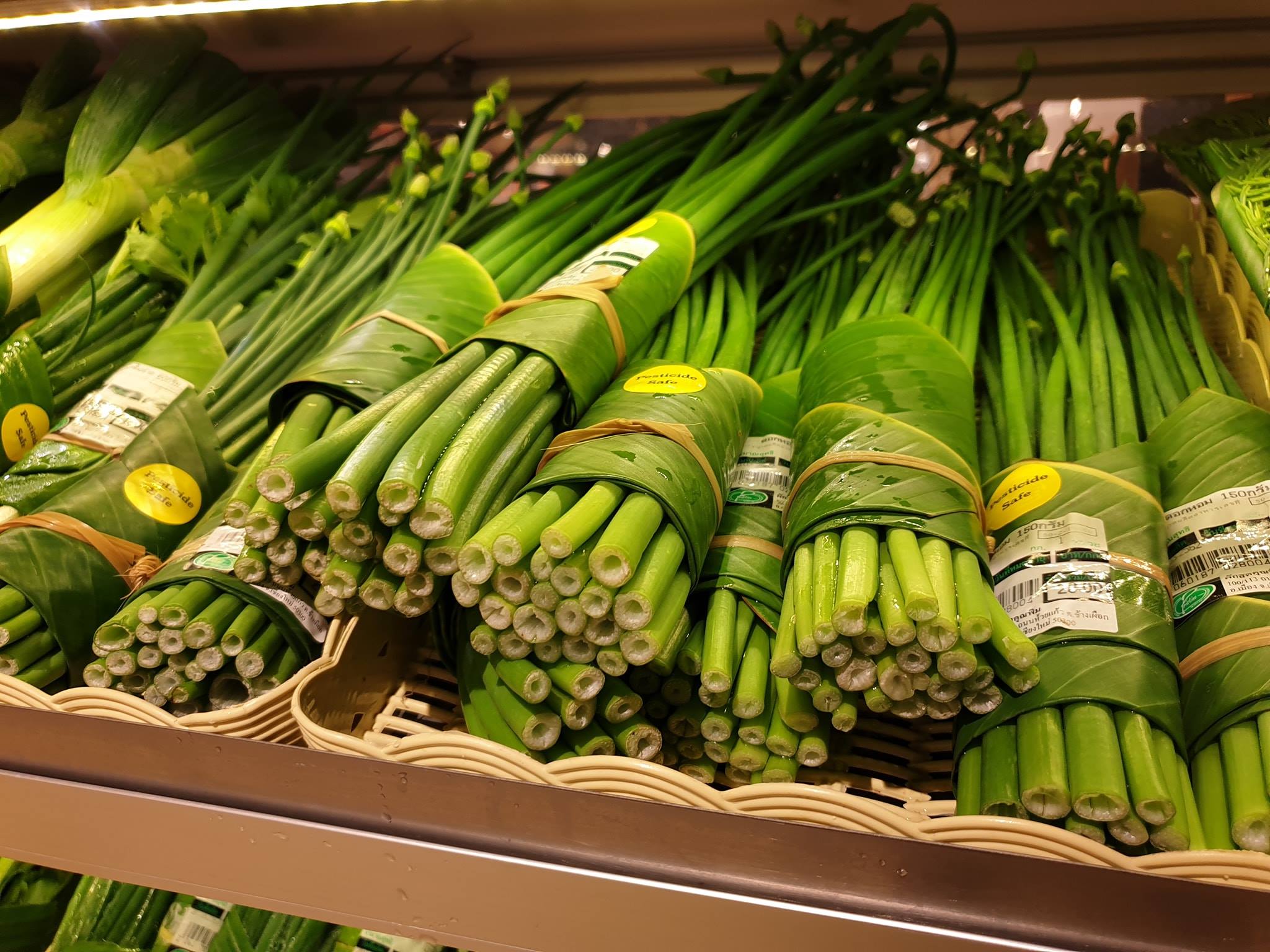
    Shoppers at Lotte Mart in Ho Chi Minh City’s District 7 were recently surprised to see scallions, okra and other vegetables produce wrapped in banana leaves.

    A representative of the supermarket chain said that the company is experimenting with using leaves to wrap veggies in one outlet, and plans to expand this later to the entire chain in the country.

    This is part of a plan to increase the use of environment-friendly products, not just for vegetables but also for fresh meat, the representative added.

    Local shoppers expressed support for the move. “When I see vegetables wrapped in these beautiful banana leaves I’m more willing to buy in larger quantities. I think this initiative will help locals be more aware of protecting the environment,” said Hoa, a District 7 resident.

    The Big C supermarket chain in Hanoi has also started using banana leaves to wrap veggies since Monday, and plans to do so in its central and southern supermarkets in the next few days. The trial is set to last a month.Saigon Co.op is also using banana leaves to wrap vegetables to replace their biodegradable wraps in some of its outlets in HCMC and other southern localities of Phan Thiet, Tay Ninh, Quy Nhon and Tam Ky.

    The supermarket chains are also providing customers with other environmental-friendly products. Lotte Mart said it is selling paper straws and food boxes made with sugarcane waste. Eggs are wrapped in paper packages instead of plastic boxes.

    Big C is offering shoppers bags made with corn powder which is completely biodegradable.

    These moves come after report highlights the large amount of plastic waste generated by Vietnamese people. The country disposes about 2,500 tons of plastic waste a day, according to official figures.

    Vietnam ranks fourth globally in the amount of plastic waste dumped into the ocean, according to the United Nations Environment Programme (UNEP).

    Some local cafes and restaurants have also been encouraging the reduction of plastic use by offering straws made with recyclable or biodegradable materials.

  • Amorepacific adopts a new eco-friendly packaging

    Amorepacific adopts a new eco-friendly packaging

    Nowadays, products purchased online are typically delivered in a big box with bubble wrap for protection. But once the package is safely delivered, the packaging becomes nothing more than waste. Amorepacific, however, has chosen to make use of eco-friendly packaging, adopting paper materials instead of bubble wrap.

    What seems like a small and insignificant change is the result of hard work, with an eye to the environment.

    The company’s new paper packaging, which was piled up among workers and automatic packaging devices at a logistics centre in Osan, Gyeonggi Province, consists of eco-friendly shock-absorbing packing material called ‘geami’ and ‘papillon’.

    When the product is wrapped with geami and the remaining space is stuffed with papillon, it can withstand most external shocks.

    It took months of research and testing before such materials were put into use. Furthermore, paper packaging is two or three times more expensive than bubble wrap, and its use extends the time required for packaging.

    Despite all of the disadvantages of the new materials, paper packaging was chosen because its value to the environment cannot be calculated and converted into money, the company says.

    Amorepacific needed a pre-emptive response as the problem of over-packing and using plastic is becoming a serious social problem, and as the number of consumers considering the environment increased. The remaining problem was how consumers would react to such change. As expected, some customers complained that they were sent garbage.

    Soon enough, however, the mood turned with positive comments regarding the new packaging surfacing online.

    Amorepacific continues to change to contribute to the environment. It no longer uses vinyl tape on its packages, replacing it instead with paper tape.

    The company has stopped using colour-coated boxes, and also uses smaller and slimmer boxes when possible. Product containers also went through major changes to become more eco-friendly.

    It was a difficult process as many consumers buy cosmetics because of the packaging.

    Since aesthetic standards cannot be ignored, Amorepacific changed the design of containers to reduce the amount of plastic used, made transparent containers for easy recycling, and used paper to make dual-structure containers.

    In addition, last year Amorepacific used paper that was certified with Forest Stewardship Council (FSC), which is given to paper produced in a sustainable way, on boxes for 500 different products.

    Although the company’s packaging materials research team is having difficulty developing new designs, it is continuously developing cosmetics containers that maximise aesthetic effects and at the same time reflect eco-friendly elements without affecting product preservation.

  • Korea firm to use greener packaging for this holiday’s gift set

    Korea firm to use greener packaging for this holiday’s gift set

    For many in Korea, Lunar New Year is a time to meet relatives and exchange elaborately-packaged gift sets that could contain anything from fruits and raw meat to cans of Spam. But one side effect to this approach to gift giving is the excessive waste – especially those originating from gift set packaging – which has been brought up as a major concern by Korea’s environment authorities in recent years.

    With growing government pressure and awareness about the environmental issues caused by excessive packaging, department stores and grocery franchises are trying to take the lead in adopting greener alternatives this year.

    Colored Styrofoam and gel-based ice packs, which are notoriously difficult to recycle, are the first things to get scrapped.

    Hyundai Department Store and Lotte Mart have both announced that they are replacing colored Styrofoam in gift sets with a plain white alternative starting from this holiday season. Previously, the companies added color to the material to add visual appeal. Colored Styrofoam materials are difficult to recycle because more money and manpower is required to create new Styrofoam products from them, making them unattractive to recycling companies.

    Lotte Mart Thermal Bag

    Lotte Department Store is chilling gift sets of meat and fish with ice packs filled with water instead of gel-based ones for the first time this year.

    Competitor Shinsegae Department Store is also ditching the hard-to-recycle wooden boxes and cloth wrapping it had previously used to package gift sets. It will use paper boxes instead.

    Other retailers are collecting ice packs – both gel- and water-based – and recycling them themselves.

    Department store chain AK Plaza said it will collect ice packs from AK Plaza-bought gift sets across all its stores until Feb. 10 for recycling and disposal.

    Hyundai Home Shopping is taking it one step further and accepting ice packs regardless of their place of purchase. This year, it teamed up with Gangdong District office in eastern Seoul to install collection bins in 18 locations to allow customers to drop off used ice packs after the holidays.

    “We’ve collected ice packs from our online shopping members in the past and decided to install public ice pack collection bins this holiday season,” said a Hyundai spokesperson. “We will send out the ice packs that we collect to our partners in the food industry so they can be reused.”

    Lotte Mart is focusing on making gift bags more attractive and practical to encourage customers to use them even after the holidays end.

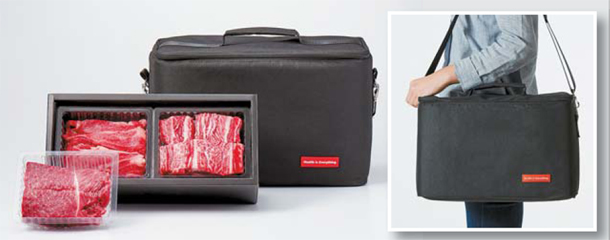
    The thermal bags that come with its beef gift sets now have shoulder straps and a sleek black design, making them practical and user-friendly. While the thermal bags have always been reusable, they were previously covered with large Lotte brand logos and difficult to carry around.

    The grocery chain is also going to package more fruit gifts this year in what it calls “recycle boxes.” The boxes, first introduced during last year’s Chuseok (harvest festival) holidays, are made of sturdy paper that can easily be reassembled into mini storage boxes.

    “We didn’t register any copyright for our fruit ‘recycle box’ design so that other retailers can also participate in recycling and reducing disposable waste,” a Lotte spokesperson explained.

    The businesses’ green initiatives follow the government’s consistent calls to reduce packaging and other waste during the Lunar New Year holidays.

    As has become customary every holiday season, the Environment Ministry announced last month that it will work together with local governments to inspect gift sets being sold across retailers in the country and fine violators up to 3 million won ($2,700) if they do not comply with packaging rules.

    Current regulations stipulate that gift sets can only be wrapped two times and that the volume of packaging must not exceed 25 percent of the product’s total volume.

    Last Lunar New Year, the Environment Ministry fined the manufacturers of 49 products that were in violation of these rules. The total fine combined came to 52 million won ($46,000).

    “We have seen a small decline in the number of products that violate excessive packaging regulations over the years,” said an Environment Ministry official in the recycling division. “The participation of companies to reduce packaging and comply with inspection is always a big help.”

  • Trends that coming in 2019 e-commerce

    Trends that coming in 2019 e-commerce

    Led by transformation in sales channels and customer demand, consumer trends for 2019 will center on subscription e-commerce, faster delivery, and eco-packaging, according to market experts. Subscription e-commerce, a field of business that involves curating products and delivering them on a regular basis, has been gaining popularity because it meets needs for tailored services, value, and convenience. From clean, neatly ironed business shirts to craft beers, you can get almost anything through a subscription service — now, even a car.

    Earlier this month, Hyundai Motor’s Genesis introduced a car subscription program that offers subscribers a choice of four Genesis vehicles for 1.49 million won (US$1,330) per month.

    “Our target group is drivers who want to experience a different variety of vehicle without having to worry about car management. The ultimate goal of our subscription program is to satisfy consumer needs amid shifting mobility trends,” Hyundai Motor said.

    According to industry data, subscriber-based businesses are undergoing an explosive expansion, having grown from 241 trillion won in 2000 to 470 trillion won in 2015, globally. Industry experts expect that number to surpass 594 trillion won by 2020.

    McKinsey & Company said in its “State of Fashion 2019” report that the subscription trend goes hand in hand with users’ desire for experiences, as they are more willing to spend money for a service that delivers tangible benefits along with personalized offerings.

    Meanwhile, over the past year, delivery has gotten faster for merchandise purchased via websites and apps. With services like Coupang’s Rocket Delivery, expecting one’s purchase to arrive the next day has become the new norm.

    Cutting down even further on delivery times will be a major sticking point for e-commerce businesses looking to stay afloat, market insiders said, with businesses now competing to ensure overnight deliveries, particularly of fresh food items.

    Overnight delivery is usually available only in Seoul and some parts of Gyeonggi Province and Incheon for now. Experts estimate that the market value of the industry will have reached 400 billion won this year.

    Lotte Mart currently plans to test-operate a 30-minute delivery service in the first quarter of the new year. Since September, it has offered a delivery service that moves products from its stores within three hours after purchase at an offline store.

    E-commerce company Coupang also plans to make a concerted effort to expand the overnight and even same-day delivery of fresh food products in 2019.

    “Our latest paid membership service, Rocket Wow club, which guarantees next-morning delivery for signed-up members, had already garnered almost 1 million members just two months after the service’s launch. We plan to expand the service to cover all customers across the country in the new year,” a Coupang representative said.

    The environmental packaging boom is set to continue well into 2019 as well. While plastic is not inherently bad, the way it is thrown away is problematic. As a result, an increasing number of consumers are rethinking their plastic use in an effort to cut waste.

    With environmental packaging campaigns spreading worldwide, manufacturers have been challenged to innovate their packaging methods.

    Since September, Starbucks Korea has replaced plastic straws with paper straws at some 100 of its stores in Seoul, Busan and Jeju, in an effort to reduce waste and protect the environment. All its paper straws are coated with soybean oil to make them more durable, the company said.

    The coffee franchise plans to eliminate single-use plastic straws from its 28,000 stores worldwide by 2020. Angel-in-us Coffee, the cafe chain operated by South Korean retail giant Lotte, also introduced special lids for cold drinks in an effort to reduce plastic use.

    “The throwaway culture is rapidly being challenged by increasing consumer awareness of the perils of plastic waste. A dramatic change in attitudes has occurred, forcing brands to rethink how they make better use of plastic in what they offer to consumers, who increasingly demand brands reduce, reuse and recycle plastic waste to better protect them and their world,” said Matthew Crabbe, a director of Trends APAC, in Global Consumer Trend report by Mintel.