Tag: pain

  • Belgian Bakery Le Pain Quotidien Returns To India, Plans 100 Outlets By 2035

    Belgian Bakery Le Pain Quotidien Returns To India, Plans 100 Outlets By 2035

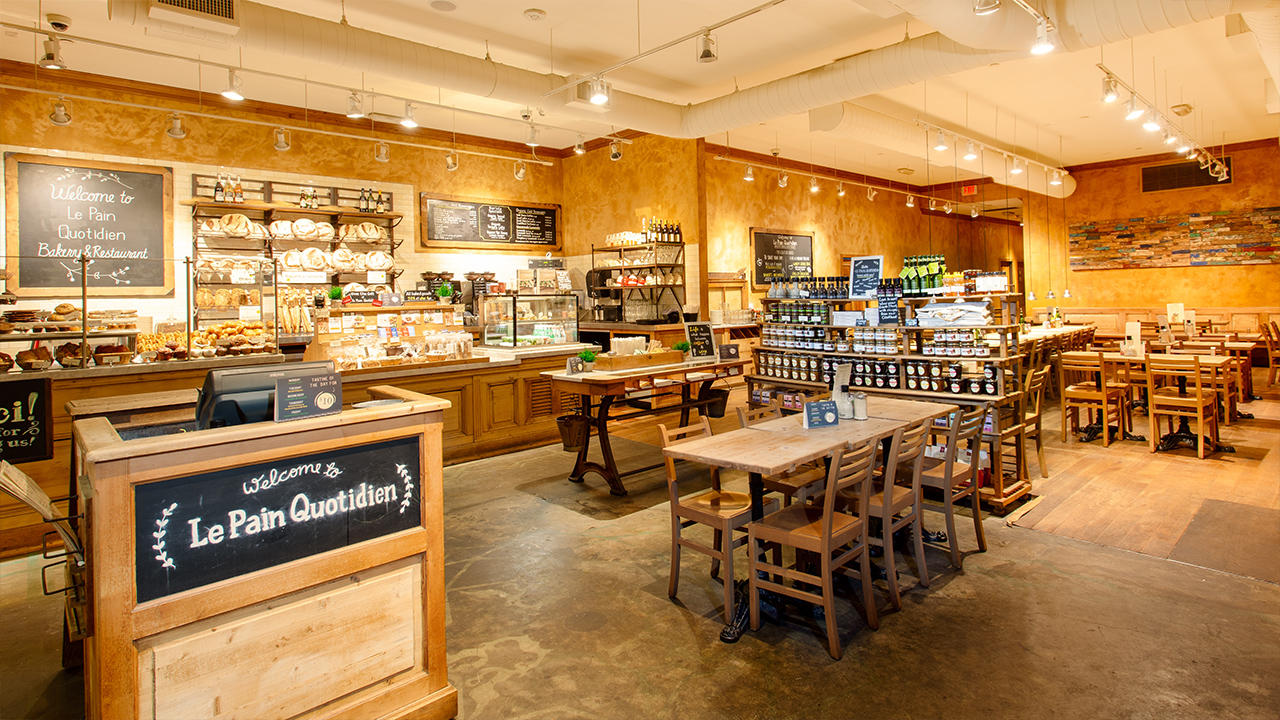
    Le Pain Quotidien, a renowned Belgian bakery-cafe chain, has made a comeback in the Indian market by establishing a fresh outlet in Palladium Mall, Mumbai. The brand’s return is facilitated through a master franchise agreement with Bake & Brew Private Limited.

    Le Pain Quotidien’s Location

    The latest store of Le Pain Quotidien is strategically positioned in the Gourmet Village zone of Palladium Mall. This zone is known for its assortment of local and international restaurants, some of which include Gold by Ice Cream Works, Burma Burma, and Kuuraku.

    Le Pain Quotidien, a name that translates to “the daily bread” in French, initially launched its venture in India in 2010. However, the brand withdrew from the Indian market during the pandemic in 2020.

    New Franchise Agreement

    In August last year, Le Pain Quotidien entered into a new franchise agreement with Bake & Brew. The arrangement has an ambitious target – to inaugurate upwards of 100 outlets across India by 2035.

    Le Pain Quotidien was first established in Brussels in 1990 by Alain Coumont. Today, the brand operates over 200 locations in 18 different countries.

    Future Expansion Plans

    Le Pain Quotidien has major expansion plans on the horizon. It aims to launch a second store in Mumbai by the close of this year, while other major cities are also in its crosshairs for expansion. The brand is particularly keen on tapping into travel and transit hubs.

    Questions & Answers

    What is Le Pain Quotidien’s expansion plan in India?
    Le Pain Quotidien plans to open more than 100 outlets across India by 2035 as a part of their franchise agreement with Bake & Brew. They also aim to open a second store in Mumbai by the end of this year.

    When did Le Pain Quotidien first launch in India and when did it exit?
    Le Pain Quotidien first launched in India in 2010 and withdrew from the market during the pandemic in 2020.

    What is Le Pain Quotidien’s focus area for its future expansion?
    Le Pain Quotidien intends to expand into major Indian cities, particularly focusing on travel and transit hubs.

  • Korean beauty startups bet booming US demand outlasts tariff pain

    Korean beauty startups bet booming US demand outlasts tariff pain

    Following their impressive online achievements in the US, South Korean cosmetic start-ups are seeking to strengthen their physical presence in the world’s largest consumer market. These brands, including Tirtir, D’alba, Torriden and Beauty of Joseon, are currently in discussions with major retailers to make their products available on US shelves. The expectation is that the popularity and broad appeal of their products will outweigh any potential impact from tariffs.

    K-Beauty: Global Competitor

    Known for their high-quality products, competitive pricing, and clever marketing strategies, South Korean beauty products have successfully established a global presence. This success has been largely facilitated by the wider popularity of South Korea’s other cultural exports, including music, film, and television.

    According to Tirtir CEO An Byung-Jun, the increased interest in South Korean culture has paved the way for the country’s cosmetic industry, especially given the good quality of the products and their affordability compared to existing luxury brands such as L’Oreal or Estee Lauder.

    Tirtir’s reputation significantly increased last year due to the viral online success of its cushion foundation shades designed for dark skin. The company aims to double its US sales this year, with its products being made available in Ulta Beauty stores over the summer.

    US Expansion

    Major US retailers, including Sephora, Ulta Beauty, Costco, and Target, are currently in discussions with South Korean cosmetic brands about launching their products in physical stores. Industry experts believe Korean brands’ higher margin business models will allow them to withstand tariffs better than their competitors.

    South Korea became the world’s third-largest beauty product exporter in 2024, after France and the US. The majority of its cosmetic output, valued at $13 billion, is for export, with e-commerce sales driving most of this success.

    Challenges and Opportunities

    While tariffs pose a potential threat to South Korea’s beauty industry, the strong demand for their products is expected to mitigate some of this risk. Olive Young, South Korea’s leading beauty retailer, plans to establish its first US store in Los Angeles later this year.

    Despite concerns about tariffs, South Korean cosmetic brands are persisting with their US expansion plans. Brands such as D’alba, Torriden, and Beauty of Joseon are set to launch in Sephora stores over the summer.

    The Power of Social Media

    South Korea’s success in the cosmetic industry has been significantly bolstered by social media. Viral videos and influencer endorsements can transform a product into a global bestseller. However, industry experts caution that long-term success will require an increase in physical store sales.

    Despite rising competition and the emergence of cheaper alternatives, investors remain optimistic about South Korea’s potential in the cosmetic industry.

    Questions & Answers

    What has contributed to the success of South Korean beauty products in the global market?
    South Korean beauty products have risen in popularity due to their high quality, competitive pricing, and effective marketing strategies. They have also been boosted by the wider global interest in South Korean culture, including its music, film, and television.

    What is the current status of South Korean cosmetics in the US market?
    South Korean cosmetic start-ups are currently in discussions with major US retailers to launch their products in physical stores, following their successful online performance.

    What are the potential challenges for South Korean cosmetic brands in the US market?
    Potential challenges include tariffs and increasing competition. However, the strong demand for their products is expected to mitigate some of these concerns, and many brands have business models that allow them to withstand tariffs better than their competitors.

  • Malaysian bakery Lavender Singapore Opens Its Doors

    Malaysian bakery Lavender Singapore Opens Its Doors

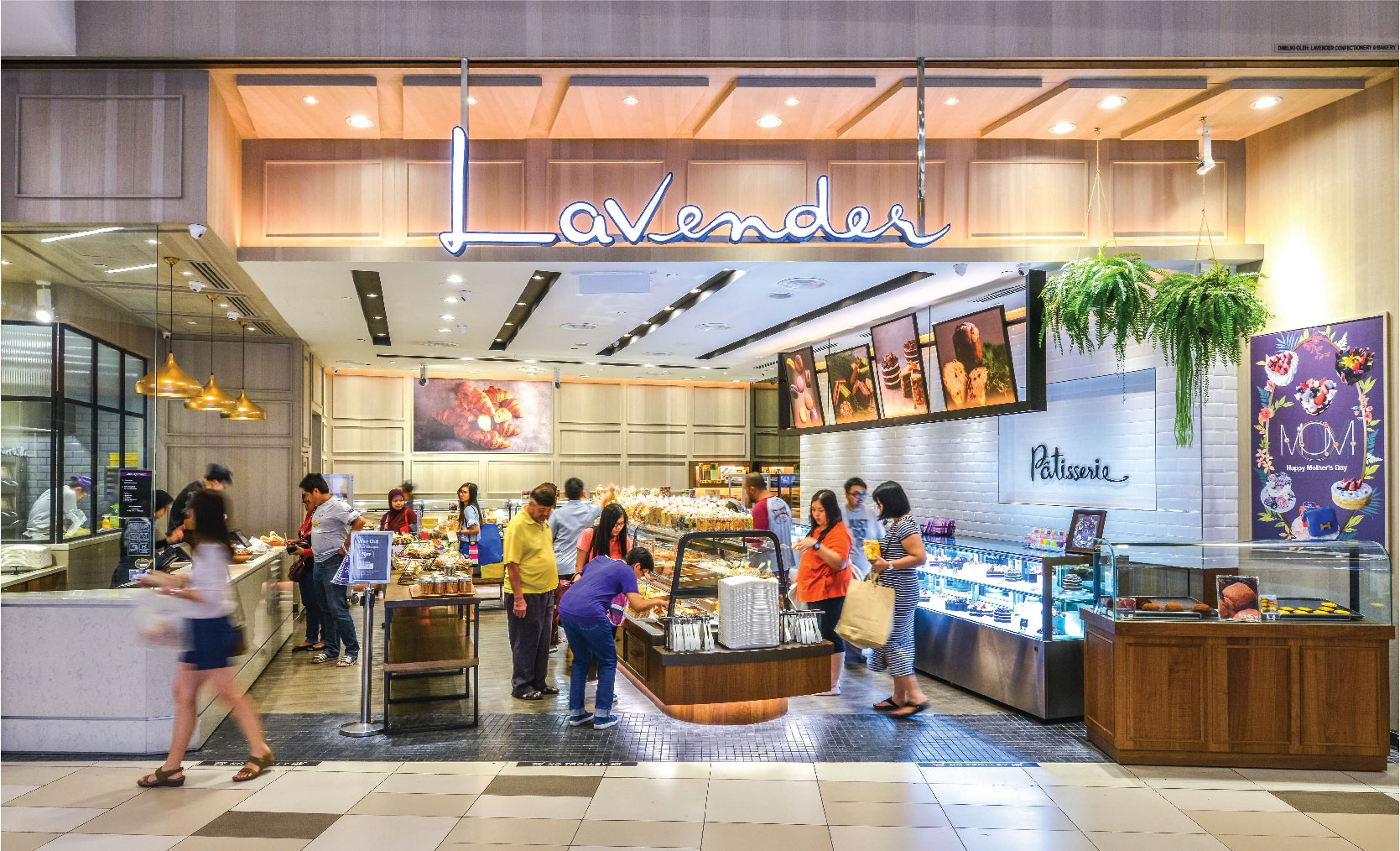
    Malaysian bakery Lavender is opening at Jewel Changi in Singapore this week.

    Set to open on Thursday (April 11), the store will sell Lavender’s buns, French-style choux cream puffs, and house-made pandan kaya.

    Located next to the 40m-high Rain Vortex waterfall, the outlet offers takeaway-only baked goods.

    “We try to stay competitive with prices so all our customers can enjoy our products and taste the difference in quality,” a Lavender bakery representative said.

    “Prices will definitely be different to Malaysia’s as overheads like rent, salaries and material costs will all be in Singapore dollars.”

    Malaysian bakery Lavender has six outlets in Kuala Lumpur and five in Johor Bahru, including a multi-storey flagship at Taman Pelangi.