Retail News CRM

Tag: pandemic

  • Pandemic grounds 39 Vietnam aircraft

    Pandemic grounds 39 Vietnam aircraft

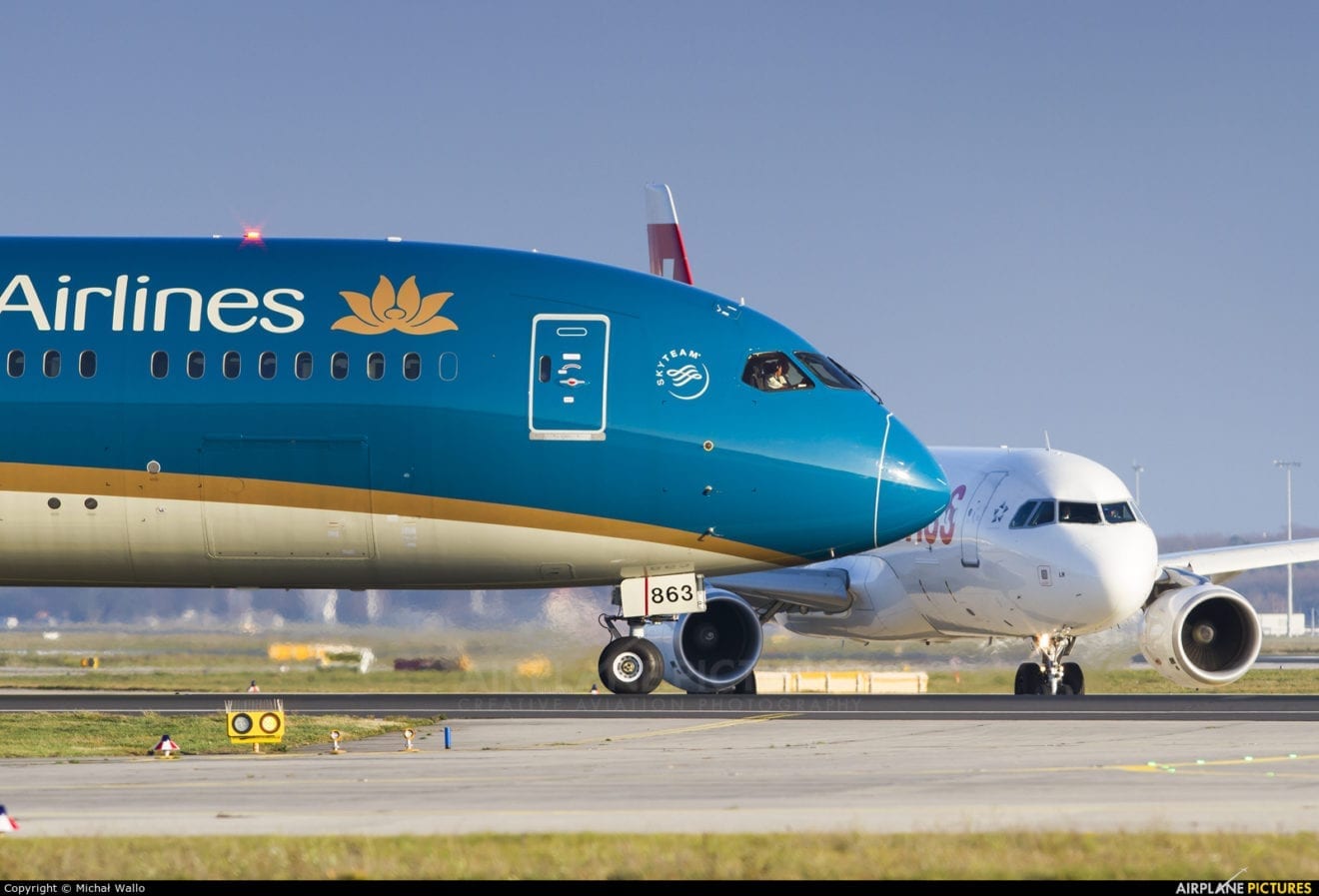
    Vietnam had 39 aircraft, or over 14 percent of its fleet, grounded in the first quarter after a new Covid-19 outbreak cut travel demand.

    Eighteen of the grounded aircraft belonged to national flag carrier Vietnam Airlines, 14 to budget carrier Vietjet, four to Pacific Airlines and three to Bamboo Airways, according to the Civil Aviation Authority of Vietnam (CAAV).

    Vietnam’s fleet of 269 aircraft is 13 more than it had last year.

    The country closed the borders and canceled all international flights in March last year, allowing in only certain categories of people with stringent conditions.

    Vietnamese carriers served 5.8 million passengers in the first quarter this year, down 45 percent year-on-year.

  • Huawei launches SME Support Program to support economic recovery in APAC

    Huawei launches SME Support Program to support economic recovery in APAC

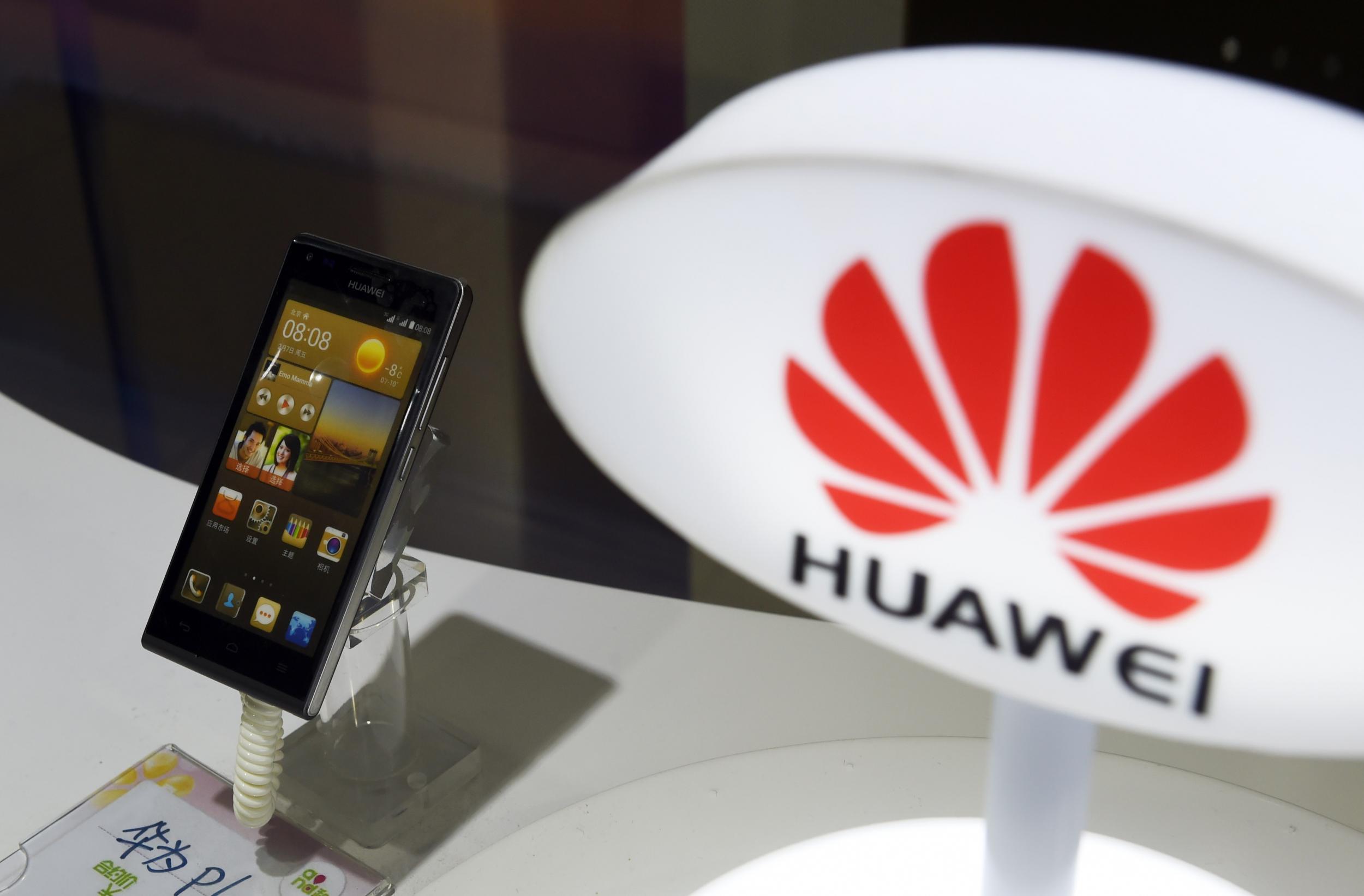
    Global leading ICT provider Huawei launched its SME Support Program with trusted ecosystem partners in Asia Pacific, aiming to deliver further technical support for economic recovery amid the fight against the pandemic in the region.

    Small and medium enterprises (SMEs) are the engines of growth and innovation in the APEC region. They account for over 97 percent of all businesses and employ over half of the workforce across APEC economies. They contribute significantly to economic growth, with their share of GDP ranging from 40 percent to 60 percent in most APEC economies, according to the Asia-Pacific Economic Cooperation.

    The pandemic has forced businesses to accelerate their digital transformation and move to the cloud one to three years ahead of schedule. HUAWEI CLOUD is currently working with over 19,000 partners and 1.6 million developers and is committed to strengthening the digital economy to support a sustainable economic recovery.

    For the SME Support Program, which will be available until December 31, 2021, each eligible SME applicant could receive coupons worth up to $3,000 USD and free professional consulting service including cutting-edge cloud solutions for a variety of industry scenarios including Financial Service, Education, E-commerce, Gaming, IoT, Application Development, and Enterprise Applications.

    SMEs that have an account on the HUAWEI CLOUD official website but have never used any paid service could apply on the SME Support Program page and receive consultation from cloud experts. Applications will be reviewed based on the company’s cloud needs and the readiness of workloads for cloud deployment.

    “We are still very small, but we have the ambition to grow into a big business. Therefore, choosing a reliable partner is our priority, this translates into reliable technology and reliable service and support. HUAWEI did a great job. I believe we get the same prompt responses any big client of yours,” Yongyan Liu, Co-Founder and VP of Strategy and Development at SYMBIONAT HEALTH, expressed confidence in the cooperation with HUAWEI CLOUD.

    Currently, HUAWEI CLOUD offers over 220 services in categories such as compute, storage, network, security, big data, AI, and IoT, plus over 210 solutions for full coverage of industries. Enterprises can rely on Huawei’s robust ecosystem to accelerate innovation by joining efforts with other eco-partners.

  • Nike sales crimped by pandemic and shipping issues

    Nike sales crimped by pandemic and shipping issues

    Nike’s quarterly sales missed estimates due to shipping issues and a pandemic-related slump at brick-and-mortar stores, and investors were disappointed by the world’s biggest athletic shoe maker’s full-year revenue forecast.

    Nike forecast “low-to-mid-teens” full-year revenue growth, falling just short of the 15.9% increase in sales that analysts were expecting, according to IBES data from Refinitiv.

    Nike shares were down about 3% in post-market trade.

    “I think the expectations for Nike into the call were very high with many analysts upping revenue and earnings expectations into the quarter,” said Ivan Feinseth, head of investment at Nike shareholder Tigress Financial Partners.

    Revenue rose to $10.36 billion from $10.1 billion, while analysts on average had expected $11.02 billion. The company said revenue from North America fell 11% on a currency-neutral basis because container shortages and U.S. port congestion held up inventory by more than three weeks.

    “We expect to capture this delayed revenue in the fourth quarter,” Nike Chief Financial Officer Matthew Friend said.

    U.S. container-freight traffic has slowed significantly in recent months due to COVID-19 outbreaks among dockworkers and safety restrictions aimed at stemming the spread of the virus. At the same time, ports are dealing with a cargo surge due to pandemic-led demand for bulk products.

    Nike’s net income nonetheless climbed to $1.45 billion, or 90 cents per share, in the third quarter ended Feb. 28, from $847 million, or 53 cents per share, a year earlier. Analysts were expecting earnings per share of 76 cents.

    In Europe, the Middle East and the Africa region, 45% of Nike-owned stores were closed for the last two months of the quarter. Currently, 65 percent of stores in EMEA are open or operating on reduced hours, Nike said.

    Rival Adidas ADSGn.DE said last week that it had reopened 95% of its stores after coronavirus lockdowns.

  • Pandemic cuts demand for overseas jobs

    Pandemic cuts demand for overseas jobs

    Vietnam’s labor export has plunged this year due to pandemic imposed travel restrictions and fear of contracting the virus abroad. The number of Vietnamese leaving abroad for work in the first nine months fell 59 percent year-on-year to just over 42,800, according to the overseas labor department.

    Japan and Taiwan, the largest and second-largest foreign markets for Vietnamese labor, saw the number of new workers go down nearly 49 percent and over 56 percent, respectively. The plummeting figures reflect the difficulties labor export companies in Vietnam have faced this year.

    Nguyen Viet Xuan, chairman of the Hanoi-based Viet Thang Corp, said his company has successfully sent just a few dozen workers to Japan, Taiwan, and Romania since September, down 90 percent year-on-year.

    Most of them were supposed to leave earlier, but unable to do so due to the pandemic, and the company was having trouble recruiting new candidates because people were reluctant to leave Vietnam with the Covid-19 situation remaining intense in many countries, he told local media.

    The Laco Labour Cooperation Company Ltd in Hanoi has only sent 40 workers to Japan since September after a mostly inactive period from February to August. Vietnam recorded its first Covid-19 case at the end of January and the situation was contained by the end of August.

    Although the Japanese market still has a high demand for imported labor, the long process of acquiring health certificates in the pandemic context could be one of the reasons preventing candidates from going, said Laco CEO Nguyen Xuan Hung.

    Before the pandemic, Japanese employers often traveled to Vietnam and conducted face-to-face interviews, but now the recruitment process has become more challenging as interviews have to be conducted online, he added.

    Other recruiters have pointed out to the high costs of air travel as a factor that discourages workers from going.

    The government’s labor programs are also facing difficulties in recruiting workers. The Department of Overseas Labor had recently extended its deadline for a nurse recruitment program to Japan by one month after failing to recruit the 240 candidates it needed.

    The pandemic has forced companies to cut recruitment costs due to falling revenues. These companies traditionally need to pay a local agent VND20-30 million ($865-1300) per worker, but now they focus more on running ads on social media to approach workers directly.

    Industry insiders do not expect a full recovery in the market anytime soon. Doan Mau Dien, chairman of the Vietnam Association of Manpower Supply (VAMAS), said that as the rising number of Covid-19 cases are being recorded in Europe and some countries have reimposed social distancing measures, it would take until at least the middle of next year for labor export activities to resume to pre-pandemic levels.

    Last year, 147,387 Vietnamese left to work abroad, up 3.2 percent year-on-year, according to the overseas labor department.
  • Hotels for sale at new high amid pandemic blues

    Hotels for sale at new high amid pandemic blues

    Hotels with ‘for sale’ signs have mushroomed across different parts of Vietnam, despite scarcity in buyers.

    The sales trend first kicked off in central areas of HCMC and Hanoi’s Old Quarter, but later spread to other tourism hotspots like Phu Quoc Island, Da Nang City, and other coastal towns including Nha Trang, Vung Tau, and Quy Nhon.

    Dozens of hotels have been listed for sale each day by brokers or on real estate websites, since the second Covid-19 outbreak hit the country late July.

    Longtime brokers in the real estate market say the current wave of hotel sales is the biggest they have seen in the past decade.

    On the streets of Ly Tu Trong, Le Thanh Ton, Bui Thi Xuan, and a few others, nearby HCMC’s iconic Ben Thanh Market, many 30-100 room hotels are listed for sale. Prices commonly range from a few dozen billion to hundreds of billions of dong (VND1 billion = $43,160), with some going up to VND1 trillion.

    The current situation is completely contrary to 5-7 years ago when a wave of investment in mini-hotels was so popular in Saigon that many street houses were bought specifically for such renovation purposes.

    However, brokers said currently listed hotel prices are still at a higher than expected threshold, complicating the sales process.

    Vo Quoc Phuong Trang, head of hotel investment consultancy at real estate service firm Jones Lang LaSalle (JLL), said the hotel business sector was among the groups first and hardest hit by the pandemic.

    There were no mergers and acquisitions in the hospitality industry during the first half of the year as uncertainty caused by the Covid-19 outbreak gripped the sector.

    Mauro Gasparotti, director of real estate consultancy Savills Hotels Asia Pacific, said the limited number of flights have prevented buyers from inspecting properties, and so negotiations are delayed.

    Four- and five-star hotels are still holding up but those with three stars and below are facing challenges since there are few guests, he said, explaining that some are experiencing 10 percent occupancy rates, while the minimum to sustain operations is 35 percent.

    Foreign tourist arrivals in Vietnam between January and August fell 66.6 percent to 3.77 million, according to the General Statistics Office.

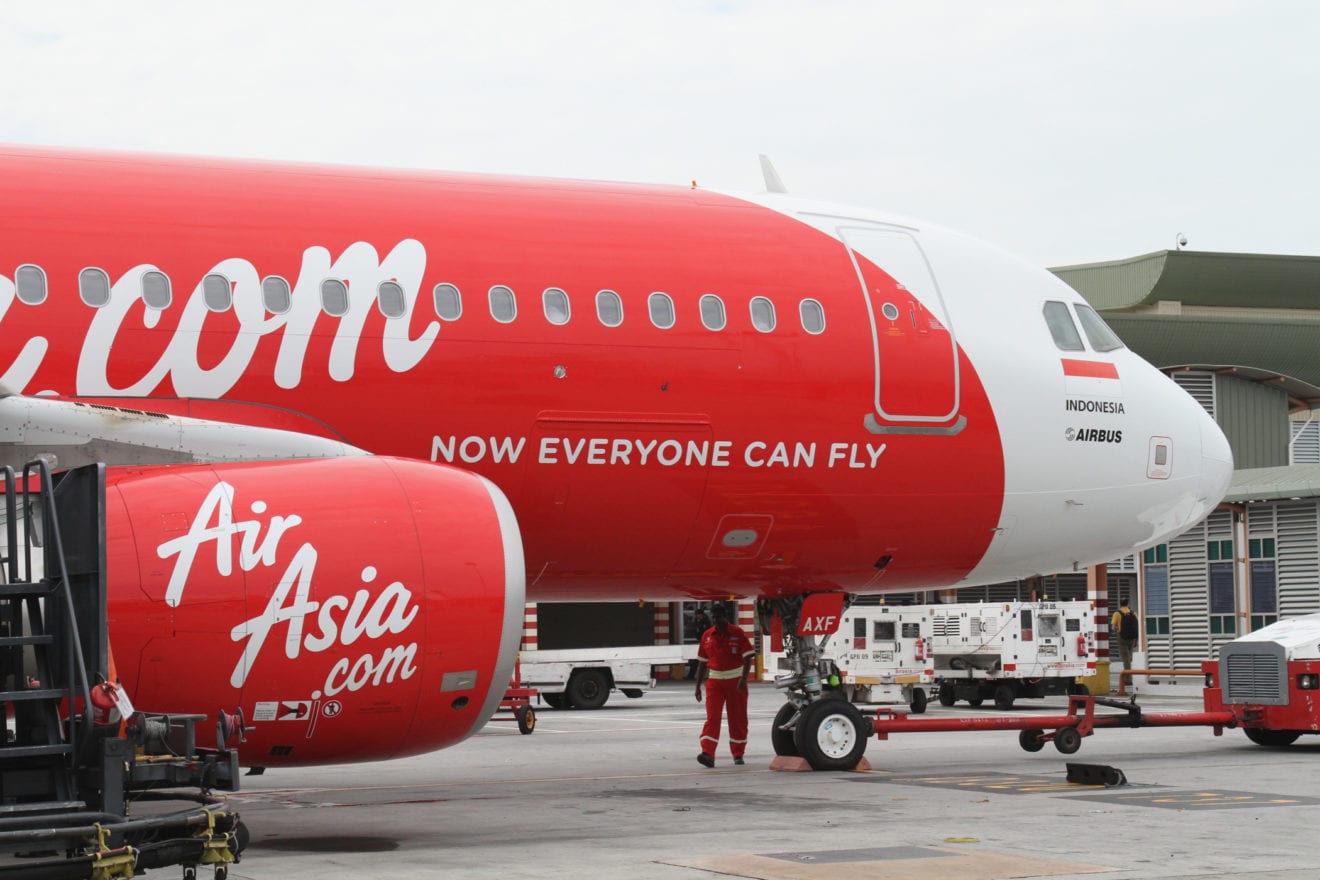
  • Indonesia AirAsia’s growth halted due to coronavirus and economy

    Indonesia AirAsia’s growth halted due to coronavirus and economy

    Indonesia AirAsia has been forced to halt its growth plan for this year, as a result of the coronavirus pandemic and economic challenges faced by Indonesia.

    The plan for 2020 was for the low-cost carrier to increase its market share by adding three new aircraft and launching new services, having recorded a 28% growth in revenue for 2019 as compared to 2018, says parent company AirAsia Indonesia.

    The viral outbreak has led to travel restrictions imposed by neighboring countries and is affecting the demand for domestic and international air travel. AirAsia Indonesia says that Indonesia’s “economic situation has become more challenging”, noting that the exchange rate for rupiah against the dollar is now at more than Rp16,000 ($0.97), and it continues to fluctuate.

    “By considering these factors carefully and deeply, the company is forced to suspend international and domestic flights until the situation improves, and demand for air travel picks up. The measure will certainly have a significant influence on the company’s operating and financial performance in the first half of 2020,” says AirAsia Indonesia.

    Indonesia AirAsia suspended operations on 1 April. Domestic flights are suspended until 21 April and international flights until 17 May.

    Meanwhile, AirAsia Indonesia’s plan to resume trading on Indonesia Stock Exchange (BEI) by offering new shares to the public was also affected, although it did not offer any other details.

    It was suspended from trading in August 2019 for not complying with BEI’s requirement for a company to have at least 7.5% of its paid-in capital available as free float in order to remain listed. As of 29 February, it only had 1.6% of shares available for trade.

    AirAsia Indonesia’s priority for the group over the next six months is to reduce its operating cost base by renegotiating with suppliers and key stakeholders, and to ensure that it can continue to operate during this period, it says. This will then be followed by working to “restore” its finances after the outbreak is declared over.

  • Coronavirus outbreak is affecting Facebook services too

    Coronavirus outbreak is affecting Facebook services too

    As more countries enact lockdowns due to coronavirus spreading and order population to stay home, wireless service provides are faced with new challenges. YouTube, Netflix and a couple of other important streaming services have already adjusted the quality of their stream to avoid internet congestion across Europe.

    Facebook is one of the companies that registered unprecedented traffic during the coronavirus outbreak. Facebook, Messenger, and WhatsApp have become vital apps for those who must remain home if they want to stay in touch with their friends and family. As such, Facebook announced that it’s struggling to maintain the reliability of its services during the COVID-19 outbreak.

    During this emergency, we’re doing everything we can to keep our apps fast, stable, and reliable. Our services were built to withstand spikes during events such as the Olympics or on New Year’s Eve. However, those happen infrequently, and we have plenty of time to prepare for them. The usage growth from COVID-19 is unprecedented across the industry, and we are experiencing new records in usage almost every day.

    And it’s not just the increased traffic that is putting a strain on all Facebook’s services, but the fact that all of the company’s employees are now working from home makes it even more challenging to maintain stability.

    In that regard, the social network giant announced that it will temporarily reduce bit rates for videos on Facebook and Instagram in those regions that are most affected by the COVID-19 pandemic. Also, the company is now testing and preparing for any issues that might arise in the coming months.

    Unfortunately, the crisis hasn’t reached its peak yet, as more countries are just starting to be affected by the coronavirus outbreak, so we can definitely expect things to get worse in the coming weeks.