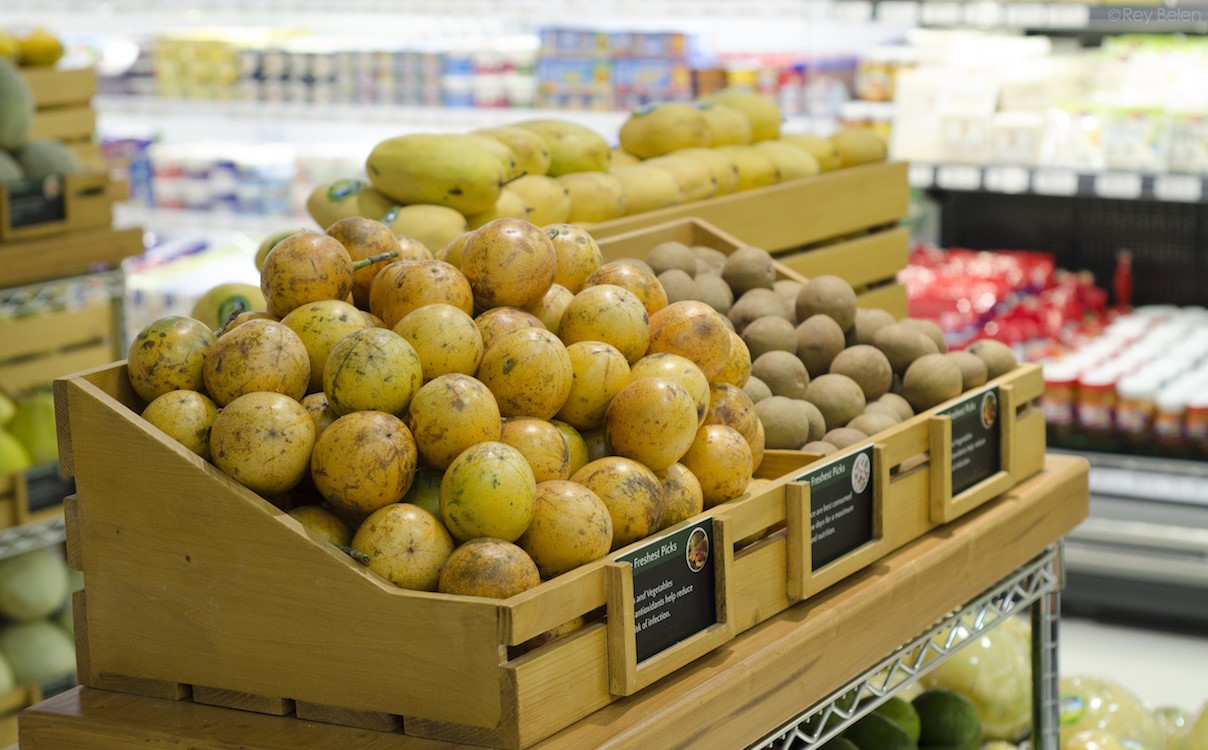
Robinsons Retail Holdings opened its first supermarket in Panglao, Bohol on September 4, targeting an island market where tourism operators and local households still lack modern grocery chains.
Net sales in the food division reached 125.8 billion pesos in 2025, generating 59.8 per cent of company revenue. Same-store sales grew 3.2 per cent. That performance gave the Manila-listed group clear incentive to add square footage outside the capital.
Located near Bohol’s international airport and beach strip, the Panglao store supplies commercial buyers such as resorts, restaurants, and hotels alongside residents and hospitality workers. In tandem with the supermarket opening, the company launched a Rose Pharmacy at Bellemar Lifestyle Center, bringing its provincial pharmacy network to nine sites.
The Imbalance Outside Luzon
Total food store count reached 799 across the group at the end of 2025, spanning Robinsons Supermarket, The Marketplace, Shopwise, Robinsons Easymart, and convenience brand Uncle John’s. The footprint remains concentrated in Luzon. Metro Manila held 410 locations, and outer Luzon accounted for 308.
Southern regions hold only a fraction of that total. The company operated 56 food stores in the Visayas and 25 in Mindanao at the end of 2025. Together, those 81 outlets equal less than a fifth of the Metro Manila network. That gap leaves substantial room for modern formats to expand across central and southern provinces.
Sari-Sari Dominance in Provincial Trade
Island expansions shift operating risk toward tourism cycles and local supply logistics rather than standard household traffic. Cold-chain transport to island provinces costs more than urban replenishment. Turnover also depends partly on seasonal visitor arrivals. Securing supply contracts with hotels and restaurants helps smooth those volume swings, shielding stores from local spending constraints.
Traditional retail continues to handle most grocery volume outside major cities. Government data from the 2023 National Nutrition Survey showed 66.9 per cent of households bought groceries regularly from neighborhood sari-sari stores and micro-retailers. Only 45.6 per cent shopped at supermarkets or modern outlets once or twice a month. Independent shops remain the chief competitor for formal chains entering provincial towns.
Scaling Beyond Capital Malls
Network consolidation in recent years helped RRHI sharpen its food stable across upscale, mass-market, and convenience formats. Revenue growth in 2025 paired store openings with like-for-like sales gains. Better integration across banners also improved regional supply lines.
Future quarters will show whether provincial same-store sales outrun the 3.2 per cent baseline set in 2025 as resort hubs absorb modern supermarket formats.