Following allegations of operating a multinational scam and money laundering network, Prince Bank owner Chen Zhi has elicited panic among customers in Cambodia. There has been a significant surge in account holders rushing to withdraw their funds from the embattled bank.
Mass Withdrawals and Public Discontent
On Saturday morning, throngs of account holders crowded outside Prince Bank’s main branch in Phnom Penh to retrieve their savings. Transactions were temporarily suspended at several other branches due to inadequate funds. Increasing public frustration was evident when customers found themselves unable to access Prince Bank’s website and mobile application.
Hoping to assuage their customers’ fears, the bank issued a statement encouraging patience, assuring that their services were functioning normally despite facing a barrage of public complaints.
The bank statement read, “The measures from the U.S. Treasury’s Office of Foreign Assets Control will not impact the bank’s operational ability. We continue to manage all our customer relationships with sincerity and transparency.”
International Sanctions Trigger Panic
The catalyst for the wave of withdrawals was an announcement on October 14 stating that sanctions had been imposed on Prince Holding Group (the parent company of Prince Bank) and its founder and chairman, Chen Zhi. These sanctions were implemented by the U.S. Department of Justice, the U.S. Department of the Treasury, and the British government.
Chen has been charged with fraud and money laundering by the U.S. government, which resulted in seizing more than US$15 billion in Bitcoin, allegedly laundered by Chen and Prince Holding Group. This is a landmark case, representing the largest asset forfeiture in the history of the Department of Justice. If Chen is found guilty, he could face a prison sentence of up to 40 years.
Additionally, the U.K. government imposed sanctions on Golden Fortune Resort World, which operates the Prince Compound near Phnom Penh. It also added the Jinbei Group, which is linked to Prince Holding Group via its hotels and casinos, and the digital currency platform Byex Exchange to its sanctions list.
Both governments have accused Chen of leading a transnational criminal network, swindling victims worldwide, and exploiting trafficked workers across Southeast Asia.
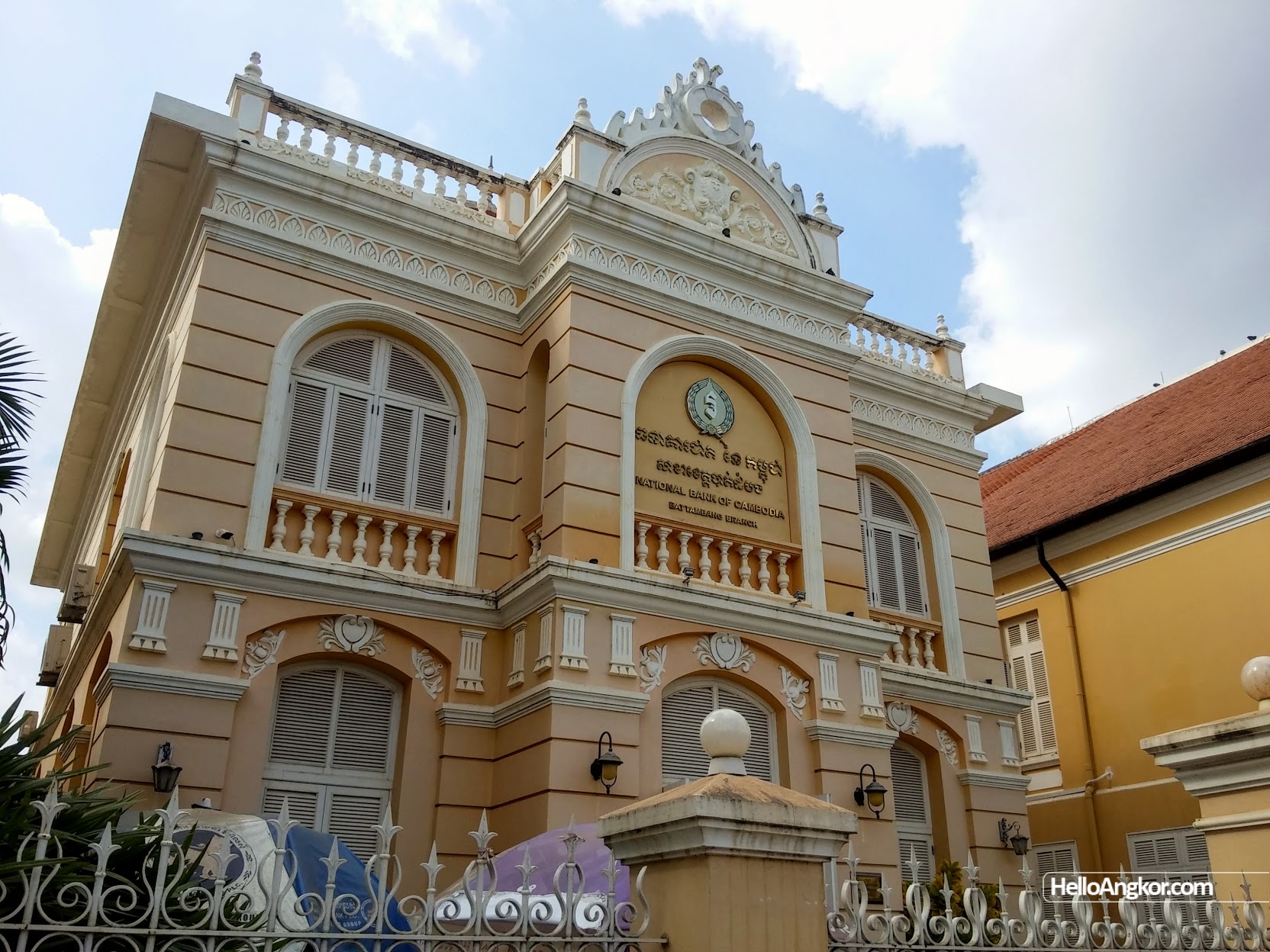
National Bank of Cambodia Reassures Depositors
In an effort to alleviate depositor anxiety, the National Bank of Cambodia assured that customer accounts are functioning normally and remain secure. It emphasized that banks are legally mandated to maintain sufficient liquidity to meet depositors’ demands.
Questions & Answers
What prompted the rush to withdraw money from Prince Bank?
The rush was triggered by allegations against the bank’s owner, Chen Zhi, accusing him of running a transnational scam and money laundering network.
What actions have been taken against Chen Zhi and Prince Holding Group?
The U.S. and U.K. governments have imposed sanctions on Prince Holding Group and its founder, Chen Zhi. The U.S. government has also charged him with fraud and money laundering, seizing over US$15 billion in Bitcoin that Chen and Prince Holding Group allegedly laundered.
How has the National Bank of Cambodia responded to the situation?
The National Bank of Cambodia has reassured depositors that customer accounts are functioning normally and remain secure. It also emphasized that banks are legally obligated to maintain sufficient liquidity to meet depositors’ demands.