Retail News CRM

Tag: paper

  • Vietnam’s International Paper and Packaging Expo Showcases Retail Innovations This May

    Vietnam’s International Paper and Packaging Expo Showcases Retail Innovations This May

    Surge in Vietnam’s Paper and Packaging Sector: VPPE 2025 Set to Showcase Innovation

    In a remarkable evolution of its manufacturing landscape, Vietnam’s paper and packaging sectors are witnessing significant growth. This momentum is driven by a decisive shift from single-use plastics towards sustainable paper solutions, fueled by the booming e-commerce sector and robust export activities. The upcoming Vietnam Paper and Packaging Exhibition (VPPE) 2025 promises to capitalize on these trends, offering substantial opportunities for industry stakeholders.

    A Platform for Industry Leaders

    Hosted by the Vietnam Pulp and Paper Association, the Vietnam Packaging Association, and the Vietnam Advertising Association, VPPE 2025 will be a vital hub for businesses looking to display their innovations, broaden their market reach, and connect with potential clients and partners. With over 250 booths featuring close to 500 brands from Vietnam and around the globe—including notable representatives from Japan, China, South Korea, and the United States—attendees can expect a dynamic showcase of industry advancements.

    Explore Cutting-Edge Innovations

    During this three-day event, more than 10,000 specialized visitors will have the opportunity to discover a wide array of high-quality products and state-of-the-art technologies. Highlights include advanced paper machines, innovative fiber treatment technologies, and comprehensive packaging solutions. The exhibition will also emphasize eco-friendly recyclable packaging and promote solutions for wastewater and exhaust gas treatment, aligning with contemporary consumer trends for sustainability.

    Engaging Activities and Networking Opportunities

    VPPE 2025 is not just an exhibition; it’s a comprehensive experience that incorporates various supplementary activities. Attendees can participate in the Annual Vietnam Packaging Summit, the Vietnam Packaging Awards 2025 Ceremony, and the Vietnam Paper Industry Technical Conference. Workshops will focus on quality standards and management in paper packaging production, providing further value to participants. Moreover, the newly introduced VPPE Golf Tournament offers a unique opportunity for networking in a more relaxed environment.

    Accessibility and Amenities

    To ensure a seamless experience, organizers are providing free round-trip shuttle buses from Ho Chi Minh City to the venue. Additional shuttle services will be available for groups traveling from selected provinces. Onsite amenities include a business lounge, dining areas, complimentary refreshments, and even a lucky draw program, all designed to create a welcoming and productive atmosphere.

    As the paper and packaging industries evolve, VPPE 2025 stands as a pivotal event, showcasing consumer trends and brand expansions that reflect the sector’s future. This exhibition not only highlights innovation but also prepares the retail sector and consumers for a more sustainable tomorrow, bridging the gap between demand and eco-friendly alternatives.

    For more information, visit [VPPE 2025 official page].
  • Heinz to test paper-based ketchup bottle for worldwide launch

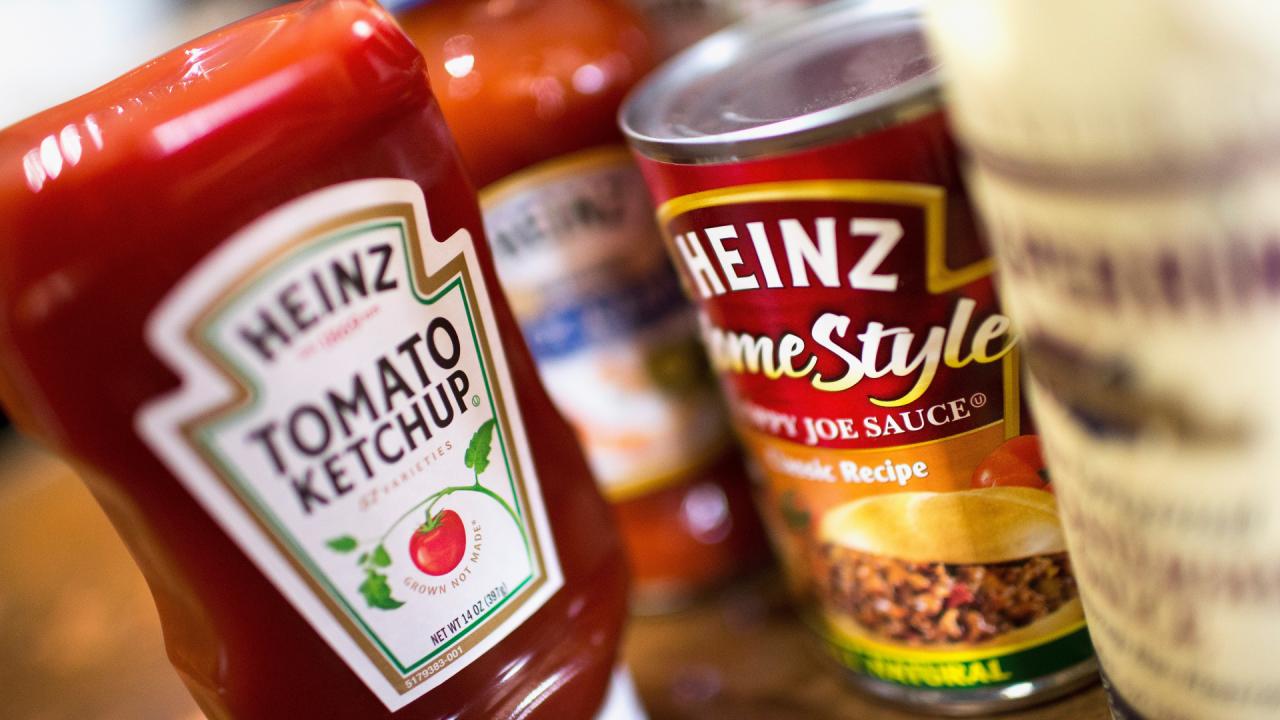
    Heinz to test paper-based ketchup bottle for worldwide launch

    Pulpex, a packaging technology company co-founded by Diageo, has quickly grown in prominence with several CPGs working with the upstart. PepsiCo, which debuted a prototype of the world’s first fully recyclable paper bottle last year, and Unilever have committed to using Pulpex’s technology in their packaging as founding partners of a consortium of companies.

    For Kraft Heinz, the new bottle type will help in its broader sustainable packaging ambitions. The manufacturer of Velveeta cheese and Oscar Mayer cold cuts has pledged to make all of its packaging globally recyclable, reusable or compostable by 2025. It also is aiming to achieve net-zero greenhouse gas emissions by 2050.

    A big reason why companies are investing money to improve their packaging is not only to be altruistic but also because consumers are responding through their purchases.

    More than two-thirds of consumers consider it important that the products they buy are in recyclable packaging, according to Trivium Packaging’s 2021 Global Buying Green Report. The report also found 54% take sustainable packaging into consideration when selecting a product.

    It’s a big reason why General Mills’ Nature Valley Crunchy granola bars, for example, moved to fully recyclable plastic wrappers starting last year and PepsiCo’s Frito-Lay division introduced a compostable bag for its Off The Eaten Path brand.

    Coca-Cola has introduced bottles made from 100% recycled plastic material, Mars Wrigley has partnered with Danimer Scientific to create biodegradable wrappers for Skittles and Danone’s Evian bottled water brand has unveiled a new recycled plastic (rPET) prototype bottle using technology from Loop Industries. The Evian bottles will first appear at a commercial scale in South Korea in 2022 before debuting elsewhere in the future.

    In many cases, companies are testing out new sustainable technologies before determining whether to roll them out more broadly — a key step to ironing out any glitches and making production cost-effective. Kraft Heinz said it will test the prototype to assess performance before trying it with consumers and then eventually bringing the bottle to market.

    The fact that easily recognizable brands such as Heinz are embracing paper-based packaging adds significant momentum behind the shift.

    “The scope for paper-based packaging is huge, and when global household names like Heinz embrace this type of innovative technology, it’s good news for everyone — consumers and the planet,” said Pulpex CEO Scott Winston.

  • Uniqlo Singapore goes paper shopping bags

    Uniqlo Singapore goes paper shopping bags

    Uniqlo Singapore is ditching its plastic shopping bags in favor of paper.

    The decision reflects a global move by the brand to become more environmentally friendly and reduce its reliance on single-use plastics. The new bags will retail at 10 cents each, with a more robust eco-friendly tote bag available at SG$2.90.

    Uniqlo’s Japanese parent Fast Retailing Group announced intentions to eliminate unnecessary plastics use throughout its supply chain in July last year. The firm plans to reduce single-use plastic by 85 percent (around 7800 tons annually) by the end of this year.

    Uniqlo is also addressing other factors in its supply chain, including reducing the volume of water used in its jeans washing process by an average of 90 percent as well as introducing new material in its clothing items – Dry-Ex – derived from recycled plastic bottles

  • Uniqlo switches to paper bags

    Uniqlo switches to paper bags

    Japanese retailer Uniqlo has jumped on the sustainability train, eliminating the use of plastic bags in its stores and switching to eco-friendly paper bags later this month.

    The bags will cost 15c in an attempt to encourage customers to bring their own reusable bags and will be launched in phases across the brand’s 21 Australian locations. The store will also sell branded bags made of recycled plastic bottles for $2.90.

    The switch is part of a move to become more environmentally friendly and coincides with the Victorian Government’s single-use plastic shopping bag ban which comes into effect in November.

    “Sustainability has increasingly become a priority on the global agenda and as a leading retailer, it has been crucial for Uniqlo to look at how we can address this key issue, whether from a clothing design perspective, or current in-store practices,” Kensuke Suwa, Uniqlo Australia’s chief operating officer, said.

    “We definitely recognize that Uniqlo has a role to play and the team is consistently exploring new sustainability initiatives to roll out in this market.”

    Woolworths also began offering paper bags earlier this month, in a bid to give more options to customers who forget to bring a reusable bag when shopping.

    “The vast majority of our customers bring their own bags to shop, but we know there are occasions when they forget or visit our stores unplanned,” a Woolworths spokesperson said in a statement to Inside Retail.

    “Some customers have told us they would like the option of a paper bag when this happens.”

    The adoption of paper bags is one part of Uniqlo-owner Fast Retailing’s ongoing efforts to eliminate the use of unnecessary plastic in its supply chain – having committed to reducing the amount of single-use plastics passed on to customers by 85 percent by the end of 2020.

    However, it is also looking at other parts of the supply chain and introducing several initiatives aimed at improving the manufacturing process.

    Uniqlo’s Jeans Innovation Centre has reduced the amount of water used in the washing process of its jeans by an average of 90 percent. The first batch of jeans using this process will be introduced in its 2019 fall/winter season and will be used for all Uniqlo jeans moving forward.

    Additionally, the company announced last year it would begin using a material formed from recycled plastic bottles in items of clothing called ‘Dry-Ex’, and that it would recycle down collected in Japanese stores into new products.

    “Uniqlo is committed to improving the sustainability of society,” Uniqlo founder and chairman Tadashi Yanai previously said.

  • Countdown Started to offer paper bags at checkout

    Countdown Started to offer paper bags at checkout

    Countdown will begin selling recyclable paper bags at checkout, as the government ban on the sale and distribution of single-use plastic bags takes effect on July 1st. The paper bags will cost 20 cents each, and be made of Forestry Stewardship Council (FSC) certified paper.

    “We’re really pleased to see single-use plastic carrier bags banned in New Zealand,” Countdown general manager of corporate affairs, safety and sustainability Kiri Hannifin said.

    “Bringing your own bags is a behaviour change that New Zealanders are really getting behind, and it’s always our first preference.

    “We’ve recently started accepting BYO containers in our deli, meat and seafood counters in selected stores and we’re hoping to roll this out nationwide shortly too.”

    According to Countdown, the move away from single-use plastic bags at the supermarket has meant 350 million fewer plastic bags are entering the New Zealand waste stream each year.

    The new legislation applies to all retailers in the country, and includes all single-use plastic bags under 70 microns thick.

    Retail NZ interim chief executive Greg Harford welcomed the legislation, stating that it is good for the environment and for the country.

    “Retailers large and small have been working hard over time to reduce or eliminate the number of plastic carrier bags being issued, and the formalisation of the phase out will ensure that there is a level playing field right across the retail sector,” Harford said.

    Countdown confirmed it has started work on a programme to look at the ways the supermarket uses plastic, the types being used and why, as well as alternatives that could be adopted that would be suitable for New Zealand’s waste infrastructure.

    “This includes reducing plastic where possible, trialling different bag options in bakery, installing produce misting systems to remove the need for packaging on fruit and veges, and supporting the return of the soft plastics recycling scheme in a number of Auckland stores,” Hannifin said.

  • Asia Pulp and Paper Introduces New Compostable  Bio Container for Takeaway Food to FooPak suite

    Asia Pulp and Paper Introduces New Compostable Bio Container for Takeaway Food to FooPak suite

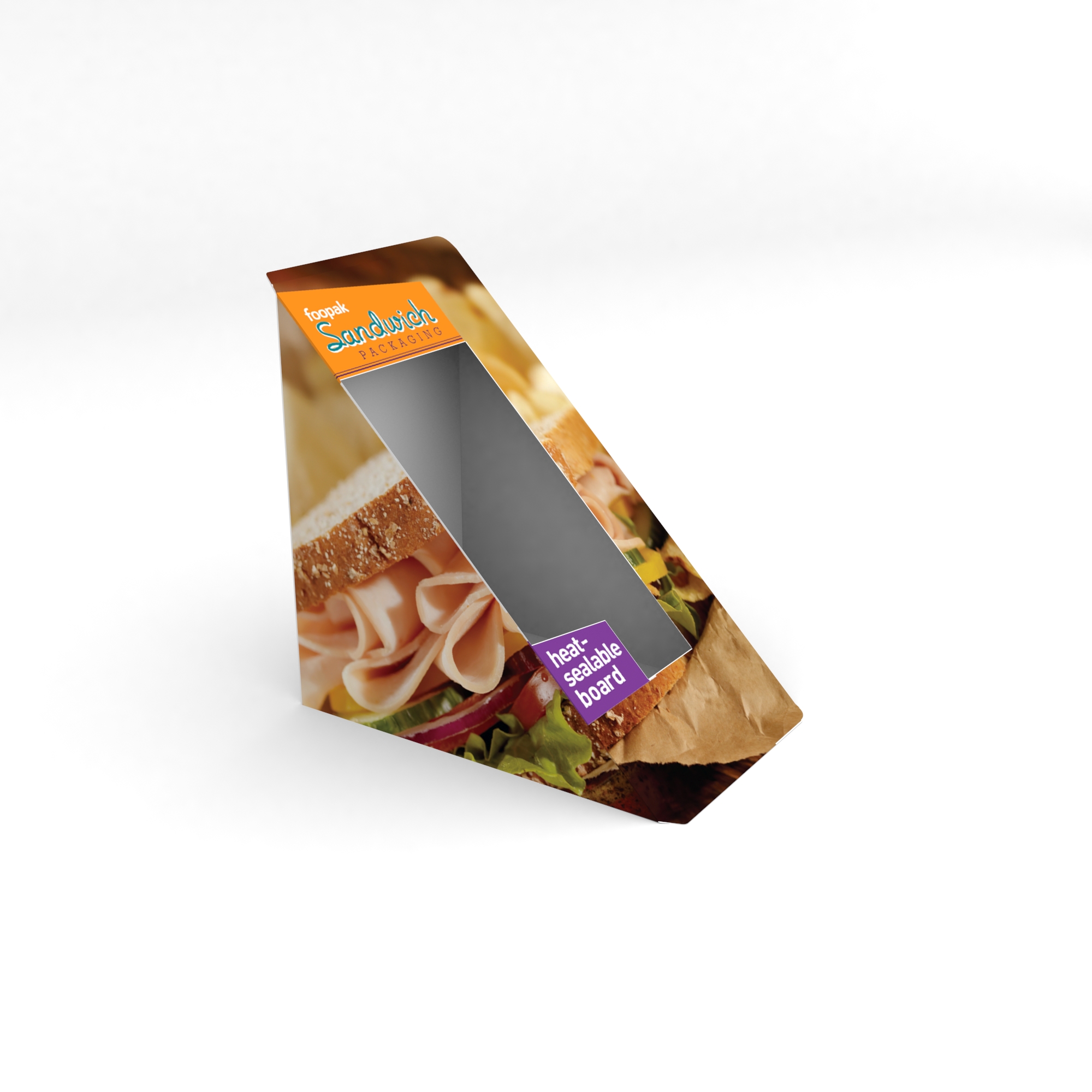
    Asia Pulp & Paper (APP) continues to expand its portfolio to meet the environmentally conscious goals and demands of consumers with the newest addition to the Foopak suite of products: the new Bio Container for takeaway food. Constructed with folding boxboard (FBB), the box offers a fully biodegradable and compostable solution for takeaway containers, trays, and other direct food contact items. The highly durable paper stock capable of breaking down naturally in 12 weeks makes the boxboard an ideal alternative to commonly used plastic boxes.

    The Bio Container’s double coating has an outside layer that is ideal for branding and promotions with a white surface that is excellent for multi-color lithography, letter press, and flexography. The inside layer provides a level 9 grease resistance, designed to protect against water and grease absorption to promote reduced food leakage. Formulated for high-speed bar heat-sealing at 80C/356F for converting and finishing and hot gluing applications. The box is suitable for both microwave and freezer use.

    This new offering from APP is FDA compliant and ISEGA certified for composability within 12 weeks, and available in 260-370 gsm & 13.3-23.6 caliper. Strength and sustainability combined gives brands a solution to single-use plastics that satisfies consumer demands for both quality and environmental impact.

    “Expanding our Foopak line to include FBB to-go containers is another step toward helping brands across the globe reach their sustainability goals,” said Felix Koh, Senior Vice President and Global Business Unit Head, APP. “We’re proud to offer a product that will satisfy the needs of consumers and businesses alike, while extending our market reach.”

  • Vietnam paper imports up last year

    Vietnam paper imports up last year

    Việt Nam imported US$682.1 million worth of paper products last year, a year-on-year increase of 10.86 per cent, reported the Việt Nam General Department of Customs.

    In December 2017 alone, Việt Nam imported $58.8 million worth of paper products, down 10 per cent compared to November, the first drop in three consecutive months.

    Vietnamese paper products are mainly imported from China, accounting for 42 per cent of total turnover, reaching $285 million in 2017 and increasing 19.95 per cent against 2016. The second largest import market was Thailand with $91.1 million, up 9.35 per cent compared to the previous year, followed by the Republic of Korea and Japan with $59.5 million and $50.3 million, respectively.

    In addition to these markets, Việt Nam also imports from other markets such as Hong Kong, Taiwan, Indonesia and Malaysia, as well the United States, Germany and Singapore.

    In general, last year, the import turnover of paper products from all markets grew significantly, compared to 2016 and accounted for 72.2 per cent.

    Particularly, imports from the German market increased sharply. Although Germany is not the main import market, it accounted for only 0.7 per cent of the country’s total import turnover; compared to 2016, this result increased 1.3 times. Besides, imports from Indonesia and Japan were also up sharply, rising by 33.16 per cent and 19.09 per cent, respectively.

    In contrast to markets with strong increases, imports from Singapore, Malaysia and Hong Kong decreased 12.01 per cent, 10.4 per cent and 1.26 per cent, respectively.


  • Paper dominates Indonesia`s export in 2016-2017

    Paper dominates Indonesia`s export in 2016-2017

    Paper products dominate Indonesias global exports in two years, which was worth US$13.95 billion of the total wood products’ exports of $11.83 billion in 2016-2017.

    “These value are wood-based products with V-Legal documents, namely SVLK and FLEGT licenses,” Director of Forest Products Processing and Marketing, Ministry of Environment and Forestry, Rufiie, said here on Monday.

    SVLK is Indonesias timber legality assurance system, while FLEGT is the EUs Forest Law Enforcement, Government and Trade.

    According to Rufiie, the export of wood products using the V-Legal and FLEGT system was just implemented in 2016. FLEGT was issued after Indonesia implemented SVLK.

    In 2016, Rufiie added that the total global export value of Indonesia’s timber products amounted to $9.26 billion. Wood products’ exports with FLEGT license, which is exported to the EU, amounted to $868.85 million.

    Of the total exports, paper products to all countries around the globe amounted to $3.11 billion, while paper exports to the EU amounted to $204.17 million.

    “There are two systems applied in wood products’ export, namely with SVLK for all countries outside the EU and FLEGT Licenses for the EU market,” Rufiie remarked.

    Up to March 2017, the export value of wood products to all countries was worth $2.57 billion, while that to the EU was worth $277.26 million.

    The global paper export value until March 2017 was worth $837.37 million, while export to the EU was worth $65.25 million.

    “Export of wood products in the form of handicrafts to all countries till March 2017 was worth $28.91 million, export of furniture was worth $368.05 million, export of panel was worth $567.48 million, export of pulp was worth $475.66 million, export of wood works was worth $265.04 million, and export of wooden chips was worth $ 28.91 million,” Rufiie revealed.

  • Peruri to build currency paper factory in 2017

    Peruri to build currency paper factory in 2017

    The state-owned money printing company, Peruri, has set a target to build a currency paper factory in 2017, according to the companys President Director, Prasetio.

    Such a currency printing firm is badly needed because Indonesia does not have one so far, Prasetio pointed out here on Monday.

    “God willing, we will be able to sign a Memorandum of Understanding (MoU) with our partners, so that it can be realized next year,” Prasetio explained, adding that the venture is open to both domestic and foreign investors to be partners.

    Prasetio further said that the currency paper plant will be built on Peuris own land in the West Java Provincial District of Karawang.

    Prasetio did not elaborate how much investment would be required for the project.

  • Printed Media Enters Twilight Period

    Printed Media Enters Twilight Period

    In line with the increasing popularity and knowledge of internet in the society, many online media have successfully attract readers and printed media advertisers. “This is what we call the twilight of print media,” said Communications and Informatics Minister Rudiantara on Tuesday, January 26, 2016.

    According to Rudiantara, the progress of online media can be seen from the constantly improving financial performance of the companies. “Just look at their balance sheets in the stock market,” said Rudiantara.

    Rudiantara added that compared to printed media, online media can be considered to have the upper hand in presenting information. By accessing a digital news website, consumers can read texts, see pictures and watch videos almost at the same time. In addition, readers who wish to interact with writers can just leave a comment and immediately receive responses.

    Such advantages also attract advertisers. Rudiantara predicted that more advertisers will prefer to advertise through online media. “For advertisers, online media offer advantages, ranging from placement to payment,” Rudiantara said.Ari Fadyl, head of transformation and innovation at AXA Indonesia, also said that it is easier to attract consumers through online media. Only by clicking links, prospective consumers can enter a company’s homepage or mobile app. “This is important because to buy an insurance, for example, people need to be assured with explanations or ‘experiences’,” said Ari.

    Ari explained that ‘experiences’ can be in the forms of online test to identify a children’s talent in relation to finding the right school, which will eventually attract parents to apply for an educational insurance. Such method, Ari claimed, is proven to be effective in gathering customers. “We just started using digital platform two years ago, and now we have around eight million customers from [online platform],” Ari said