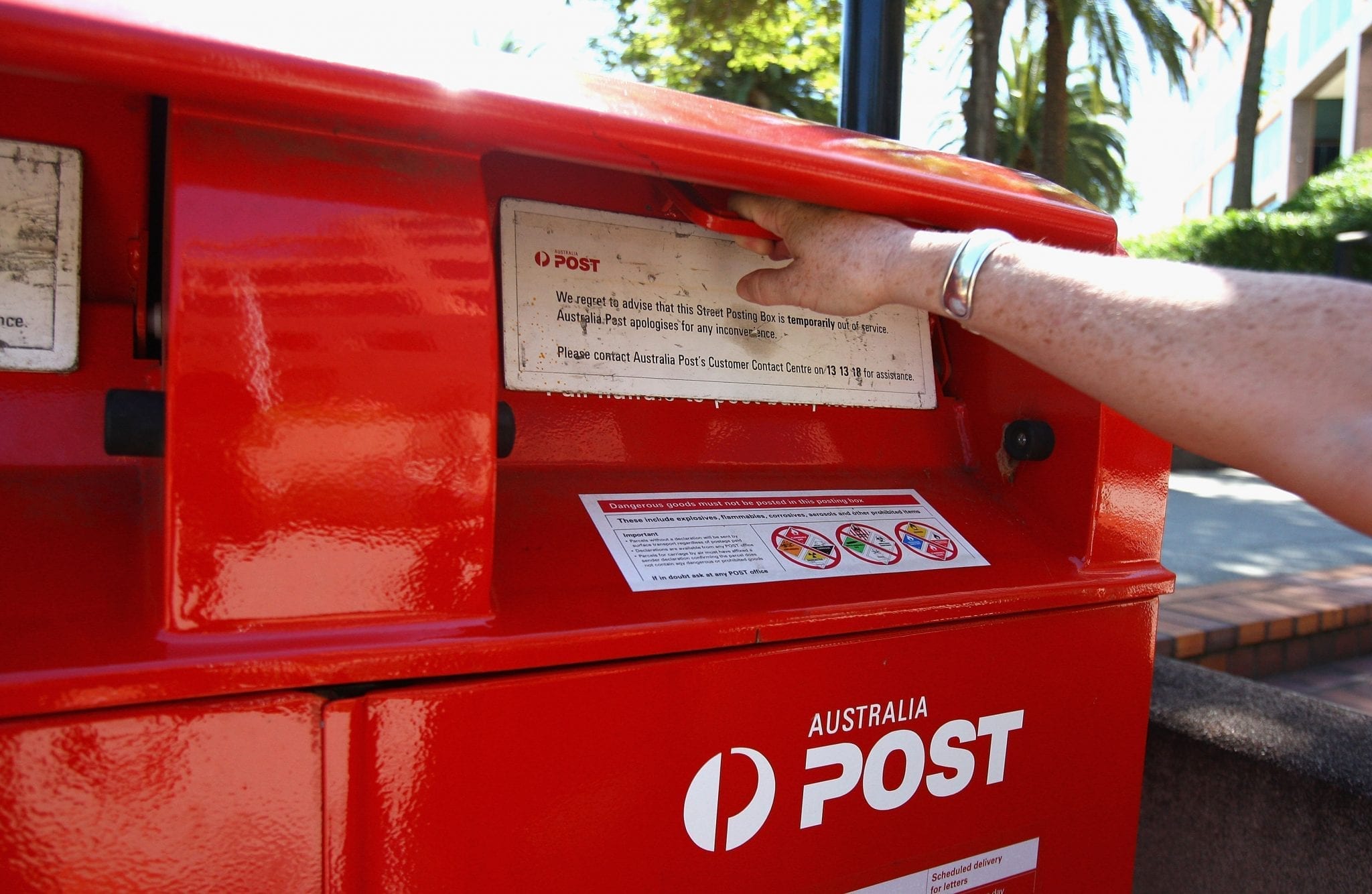
Australia Post expects to handle more than 120 million parcels during the year-end shopping period, recruiting 3,900 casual staff after volumes rose 7.8 per cent over four weeks.
The postal carrier projects total seasonal volume growth between 6 and 8 per cent compared to the same stretch last year. Logistics managers and retail executives outlined their operational readiness during Australia Post’s Peak Halftime Huddle briefing, detailing delivery cut-offs, inventory flows and margin pressures across the Australian retail sector.
Network Deadlines And Labour Capacity
StarTrack Road Express shipments face a final lodgement deadline of December 19 to guarantee delivery before Christmas Day. Standard Parcel Post items must enter the network by December 21 for most Australian destinations. Express Post, StarTrack Premium and metro services maintain operations until December 23.
Shane Plant, executive general manager of network operations at Australia Post, confirmed the 7.8 per cent jump in lodgements recorded across the preceding four-week window. The state-owned carrier is deploying temporary sorting labour across major hubs to clear intake spikes before parcel bottlenecks reach regional distribution centres.
Carriers across the Asia-Pacific region face similar volume concentrations as year-end discount events pull fourth-quarter demand forward. Australian merchants run narrower transport buffers than regional counterparts in Japan or Singapore because of domestic transit distances, leaving little margin for warehouse sorting delays or misrouted freight.
Australian Retail Council chief executive Chris Rodwell warned that higher gross sales do not guarantee healthy earnings. Heavy promotional discounting across Cyber Weekend threatens net profit margins if retailers rely entirely on markdown pricing to hit revenue targets before trade slows in January.
Discount Fatigue And Margin Protection
Consumer behaviour shows tighter spending discipline despite rising parcel volumes. Research cited by Victoria Devine, founder of financial education platform She’s On The Money, showed 81 per cent of Australian shoppers compare prices across multiple merchants before buying. Another 59 per cent stated they refuse to purchase products at full ticket price.
Early buying patterns have also shifted. Last year, 29 per cent of consumers completed their holiday purchases early, compared with just 8 per cent who waited until the final weeks of December. Retailers face shoppers who are prepared to delay purchases until automated price drops trigger.
Kip&Co chief executive Chris Miles said the homewares merchant is introducing exclusive product ranges and partner collaborations rather than discounting entire core catalogues. Wesfarmers Health general manager of e-commerce and loyalty Leela Sennitt reported that its Pulse Rewards program is deploying value-add incentives, early access windows and member gift packs to protect base product margins.
Store Operations And Click And Collect
Adairs Group is handling higher store pickup traffic to bypass peak courier charges and delivery cutoff constraints. Chief executive Elle Roseby reported double-digit growth in click-and-collect orders, prompting the business to overhaul store fulfillment processes and eliminate split-order shipments from separate regional warehouses.
Physical store networks provide crucial fulfillment relief when carrier collection windows close. Retailers that integrate inventory systems between point-of-sale registers and distribution centres convert foot traffic into incremental sales, capturing add-on purchases when shoppers arrive at stores to collect parcels.
Earlier supply chain audits across the Australian retail sector identified split fulfillments as a primary driver of customer support costs and freight surcharges during the 2023 holiday rush. Resolving order grouping before dispatch protects trading margins against multiple last-mile courier fees.
Fulfillment Errors And Packaging Friction
Automated sorting systems face processing disruptions from unreadable barcodes and non-standard parcel dimensions. Australia Post executive general manager for parcel post and e-commerce services Gary Starr pointed to warehouse labelling standards as a critical factor in network throughput.
“It sounds really basic, but a bad label can’t get read, goes around the machine three times, takes up a cell that another parcel could have been on,” Starr said.
Retailers are running out of time to reconfigure packing lines before Cyber Weekend lodgements peak in late November. Carrier sorting centres will begin applying standard processing cutoffs as the December 19 freight deadline approaches.